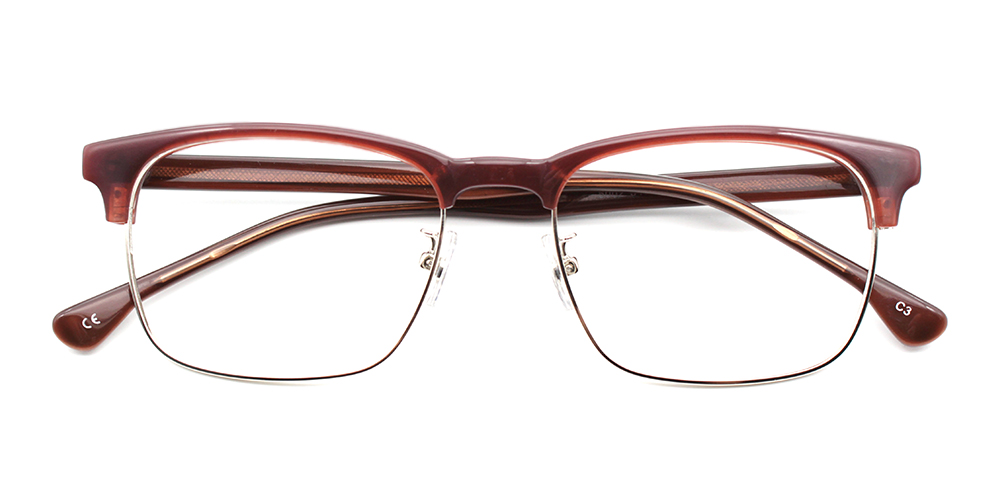
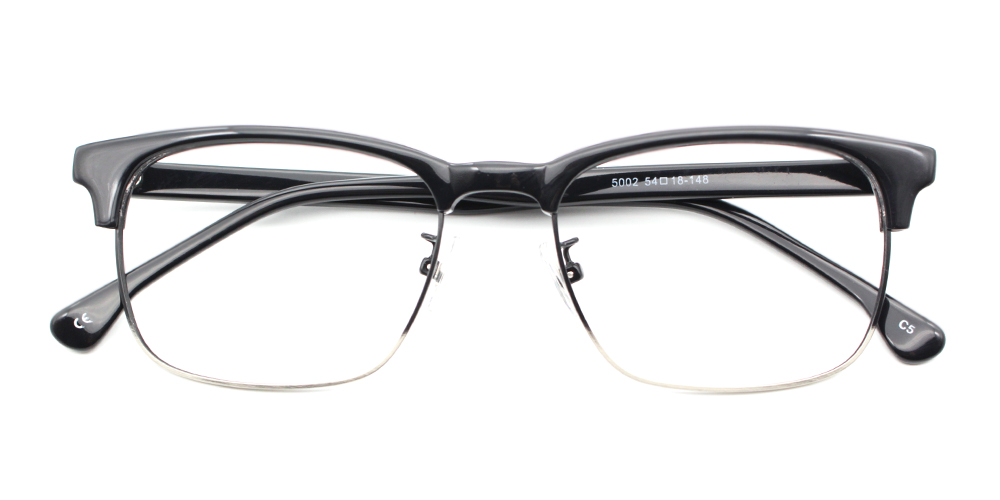
Eye injuries happen far more often than many people realise. Whether you’re operating machinery in a factory, cutting timber in a workshop, or tackling a weekend home improvement project, your eyes remain constantly exposed to hazards. Choosing the right prescription safety glasses is one of the simplest ways to protect your vision while maintaining the clear sight you need to work effectively.
Unlike ordinary eyewear, safety-rated prescription glasses are designed to withstand impacts, shield against airborne particles, and provide dependable protection in demanding environments. However, with numerous frame styles, lens materials, and safety standards available, selecting the right pair can feel overwhelming.
This guide explains everything you need to know before buying safety eyewear for work, DIY projects, and industrial applications.
Why Ordinary Glasses Are Not Suitable for Hazardous Environments
Many people mistakenly assume their regular prescription glasses provide sufficient protection. In reality, standard eyewear is not built to handle workplace hazards.
Everyday glasses are designed primarily for vision correction. They are not tested for impact resistance, lens retention, or protection against debris. Under pressure, conventional lenses may crack or shatter, potentially increasing the risk of injury.
Proper prescription protective eyewear undergoes rigorous testing to ensure it can withstand workplace demands while maintaining optical clarity.
Common hazards include:
- Flying metal fragments
- Wood chips and sawdust
- Dust particles
- Chemical splashes
- Sparks and debris
- Accidental impacts
Even home workshops can present serious risks, making dedicated protective eyewear essential.
Prescription Safety Glasses: Key Features to Look For
Not all protective eyewear performs equally. Before purchasing prescription safety glasses, consider the following features.
Certified Safety Standards
Certification should always be your first consideration.
Look for eyewear that complies with recognised safety standards such as:
- ANSI Z87.1
- EN166
- CE certification, where applicable
These standards ensure the eyewear has passed impact, durability, and optical quality testing.
Safety certification markings should be visible on both the frame and lenses.
Impact-Resistant Lens Materials
Lens material significantly influences protection levels.
Polycarbonate lenses remain the preferred choice because they offer:
| Benefit | Why It Matters |
| High impact resistance | Protects against flying debris |
| Lightweight construction | Improves comfort during long shifts |
| UV protection | Shields eyes outdoors |
| Excellent durability | Reduces breakage risk |
For industrial settings, polycarbonate is widely considered the gold standard.
Side Protection
Hazards rarely approach from directly in front.
Effective Rx safety glasses should include:
- Integrated side shields
- Wraparound frame designs
- Extended lens coverage
Additional side protection helps prevent particles from entering the eye area from multiple angles.
Choosing the Right Frame for Your Work Environment
Different workplaces create different risks. Frame selection should always reflect the environment in which the glasses will be worn.
Manufacturing and Industrial Facilities
Workers in manufacturing environments often encounter high-speed debris and prolonged wear requirements.
Look for:
- Wraparound frames
- Lightweight materials
- Adjustable nose pads
- Non-slip temple grips
Comfort becomes particularly important when eyewear is worn throughout an entire shift.
Construction and Trade Work
Construction professionals frequently move between indoor and outdoor environments.
Useful features include:
- Photochromic lenses
- Anti-fog coatings
- Dust-resistant designs
- Enhanced side protection
Durability should remain a top priority.
DIY and Home Workshop Projects
DIY enthusiasts often underestimate the hazards associated with home improvement.
Tasks such as:
- Sanding
- Drilling
- Cutting timber
- Grinding metal
- Lawn maintenance
can all generate dangerous airborne debris.
Reliable safety specs prescription eyewear provides valuable protection even during short-duration projects.
Lens Coatings Worth Considering
Lens coatings can dramatically improve both performance and user satisfaction.
Anti-Fog Coatings
Temperature changes and physical exertion frequently cause lenses to fog.
Anti-fog treatments help maintain uninterrupted visibility during:
- Physical work
- Outdoor projects
- Workshop activities
- Cold weather conditions
Clear vision reduces distractions and improves safety.
Scratch-Resistant Coatings
Protective eyewear often faces harsh treatment.
Scratch-resistant coatings extend lens lifespan by improving resistance to:
- Abrasive dust
- Frequent cleaning
- Every day wear and tear
This feature can significantly reduce replacement frequency.
UV Protection
Outdoor workers benefit greatly from lenses that block harmful ultraviolet radiation.
Extended UV exposure may contribute to long-term eye health issues, making built-in UV protection highly valuable.
How Comfort Influences Safety
Workers are far more likely to wear protective eyewear consistently when it feels comfortable.
Poorly fitting glasses often cause:
- Pressure points
- Headaches
- Slipping during movement
- Ear discomfort
These issues frequently lead workers to remove their eyewear, reducing protection.
When trying on safety glasses, assess:
Fit Checklist
- Do the glasses remain stable when moving?
- Is there excessive pressure behind the ears?
- Are the nose pads comfortable?
- Does the frame interfere with hearing protection?
- Is peripheral vision unrestricted?
A proper fit promotes all-day compliance.
Common Mistakes Buyers Make
Many purchasers focus on price alone rather than overall value.
Avoid these common mistakes.
Buying Non-Certified Eyewear
Eyewear marketed as “protective” may not meet recognised safety standards.
Always verify certification markings before purchase.
Ignoring Workplace Hazards
Different environments require different protection levels.
For example:
| Environment | Recommended Features |
| Workshop | Impact resistance, side shields |
| Laboratory | Splash protection |
| Outdoor Trades | UV protection, anti-fog |
| Industrial Facilities | High-impact certification |
Choosing glasses without assessing hazards can compromise safety.
Prioritising Style Over Function
Modern protective eyewear can look stylish, but protection should always remain the primary consideration.
Appearance matters, but performance matters more.
Signs It Is Time to Replace Your Safety Glasses
Protective eyewear does not last forever.
Inspect your glasses regularly and replace them if you notice:
- Cracked frames
- Deep scratches
- Loose hinges
- Distorted vision
- Damaged side shields
- Worn nose pads
Compromised eyewear may no longer deliver reliable protection.
Quick Buying Checklist for Prescription Safety Eyewear
Before making your purchase, confirm that your chosen glasses provide:
- Appropriate safety certification
- Impact-resistant lenses
- Comfortable all-day fit
- Adequate side protection
- Anti-fog options if needed
- Scratch resistance
- Prescription compatibility
- Compatibility with other PPE, such as helmets or hearing protection
This checklist helps ensure long-term satisfaction and dependable protection.
Why Quality Prescription Safety Glasses Are Worth the Investment
Quality protective eyewear is not simply another workplace accessory. It is essential personal protective equipment.
Vision directly influences accuracy, productivity, and overall safety. Investing in dependable prescription safety glasses reduces the risk of preventable injuries while allowing users to work with confidence and clarity.
Reliable prescription protective eyewear also encourages consistent use because modern designs combine comfort, durability, and optical precision.
Conclusion
Whether you work in manufacturing, construction, engineering, or simply enjoy DIY projects at home, protecting your eyesight should never be optional. The right prescription safety glasses provide far more than vision correction. They deliver impact protection, long-term comfort, and peace of mind in environments where hazards are unavoidable.
By understanding safety certifications, lens materials, frame designs, and workplace requirements, buyers can confidently select eyewear that performs when it matters most. Investing in properly certified protective eyewear today helps safeguard your vision for years to come.