Why Mountain Light Feels Different
Mountain routes expose your eyes to more than ordinary sunshine. Open slopes offer little shade, weather can change quickly, and snow or pale rock can reflect light from below as well as above.
Mountaineering sunglasses should reduce brightness without hiding useful detail.
Choosing a Lens for the Conditions
The best lens depends on the season, surface and weather you expect.
Useful options include:
- Grey lenses: Reduce brightness while keeping colours relatively neutral.
- Brown or bronze lenses: Add warmth and may make rock and trail contrast feel stronger.
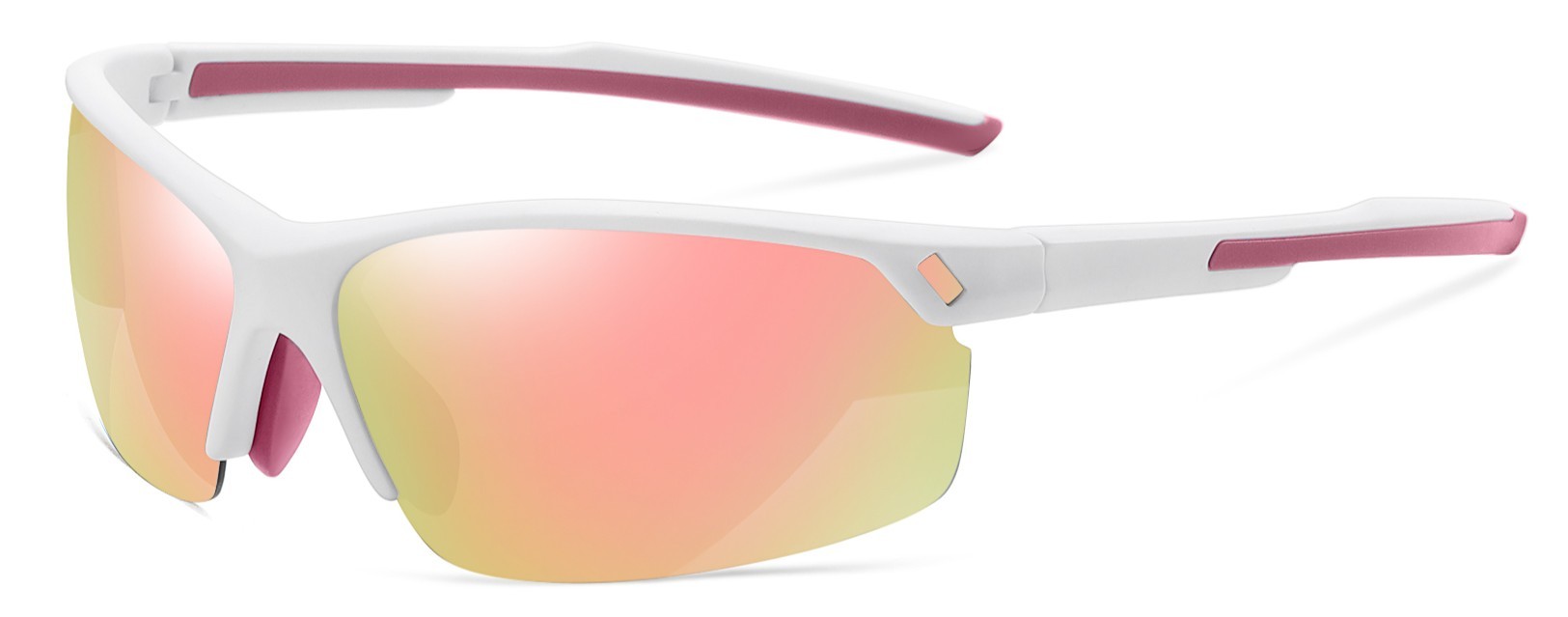
- Amber or rose tints: Can help in flat or changeable light.
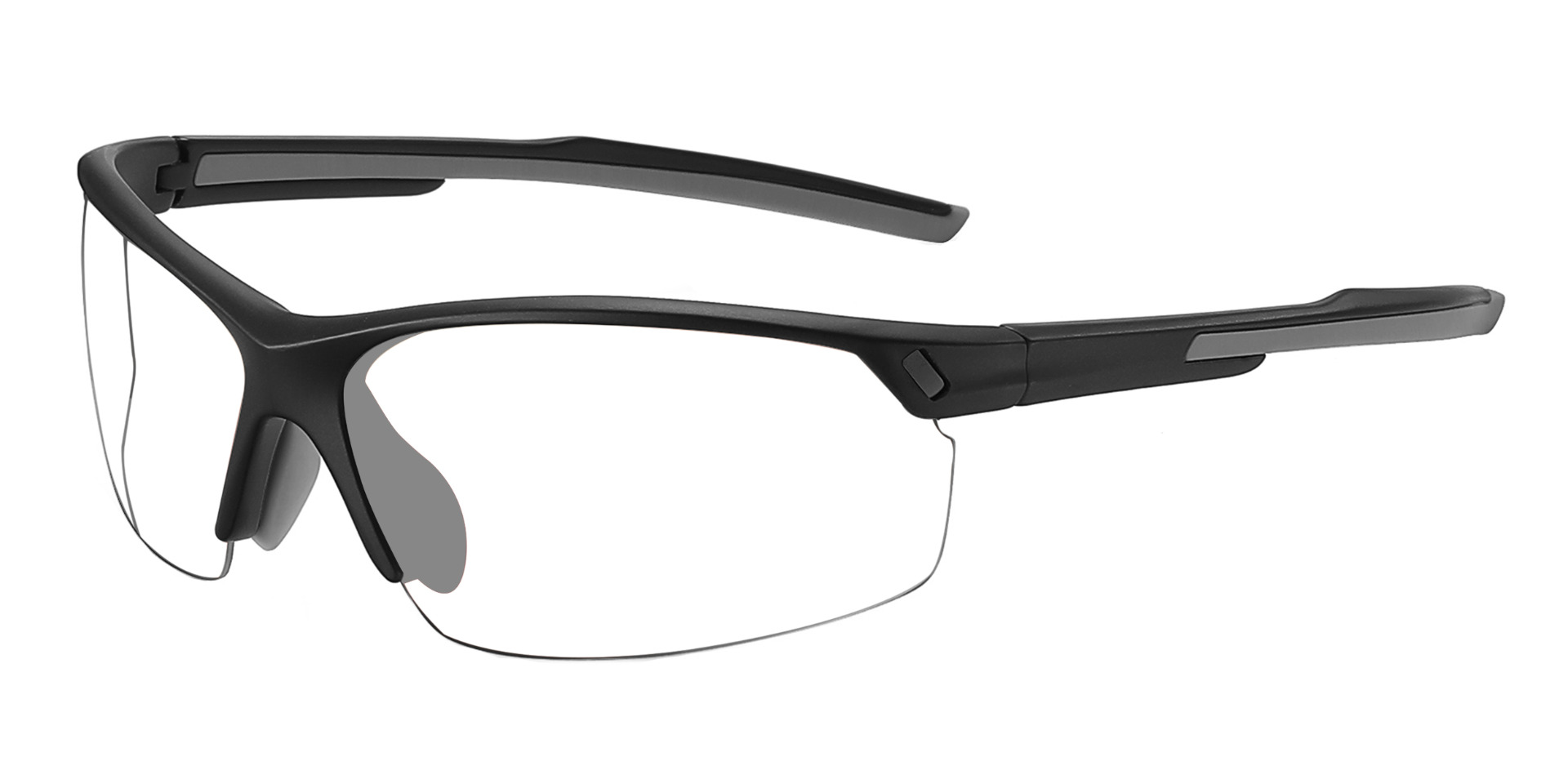
- Photochromic lenses: Adjust their tint as ultraviolet exposure changes.
- Polarised lenses: Reduce reflected glare from wet rock, water and some snow surfaces.
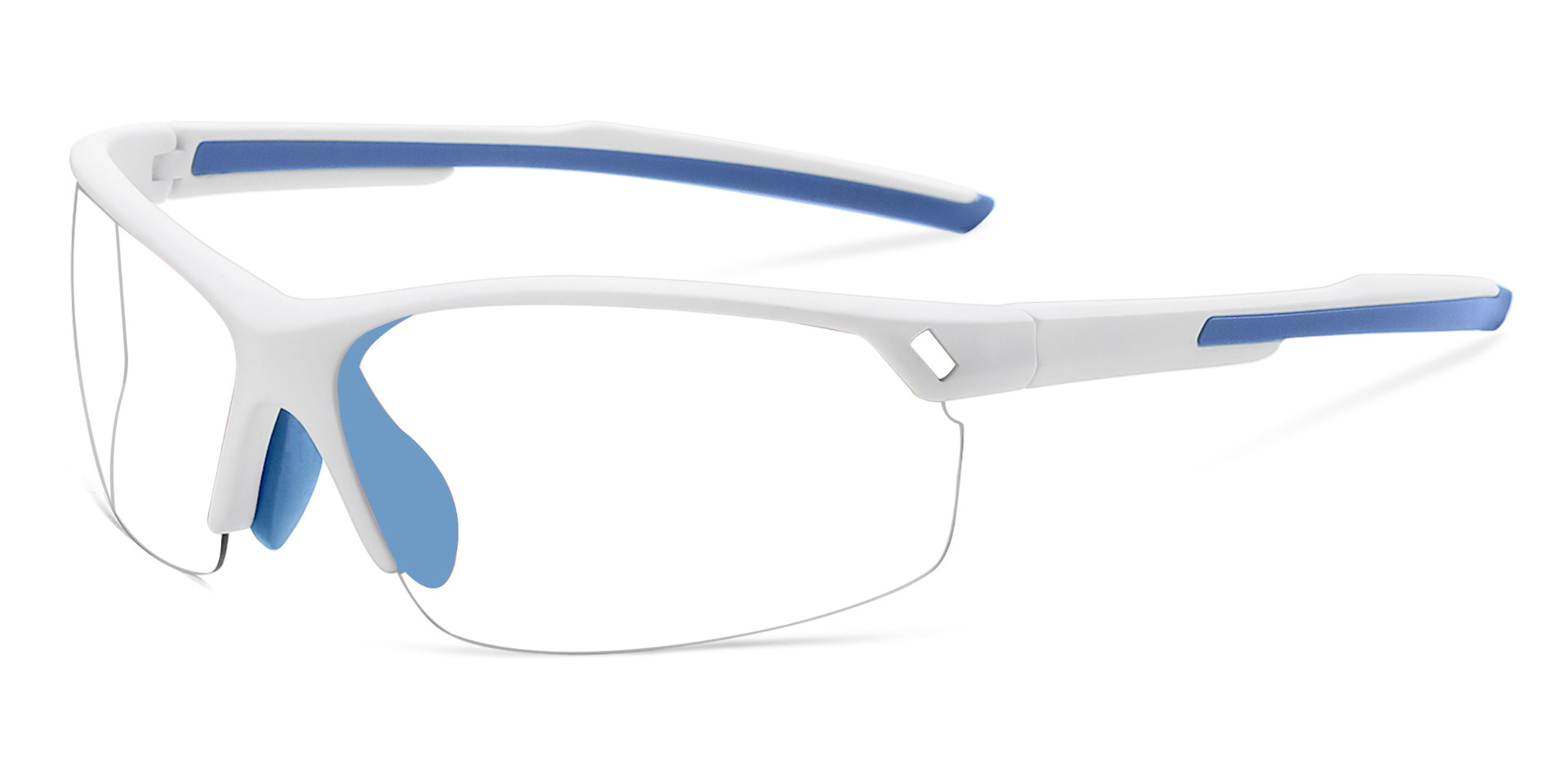
- Clear or lightly tinted lenses: Suit dull weather, sheltered approaches and low-light stages.
Polarisation can affect the appearance of phone, watch or navigation screens. Check your equipment before relying on the lenses.
Coverage for Wind, Snow and Side Light
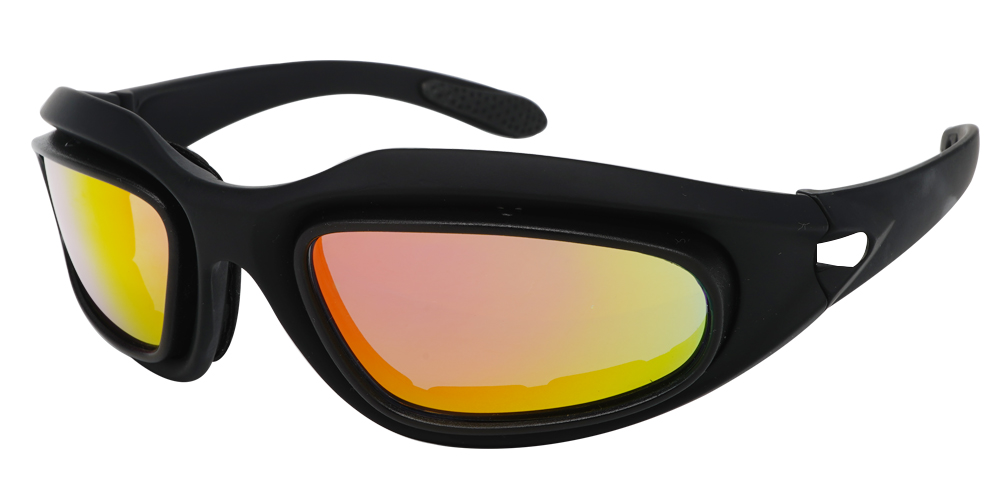
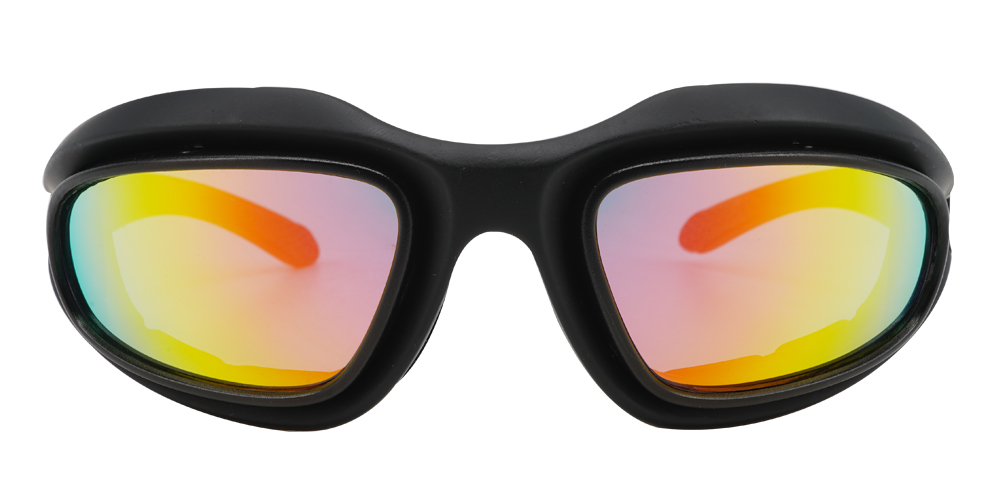
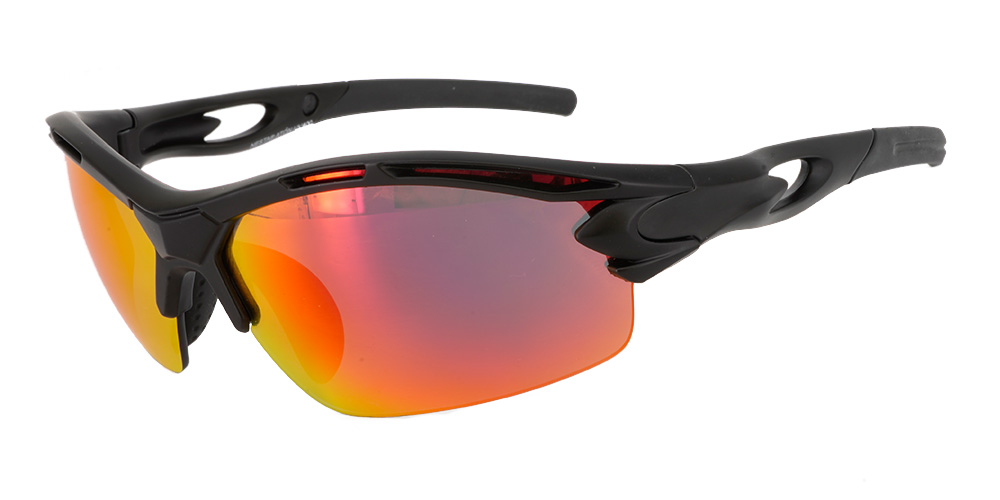
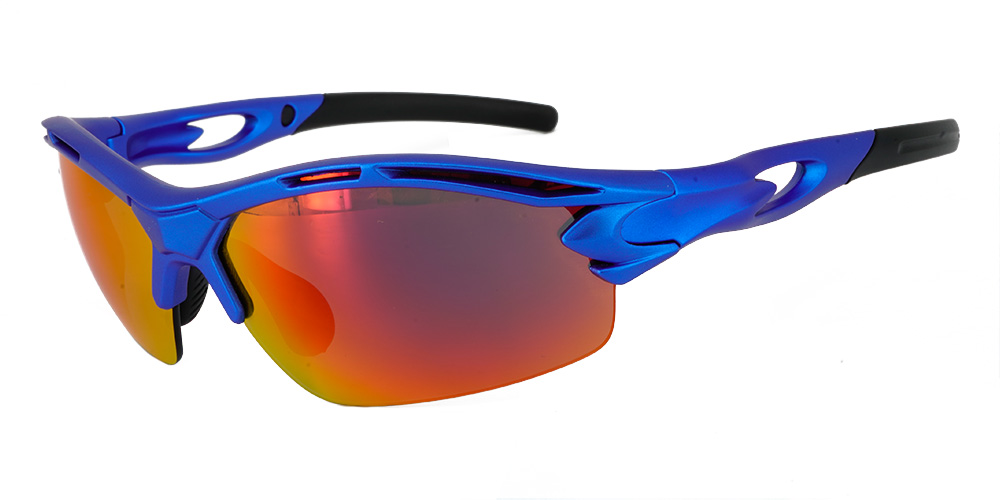
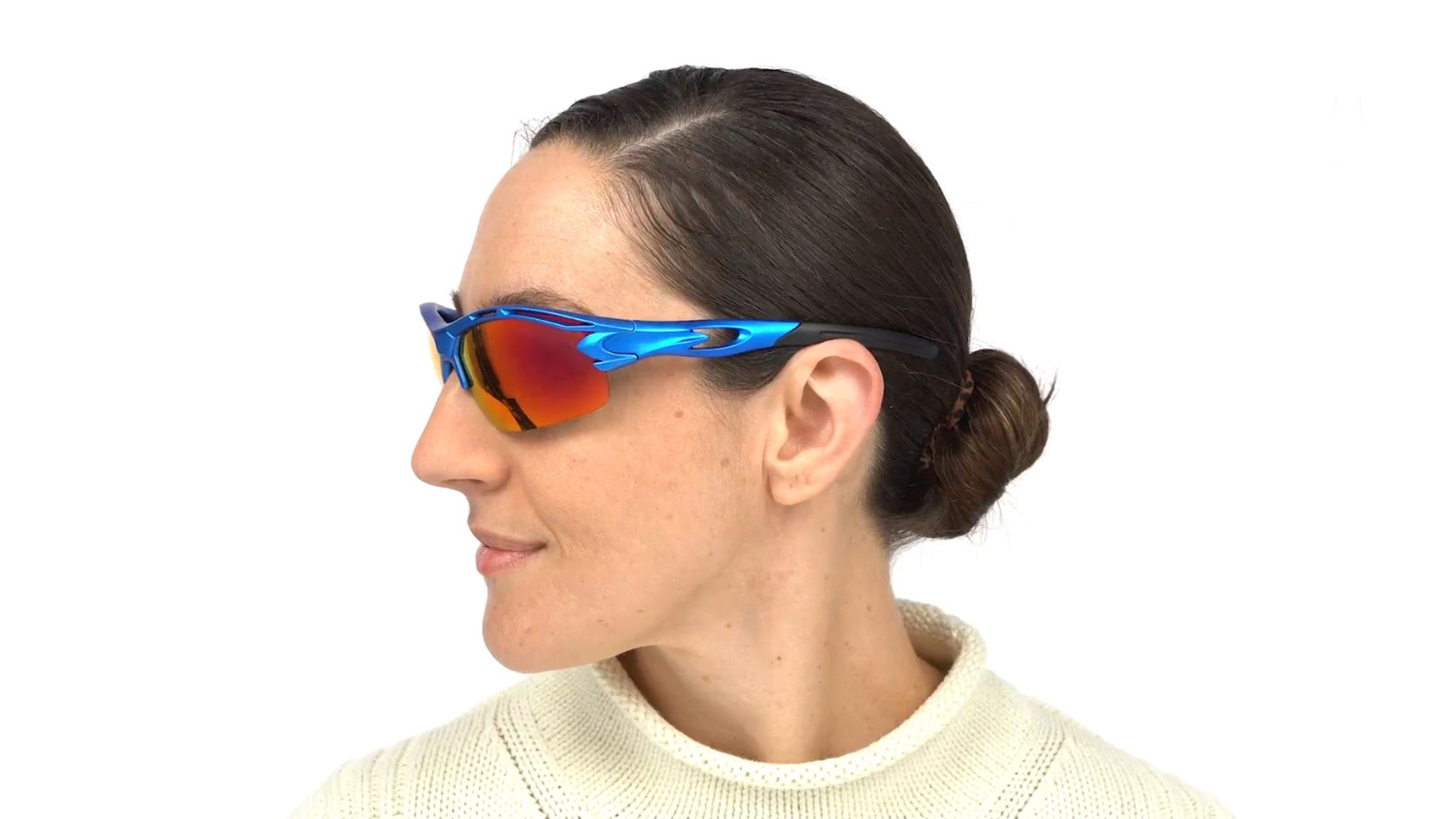
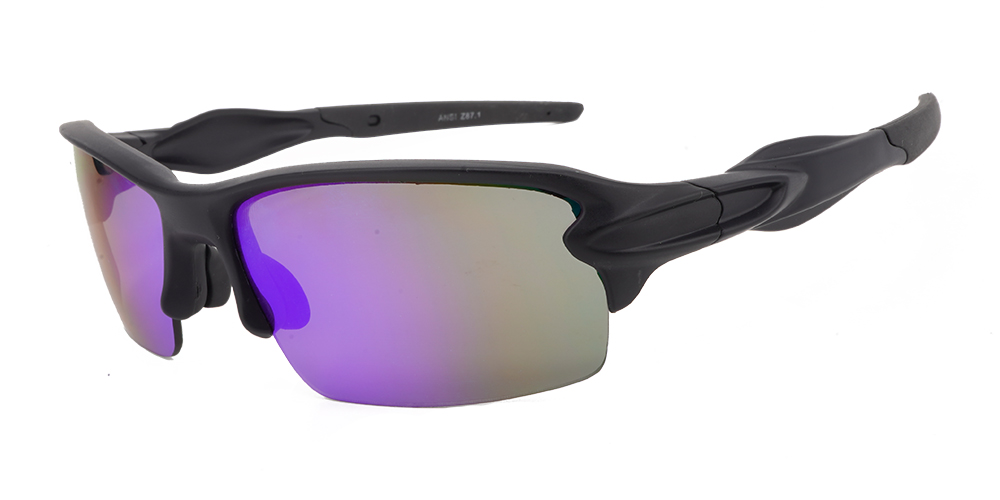
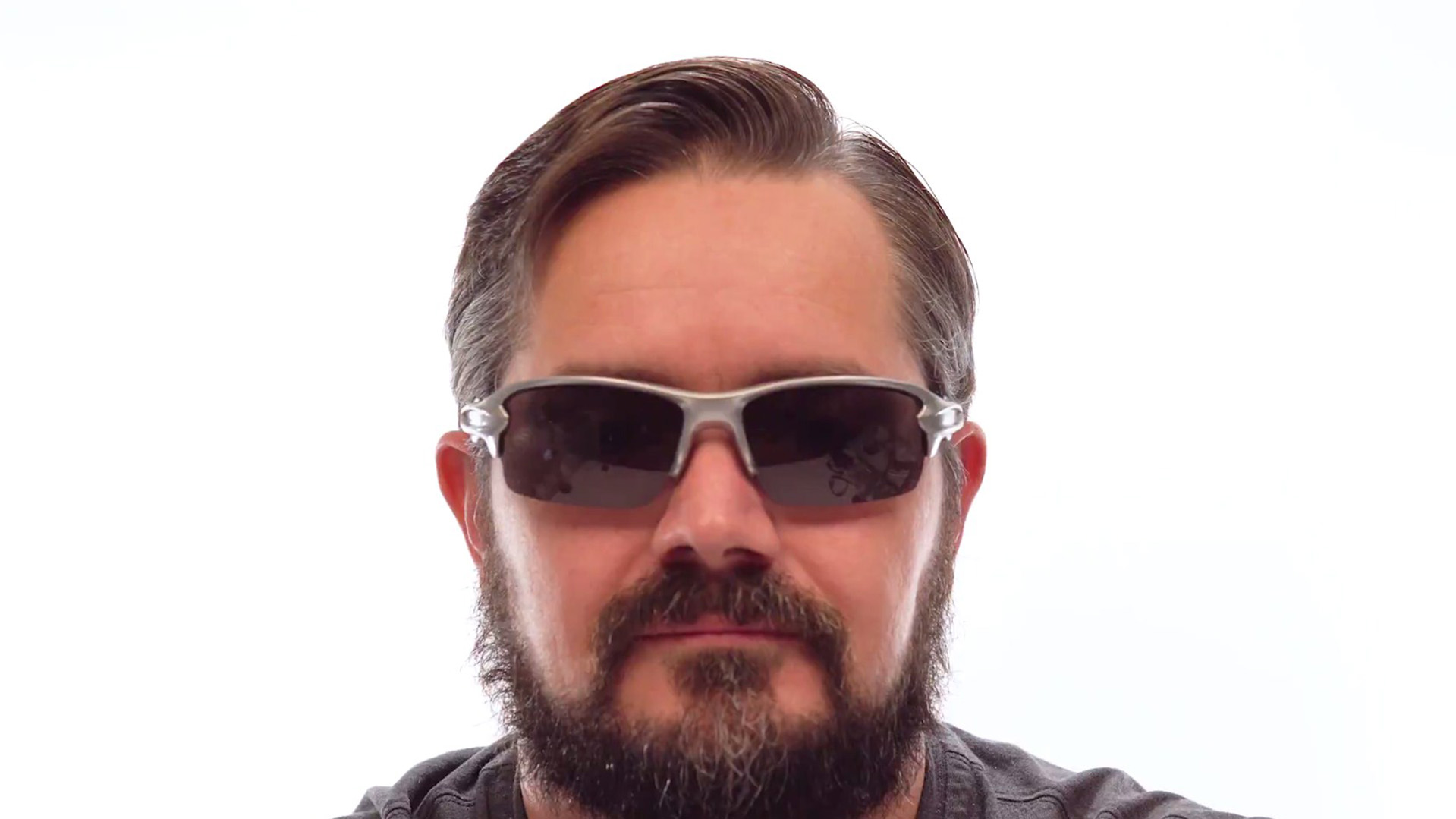
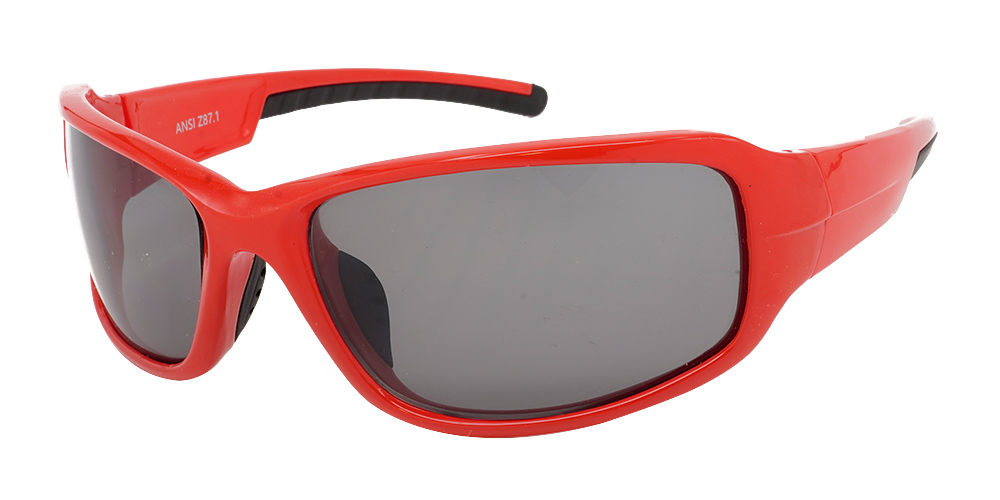
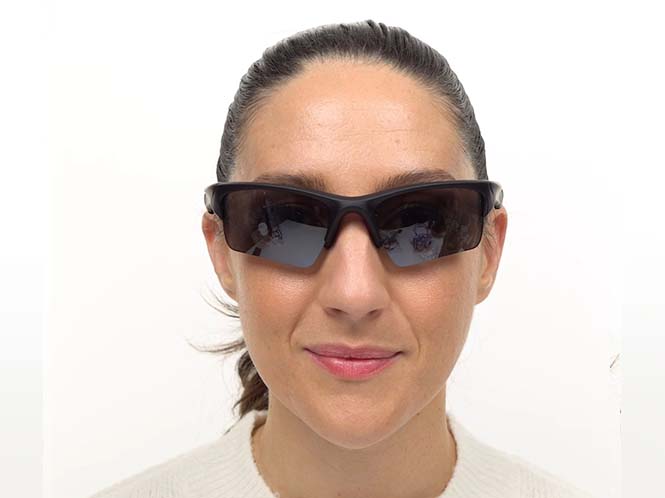
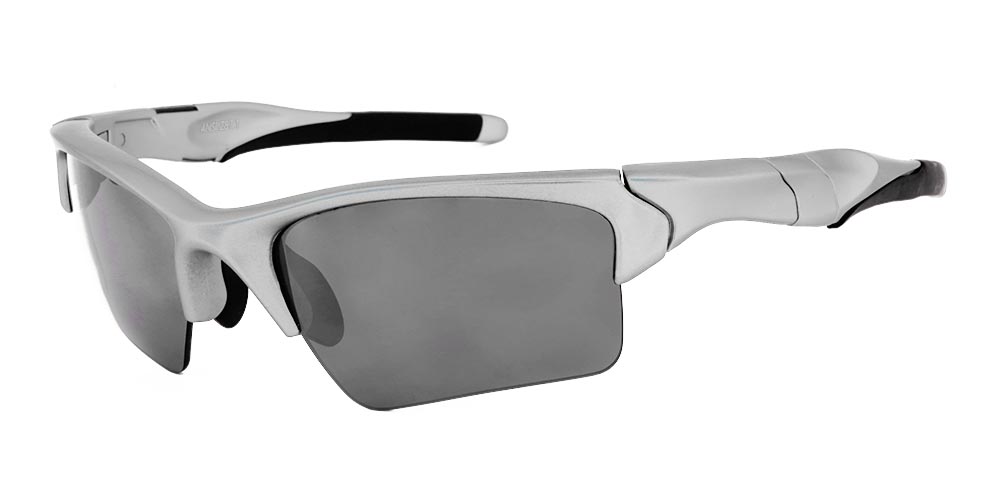
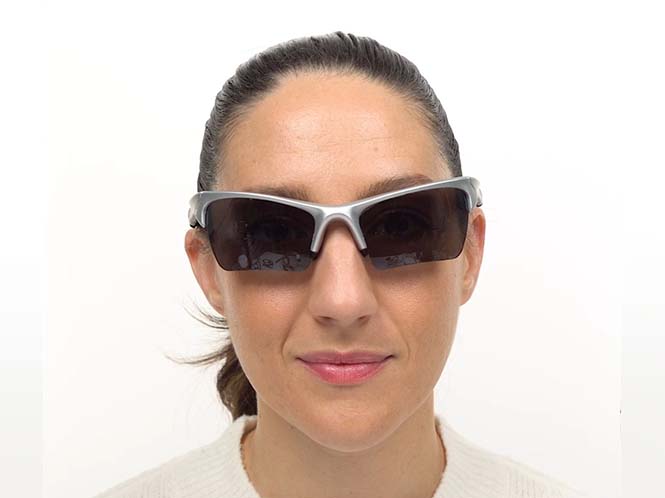
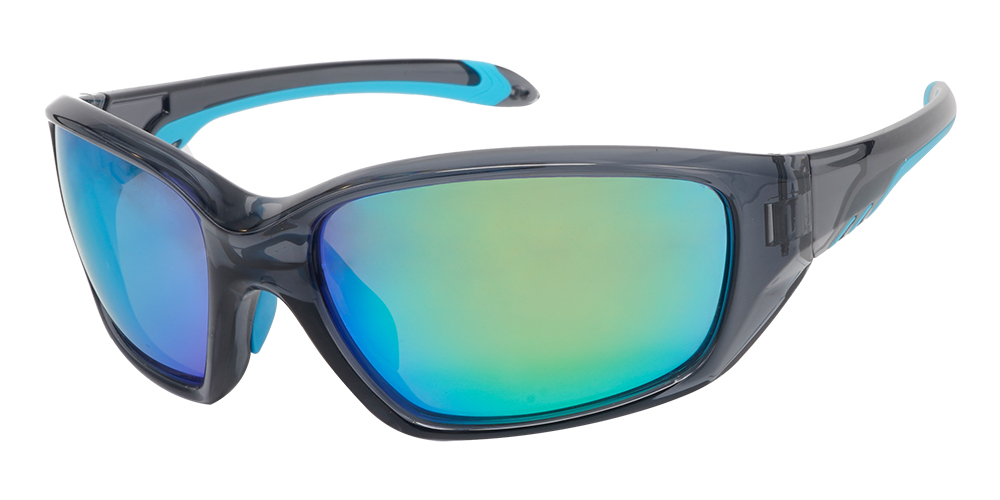
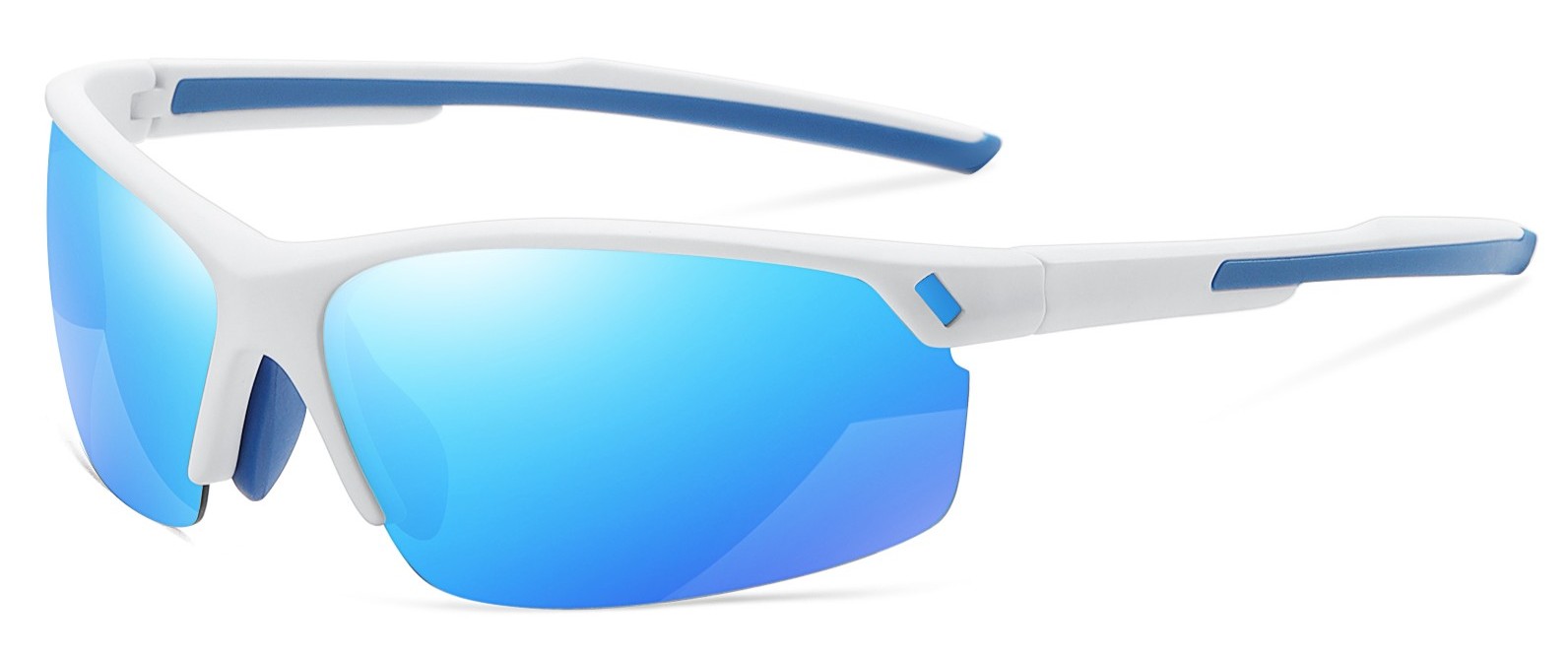
A broad lens or wraparound frame can reduce light entering around the edges. This is especially useful on exposed ridges, in strong wind or where snow reflects brightness towards the face.
Some mountain sunglasses include removable side shields or a close-fitting shape. These features can improve coverage, but they should not block peripheral vision or trap so much heat that the lenses mist constantly.
The frame should allow you to look towards your feet, scan above and turn your head without the rims interrupting your view.
A Secure Fit with Mountain Equipment
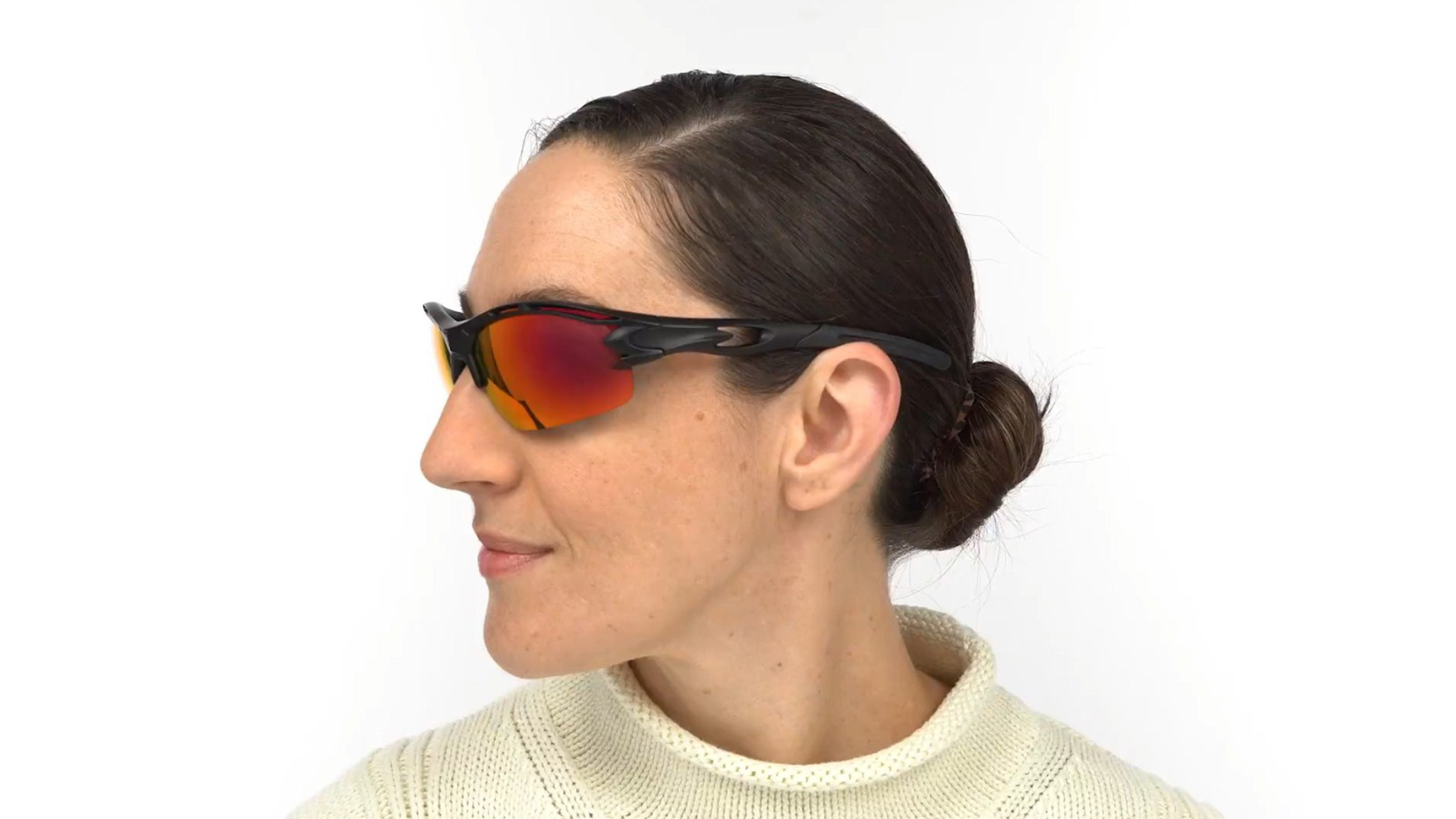
Mountain climbing sunglasses need to work with helmets, hats, hoods and layered clothing. Thick temple arms may create pressure beneath a helmet, while a loose frame can move when you look down or adjust equipment.
Put on your helmet or hat, tighten any retention system and copy normal climbing movements. The sunglasses should remain level without pinching the temples, pressing behind the ears or lifting away from the bridge.
A compatible retaining cord can help keep the glasses close when removed, but it should not create a snagging risk around technical equipment.
Prescription Options for Clearer Route Finding
Climbers who normally wear spectacles may prefer prescription mountain sunglasses rather than relying on contact lenses. Depending on the frame, single-vision, bifocal or progressive lenses may be available.
Use a current spectacles prescription and enter the right-eye and left-eye values carefully. Pupillary distance may also be required. Contact lens powers should not normally be copied because the measurements can differ.
Distance correction is important for route finding, recognising landmarks and judging terrain ahead. Progressive wearers should also consider how the intermediate and near areas work when checking maps, watches or equipment.
Highly curved frames may have tighter prescription limits, so review the available optical range before choosing a style.
Photochromic Lenses in Changeable Weather
Photochromic lenses can be useful when a route moves between sunshine, cloud and sheltered sections. They darken in response to ultraviolet light and become lighter when exposure falls.
The change is gradual rather than instant. Temperature, altitude, cloud and lens design can influence how quickly and how deeply they tint. They may also react differently behind vehicle windscreens during the journey to the mountain.
For routes involving very bright snow or extended time at altitude, check whether the darkest stated tint is suitable for the conditions you expect.
Preventing Fog and Looking After the Lenses
Warm skin, cold air and physical effort can cause lenses to mist. Ventilation and anti-fog treatments may help, although no pair remains clear in every condition.
Keep vents and side areas free from dirt. Use products suitable for coated lenses and avoid wiping the inner surface with gloves or rough clothing. If your view becomes obscured, stop somewhere safe before cleaning or adjusting the glasses.
Rinse away dust, salt and grit before wiping. Store the eyewear in a protective case and inspect the lenses, hinges and nose pieces regularly. Replace any pair that becomes cracked, badly scratched, distorted or too loose to remain secure.
Compare Mountaineering Sunglasses at RxSport UK
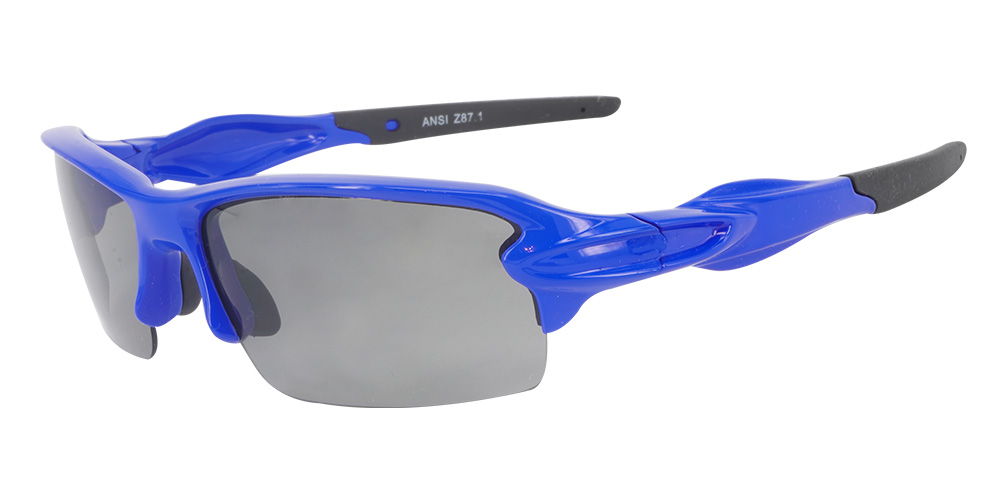
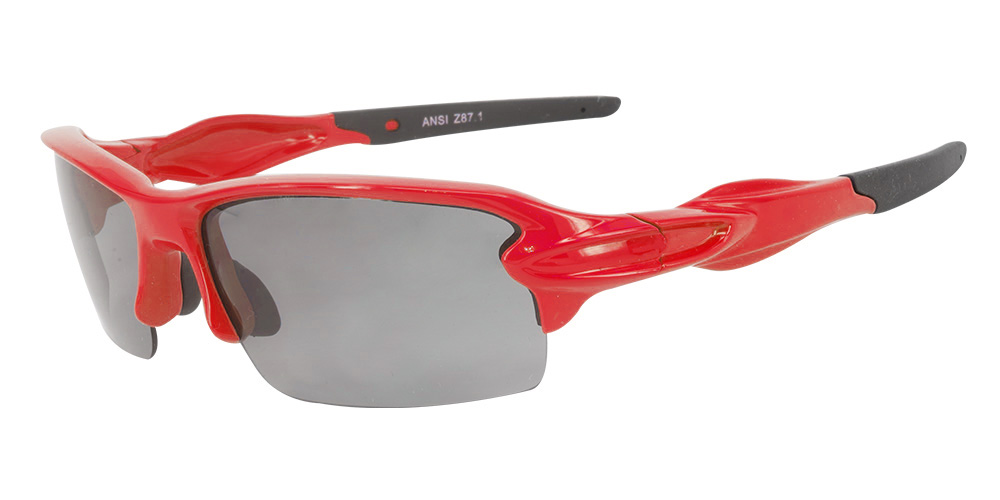
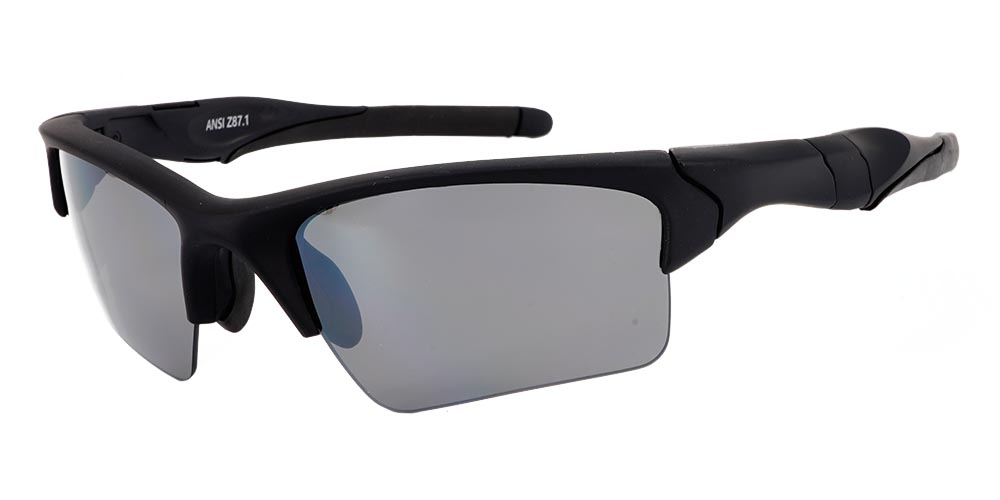
RxSport UK brings together mountaineering sunglasses for walking, scrambling, climbing and higher-altitude trips. Compare lens tint, coverage, prescription options, frame measurements and compatibility with your usual equipment before ordering.
The most suitable sunglasses for mountains are not simply the darkest pair. They should match the expected light, stay comfortable for hours and provide a clear, stable view across changing terrain.