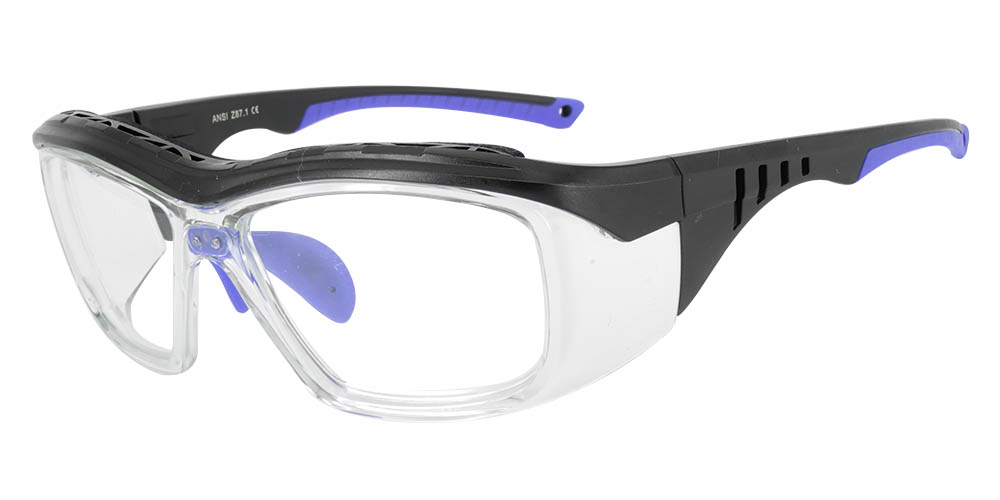
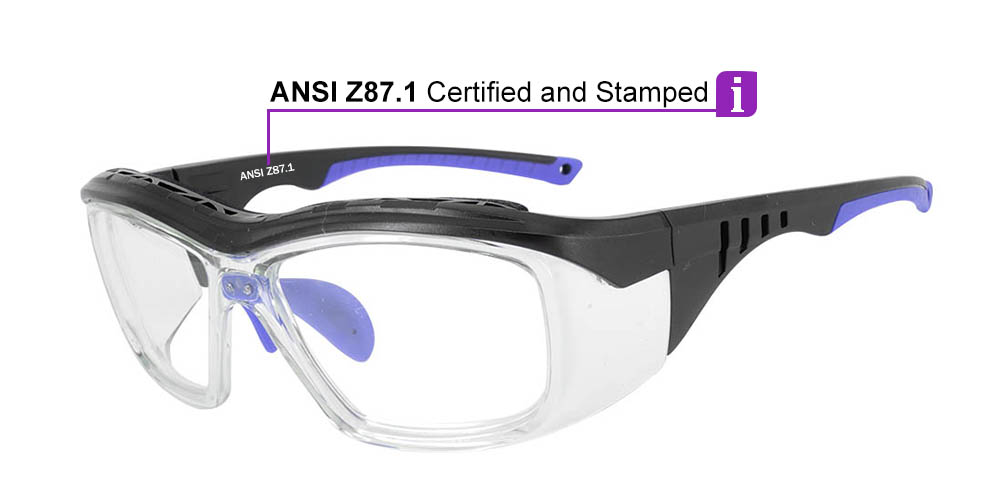
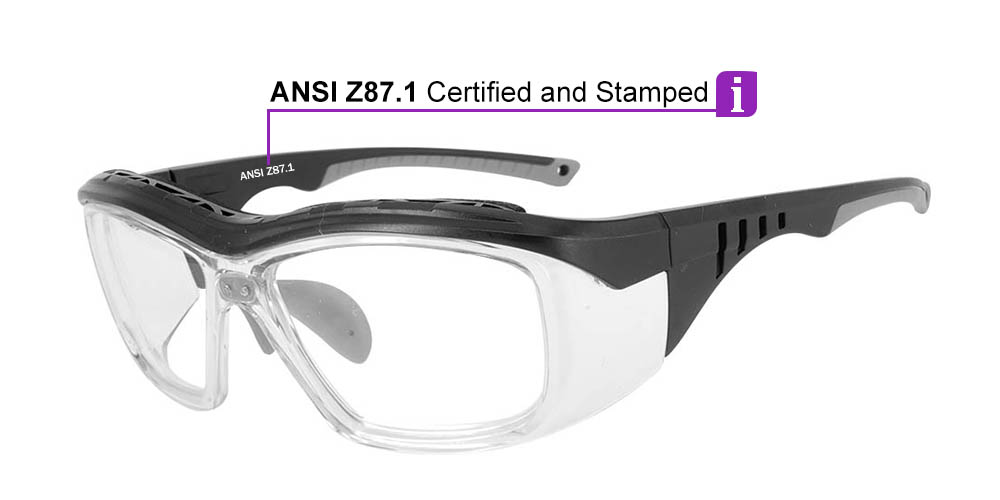
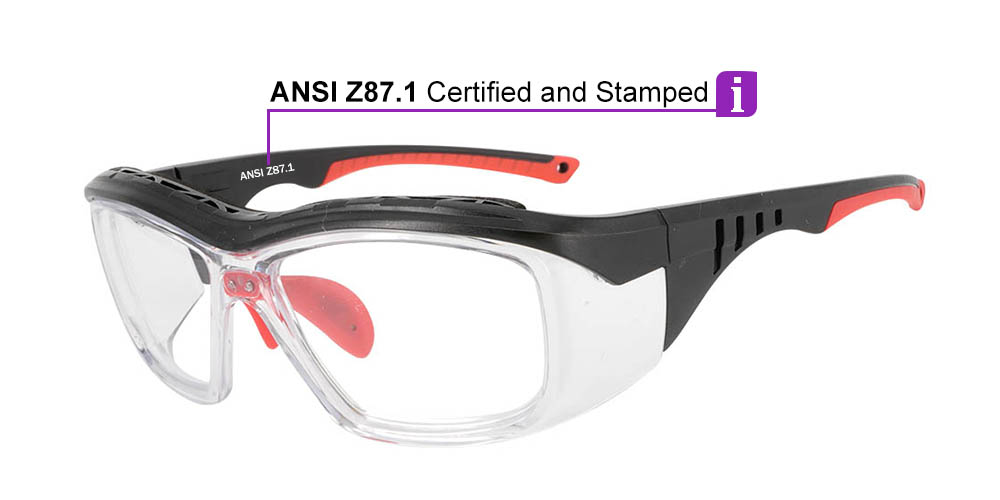
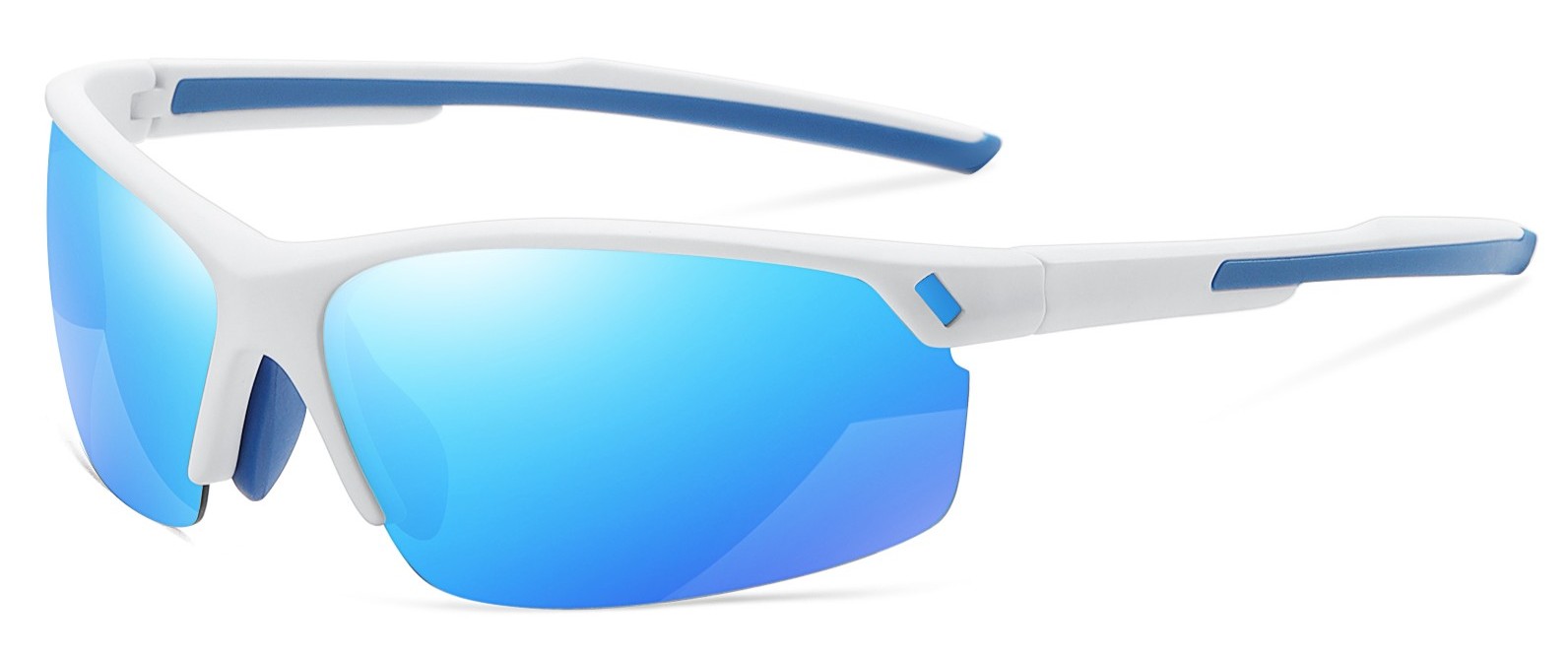
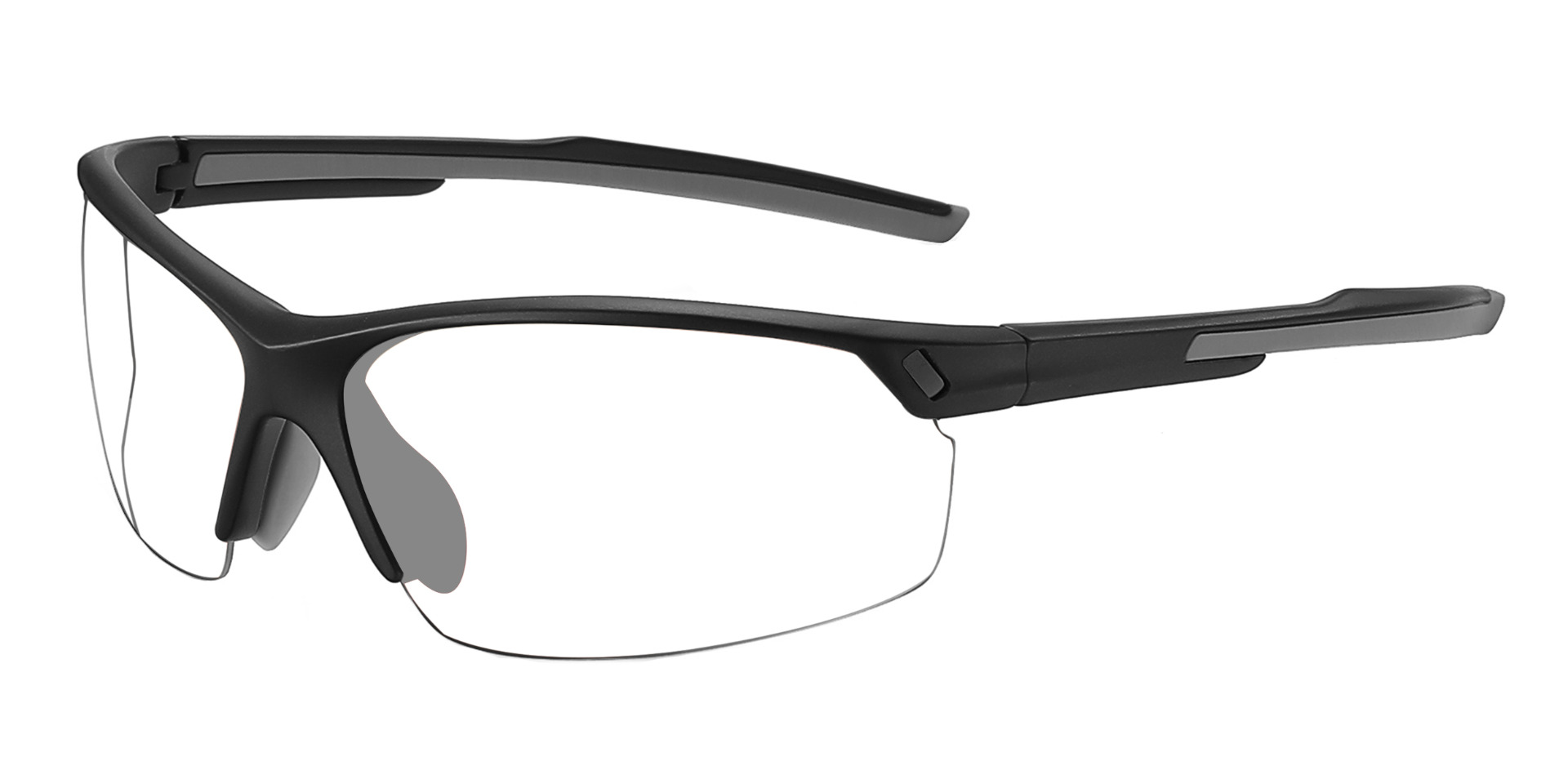
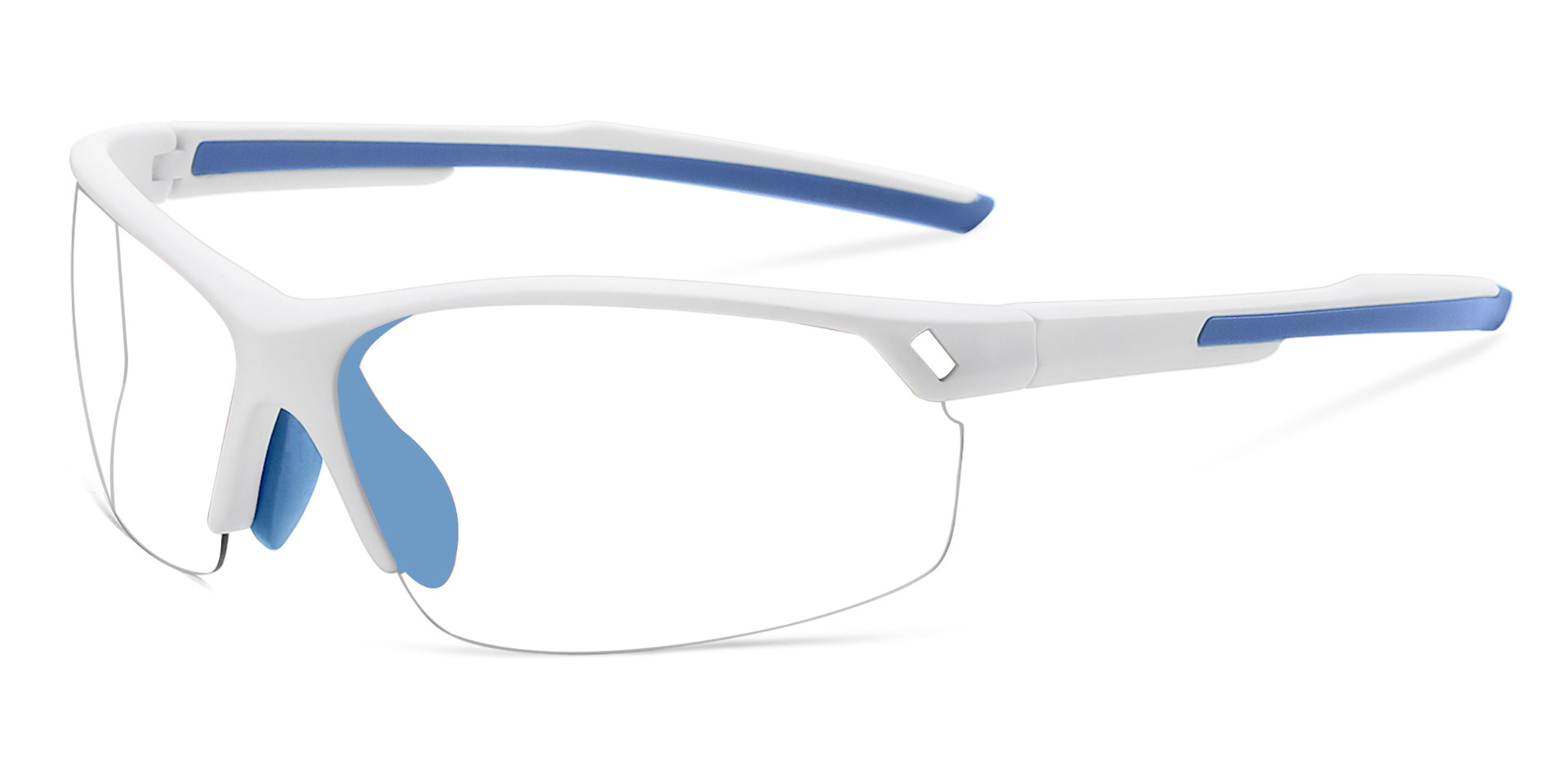
Why Cyclists Need Purpose-Built Prescription Eyewear
Cycling exposes your eyes to changing light, wind, pollen, grit and insects. Everyday prescription frames may correct your sight, but they rarely provide the coverage, stability and airflow needed at speed.
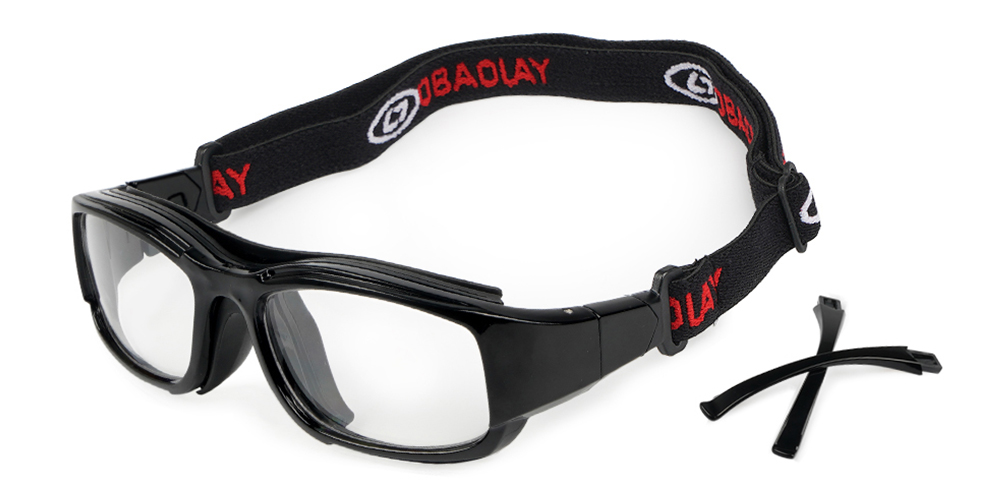
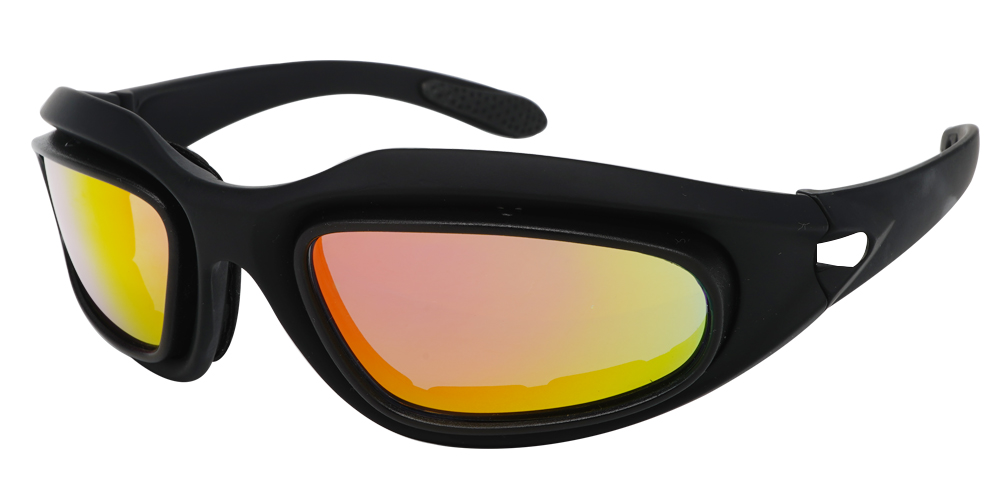
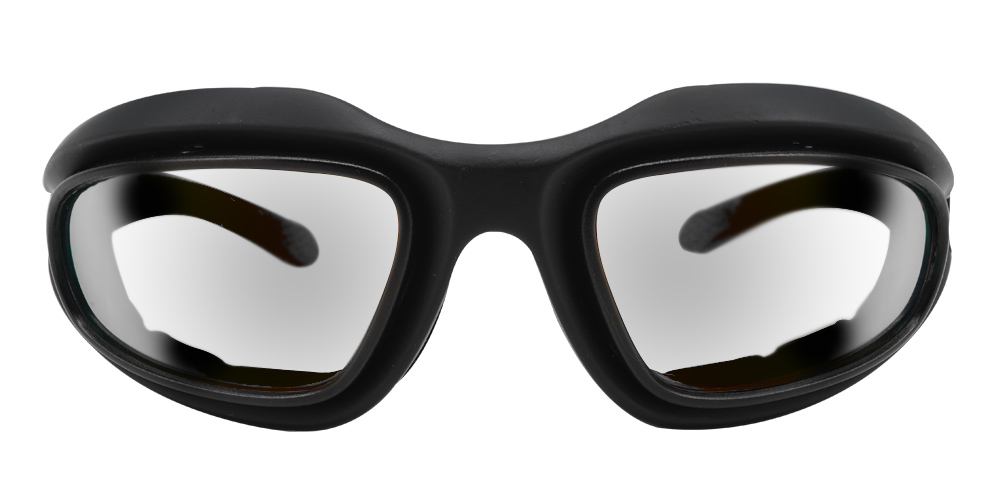
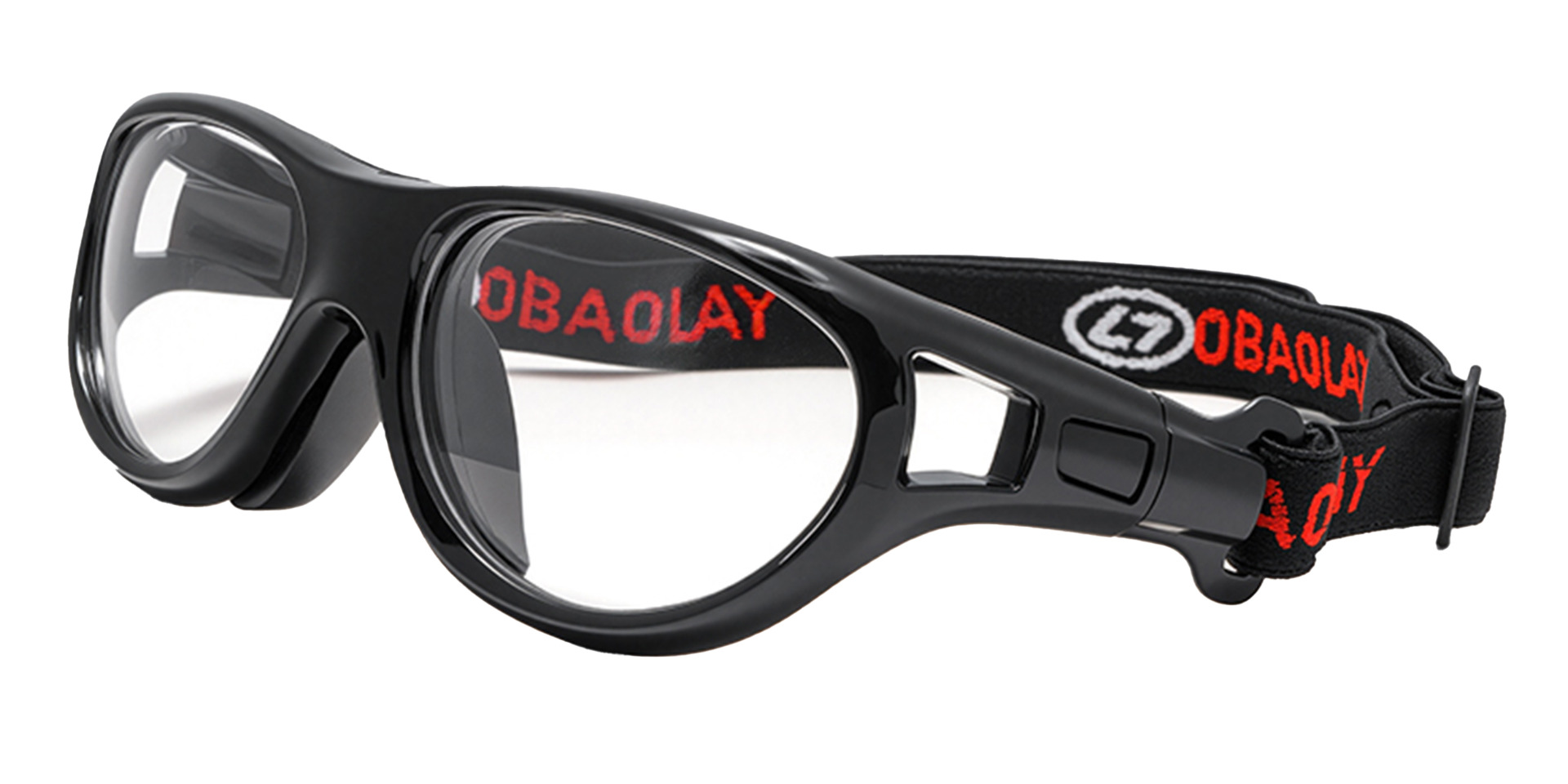
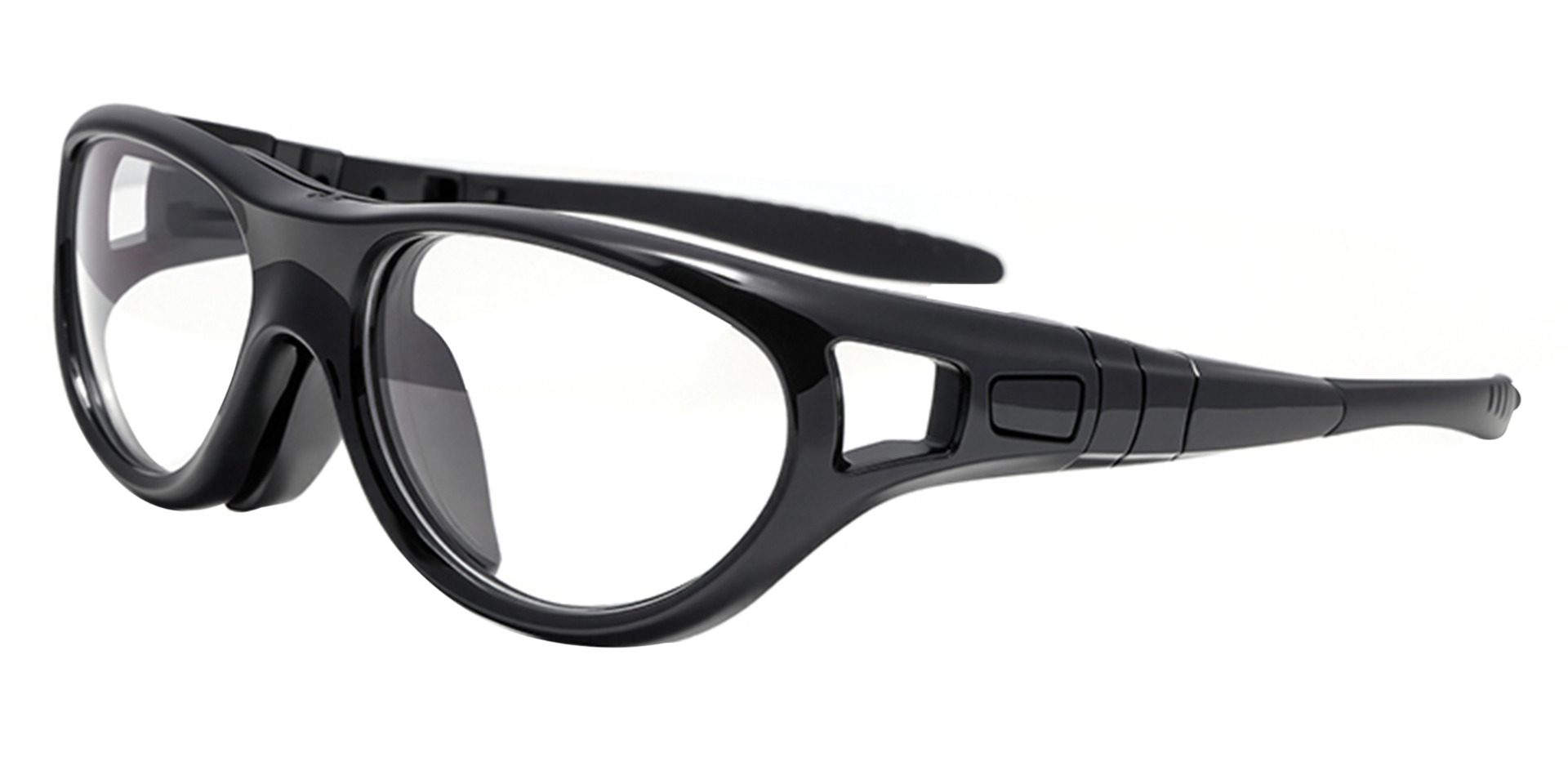
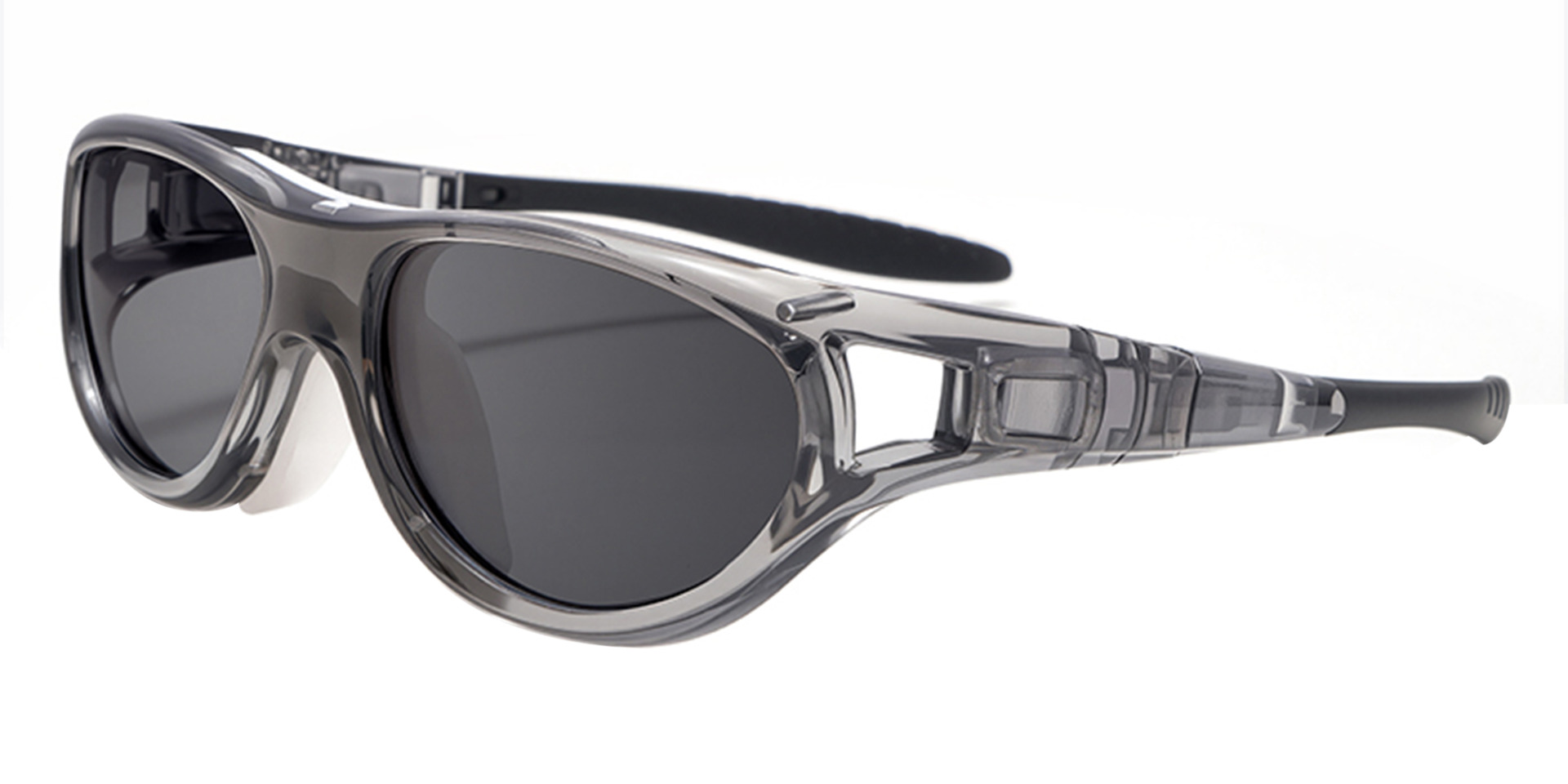
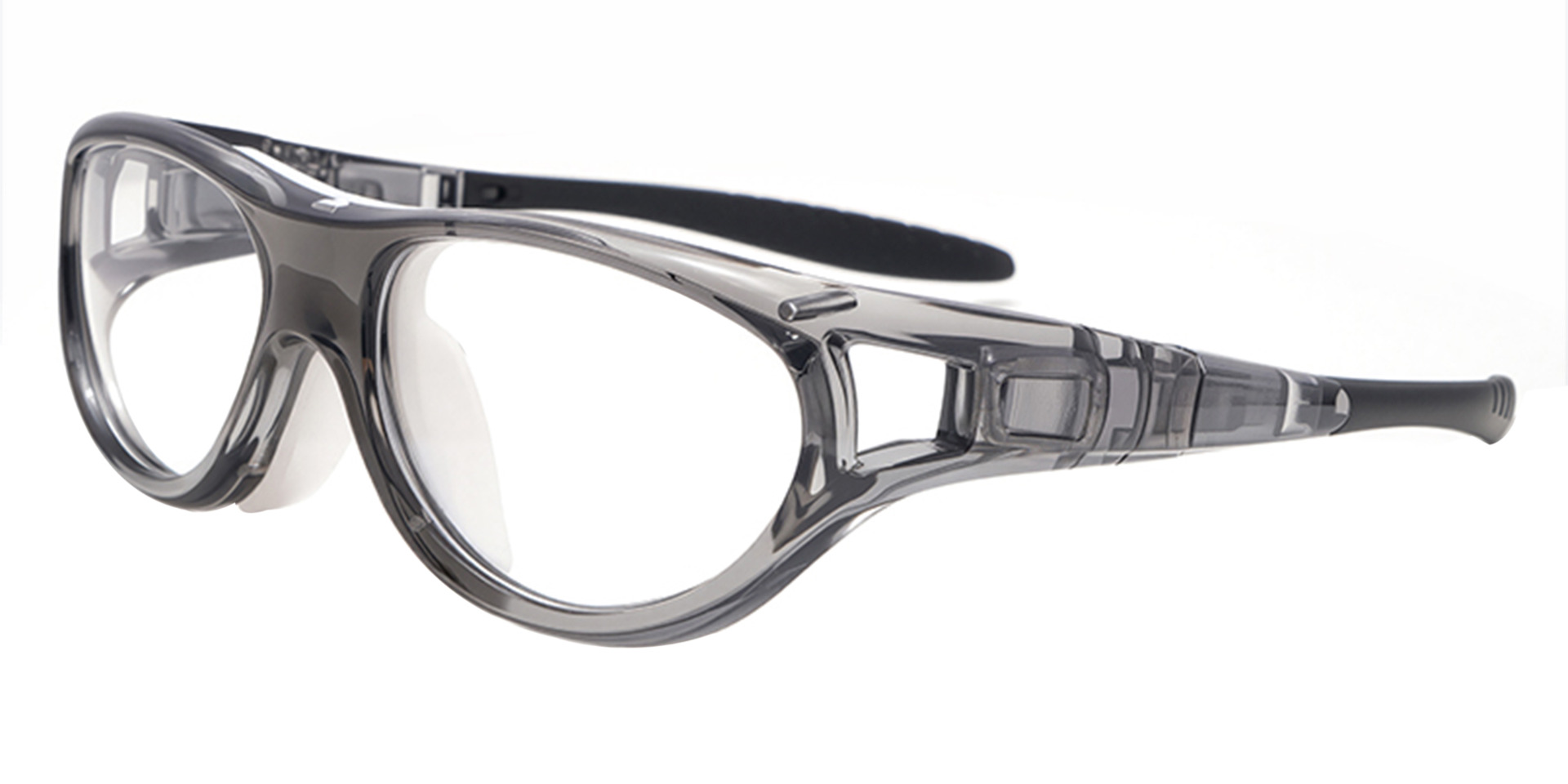
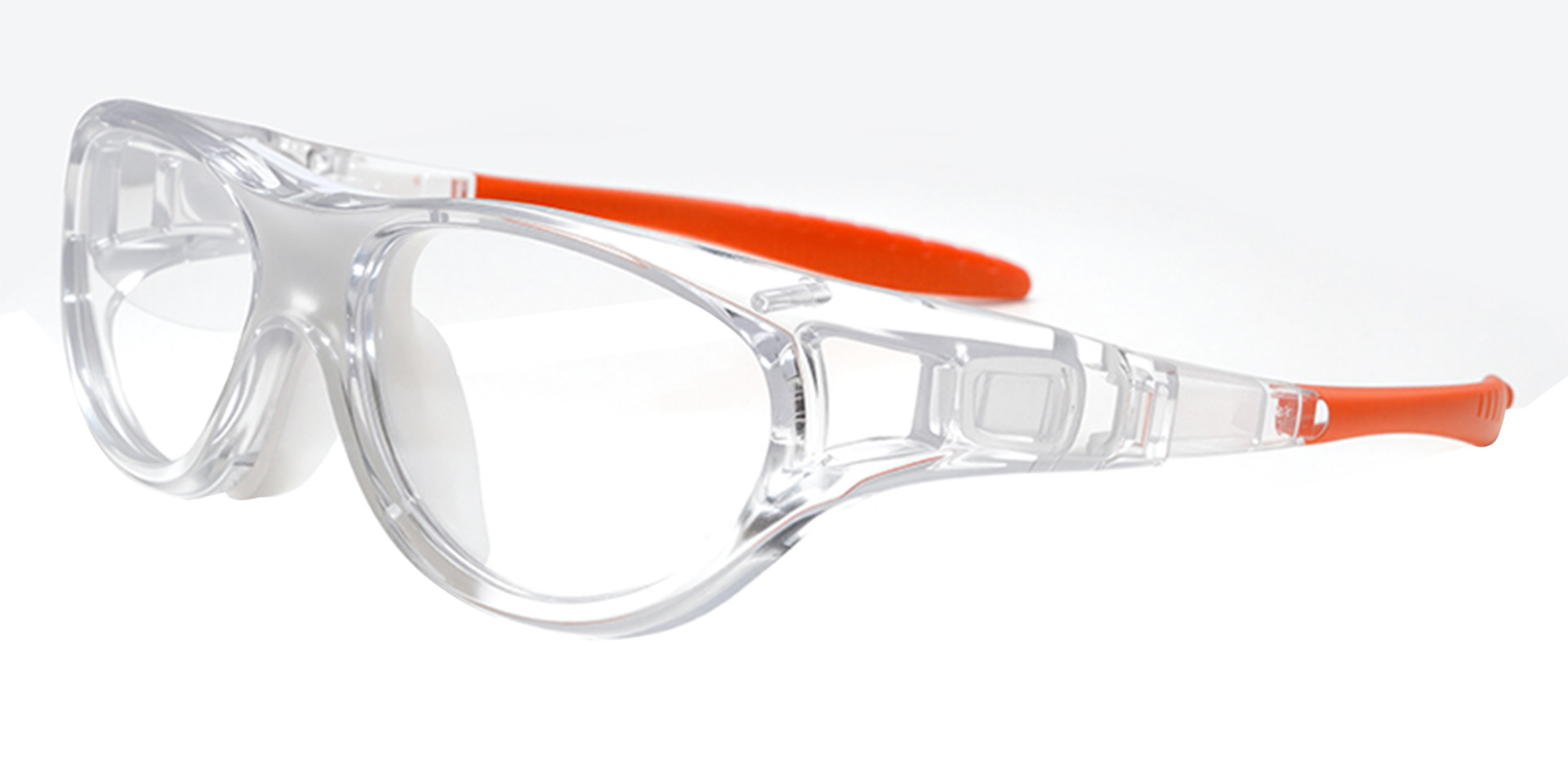
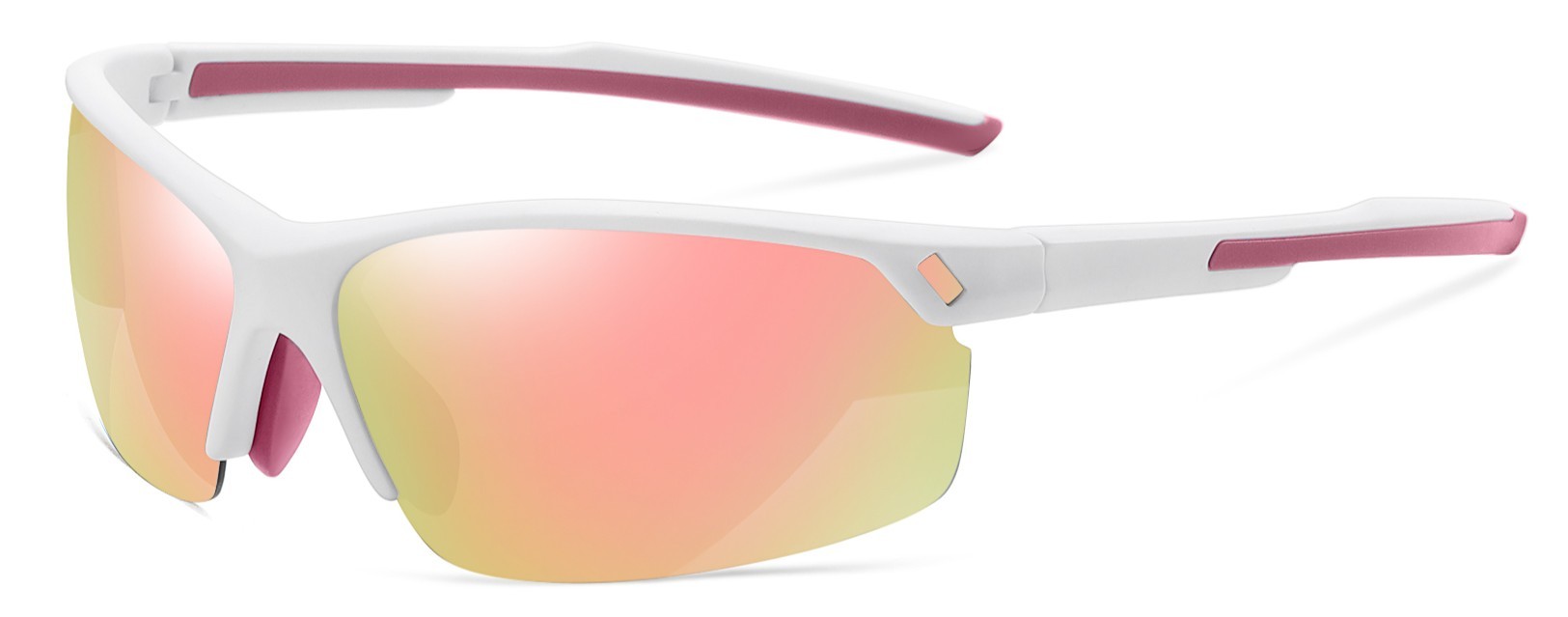
Prescription cycling glasses combine optical correction with a riding-focused fit. A secure, lightweight frame can stay in position when you check behind, cross uneven surfaces or move out of the saddle, while curved shapes offer broader eye coverage.
Features That Matter on Every Ride
The right prescription sports glasses for cycling depend on your face, prescription and riding style. Look for:
- Wide vision: Larger lenses reduce distracting edges and support awareness of traffic and obstacles.
- Secure grip: Non-slip nose pads and temple tips help control movement during hard efforts.
- Low weight: Lighter frames can feel more comfortable beneath a helmet.
- Ventilation: Good airflow helps manage moisture and reduce misting.
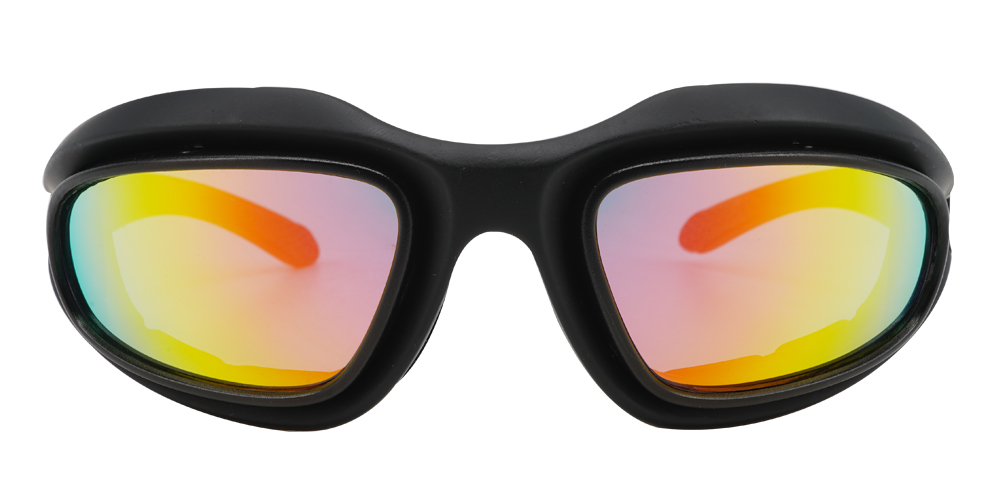
- Eye coverage: Close-fitting shapes shield against wind, dust, insects and side light.
- Helmet compatibility: Temple arms should sit beside straps without pinching.
Check individual descriptions because frame construction, prescription limits and lens choices vary.
Understanding Prescription Lens Systems
Cycling eyewear may use directly glazed prescription lenses, an insert behind an outer shield, or another model-specific system. Direct glazing creates an integrated appearance, while an insert can support a curved or interchangeable outer lens.
Your optical details determine which system is suitable. Strong powers, astigmatism, prism and pupillary distance may affect lens thickness and frame compatibility. Use an up-to-date glasses prescription and enter every value exactly. Never substitute contact lens powers.
Single-vision distance lenses prioritise the road ahead. Riders who need to read a computer, map or phone can explore multifocal options where available. Consider the viewing zones carefully if you ride in a low position.
Choosing Lenses for UK Weather
The best prescription cycling glasses UK riders choose are not always the darkest. British conditions change quickly, so match the lens to your routes and usual riding times.
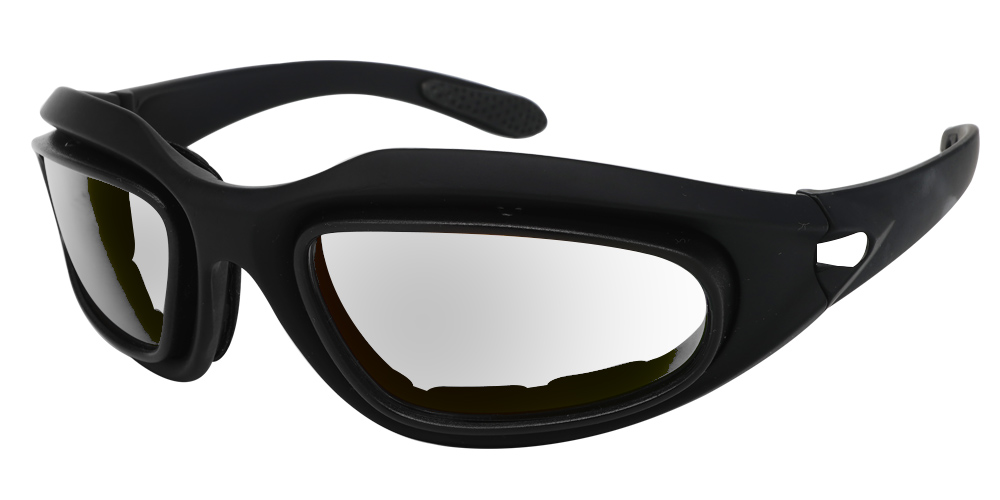
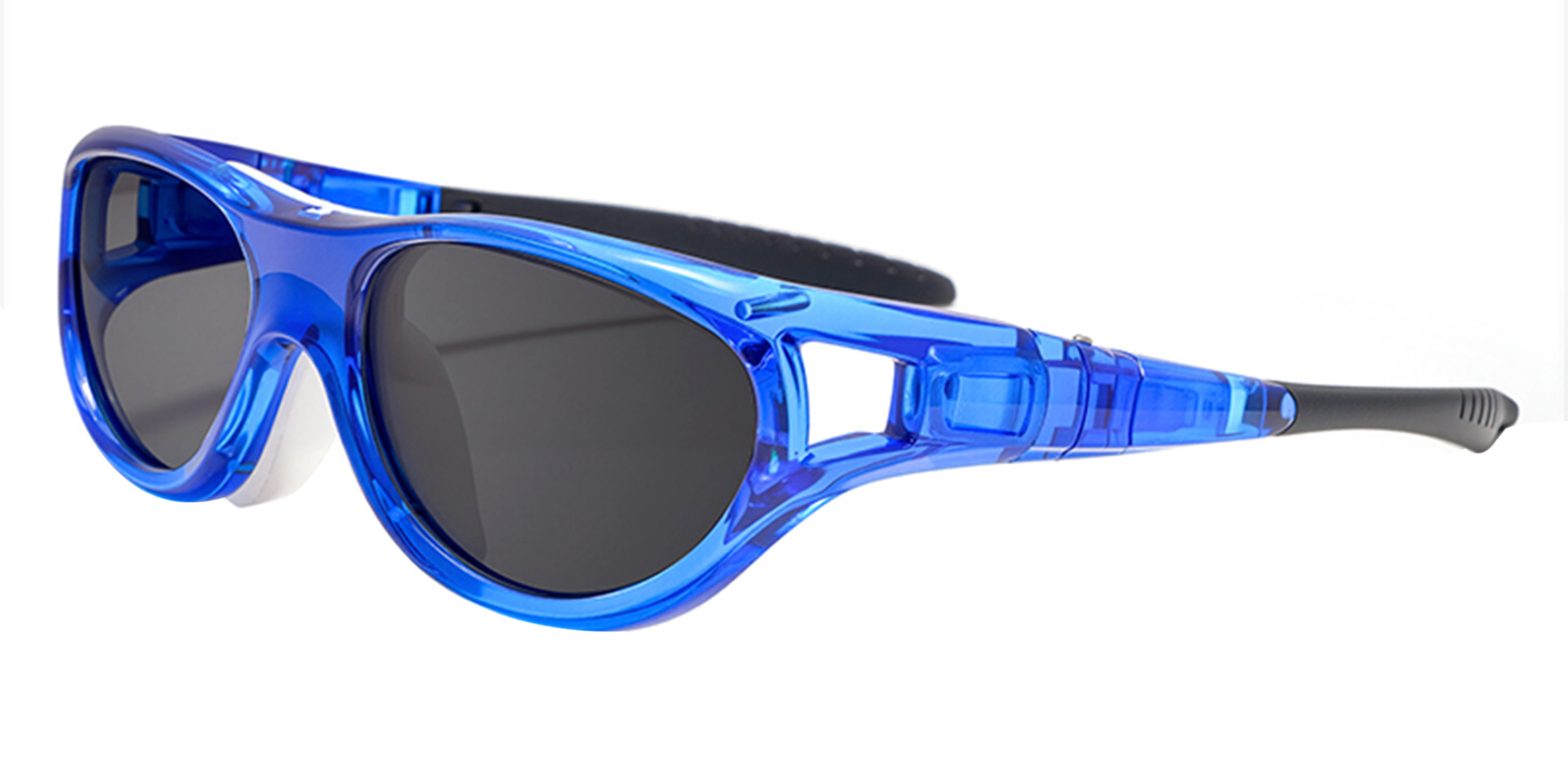
Clear lenses suit night rides, winter commutes and overcast days. Yellow or amber can improve perceived contrast in dull light. Grey reduces brightness while keeping colours neutral. Brown or copper can boost contrast across mixed roads and trails.
Photochromic lenses adjust as light levels change, making them useful for routes moving between woodland, cloud and sunshine. Activation speed and tint range vary, so review the specification.
Polarised lenses reduce reflected glare from wet roads and water but may affect some digital displays. Consider your bike computer or navigation screen before choosing polarisation.
For daytime cycling, confirm appropriate UV protection. Lens colour alone does not prove ultraviolet filtering.
Getting the Fit Right
Even excellent lenses distract when the frame moves. Prescription cycling glasses should sit securely without slipping when you lower your head. The upper rim must not block your forward view, and the temples should not create pressure.
Test the glasses with your helmet. Ensure the arms do not clash with straps or adjustment cradles. Turn your head, look over both shoulders and copy your riding position. The frame should stay level.
A close fit improves coverage, but lenses should not touch your eyelashes or trap excessive heat. Comfort should remain consistent throughout every journey. Adjustable nose pads can help control height and distance from your face.
Finding the Best Prescription Cycling Glasses
Start with the riding you do most. Commuters may prioritise all-weather coverage and clear or photochromic lenses. Road cyclists may prefer lightweight wraparound frames with an open upper view. Touring riders often value lasting comfort and versatility.
When comparing the best prescription cycling glasses, consider:
- Prescription compatibility and lens thickness.
- Frame width, bridge fit and temple length.
- Typical daylight and weather conditions.
- Helmet and bike computer compatibility.
- Available coatings, tints and replacement parts.
The best prescription cycling glasses UK customers can select are matched to their measurements, prescription and riding habits, rather than appearance alone.
Looking After Your Cycling Eyewear
Rinse away dust and grit before wiping because dry particles may scratch lenses. Use clean water, suitable lens cleaner and a microfibre cloth. Avoid household chemicals and rough clothing.
Store your glasses in a protective case. After wet rides, let the frame and removable parts dry completely. Inspect lenses, screws, temples and nose pads regularly, and stop using cracked, distorted or insecure eyewear.