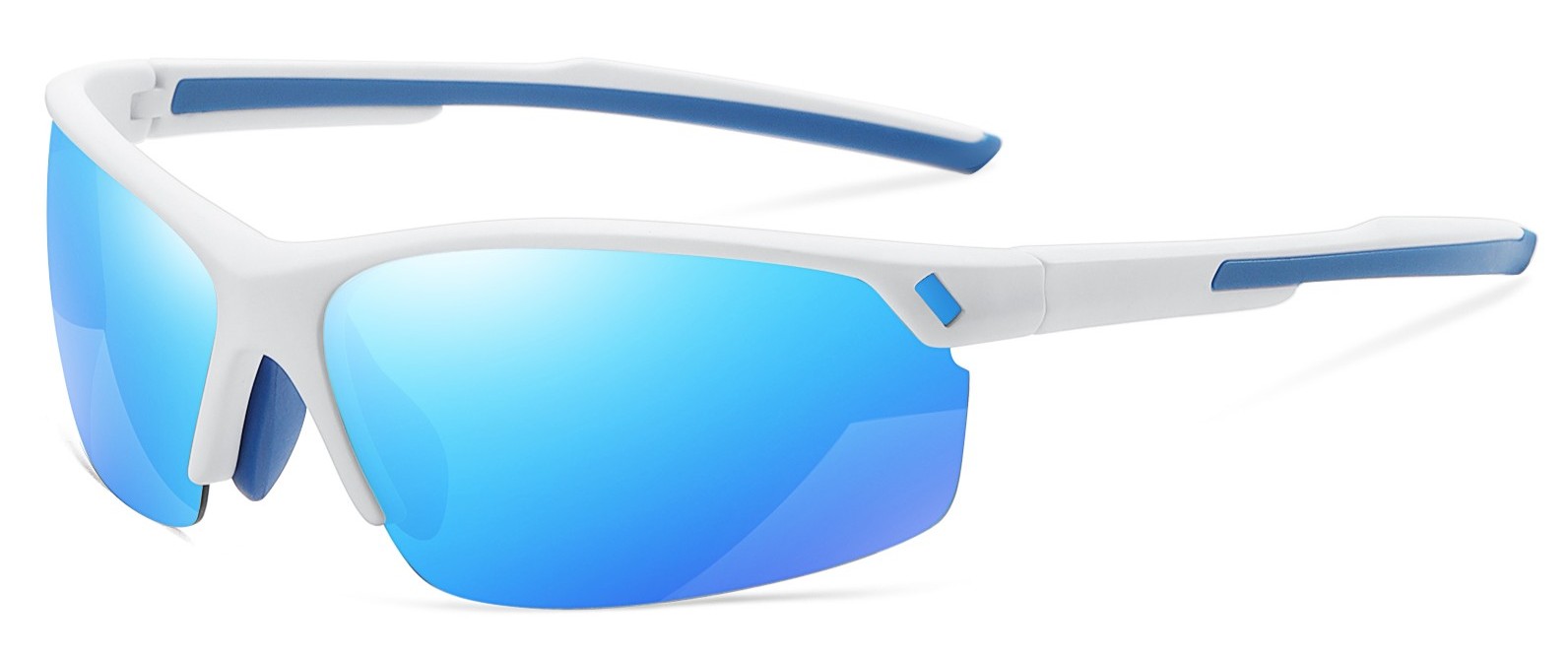
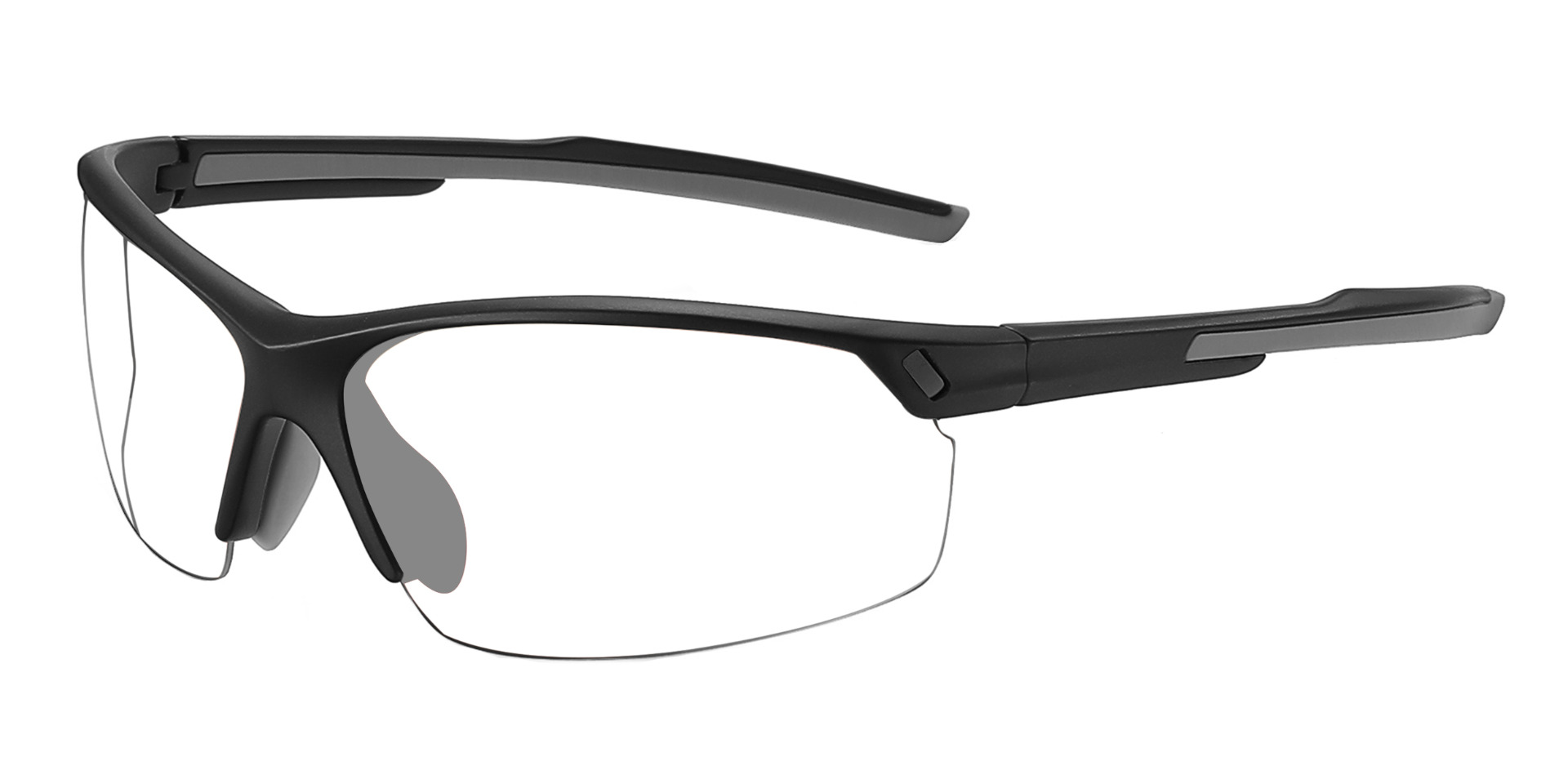
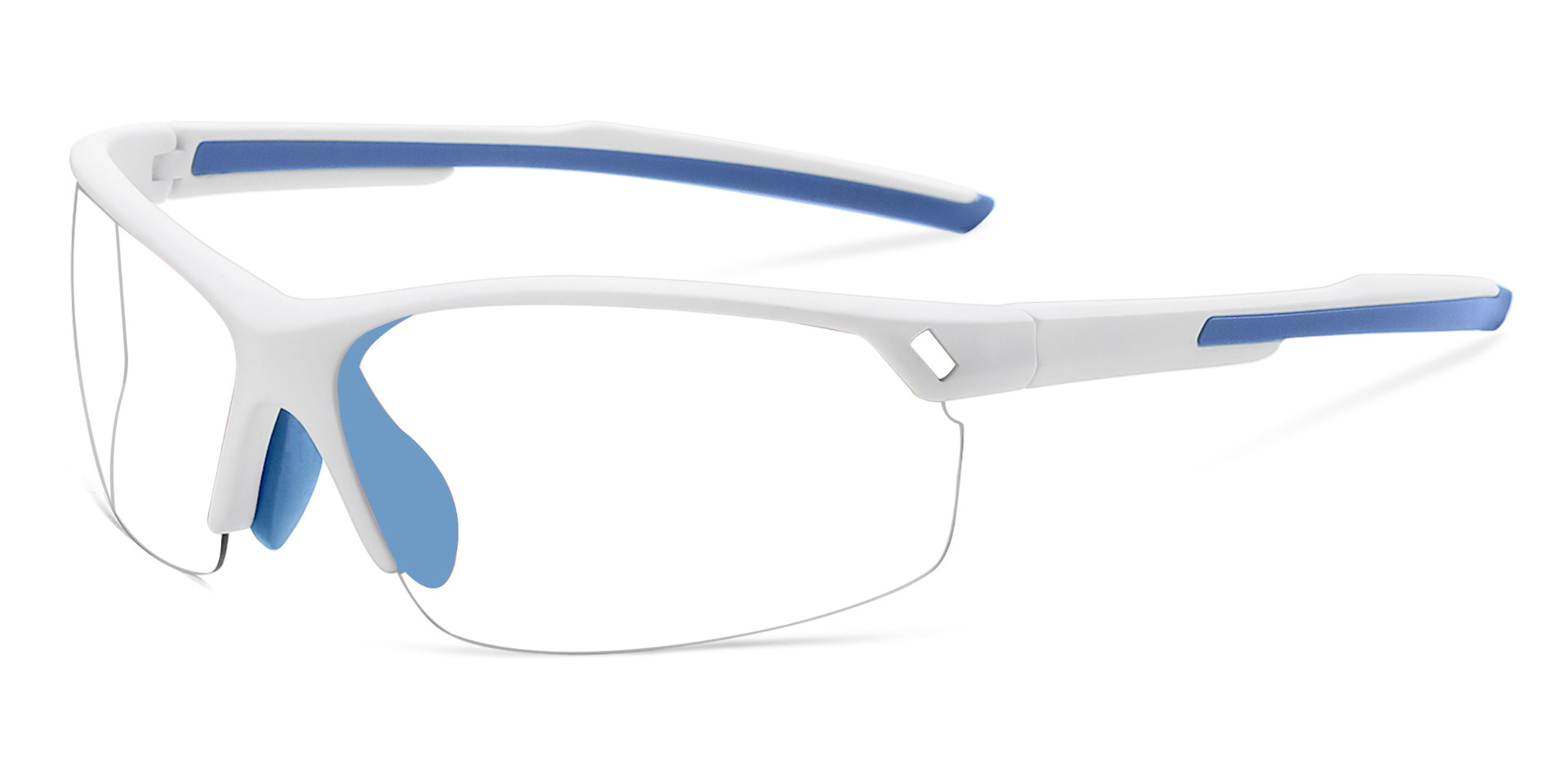
One Pair for Changing Daylight
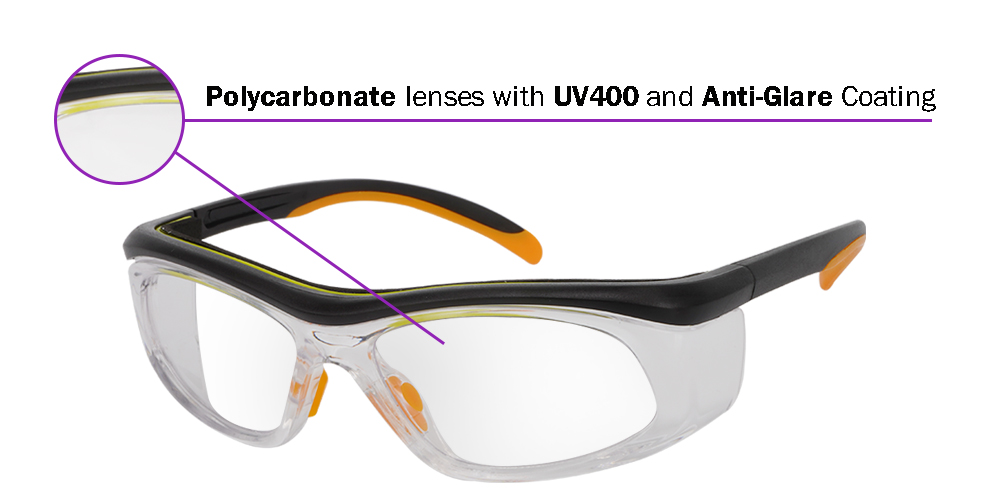
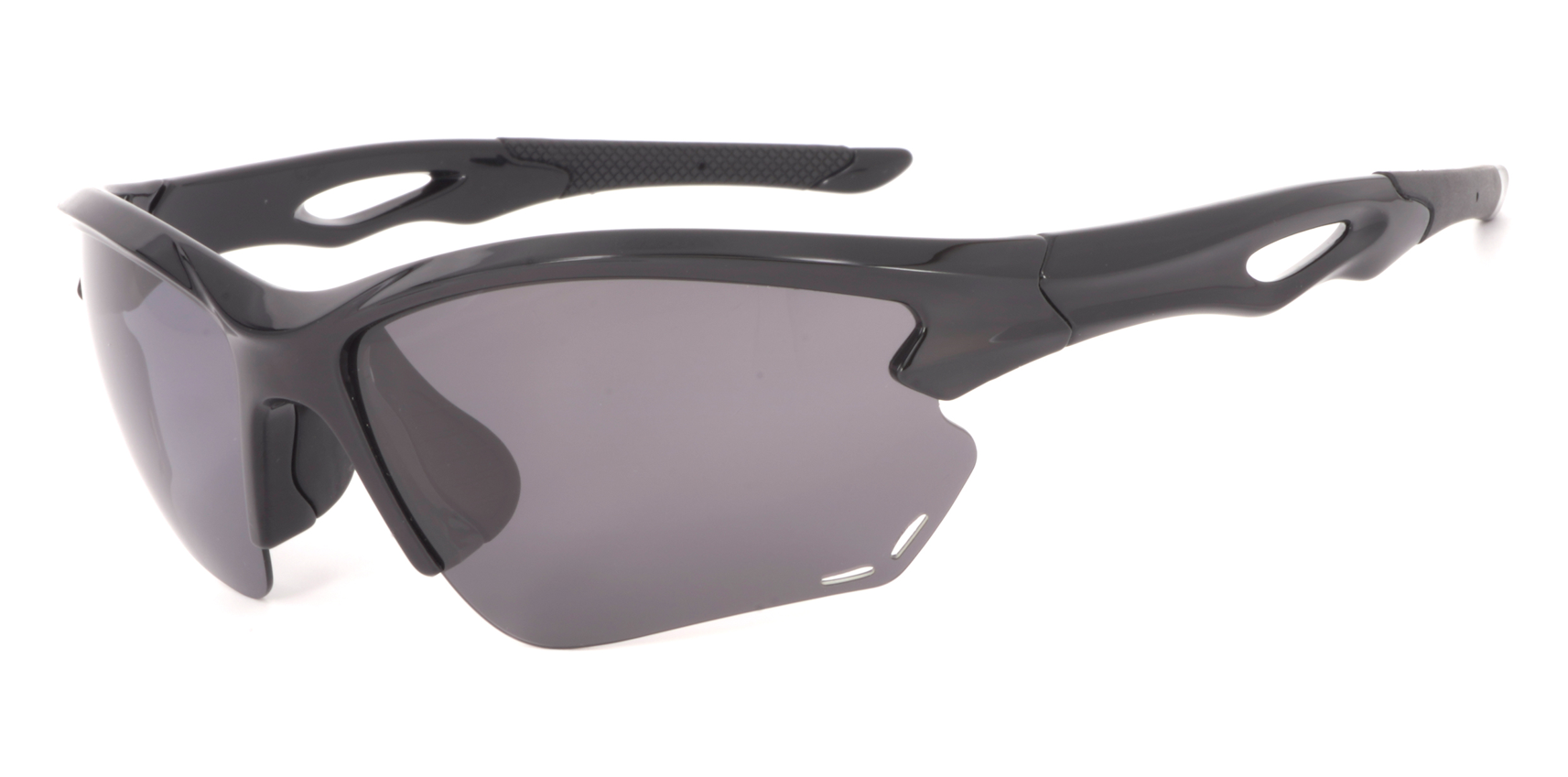
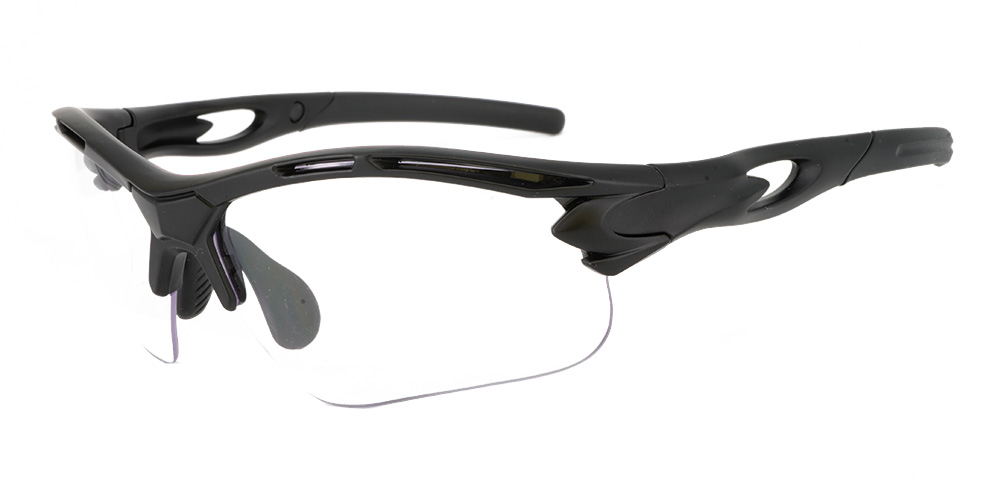
Some jobs begin in a workshop, continue in a loading bay and finish outdoors. Fixed dark lenses can feel uncomfortable indoors, while clear lenses may leave you squinting in sunshine. Transition safety glasses are designed for this movement, changing tint as ultraviolet exposure increases or decreases.
That convenience does not remove the need to choose eyewear for the risk. Lens technology, frame coverage and protective markings all matter. A photochromic lens manages light; it does not, by itself, prove that the complete pair is suitable for impact, dust, splash or another hazard.
How Photochromic Lenses Behave
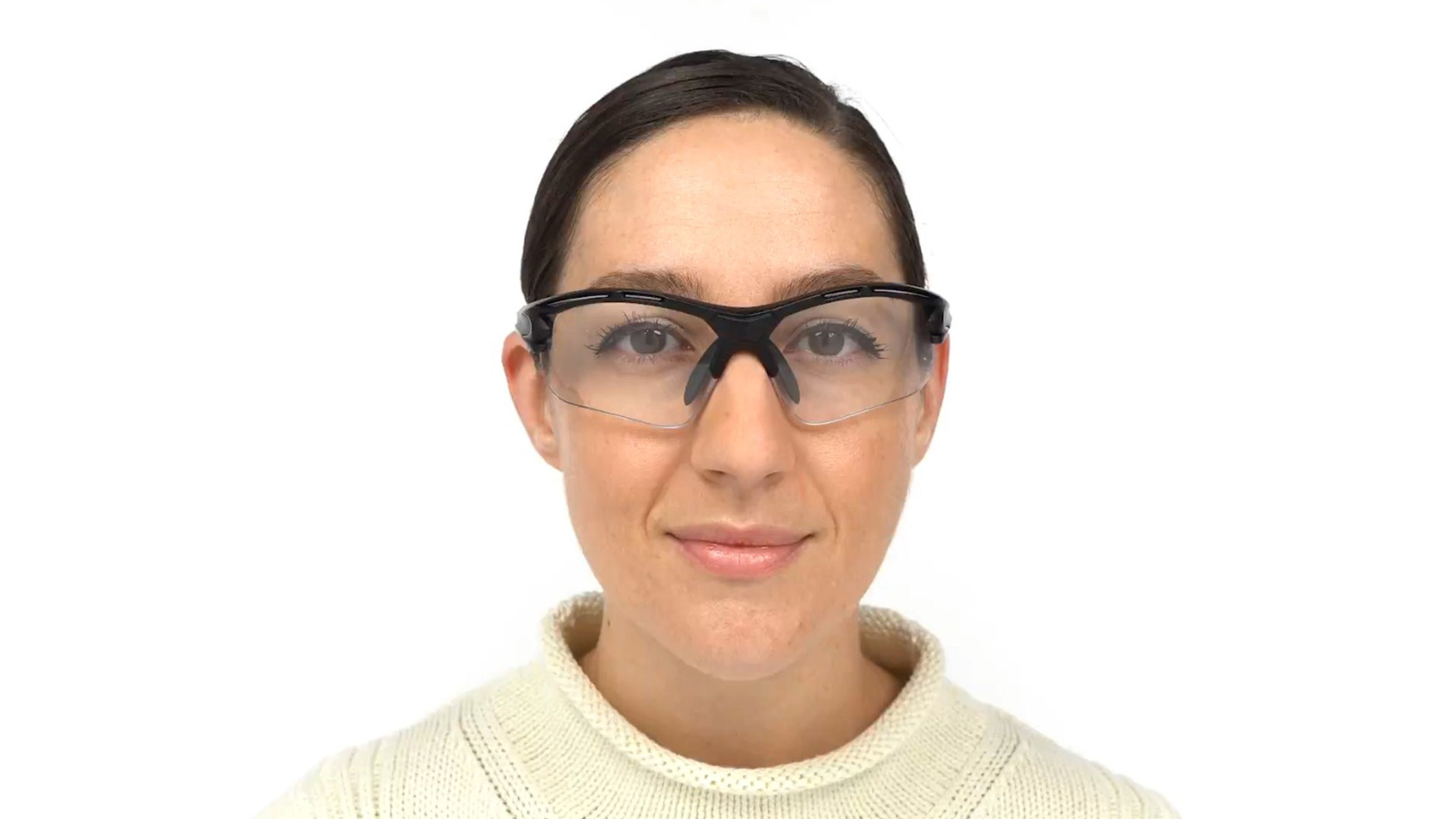
Light adjusting safety glasses normally remain clearer in low ultraviolet conditions and darken when exposed to UV outdoors. The change is gradual, and the final tint can vary with temperature, sunlight and lens design.
They may not darken fully behind vehicle windscreens, cabs or UV-filtering windows because the lens needs ultraviolet exposure to activate. Workers who drive should check how a chosen lens performs there rather than assuming it will behave like a fixed sunglass lens.
When returning indoors, the lenses need time to become clear again. Consider whether that delay suits tasks requiring vision in darker spaces.
Questions to Ask Before Ordering
When comparing safety glasses with transition lens options, look beyond the frame colour. Check:
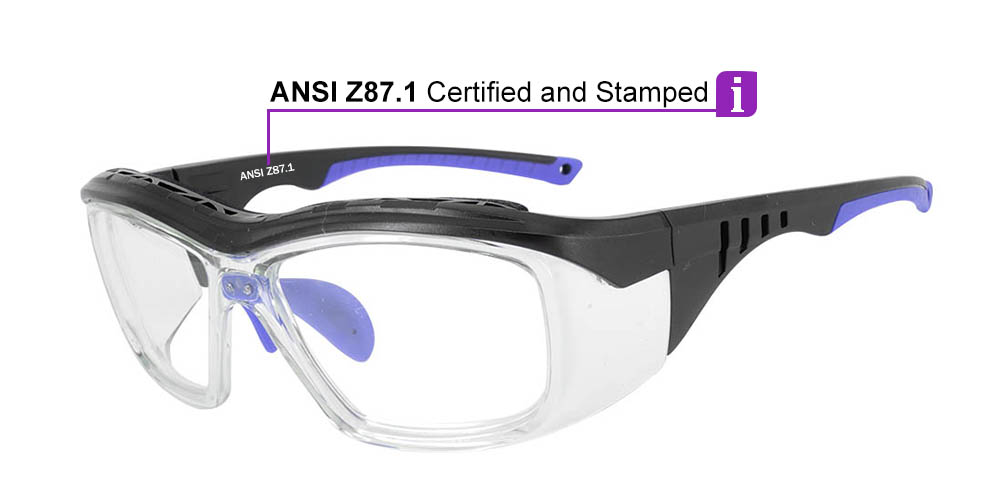
- Stated protection: Confirm that the complete eyewear matches the assessed workplace hazard.
- Prescription range: Strong powers, astigmatism, prism and curvature can affect compatibility.
- Activation range: Review how clear and dark the lenses are designed to become.
- Working environment: Think about windows, vehicle cabs, shade and indoor lighting.
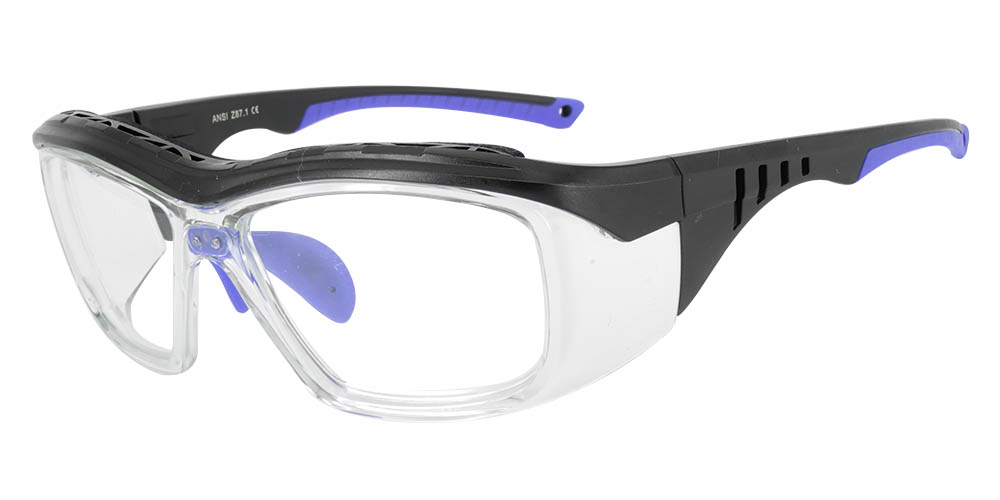
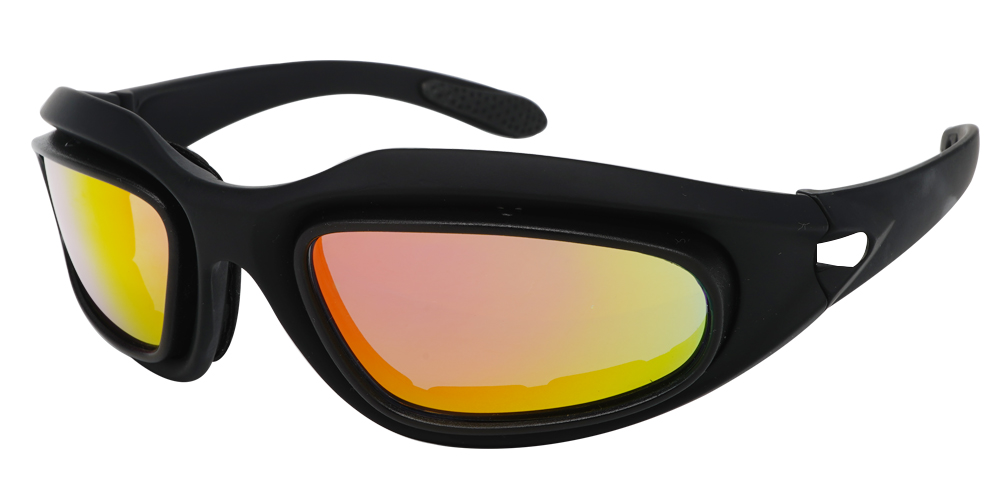
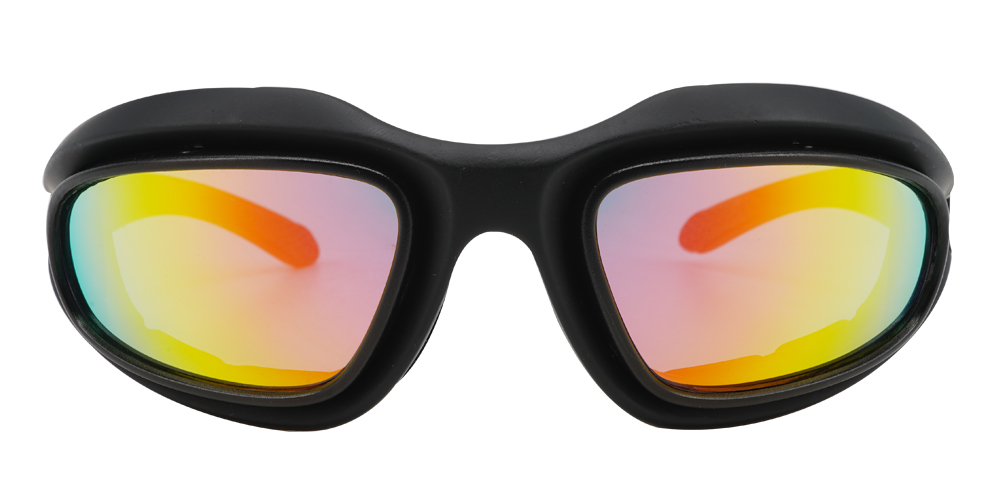
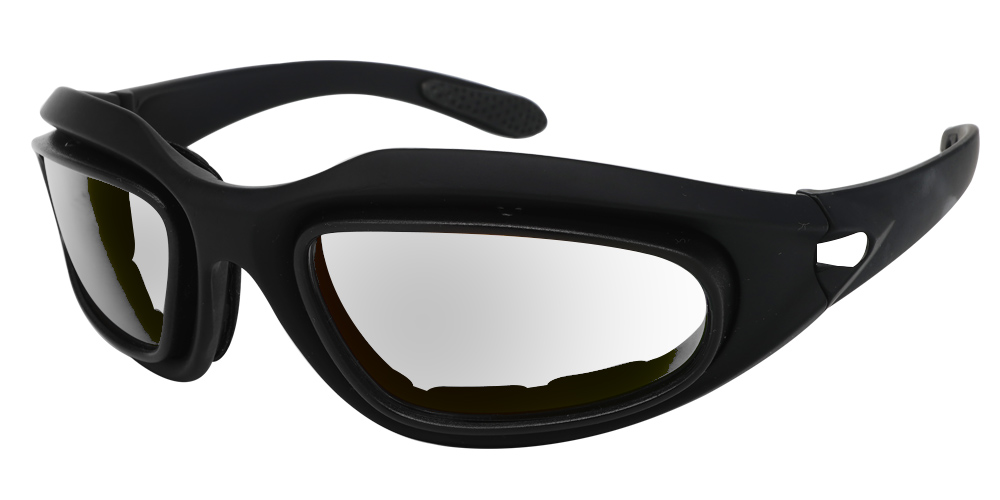
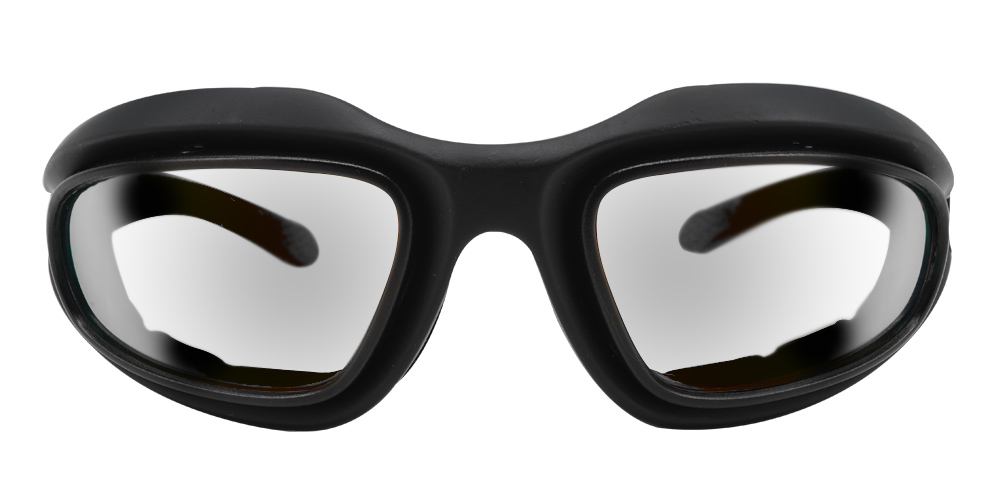
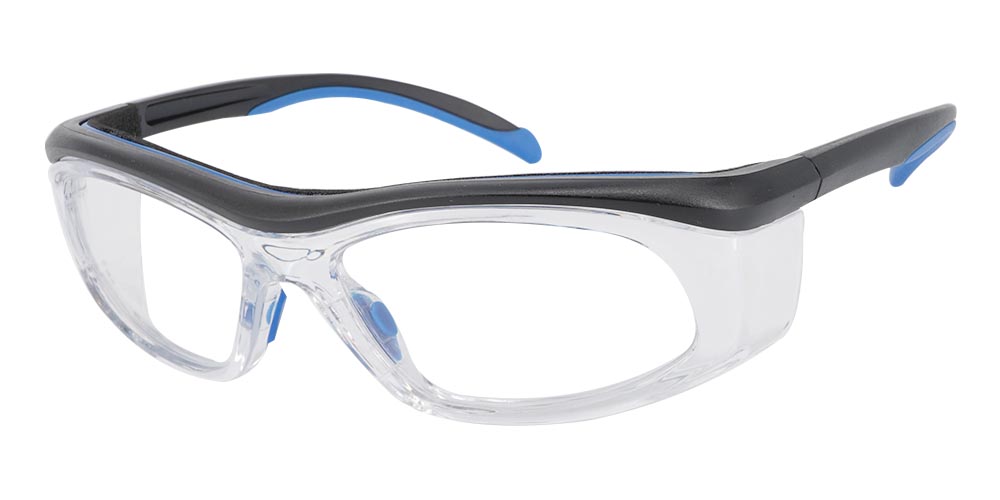
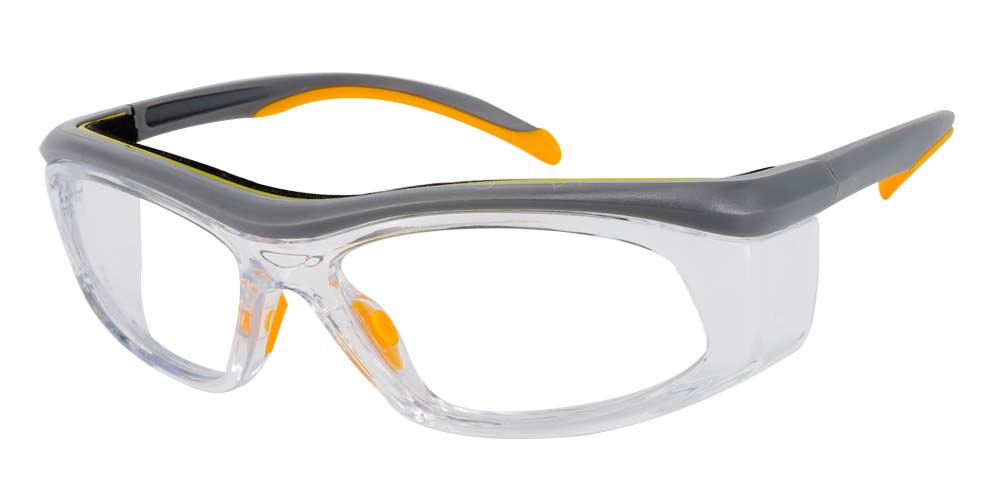
- Frame coverage: Look at side protection, lens height and facial gaps.
- PPE compatibility: Check the fit with helmets, ear defenders, masks and headsets.
- Daily comfort: Compare bridge width, frame weight and temple length.
Prescription Options for Everyday Work
Prescription transition safety glasses combine optical correction with lenses that respond to daylight. Depending on the frame, the prescription may be glazed directly into the lens or supplied through another system.
Use a current spectacles prescription and enter sphere, cylinder and axis figures for each eye. Pupillary distance may also be required. Contact lens powers should not usually be copied into a glasses order.
People searching for transition safety glasses prescription options should check the stated optical range before selecting a frame. Highly curved styles may not support every prescription. If the values sit outside the listed limits, seek optical advice instead of choosing a nearby power.
Comfort When the Job Keeps Moving
Safety transition glasses should remain stable when you bend, climb, turn your head or look down. A frame that slides or pinches can become distracting at work.
Try the eyewear with every item worn during the task. Helmet cradles may push the temples inward, ear defenders can create pressure, and masks may direct warm breath towards the lenses. The frame should remain level without disturbing other protective equipment.
Measurements are more dependable than a small, medium or large label. Compare the width, bridge and temple length with a comfortable pair you already own.
Where Transition Lenses Have Limits
Transition lens safety glasses are useful for changing daylight, but they are not always the right answer. Fixed tints may be more predictable for continuous outdoor work, while clear lenses may suit permanently indoor roles. Some tasks may require goggles, face shields or specialist filters.
Photochromic lenses can be affected by temperature, and activation speed varies. They are not intended to replace welding filters, laser protection or task-specific eyewear unless the product documentation states otherwise.
The best transition safety glasses meet the assessed risk, work in the lighting and fit comfortably with the rest of your equipment.
Cleaning and Looking After the Lenses
Rinse dust and grit away before wiping because dry particles can scratch the surface. Use an approved lens cleaner and a microfibre cloth. Avoid household sprays, paper towels and rough clothing.
Inspect the glasses before use. Replace them if the lenses are deeply scratched, cracked or loose, or if the frame becomes distorted. Store them in a protective case away from chemicals, heat and sharp tools.
Compare Transition Safety Glasses at RxSport UK
RxSport UK brings together transition safety glasses online for customers who want adaptable lenses with workplace-focused frames. Compare prescription compatibility, activation information, dimensions, coverage and stated markings before ordering.
Choose for the risk first, then consider convenience, appearance and price. A well-matched pair should provide clear vision, daylight adjustment and a stable fit throughout the working routine.