Does Not Mean Unchecked
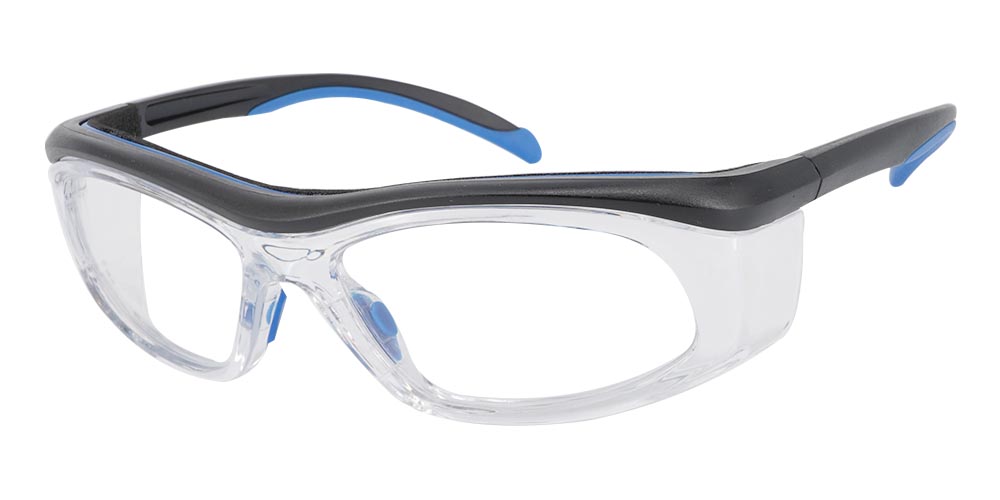
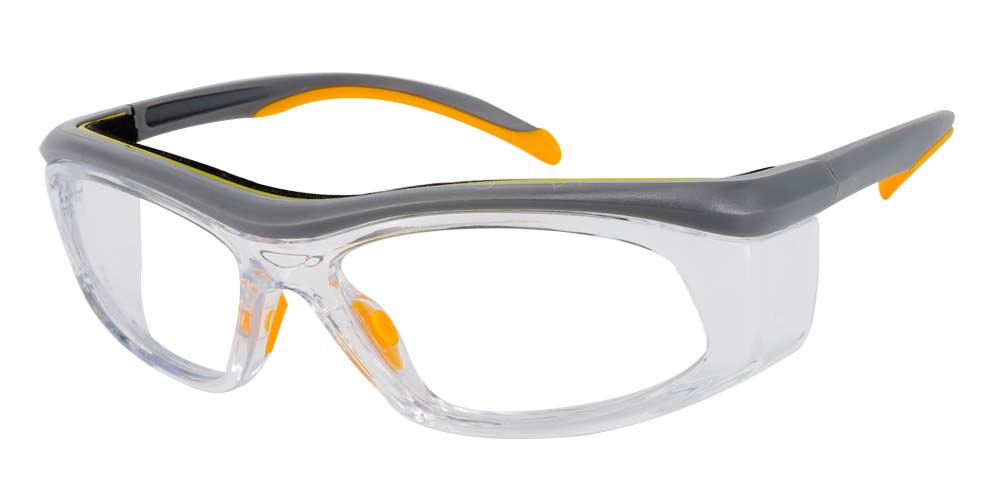
A low price can help when you need a spare pair or straightforward eyewear for occasional tasks. However, cheap prescription safety glasses still need to be suitable for the job.
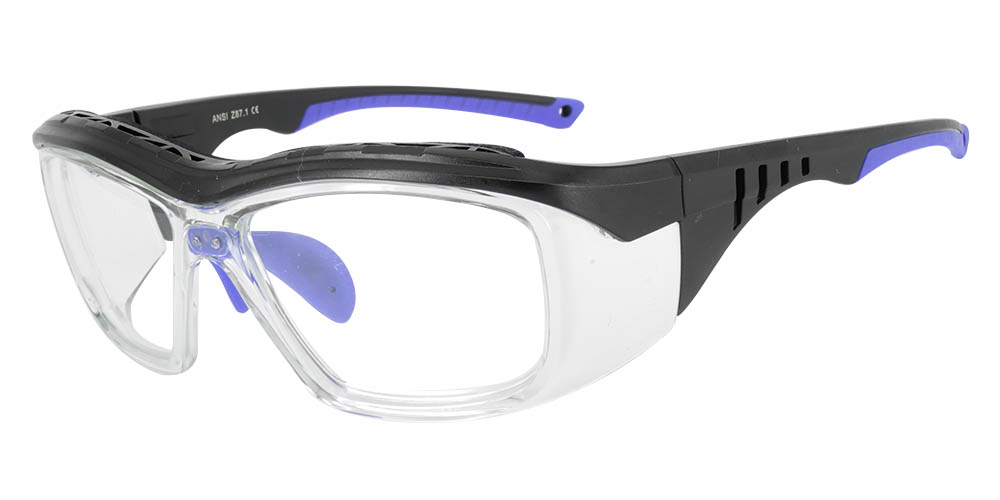
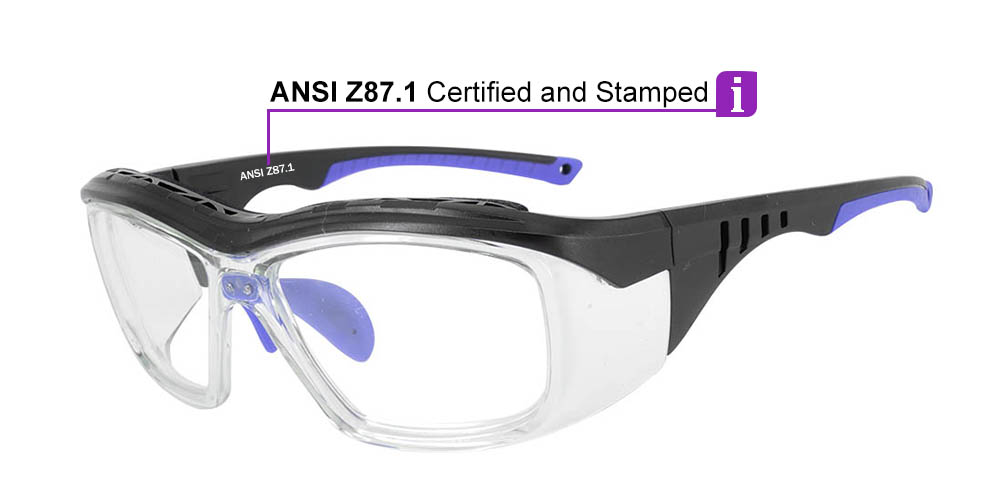
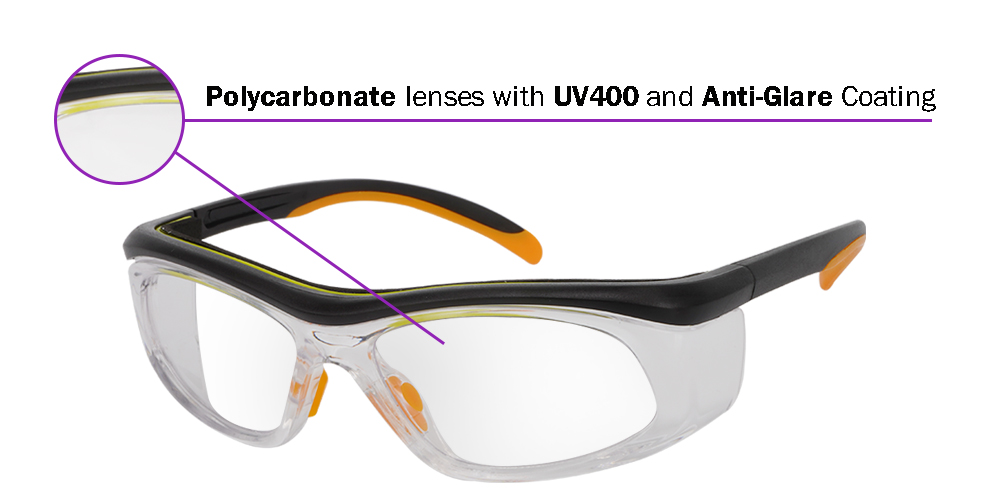
Start with the risk assessment and product information. Check the stated standard, lens material, side coverage and intended use. A strong-looking frame may not suit every workplace hazard.
Where Your Money Is Best Spent
Good value comes from paying for features you need. A clear single-vision lens may suit an indoor workshop, while outdoor workers may need another option.
Before ordering, compare:
- Prescription compatibility: Confirm that the frame supports your sphere, cylinder, axis and pupillary distance.
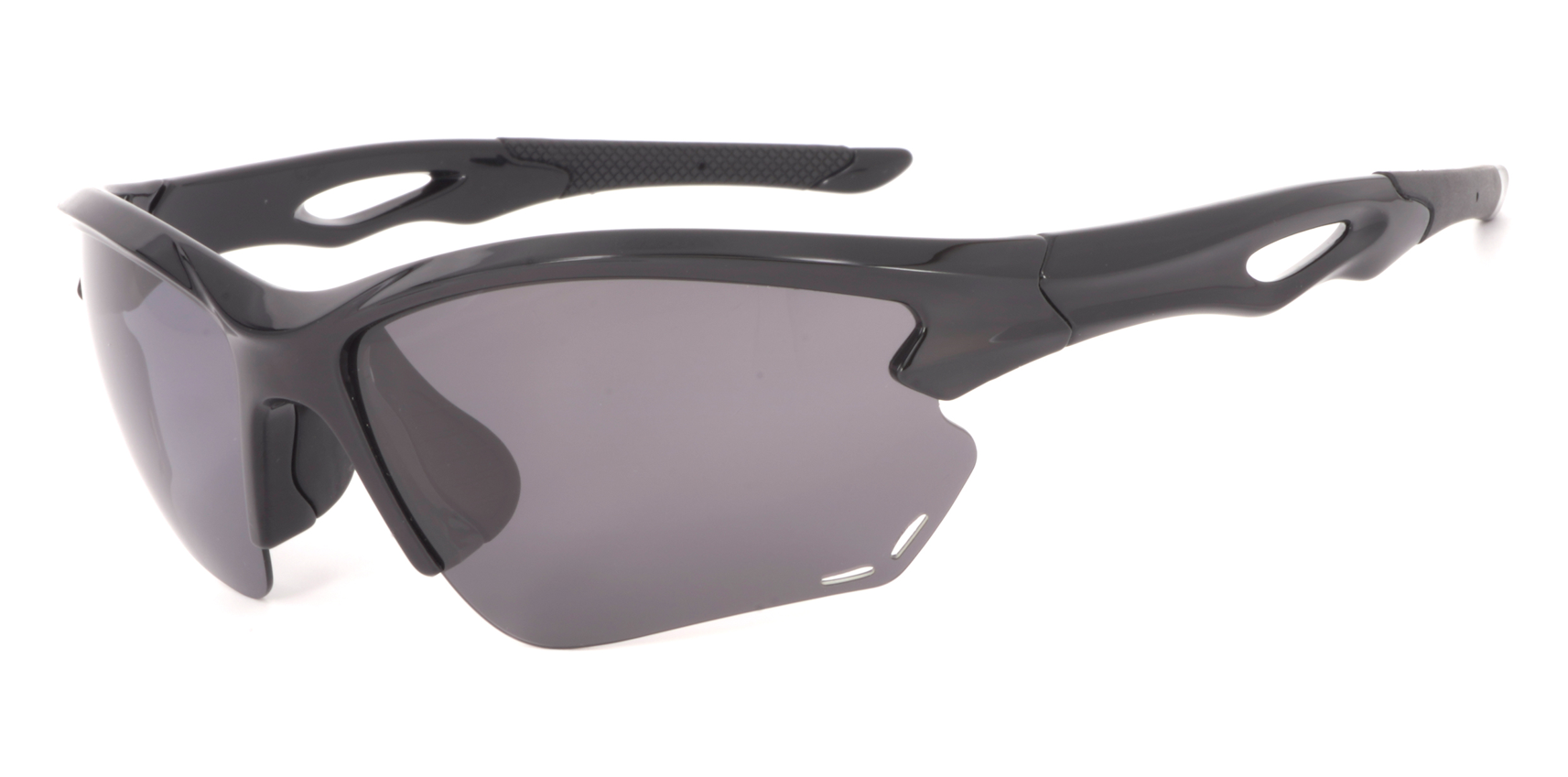
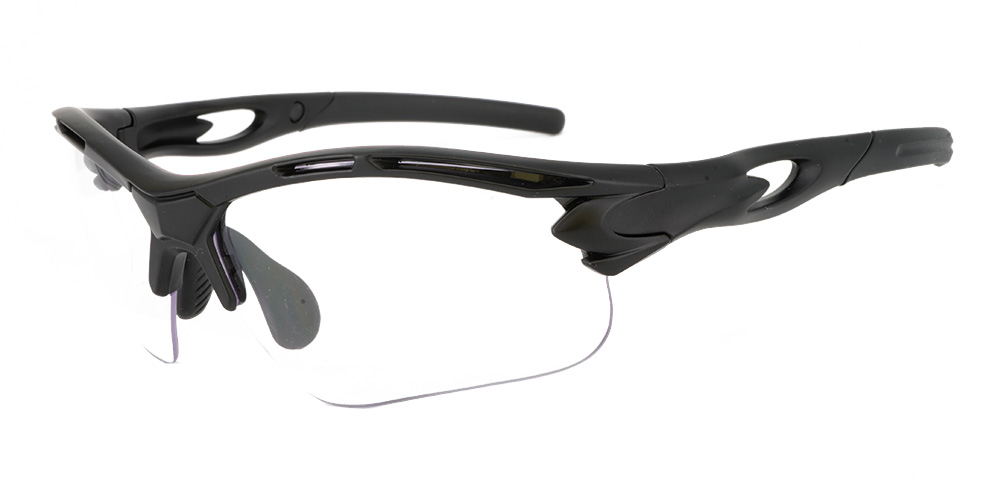
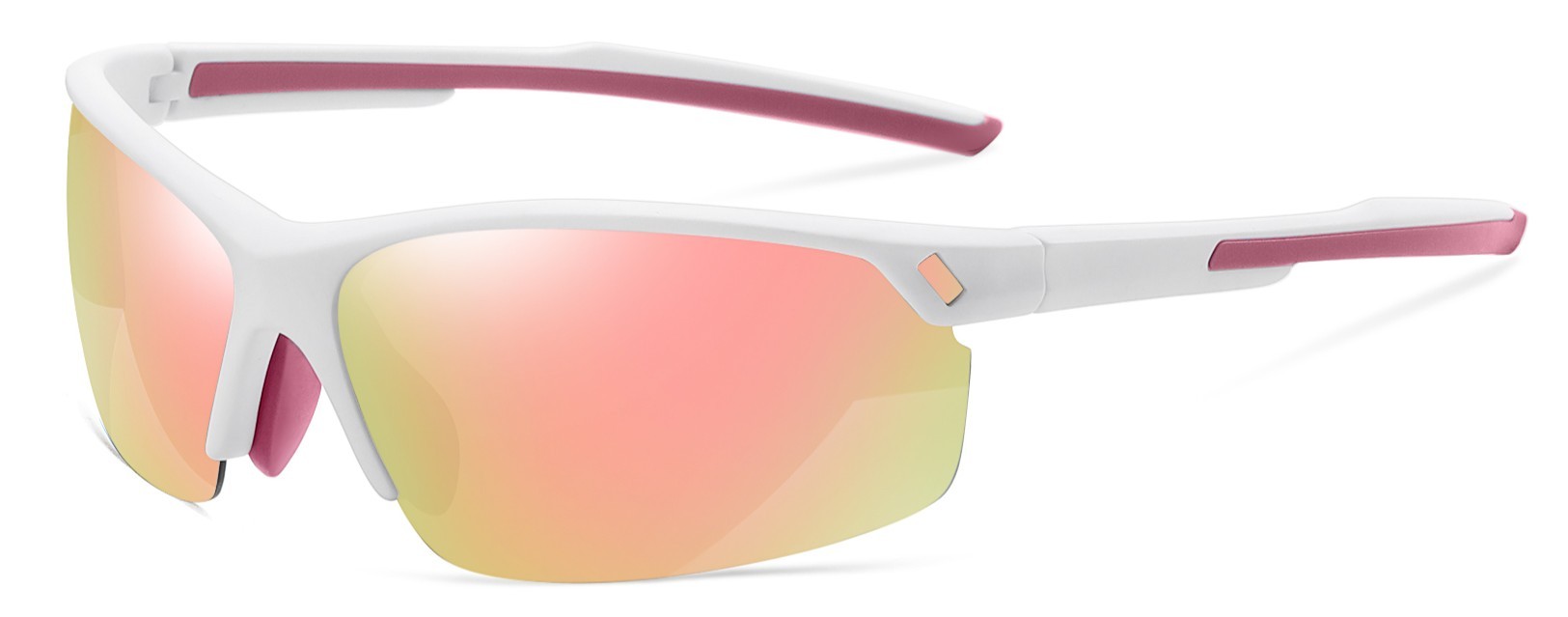
- Lens choice: Decide whether you need clear, tinted, polarised or light-adjusting lenses.
- Coverage: Check the side protection and the gaps around your face.
- Frame measurements: Width, bridge shape and temple length all affect comfort.
- Other equipment: Make sure the glasses work with helmets, masks and ear defenders.
- Product markings: Verify the stated protection for the complete eyewear setup.
- Replacement cost: Consider whether spare parts or a second pair are affordable.
The cheapest option is poor value if it does not fit, cannot take your prescription or is unsuitable for the task.
If you are buying for a team, avoid treating one frame as a universal fit. Different face shapes may need different sizes, bridges or temple designs to remain secure and comfortable throughout.
Choosing the Right Prescription Setup
Use a current spectacles prescription when you order. Enter the figures for the right and left eyes carefully, including sphere, cylinder and axis where shown. Pupillary distance may also be required.
Do not copy contact lens powers into a glasses order unless an optician converts them. Their values can differ from a spectacle prescription.
Some frames accept single-vision, bifocal or progressive lenses. Strong prescriptions, prism or high astigmatism can limit available styles, especially in curved frames.
A Budget Frame Still Has to Feel Right
Comfort is easy to overlook when comparing prices online. During a full shift, however, a frame that pinches, slips or presses beneath other equipment quickly becomes distracting.
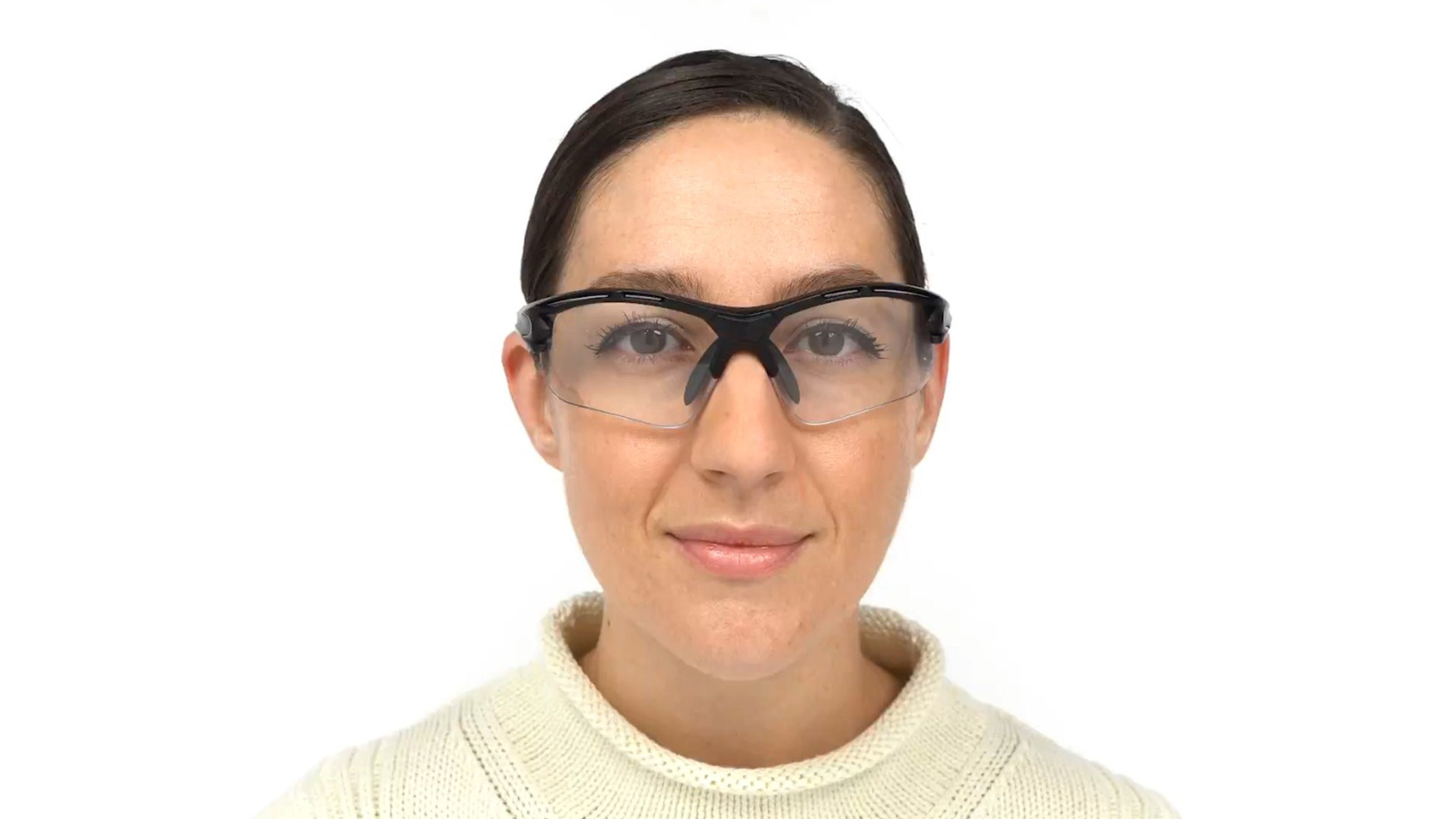
Compare the measurements with comfortable glasses you own. The bridge should sit evenly, the lenses should clear your eyelashes and the temples should not squeeze. Bend forward and turn both ways; the frame should stay level.
Try them with the rest of your work kit. Thick temple arms can create pressure beneath ear defenders, while masks may push the frame upwards or direct warm air towards the lenses.
Clear, Tinted and Transition Options
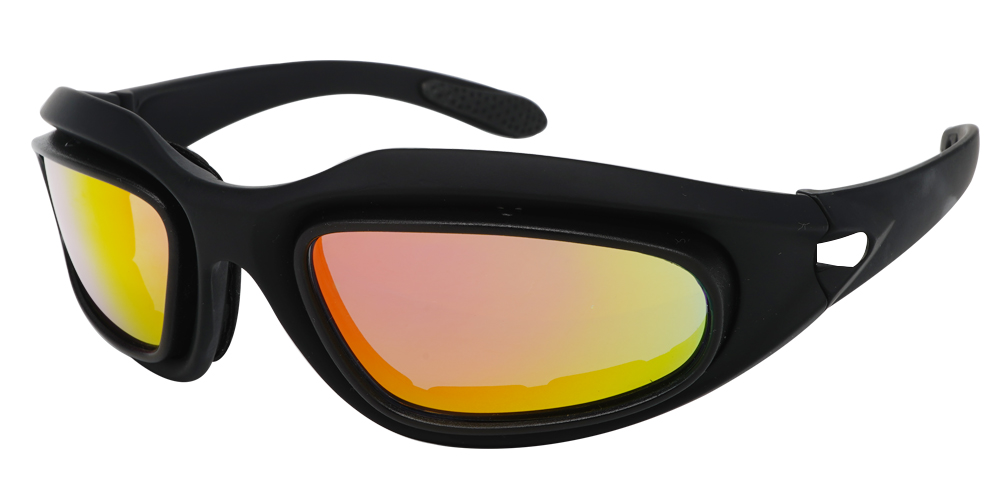
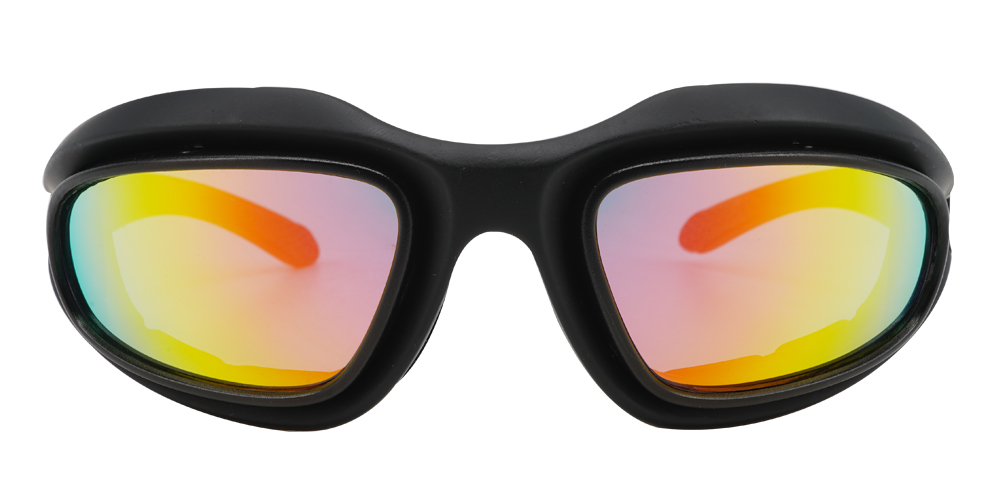
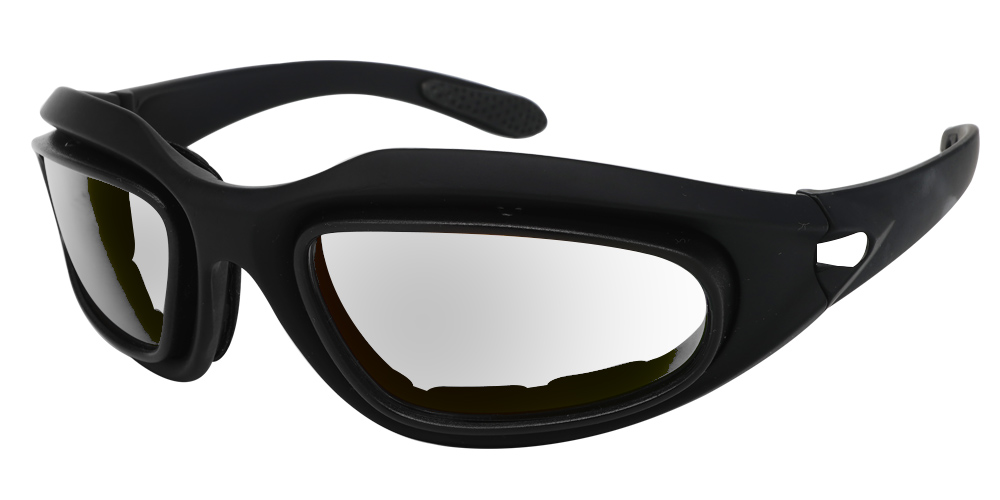
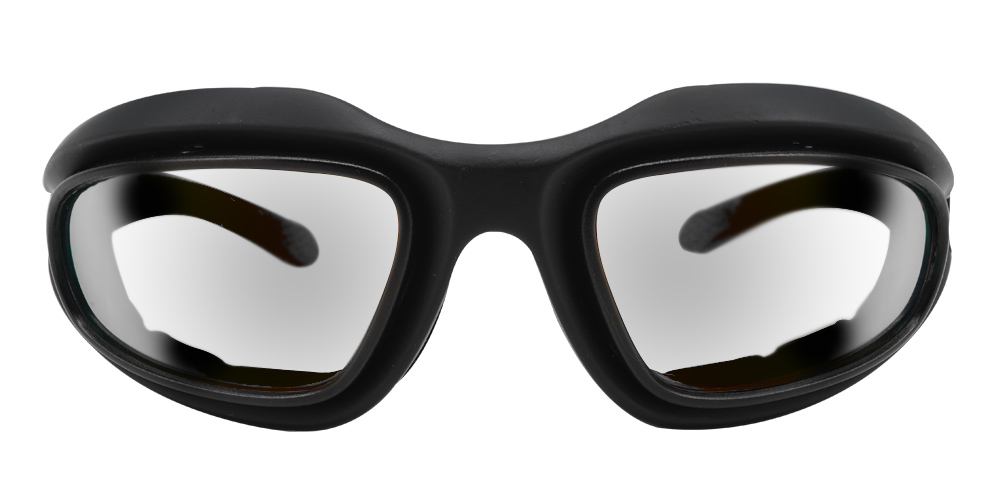
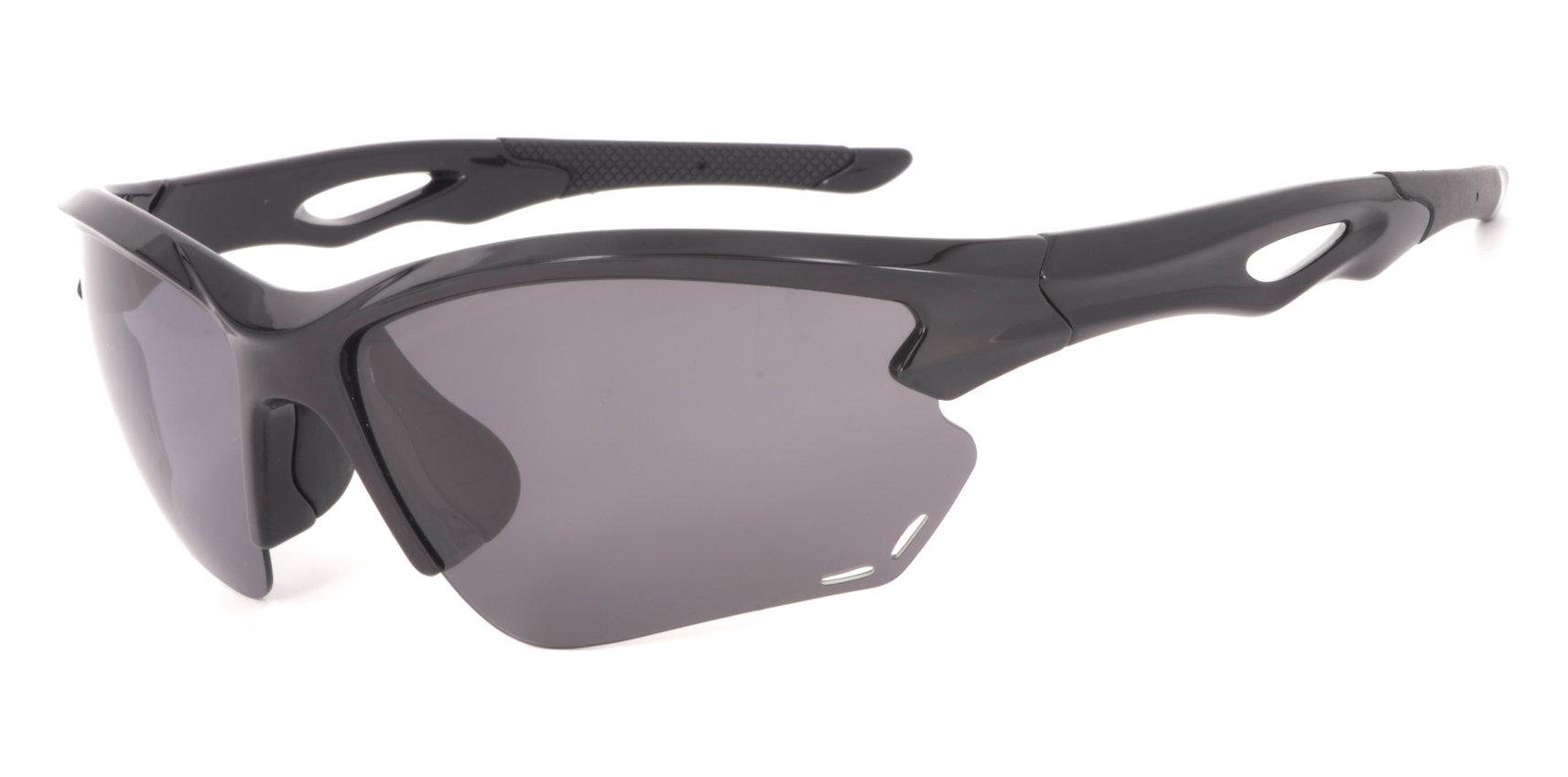
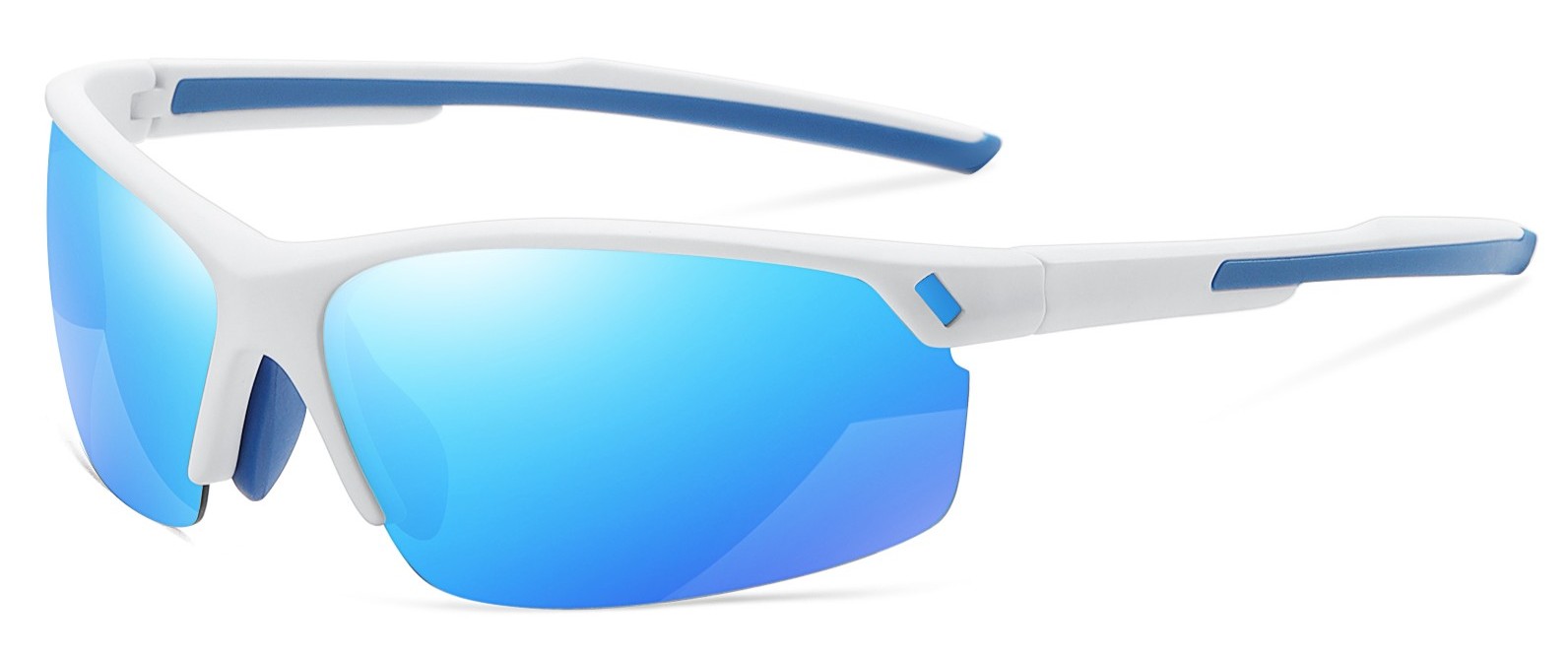
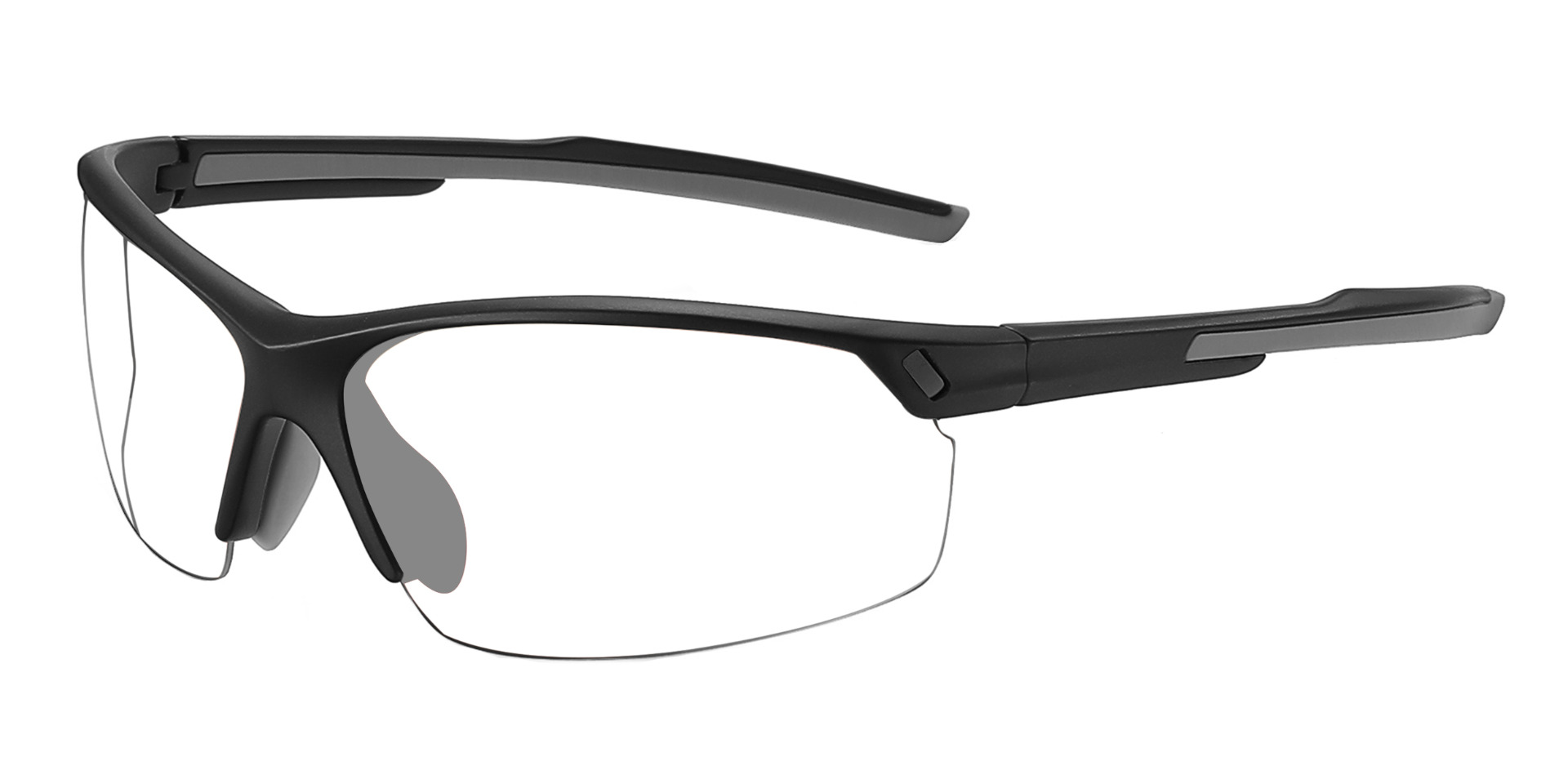
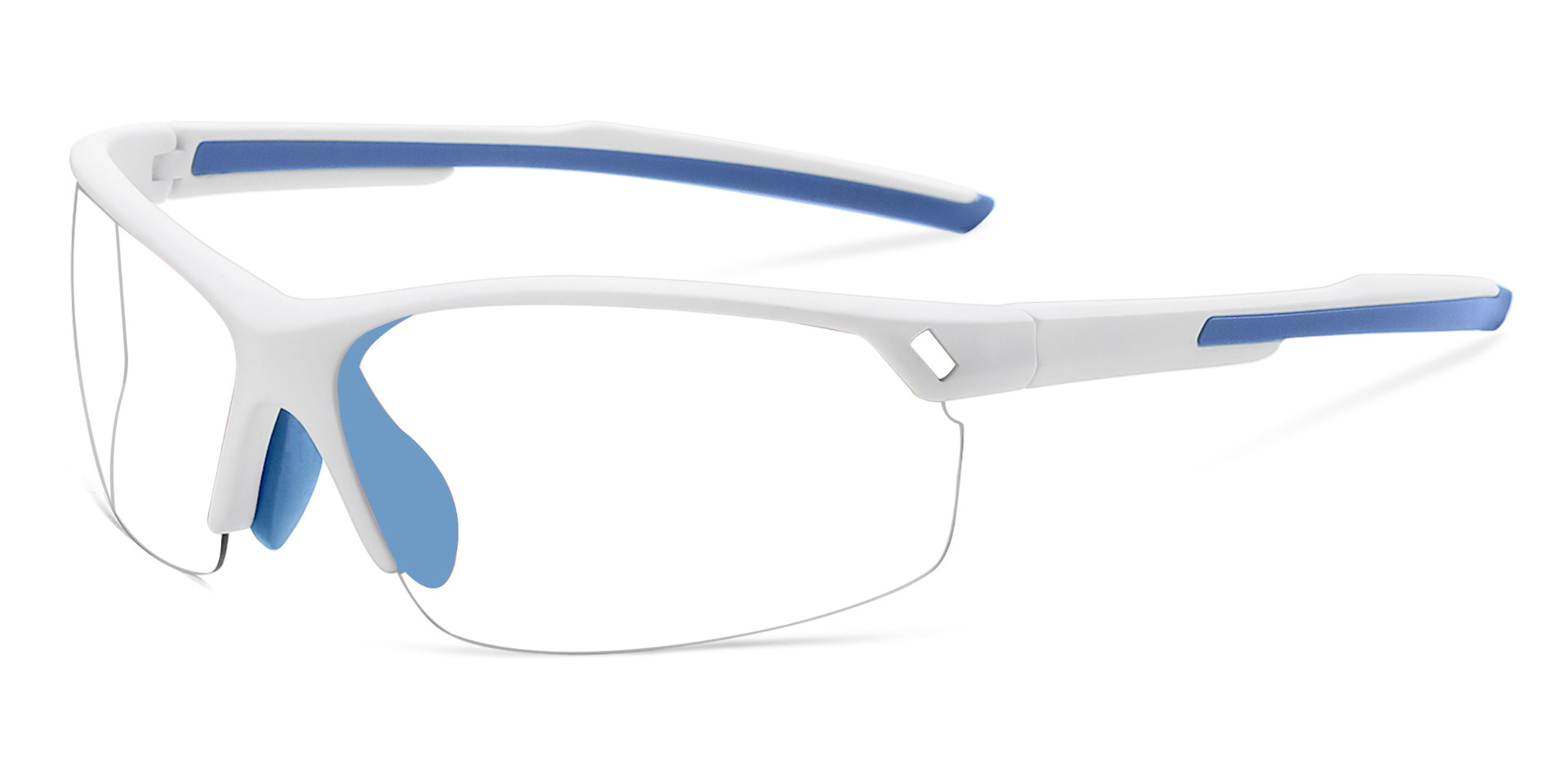
Clear lenses are often practical for indoor work, dull weather and areas where maximum available light is important. Tinted lenses can improve comfort in bright outdoor conditions, but a dark tint may become awkward when you move indoors or into shade.
Polarised lenses reduce reflected glare but may affect some screens. Light-adjusting lenses suit changing locations, although they need time and ultraviolet exposure to darken.
Lens colour alone does not prove ultraviolet protection, impact resistance or suitability for a specific workplace hazard. Always check the product details.
Ordering Online with Fewer Surprises
When browsing cheap prescription safety glasses online, read beyond the headline price. Check what is included and whether your chosen lens changes the final cost. Review dimensions, prescription limits and returns information.
Enter your prescription exactly as written and check that right and left values have not been swapped. If a measurement is missing or unclear, ask your optician rather than guessing.
For cheap prescription safety glasses UK shoppers, it is also worth checking that the product and lens combination meet the requirements of the workplace. A low online price cannot replace the employer’s risk assessment or PPE rules.
Looking After an Affordable Pair
Budget eyewear will last longer when it is cleaned and stored properly. Rinse away dust and grit before wiping because dry particles can scratch the lenses. Use suitable lens cleaner and a clean microfibre cloth rather than paper towels or clothing.
Keep the glasses in a protective case away from tools, heat and chemicals. Inspect them regularly for cracks, deep scratches, loose lenses, worn nose pieces and distorted temples.
Replace the pair when damage affects clarity, fit or protective performance. Do not drill, reshape or glue the frame unless the manufacturer specifically allows it.