Why Ordinary Sunglasses Don’t Work on the Golf Course
A lot of golfers just throw on any old pair of aviators or fashion sunglasses and head out to the tee box. While standard sunglasses are great for cutting down bright sunlight when you’re driving your car, they actually do more harm than good when you’re standing over a ball.
Think about it: tracking a tiny white golf ball against white clouds requires massive contrast sensitivity. Most standard dark lenses just make everything dim, which actively kills your contrast. Plus, if you try to read a putting green with the wrong lens tint, it completely flattens your depth perception and distorts the natural grass colours. Then you have to factor in moving from deep shade under the trees back out into an open fairway—generic lenses just can’t keep up with that.
That is exactly why golf prescription sunglasses are an absolute necessity. The right specialized lens tint makes the ball pop in mid-air, sharpens the contours of the green, and keeps your eyes totally relaxed from the opening tee shot to the final putt. And best of all, your custom prescription is built right in, so you can actually see where your ball landed.
Choosing the Right Lens for Golf
When you’re looking to buy prescription golf sunglasses, picking the right lens tint is honestly the most important choice you’ll make. Different colours change how light hits your eyes, so you want to match your tint to the weather you usually play in.
Lens Tints That Perform Best on the Fairway
- Brown and copper tints: These are by far the gold standard for golf. They block out blue light, which naturally sharpens your contrast against green grass and makes tracking the ball in the air a breeze. When people look through our prescription golf sunglasses online catalog, this is the tint we recommend the most for everyday play.
- Yellow and amber tints: These are an absolute lifesaver for early morning tee times or grey, overcast days. They cut through the gloom, brighten up your field of view, and stop the course from looking totally flat.
- Grey tints: A solid choice if you just want a neutral view. They lower overall brightness on blinding summer days without changing how the actual colours of the course look, though you won’t get the same contrast boost as copper lenses.
- Photochromic transition lenses: These adapt on the fly. They stay lighter in the shade and darken up automatically the second the sun breaks out—perfect if your home course is heavily wooded.
What Else Matters in Prescription Golf Sunglasses UK
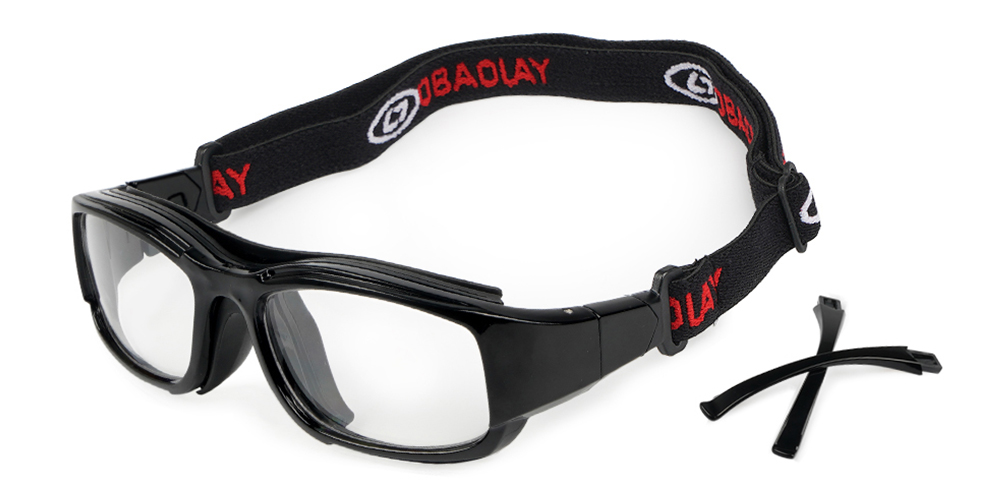
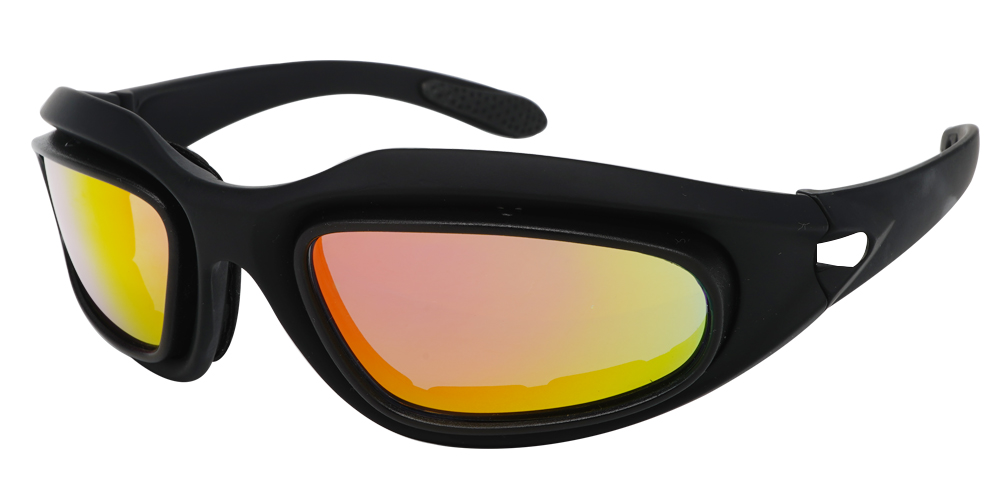
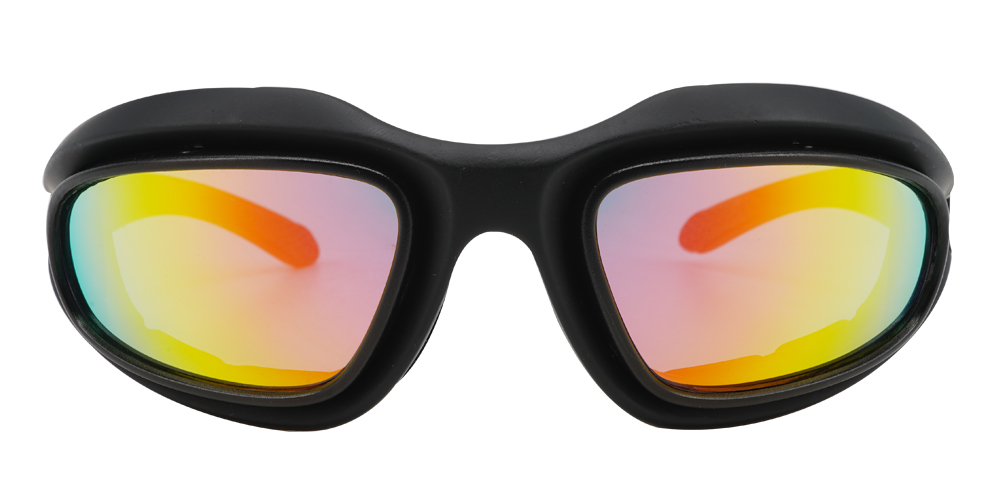
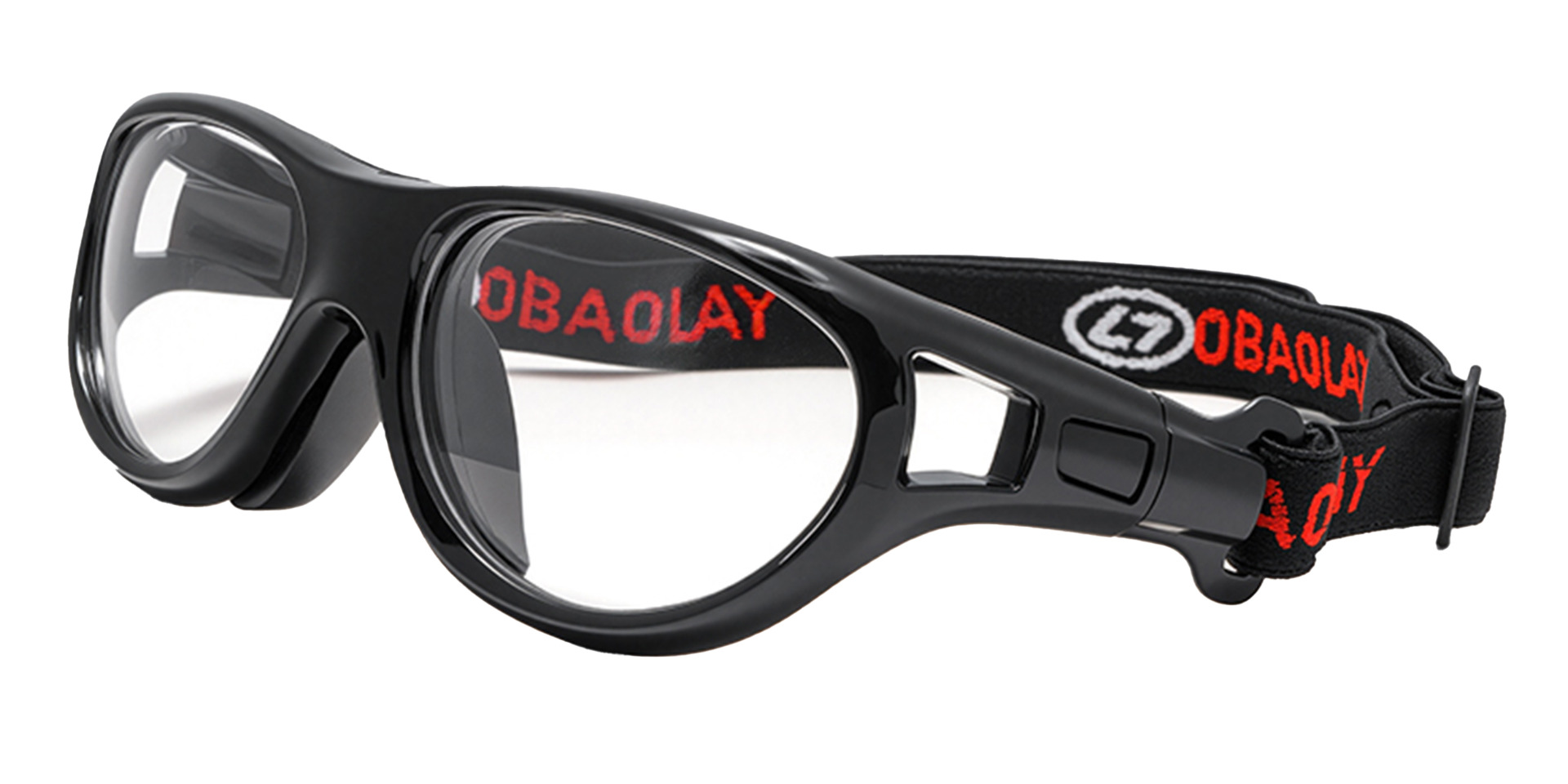
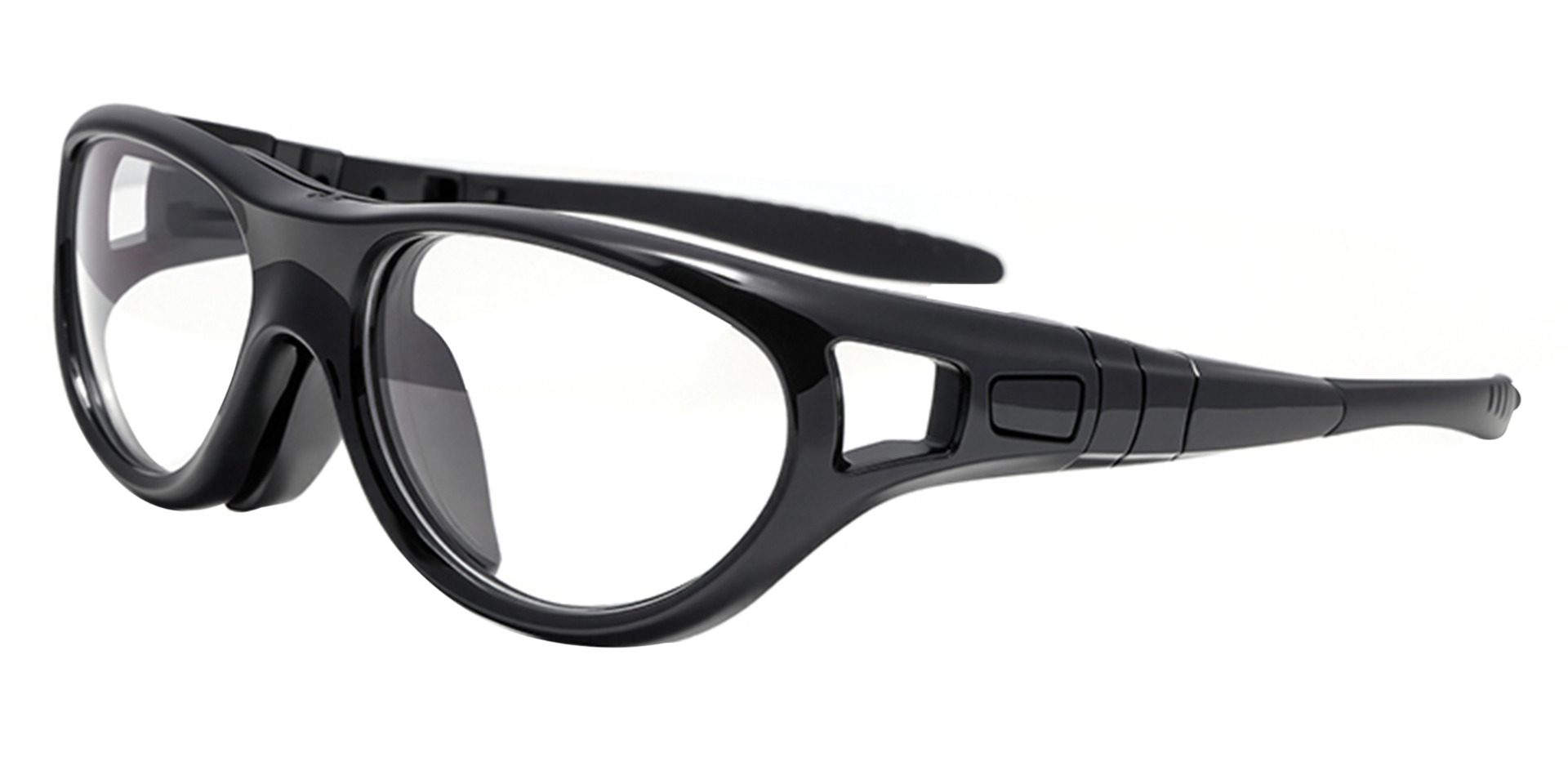
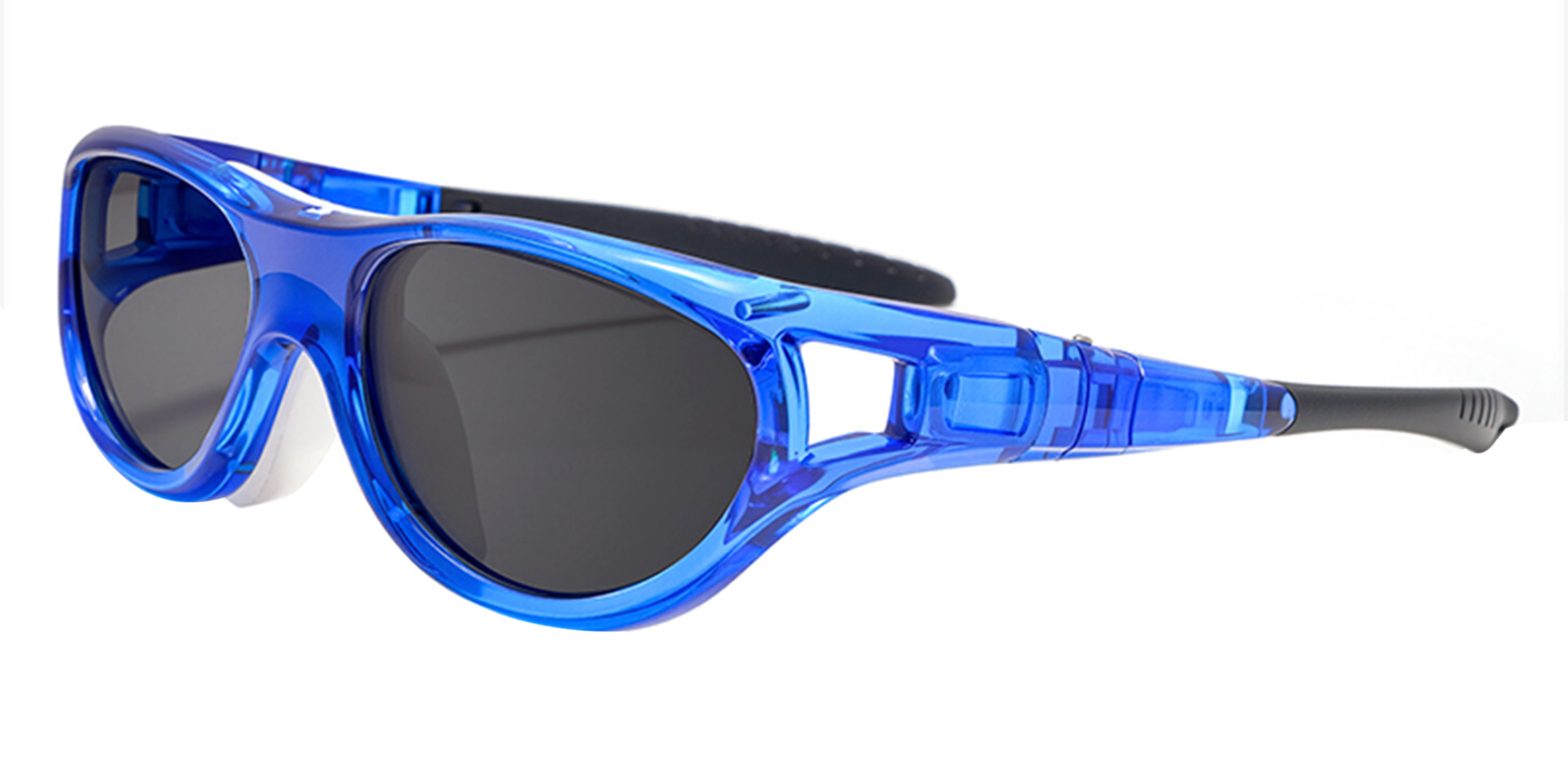
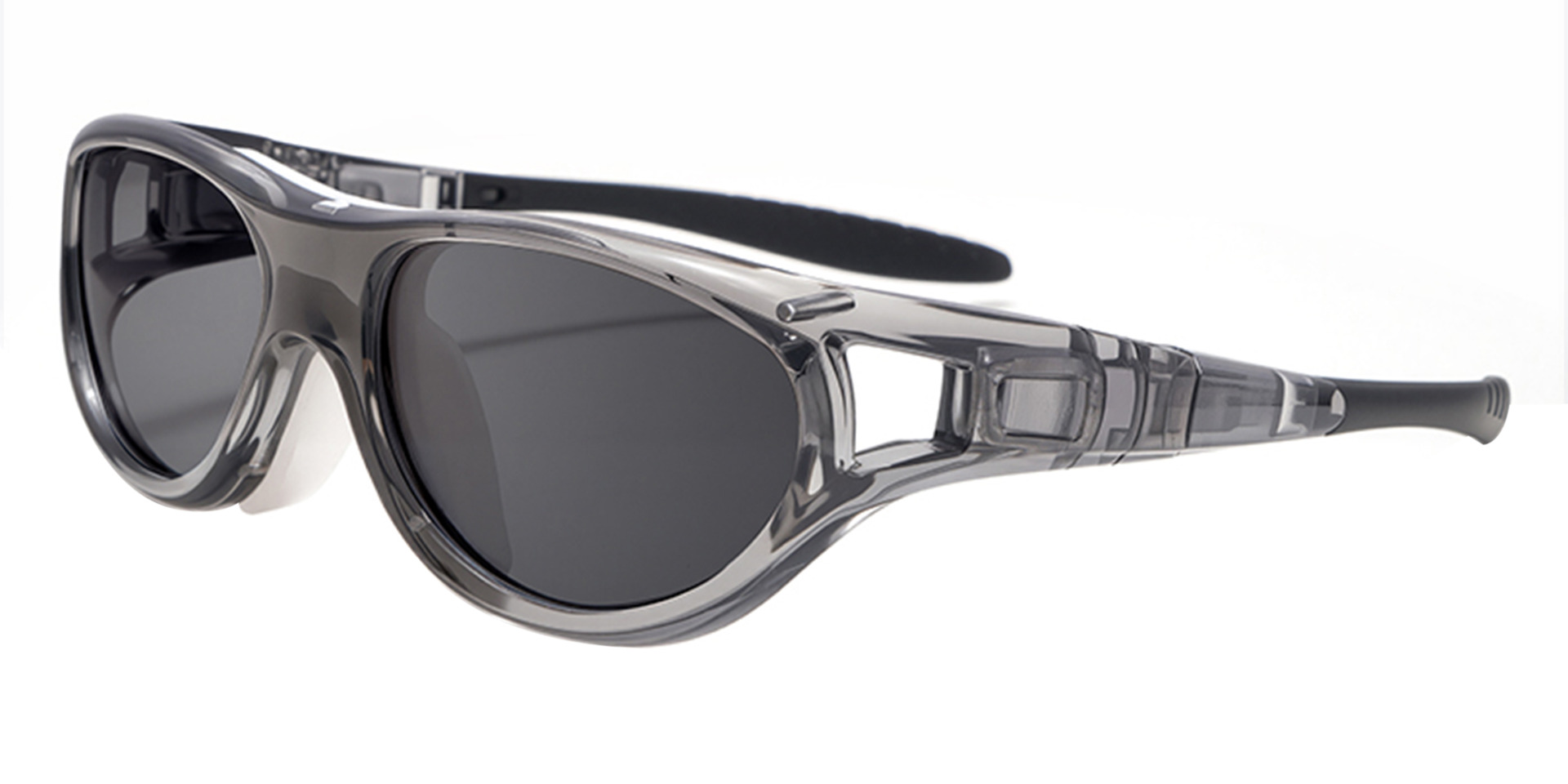
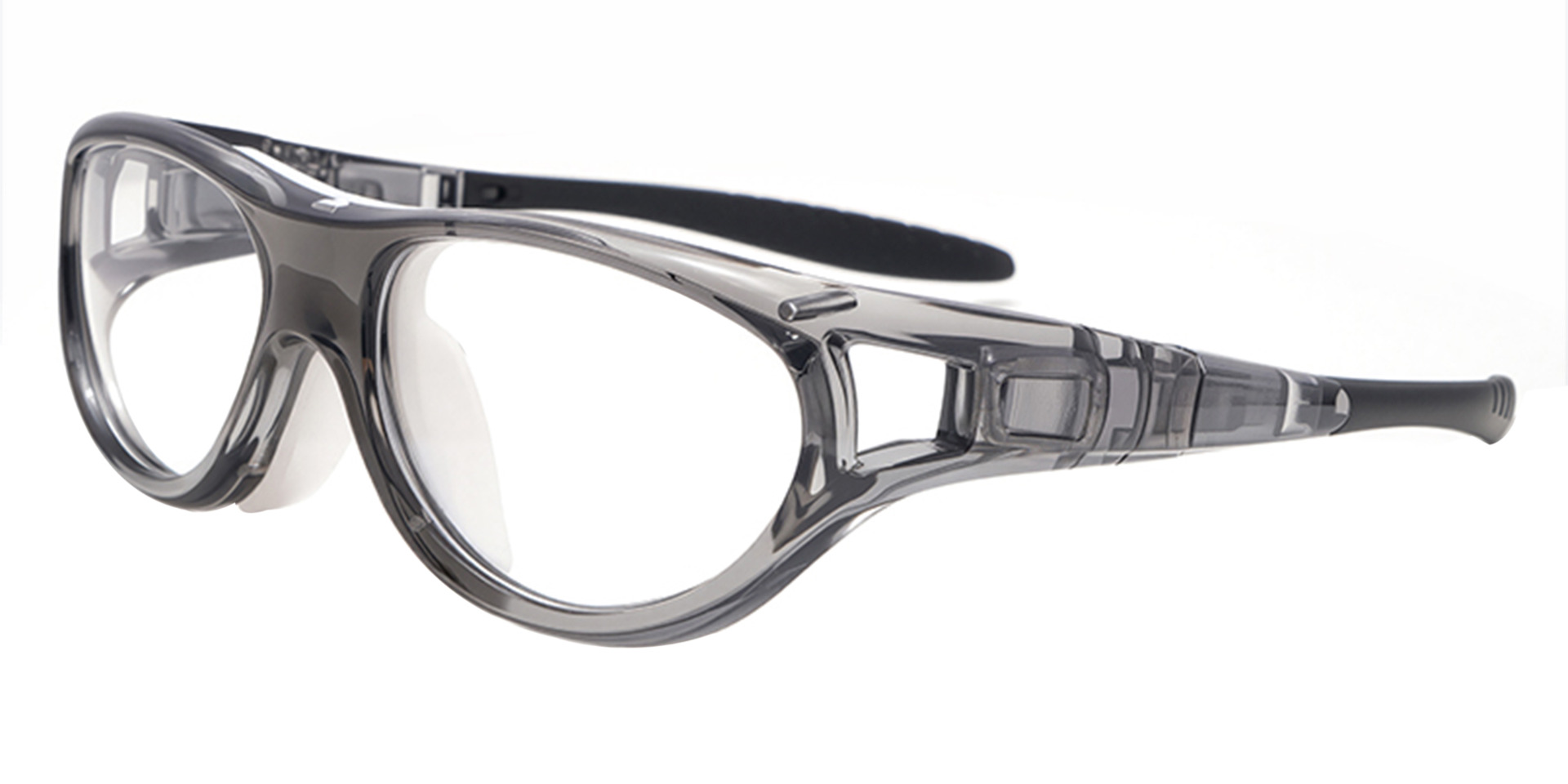
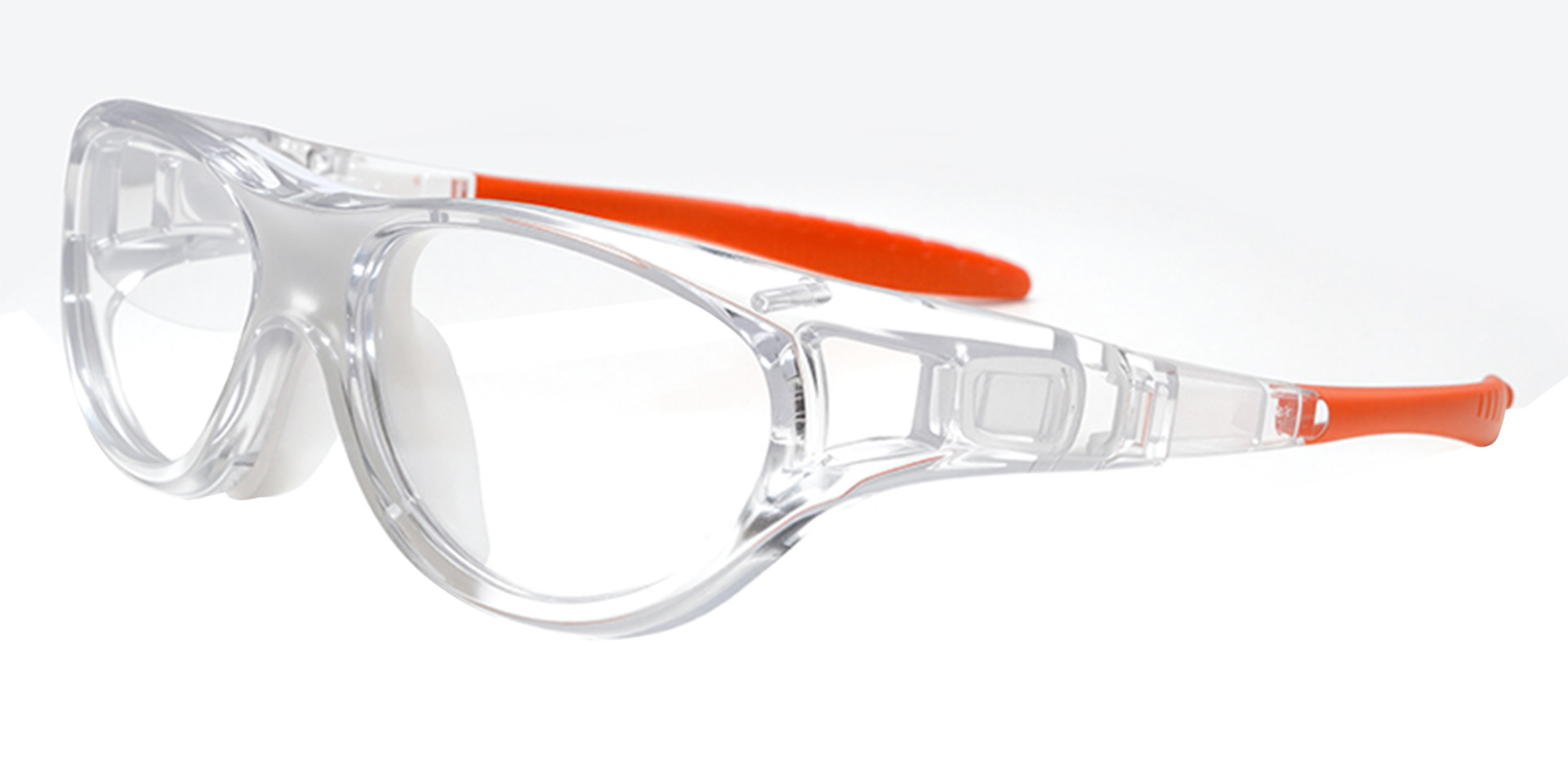
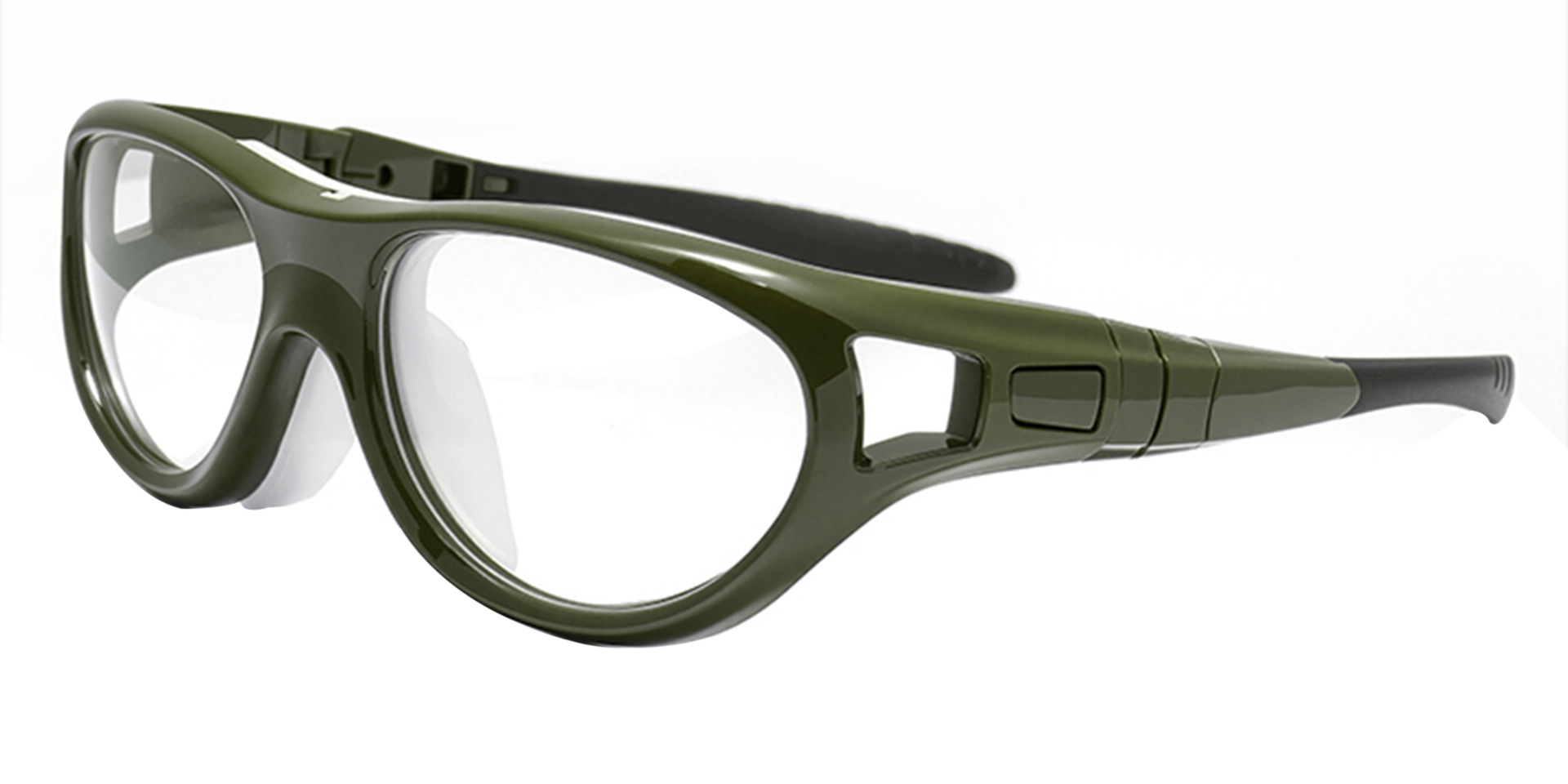
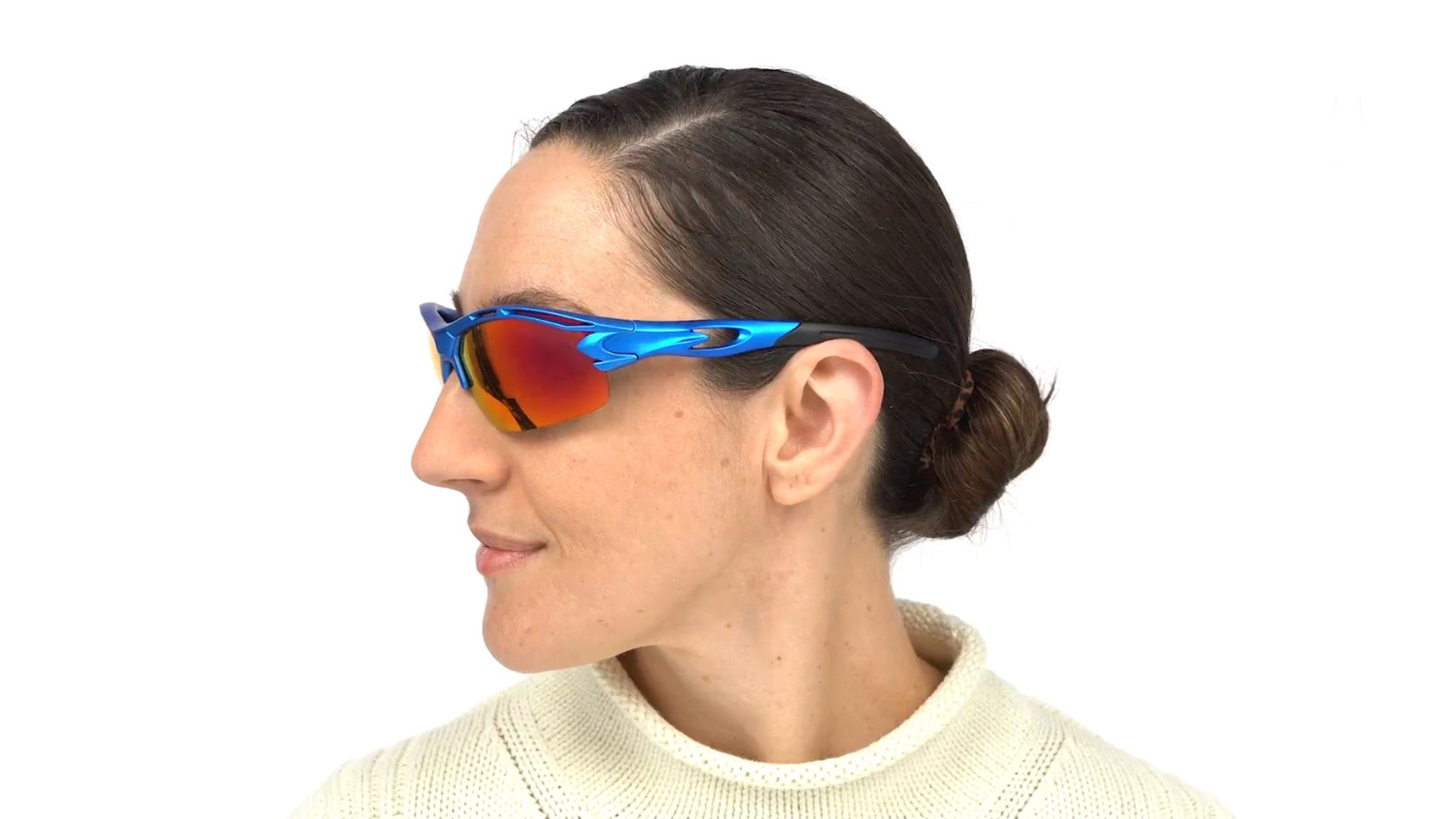
While everyone focuses on the lenses, the frame fit can completely make or break your round. If your frames are constantly sliding down your nose mid-swing, or if the rims block your peripheral vision when you look down at address, they are going to ruin your score.
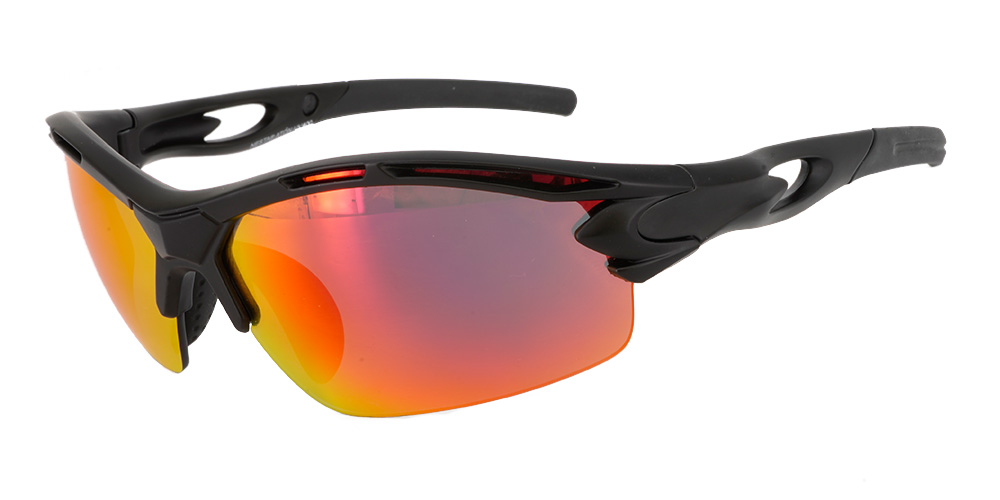
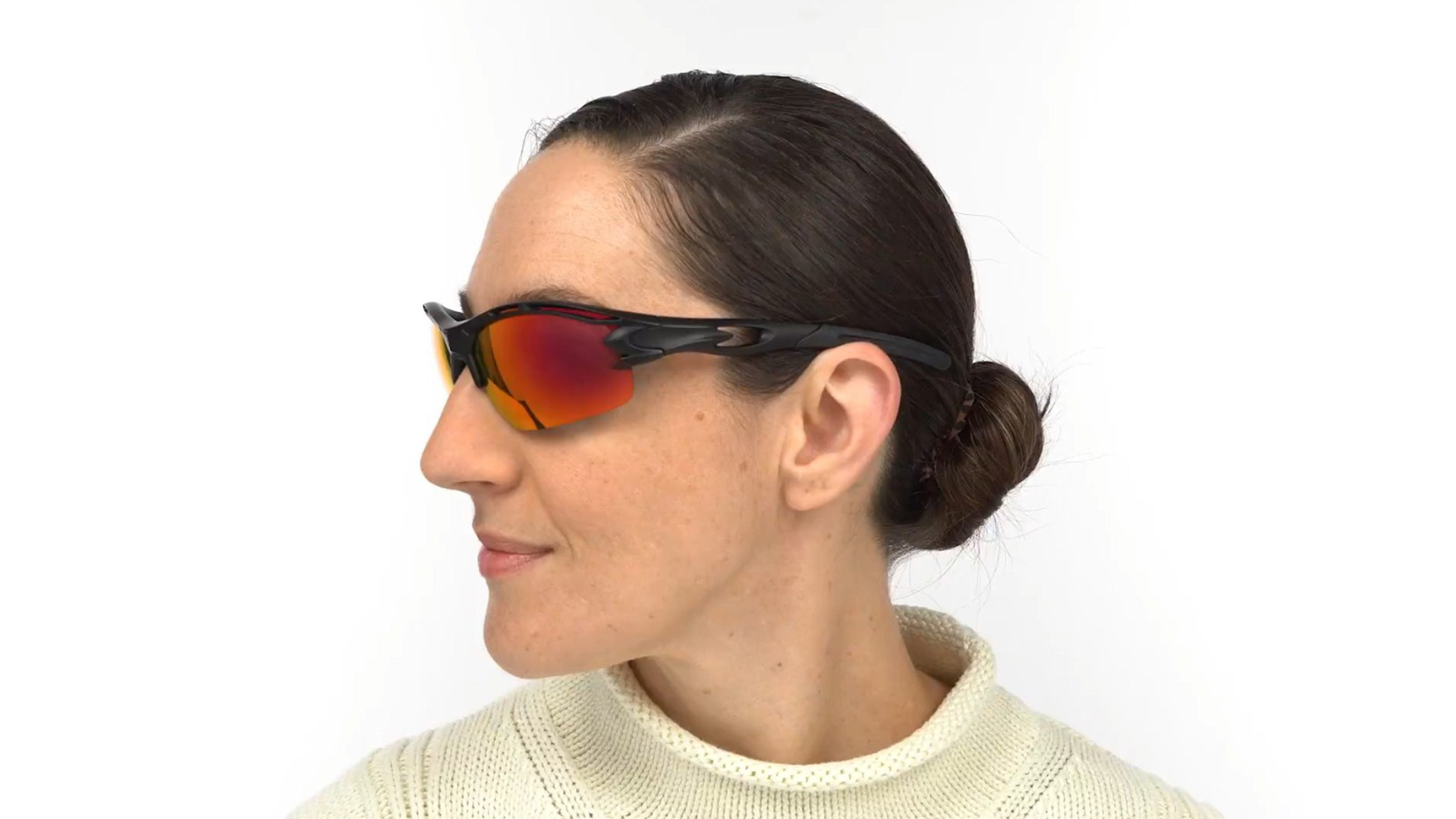
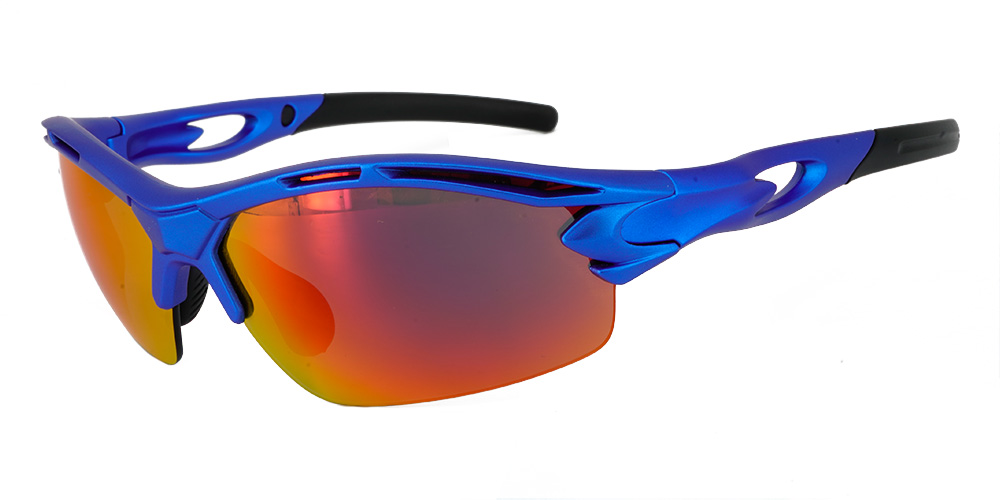
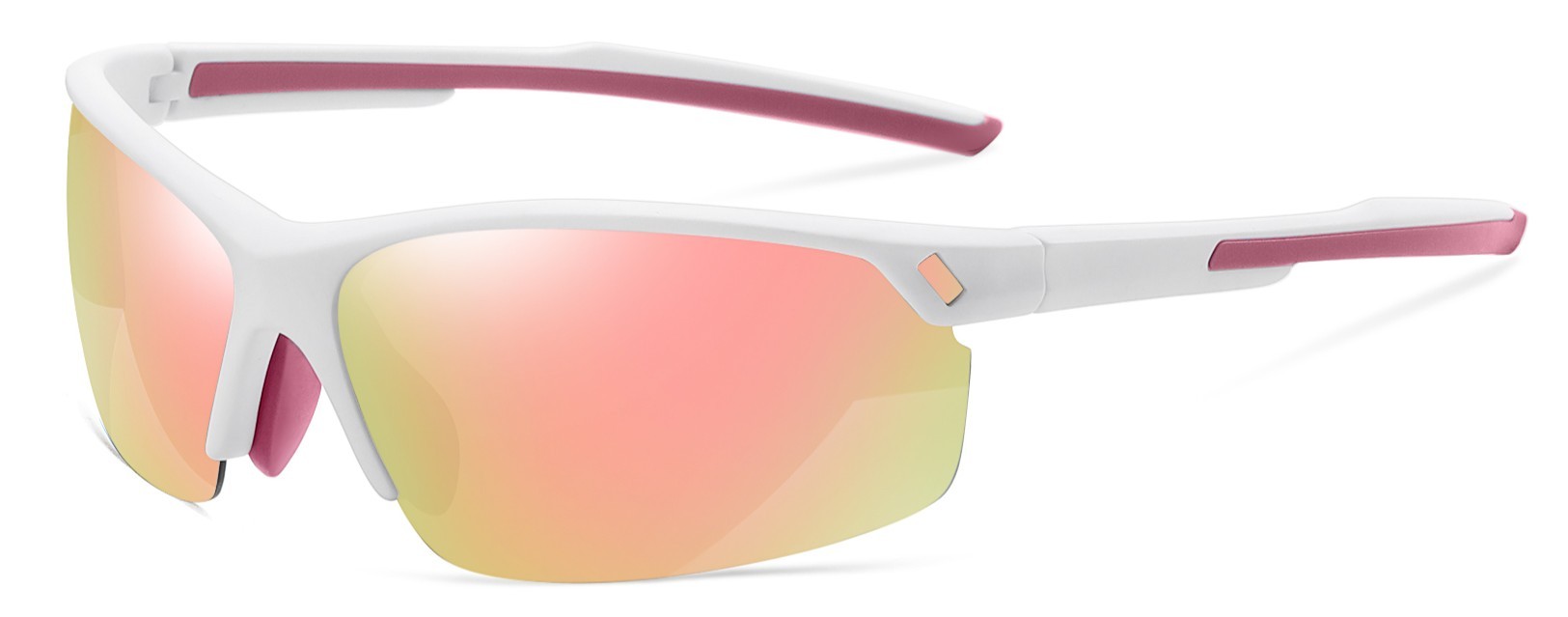
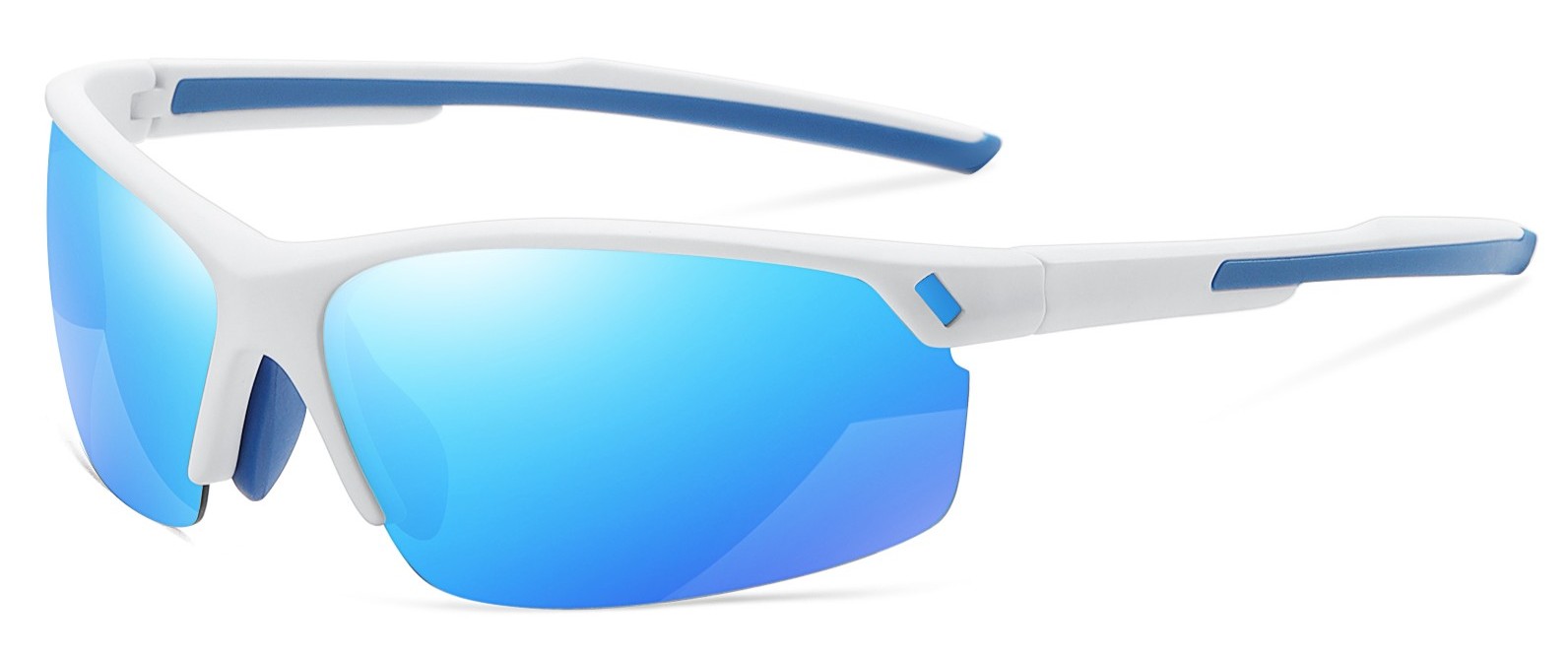
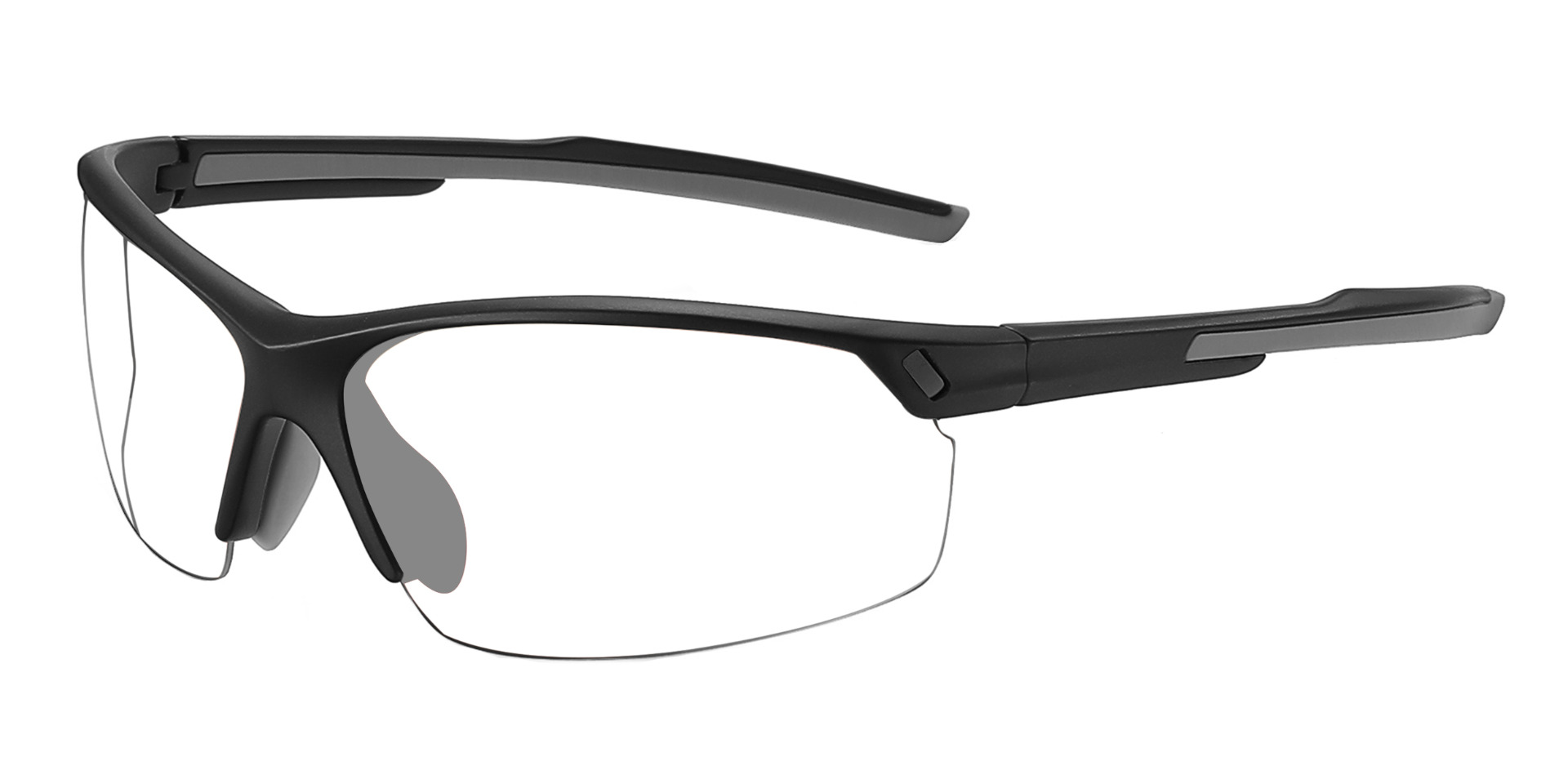
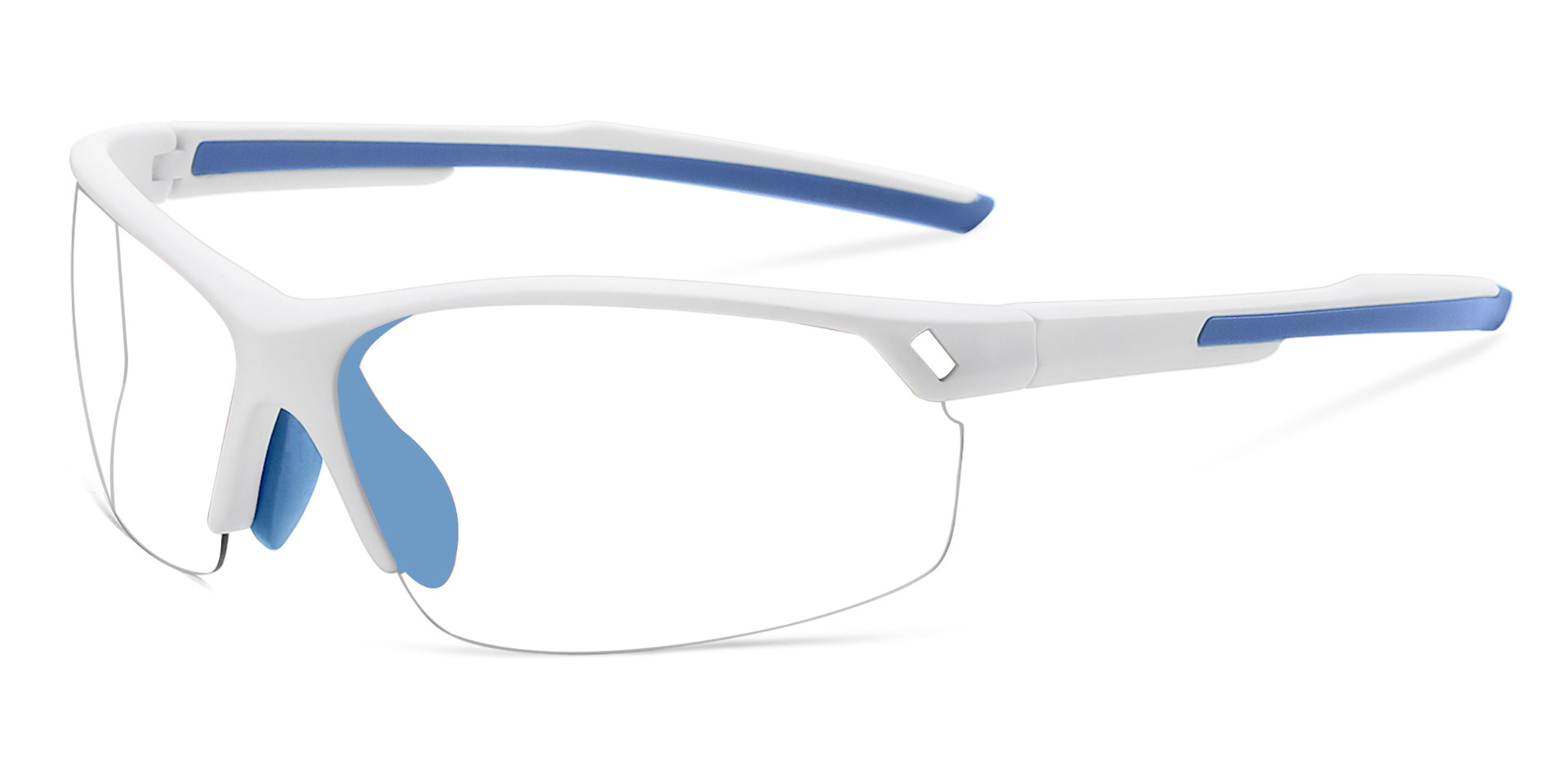
You want something incredibly lightweight that stays glued to your face when you rotate. Designs like wraparound frames or semi-rimless cuts are perfect because they eliminate the bottom frame rim, giving you an totally unobstructed view of the ball.
A quick note on polarization: while polarized lenses are incredible at killing glare on water hazards or wet fairways, some pros feel they can make reading the subtle grain of a green a little tricky. It really comes down to what you prefer. Thankfully, our entire range of prescription golf sunglasses UK can be custom-tailored with single vision, bifocal, or progressive lenses—meaning you can read your scorecard and track your 250-yard drives without ever swapping glasses.