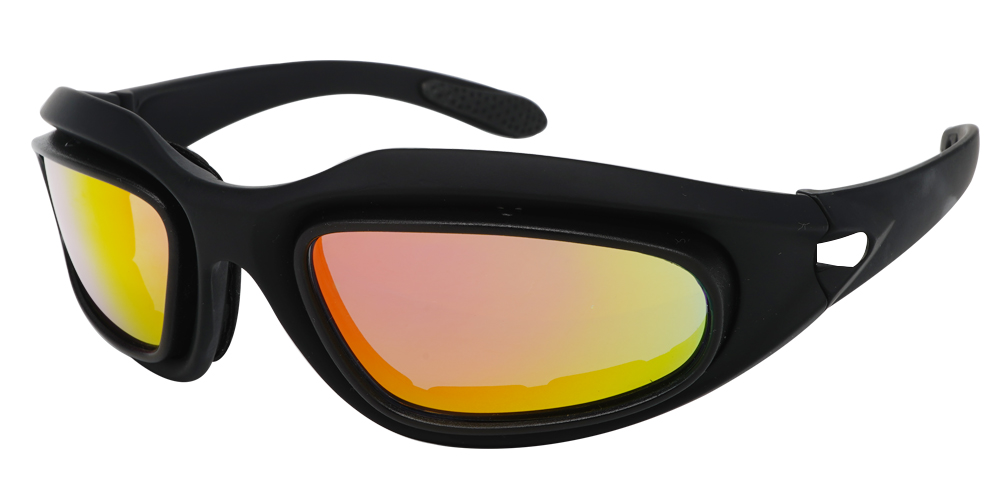
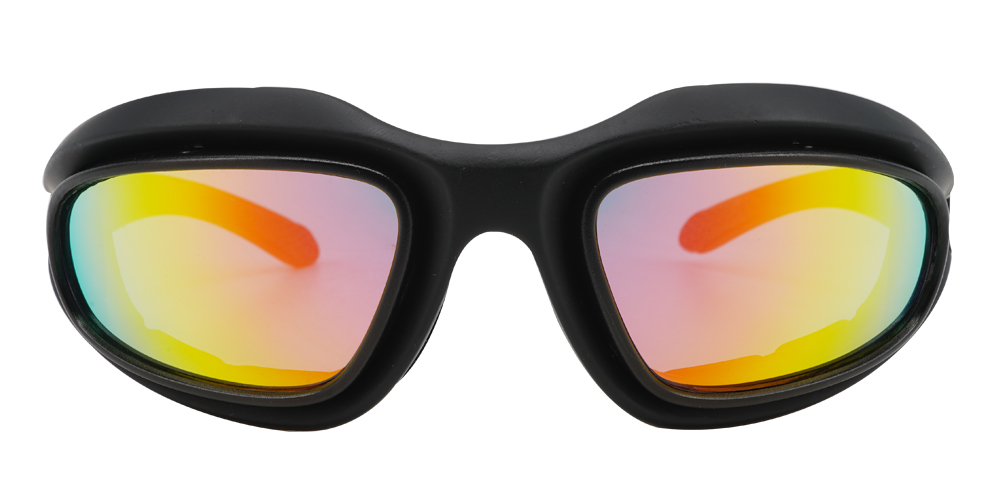
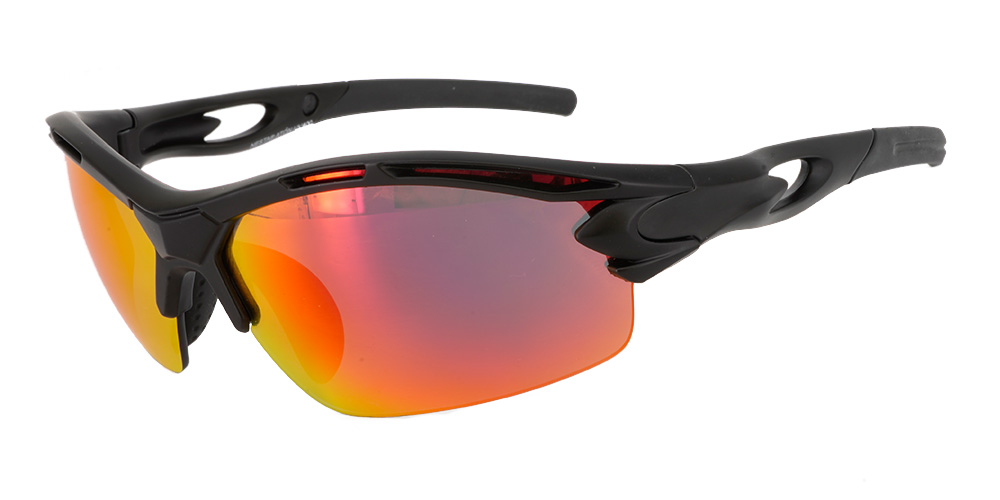
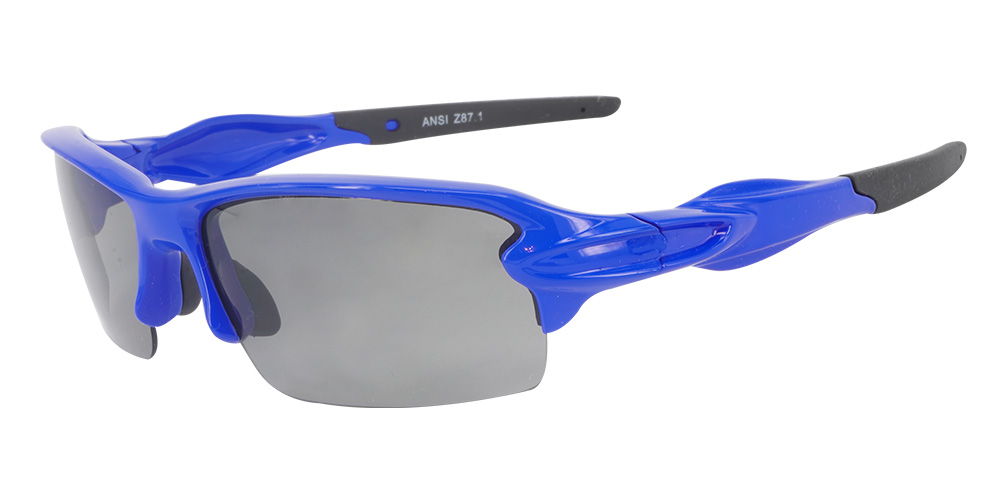
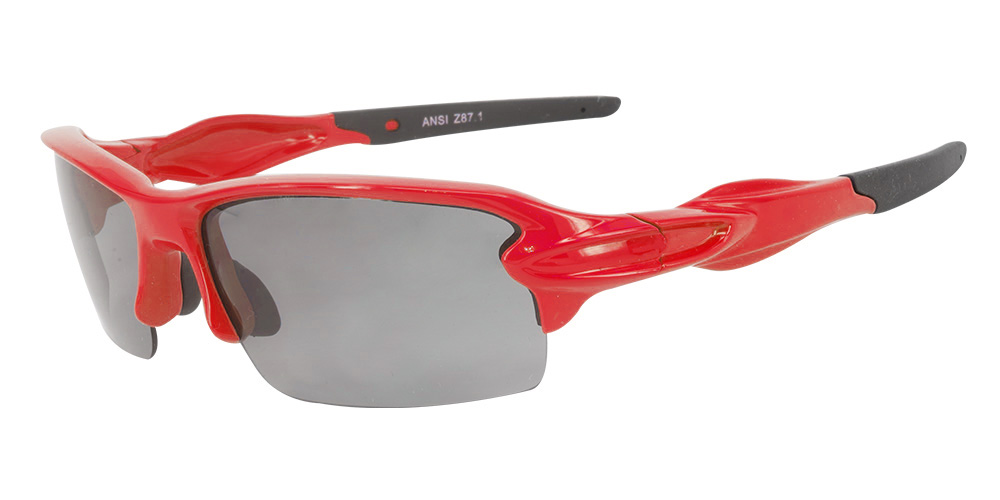
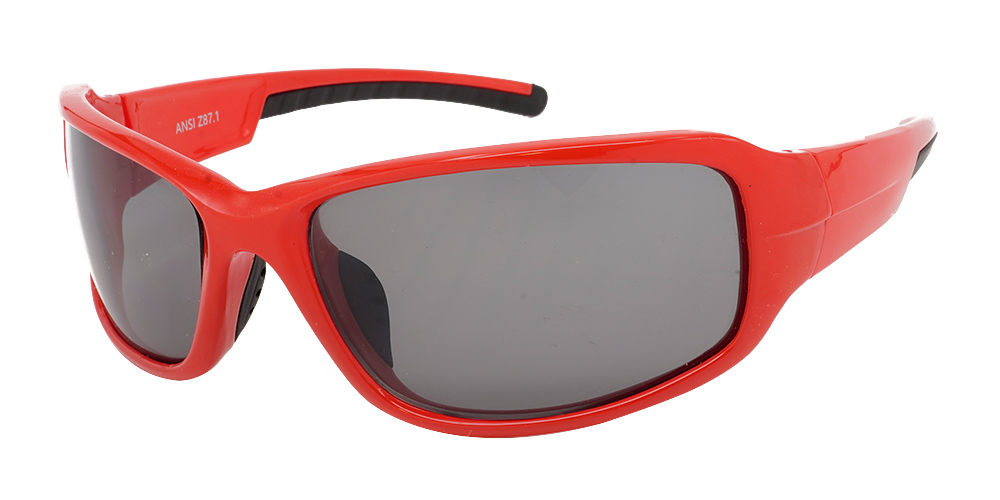
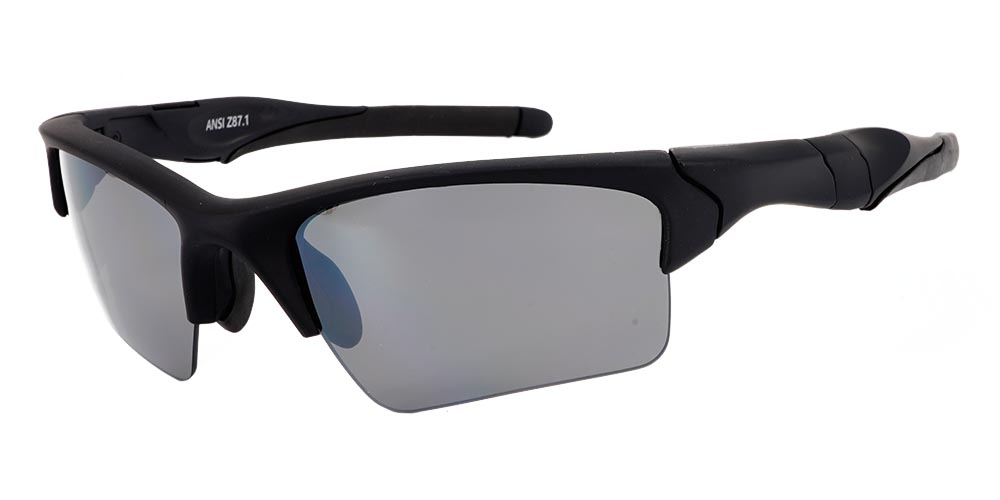
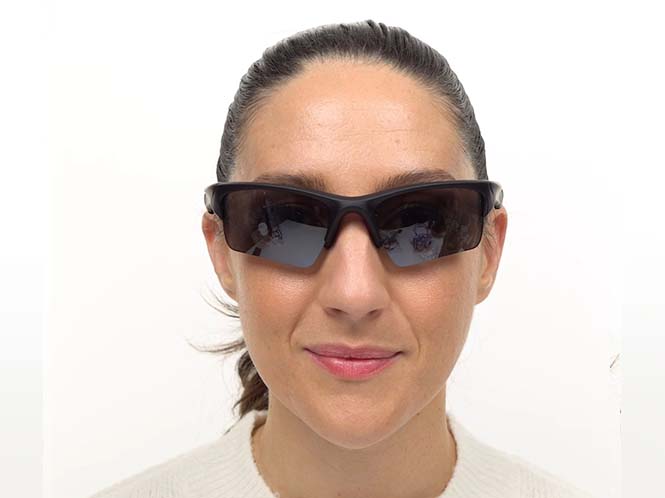
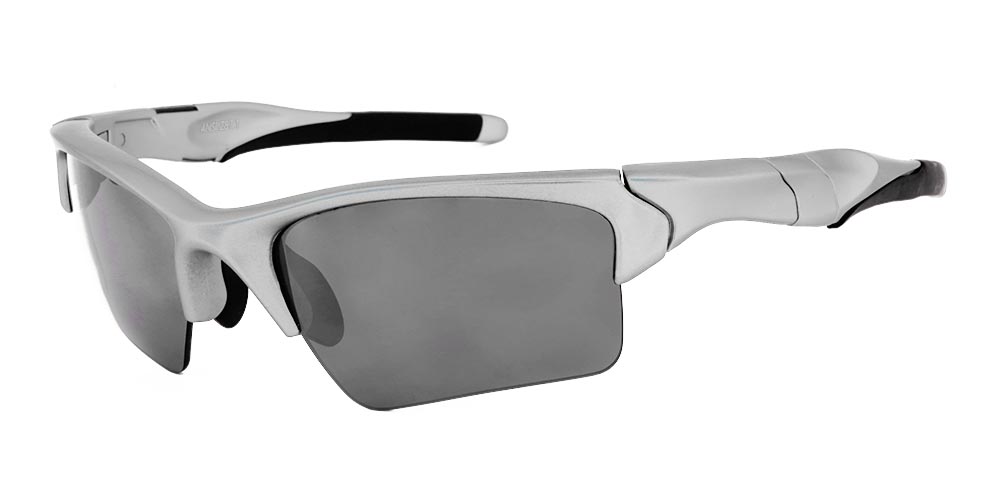
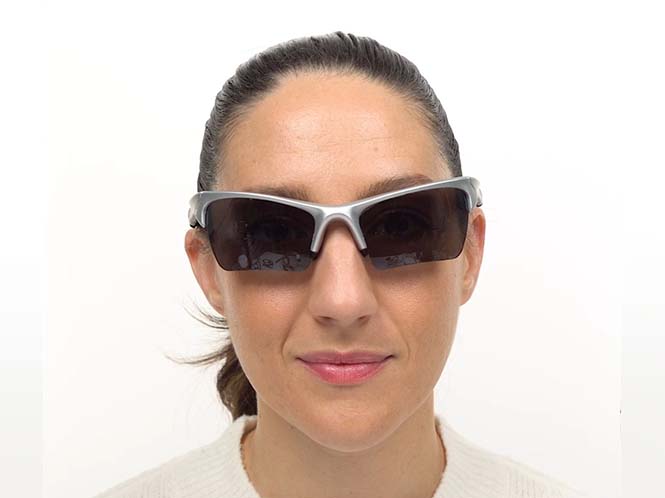
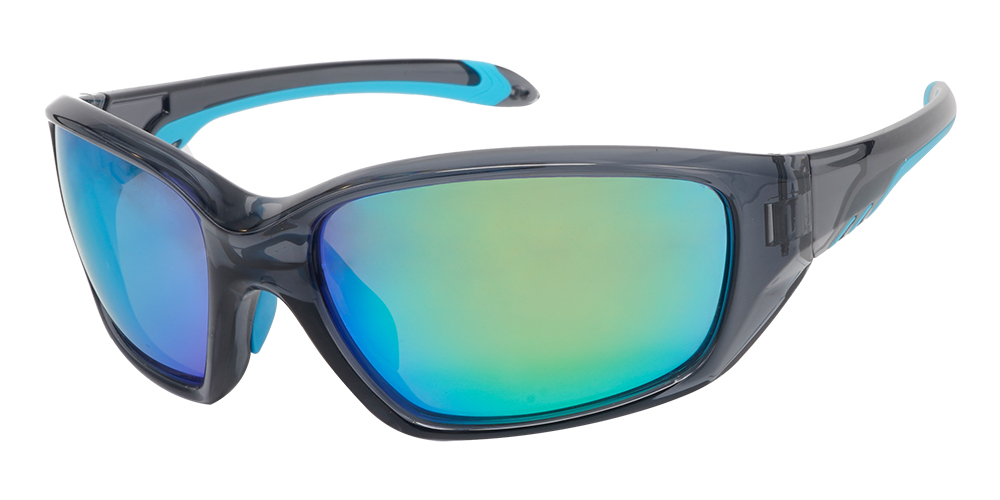
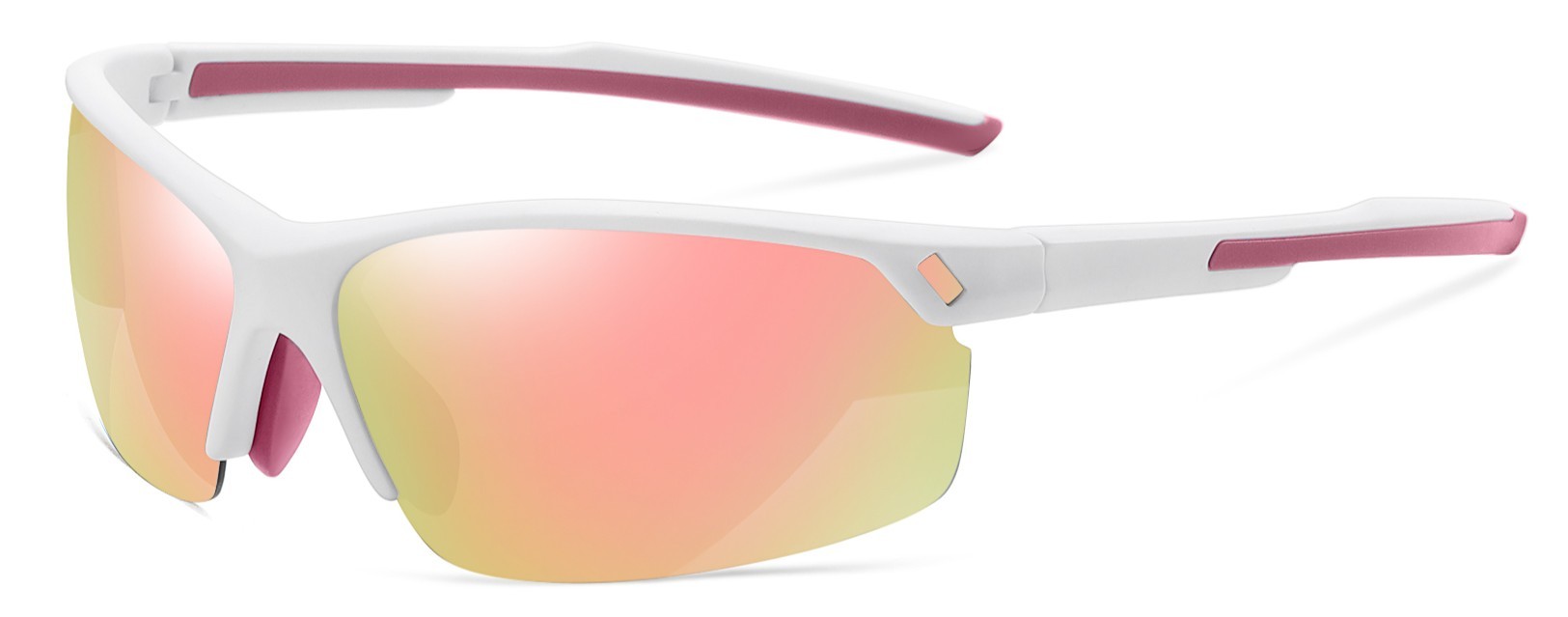
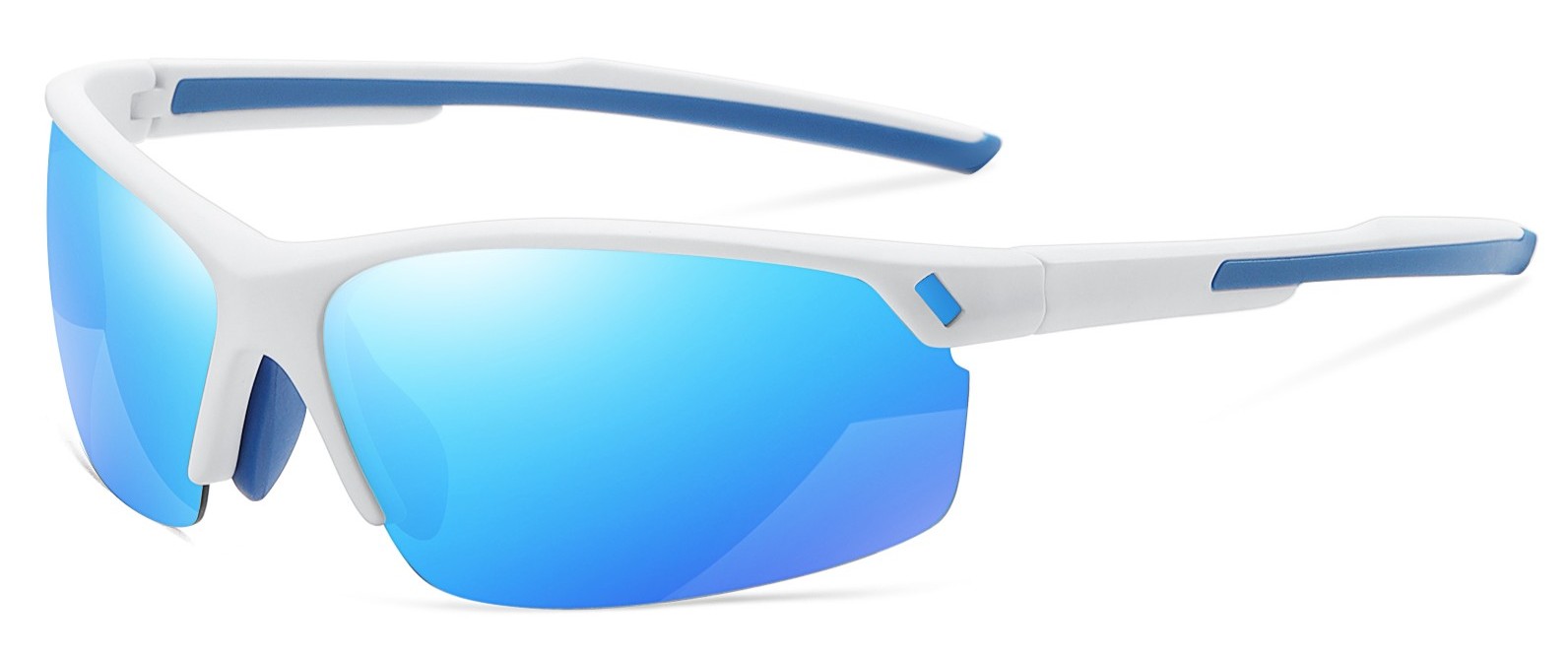
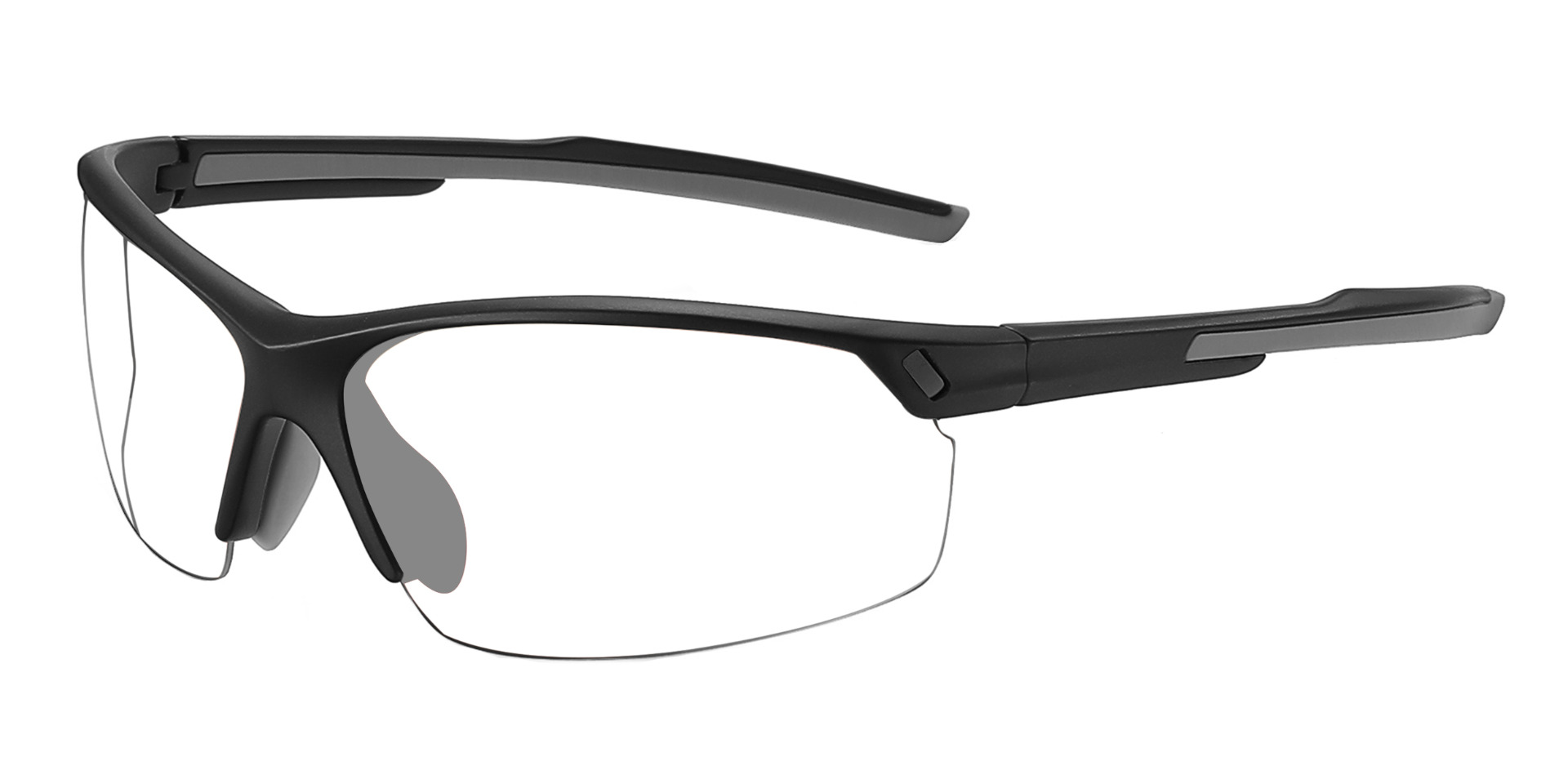
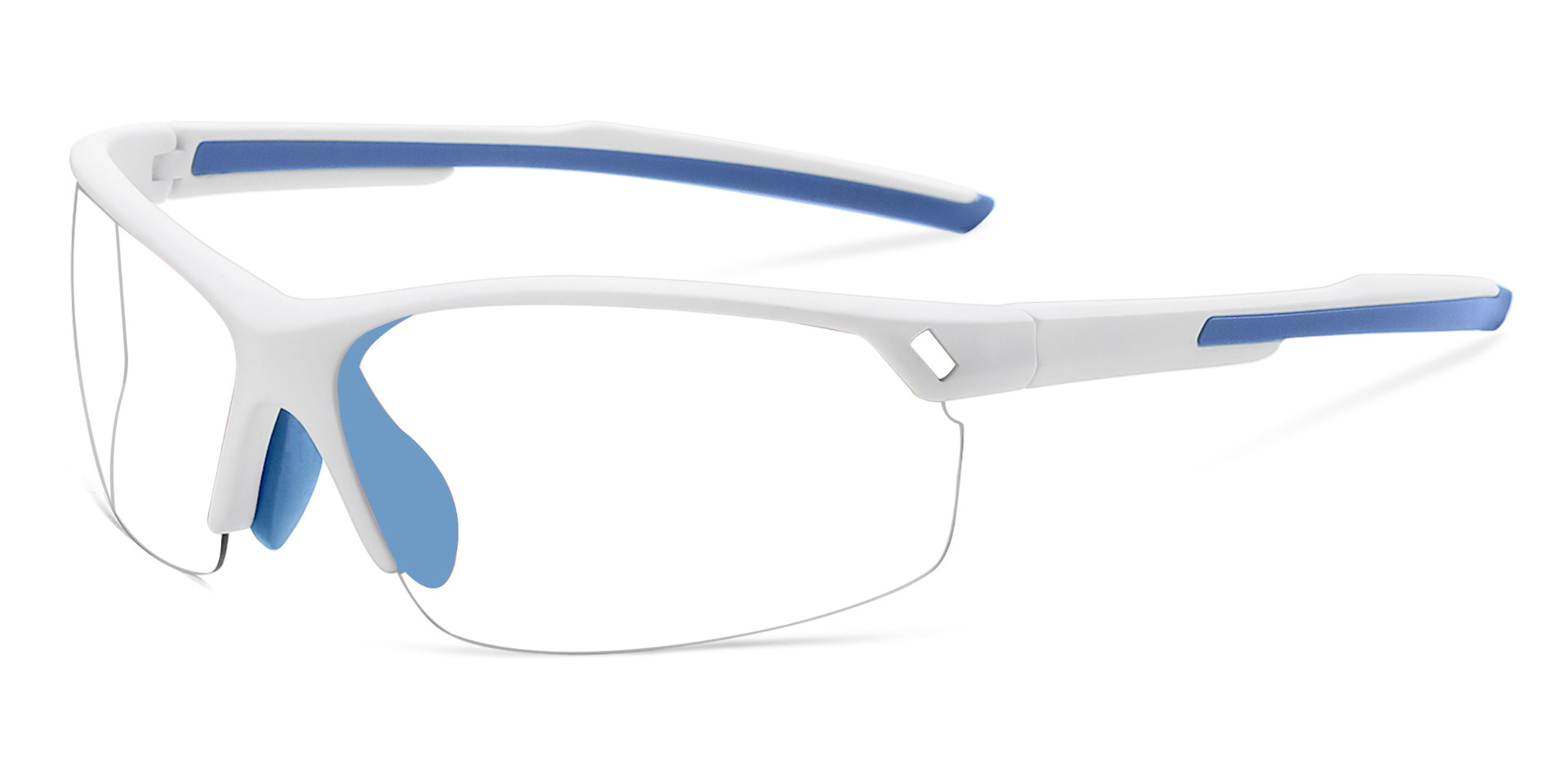
Tactical Styling and Verified Protection Are Different
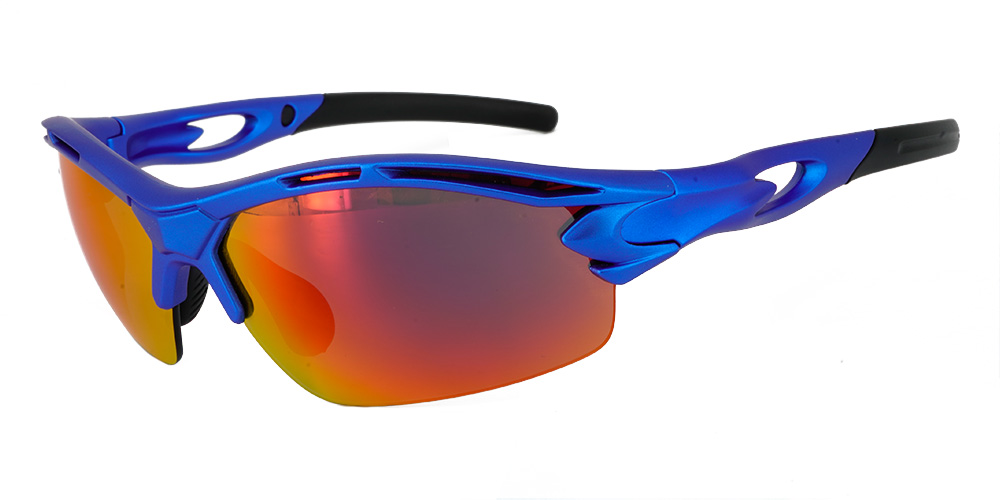
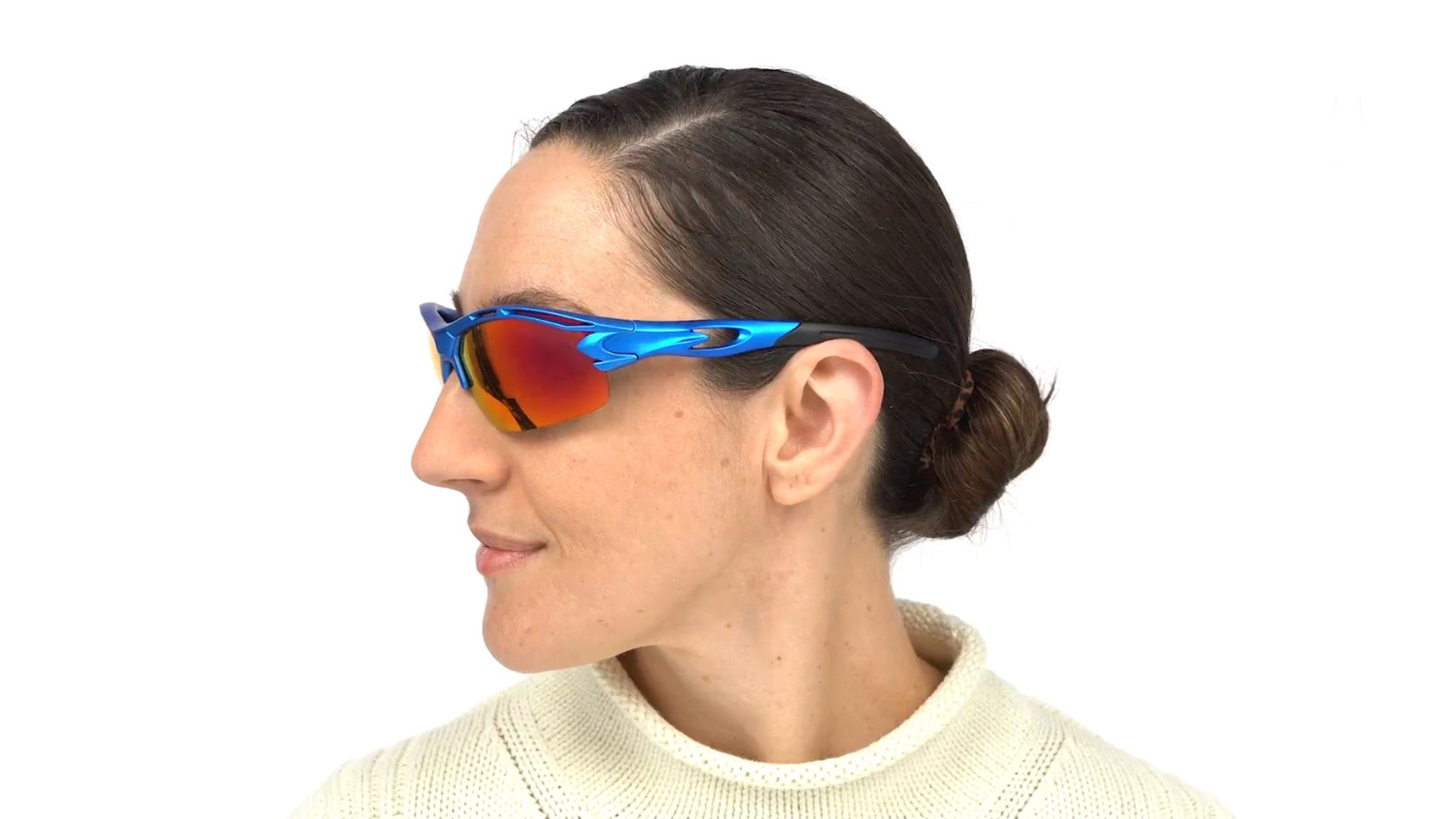
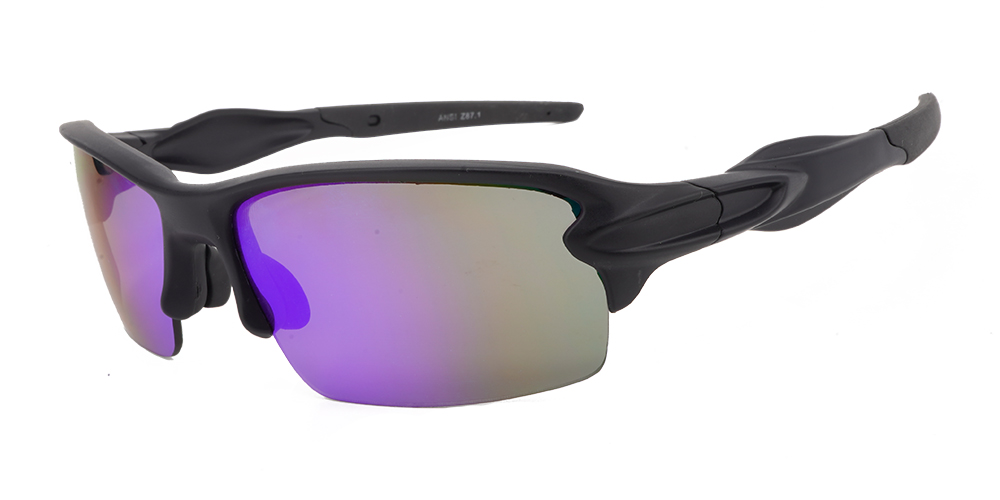
A wraparound frame, dark lens and finish can look suitable for demanding use, but appearance does not establish protective performance. Military tactical sunglasses should be selected for the environment, activity and required standard.
Check the markings and manufacturer information for the eyewear setup. A frame rated for one impact type may not meet military ballistic requirements. Prescription lenses, inserts and replacement parts can also affect a stated rating.
For official training or duty, follow the organisation’s rules rather than relying on a general product description.
Think About the Environment First
Tactical eyewear may be used on ranges, during outdoor training, around vehicles or for active work. Each setting creates different priorities.
Before choosing a pair, consider:
- Light conditions: Decide whether you need clear, tinted, polarised or light-adjusting lenses.
- Side coverage: A close shape can reduce gaps where wind, dust or debris may enter.
- Other equipment: Check compatibility with helmets, ear defenders, headsets and face coverings.
- Prescription needs: Confirm that the frame supports your current optical values.
- Required standard: Identify any occupational, service or ballistic specification before buying.
- Field of view: Rims should not restrict side awareness.
- Retention: Secure temples or a compatible strap can help during repeated movement.
The correct choice should come from the task, not the frame colour or tactical label.
Lens Tints for Changing Light
Grey or smoke lenses reduce brightness while keeping colours neutral. Brown and bronze lenses create a warmer view and may make contrast feel stronger. Yellow or amber lenses can brighten dull scenes, although they may be uncomfortable in strong sunshine.
Clear lenses suit low light, indoor areas and evening use. Photochromic lenses change tint with ultraviolet exposure, where available, but do not react instantly and may darken less behind vehicle windscreens.
Polarised lenses reduce reflected glare from roads, water and surfaces. They can affect digital screens and instrument panels, so check your equipment before regular use.
Tint darkness does not confirm ultraviolet filtering, impact resistance or ballistic protection.
Prescription Tactical Military Sunglasses
People who normally wear glasses may need prescription tactical military sunglasses or an approved insert. The available system depends on the frame and intended use.
Some eyewear accepts directly glazed prescription lenses. Other designs place corrective lenses in a carrier behind the protective shield. Strong prescriptions, prism, high astigmatism or unusual pupillary distances can reduce suitable options.
Use a current spectacles prescription and enter both eyes’ values carefully. Contact lens powers should not normally be copied because the measurements can differ.
Where a protective standard is required, confirm that the exact prescription configuration is covered. Do not assume that replacing a standard lens with any corrective lens preserves the original rating.
Comfort with Helmets and Hearing Protection
Tactical sunglasses often share space with other equipment. Thick temple arms can create pressure beneath ear defenders, while helmet straps may push the frame out of position.
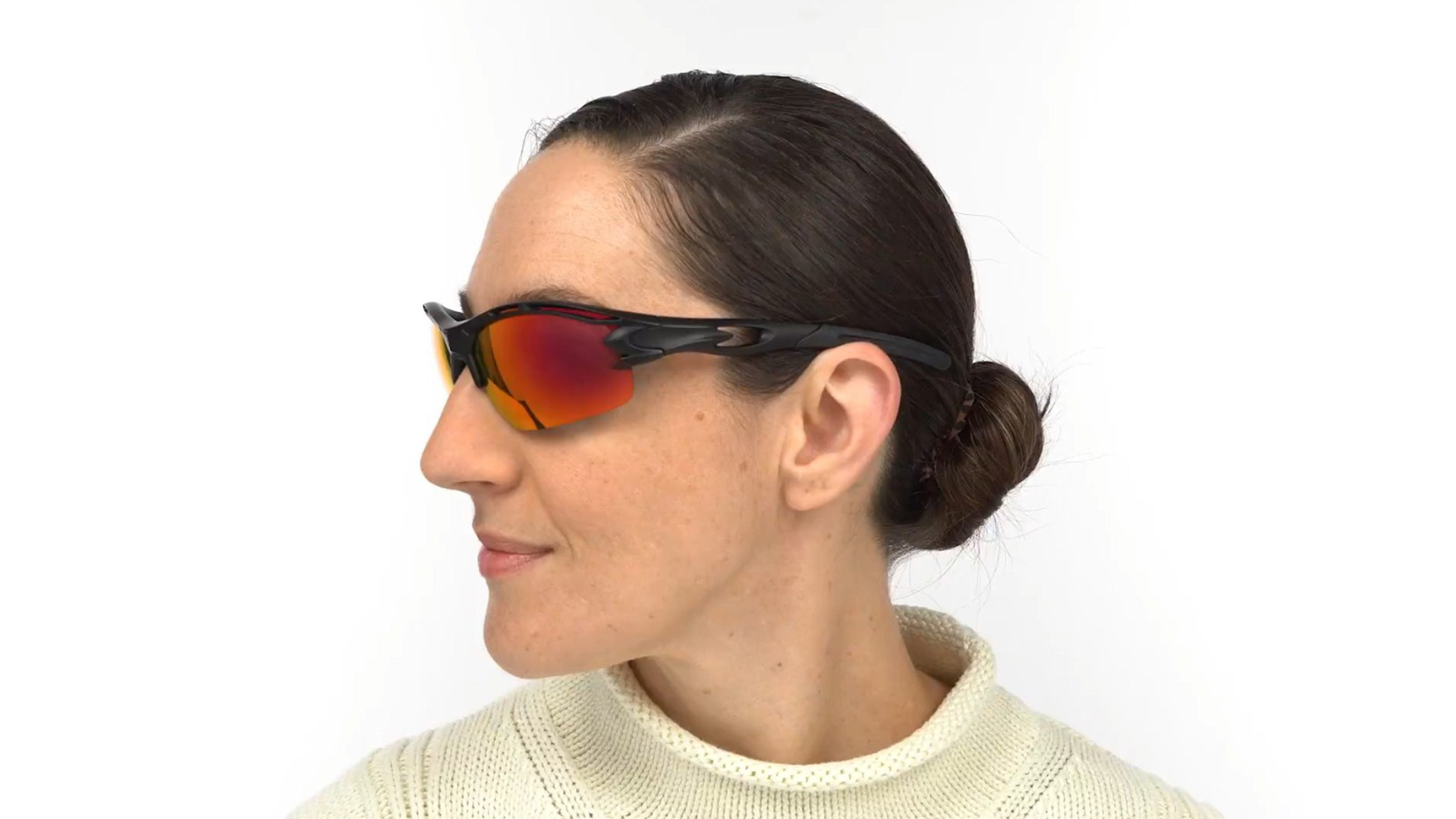
Test the complete setup together. Turn your head, look down and reproduce normal movements. The eyewear should remain level without pinching, slipping or blocking peripheral vision.
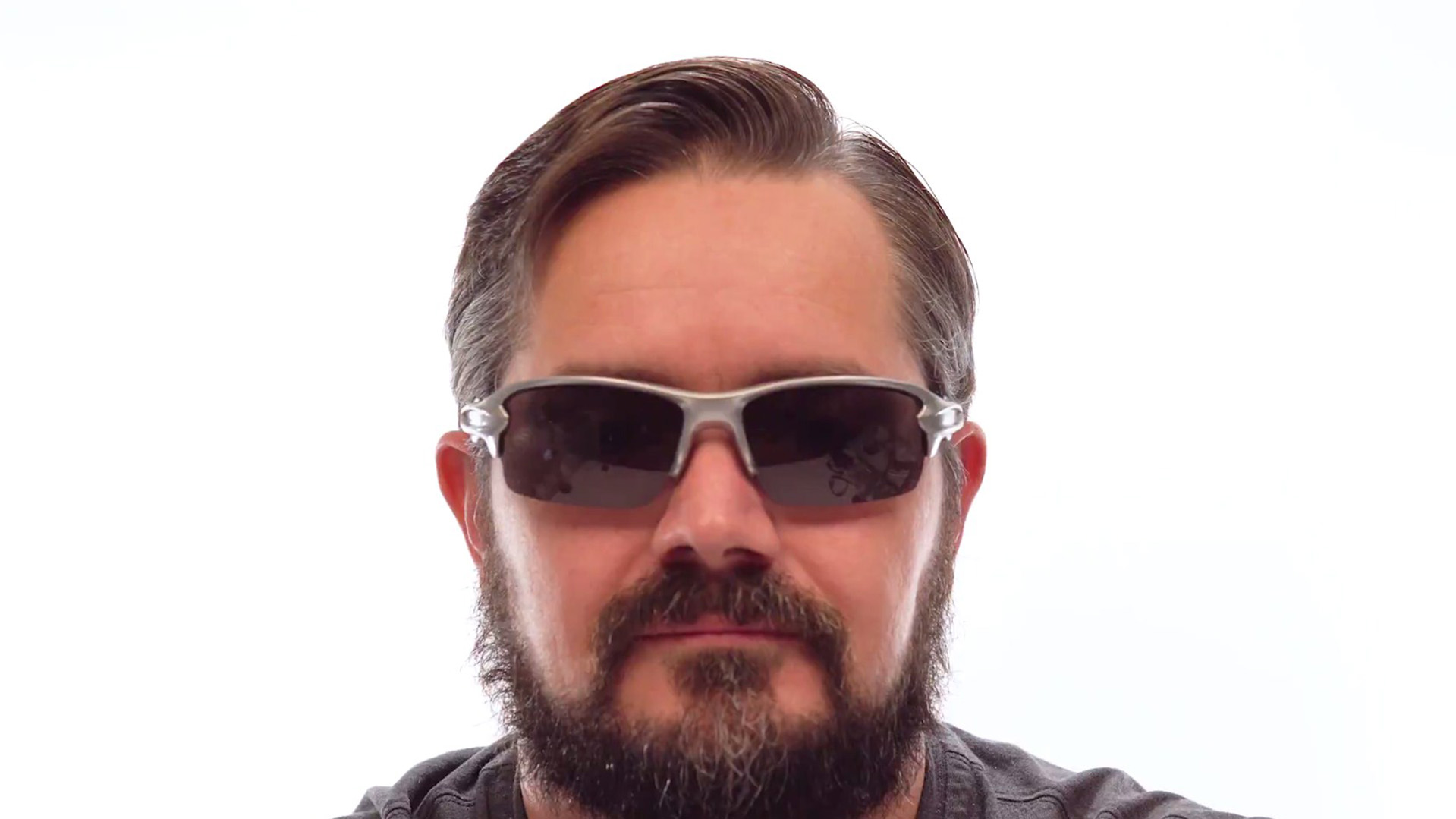
A secure fit should not require excessive pressure. Rubberised nose pads and temple ends can improve stability, but measurements matter. Compare the frame width, bridge and temple length with eyewear that fits comfortably.
Fog, Dust and Everyday Maintenance
Heat, sweat and changing temperatures can cause lenses to mist. Ventilation and anti-fog treatments may help, although no design remains fog-free in every situation.
Keep vents clear and use products suitable for coated lenses. Rinse away dust, sand and grit before wiping because dry particles can scratch the surface. Use a clean microfibre cloth rather than clothing or paper towels.
Store the sunglasses in a protective case away from tools, chemicals and heat. Inspect the lenses, frame, hinges and contact points regularly. Replace eyewear that becomes cracked, deeply scratched, loose or distorted.
Comparing Military Tactical Sunglasses at RxSport UK
RxSport UK brings together wraparound sports and safety-focused eyewear with prescription and lens options. Compare each model’s dimensions, markings, lens material and intended use before ordering.
For casual outdoor activity, comfort and glare control may be priorities. For occupational, training or military use, the required approved-product list or standard must guide the decision.
The most suitable pair should provide a clear view, remain stable with other equipment and meet the requirements of its intended environment.