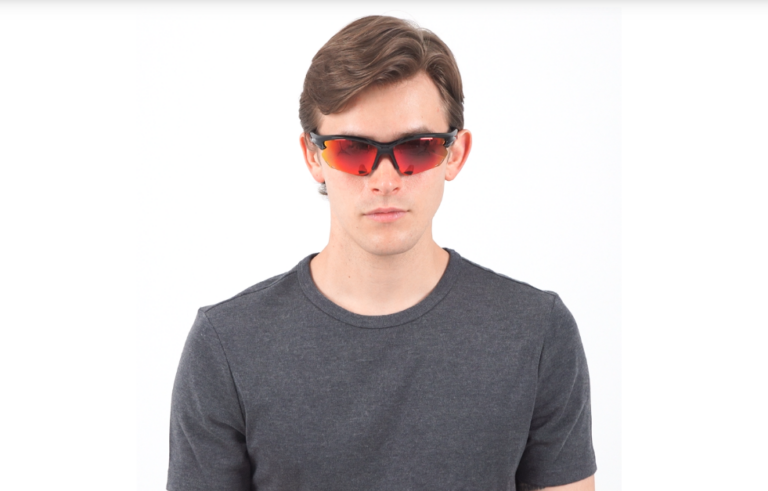
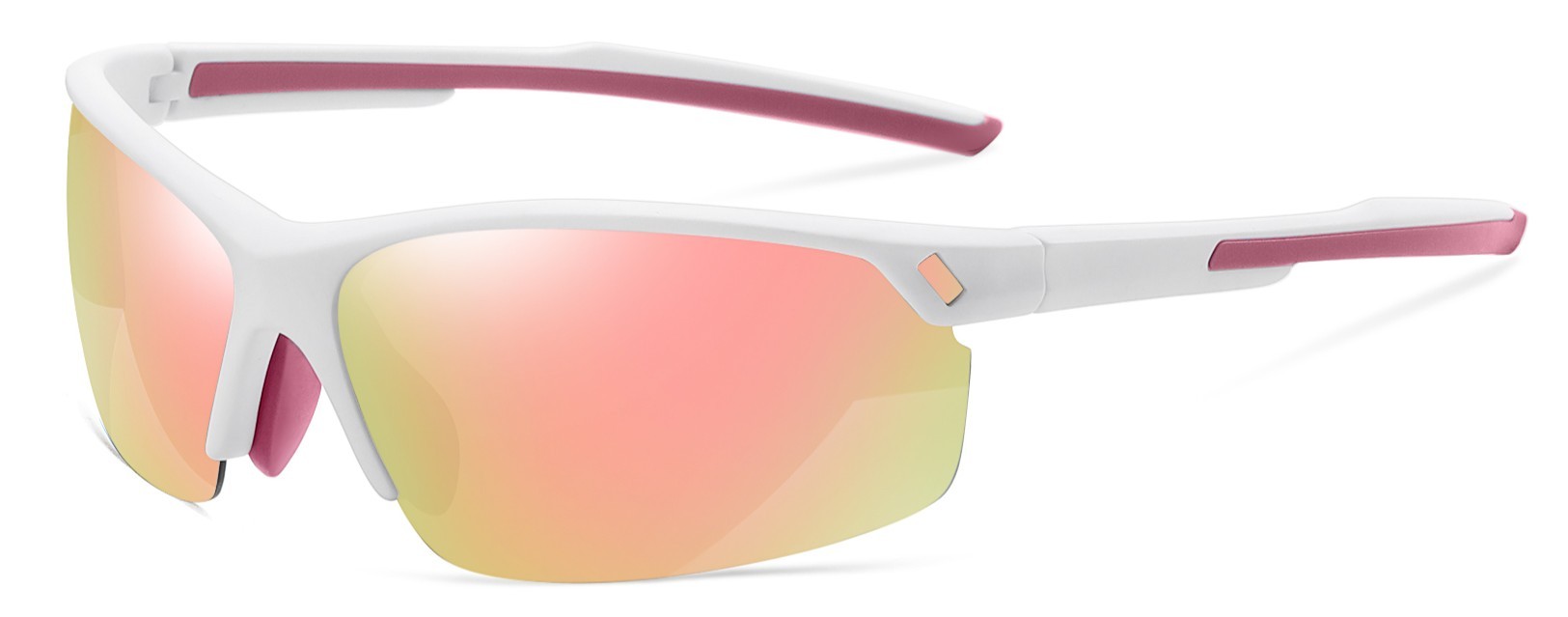
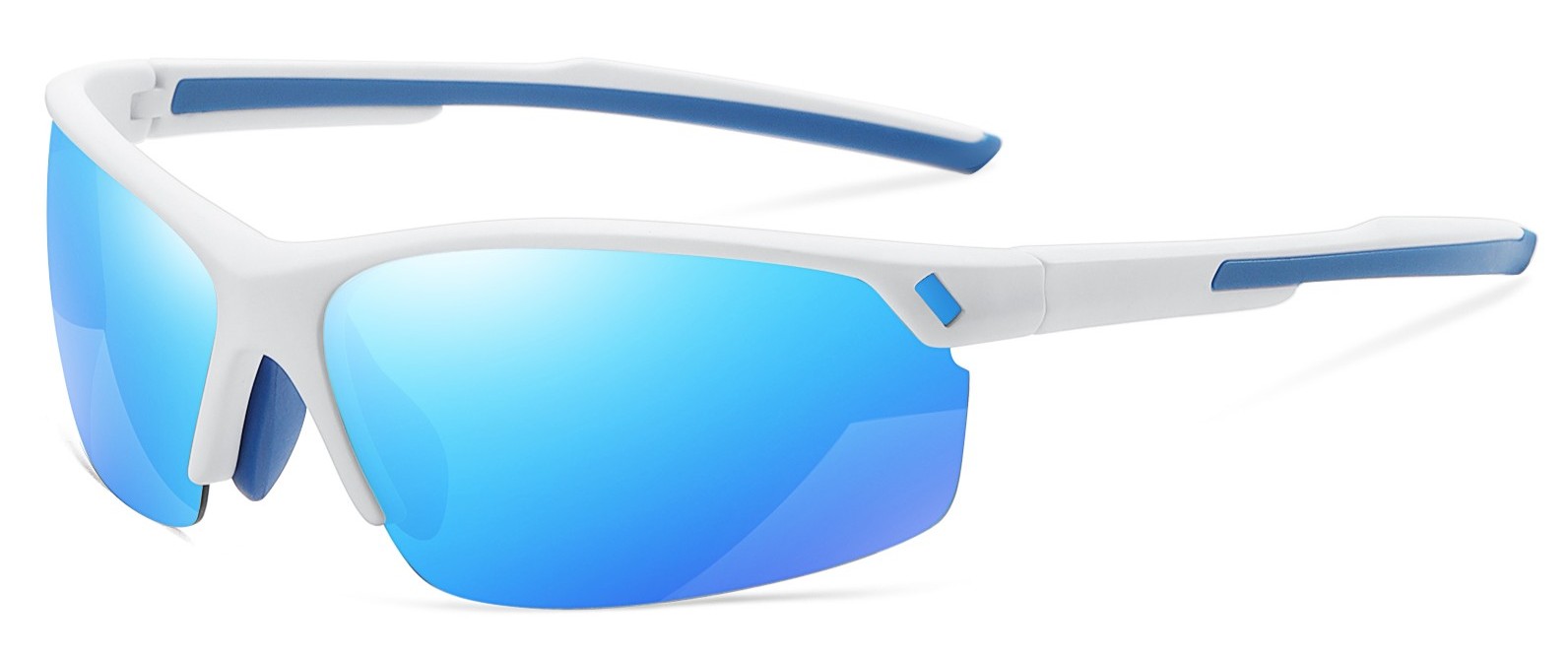
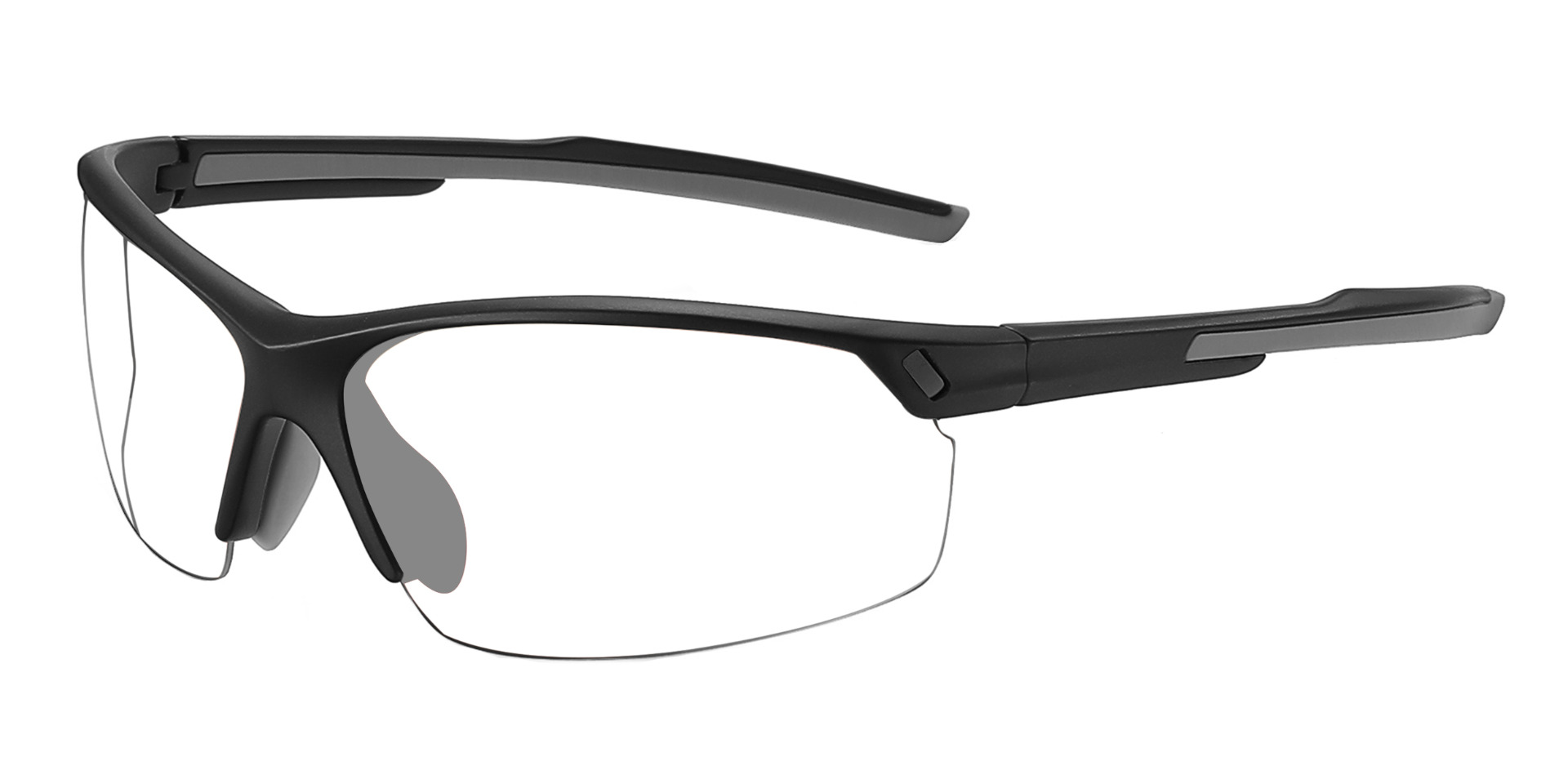
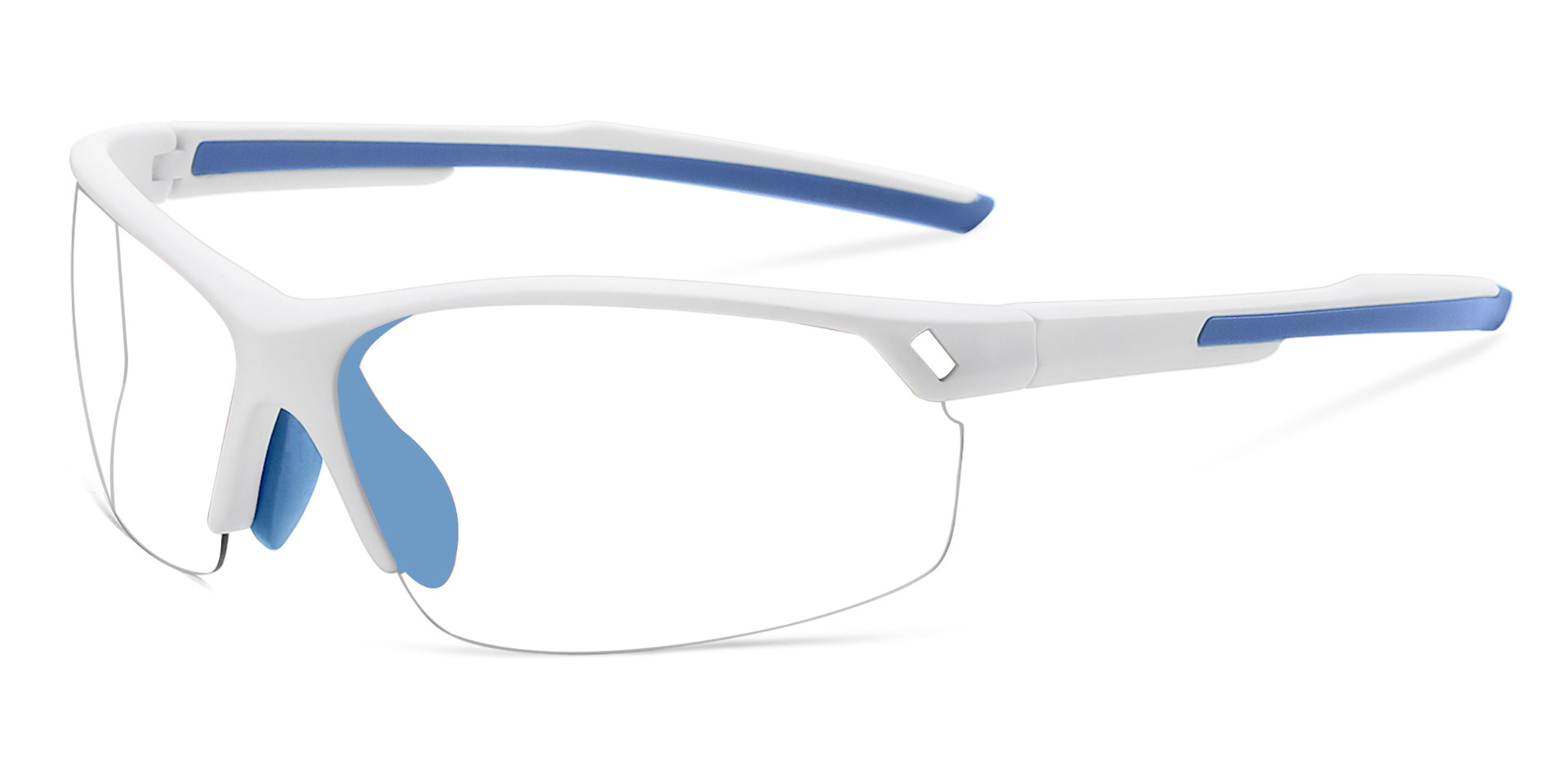
For athletes, clear vision can make the difference between peak performance and costly mistakes. Whether you’re sprinting down a football pitch, cycling through demanding terrain, or competing in racquet sports, visual clarity directly affects reaction time, depth perception, and overall safety. This is why the debate around prescription sports glasses vs contact lenses continues to be relevant for athletes of all levels.
Both options offer distinct advantages, but they also come with limitations that become more noticeable during physical activity. Choosing the right solution depends on your sport, environment, comfort preferences, and long-term eye health.
Understanding the Differences Between Sports Glasses and Contact Lenses
At first glance, contact lenses may seem like the obvious choice. They provide unrestricted peripheral vision and eliminate concerns about frames. However, sports eyewear technology has evolved significantly, offering athletes highly specialised solutions designed for both performance and protection.
When comparing prescription sports glasses vs contact lenses, the decision goes beyond convenience. Safety, durability, maintenance, and comfort all deserve careful consideration.
Prescription Sports Glasses vs Contact Lenses: A Side-by-Side Comparison
| Feature | Prescription Sports Glasses | Contact Lenses |
| Vision Correction | Excellent | Excellent |
| Eye Protection | High | None |
| Peripheral Vision | Very good | Excellent |
| Maintenance | Minimal | Daily care required |
| Wind/Dust Protection | Excellent | Limited |
| Risk of Loss | Low | Moderate |
| Comfort in Dry Conditions | Excellent | Can cause dryness |
| Initial Cost | Higher | Lower initially |
Both options deliver clear vision, but their real-world performance differs considerably depending on the activity.
Why Many Athletes Choose Sports Eyewear
Modern glasses for sport are designed specifically to address challenges athletes face during training and competition.
Key advantages include:
- Impact-resistant lenses
- Secure, non-slip fit
- Protection from dust, debris, and wind
- UV protection for outdoor activities
- Reduced risk of eye injuries
For sports involving speed, impact, or environmental exposure, dedicated sports eyewear often provides a more complete solution.
The Benefits of Prescription Sports Glasses
Built-In Eye Protection
One of the strongest arguments in favour of sports eyewear is safety.
Contact lenses improve vision, but they provide no physical protection. In contrast, sports glasses are specifically engineered to shield the eyes from:
- Flying debris
- Branches and vegetation
- Insects
- Balls or sporting equipment
- Accidental contact with other players
Athletes participating in cycling, mountain biking, cricket, squash, or baseball particularly benefit from protective eyewear.
Better Performance in Challenging Environments
Outdoor sports frequently expose athletes to:
- Wind
- Rain
- Dust
- Bright sunlight
- Variable weather conditions
These factors can quickly cause discomfort for contact lens wearers. Wind and dust often dry out lenses, leading to irritation and blurred vision.
Specialised prescription eyewear for athletes eliminates many of these issues by creating a physical barrier against the elements.
Reduced Maintenance During Activity
Sports glasses require very little attention once fitted properly.
Contact lens users, however, may encounter challenges such as:
- Lenses shifting position
- Dryness requiring rewetting drops
- Dirt becoming trapped beneath the lens
- Accidental lens loss during competition
Athletes who spend long hours outdoors often appreciate the simplicity of sports eyewear.
Where Contact Lenses Have an Advantage
Contact lenses continue to remain popular among athletes for several reasons.
Maximum Peripheral Vision
Although modern wraparound frames provide excellent coverage, contact lenses move with the eye itself, offering completely unrestricted peripheral vision.
This can be beneficial in sports requiring constant awareness, including:
- Football
- Rugby
- Basketball
- Hockey
No Frame Interference
Some athletes simply prefer not having frames on their face during activity.
Contact lenses eliminate concerns about:
- Frame pressure
- Slippage
- Helmet compatibility issues
For athletes already accustomed to wearing contacts daily, this familiarity can improve confidence during competition.
Greater Compatibility With Protective Equipment
Certain sports require helmets, face masks, or specialised headgear. In these situations, contacts may integrate more easily with existing equipment.
However, many modern sports frames are now designed to work seamlessly with helmets and protective gear.
When Sports Glasses Clearly Outperform Contact Lenses
Certain situations strongly favour sports eyewear.
Outdoor Endurance Sports
Cyclists, runners, and triathletes frequently encounter changing weather conditions. Wind exposure alone can significantly reduce contact lens comfort.
Athletes looking for durable, all-weather solutions often choose dedicated sports eyewear. In fact, many competitors exploring prescription sports glasses vs contact lenses eventually prioritise protection and long-term comfort over minimal frame-free advantages.
High-Risk Sports
For activities involving projectiles or physical contact, protective eyewear offers clear safety advantages.
Examples include:
✓ Racquet sports
✓ Baseball
✓ Cricket
✓ Mountain biking
✓ Shooting sports
✓ Extreme outdoor activities
Eye injuries can have lifelong consequences. Protective eyewear significantly reduces this risk.
Common Problems Contact Lens Wearers Experience During Sport
Athletes who rely solely on contacts often report:
- Dry eyes during prolonged outdoor sessions.
- Blurred vision caused by dust or sweat contamination.
- Lens displacement during rapid movement.
- Difficulty inserting or removing lenses in outdoor environments.
- Increased eye irritation in cold or windy weather.
These issues may seem minor individually, but together they can affect both comfort and performance.
Questions Athletes Should Ask Before Choosing
Before deciding between sports eyewear and contact lenses, consider:
Your Sport
Does your activity involve impact, debris, or high speeds?
Your Environment
Will you be competing outdoors in wind, rain, or bright sunlight?
Your Comfort Preferences
Do you tolerate contact lenses well for extended periods?
Your Safety Requirements
Is eye protection essential for your sport?
Answering these questions often makes the decision far clearer.
Why Many Athletes Use Both
Interestingly, many experienced athletes do not choose one option exclusively.
Instead, they use:
- Contact lenses for certain team sports.
- Sports eyewear for outdoor, high-speed, or impact activities.
This flexible approach allows athletes to optimise vision and protection depending on the situation.
RxSport UK has seen growing demand for specialised sports eyewear because athletes increasingly recognise that performance and protection should work together rather than compete.
Final Verdict: Which Is Better?
The answer depends largely on the athlete and the sport.
Contact lenses provide unrestricted vision and freedom from frames, making them attractive to many competitors. However, dedicated sports eyewear delivers benefits that contact lenses simply cannot match, particularly when it comes to protection, durability, and environmental performance.
For athletes participating in demanding outdoor or high-impact activities, specialised prescription eyewear for athletes often represents the safer and more practical long-term choice. Ultimately, when evaluating prescription sports glasses vs contact lenses, many athletes discover that the best solution is the one that provides both exceptional vision and dependable protection.