Sunlight Is Only Part of the Job
Ordinary sunglasses reduce brightness, but that does not automatically make them suitable workplace protection. Outdoor tasks can involve glare, dust, grit and flying particles. The eyewear must address the hazard and lighting.
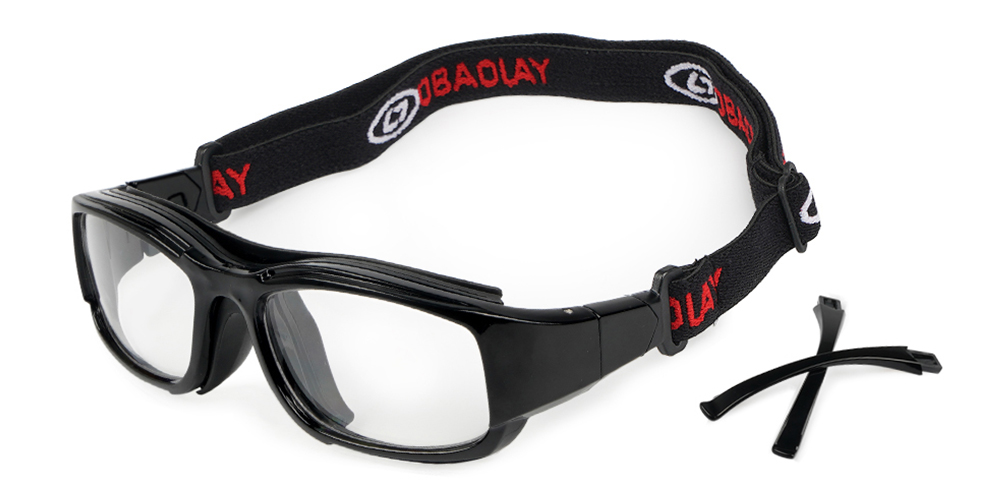
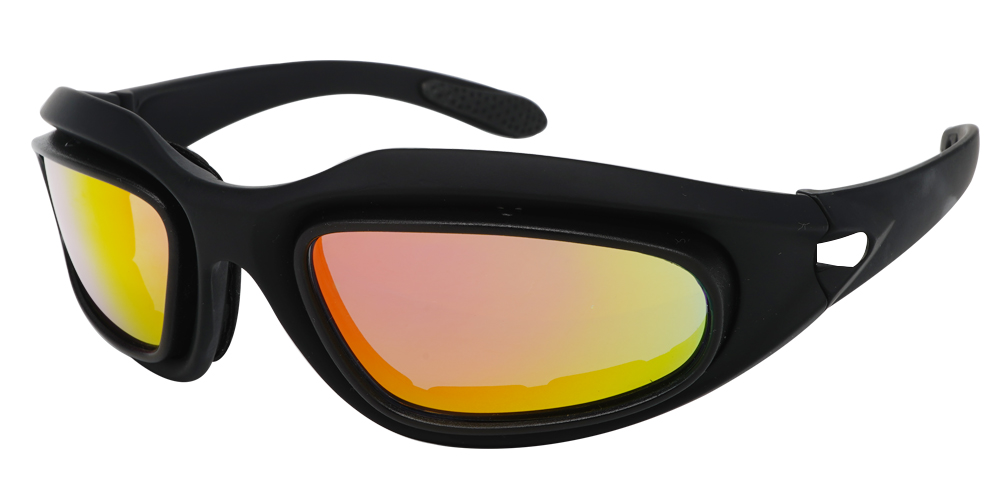
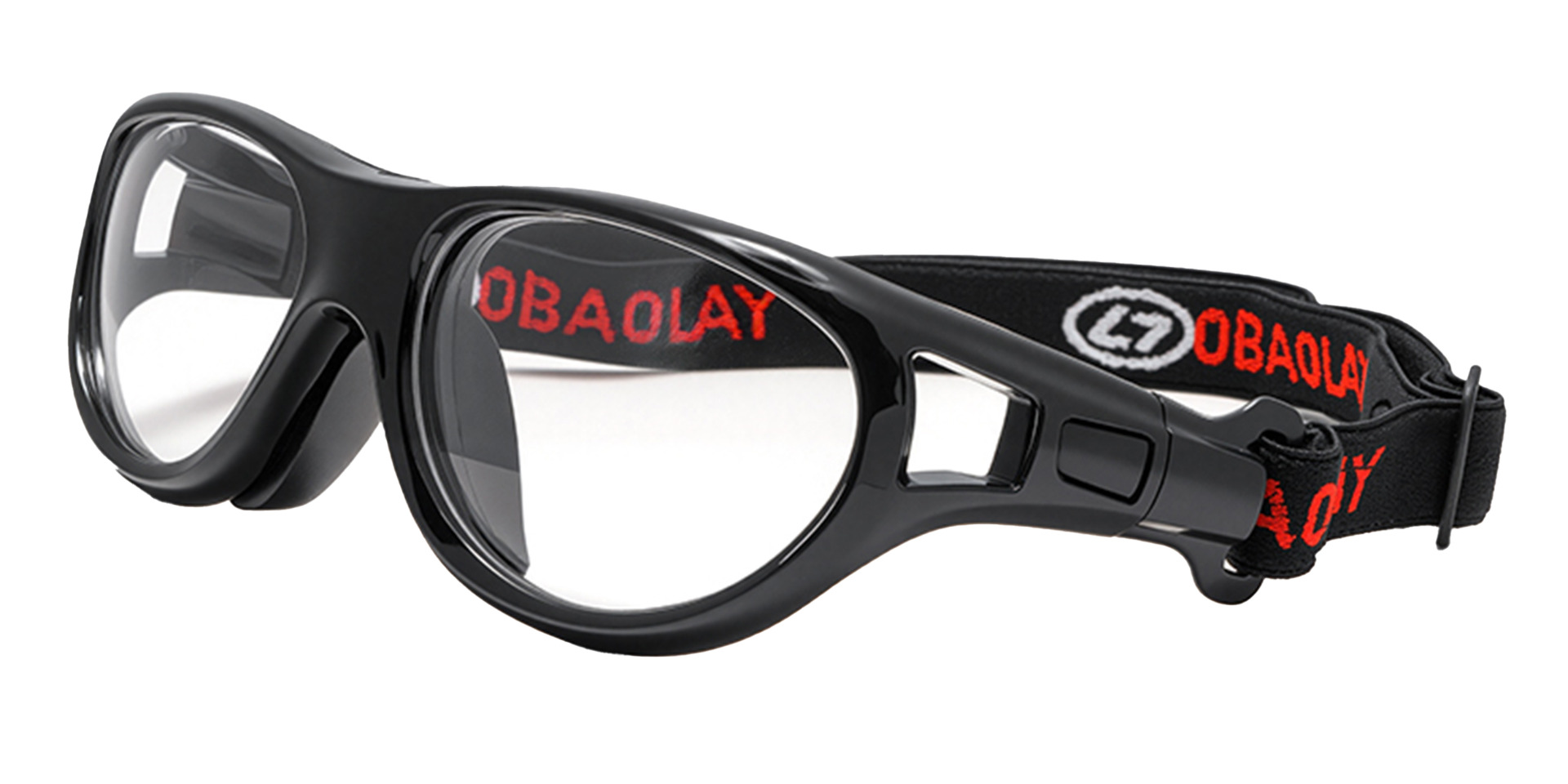
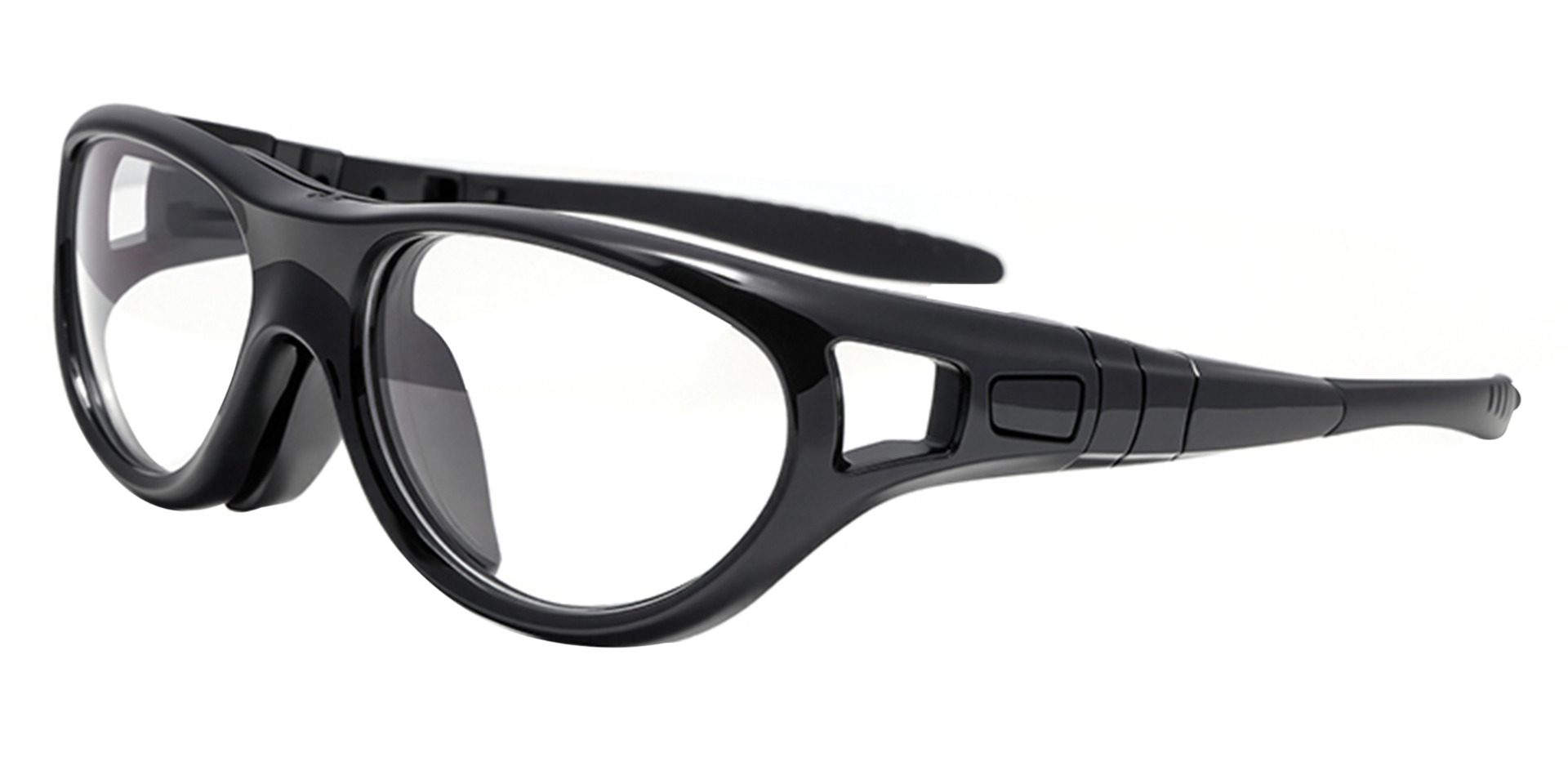
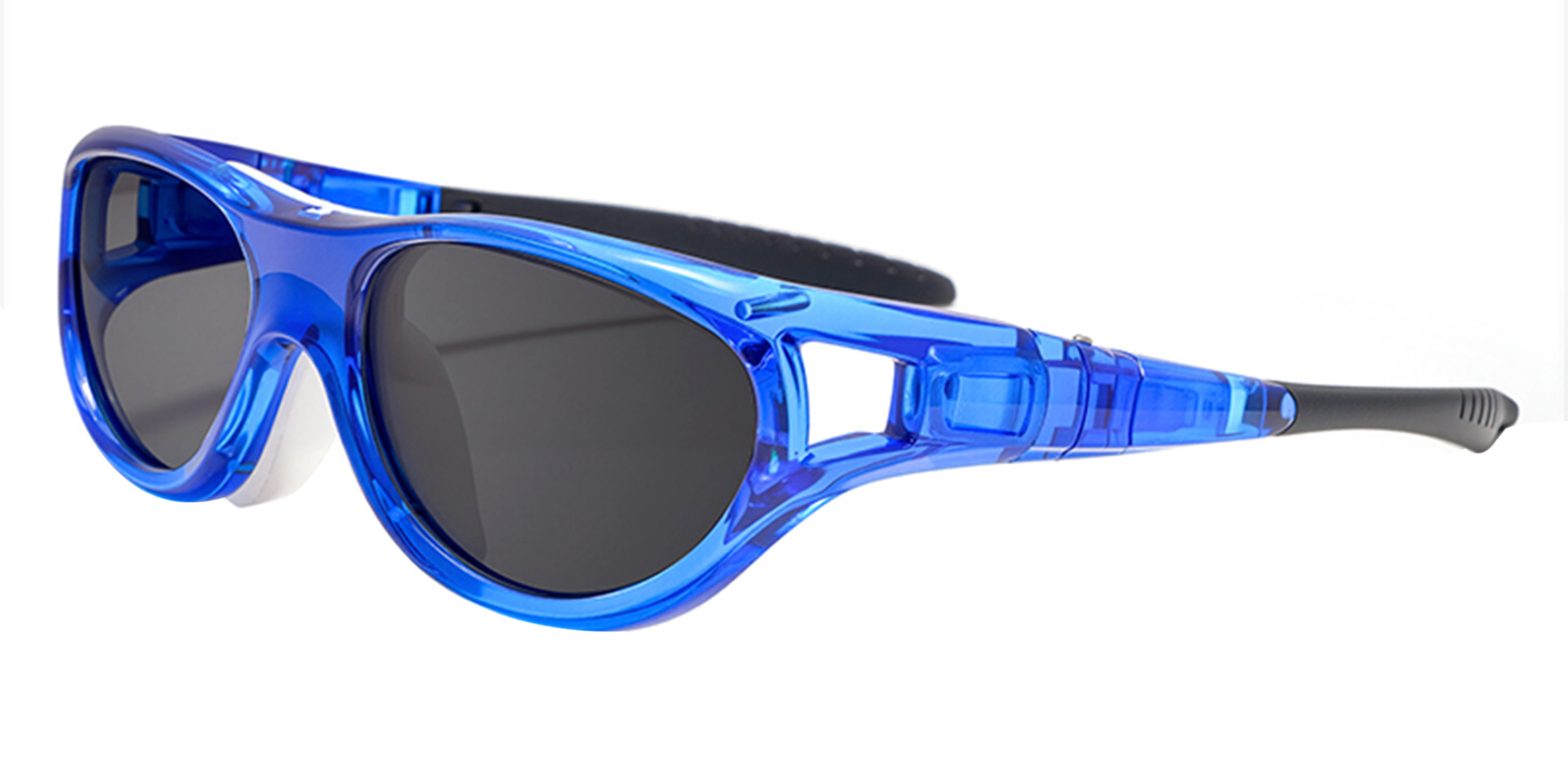
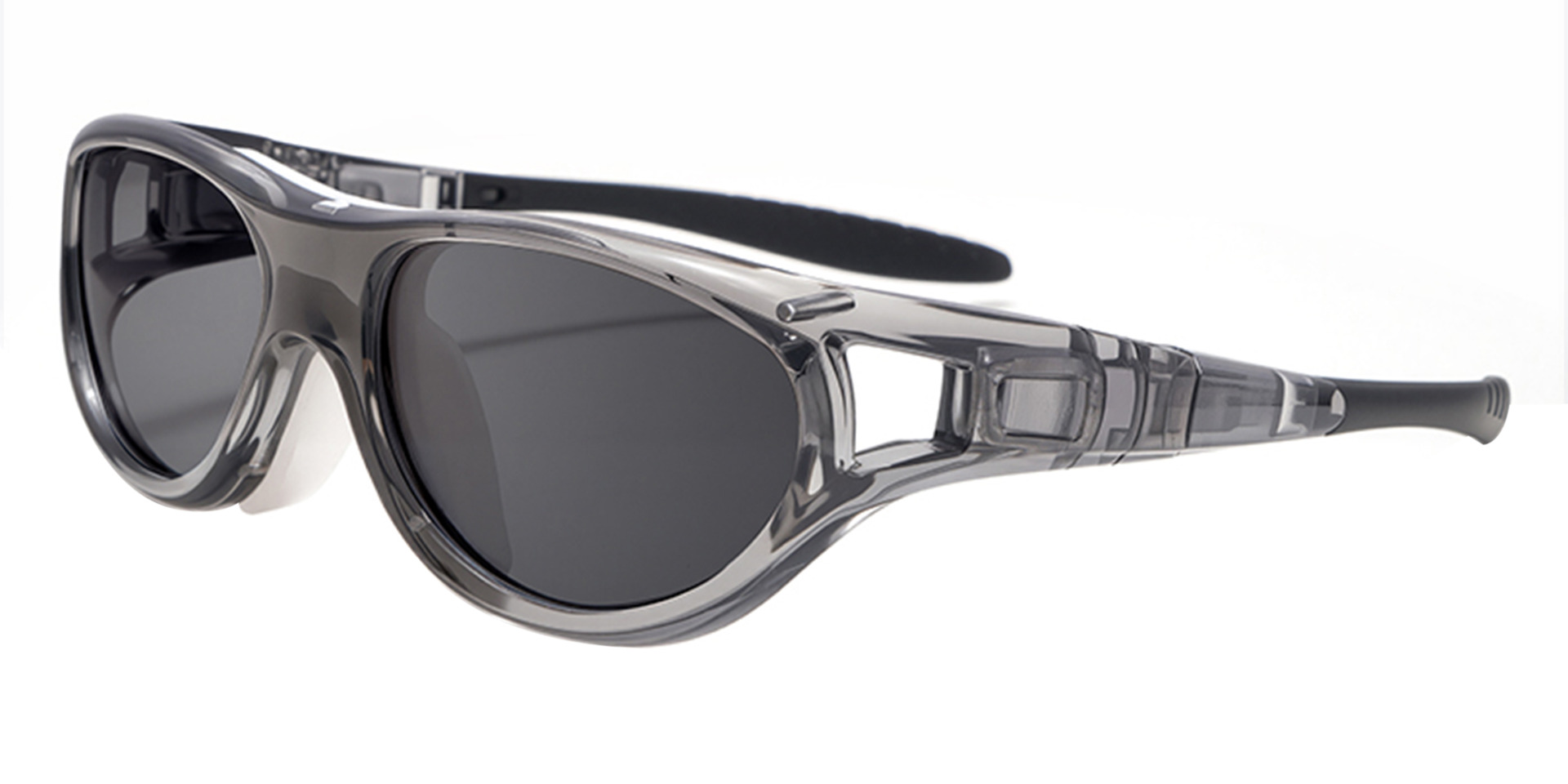
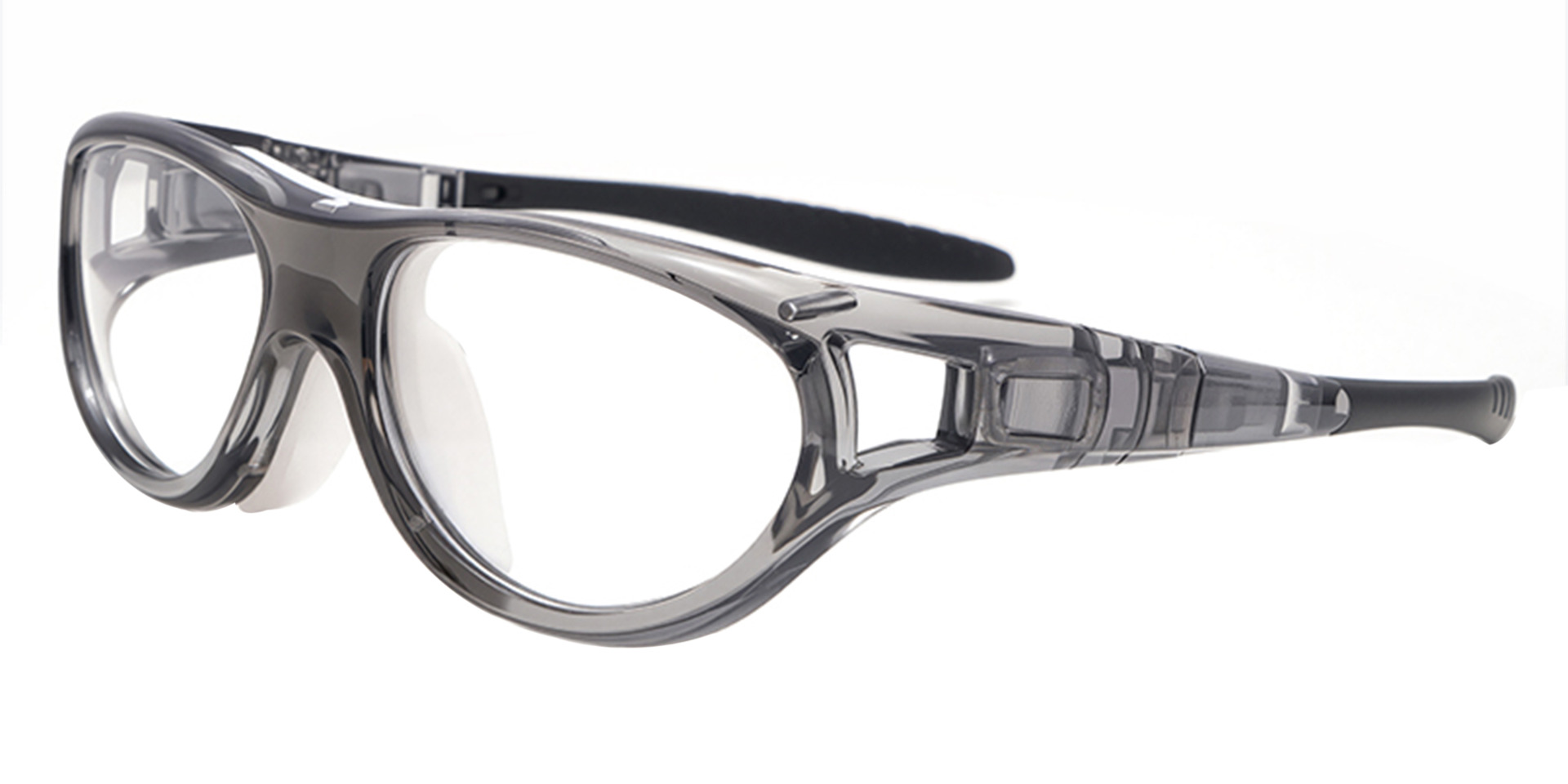
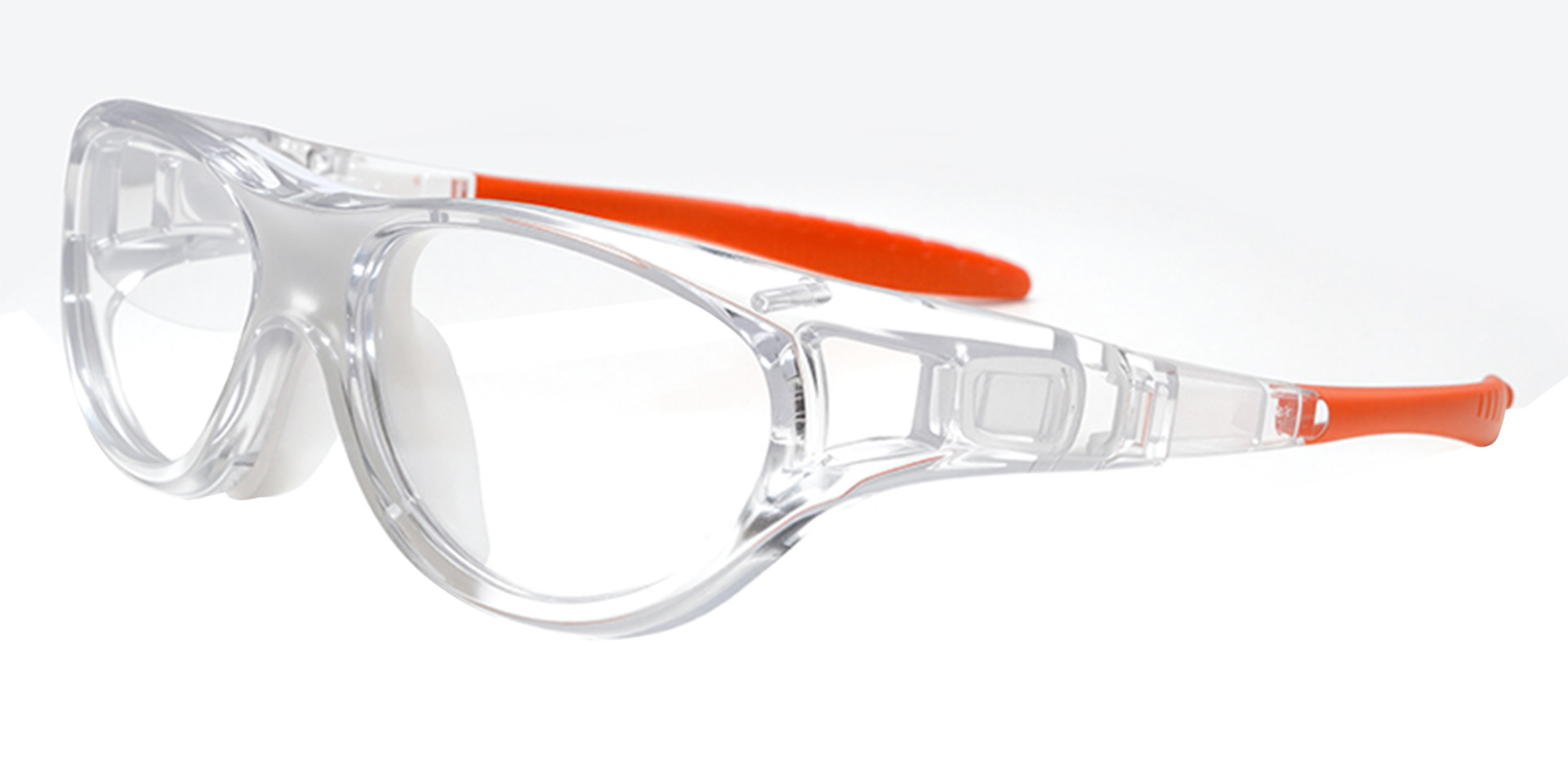
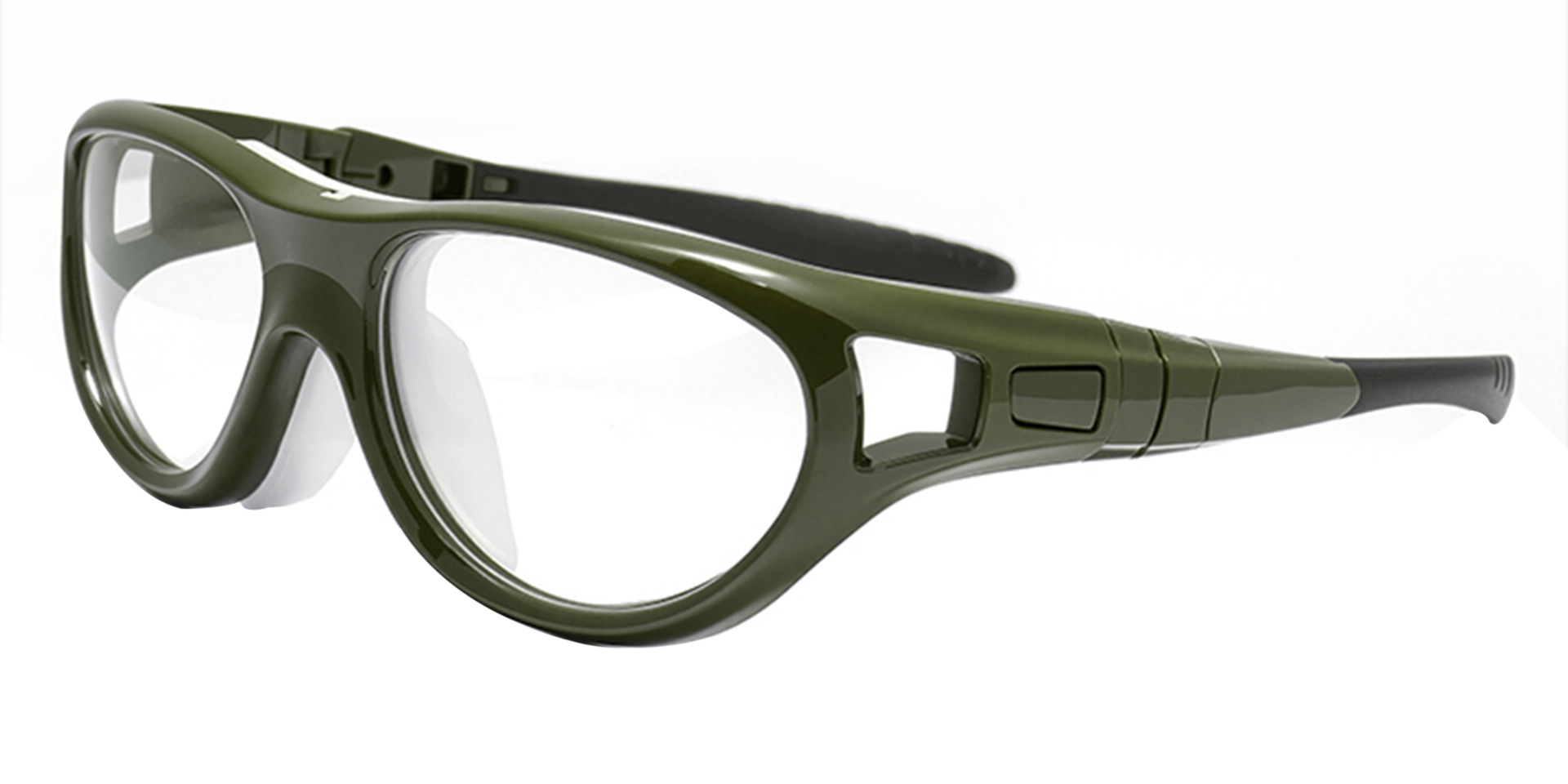
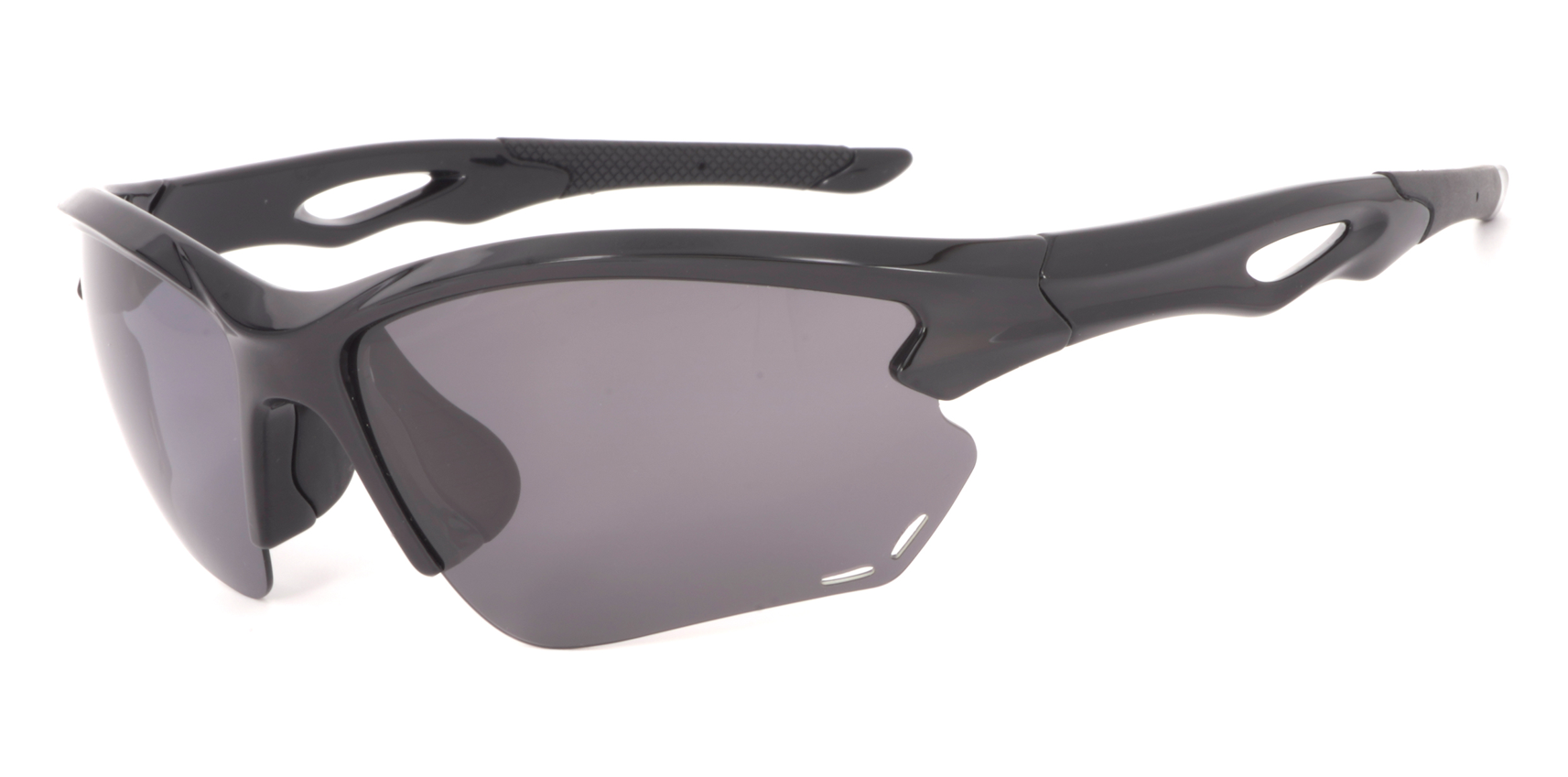
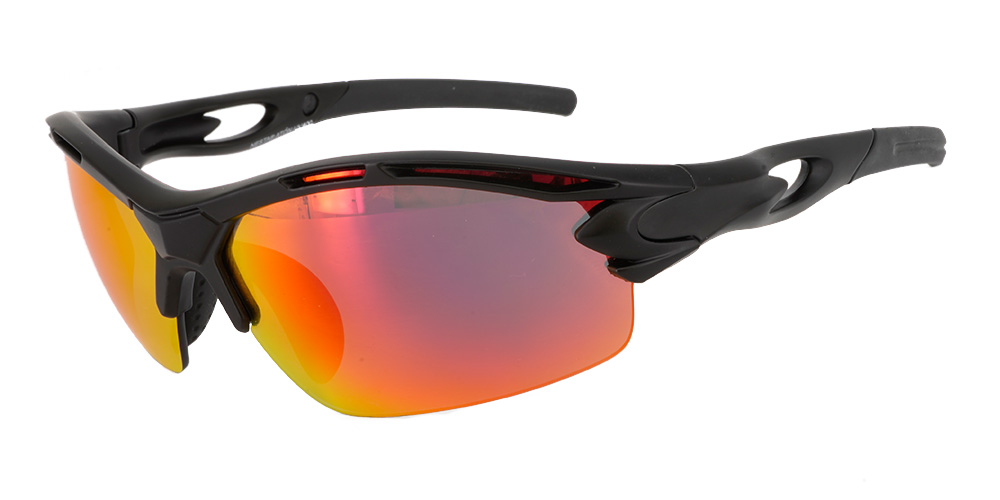
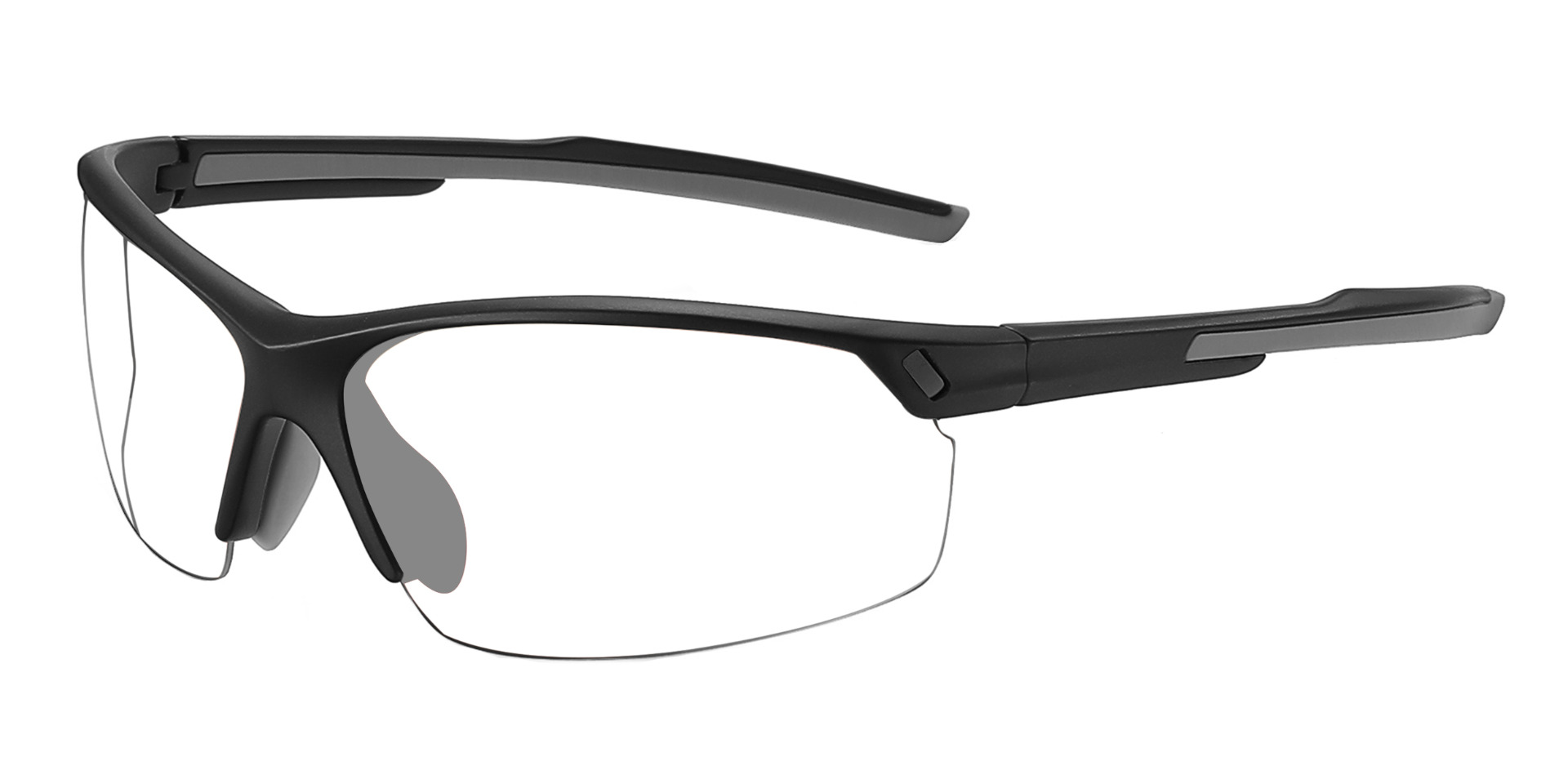
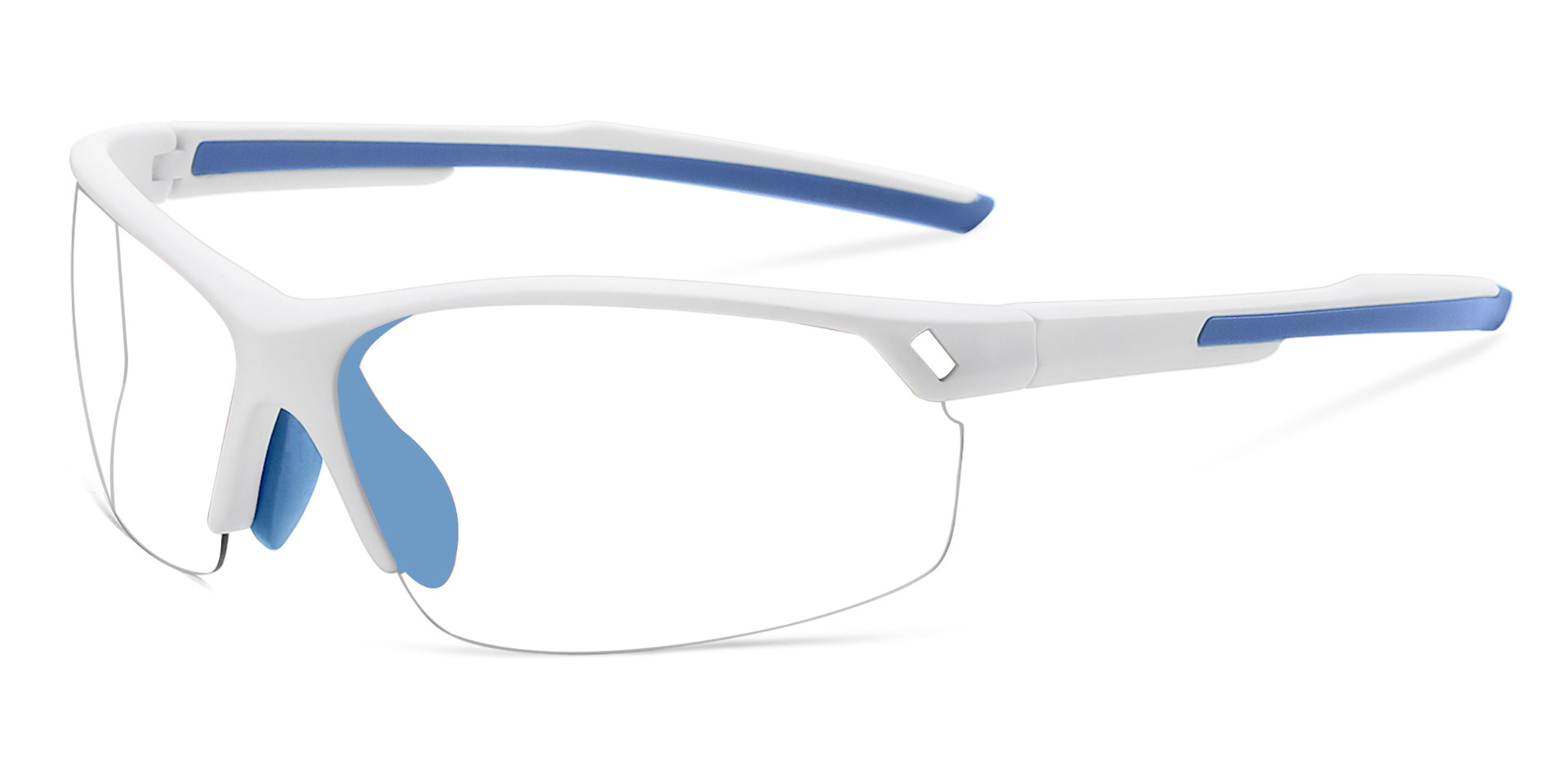
Safety sunglasses combine tinted lenses with a work-focused frame. Check the product markings before use. A dark lens, wraparound shape or tough appearance alone does not prove that a pair is suitable for your task.
Where Work Sunglasses Can Be Useful
Work sunglasses can be practical for construction, landscaping, grounds maintenance, utilities and other bright, exposed jobs.
Before choosing a pair, consider:
- The main hazard: Identify whether the risk comes from particles, dust, glare or another source.
- Working light: Choose a tint that remains comfortable without hiding important detail.
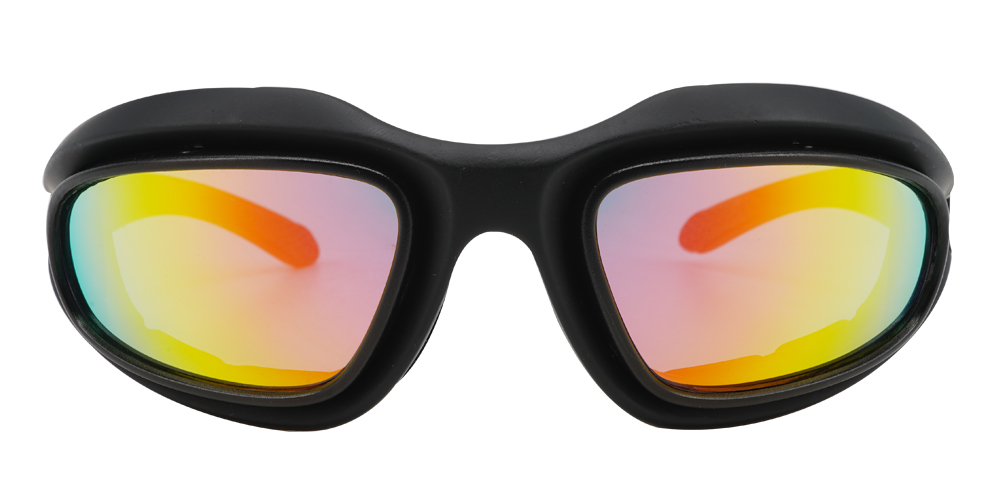
- Side exposure: Wraparound frames can reduce open gaps around the eyes.
- Other PPE: Check compatibility with helmets, ear defenders, masks and communication equipment.
- Length of wear: Lightweight frames and balanced pressure matter during long shifts.
- Product markings: Confirm that the complete eyewear is intended for the task.
Workplace instructions and the risk assessment should guide the final choice.
Choosing a Practical Lens Tint
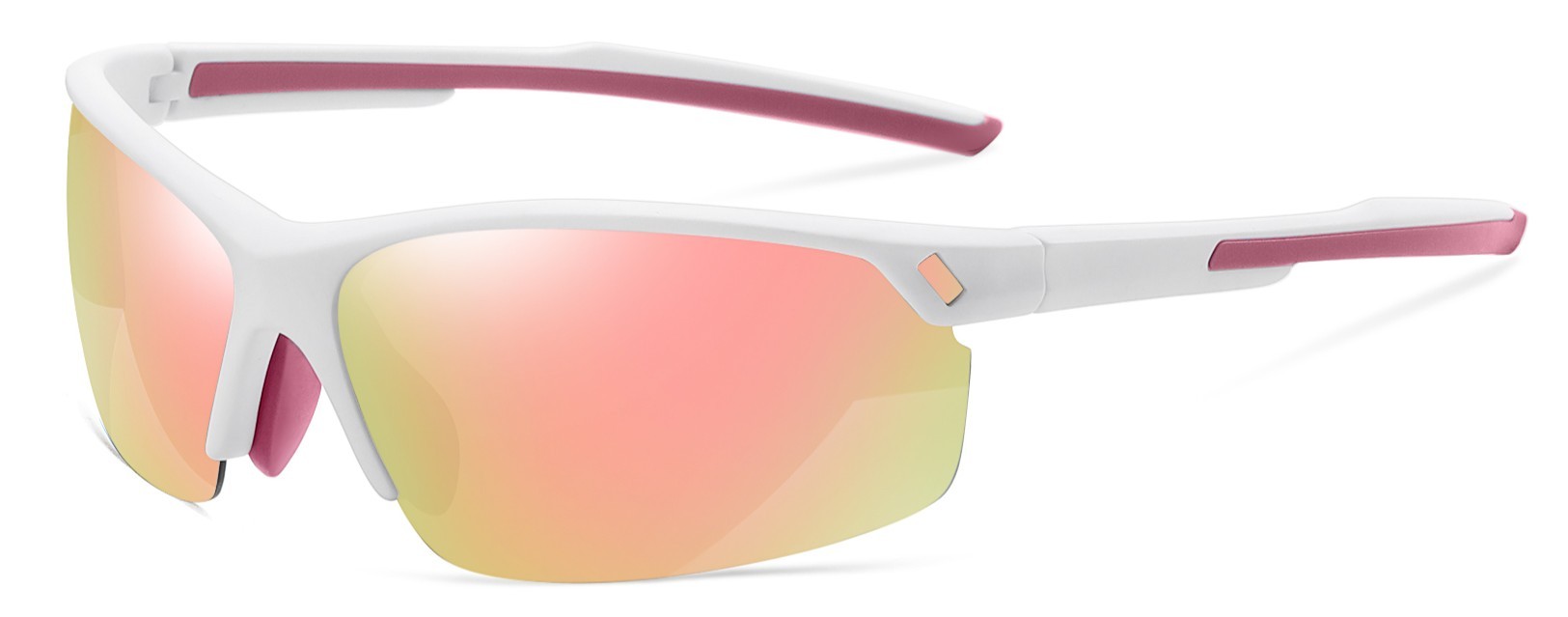
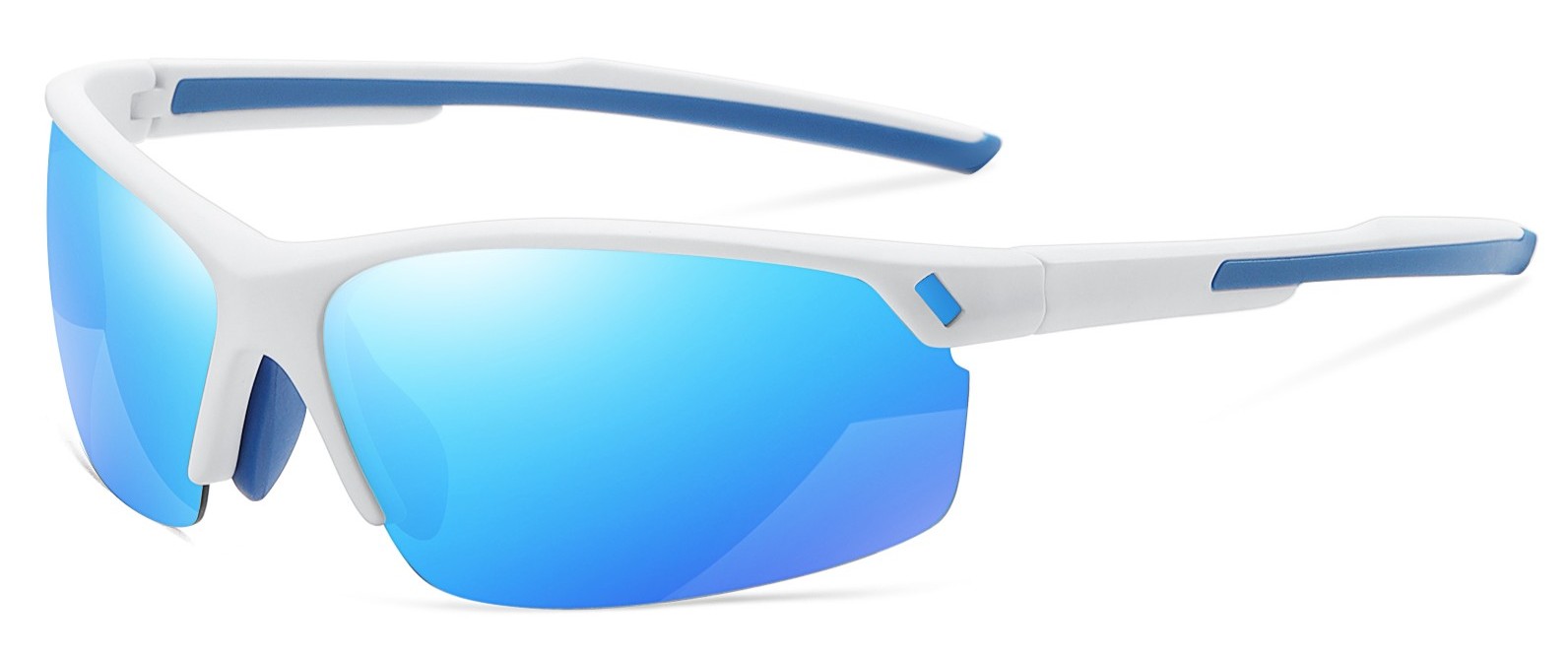
Grey lenses reduce brightness while keeping colours relatively neutral. Brown or bronze lenses create a warmer view and may make some details appear more distinct. Lighter tints suit variable conditions but may feel less comfortable in strong sunshine.
The darkest option is not always the best. A lens that feels comfortable in an open yard may become too dark beneath scaffolding, inside a doorway or when cloud cover increases. For frequent moves between sun and shade, consider whether one fixed tint is practical.
Tint colour is not proof of ultraviolet protection or impact resistance. Read the lens information and safety markings for the exact model.
What Polarisation Adds
Safety sunglasses polarized to reduce glare can be useful around wet roads, water, polished surfaces and reflective materials. Polarisation filters reflected light, which can make outdoor work more comfortable.
However, polarisation is an optical feature, not a workplace safety rating. The eyewear still needs the correct specification for the hazard. Polarised lenses can also change the appearance of some digital displays, dashboards and instrument screens, so check your equipment through them first.
Working Comfort Beyond the First Hour
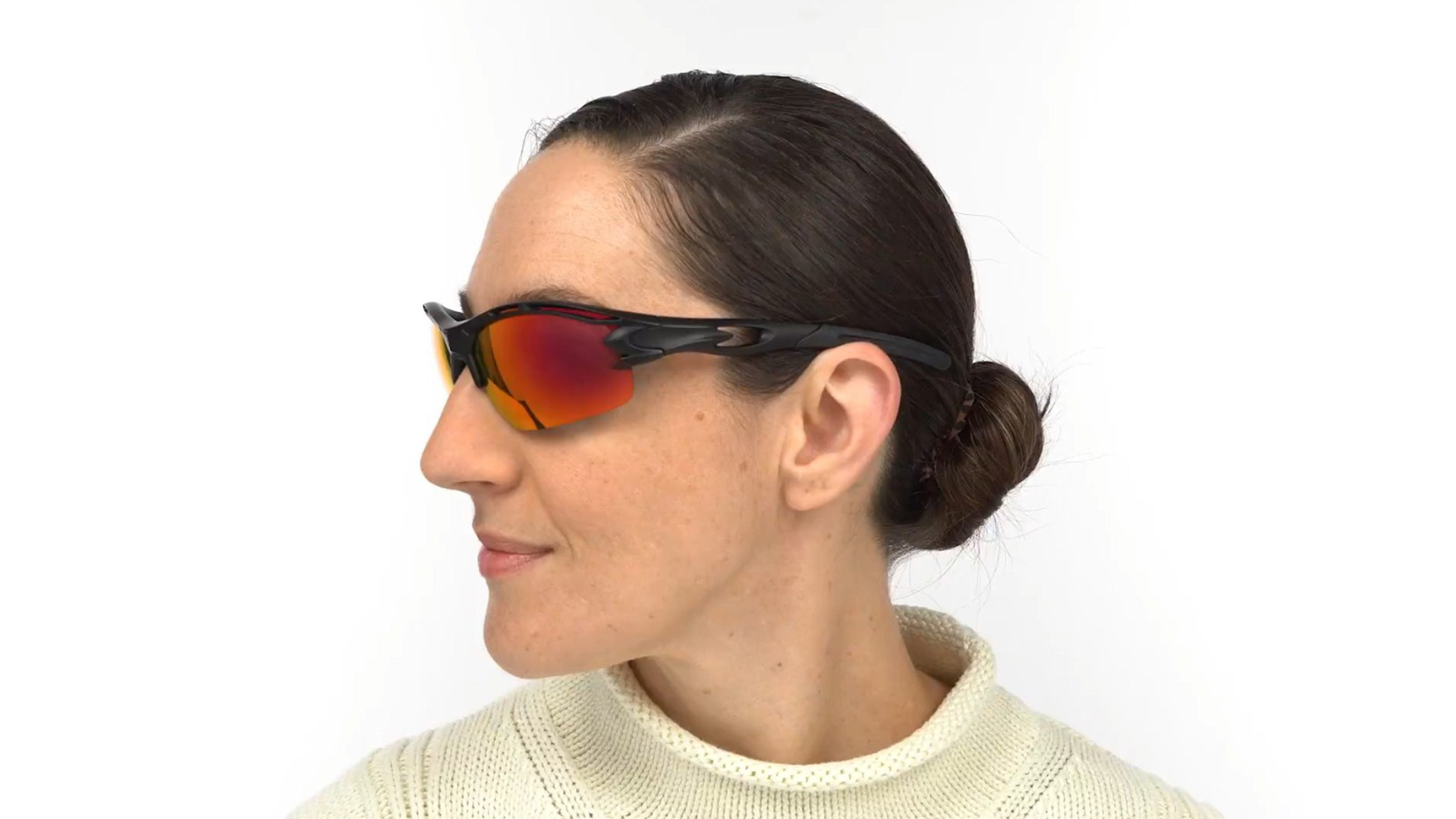
Safety sunglasses for work should remain stable when you bend, climb, turn your head or look down. Rubberised nose pads, grippy temple ends and a balanced frame may reduce slipping during movement.
Try the eyewear with everything worn during the task. Helmet cradles can push temple arms inwards, ear defenders may create pressure, and masks can direct warm breath towards the lenses. Check that the frame preserves a useful field of view.
Comfort matters throughout a long outdoor shift. The arms should not pinch, but loose eyewear may move out of position. Measurements are more reliable than a generic size label.
Paying Less Without Ignoring Protection
Cheap safety sunglasses may suit visitors, short tasks or workplaces that need spare pairs, provided the protection matches the hazard and the frame fits. Price alone does not show whether eyewear is suitable.
Compare the markings, lens clarity, frame condition and intended use. An affordable pair that matches the task can offer better value than a costly style chosen mainly for appearance. A low price is not worthwhile if the lenses distort vision, the frame slips or the protection is wrong for the work.
Cleaning and Replacement
Remove loose dust and grit before wiping the lenses because dry debris can cause scratches. Use cleaning products recommended for the eyewear and a clean, soft cloth.
Before each use, check for cracks, deep scratches, loose parts, distorted frames and worn nose or temple pieces. Store them in a protective case away from sharp tools, heat and chemicals.
Replace eyewear when damage affects clarity, fit or protective performance. Do not drill, reshape or repair a safety frame unless the manufacturer permits it.
Comparing Safety Sunglasses at RxSport UK
RxSport UK brings together safety sunglasses UK customers can compare for outdoor work and practical projects. Review the dimensions, lens tint, product markings, coverage and compatibility with other equipment before ordering.
The right sunglasses for safety should match the assessed risk, fit securely and provide a comfortable view in the actual working light. Choose function first, then compare style and price among suitable options.