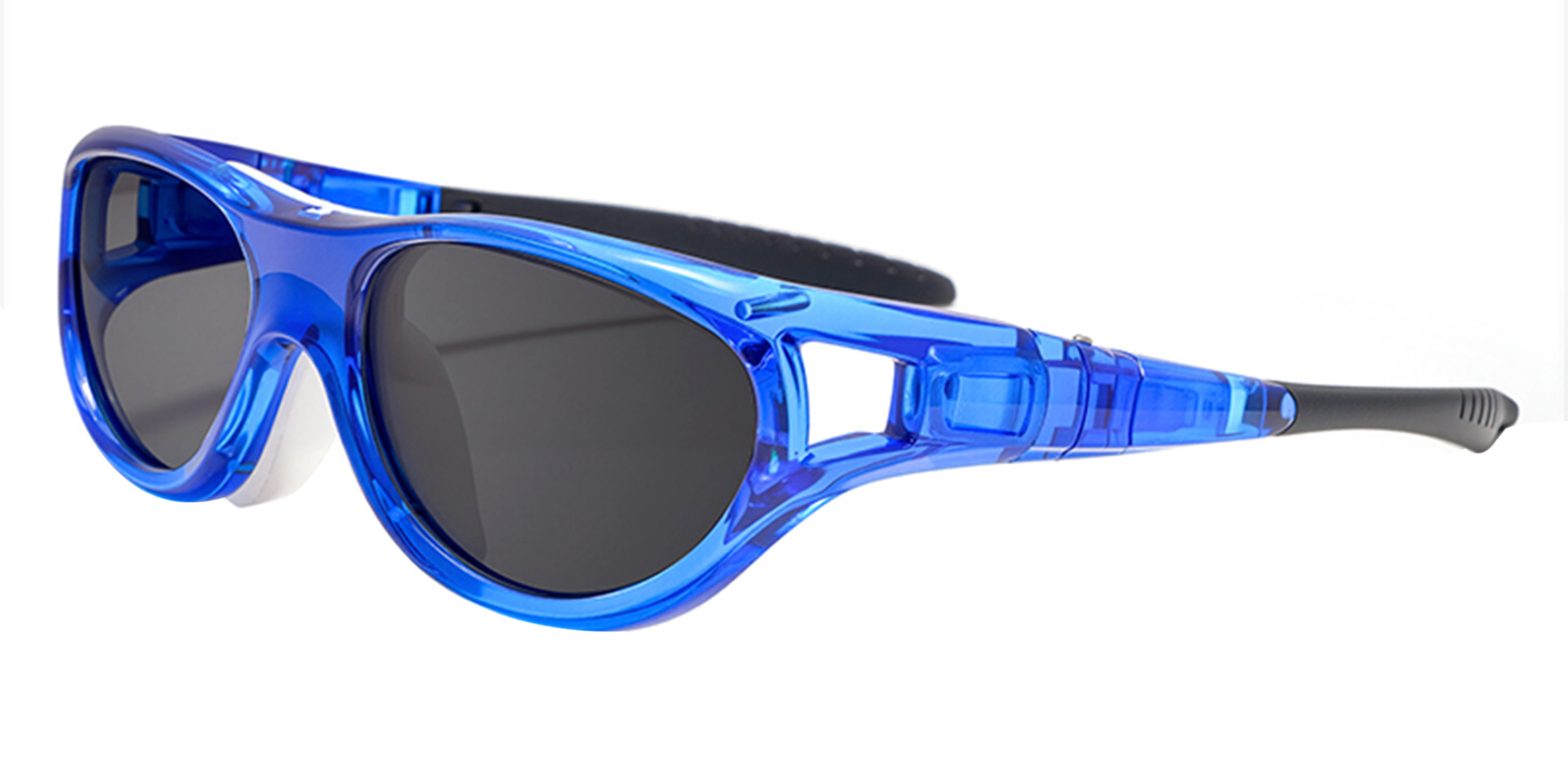
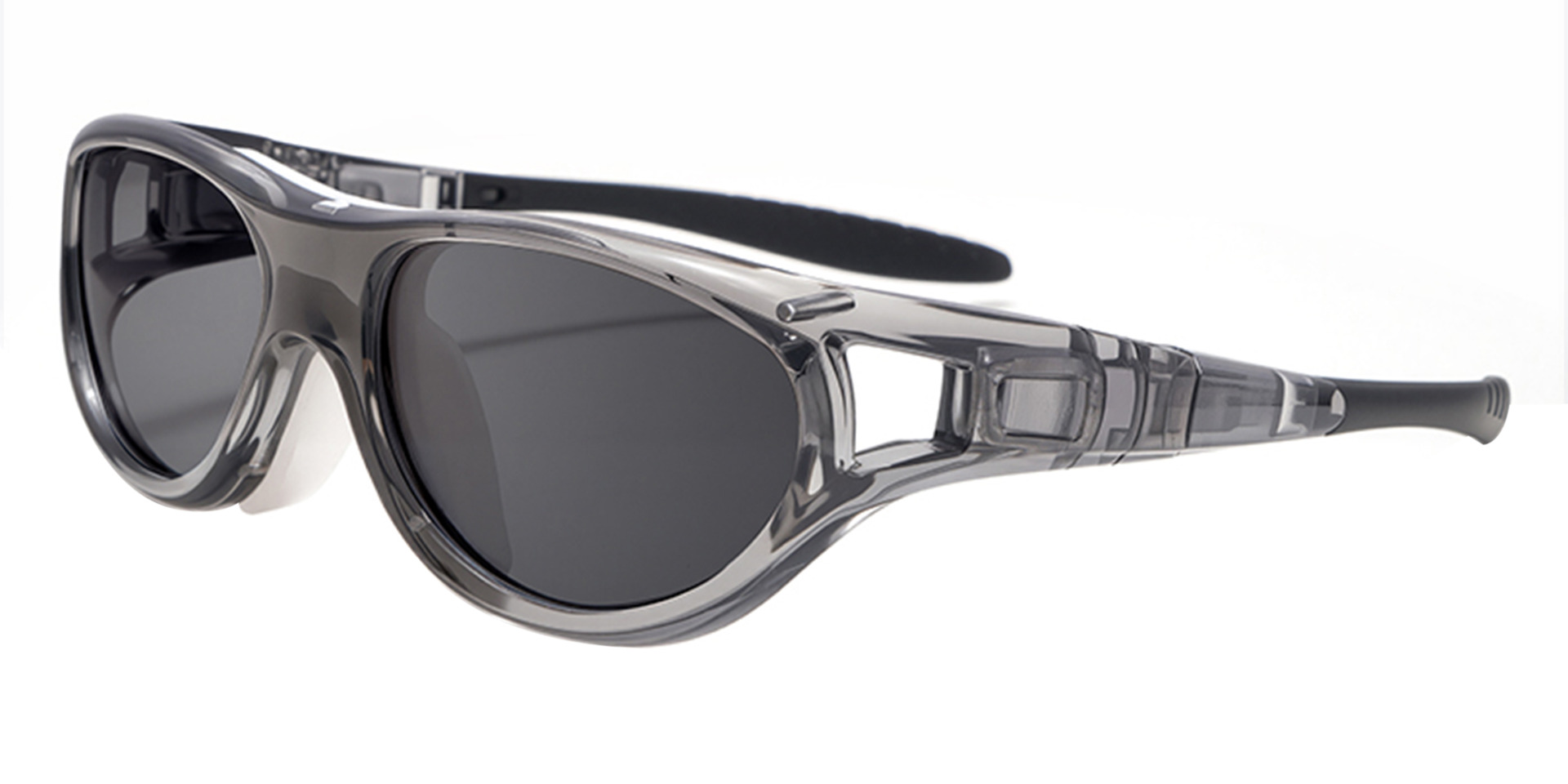
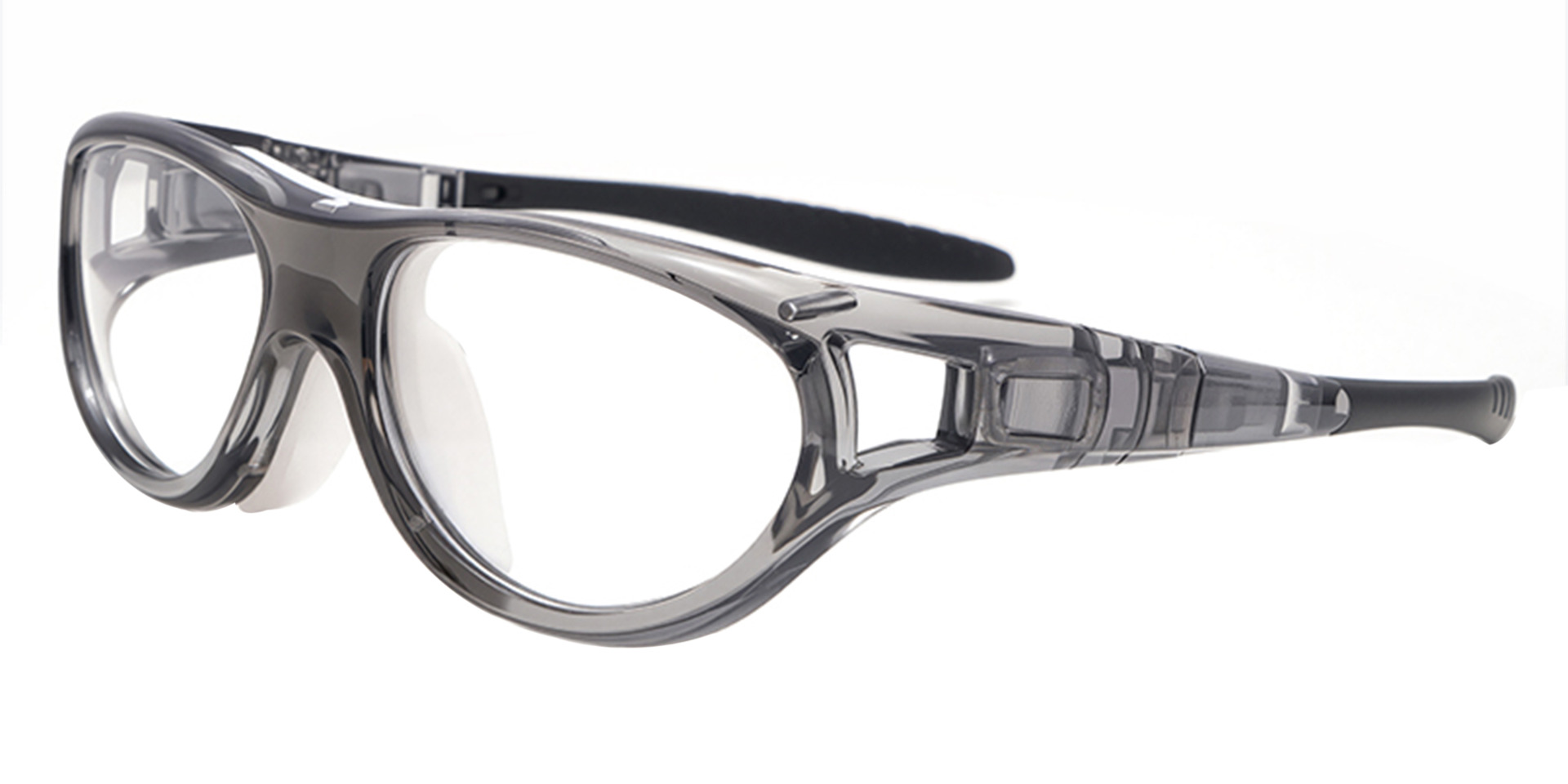
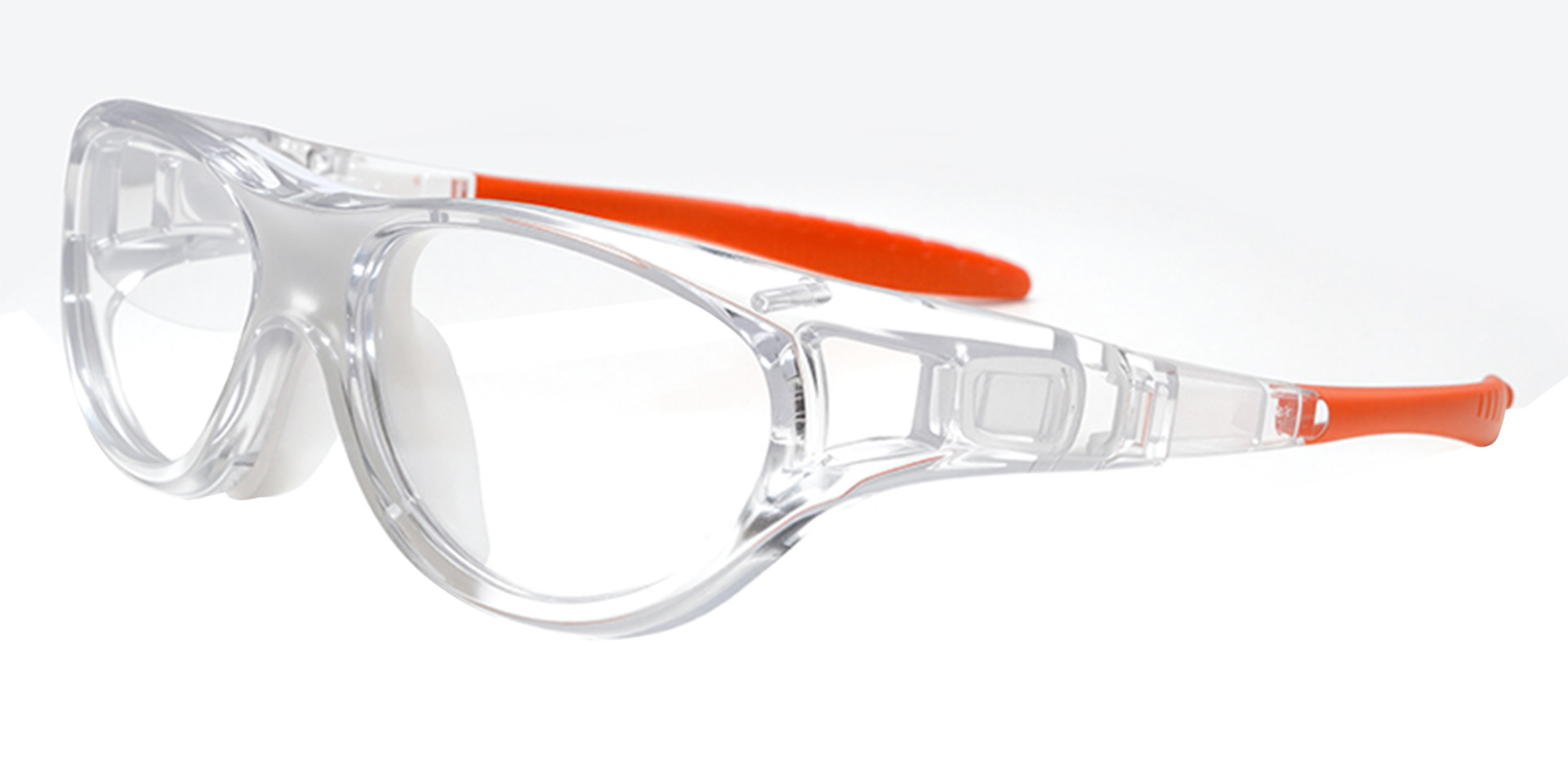
Why Trail Riding Needs Dedicated Eyewear
Mountain biking brings your eyes close to mud, dust, grit, vegetation and insects. Speed increases airflow, which can make unprotected eyes water when you need to judge roots, ruts and braking points. Everyday sunglasses may leave gaps, shift over rough ground or feel uncomfortable beneath a helmet.
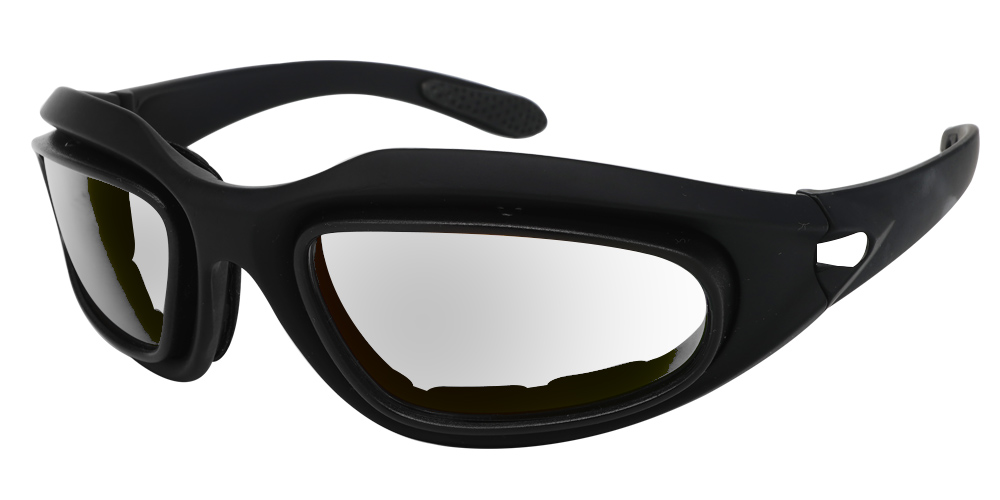
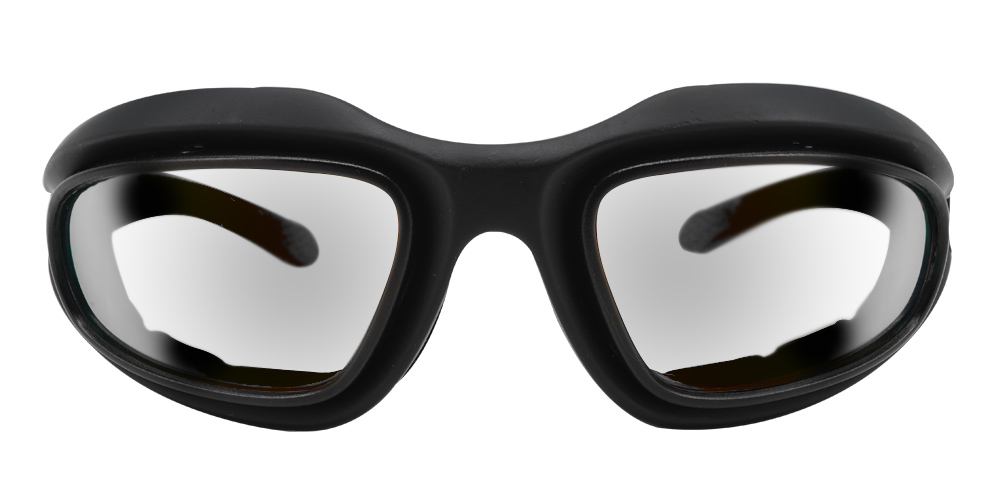
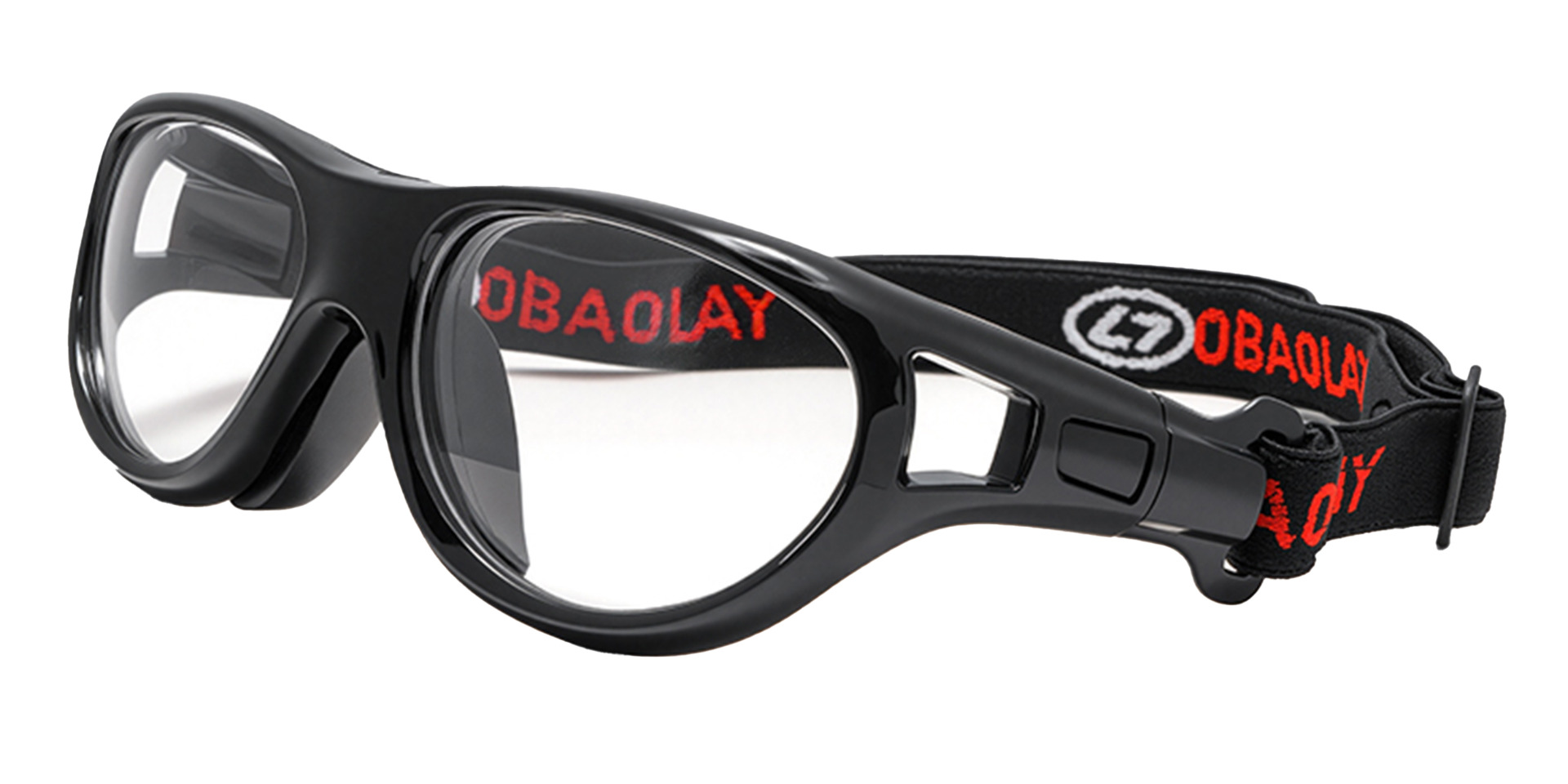
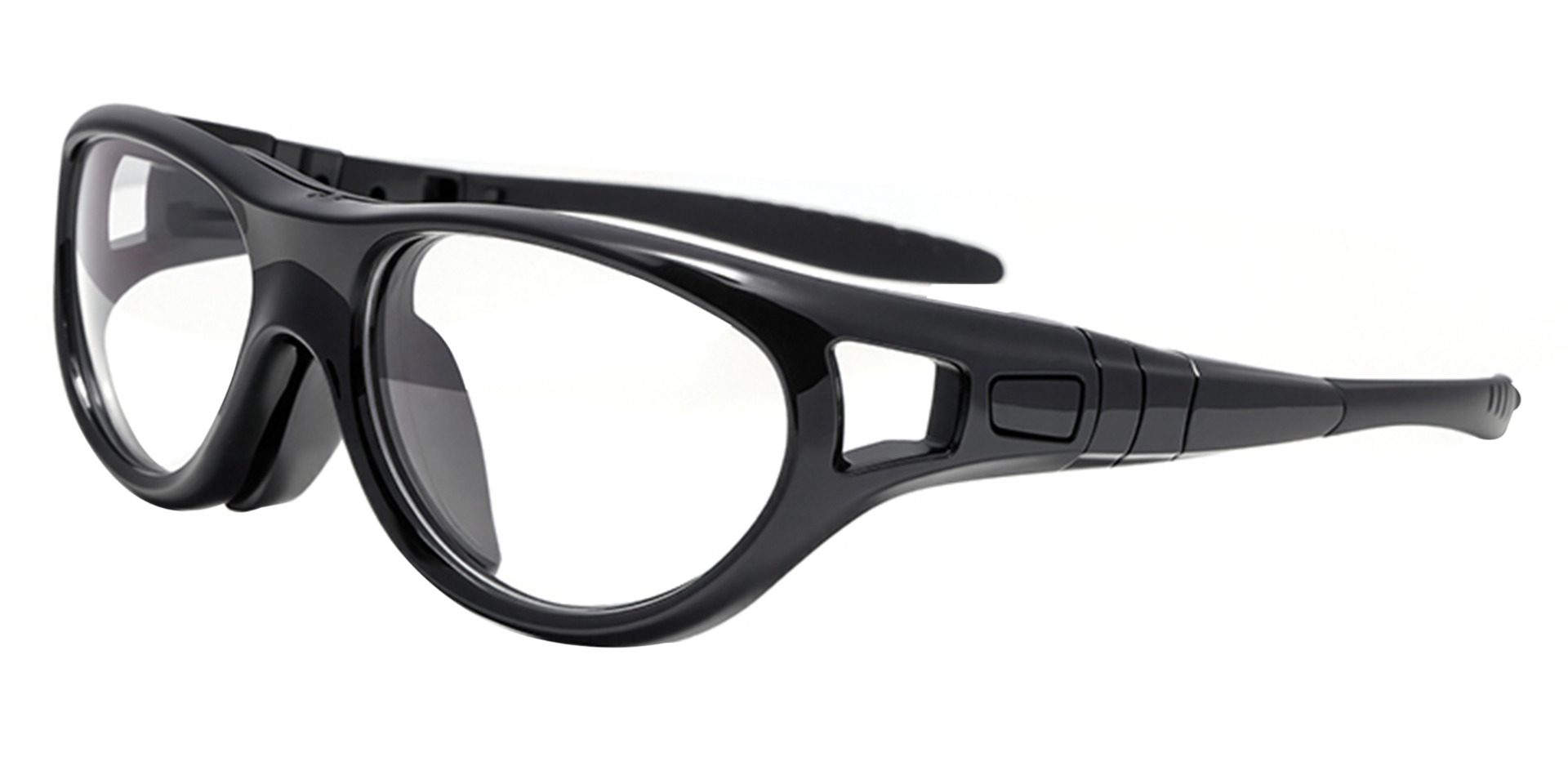
Purpose-built mountain bike glasses are shaped for active riding. Broad lenses improve coverage, while secure contact points help the frame remain stable through climbs, drops and fast direction changes. The aim is not simply to darken the trail, but to maintain a clear view while reducing trail distractions.
Choosing Lenses for Changing Trails
Woodland routes can move from bright fire roads into deep shade within seconds. Very dark lenses may hide roots and surface changes, so choose your tint around the conditions you ride most.
Useful options include:
- Clear lenses for forests, heavy cloud, winter rides, evening sessions and maximum available light.
- Light-enhancing tints for flat conditions where trail details are difficult to separate.
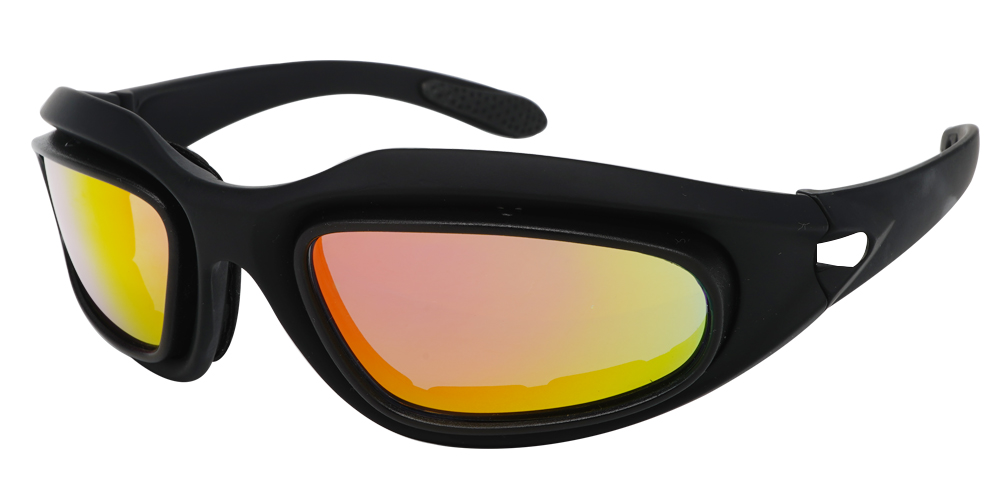
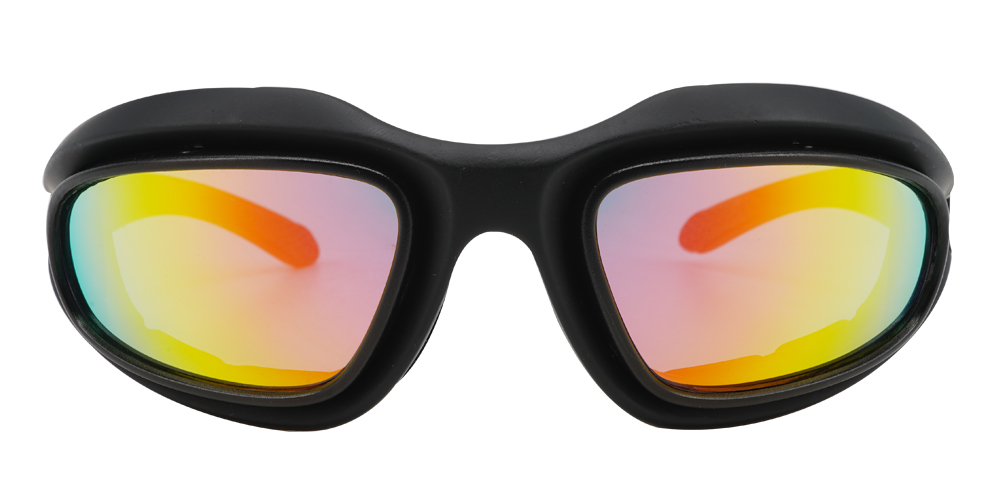
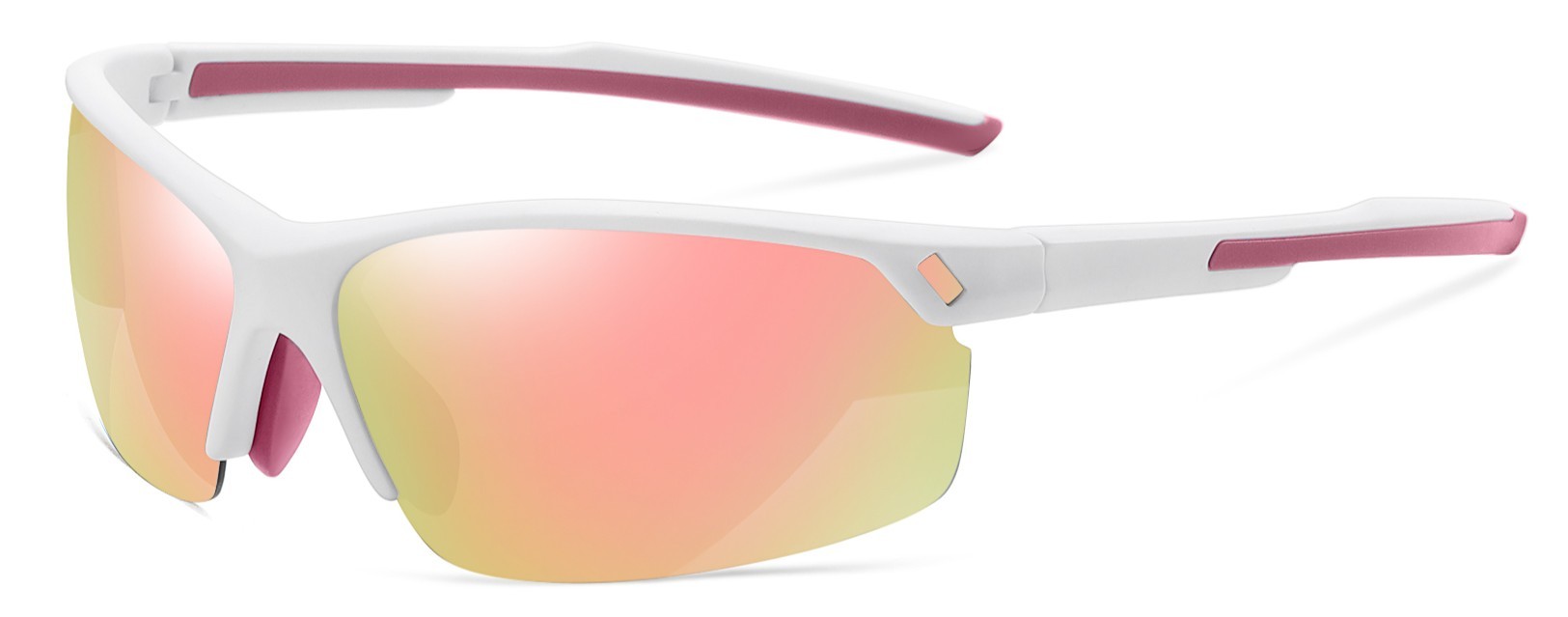
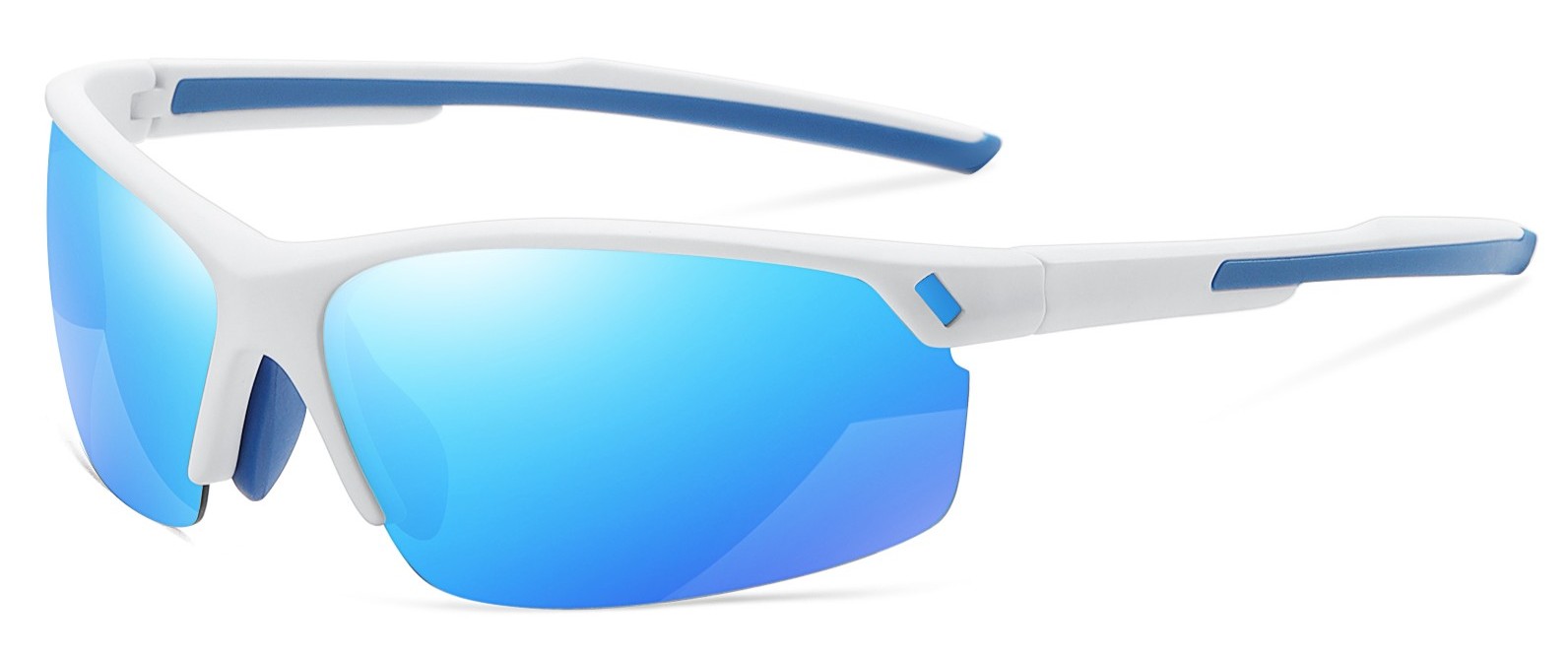
- Dark or mirrored lenses for exposed routes and strong sunshine.
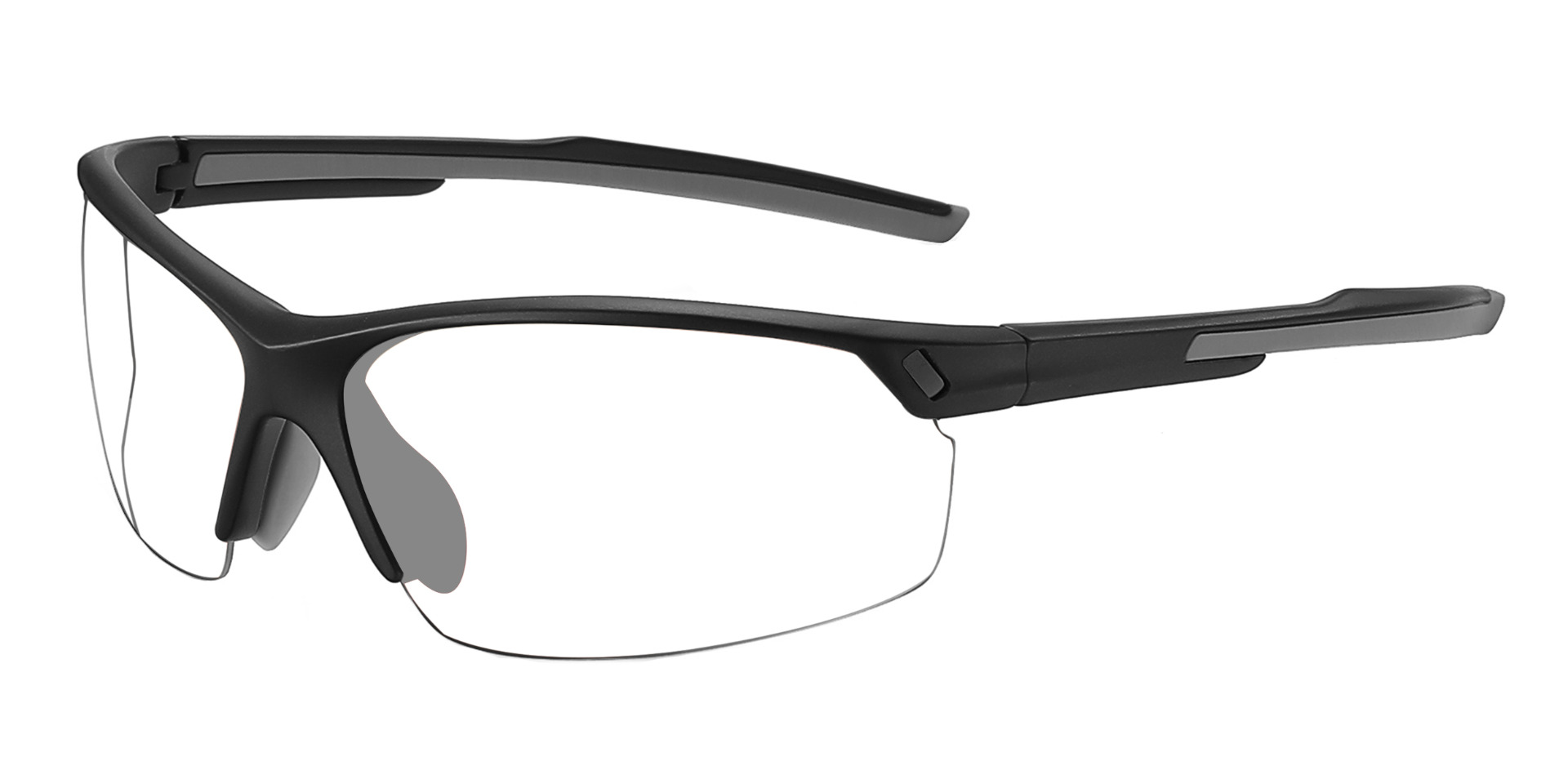
- Photochromic lenses for rides that alternate between open and wooded sections.
- Prescription lenses or inserts for riders who need optical correction.
Tint colours can affect how the landscape appears. Grey keeps colours relatively neutral, while amber, brown and rose-style tints may improve perceived contrast. Photochromic lenses add versatility, although they need time to change and their performance varies by product.
Clear Lenses for Low-Light Riding
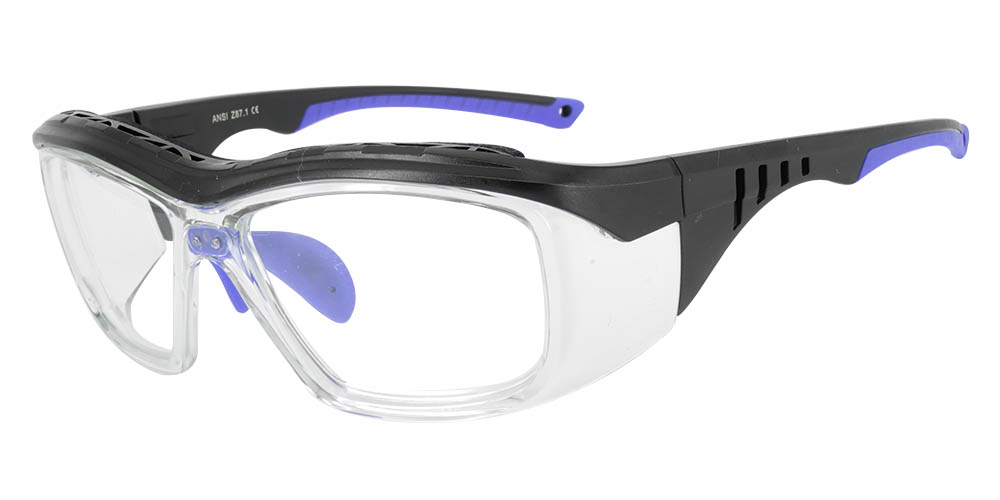
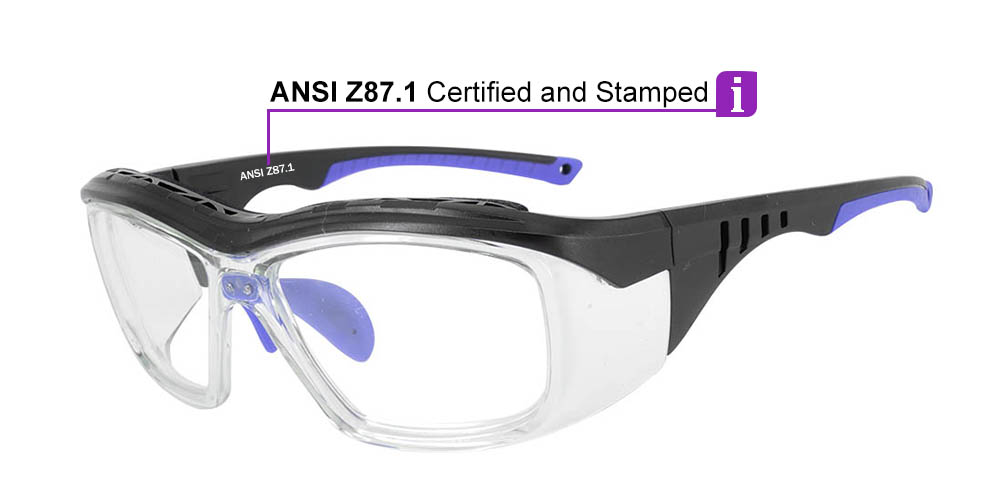
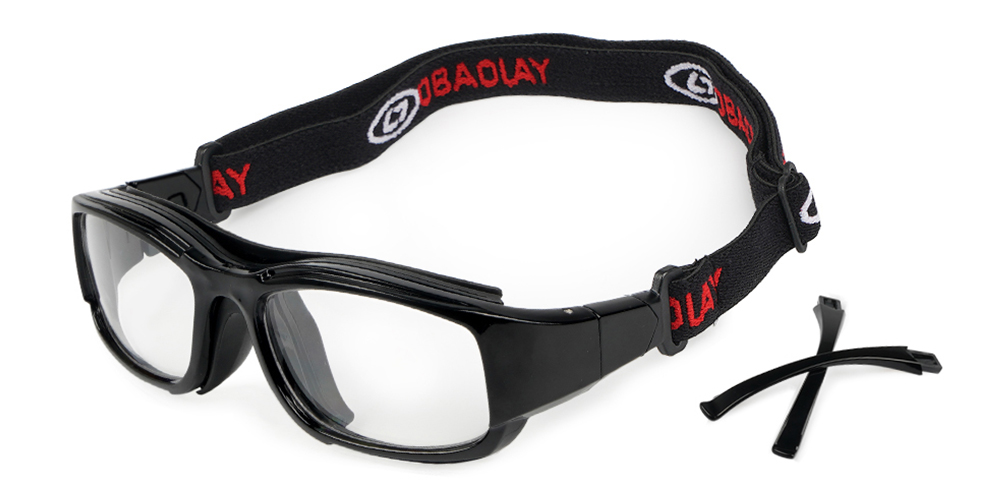
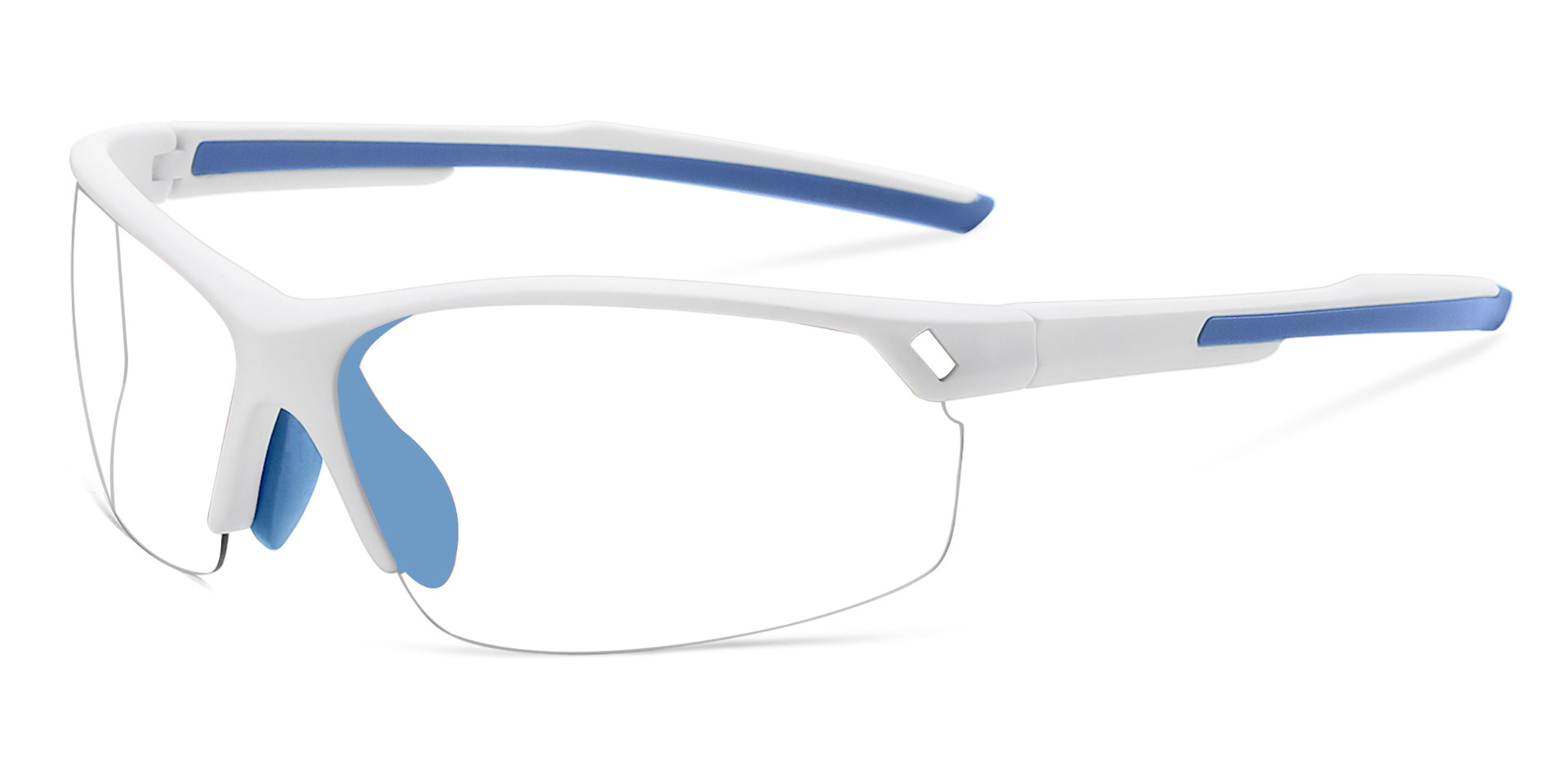
Clear mountain biking glasses provide coverage without significantly reducing visible light, making them useful beneath trees and in dull weather. The best clear mountain bike glasses should offer a wide field of view, dependable ventilation and a secure fit.
A mountain bike glasses clear lens setup can help keep rain, spray and mud away from your eyes. Interchangeable systems let one frame handle several light conditions, but lenses should always be removed and installed according to the product instructions to avoid scratches or frame damage.
Managing Fog and Moisture
Fog appears when warm, moist air meets a cooler lens. Damp climbs, slow technical sections and stopping after a hard effort can all increase condensation. Anti fog mountain bike glasses may use coatings, vents or open frame shapes to support airflow, but no pair can remain mist-free in every environment.
Help manage fog by:
- Keeping vents clear of mud.
- Leaving space between the lens and face.
- Using cleaners approved for coated lenses.
- Allowing wet glasses to dry before storage.
- Avoiding dirty gloves on the inner lens.
- Maintaining airflow whenever conditions permit.
Prescription Mountain Bike Glasses
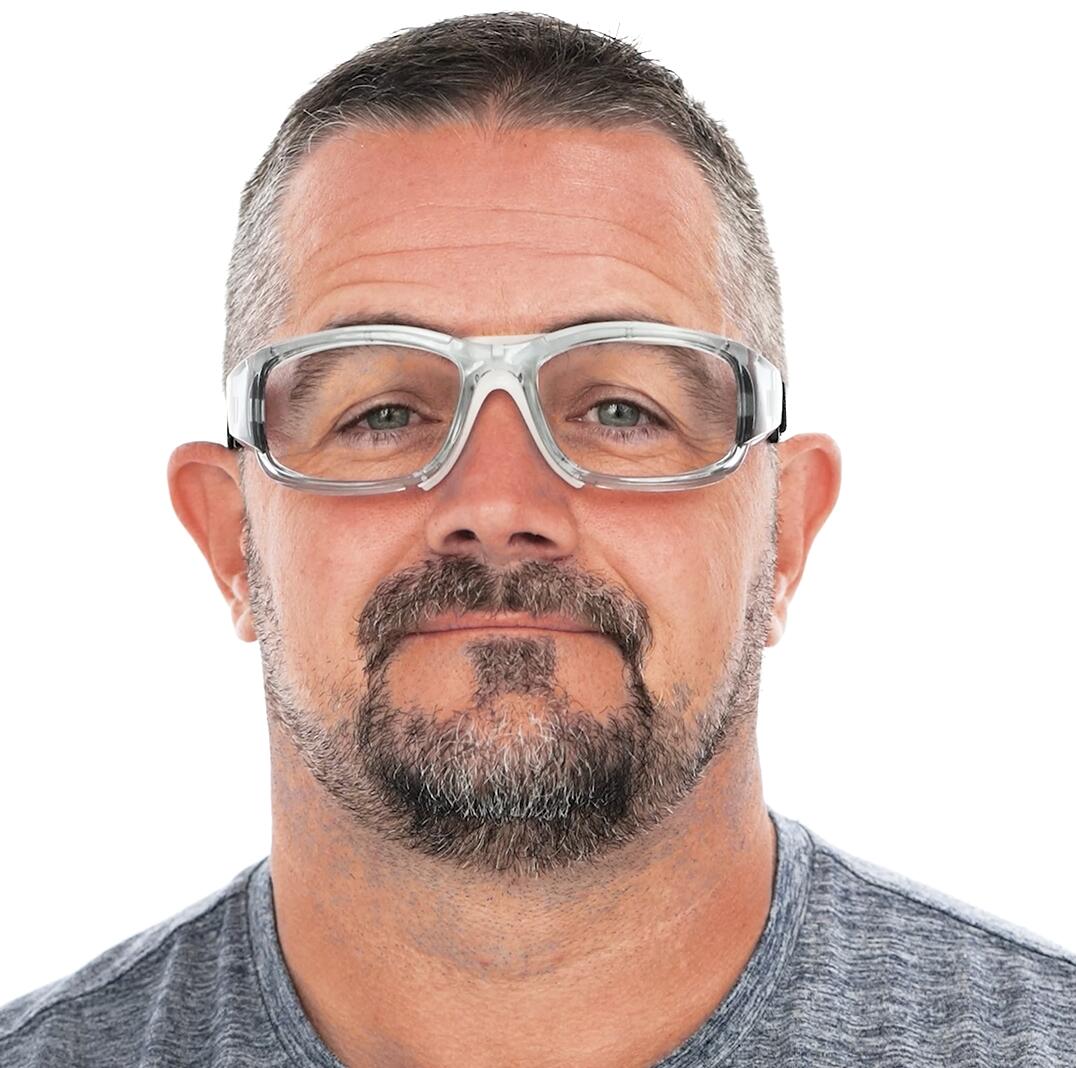
Riders who need vision correction can choose prescription mountain bike glasses where the frame and optical range are compatible. Depending on the model, the prescription may be glazed directly into the frame or supplied through an insert behind an outer shield.
Direct glazing creates an integrated appearance. Inserts may allow the outer lens to be changed for weather. Suitability depends on lens curvature, prescription strength, astigmatism, prism and pupillary distance. Review the stated limits before ordering and use a current spectacles prescription rather than contact lens powers.
Single-vision distance lenses suit many riders. Multifocal options may be available for people who need to view a bike computer or map, but the lens zones should work with your riding position.
Finding the Best Mountain Biking Glasses
The best mountain biking glasses are the ones that match your face, helmet, trails and lens needs. Cross-country riders may prioritise low weight and ventilation, while downhill and enduro riders may prefer greater coverage and a closer fit.
Before ordering, compare:
- Frame width, lens height and nose fit.
- Prescription compatibility.
- Temple grip and helmet clearance.
- Lens tint and interchangeability.
- Vent position and anti-fog features.
- Replacement lens availability.
When comparing mountain bike glasses UK collections, do not rely on appearance alone. A frame that is too wide may move on rough descents, while a narrow frame can create pressure during rides. Try to reproduce your riding posture when checking fit: lower your head, look ahead and turn towards both shoulders.
Care and Maintenance
Rinse away mud and grit before wiping because dry particles can mark the lens. Use clean water, suitable cleaner and a microfibre cloth. Avoid household glass products and abrasive fabrics.
Store your eyewear in a protective case. After wet rides, let the frame and removable parts dry naturally. Replace glasses that become cracked, distorted or insecure.