Why Runners Notice Their Eyewear So Quickly
A frame that feels fine can become annoying after ten minutes of running. Repeated movement and sweat expose every weak point. Glasses may slide, bounce or press behind the ears beneath a cap.
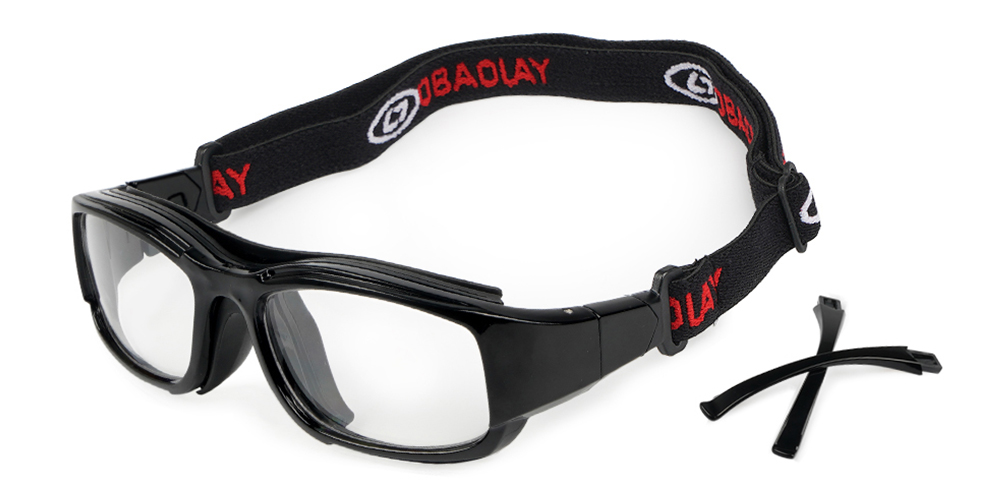
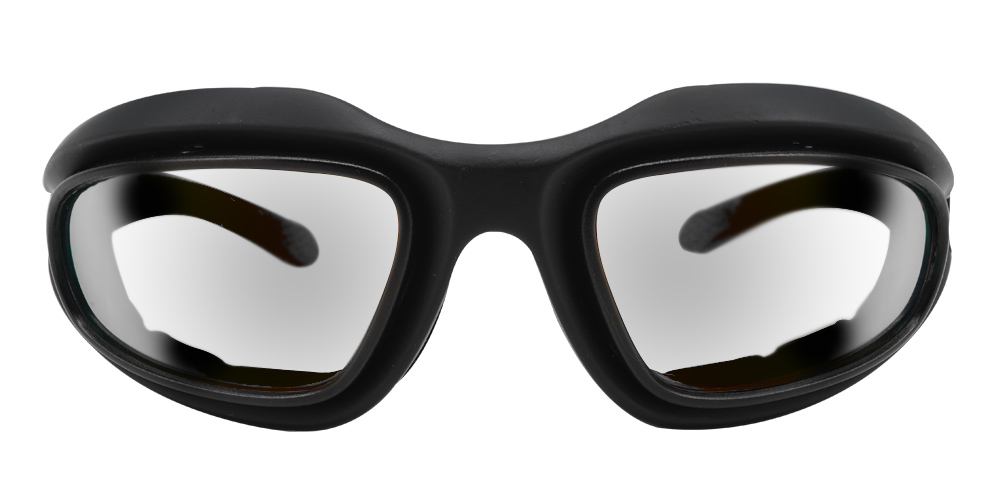
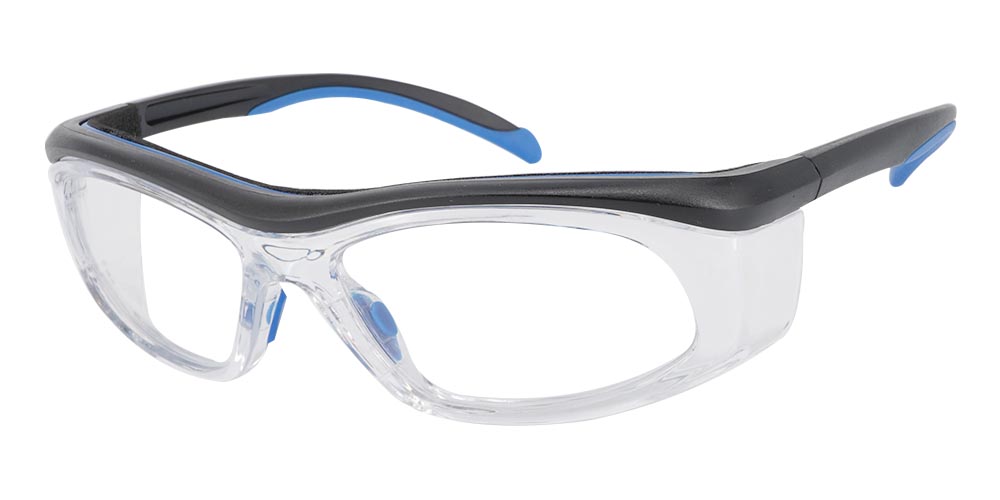
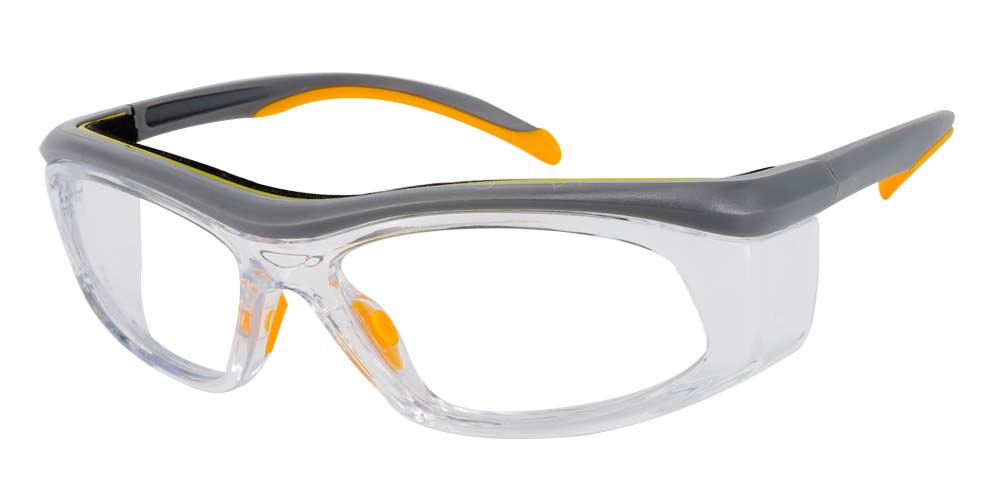
Running sunglasses are made to minimise those distractions. Lightweight frames and secure contact points help limit constant adjustment. Good running eyewear should feel comfortable, preserve awareness and stay dependable across the route.
Choosing Lenses for British Conditions
UK runners rarely get one type of light for an entire session. A bright start can turn cloudy, and shaded routes can feel much darker.
Common options include:
- Grey lenses: Reduce brightness while keeping colours natural.
- Brown or bronze lenses: Add warmth and may make road or trail detail appear more defined.
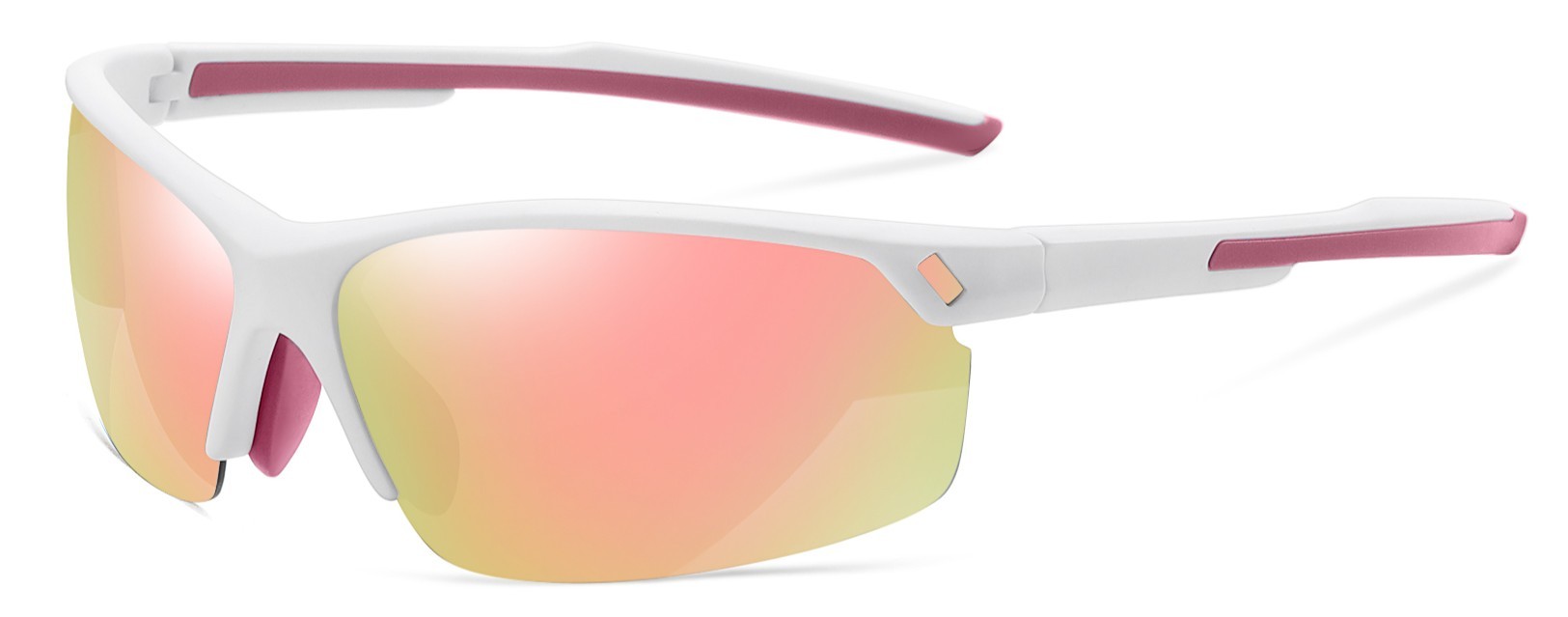
- Amber or rose tints: Useful in flat, overcast or mixed light.
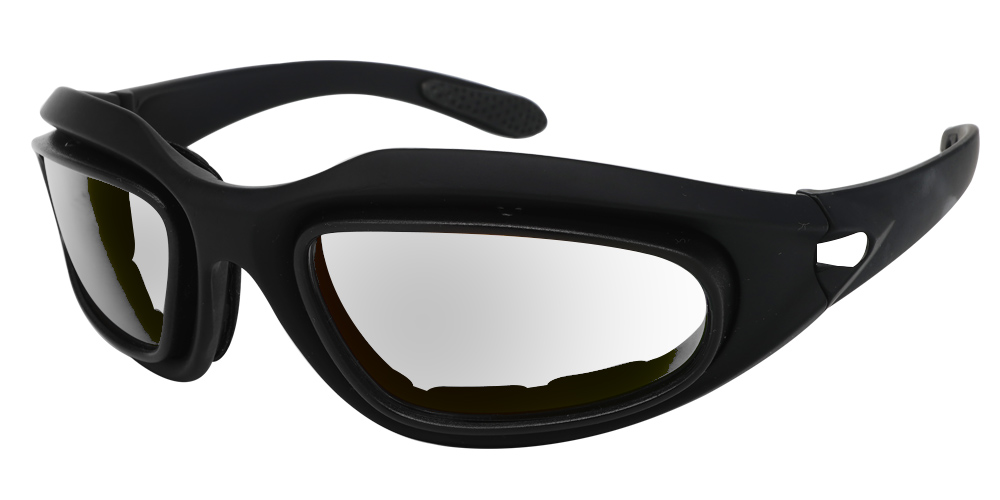
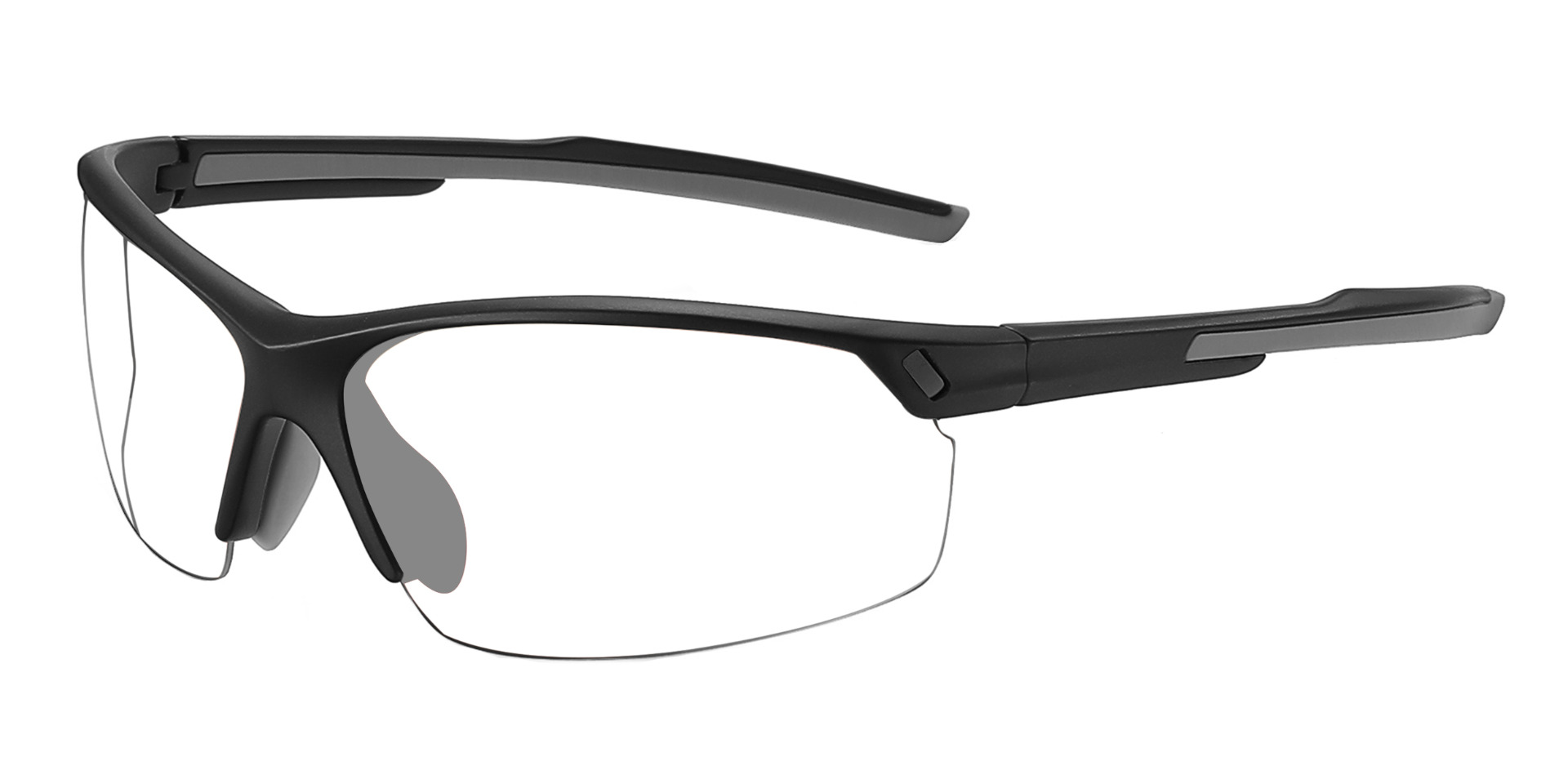
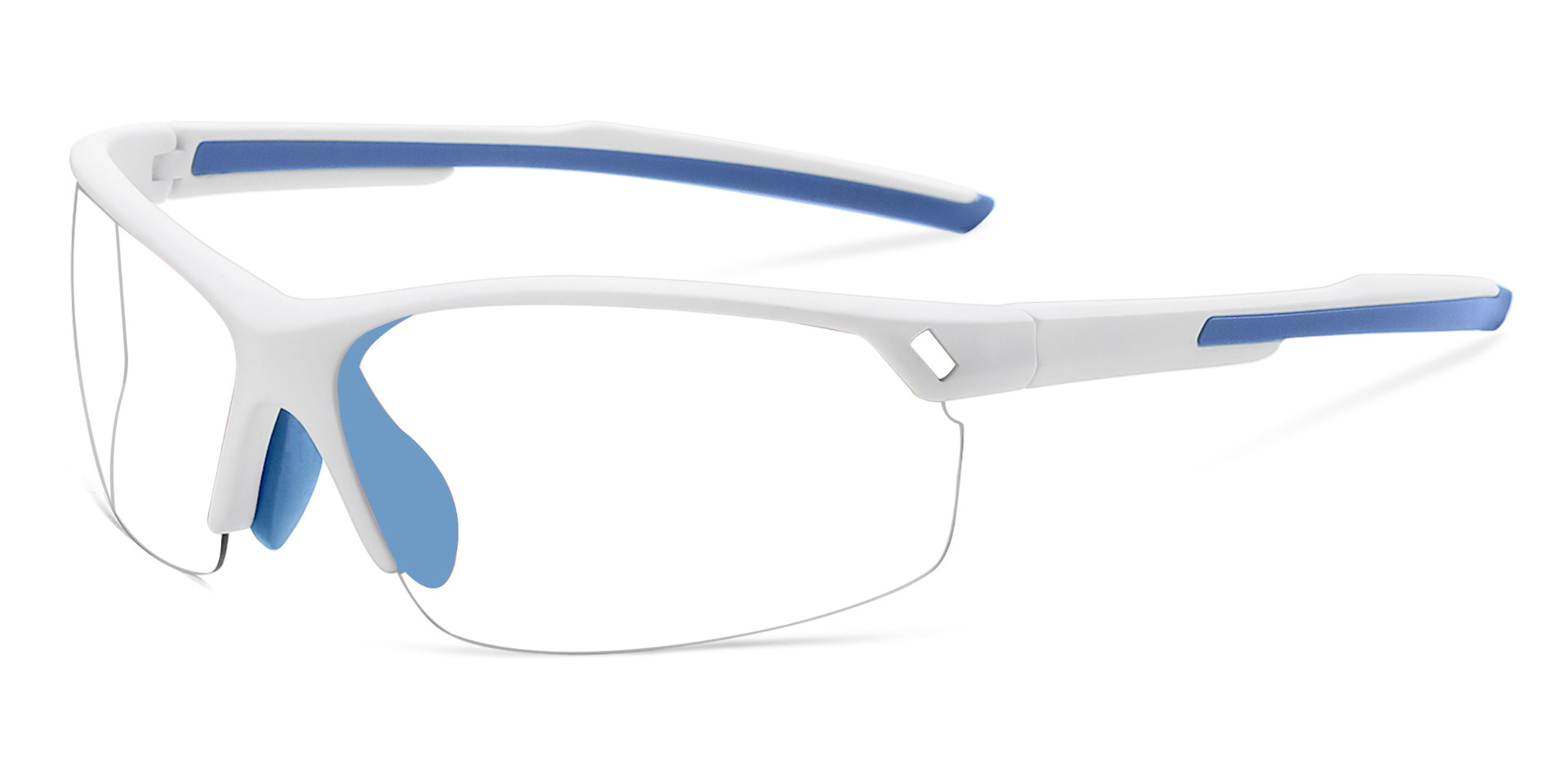
- Clear lenses: Practical for night running and dark winter mornings.
- Photochromic lenses: Change tint as outdoor light levels rise or fall.
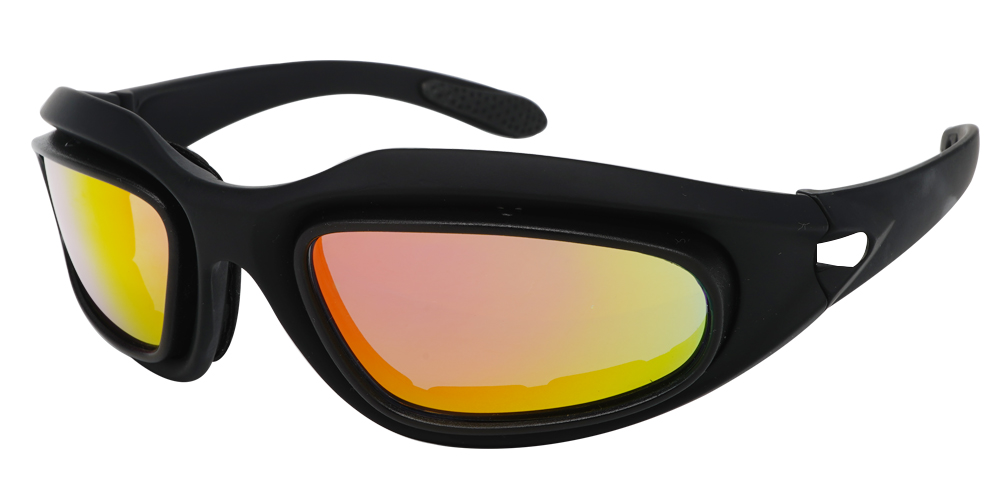
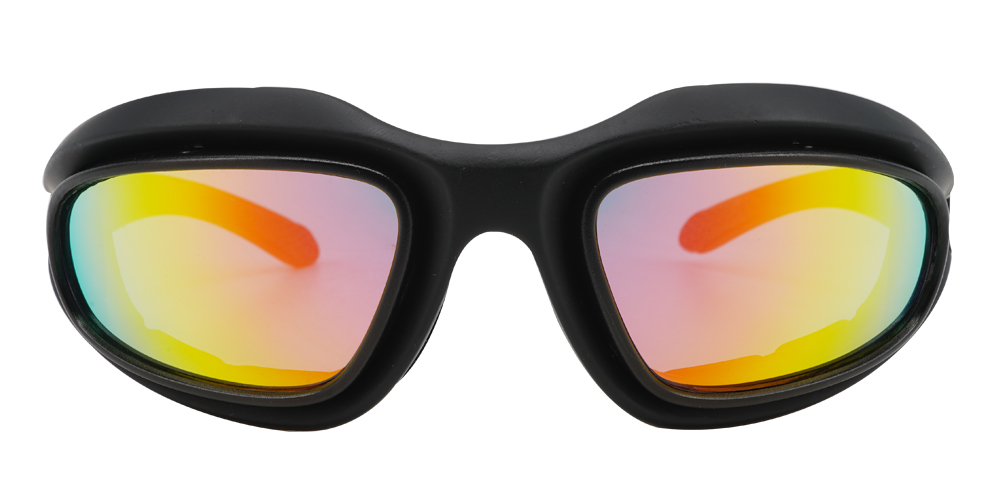
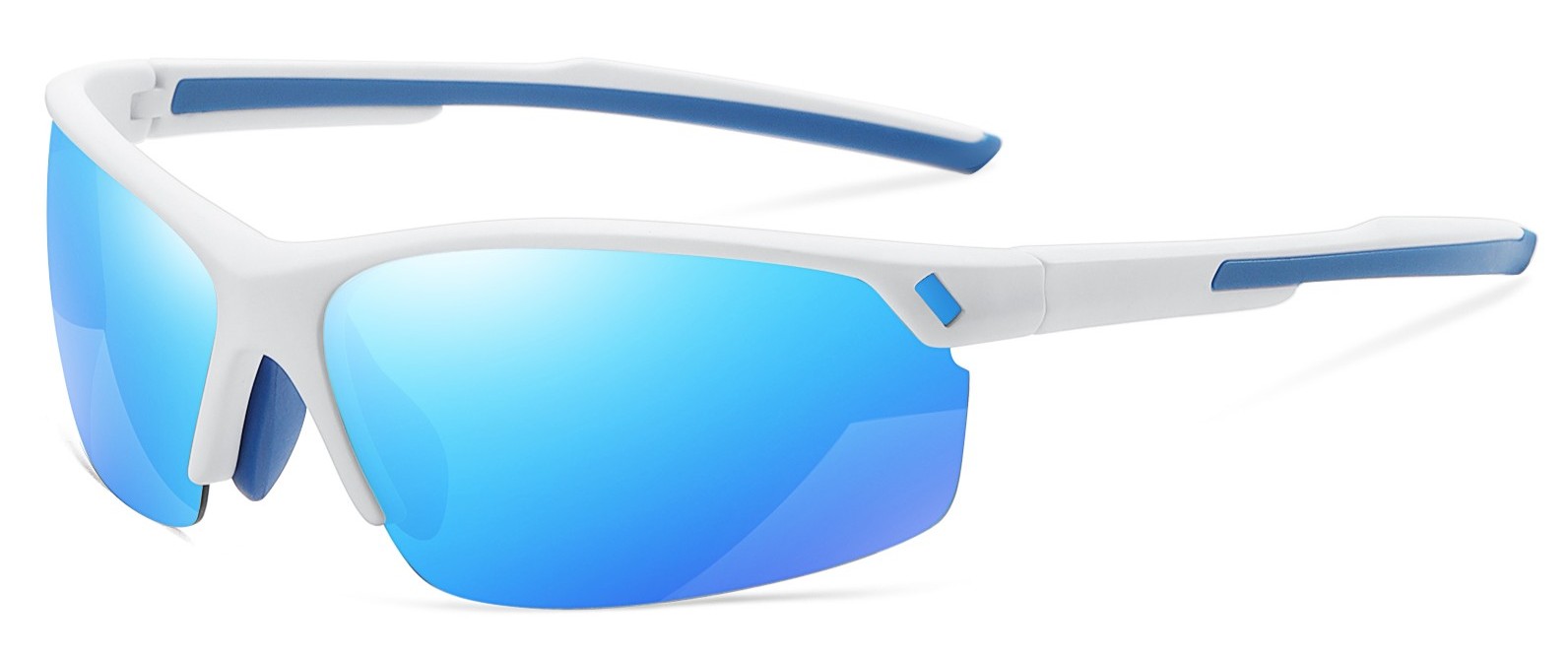
- Mirrored lenses: Often chosen for exposed routes and strong sunshine.
Very dark lenses can become awkward under trees or heavy cloud. A medium tint may be more versatile.
What Keeps Sunglasses Stable on the Move?
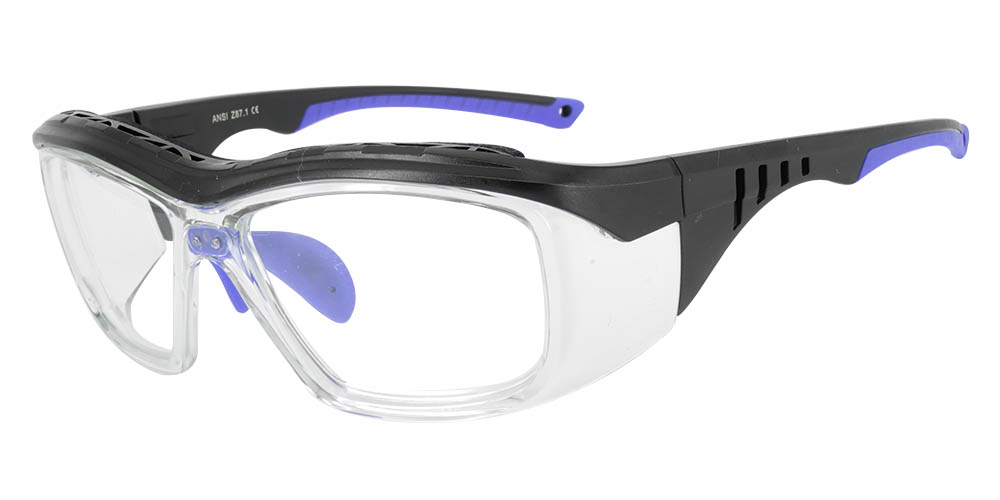
The best running sunglasses should remain steady without feeling tight. Rubberised nose pads and temple tips can improve grip when your skin becomes warm or damp.
Check the frame width carefully. A pair that is too wide may move as you turn your head, while a narrow pair can create pressure around the temples. The nose bridge should sit evenly, and the lenses should not touch your eyelashes.
Try the glasses with your usual kit. Put on your cap, visor, headphones or headband, then jog on the spot and look over both shoulders. Small clashes become frustrating on longer runs.
Prescription Options for Clearer Distance Vision
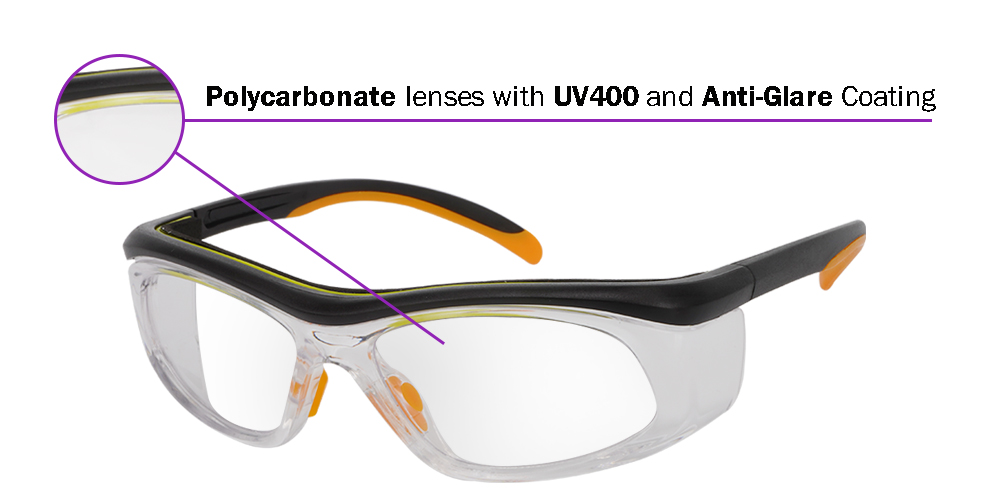
Prescription running sunglasses can help runners read signs, recognise uneven surfaces and see the route clearly without contact lenses. Depending on the frame, the prescription may be glazed directly into the lenses or fitted through an optical insert.
Suitability depends on prescription strength, astigmatism, pupillary distance and frame curvature. Highly wrapped frames may have different optical limits from flatter designs, so check the available range before ordering.
Use a current spectacles prescription and enter the values for each eye carefully. Contact lens powers should not normally be copied into a glasses order. Progressive-lens wearers should consider how the viewing areas sit when the head is in a natural running position.
Running Sunglasses for Women
Running sunglasses for women are not defined by colour alone. Frame width, bridge shape, lens height and temple length all influence comfort. A narrower frame may suit some faces, while others prefer broader coverage.
Rather than relying only on a men’s or women’s label, compare the measurements with a pair that already fits well. Adjustable nose pads can help when standard bridges sit too low or high. The right frame should feel balanced, stay clear of the cheeks and remain comfortable around the ears.
Finding the Best Pair for Your Routine
The best running sunglasses UK runners choose will vary with route, pace and season. Road runners may prioritise low weight and glare reduction. Trail runners may prefer extra coverage and contrast in mixed light. Early-morning runners might need clear or lightly tinted lenses, while longer-distance training may place more emphasis on lasting comfort.
Before buying, consider:
- Your usual time of day and weather.
- Road, track or trail surroundings.
- Frame and bridge measurements.
- Prescription compatibility where needed.
- Compatibility with caps and headphones.
- Ventilation around the lenses.
- Lens care and storage.
The best running sunglasses are not necessarily the most expensive pair. They are the ones you can wear without thinking about them once the run begins.
Keeping Your View Clear
Sweat, sunscreen, dust and fingerprints quickly mark lenses. Rinse away loose particles before wiping, then use suitable lens cleaner and a clean microfibre cloth. Avoid shirts, tissues and household glass sprays, which may damage coatings.
Let damp frames dry before placing them in a case. Do not leave sunglasses loose in a gym bag where keys or bottles can damage them. Inspect the nose pads, temples and lenses regularly, and replace eyewear that becomes cracked, badly scratched or unstable.