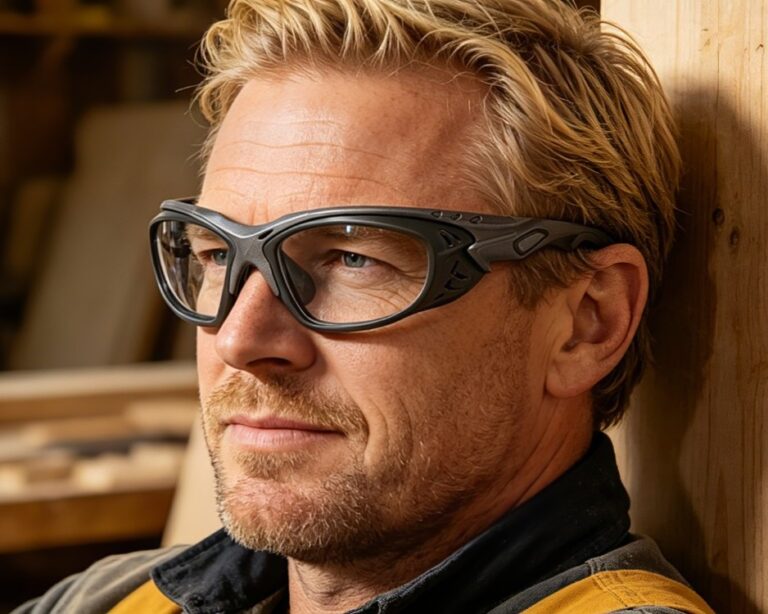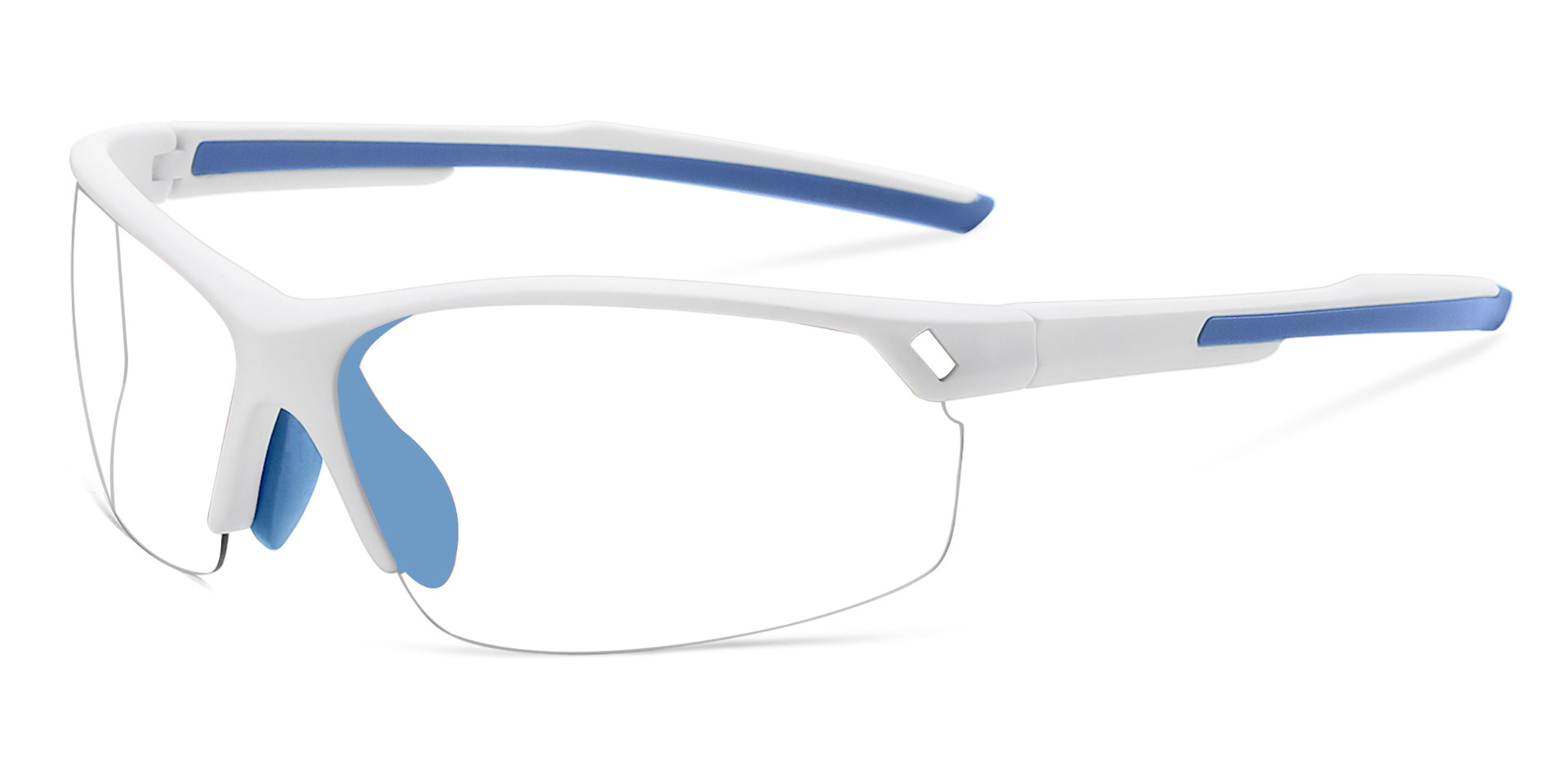
Eye protection is often treated as a simple workplace requirement, but the standards behind protective eyewear determine whether those glasses can genuinely prevent serious injuries. For professionals who require vision correction, choosing ANSI Z87.1 prescription safety glasses means selecting eyewear that has been tested to perform under demanding conditions.
Whether you work in manufacturing, engineering, laboratories, construction, or industrial environments, understanding safety certifications helps you make informed purchasing decisions. Terms such as ANSI, CE, and UKCA appear frequently when shopping for protective eyewear, yet many buyers are unsure what these markings actually signify.
This guide explains what these standards mean, why they matter, and how they help ensure your eyewear delivers dependable protection when it is needed most.
Why Safety Standards Exist
Workplace eye injuries remain one of the most common occupational accidents worldwide. Many incidents occur because workers wear inadequate or uncertified eyewear.
Safety standards exist to ensure protective glasses meet minimum performance requirements for:
- Impact resistance
- Optical clarity
- Lens retention
- Frame durability
- Coverage and side protection
- Resistance to workplace hazards
Without recognised testing standards, there would be no reliable way to determine whether protective eyewear could withstand real-world conditions.
Simply put, safety standards separate genuine protection from ordinary eyewear.
Understanding ANSI Z87.1 Prescription Safety Glasses
The American National Standards Institute developed ANSI Z87.1 to establish performance requirements for occupational eye and face protection.
When purchasing ANSI Z87.1 prescription safety glasses, buyers can be confident that the eyewear has undergone extensive laboratory testing designed to evaluate its ability to protect against workplace hazards.
Testing typically includes:
| Test Category | Purpose |
| High-Mass Impact | Protection against falling objects |
| High-Velocity Impact | Protection from airborne particles |
| Lens Retention | Ensures lenses remain secure |
| Optical Quality | Confirms distortion-free vision |
| Coverage Testing | Verifies adequate eye protection |
Frames and lenses that successfully pass these tests receive specific certification markings.
For workers requiring prescription correction, certified eyewear combines visual precision with proven impact protection.
What Does the “Z87+” Mark Mean?
Many users notice markings such as “Z87” or “Z87+” on lenses and frames.
The difference is important.
Z87
Products marked “Z87” have passed basic impact and safety testing requirements.
Z87+
Products marked “Z87+” have met additional high-impact performance standards.
These products are specifically designed for environments involving:
- Flying debris
- Metal fragments
- Powered equipment
- High-speed particles
- Industrial machinery
For workers in higher-risk occupations, ANSI Z87.1 safety glasses carrying the Z87+ designation are often recommended.
How ANSI Standards Compare With CE Safety Glasses
While ANSI standards dominate North America, Europe primarily uses CE certification.
CE safety glasses comply with European regulations that evaluate protective performance under standards such as EN166.
Although both ANSI and CE standards focus on eye protection, their testing procedures differ.
Key Differences
| Feature | ANSI Z87.1 | CE / EN166 |
| Primary Region | North America | Europe |
| Impact Testing | High-mass and high-velocity tests | Mechanical strength classifications |
| Certification Markings | Z87 / Z87+ | CE markings |
| Regulatory Basis | ANSI standard | European conformity legislation |
Neither system is necessarily “better.” Instead, each standard ensures eyewear satisfies the requirements established within its respective market.
Professionals working internationally often prefer eyewear carrying multiple certifications.
What Is UKCA Safety Eyewear?
Following Brexit, the United Kingdom introduced UKCA certification to replace CE marking for many regulated products.
UKCA safety eyewear demonstrates compliance with applicable UK regulations governing personal protective equipment.
The UKCA mark performs a role similar to CE certification but applies specifically to products sold within Great Britain.
Workers and employers purchasing safety eyewear in the UK should ensure products meet current regulatory requirements.
Many manufacturers now provide products carrying:
- ANSI certification
- CE certification
- UKCA certification
Multiple certifications offer added reassurance that the product has undergone extensive testing.
Why Certification Matters More Than Appearance
Modern safety eyewear has become increasingly stylish, leading some buyers to prioritise appearance over performance.
This can be a costly mistake.
Regular prescription glasses may resemble safety eyewear but often lack:
- Impact-resistant lenses
- Reinforced frame construction
- Side protection
- Certified testing
Under impact, ordinary lenses can fracture or shatter.
Certified ANSI Z87.1 prescription safety glasses are specifically engineered to absorb and distribute impact forces while maintaining structural integrity.
Protection should always come before aesthetics.
How to Verify Genuine Certification
Not all products marketed as “safety glasses” actually satisfy recognised testing standards.
Before purchasing, inspect both the lenses and frames.
Look for These Markings
ANSI Products
- Z87
- Z87+
European Products
- CE markings
- EN166 classifications
UK Products
- UKCA markings
If certification markings are missing entirely, buyers should proceed cautiously.
Authentic protective eyewear clearly displays its compliance information.
Interestingly, many professionals upgrading their workplace eyewear first research industry guidance before purchasing, particularly when comparing safety certifications and performance expectations.
Industries That Depend on Certified Safety Eyewear
Safety standards matter across numerous sectors.
Common industries requiring certified eyewear include:
Industrial and Manufacturing
Workers regularly face risks from:
- Metal shavings
- Grinding particles
- Machinery debris
Construction
Hazards frequently include:
- Dust
- Flying materials
- Falling objects
Laboratories
Researchers may encounter:
- Chemical splashes
- Biological hazards
- Particulate exposure
Automotive Repair
Technicians often work around:
- Sparks
- Fluids
- Airborne debris
Even hobbyists performing home DIY projects benefit significantly from certified protection.
Choosing the Right Safety Eyewear
When selecting protective glasses, ask yourself the following questions:
Workplace Assessment Checklist
- Do you require prescription lenses?
- Are high-speed particles present?
- Will you wear the glasses all day?
- Is side protection necessary?
- Do you work indoors, outdoors, or both?
- Will the glasses be worn alongside other PPE?
Answering these questions helps narrow your choices.
Professionals needing dependable protection frequently prioritise lightweight frames, durable polycarbonate lenses, and recognised certification standards.
RxSport UK offers a wide selection of certified prescription safety eyewear designed to meet the needs of workers across diverse industries.
Common Myths About Safety Standards
Myth: Any Protective-Looking Glasses Are Safe
False.
Appearance alone does not indicate certification.
Myth: Regular Prescription Glasses Are Sufficient
Incorrect.
Everyday eyewear is not tested for occupational hazards.
Myth: Certified Glasses Are Bulky
Modern safety eyewear has evolved considerably. Many designs now combine protection with lightweight comfort and contemporary styling.
Myth: Certification Only Matters at Work
DIY projects, gardening, woodworking, and home repairs can all create serious eye hazards.
Protection matters wherever risks exist.
Conclusion
Safety certifications provide far more than technical labels. They represent rigorous testing designed to protect vision in hazardous environments. Understanding the differences between ANSI Z87.1 prescription safety glasses, ANSI Z87.1 safety glasses, CE safety glasses, and UKCA safety eyewear enables buyers to make informed decisions based on their working conditions and regulatory requirements.
Whether used in industrial workplaces, laboratories, construction sites, or home workshops, certified protective eyewear delivers the confidence that your vision is protected by proven standards rather than assumptions.