Why Everyday Glasses May Fall Short on a Motorcycle
Ordinary optical frames are designed for routine use, not constant airflow, helmet pressure and rapid changes in speed. They may move when you turn your head, let wind reach your eyes or press beneath close-fitting padding.
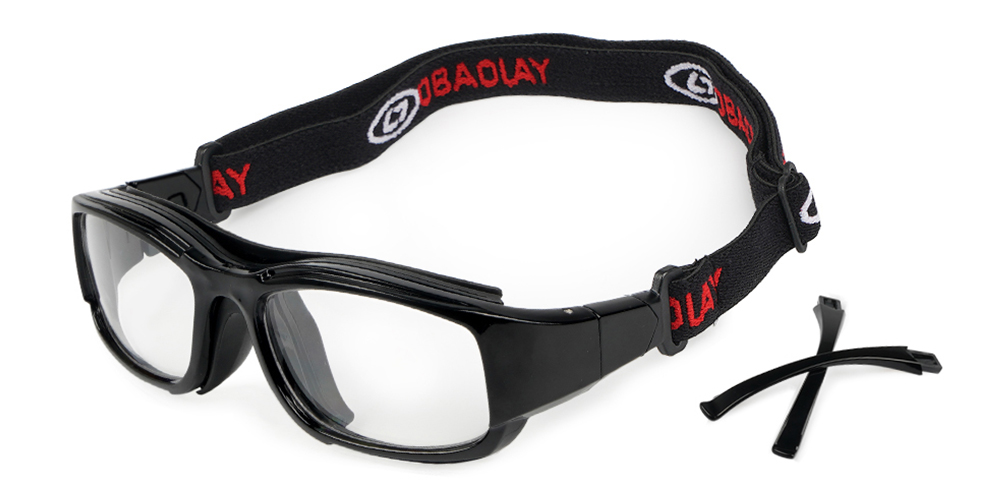
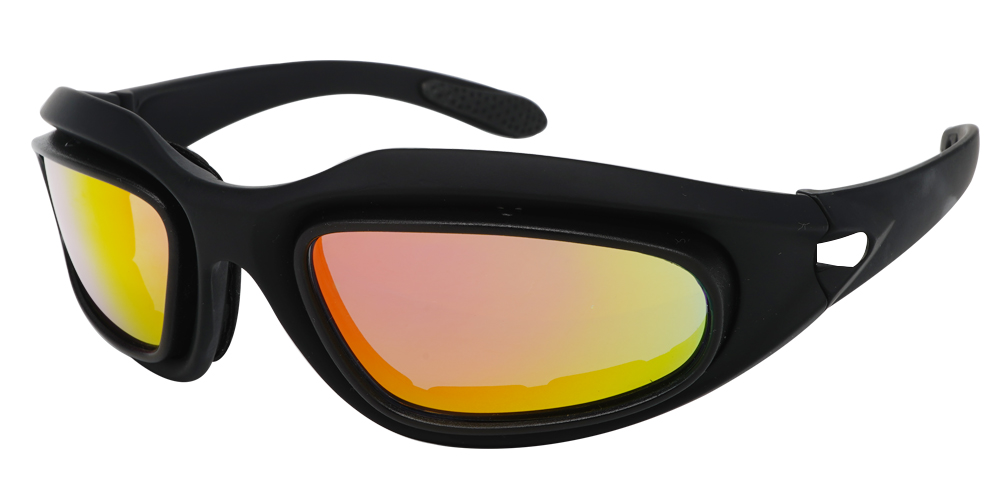
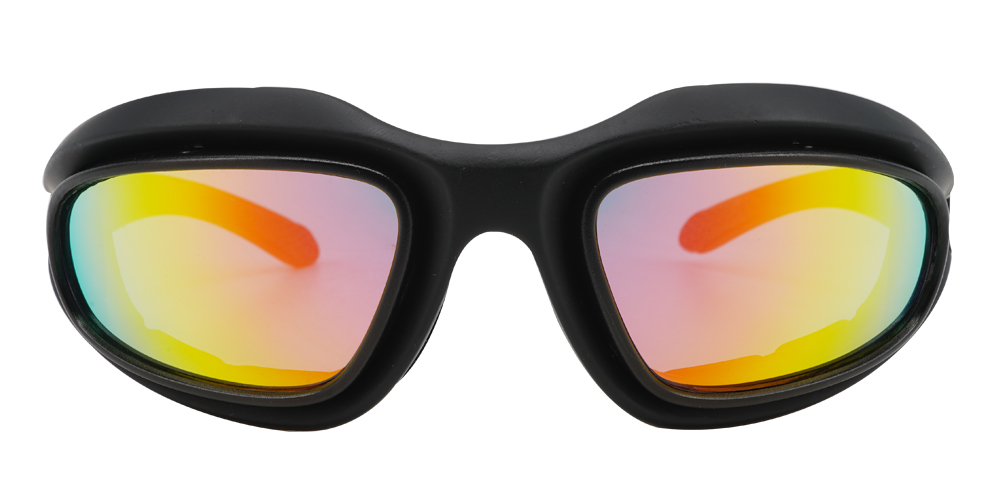
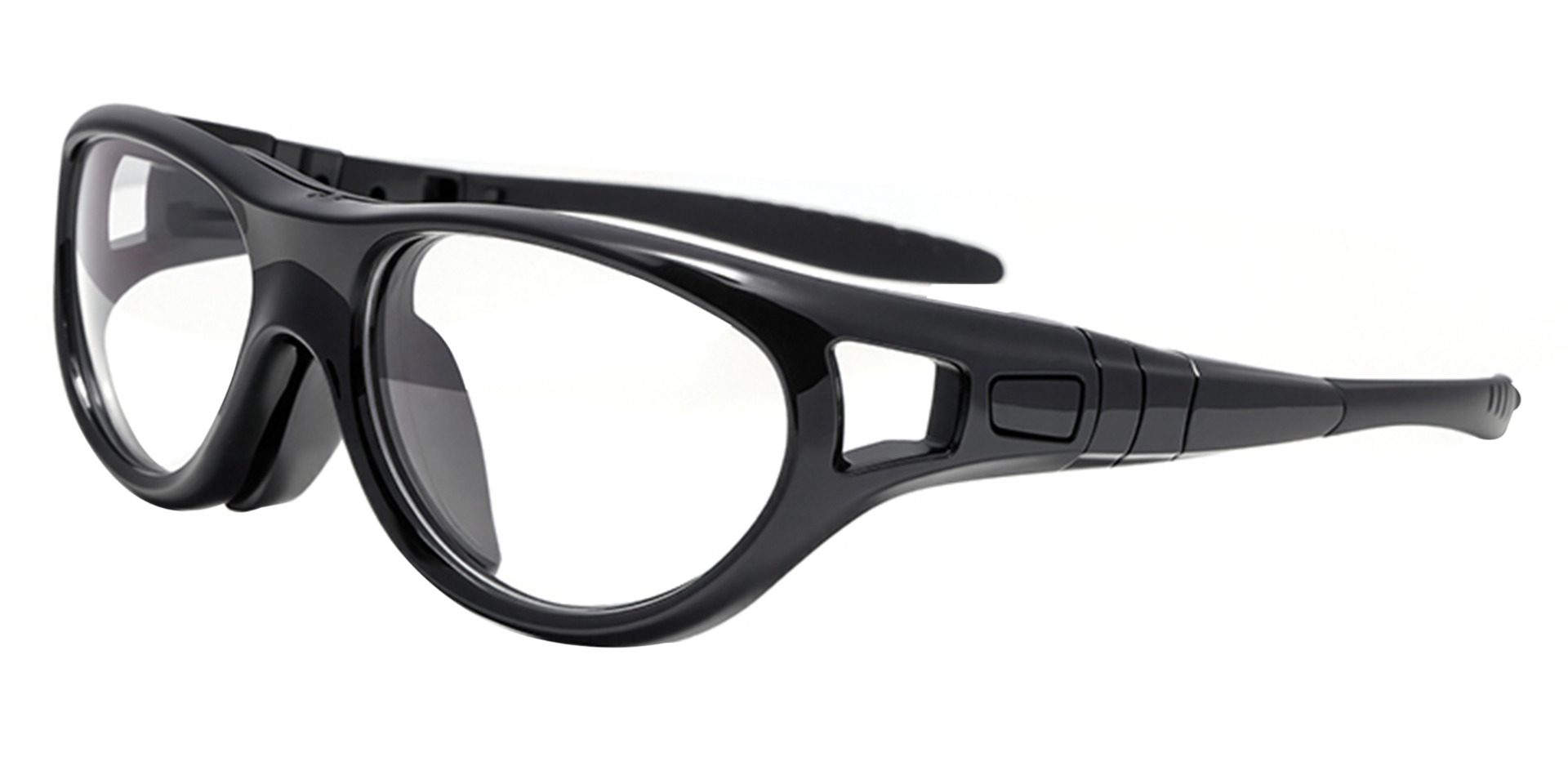
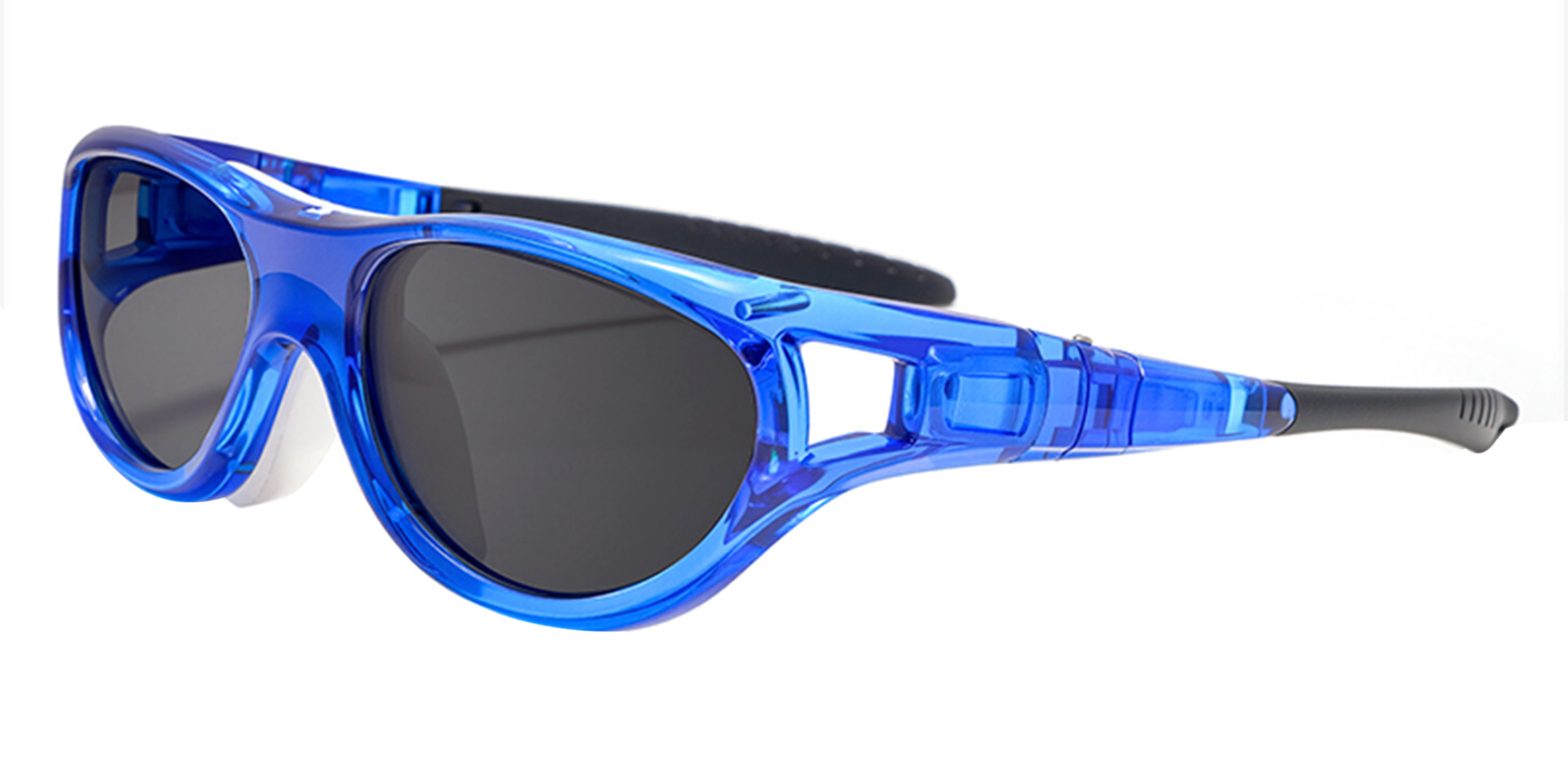
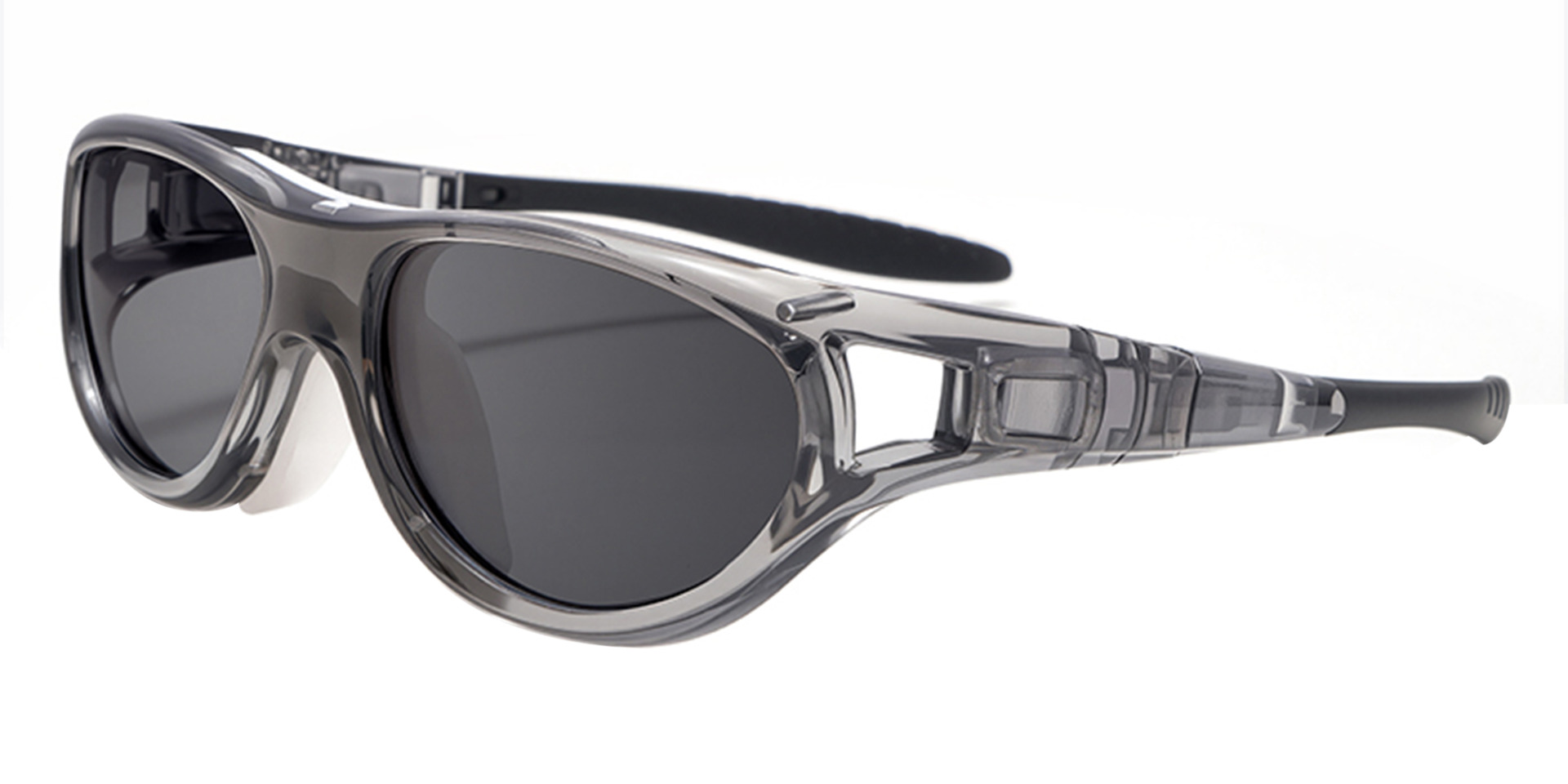
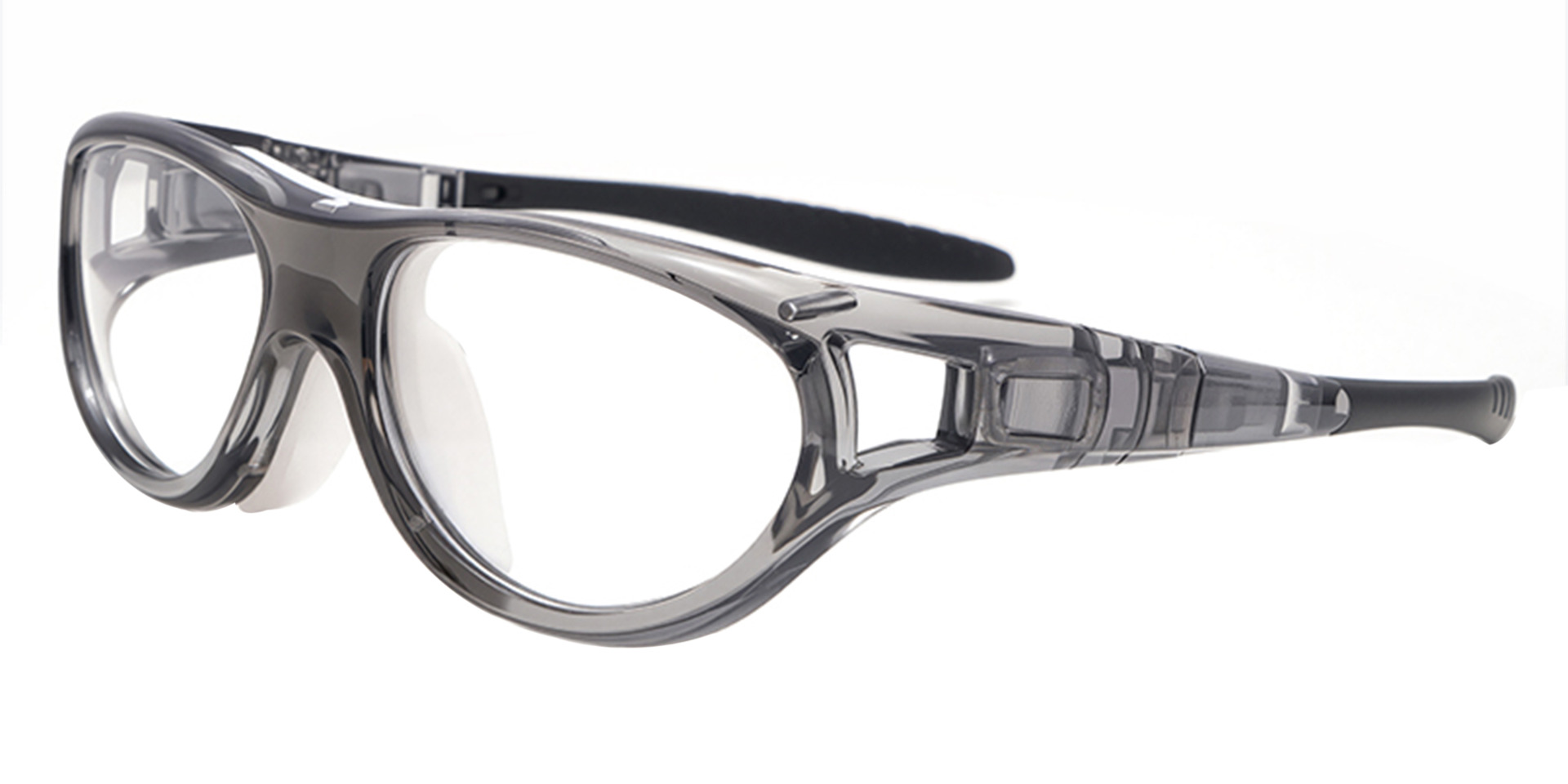
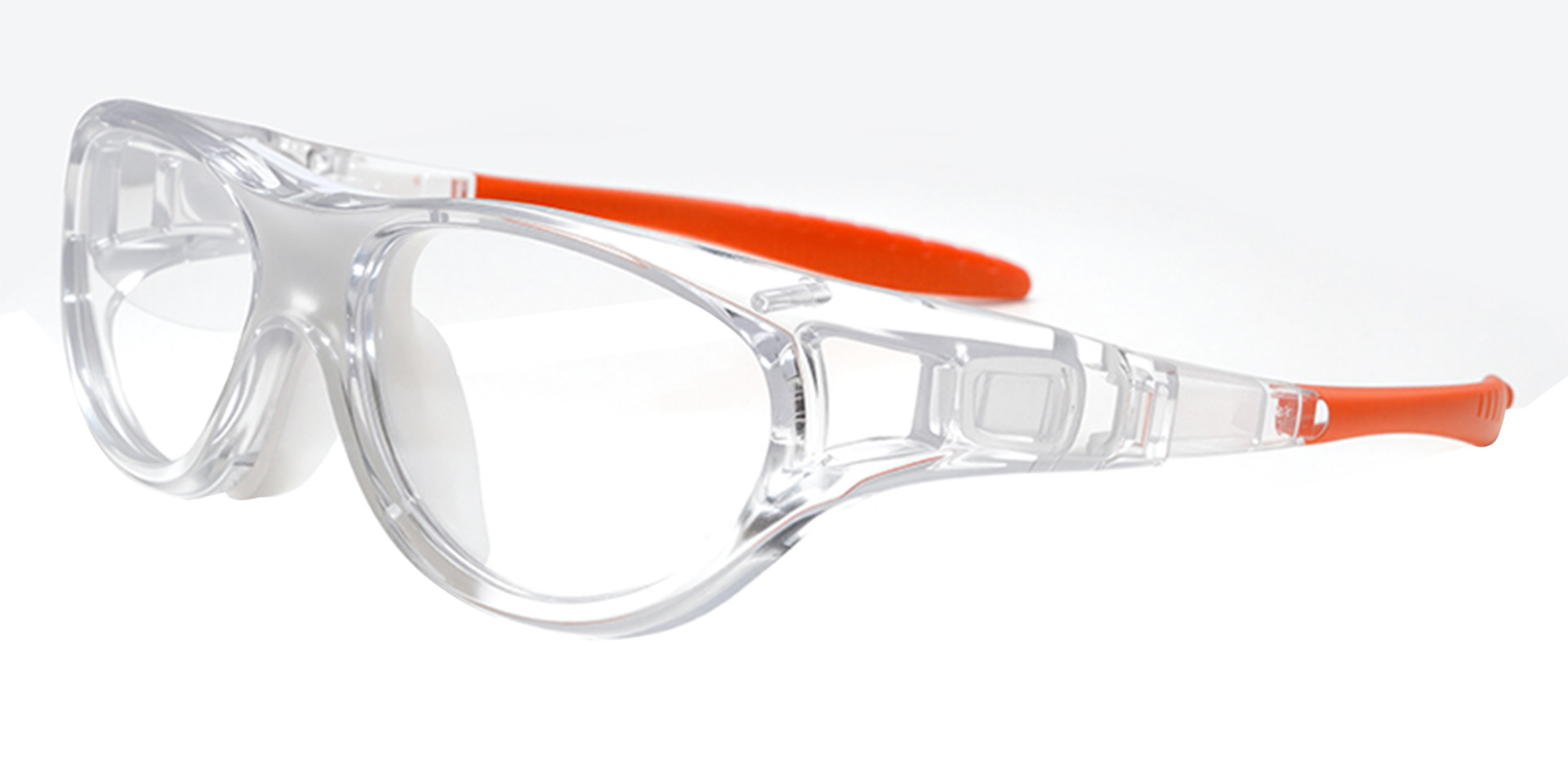
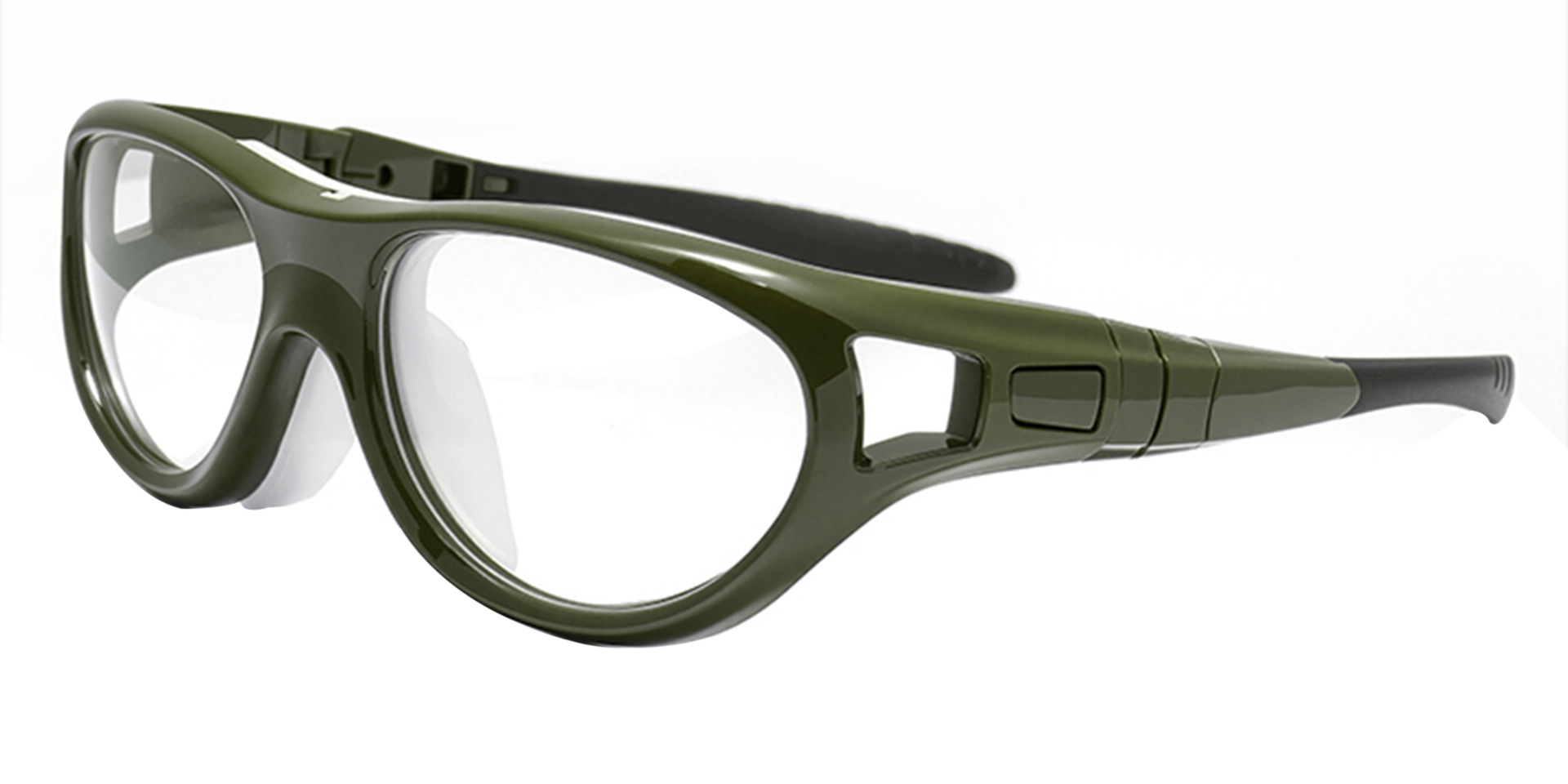
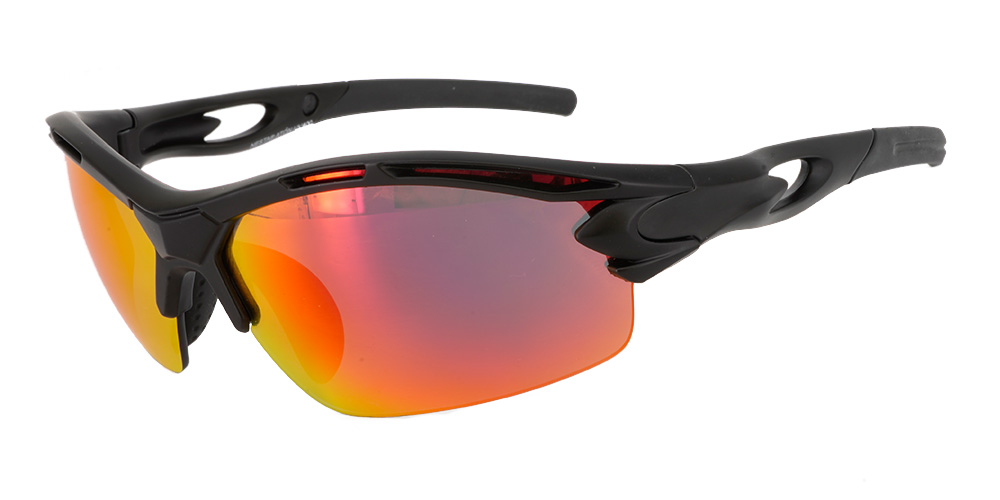
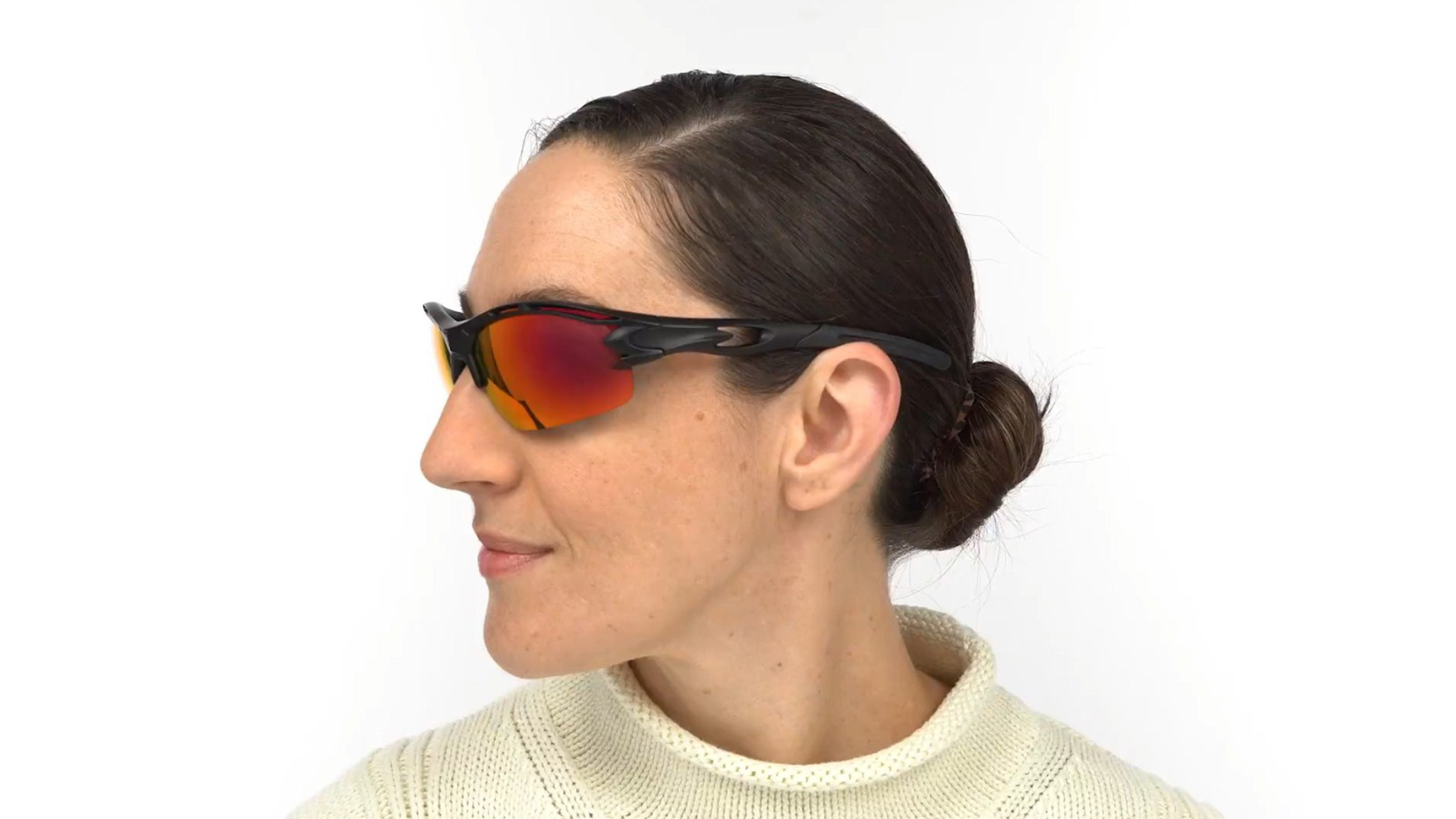
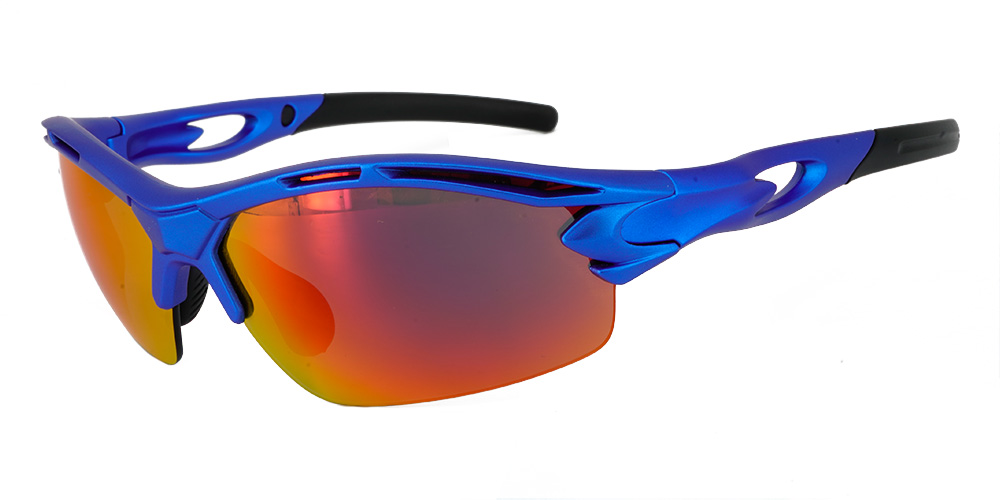
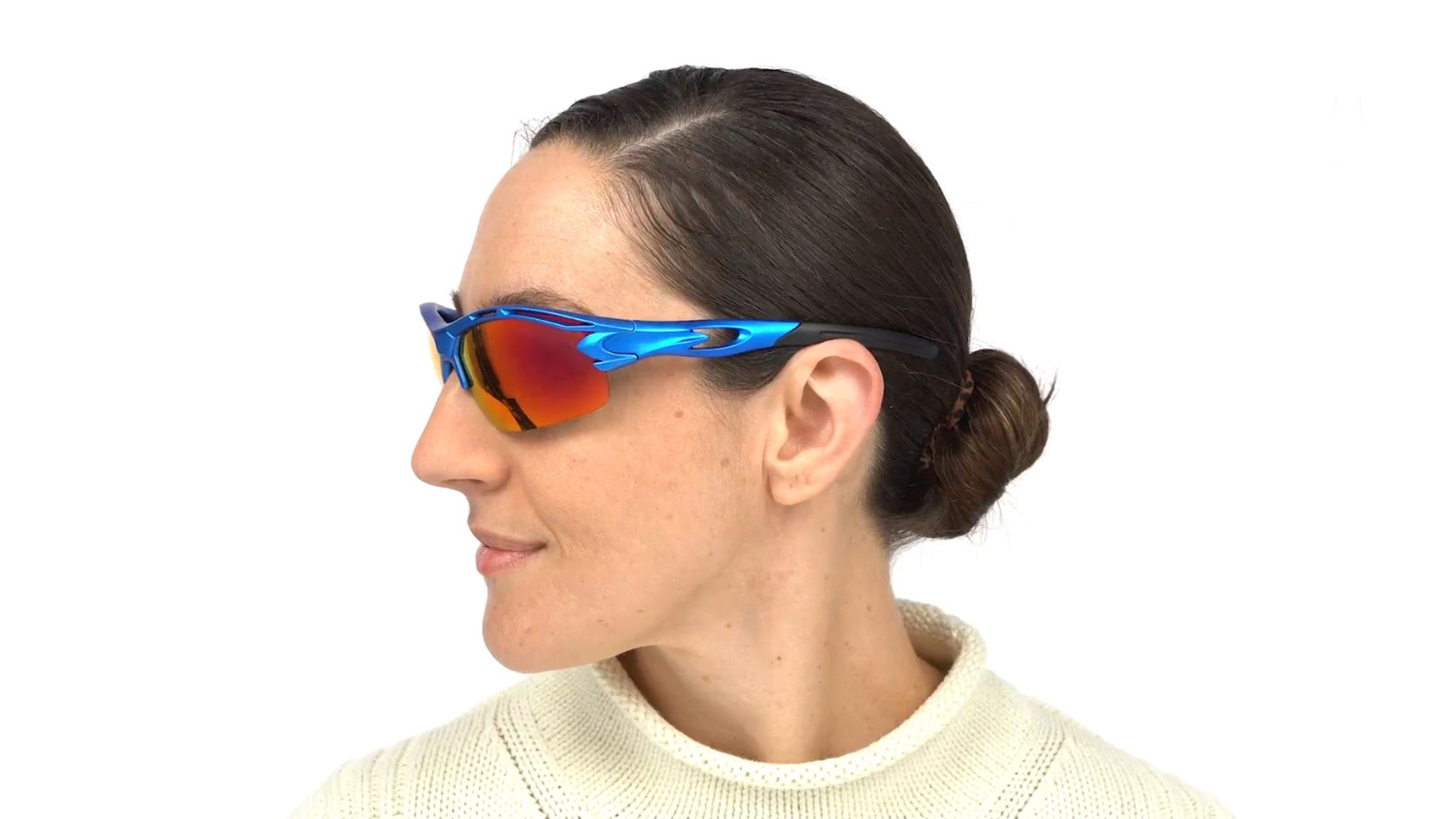
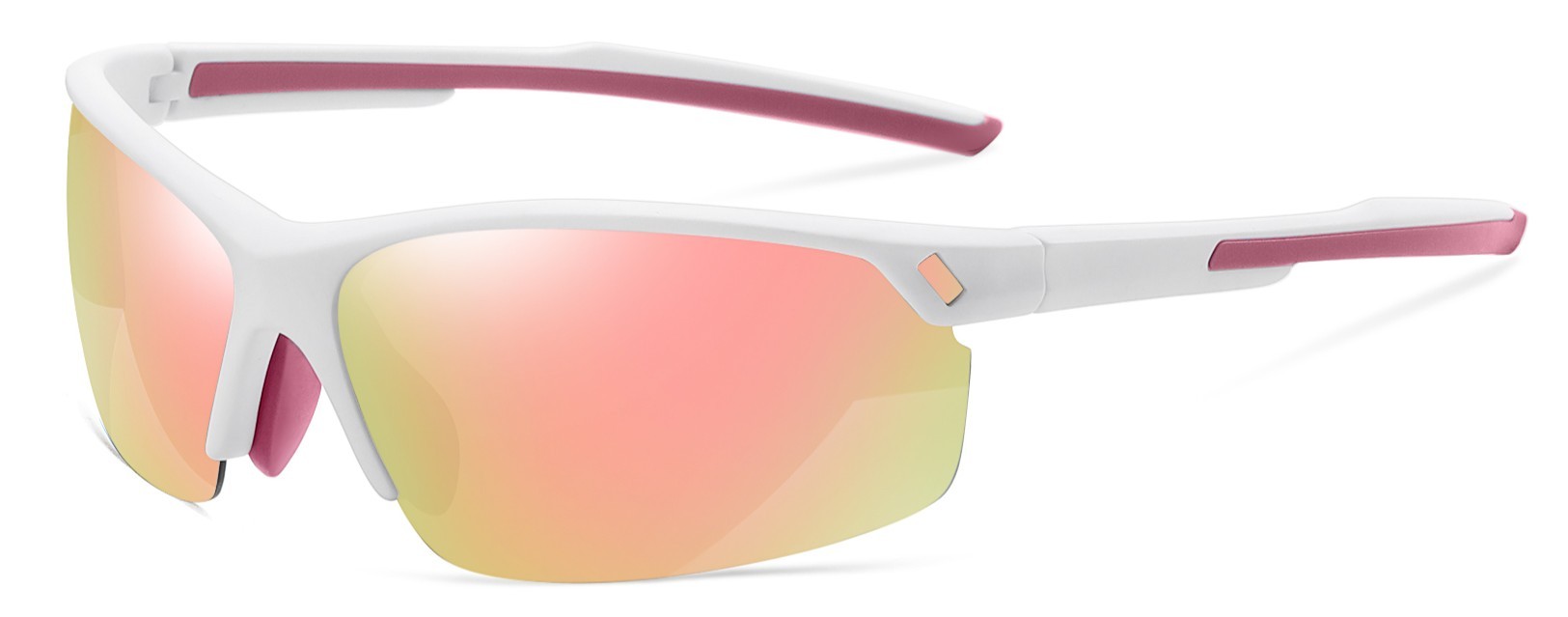
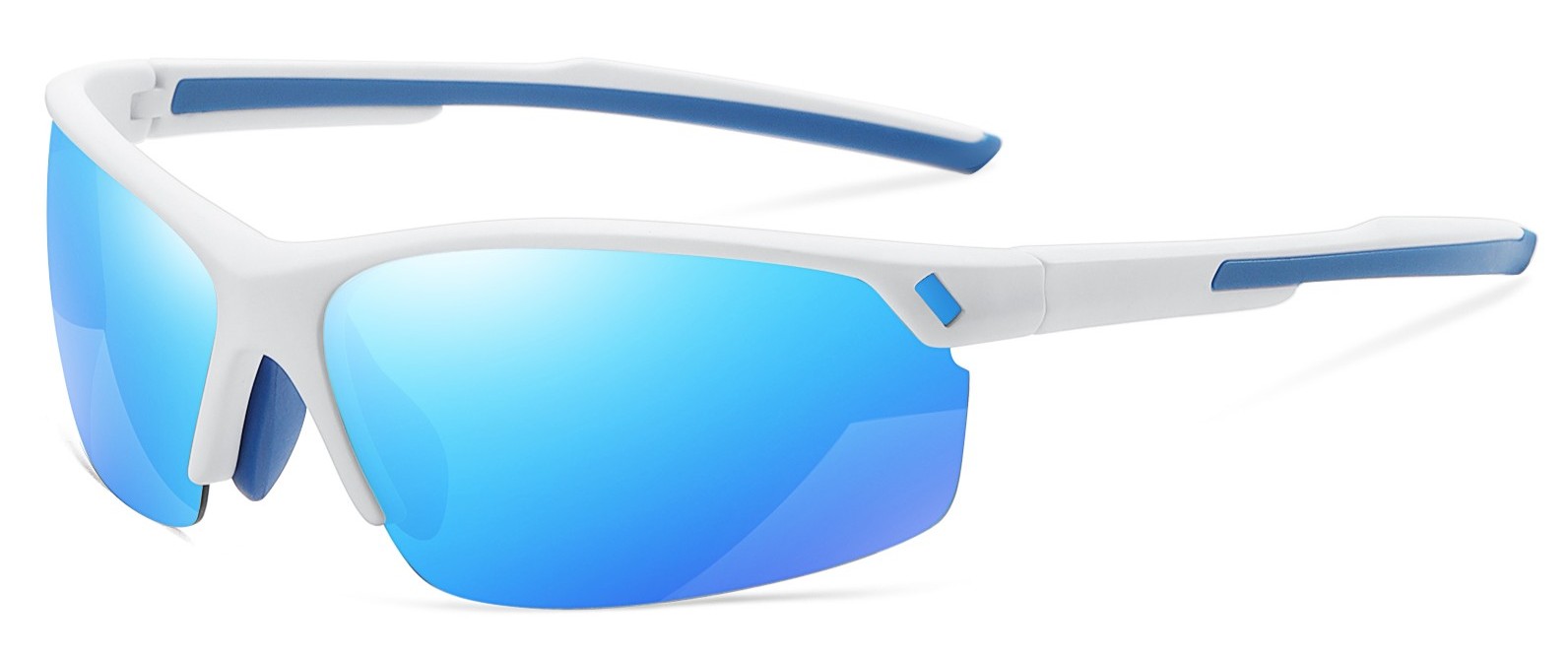
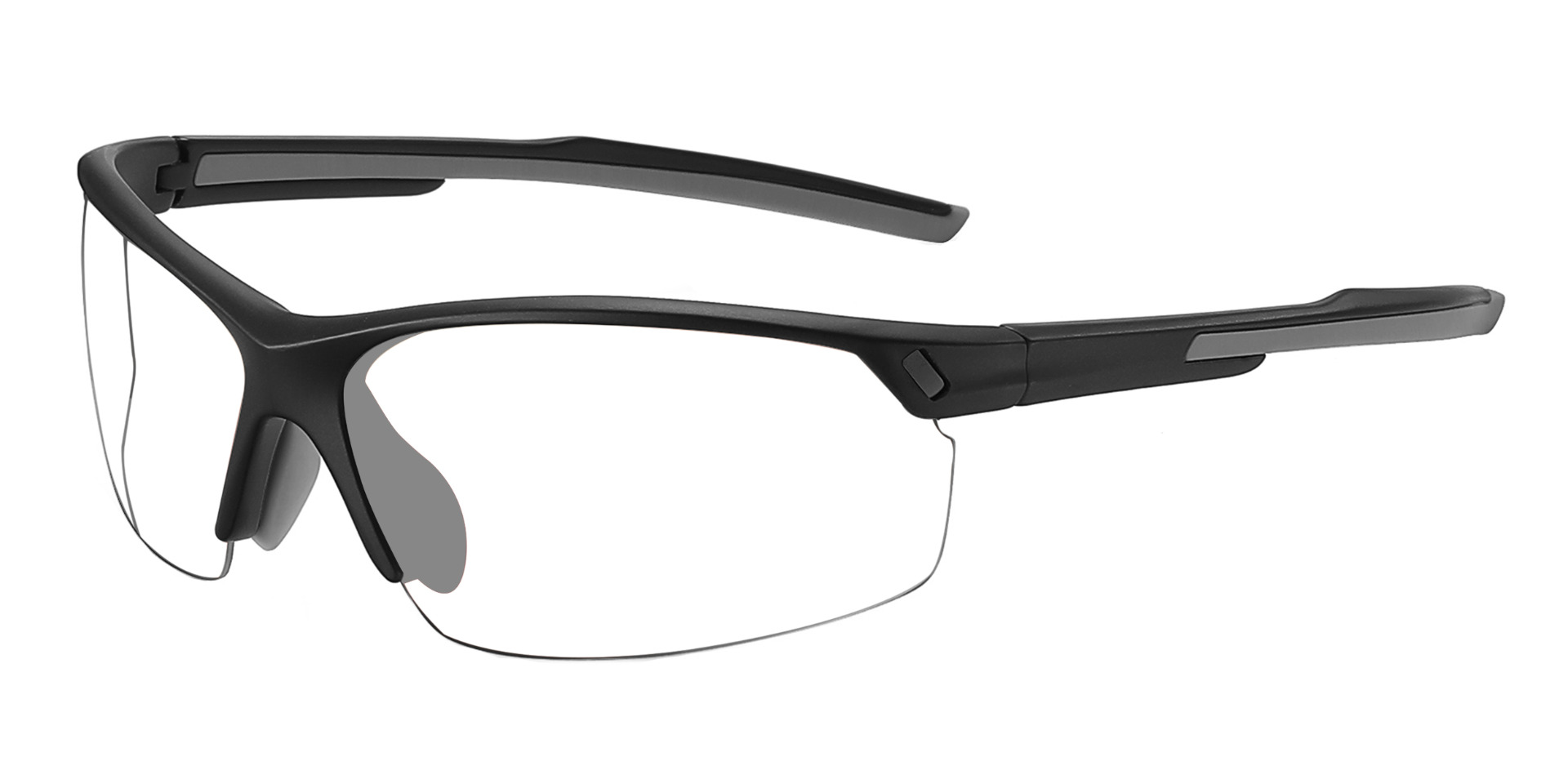
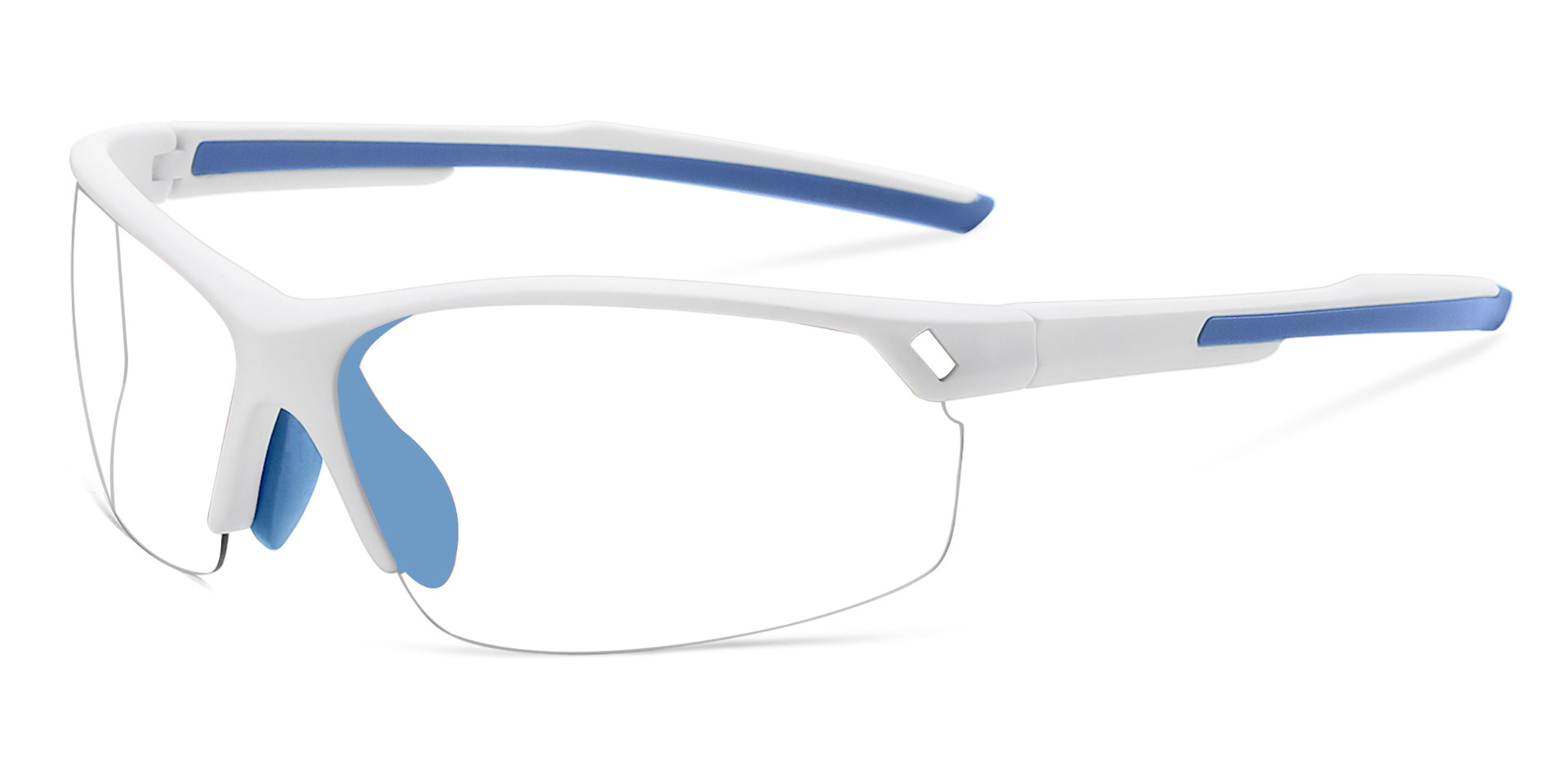
Motorcycle glasses are shaped around riding demands. A secure wraparound frame can provide broader coverage, while grippy temples, straps or foam gaskets may help maintain stability. The right design depends on your helmet, face shape, prescription and whether you ride behind a full visor.
Riding eyewear should complement your helmet and visor rather than replace required protective equipment.
Glasses or Goggles: Which Format Suits Your Ride?
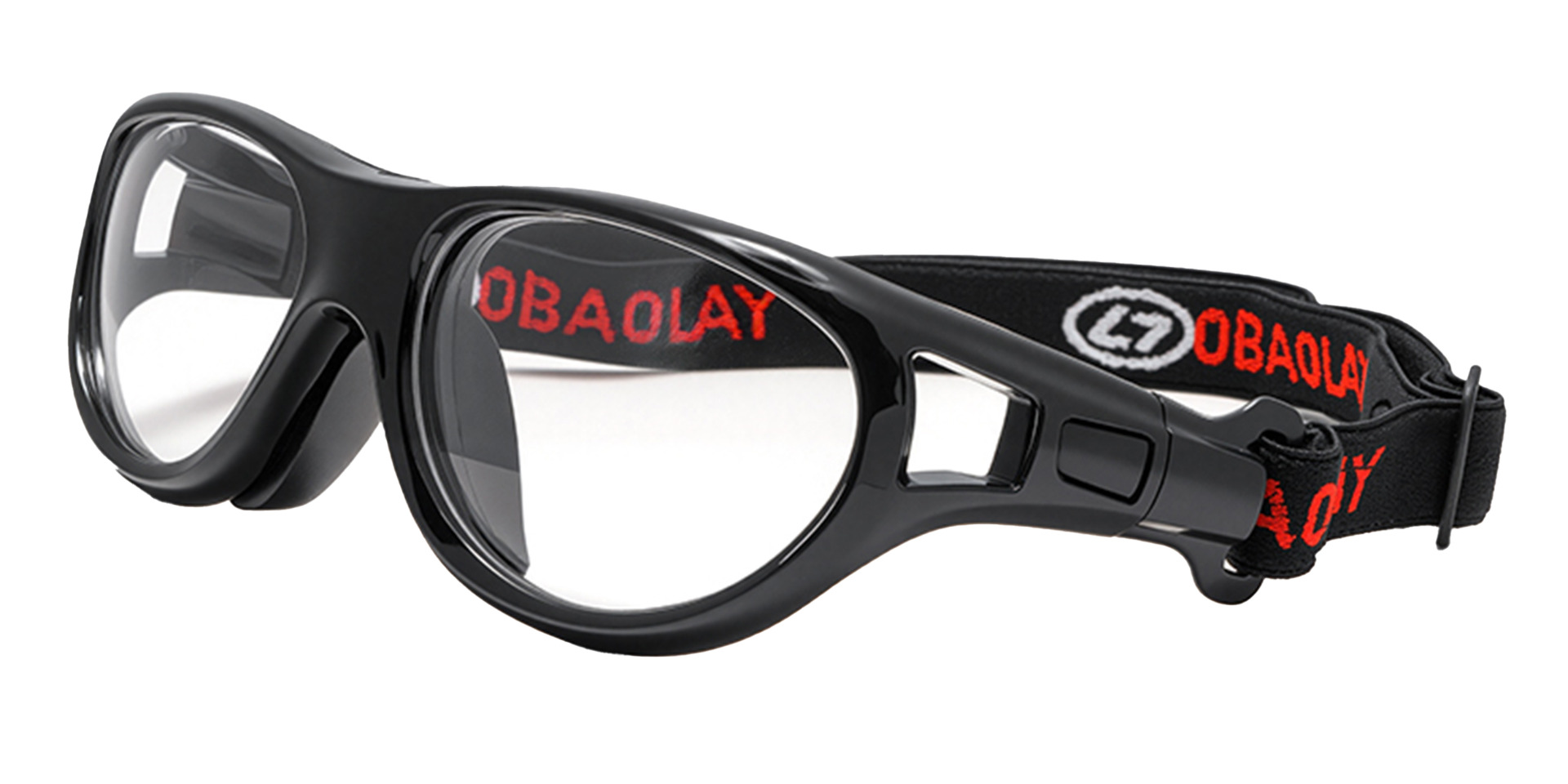
Close-fitting glasses are easy to remove, making them practical for commuting and touring. Prescription motorcycle goggles usually create a closer seal and use an adjustable strap, which may suit open-face helmets.
Consider:
- Helmet opening: The frame or goggle must fit comfortably within the eye port.
- Temple clearance: Glasses arms should sit beneath padding without pressure.
- Strap position: Goggle straps should remain secure without covering vents or controls.
- Peripheral vision: Rims and seals must not obstruct mirrors or shoulder checks.
- Face contact: Foam or cushioning should feel even around the eyes.
- Ventilation: Air channels can help manage heat and moisture.
Test the eyewear with your helmet before relying on it for a journey.
Prescription Lens Systems Explained
Prescription motorcycle glasses may use directly glazed lenses or an insert behind an outer lens. Direct glazing gives an integrated appearance, while an insert may allow the outer lens to be changed.
Compatibility depends on prescription strength, astigmatism, pupillary distance and frame curvature. Review each model before ordering. Use a current spectacles prescription; contact lens powers are not normally interchangeable.
Single-vision distance lenses suit many riders. Those who need to read instruments or navigation may consider bifocal or progressive options where available.
Lenses for British Roads and Weather
UK conditions can shift from bright sun to cloud, rain and low evening light. The best lens therefore matches when and where you ride.
Clear lenses maximise available light and are useful at night or beneath a tinted visor. Grey reduces brightness while keeping colours relatively neutral. Brown, bronze or copper may improve perceived contrast. Yellow or amber can make dull scenes appear brighter.
Photochromic lenses change tint in response to ultraviolet light and can suit variable daytime rides. They do not react instantly, and a visor or windscreen may limit activation by filtering ultraviolet light.
Prescription motorcycle sunglasses are intended for brighter daytime journeys. Avoid dark lenses after sunset or whenever they make signs, surfaces or hazards harder to see.
Polarised lenses reduce reflected glare from wet roads, but they may change the appearance of some digital displays. Check your instruments before choosing them.
Reducing Wind, Fog and Road Spray
Watery eyes can blur vision and make long journeys tiring. Wraparound coverage or a foam gasket may reduce airflow, but a tight seal can trap heat and moisture. Ventilation is especially useful in traffic. Anti-fog coatings can help, although no lens stays clear in every condition.
To support clear vision:
- Keep vents and foam sections free from dirt.
- Use products approved for coated optical lenses.
- Avoid wiping lenses with gloves or rough fabric.
- Let damp eyewear dry fully before storage.
- Open helmet vents where safe and appropriate.
- Replace worn straps, foam or nose components.
Selecting the Best Prescription Motorcycle Glasses
The best prescription motorcycle glasses should match your optical needs, remain comfortable beneath your helmet and preserve side vision. Compare frame width, bridge shape, temple length, prescription range and lens materials.
Put on your helmet and reproduce normal riding movements. Look towards both mirrors, complete shoulder checks and lower your gaze towards the instruments. The eyewear should remain level without pinching, slipping or blocking your view.
For prescription motorcycle glasses UK riders can use across several seasons, versatile lens options may be more useful than one fixed tint. Prescription motorcycle riding glasses should also be comfortable during fuel, café and touring stops.
Rinse away road film, insects and grit before wiping. Use clean water, suitable lens cleaner and a microfibre cloth. Store the eyewear in a protective case, and replace it if the frame, lenses, straps or foam become damaged.