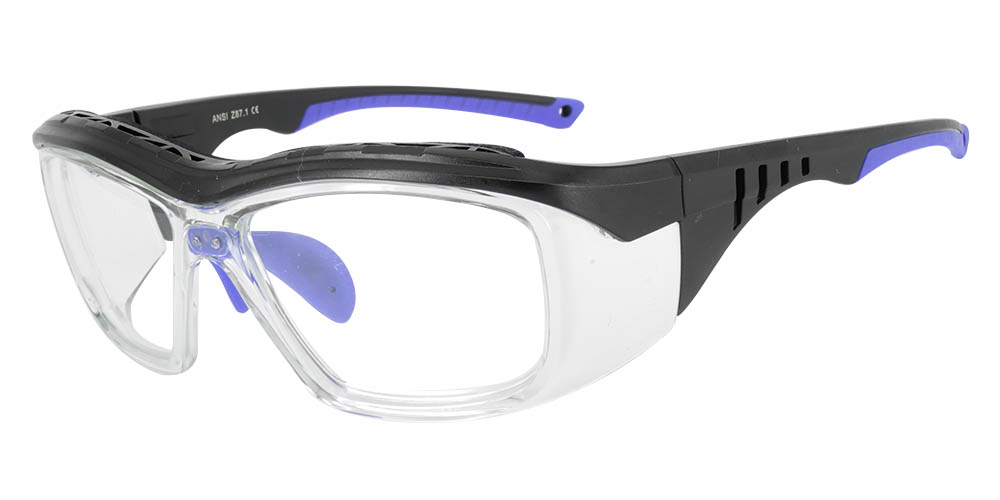
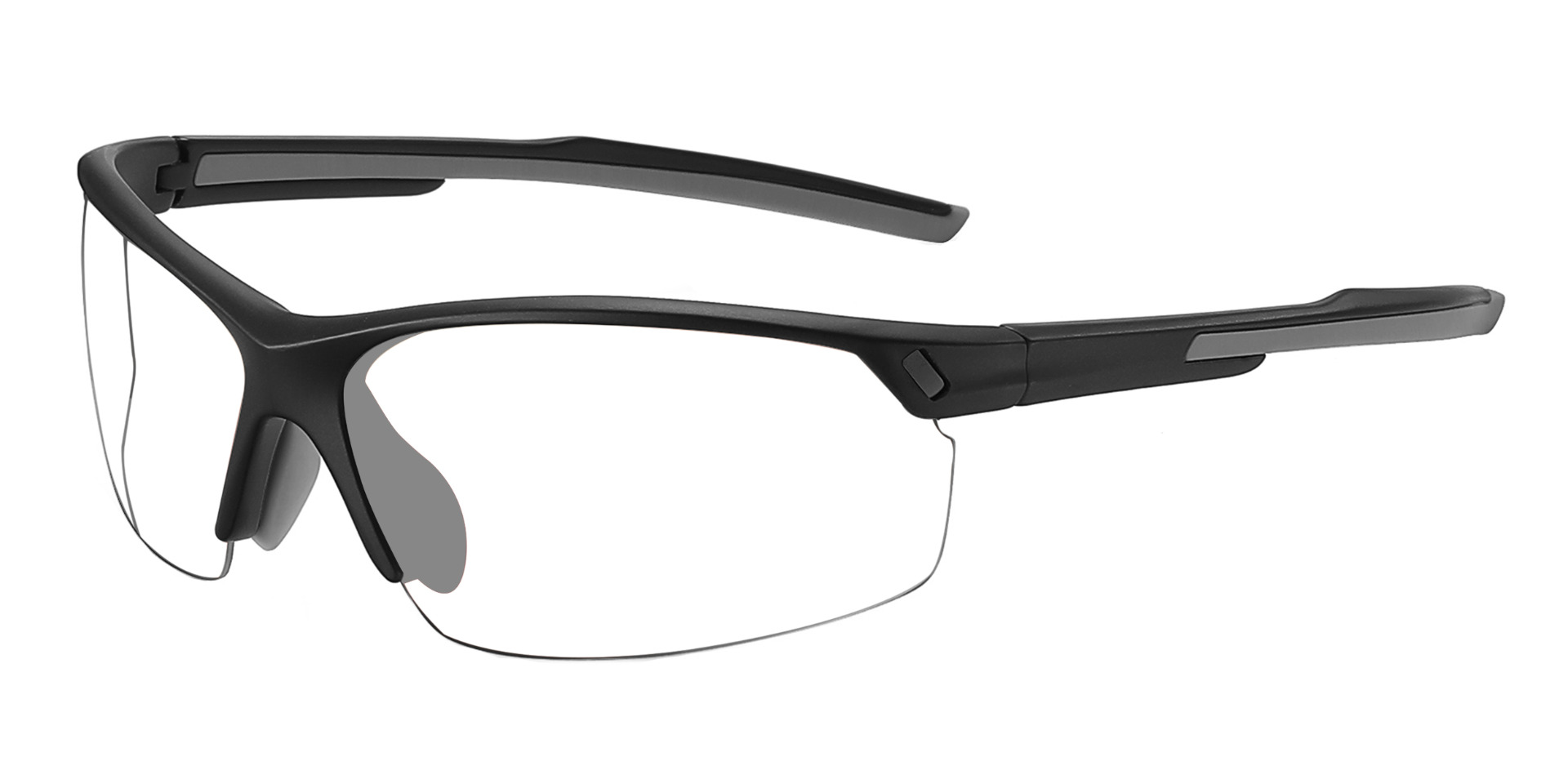
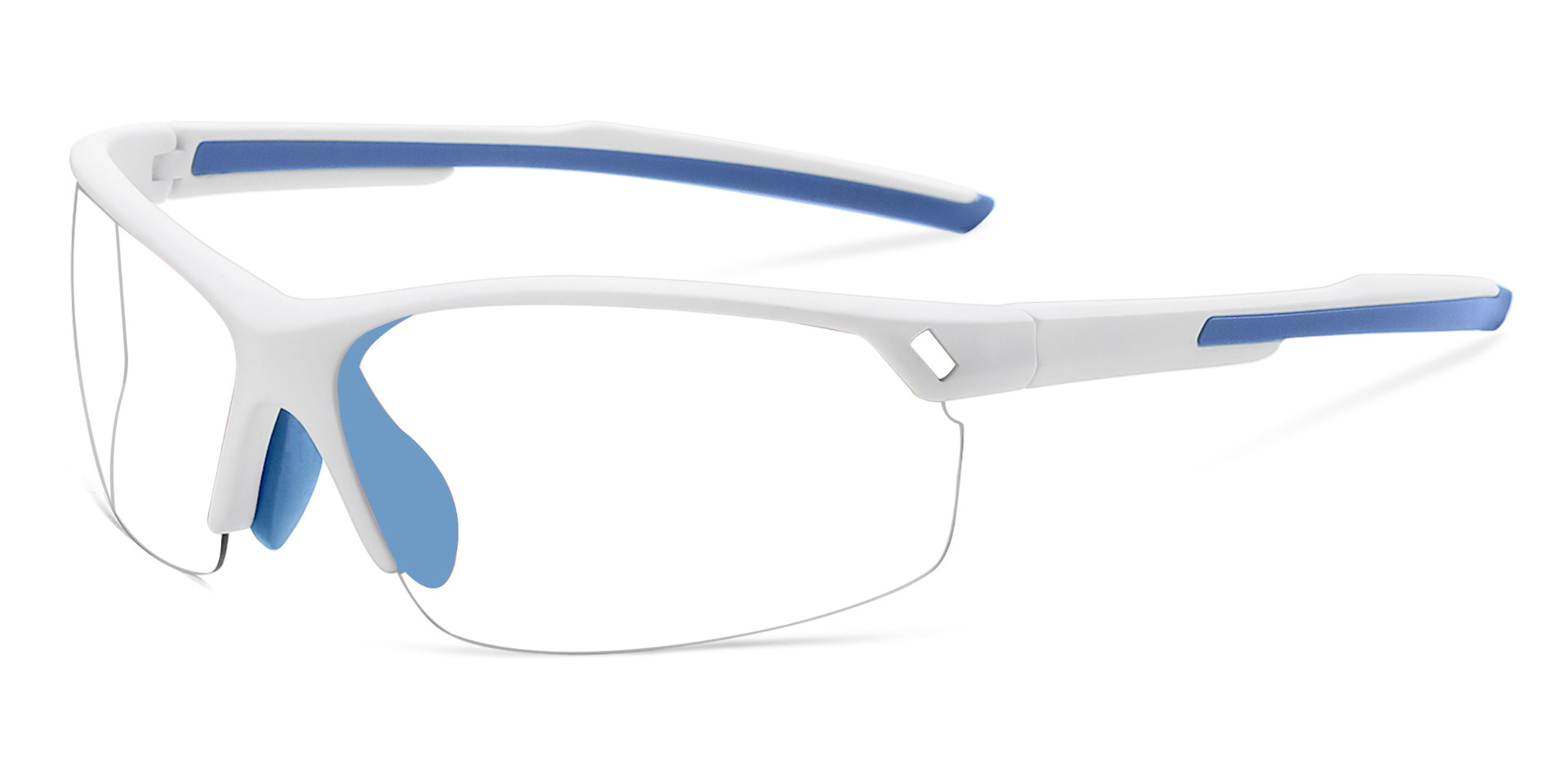
Start with the Hazard
Safety eyewear is not one-size-fits-all. The right choice depends on what could reach your eyes, how the task is carried out and which other equipment you must wear. Dust, flying particles, liquid splashes and chemical mist may require different protection.
Work goggles should be chosen through a risk assessment, not because they look robust. Read the instructions, check the markings and confirm that the stated protection suits the job. When a face shield or other PPE is required, goggles form part of that wider setup rather than replacing it.
Goggles Versus Safety Glasses
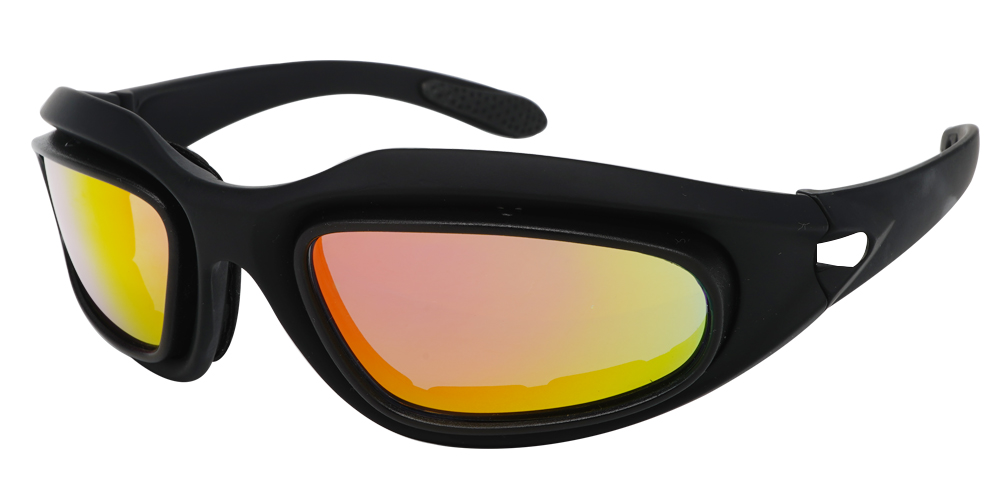
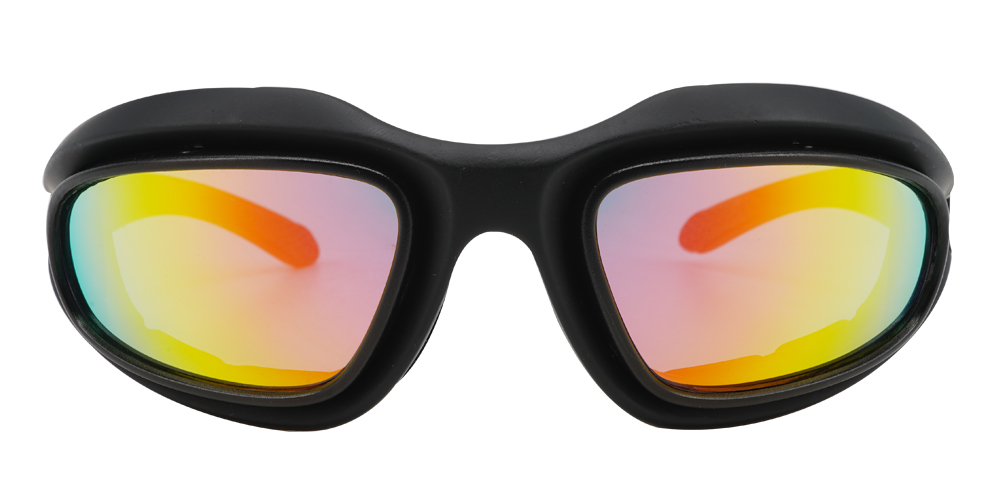
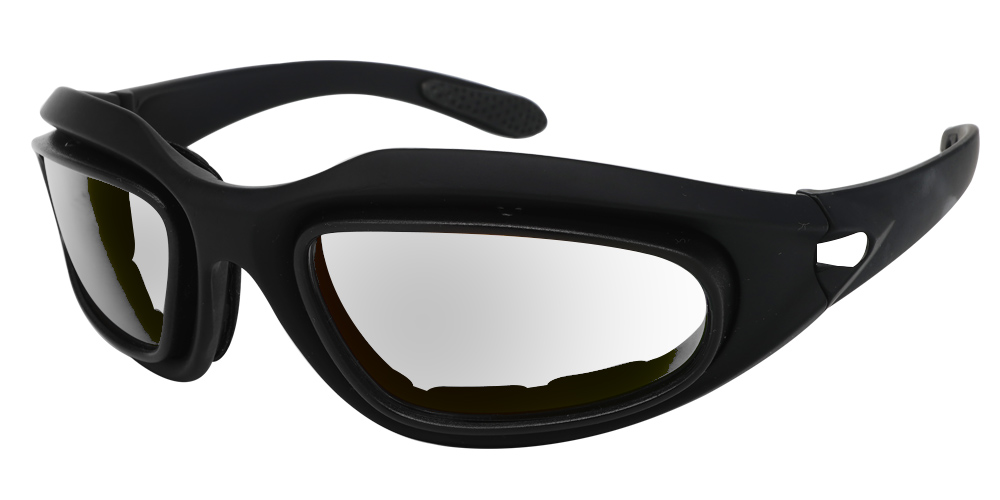
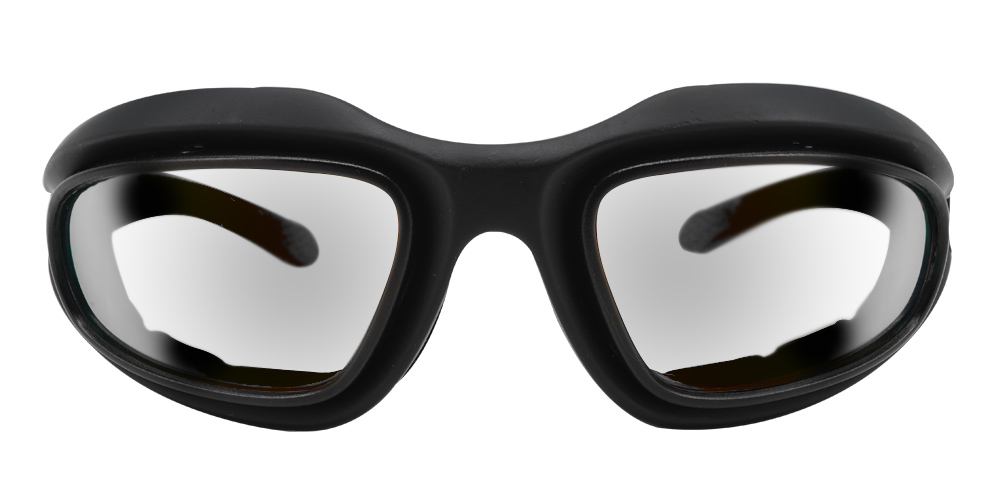
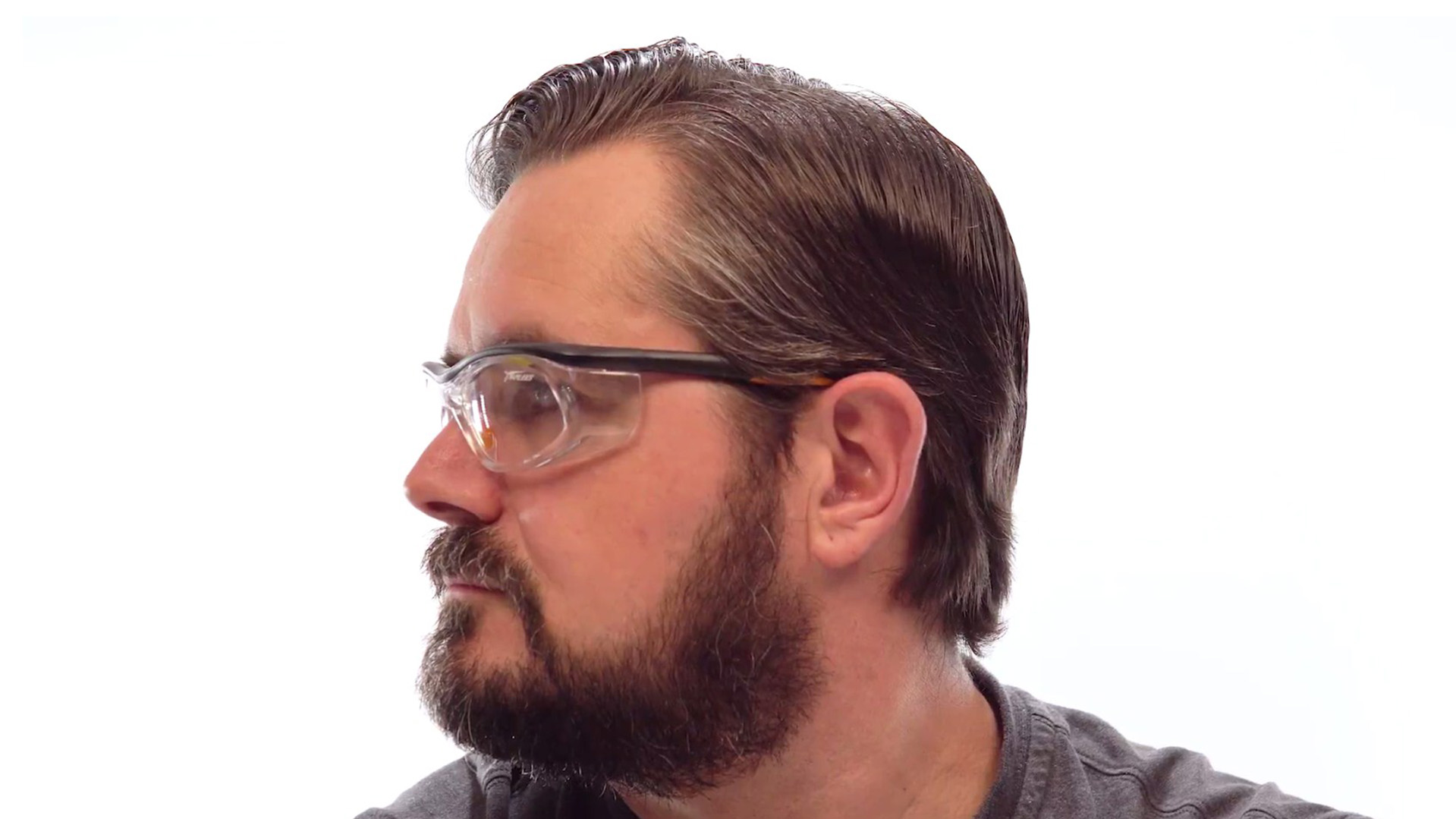
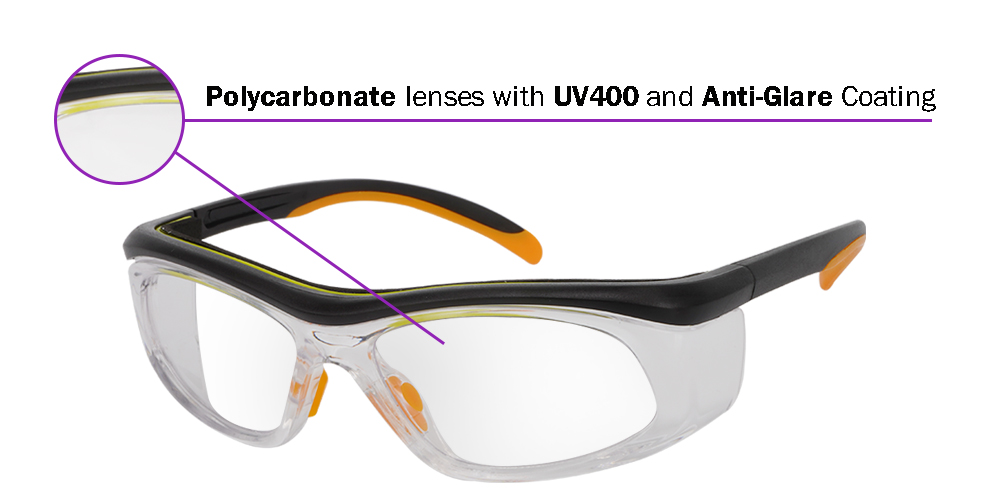
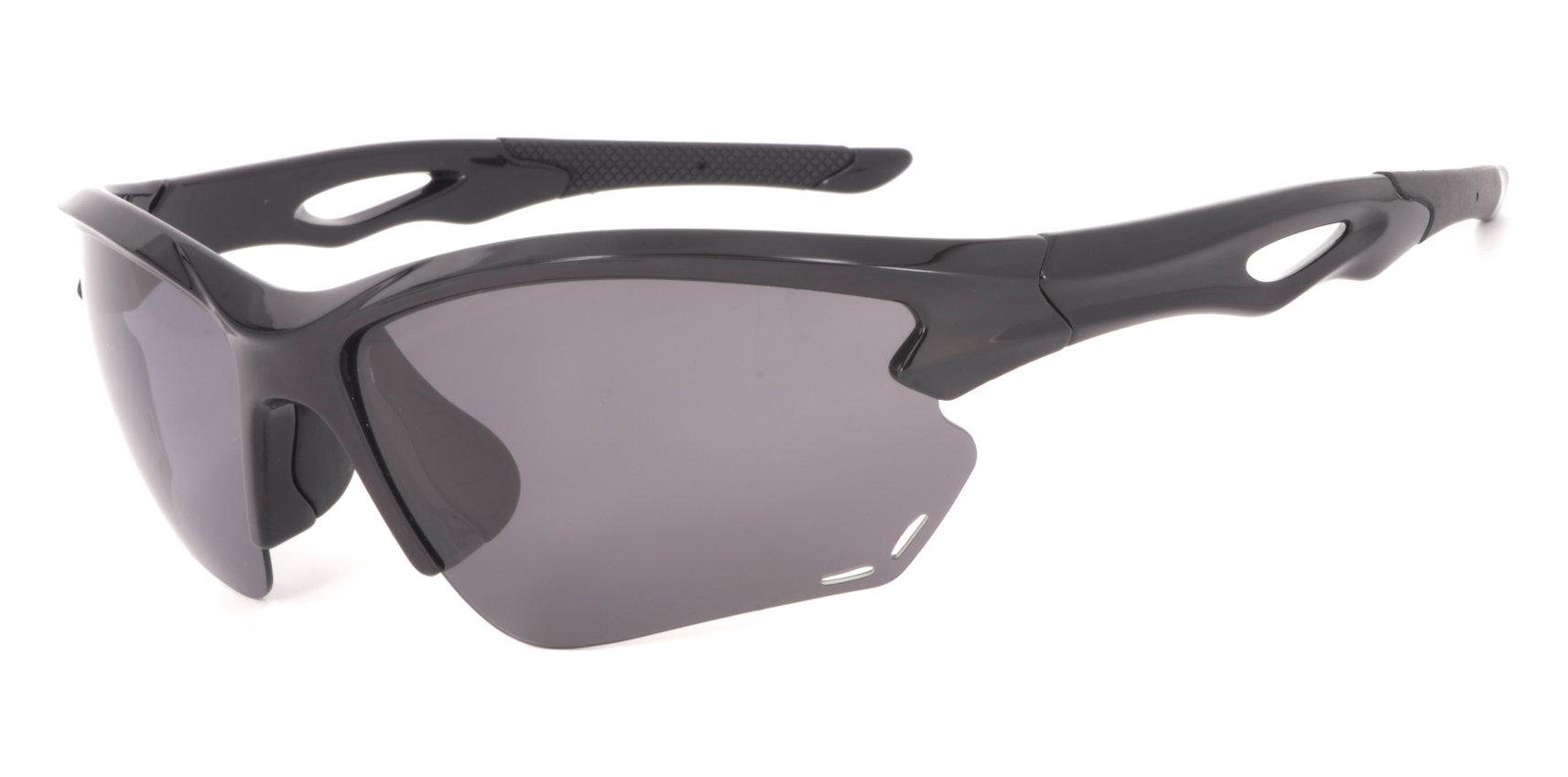
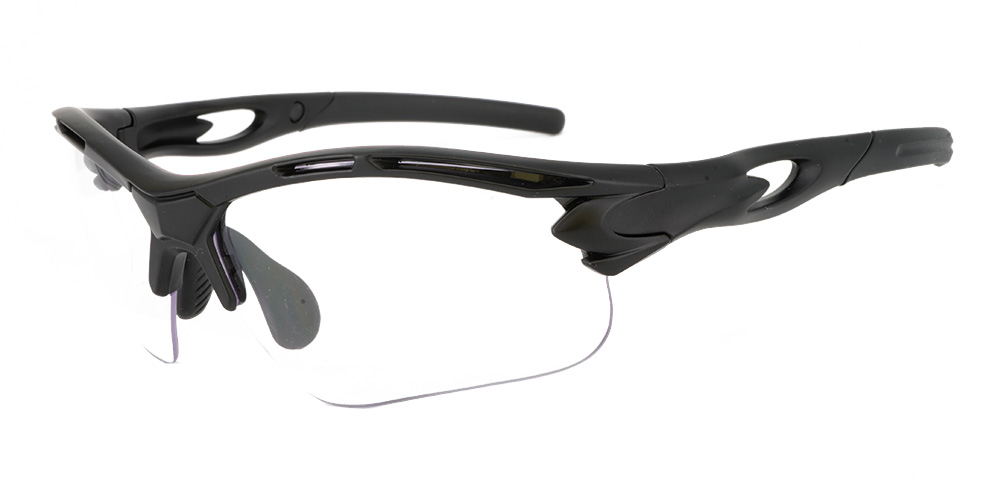
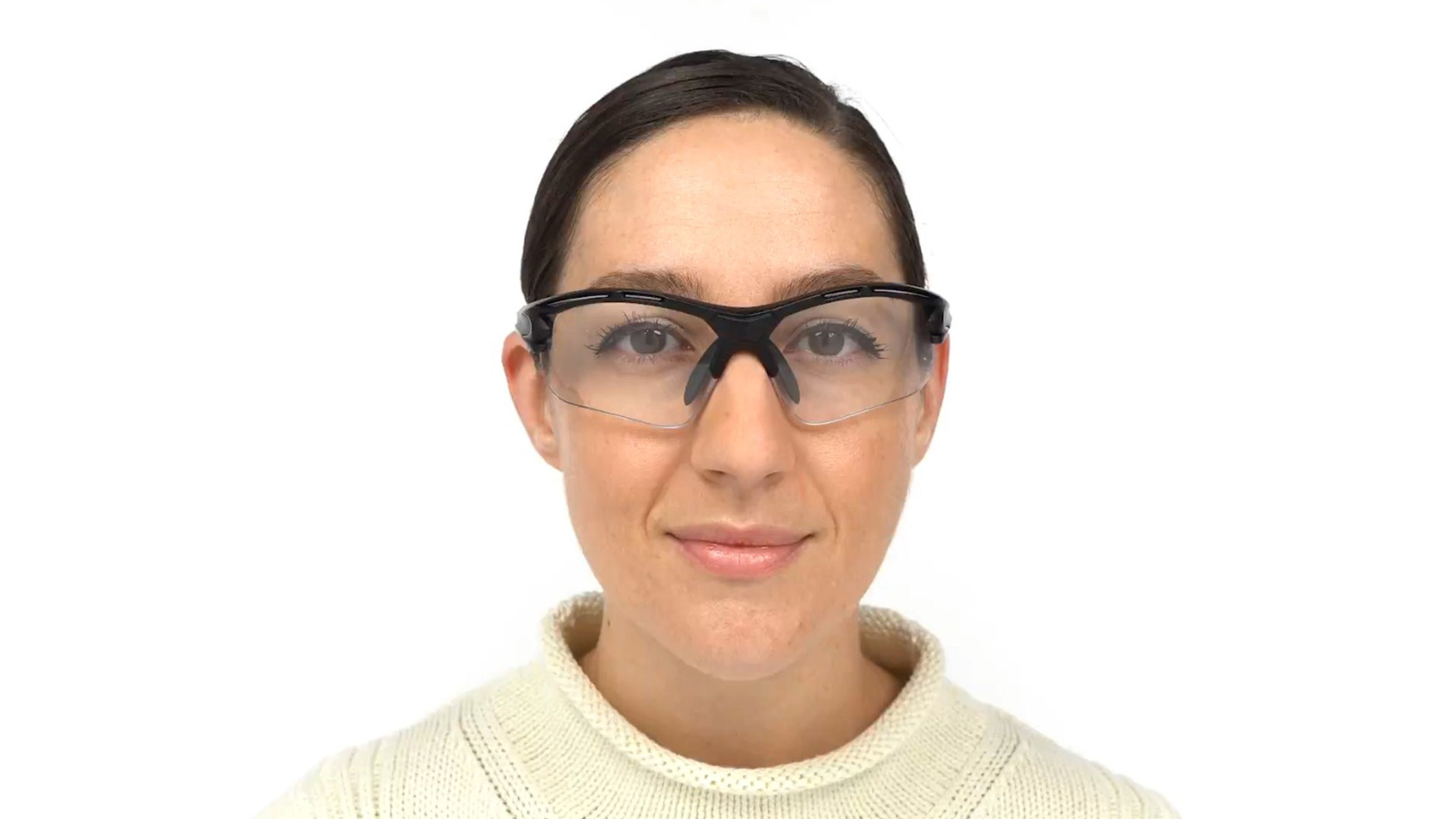
Safety glasses usually protect the front and sides but do not normally seal around the face. Protective goggles sit closer and can offer more enclosed coverage where debris could enter from different directions.
A close fit does not make every pair suitable for every risk. Vented, sealed and indirect-ventilation designs perform differently. Check the intended use instead of assuming that any enclosed frame will protect against impact, splash, gas or fine particles.
Details Worth Comparing
A useful pair should protect without making the task harder. Compare:
- Lens coverage: The lens and seal should leave an unobstructed view.
- Strap adjustment: It should hold the frame level without excessive pressure.
- Ventilation: Direct, indirect and sealed designs suit different environments.
- Seal material: Softer contact points may improve comfort.
- Optical clarity: Scratches, distortion and fog can interfere with work.
- Compatibility: Check the fit with helmets, masks, respirators and hearing protection.
- Over-glasses space: Some models fit over prescription frames.
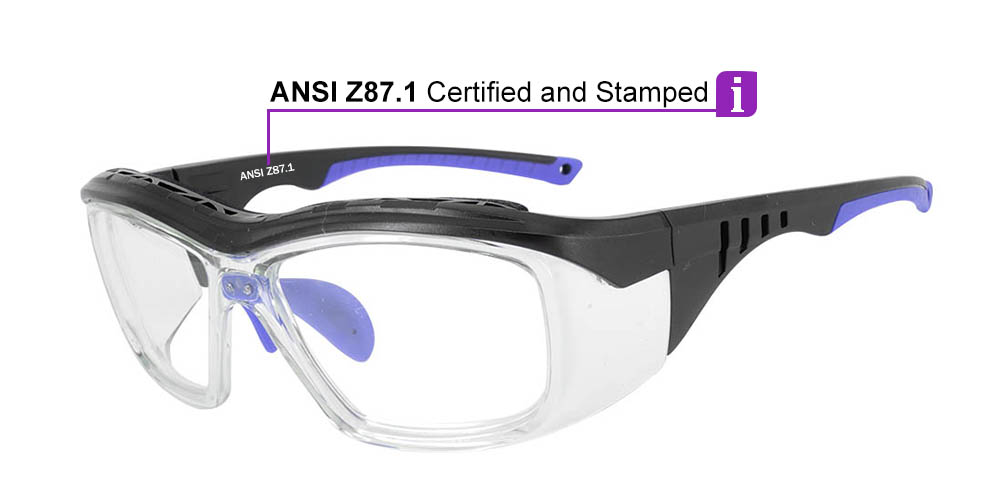
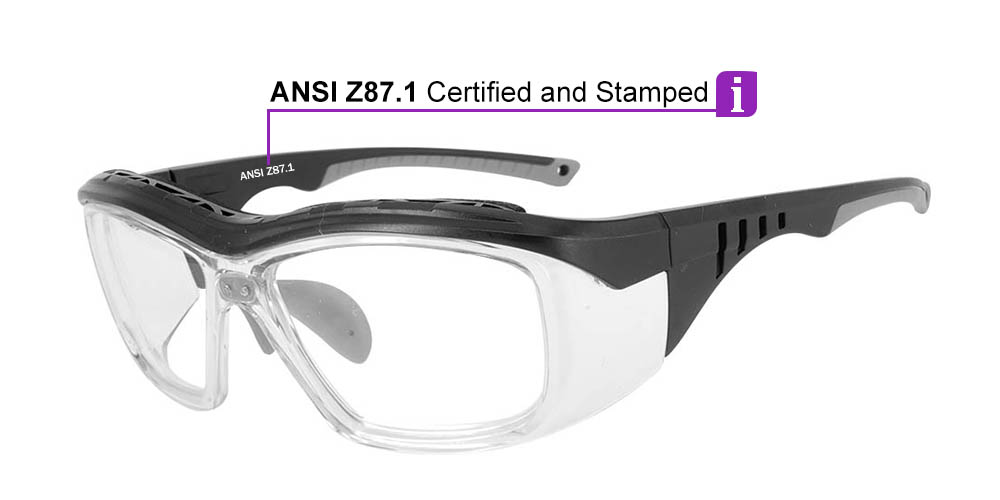
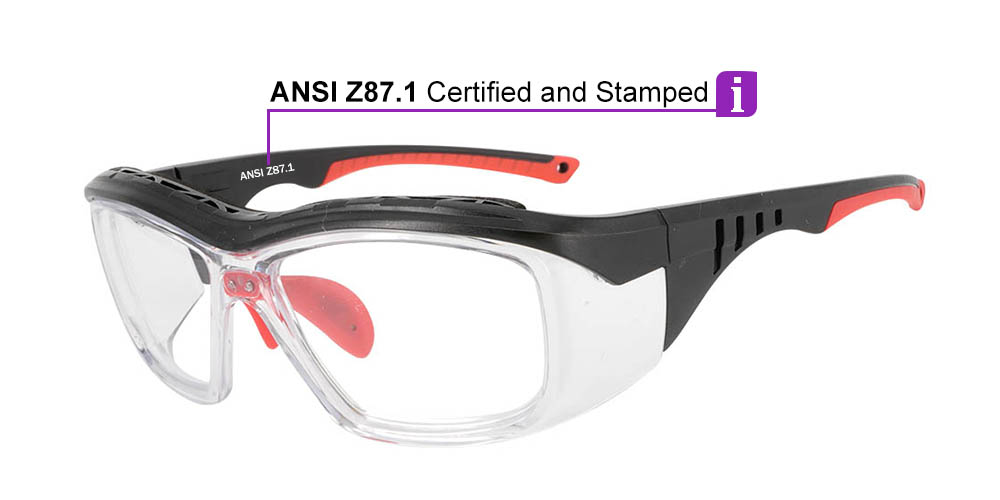
- Product markings: Confirm that the protection matches the hazard.
A Fit You Can Work In
Goggles that pinch, slip or mist badly may be adjusted or removed at the wrong time. The strap should hold them securely without creating uncomfortable pressure.
Try the goggles with every item of PPE used for the task. A respirator may push the frame upwards, while a helmet can change the strap position. Look in every direction, bend and move as you would while working. The seal should remain consistent and your view should stay open.
Face shapes vary, so one model will not fit everyone equally well. Size, fit, weight and compatibility matter when workplace PPE is selected.
Handling Fog and Moisture
Fog forms when warm moisture settles on a cooler lens. Enclosed eyewear can be prone to it during physical work or when worn with masks.
Ventilation and anti-fog coatings may help, but they are not guarantees. Keep vents clean and use care products suitable for the lens. Never drill holes or modify the frame, as this may reduce protection.
When mist, dirt or scratches stop you seeing clearly, move somewhere safe and deal with the problem before continuing.
Options for Spectacle Wearers
People who need vision correction should not work with blurred sight. Some safety goggles are designed to fit over ordinary spectacles and are often described as over-glasses or OTG models.
The inner space should be large enough without pressing your glasses into your face. Check that both frames remain stable and that the spectacle arms do not disturb the seal. Prescription safety eyewear may be another option, depending on the workplace and hazard.
Everyday prescription glasses are not automatically protective eyewear. Their frames, lenses and side coverage may not be designed for workplace risks.
Cleaning and Daily Checks
Remove loose dust before wiping the lenses. Follow the manufacturer’s cleaning instructions and use a clean, soft cloth where appropriate. Abrasive materials, solvents and household sprays may harm lenses, seals or coatings.
Before each use, check for:
- Cracks, deep scratches or pitting.
- Loose straps, buckles or vents.
- Split, hardened or distorted seals.
- Damage that prevents a stable fit.
- Markings that can no longer be read.
Store clean, dry goggles in a protected area away from heat, chemicals and sharp tools. Replace damaged eyewear rather than attempting an unapproved repair.
Choosing Safety Goggles at RxSport UK
RxSport UK makes it easier to compare safety goggles UK customers may need for daily work, workshops and practical projects. Review the description, dimensions, ventilation, compatibility and stated protection before choosing.
Suitable protective goggles match the assessed hazard, fit properly and work alongside the rest of the required PPE. Appearance and price should come after these essentials.