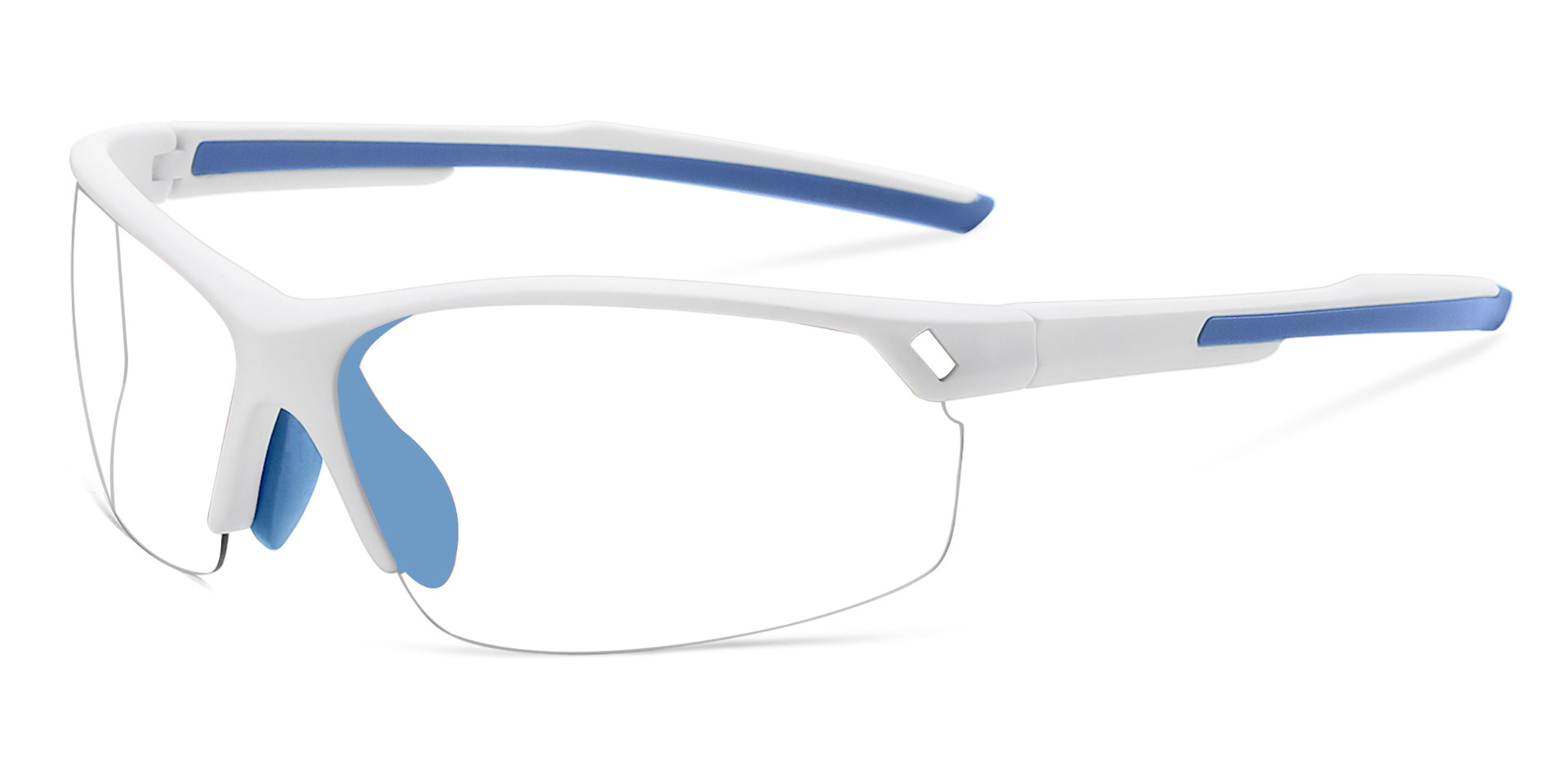
Enjoying the Small Print Outdoors
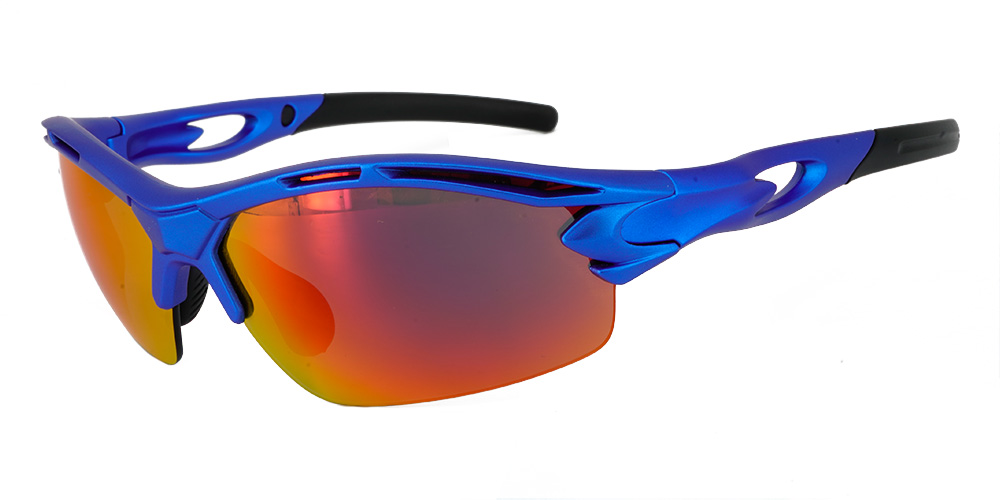
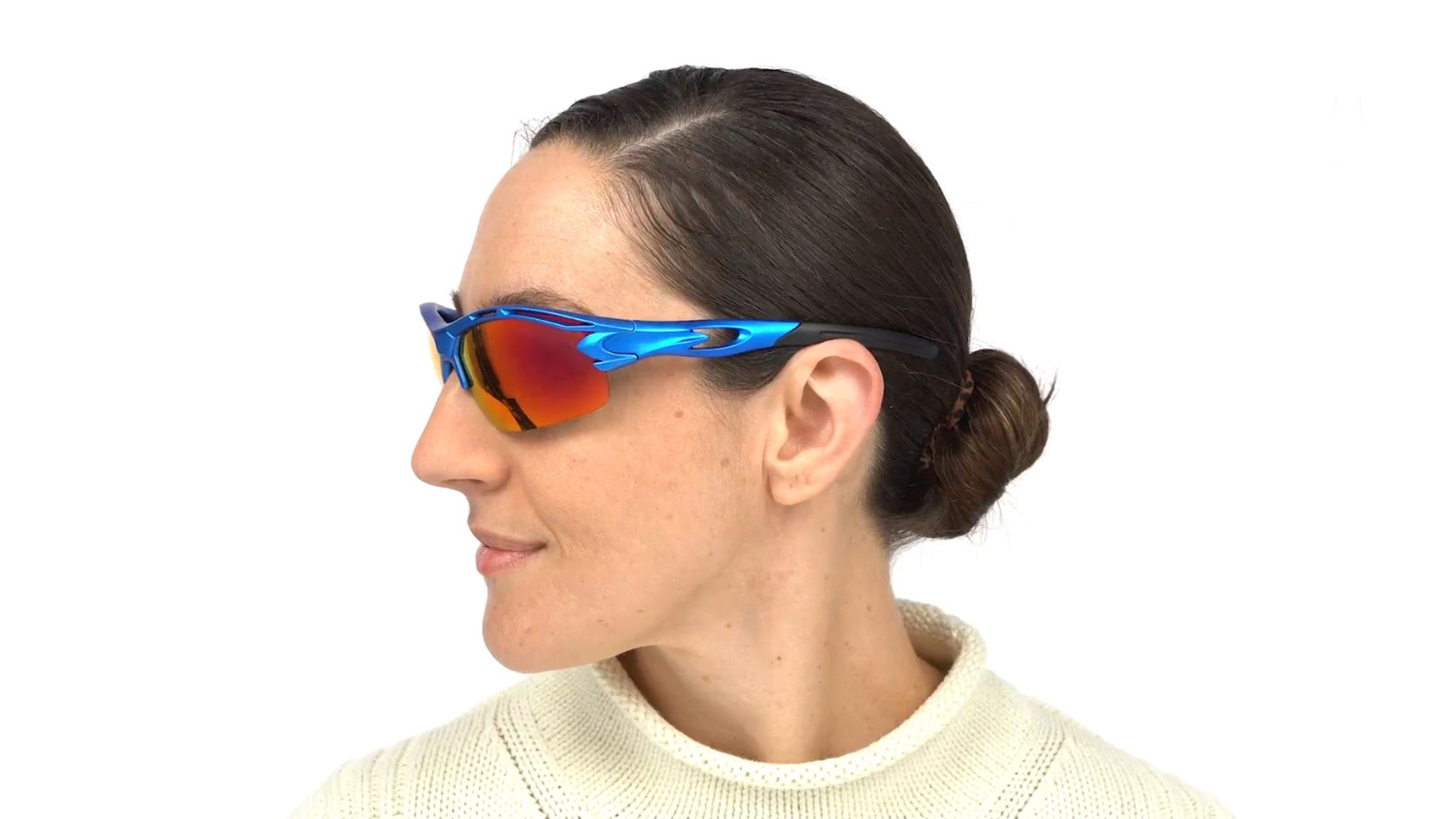
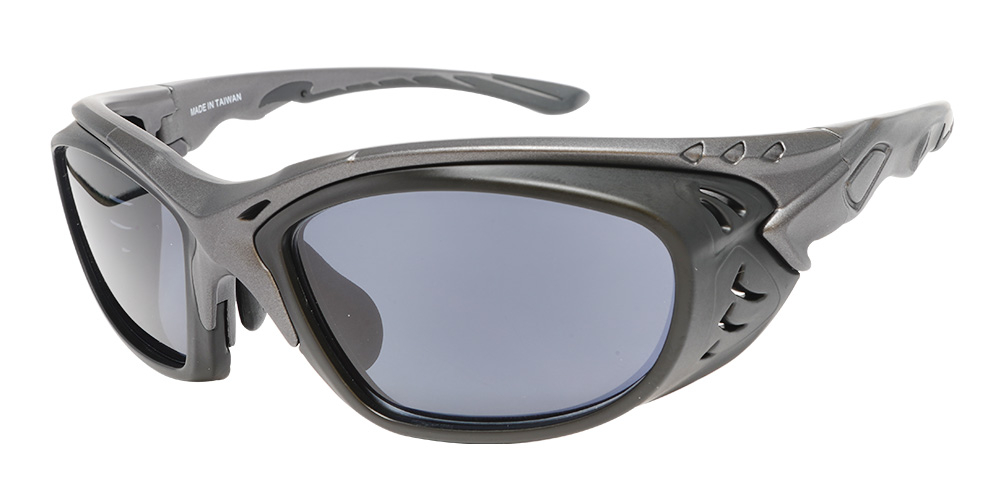
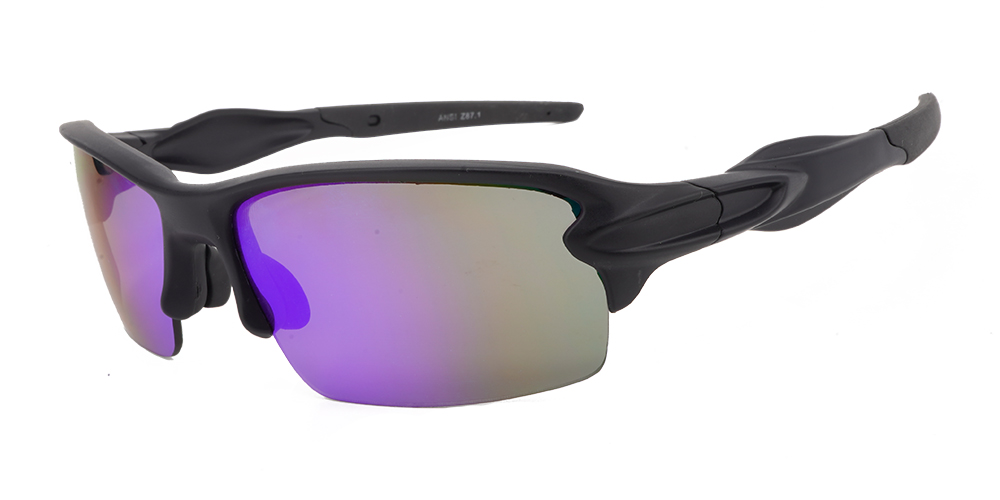
A sunny table in the garden is a lovely place to read until the page becomes washed out and your normal sunglasses leave the words blurred. Reading sunglasses solve both problems in one pair by combining a tinted lens with magnification for close work.
They can be useful for paperbacks, newspapers, menus, maps, messages, craft instructions and other everyday details. Instead of carrying separate readers and sunglasses, you have one practical pair ready for brighter surroundings.
Full-Lens Readers or a Lower Reading Area?
Not every pair works in the same way. Full-lens reading sunglasses provide magnification across the entire lens. They suit people who expect to spend most of their time looking at something close, such as a book or tablet.
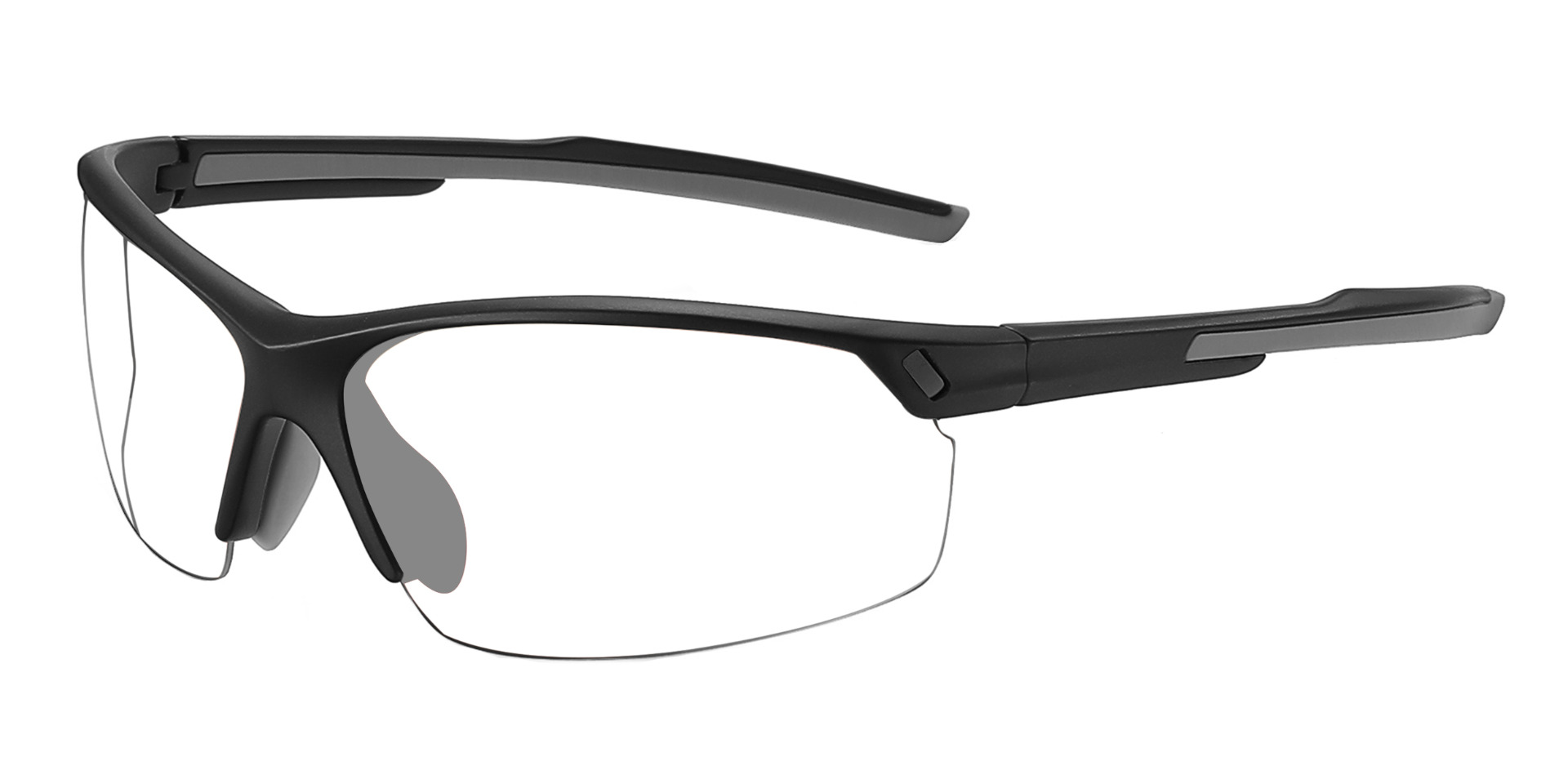
Bifocal-style designs place the reading power in a smaller section near the bottom. The upper area is intended for looking farther away, while lowering your eyes brings nearby text into focus. This can be more convenient when you regularly switch between reading and watching what is happening around you.
Choosing a Reading Strength
Ready-made readers are normally offered in set powers, often written with a plus sign. The correct strength depends on your eyes and the distance at which you hold your book, phone or menu.
Avoid choosing the strongest option simply because it makes letters look larger. Too much power may feel uncomfortable or force you to hold reading material unusually close.
When comparing strengths:
- Use the most recent reading power recommended by your optician.
- Think about your normal working or reading distance.
- Test each eye separately if your vision feels noticeably different.
- Remember that ready-made readers usually use the same power in both lenses.
- Seek professional advice when you have astigmatism, prism, a strong prescription or a large difference between your eyes.
Lens Colours for Different Days
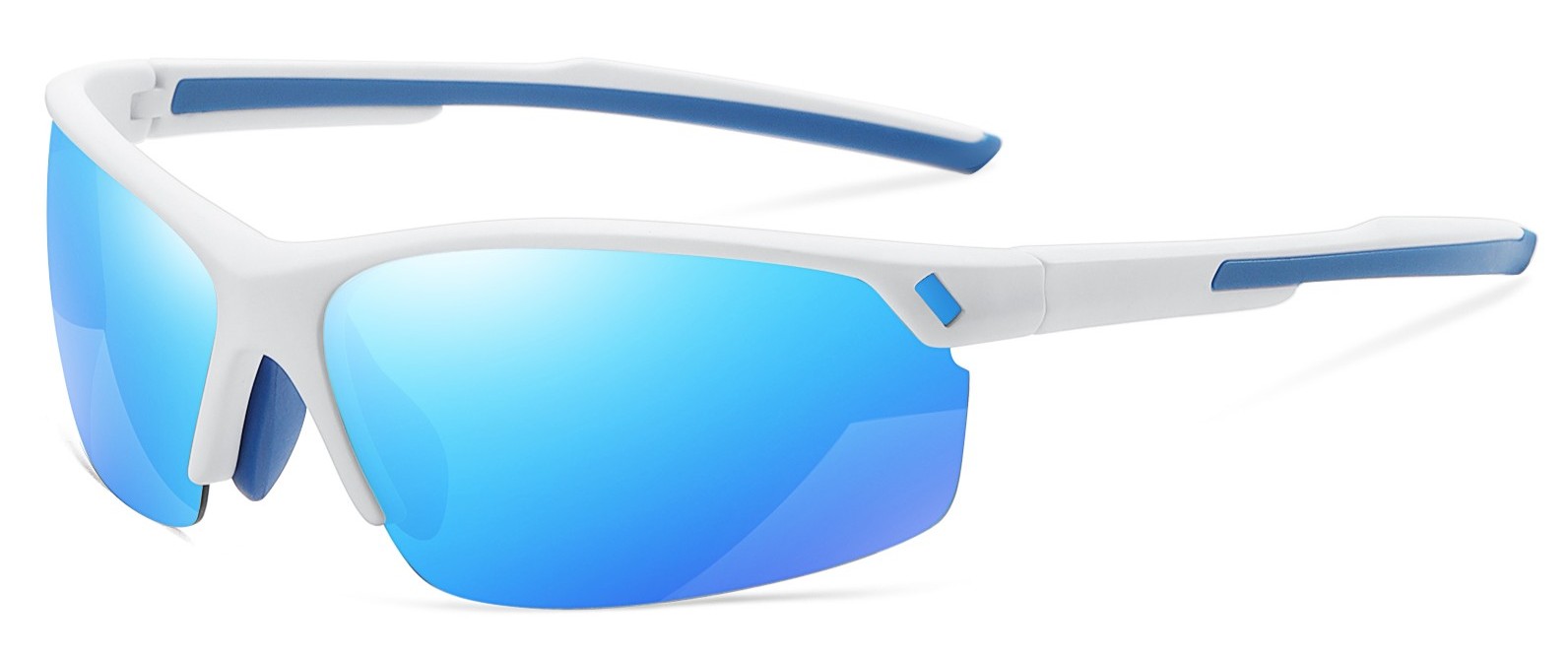
The best tint depends on where you use the glasses. Grey lenses reduce brightness while keeping colours relatively neutral. Brown or bronze lenses add warmth and can feel comfortable in mixed light. Green lenses create a balanced view, while lighter fashion tints may suit gentle sunshine.
Polarised reading sunglasses can reduce reflected glare from water, roads and glossy outdoor tables. That may be useful on holiday, beside the pool or near the coast. Polarisation can affect the appearance of some phones, tablets and other digital screens, so check your device through the lenses.
A very dark tint may be unnecessary for shaded patios, cloudy afternoons or café terraces. Choose a lens that feels comfortable in the places where you actually read.
Reading Sunglasses for Women
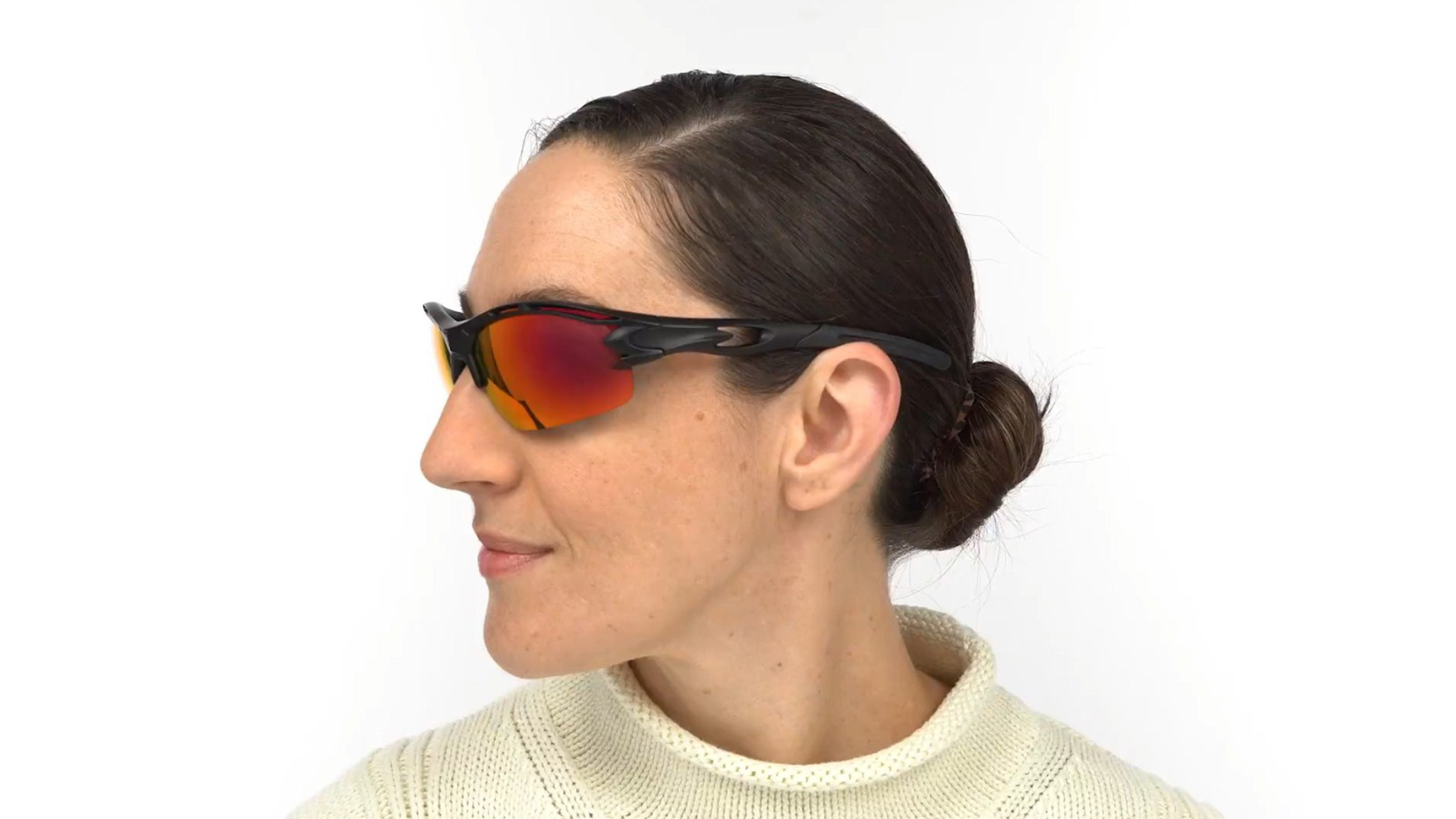
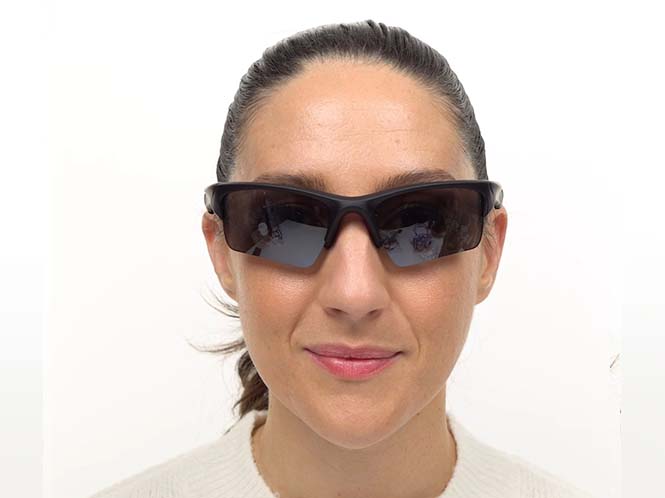
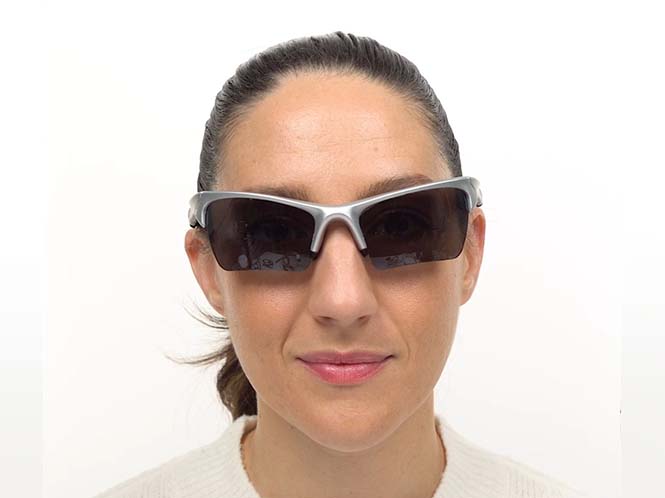
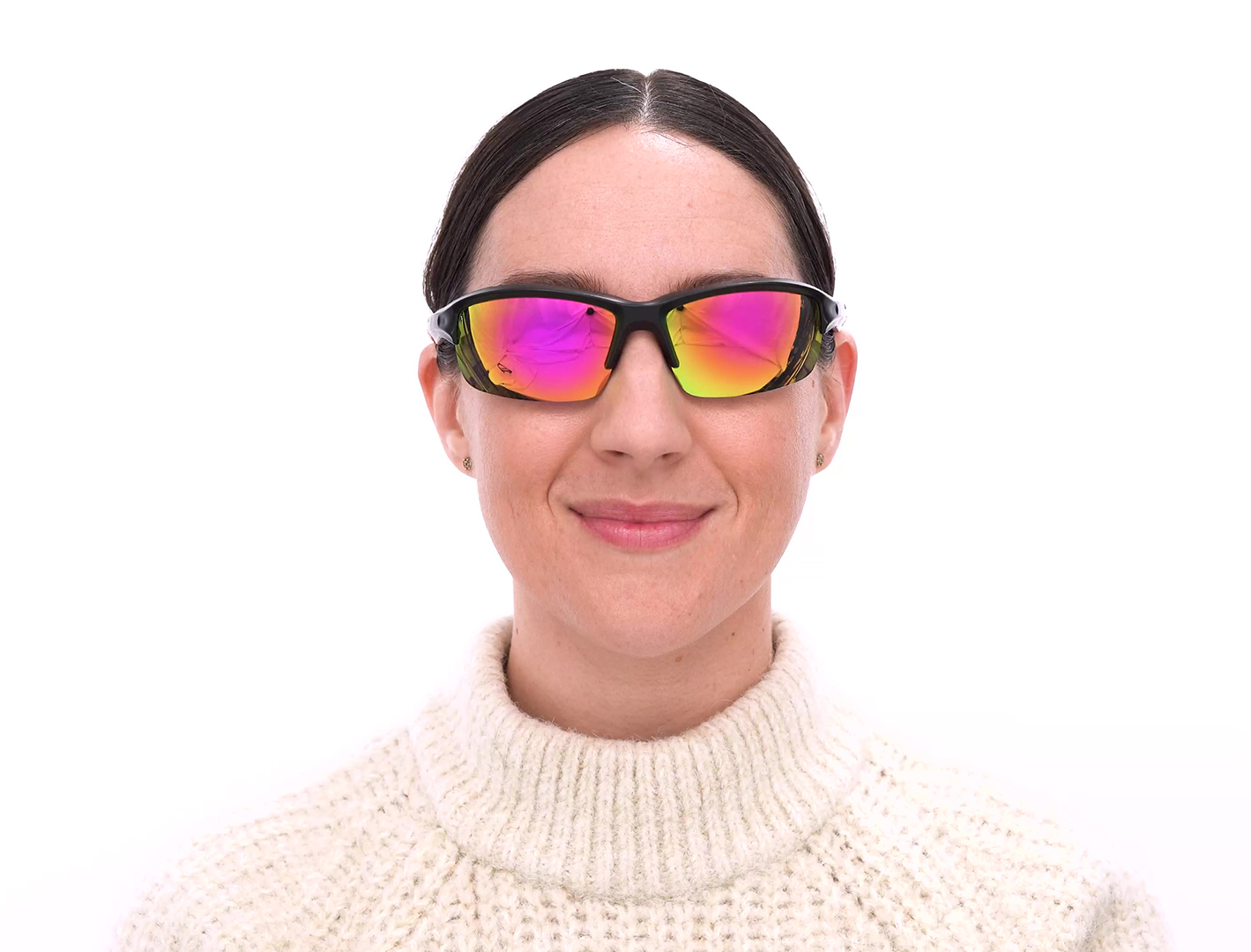
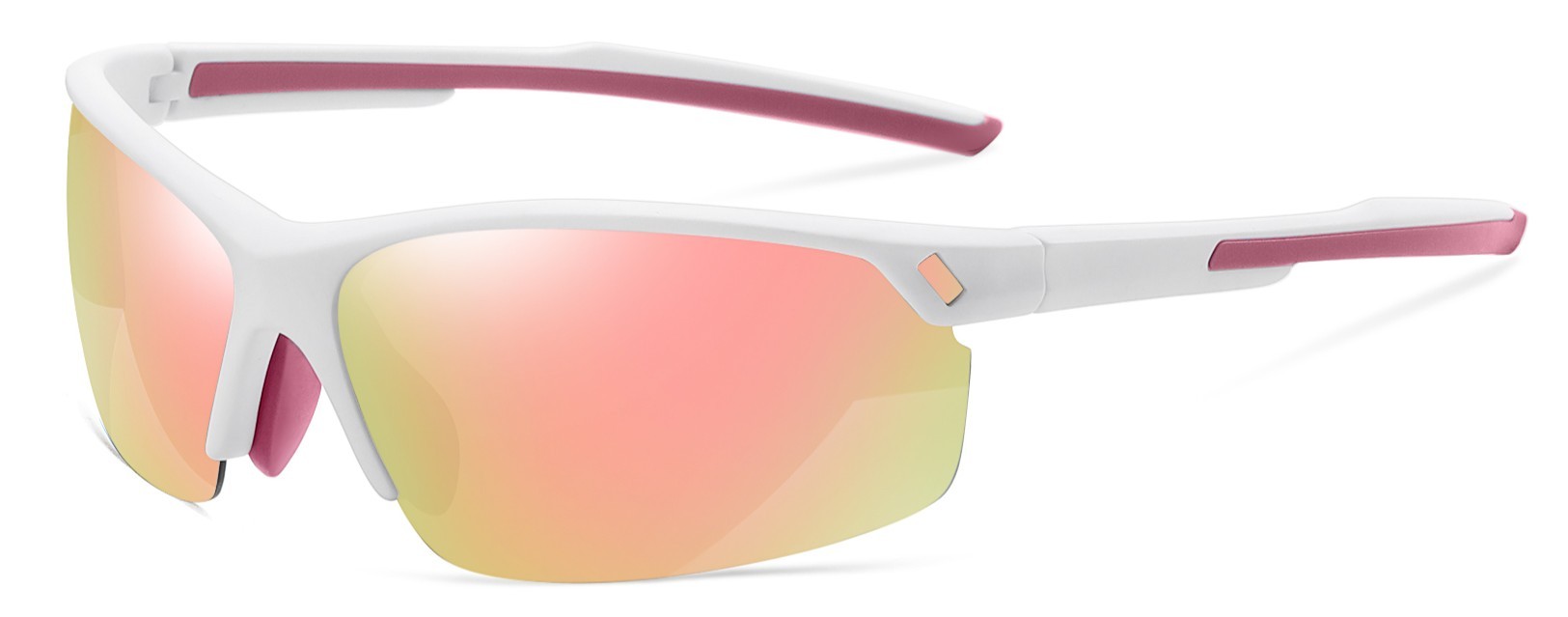
Reading sunglasses for women come in everything from soft oval and cat-eye frames to classic rectangles and oversized shapes. Colour and style matter, but measurements make the biggest difference to comfort.
Check the total frame width, bridge size and temple length. Deep lenses can provide generous sun coverage, although they should not rest heavily on the cheeks. A narrower bridge may help some frames remain secure, while adjustable nose pads can offer more control.
Reading Sunglasses for Men
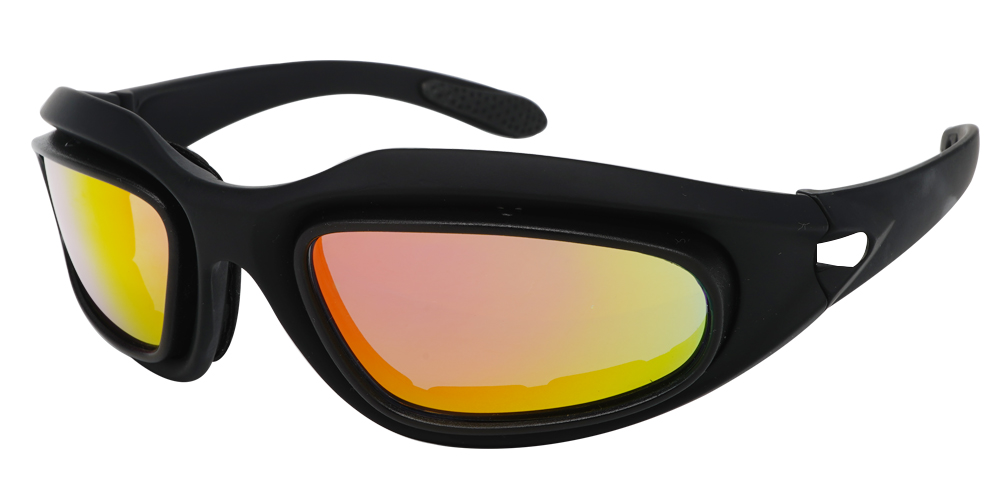
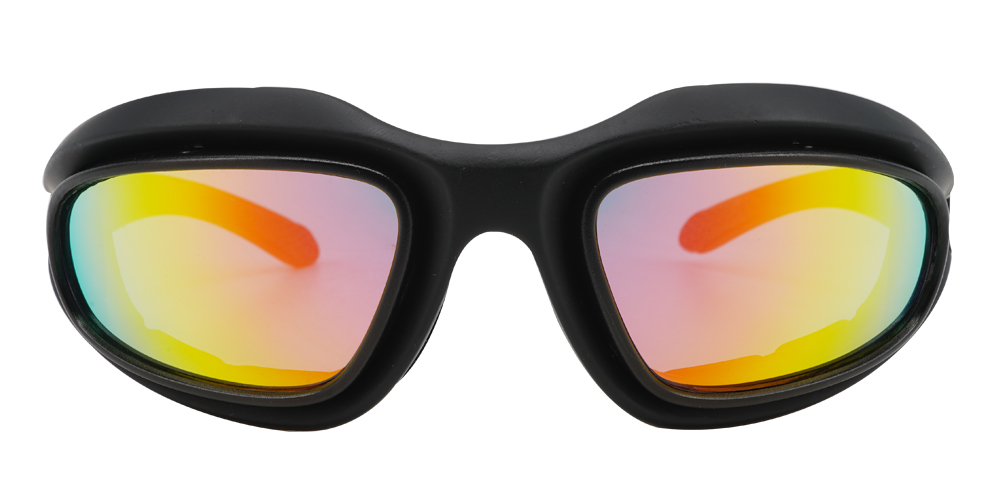
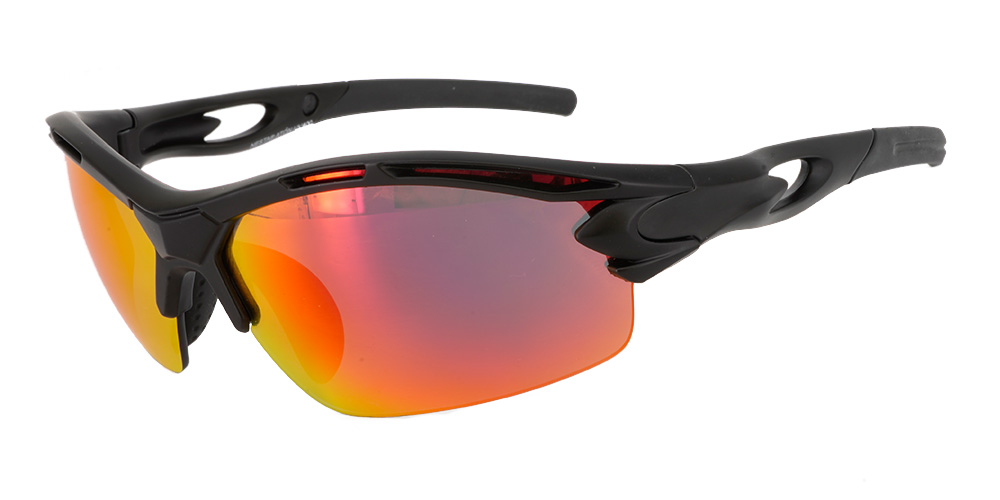
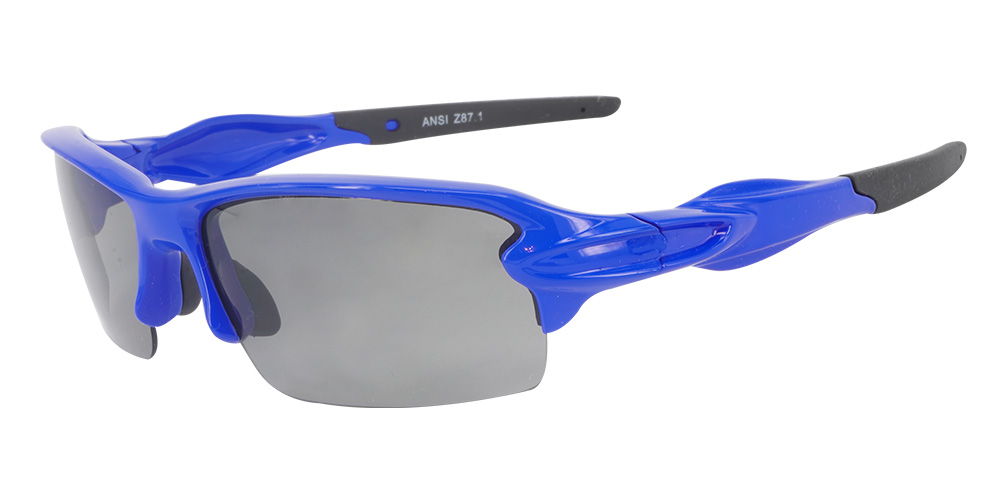
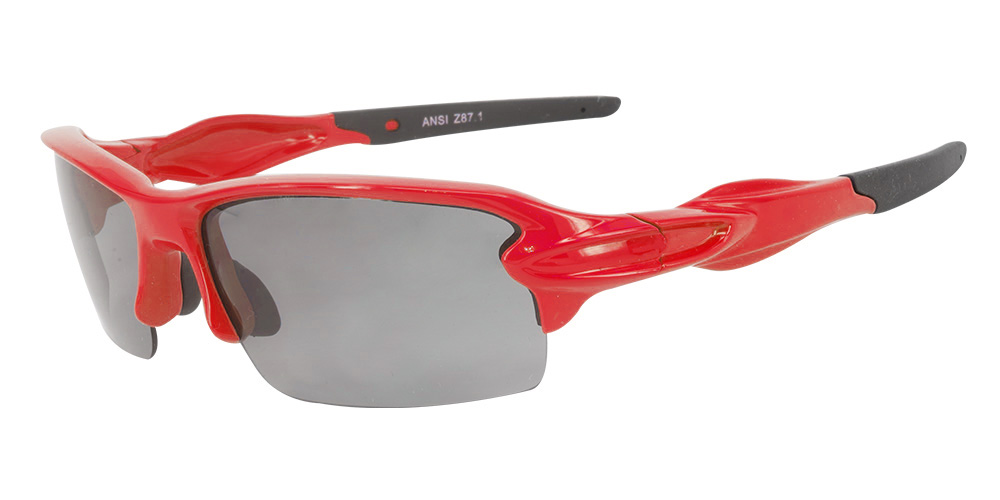
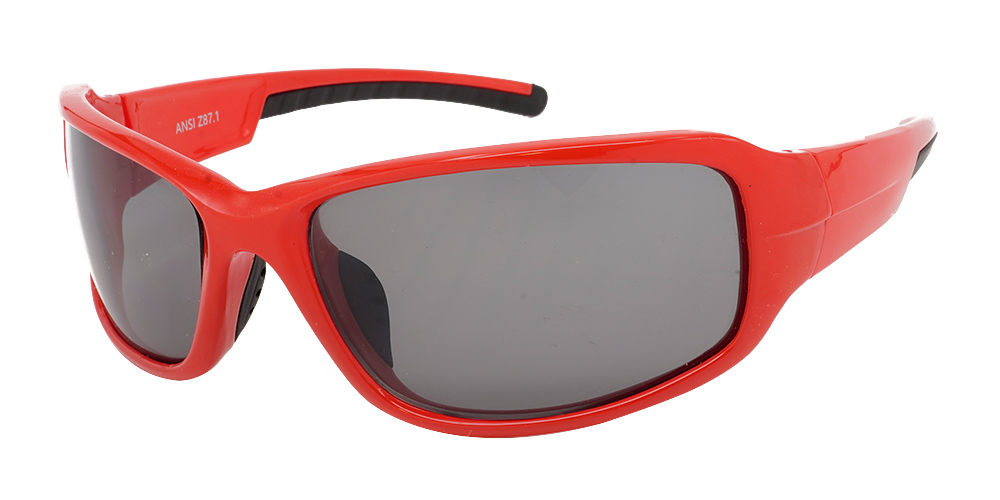
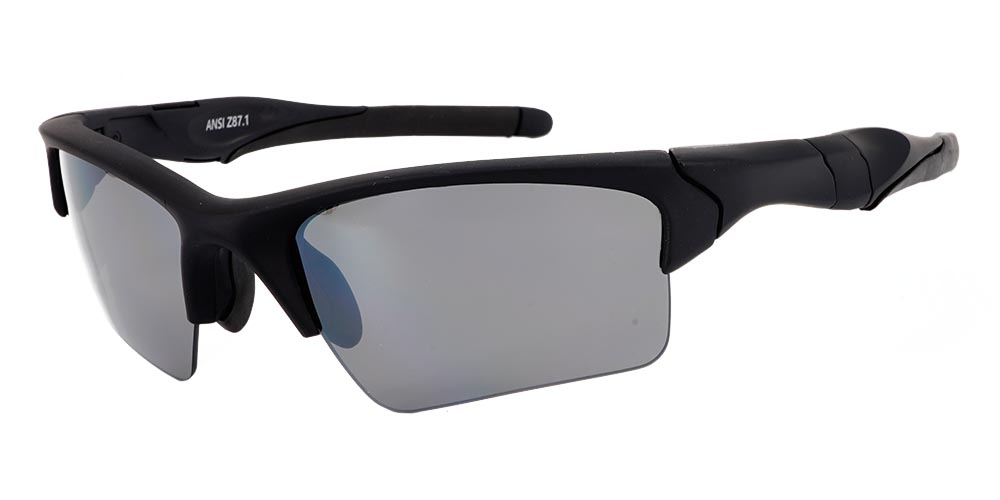
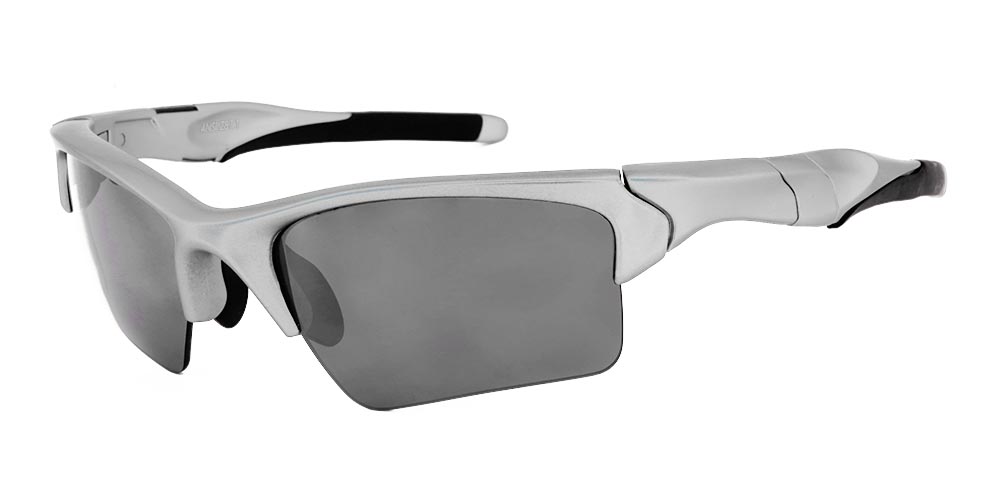
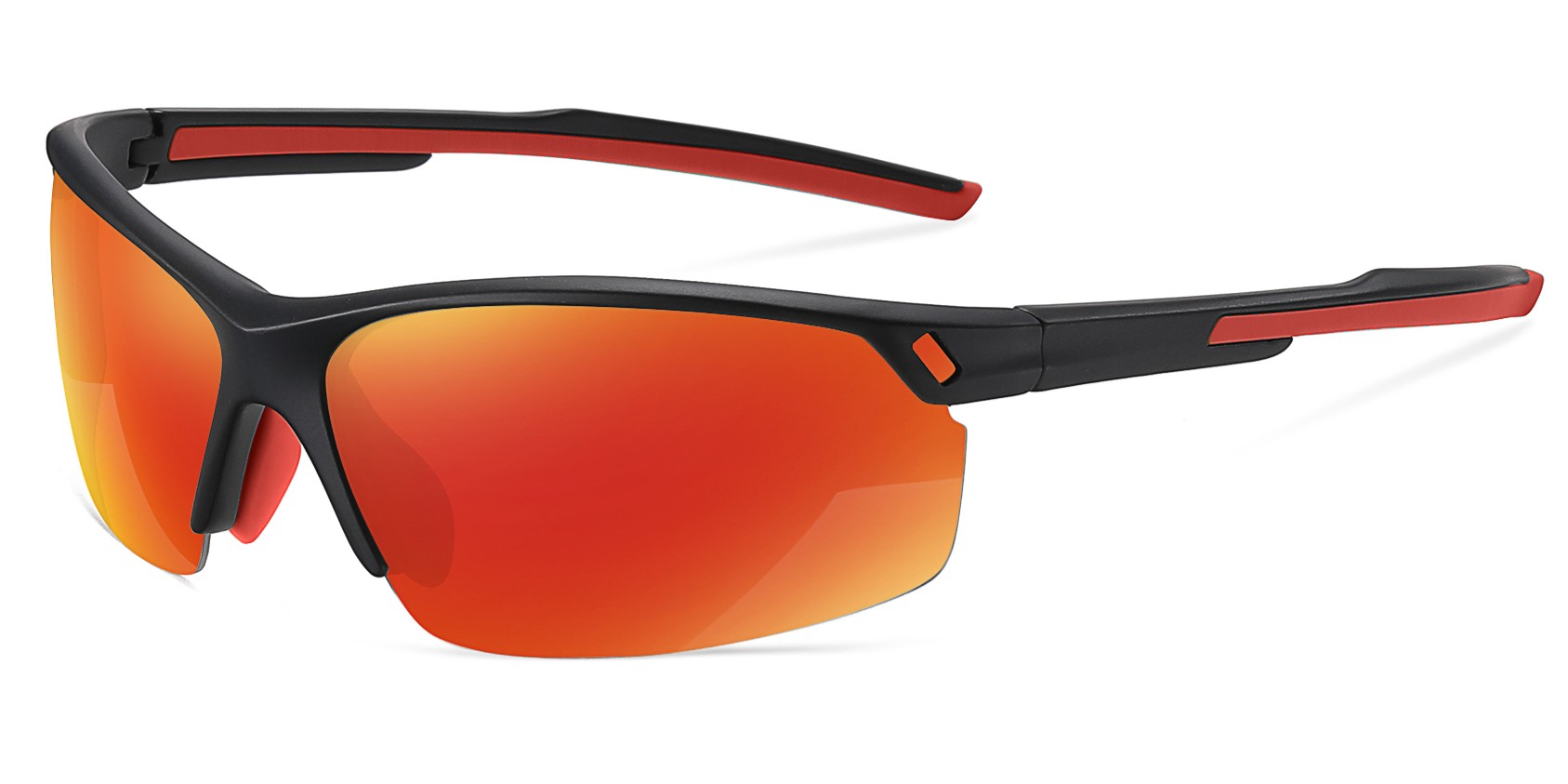
Reading sunglasses for men include square, rectangular, aviator-inspired and wraparound styles. Mens reading sunglasses should feel secure without squeezing the temples or sliding whenever you look down.
A wider frame may suit a broader face, but bigger is not automatically better. Compare measurements with a comfortable pair you already own. If you plan to use the glasses for hobbies, fishing trips or holidays, consider lens coverage, frame weight and how easily they fit into a case.
A Handy Pair for Travel and Everyday Life
Reading sunglasses are particularly useful on holiday. You can read departure boards at close range, check a map, look through a guidebook or order from an outdoor menu without changing glasses every few minutes.
Keep in mind that reading lenses are designed for near vision. They should not be used for driving unless the product is specifically designed and prescribed for that purpose. Full-lens readers can make distant objects blurred, while bifocal styles require the correct viewing area.
Keeping Your Lenses Clear
Sunscreen, fingerprints and dust can quickly mark tinted lenses. Rinse away loose particles before wiping, then use suitable lens cleaner and a clean microfibre cloth. Avoid tissues, paper towels and clothing, which can trap grit.
Store the glasses in a protective case rather than loose in a handbag, pocket or car. Avoid leaving them on dashboards.