Why Everyday Frames Can Struggle During Sport
Ordinary glasses are designed for lessons, reading and daily wear. During sport, they may slide down the nose, move when a child turns quickly or feel uncomfortable beneath a helmet.
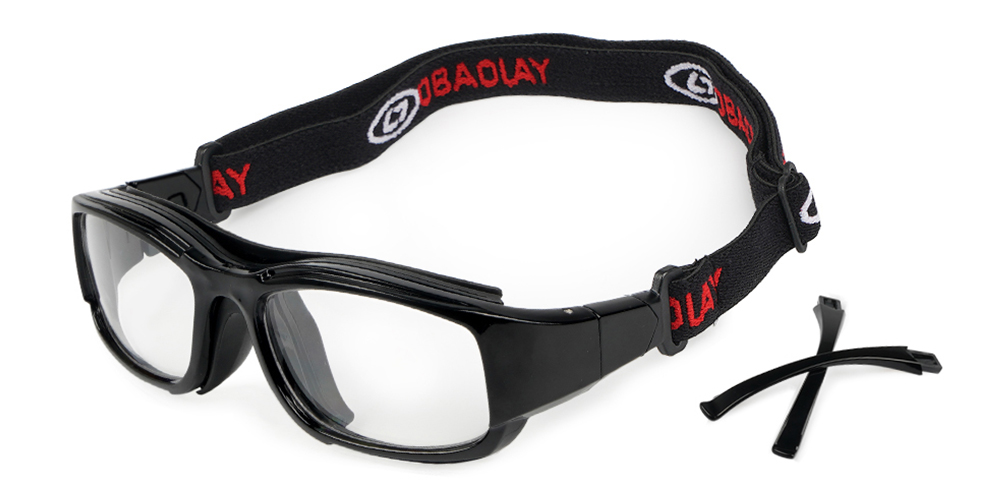
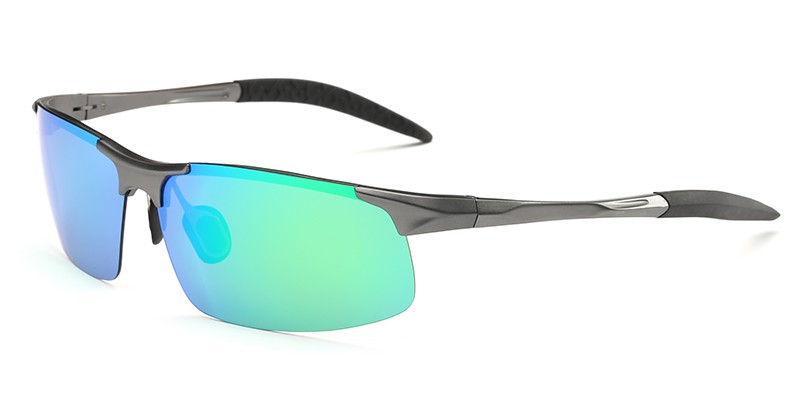
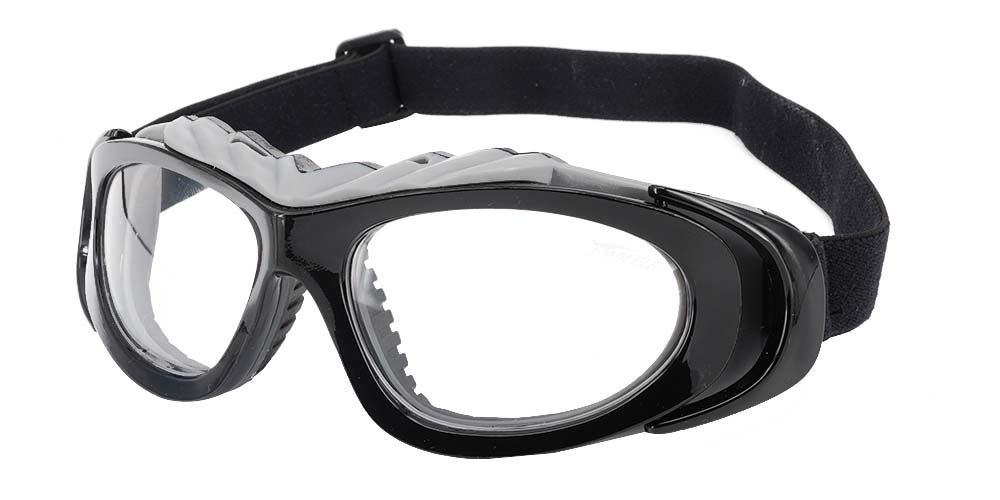
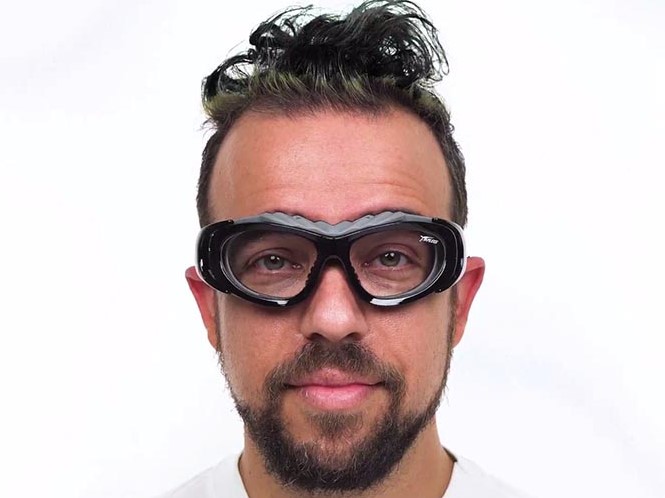
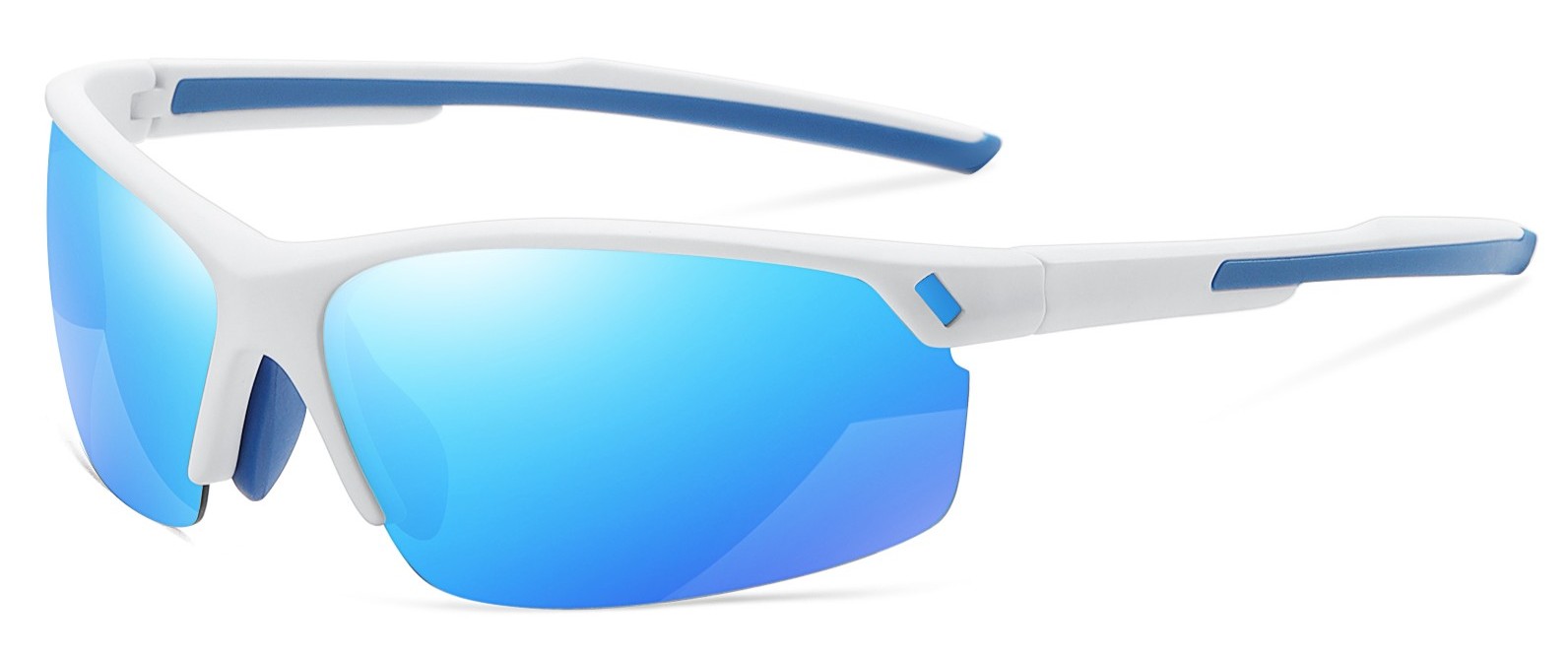
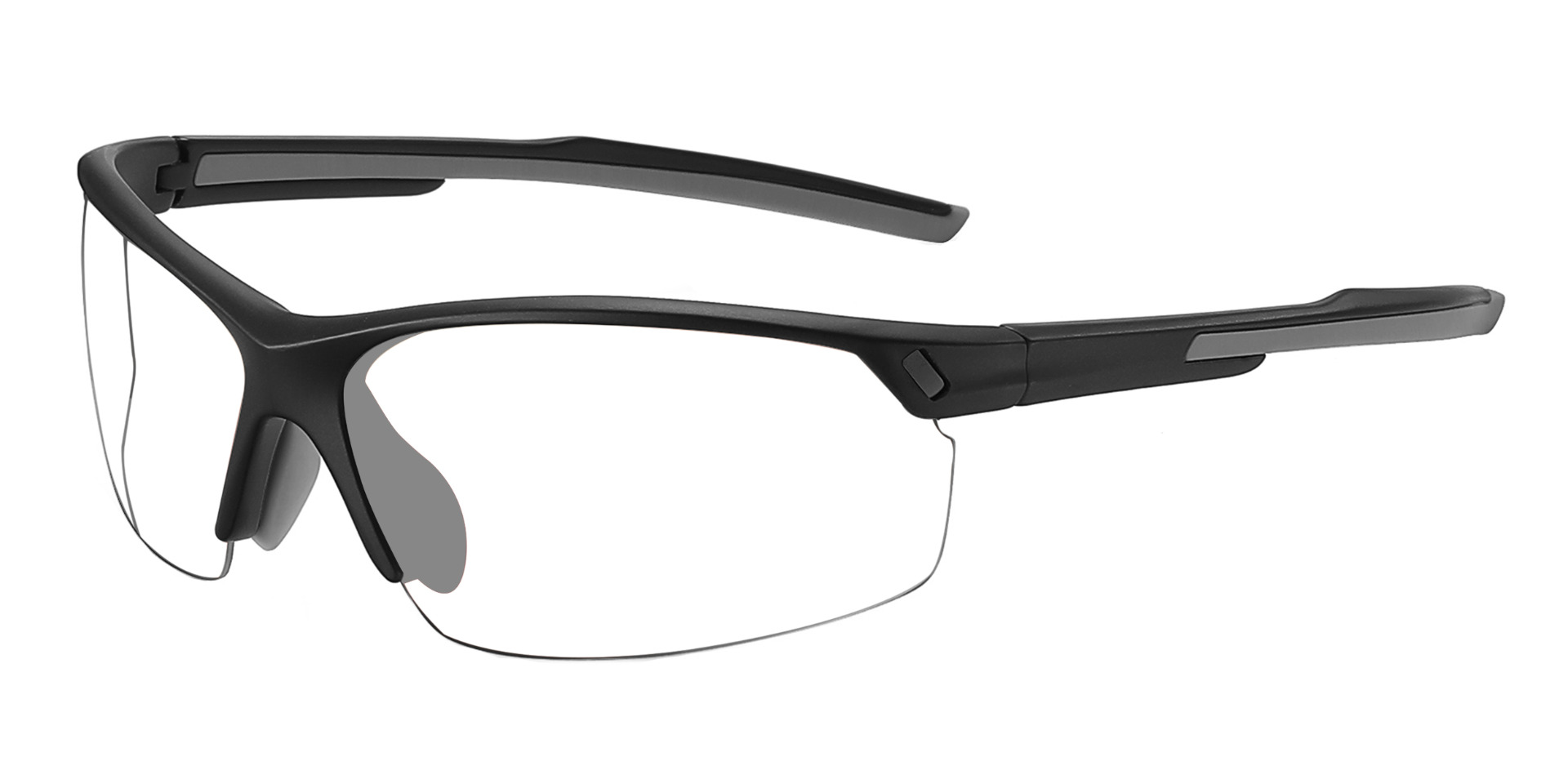
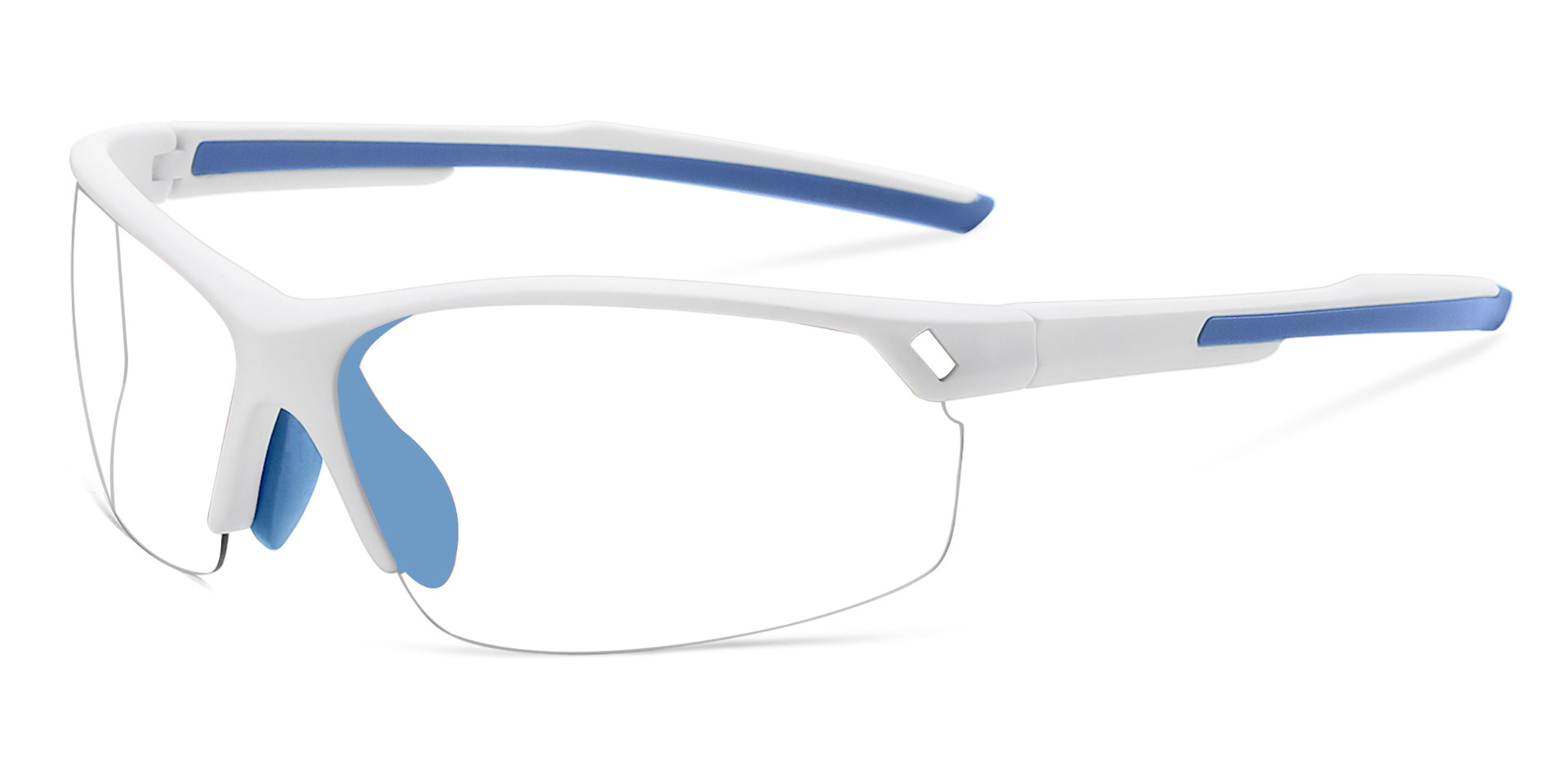
Kids sports glasses use a more secure shape. Depending on the design, a strap, grippy temples or cushioned contact points can help the frame remain steady through running, jumping and changes of direction.
Start with the Activity
Different sports create different demands. A basketball player needs an open view across the court, while a footballer must follow movement over a wider area.
Before choosing sports glasses for kids, consider:
- The sport: Check that the model is intended for the activity.
- The setting: Indoor halls, outdoor pitches and bright courts may need different lenses.
- Prescription requirements: Confirm that the frame supports the child’s current optical values.
- Field of view: Rims should not block side vision or the view above and below.
- Retention: Straps or secure temple tips should hold the frame without excessive pressure.
- Other equipment: Test the glasses with helmets or face guards where required.
- Product information: Review the stated lens material, markings and intended use.
Prescription Vision for Young Players
Kids prescription sports glasses help children who normally wear spectacles keep their correction. Clear vision can make it easier to follow the ball, judge distance, recognise teammates and respond to movement.
Use a current spectacles prescription and enter the values exactly as written. Sphere, cylinder, axis and pupillary distance may be needed. Contact lens powers should not normally be copied because the measurements can differ.
Strong prescriptions, prism or higher astigmatism may reduce frame choices. Some designs use directly glazed lenses, while others use an optical insert. Check the available range and ask an optician when figures fall outside it.
Comfort That Lasts Beyond Warm-Up
A pair can feel fine for a minute but become distracting during a full session. The bridge should sit evenly, the frame should remain level and the arms or strap should not create painful pressure.
Ask the child to jog, look down, turn both ways and copy movements used in their sport. The glasses should stay secure without bouncing or slipping. Lenses need to clear the eyelashes, and the lower frame should not rest heavily on the cheeks.
Children grow quickly, so check the fit throughout the season. A strap needing constant tightening or a frame leaving deep marks may mean the size is wrong.
Lenses for Indoor and Outdoor Play
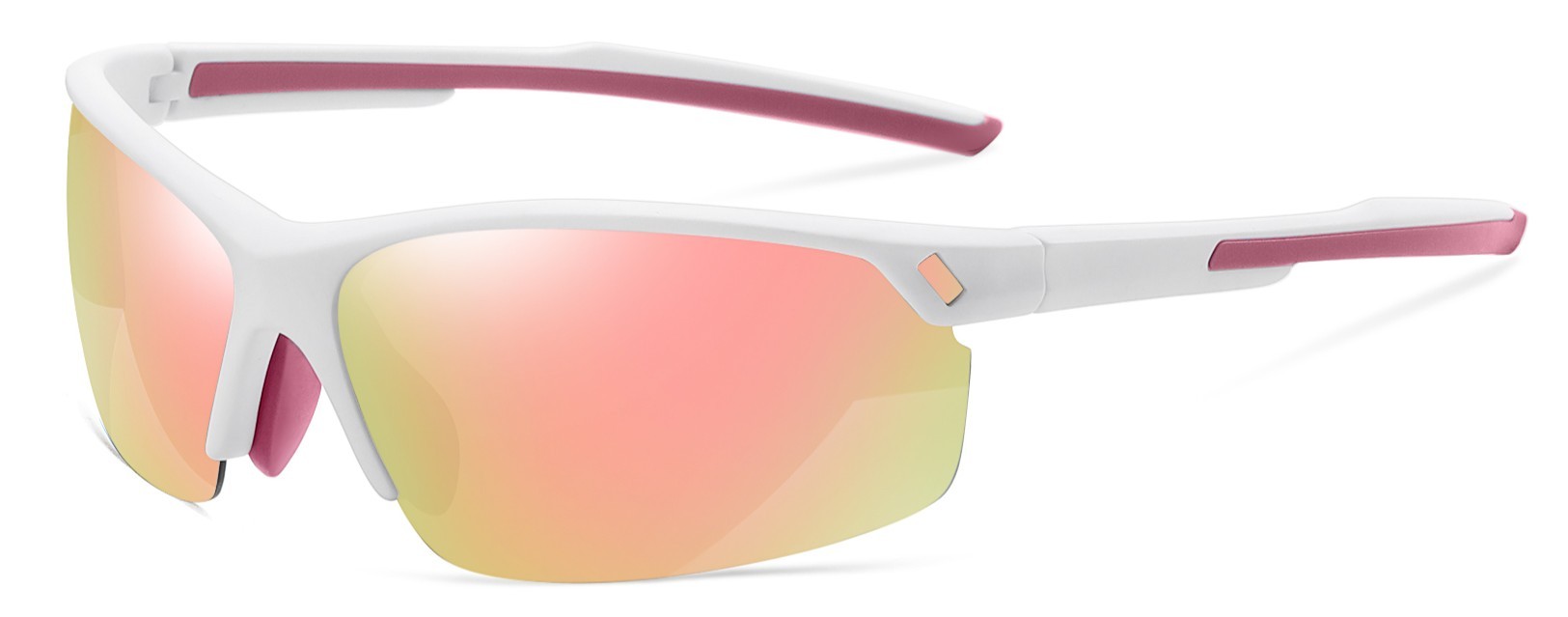
Clear lenses suit indoor halls, evening sessions and dull conditions because they preserve available light. Tinted lenses may feel more comfortable outdoors.
Photochromic lenses may be available on selected frames and can adjust as ultraviolet exposure changes. They do not change instantly, and activation varies with temperature and environment.
Lens tint alone does not confirm ultraviolet filtering, impact performance or suitability for a sport. Read the specification for the exact combination.
Working with Helmets and Other Equipment
Sport eyewear often shares space with helmets, face guards or protective headgear. Put the full setup on together. The helmet should not push the glasses down, lift them away from the face or trap a strap uncomfortably.
Turn the head, look over both shoulders and reproduce playing movements. No item should interfere with another or restrict peripheral vision.
Do not modify a frame to force an unsuitable combination to work. Follow the sport’s rules and use equipment designed for the activity.
Fog, Sweat and Simple Care
Heat and moisture can cause lenses to mist. Ventilation and anti-fog treatments may help, although no eyewear remains fog-free in every condition. Keep vents clean and use suitable products.
After play, rinse away sweat, dust and dirt before wiping. Use a clean microfibre cloth and let the glasses dry before storing them in a protective case. Inspect the lenses, frame, strap and cushioning.
Replace eyewear that becomes cracked, deeply scratched, distorted or unable to remain secure.
Choosing Kids Sports Glasses at RxSport UK
RxSport UK brings together prescription-compatible sports eyewear for younger players across several activities. When comparing prescription sports glasses for kids, look beyond colour and price. Start with the activity, prescription range, measurements and product information.
The right pair should help a child concentrate on playing rather than adjusting eyewear. A secure fit and clear field of view matter from practice to competitive fixtures.