Protection Begins with the Job in Front of You
Protective eyewear should be selected around the task, not simply because a frame looks strong. Grinding, drilling, laboratory work and outdoor maintenance can expose the eyes to different risks. Dust, liquid splash, flying particles and bright sunlight may each call for different protection.
A workplace risk assessment should guide the choice. Check the markings, manufacturer information and intended use. Ordinary spectacles and fashion sunglasses are not automatically safety eyewear, even when they use thick lenses or wrap around the face.
Think about how long the eyewear will be worn, whether the work is mobile, and how quickly changing light or temperature may affect comfort too.
Glasses, Goggles and Different Levels of Coverage
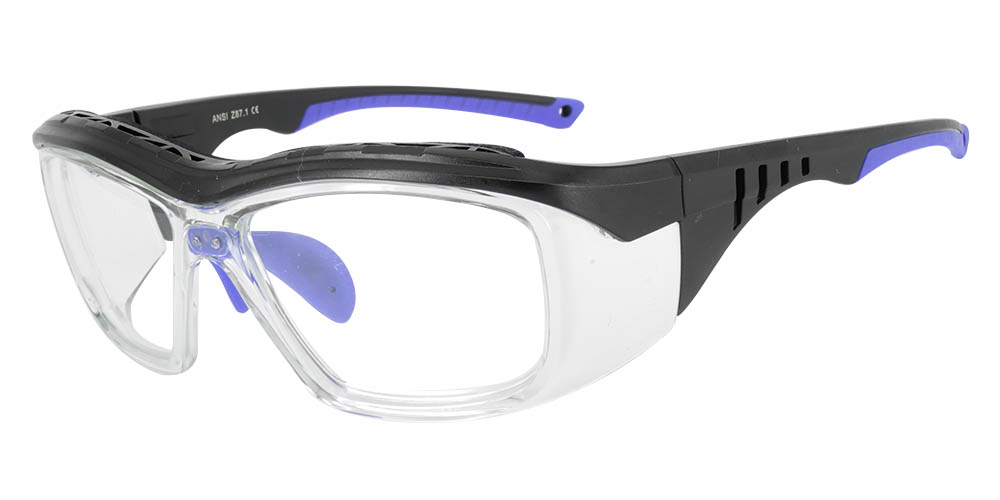
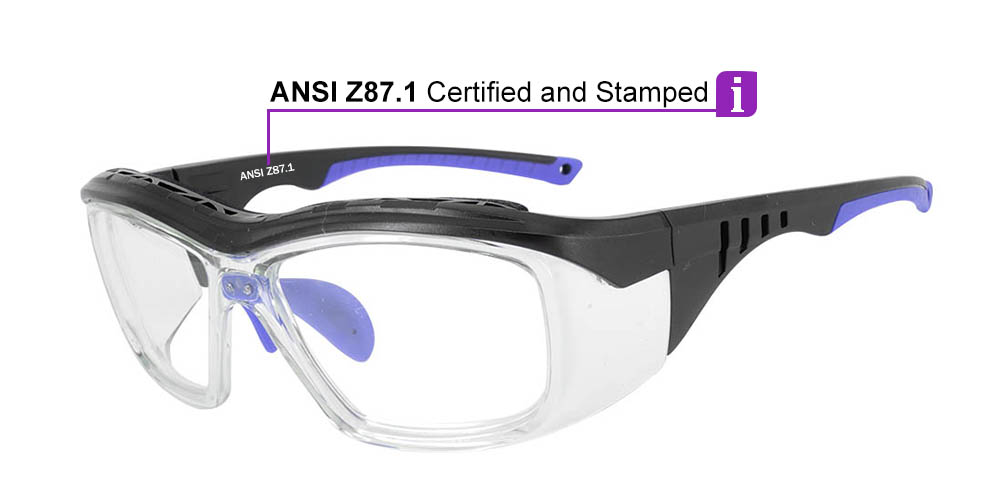
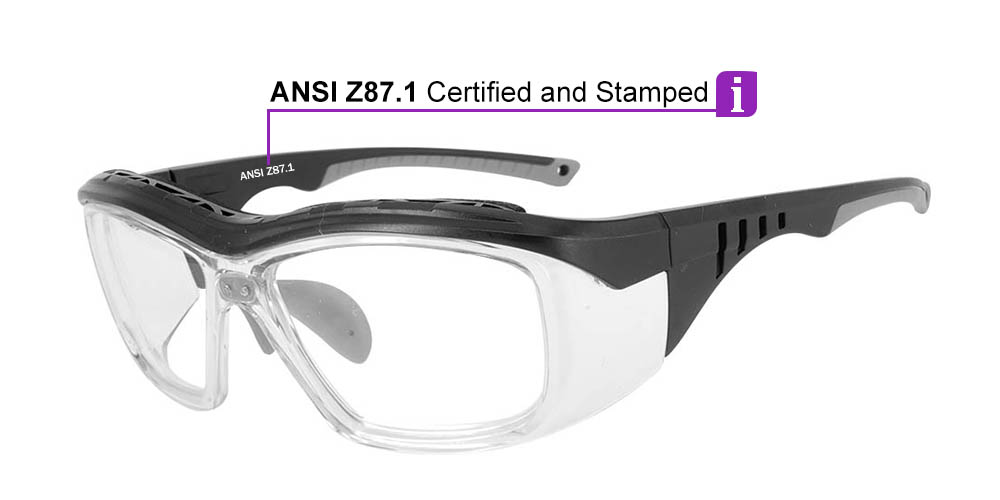
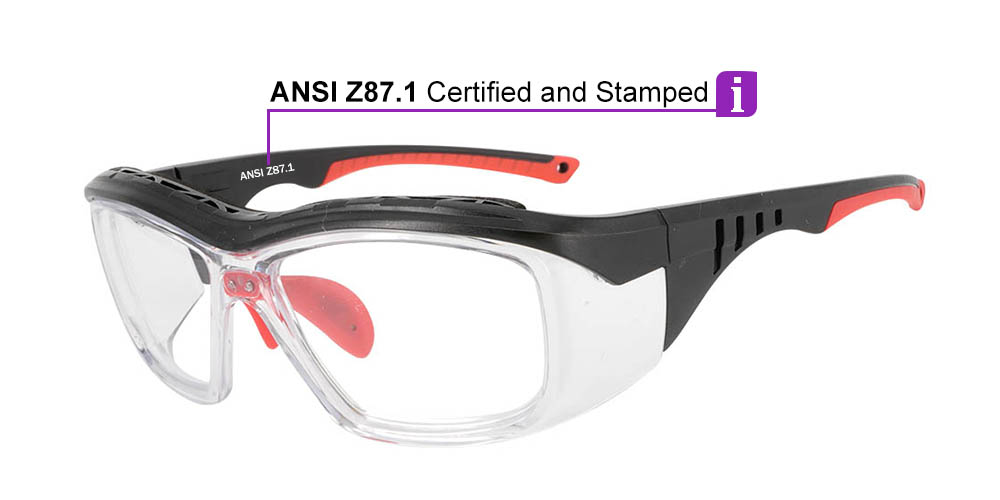
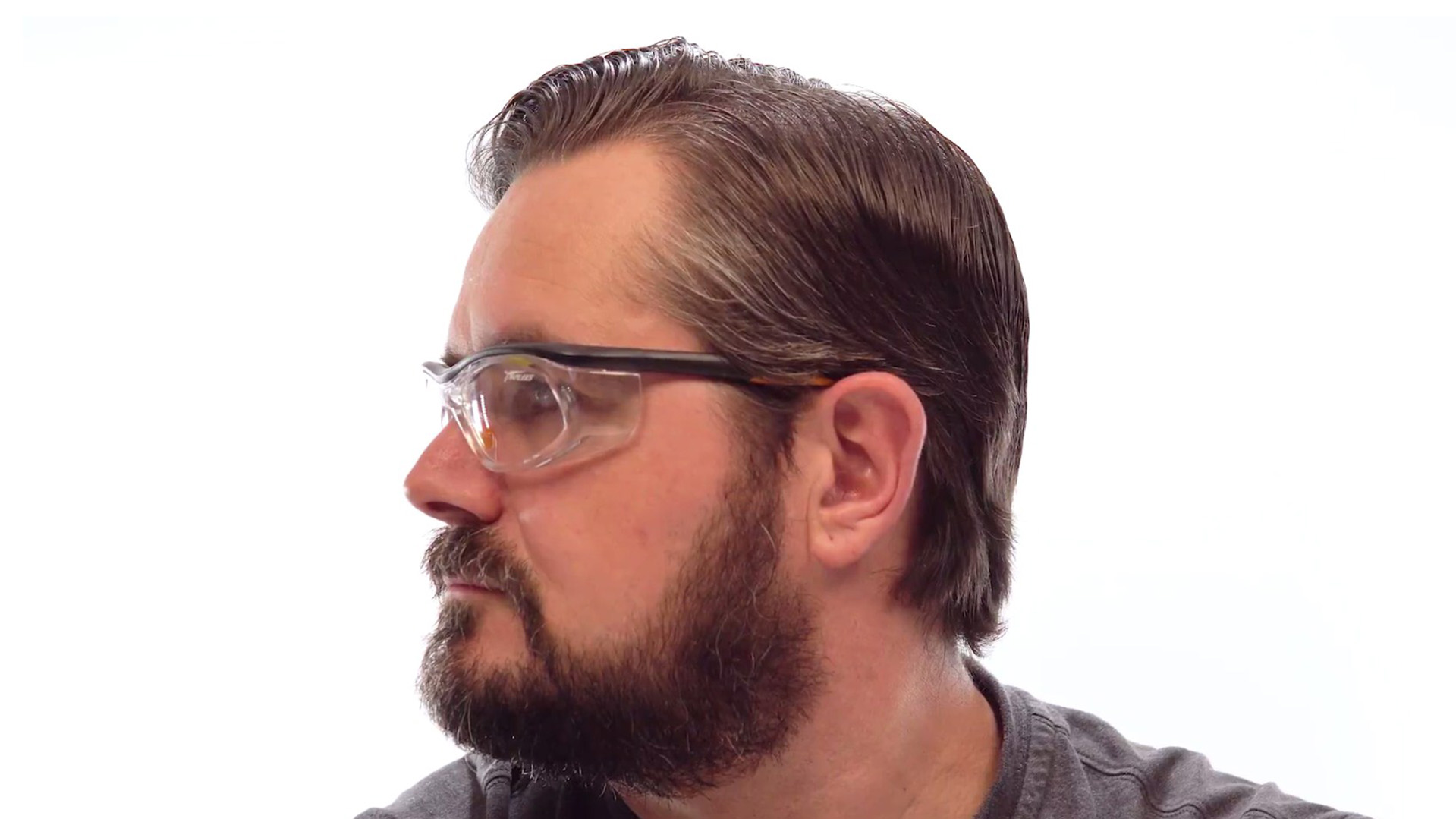
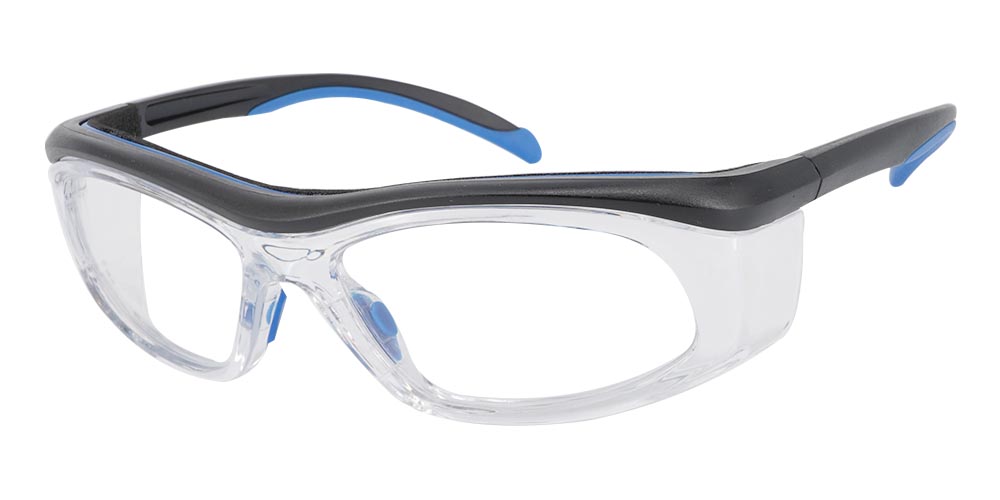
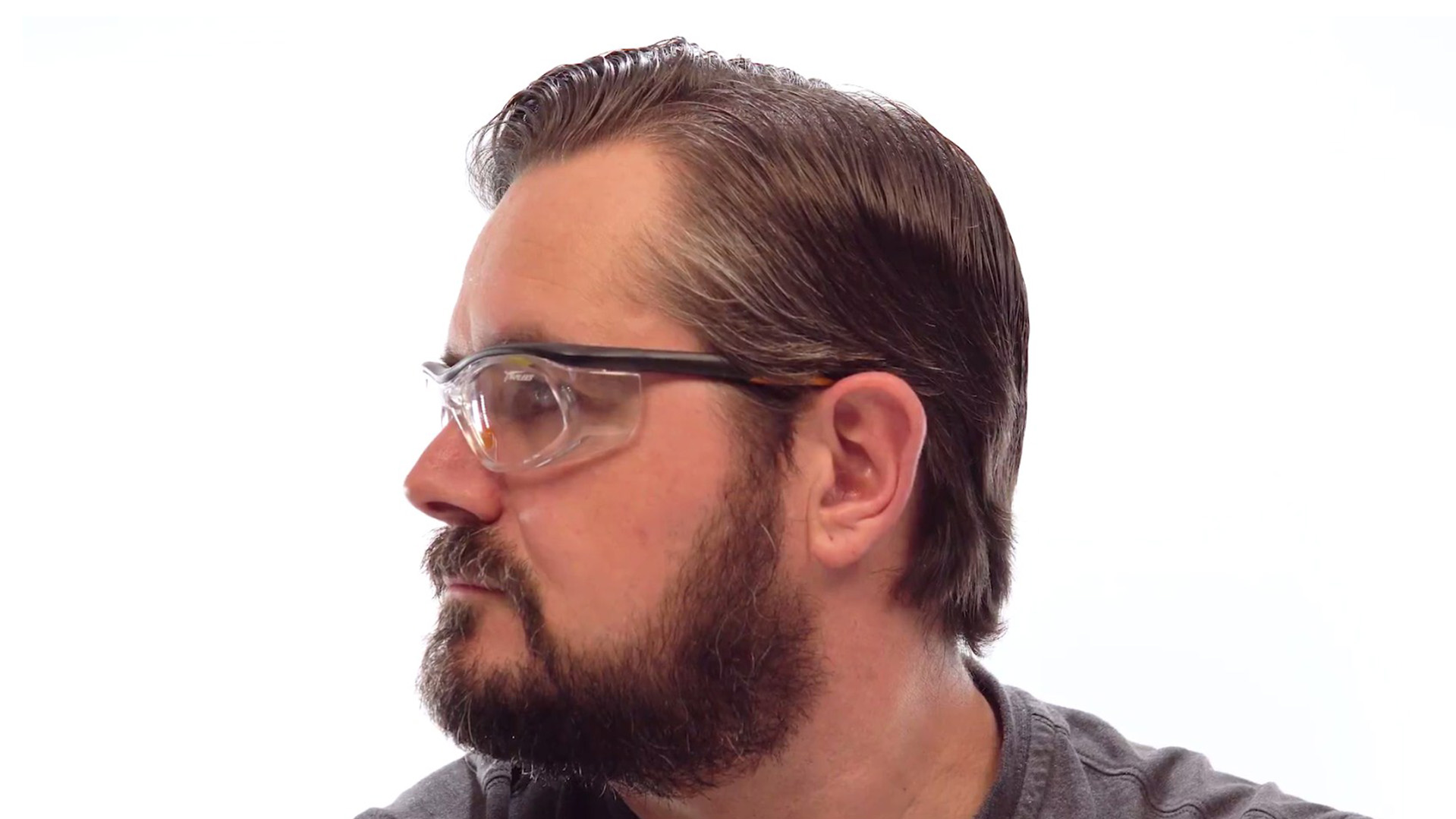
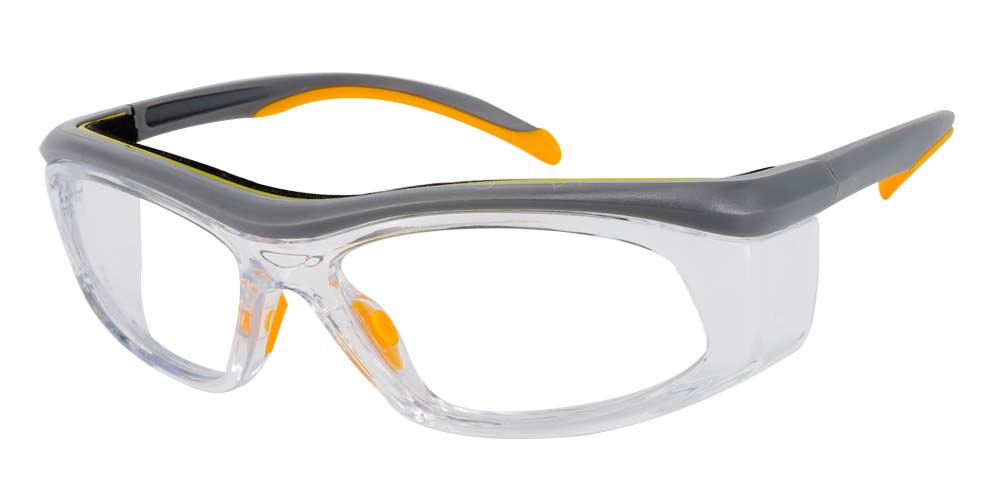
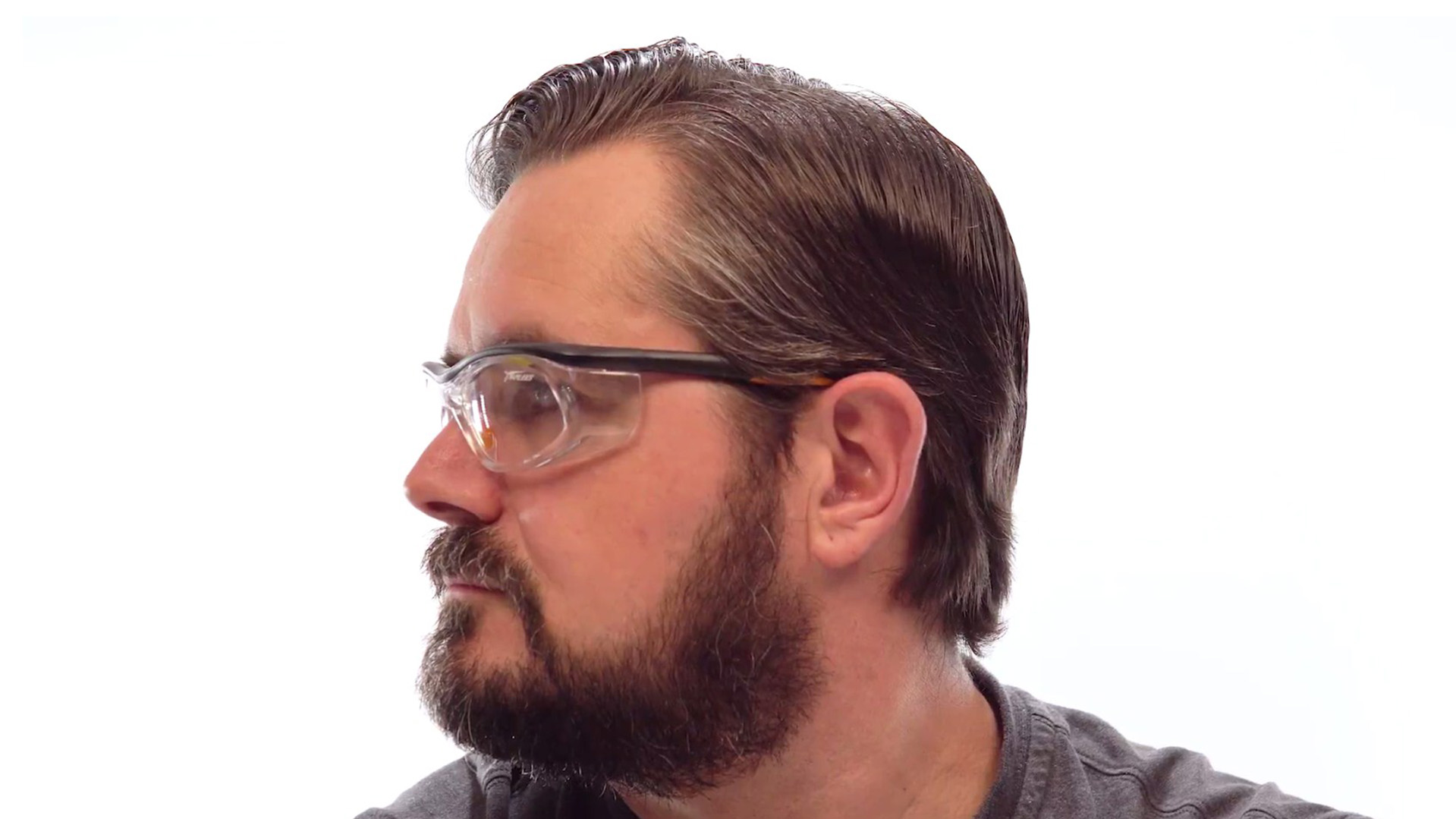
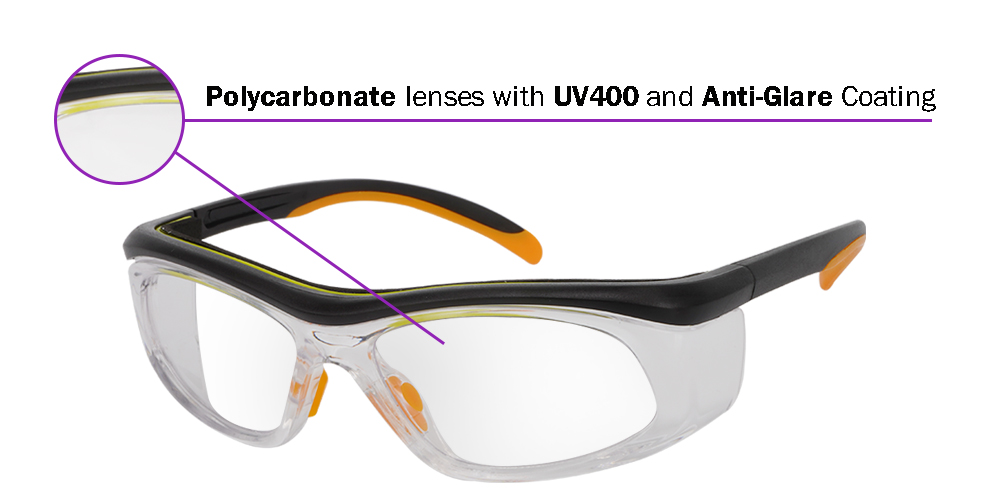
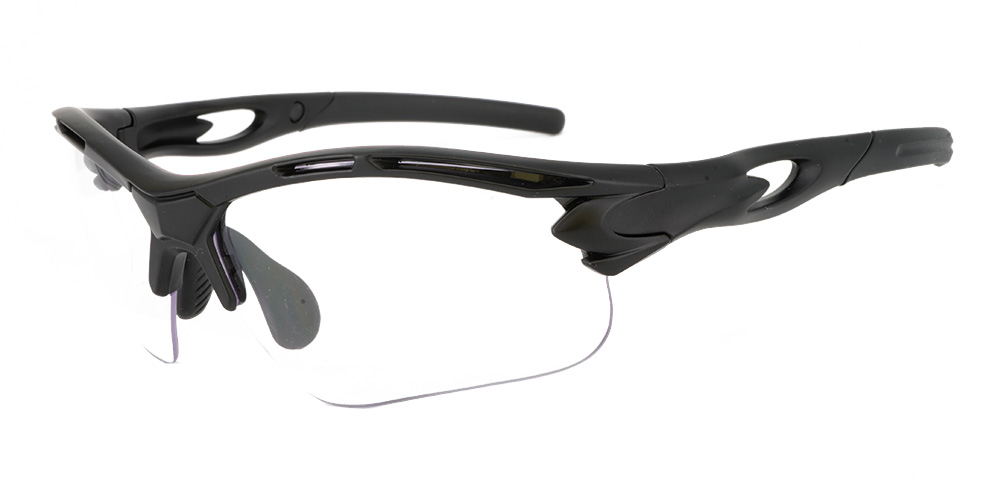
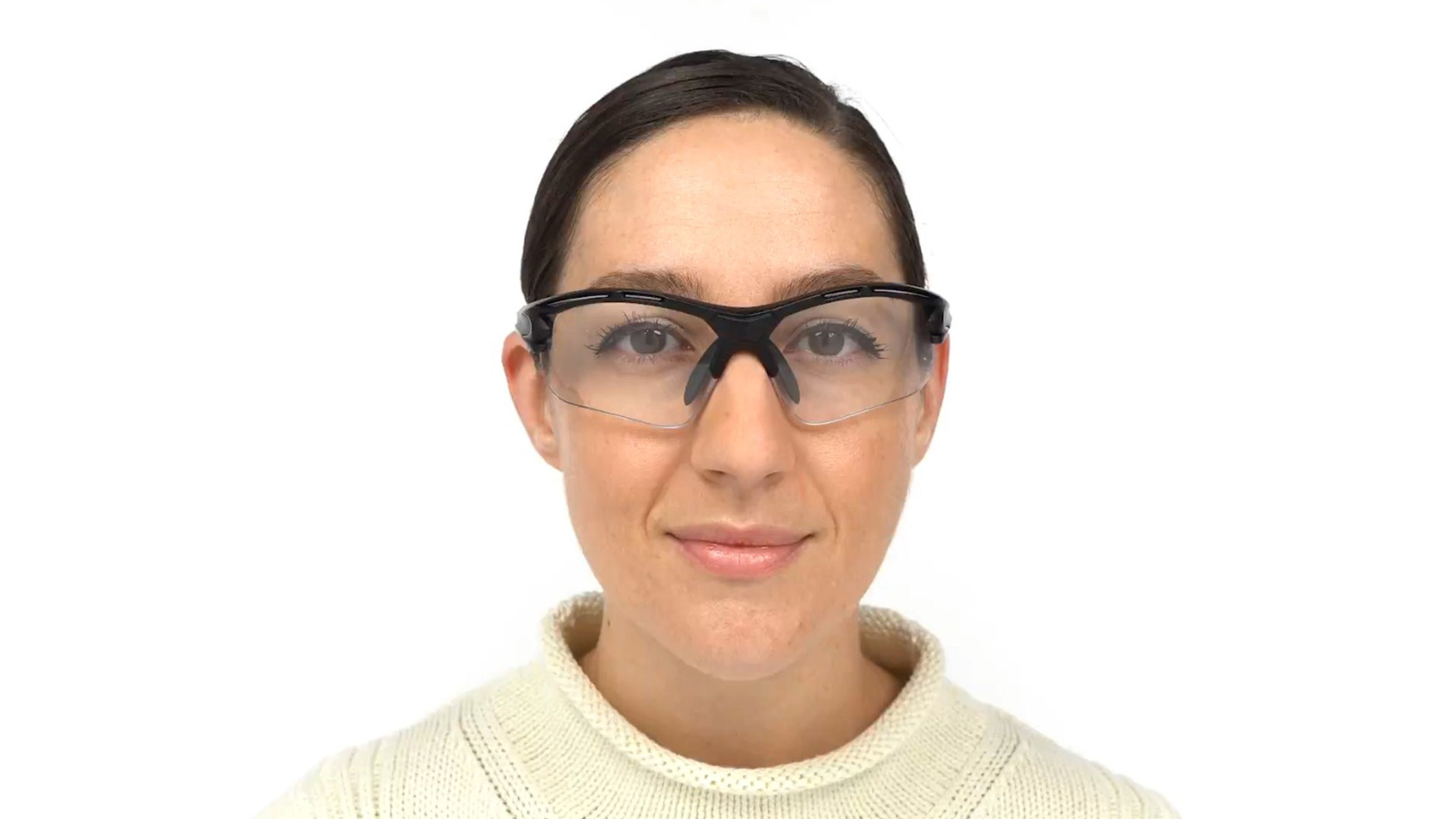
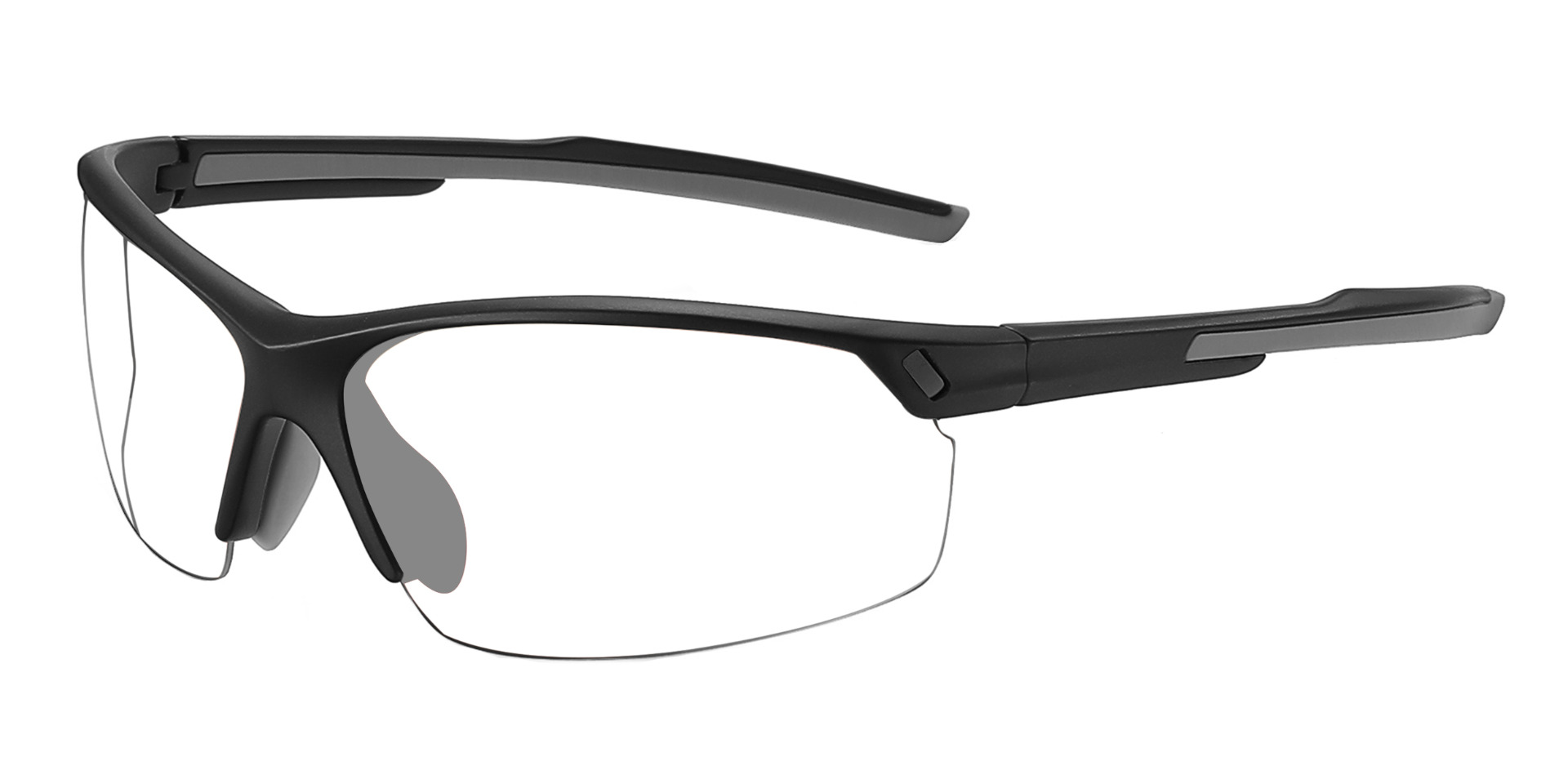
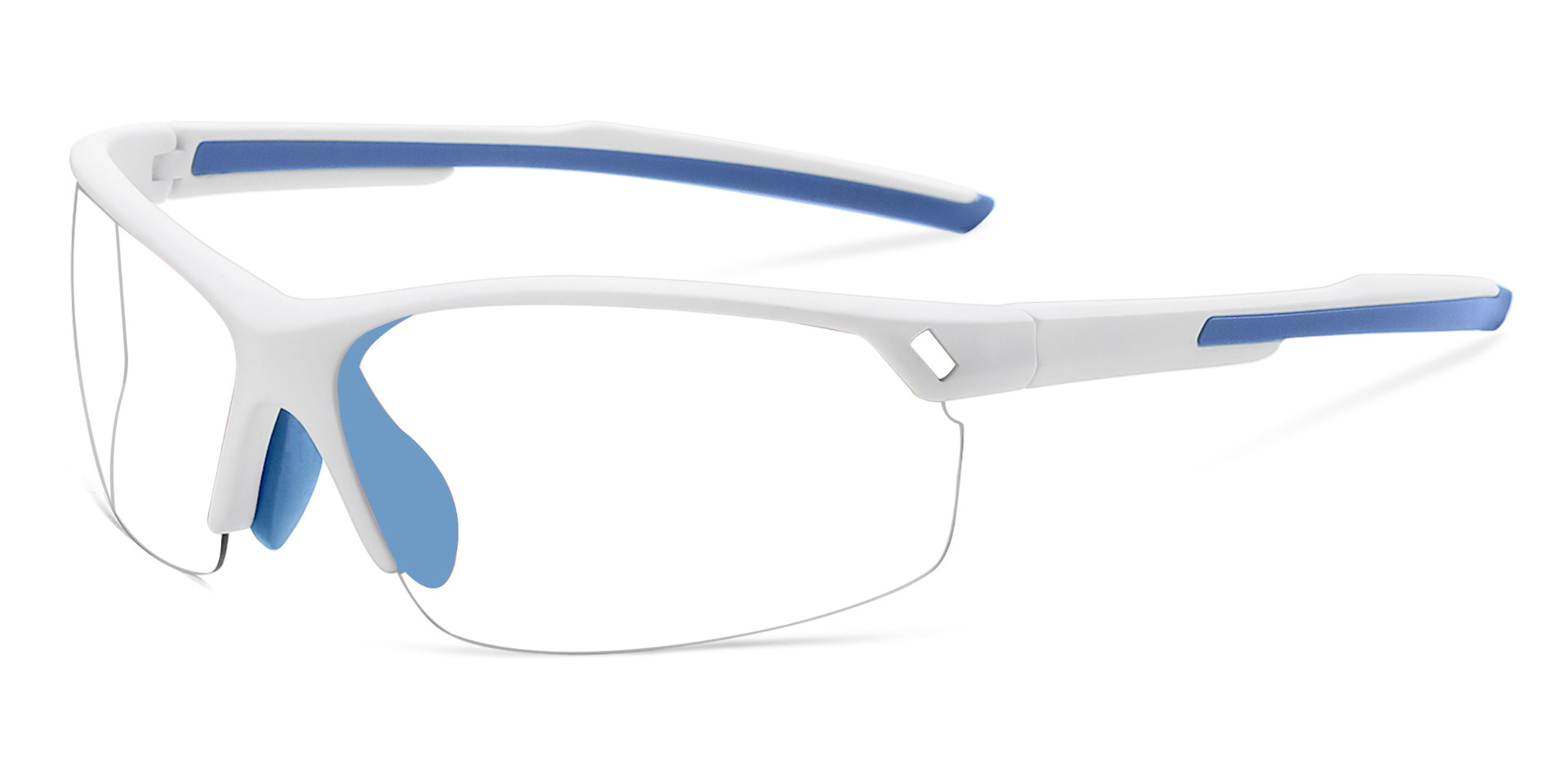
Protective eyewear glasses usually resemble standard frames but may include stronger lens materials, side shields or a wraparound shape. They can feel lightweight and familiar where the assessed risk allows this style.
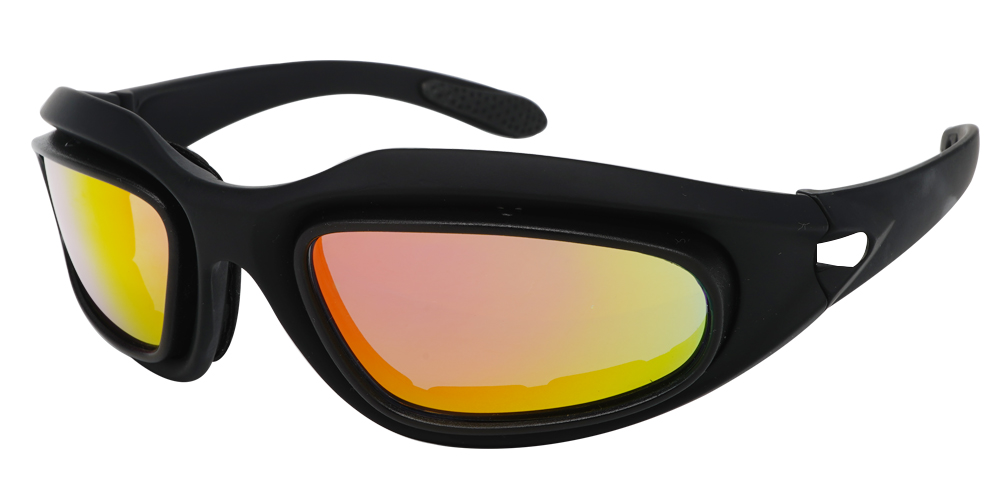
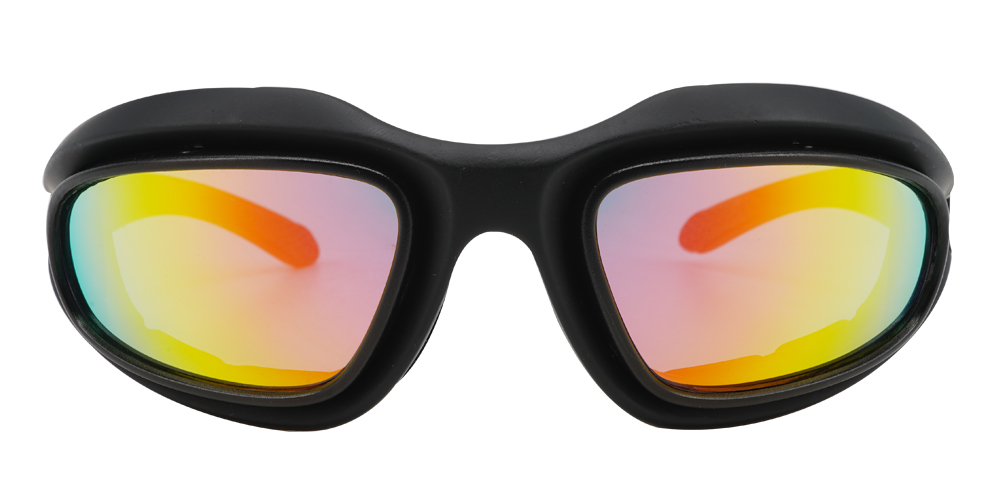
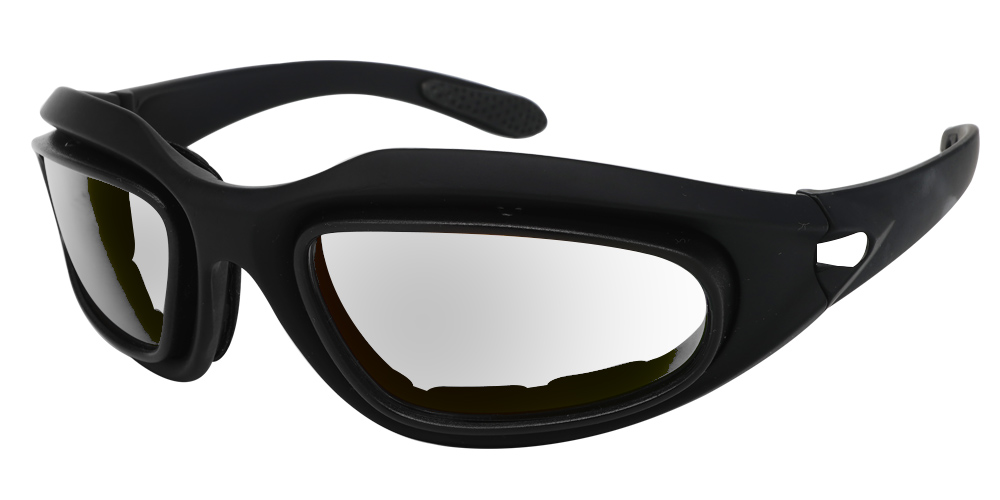
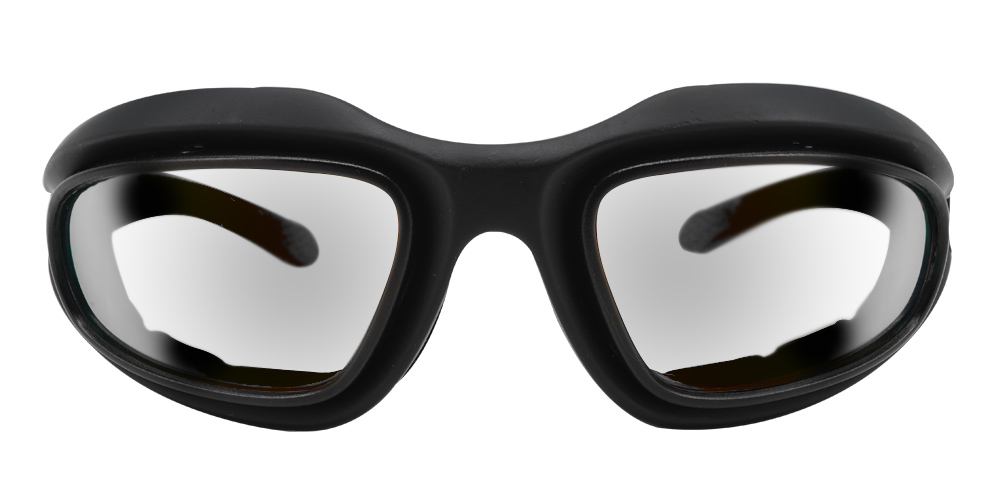
Protective goggles sit closer around the eyes and provide more enclosed coverage. Some use direct ventilation, others indirect vents, and some have a fuller seal. These details matter because goggles intended for larger particles may not suit chemical splash, fine dust, gas or vapour.
No single design covers every situation. Read the specification instead of choosing only by shape.
Details That Make Eyewear Easier to Wear
Protection matters most, but poor comfort can become a problem during a long shift. Compare these features before ordering:
- Frame width: Eyewear should sit securely without squeezing the temples.
- Bridge design: A stable bridge keeps the lenses level and away from eyelashes.
- Side coverage: Shields or curved lenses reduce open gaps around the eyes.
- Strap adjustment: Protective goggles should remain steady without excessive pressure.
- Ventilation: Airflow may help with heat and moisture where suitable.
- Lens clarity: Scratches, distortion and fog can interfere with work.
- PPE compatibility: Check the fit with helmets, masks, respirators and ear defenders.
- Prescription needs: Spectacle wearers may require over-glasses or prescription options.
Judge comfort with the complete equipment setup, not the eyewear by itself.
Clear Lenses or Sun Protection Eyewear?
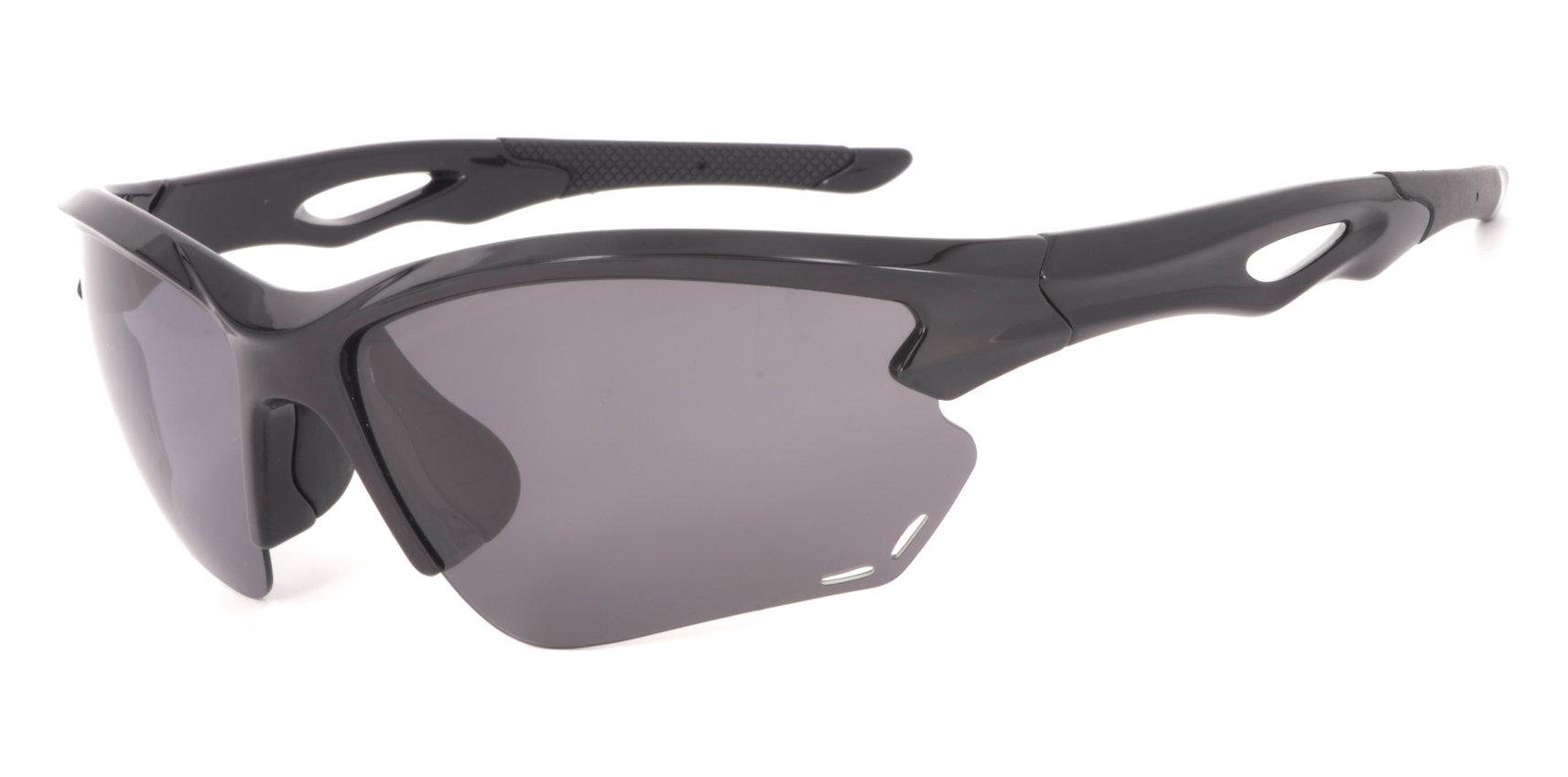
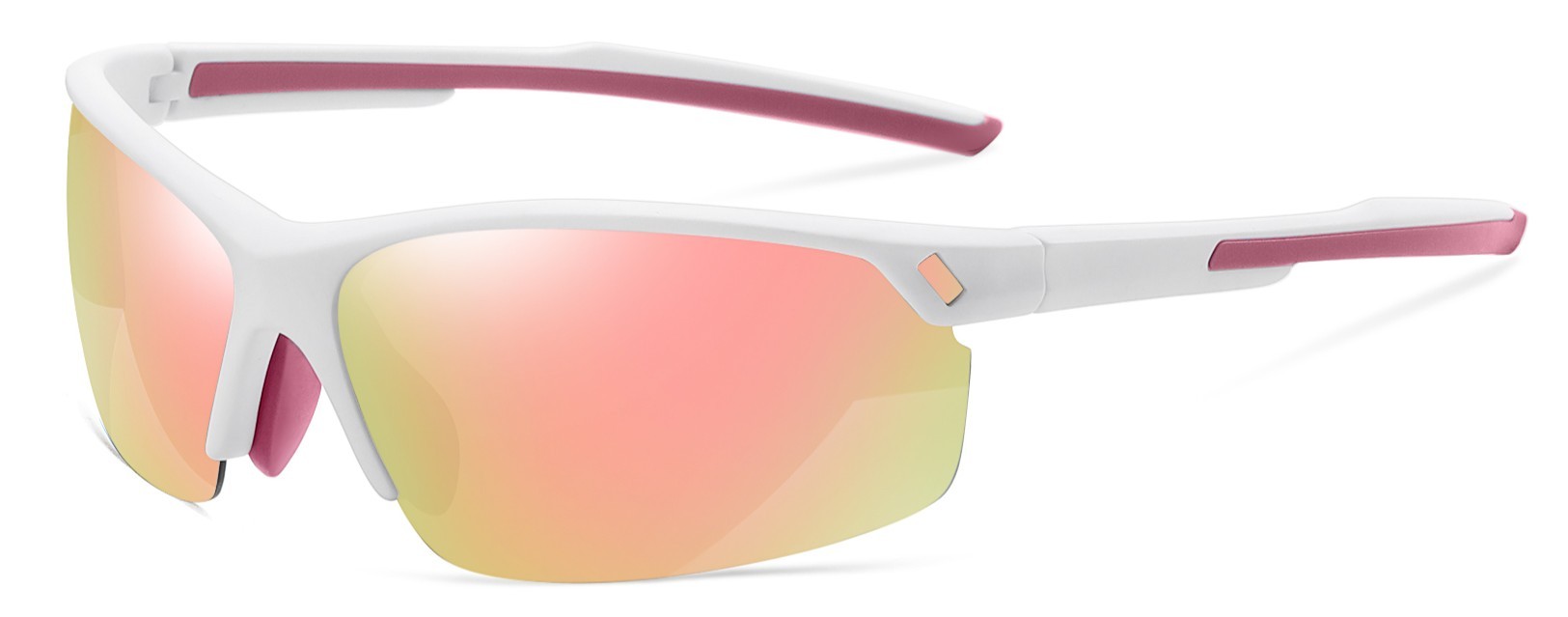
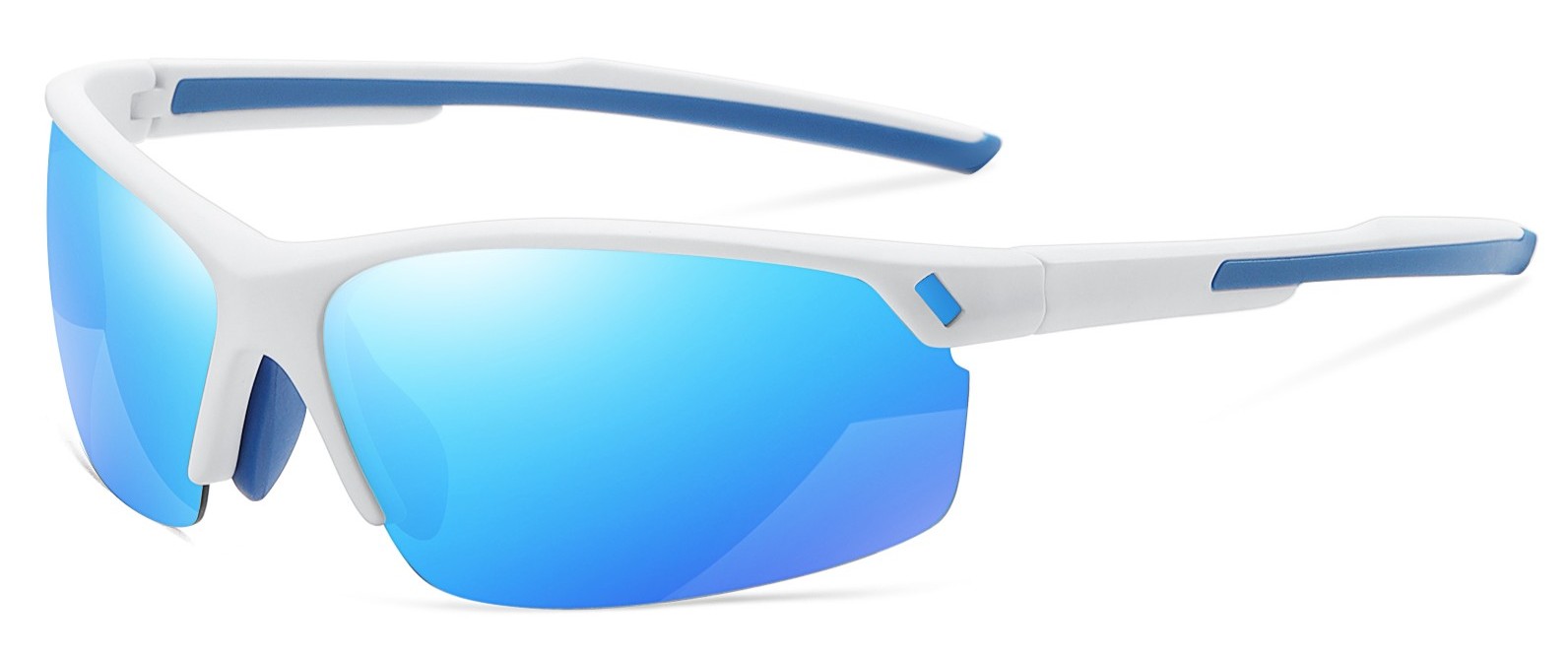
Clear lenses are generally suited to indoor areas, dull weather and tasks where available light matters. Tinted safety eyewear can be more comfortable outdoors, particularly where brightness and reflected glare are persistent.
Grey tints reduce brightness while keeping colours fairly neutral. Brown or bronze lenses create a warmer view, while lighter tints may suit variable conditions. Polarised options can reduce reflected glare from wet roads, water or smooth surfaces, but polarisation does not establish a safety rating.
Sun protection eyewear must still match the workplace hazard. A dark lens does not confirm ultraviolet filtering, impact resistance or suitability for a task. Check the product markings and description carefully.
Working Alongside Other PPE
Eye protection often shares space with other equipment. A hard hat can alter the temple or goggle strap position. Ear defenders may press thick arms into the head. Masks and respirators can direct warm breath upwards and cause misting.
Put everything on together before work. Turn your head, look up and down, bend forward and reproduce normal movements. Each item should remain secure without disturbing another.
When glasses do not provide enough coverage for the assessed risk, goggles, a face shield or a combined system may be required. Follow workplace instructions rather than improvising a setup.
Keeping Lenses Clear and Equipment Ready
Dust and grit should be rinsed or blown away safely before wiping. Rubbing dry particles across the surface can leave scratches. Use recommended cleaning products and a clean, soft cloth.
Anti-fog coatings and ventilation may help manage condensation, but no design stays clear in every environment. Keep vents clean, avoid touching the inner lens and move somewhere safe if fogging prevents a clear view.
Before use, check for cracks, deep scratches, loose lenses, stretched straps, damaged seals and distorted frames. Store clean, dry eyewear in a protective case away from heat, chemicals and sharp tools. Replace damaged products rather than attempting unapproved repairs.
Compare Protective Eyewear at RxSport UK
RxSport UK offers safety eyewear for different jobs, environments and face shapes. The collection includes protective eyewear glasses, enclosed protective goggles and options for brighter outdoor conditions.
Compare the fit, coverage, lens type, product markings and stated purpose before deciding. The most suitable option matches the assessed risk, works with other equipment and remains comfortable enough to wear correctly throughout the task.