Two Viewing Distances in One Pair
Some jobs require frequent shifts between the wider workspace and something held close. You may read a scale, check a drawing, inspect a component or use a handheld device, then immediately look across the room. Bifocal safety glasses are designed for that pattern.
The main lens supports distance vision, while a smaller lower section helps with near tasks. This can reduce the need to swap between safety eyewear and reading glasses.
How the Bifocal Area Works
The reading section is usually positioned low in the lens and comes into use when you lower your eyes. Looking straight ahead keeps the distance portion in view. Segment shape, height and power vary between lens designs.
Safety glasses with bifocal lenses can take time to adjust to. Steps, ladders and uneven ground may look different through the lower reading area, so become familiar with the lenses in a safe setting.
Choosing the Right Reading Power
Your prescription may include a near addition, often shown as an ADD value. This helps determine the extra power needed for close work. Do not choose a reading strength by age or guesswork.
Before ordering, check:
- Your full prescription: Use current sphere, cylinder, axis and ADD values for each eye.
- Pupillary distance: Accurate measurements help position the optical centres.
- Working distance: Reading at arm’s length may need a different setup from close inspection.
- Segment height: The reading zone should work without forcing an unnatural head position.
- Prescription limits: Strong powers, prism or high astigmatism may restrict frame choices.
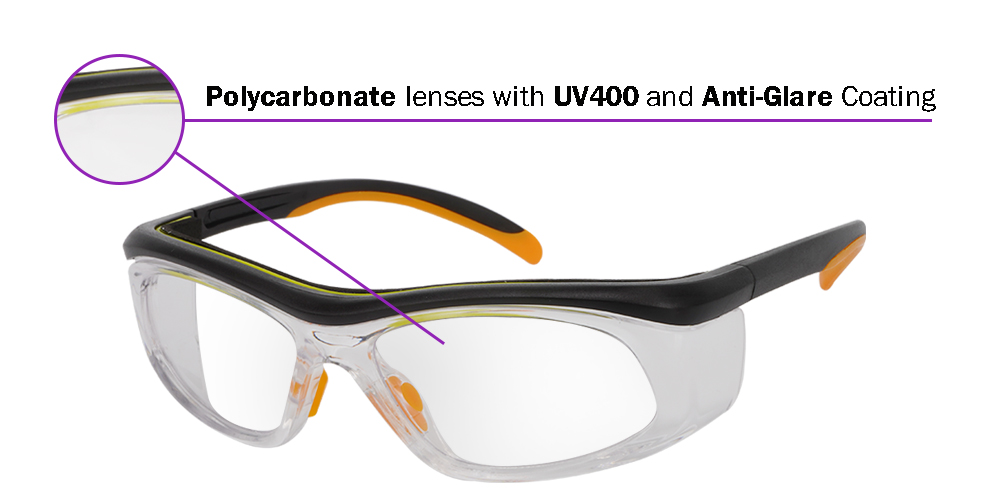
- Lens material: Confirm that the selected lens suits the product’s stated protection.
Contact lens powers should not normally be copied into a spectacles order.
Protection Still Comes Before Convenience
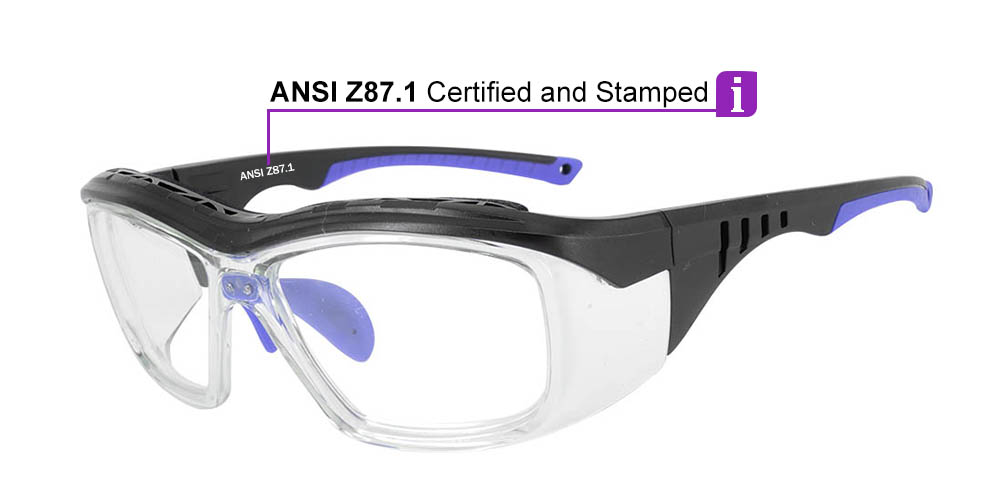
A bifocal lens does not automatically make a frame suitable for workplace hazards. RX bifocal safety glasses must be selected according to the risk assessment, task and product markings.
Check whether the complete frame and lens combination is intended for the type of exposure involved. Eyewear for flying particles may not suit chemical splash, fine dust, heat or specialist radiation. Some jobs may require goggles, a face shield or another form of protection instead.
The bifocal feature supports vision at two distances; it does not replace the need to verify the safety specification.
Frame Shape and Everyday Comfort
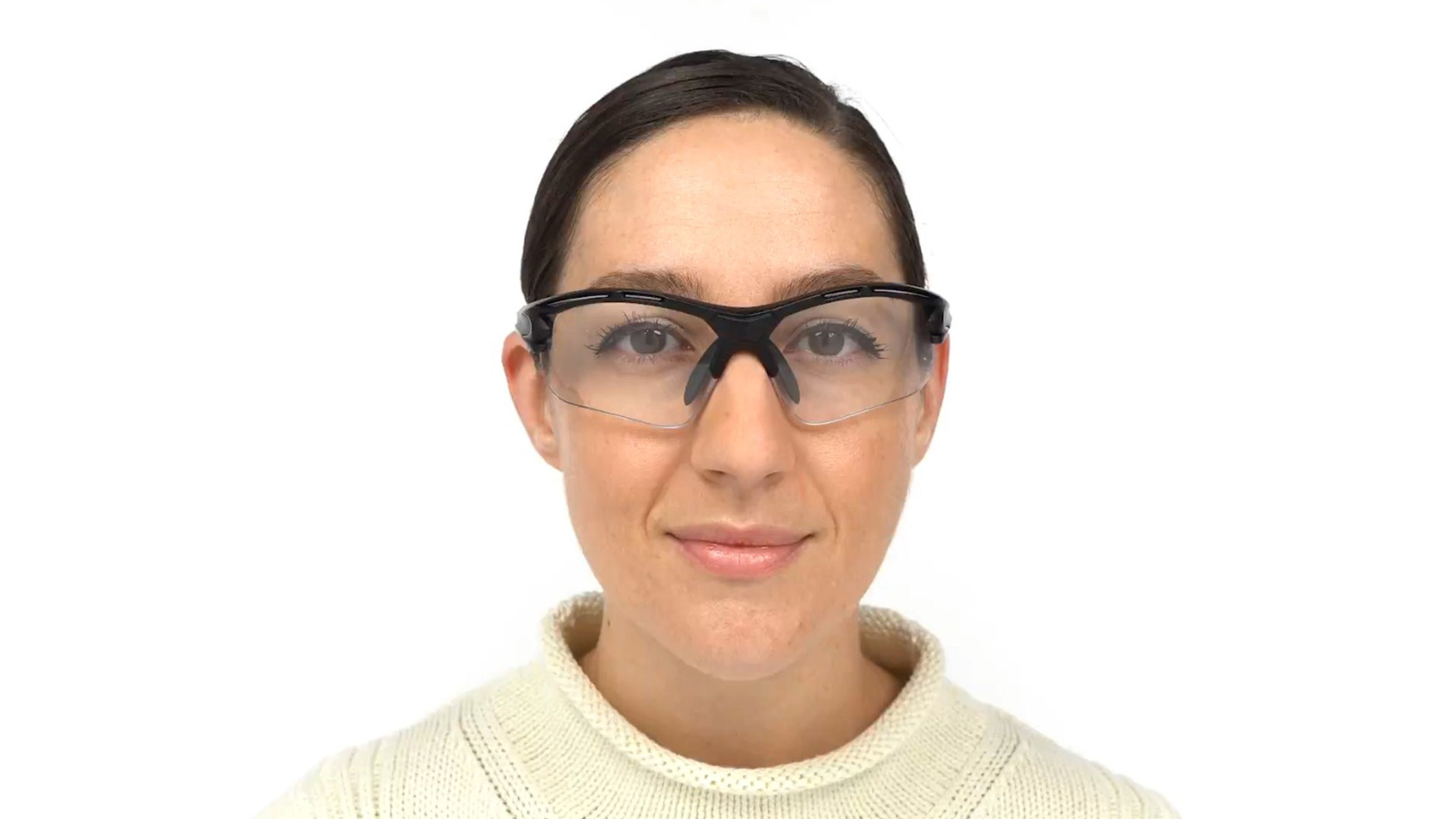
Comfort matters when eyewear stays on for several hours. The bridge should sit evenly, the temples should not pinch and the frame should remain stable when you bend, turn or look down.
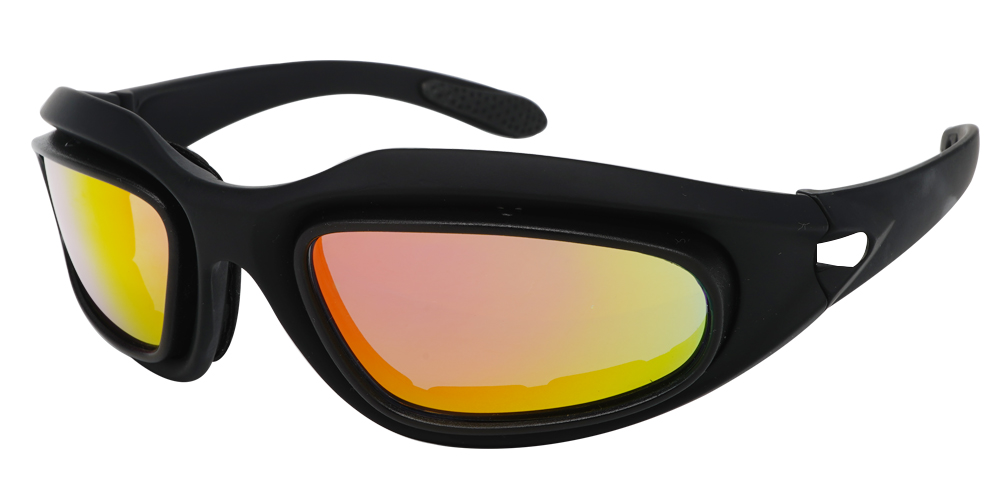
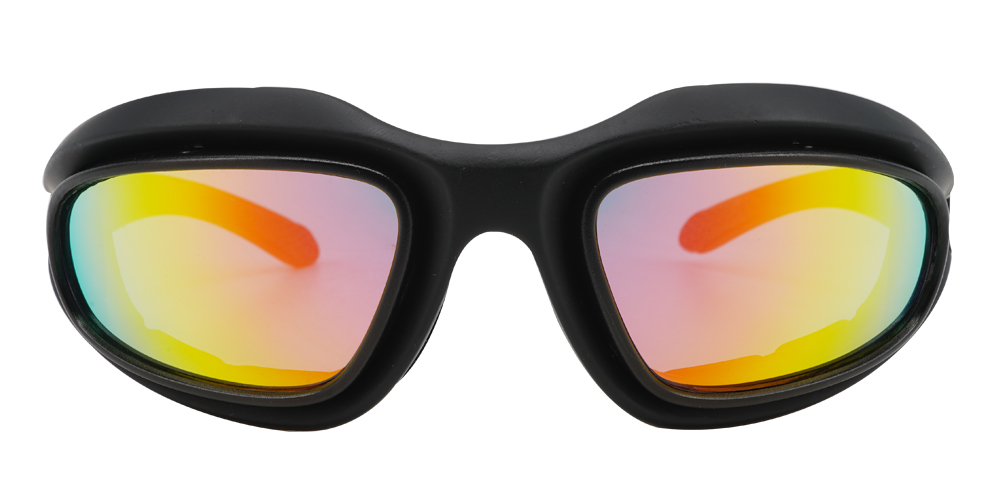
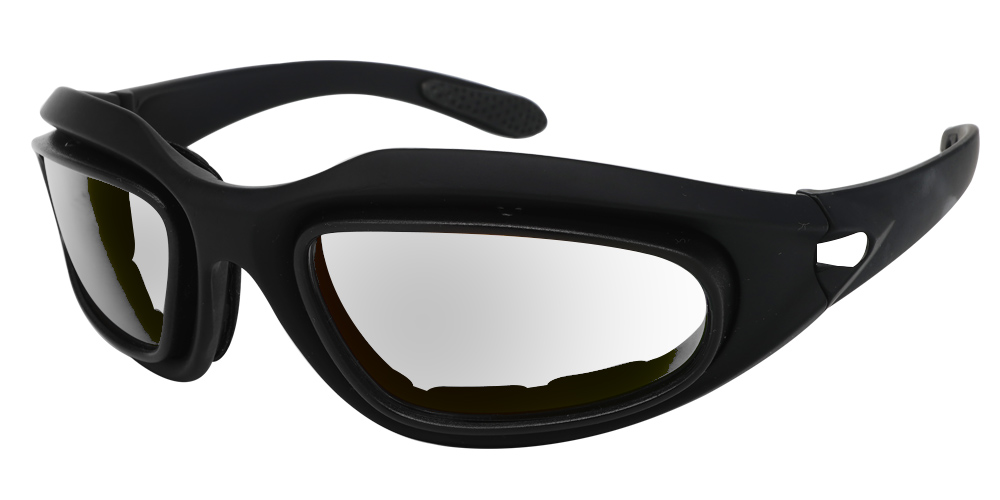
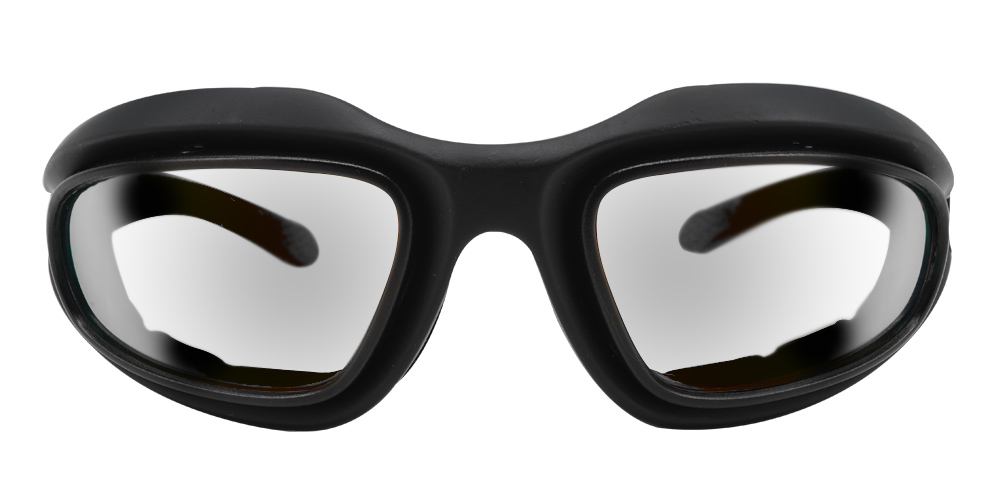
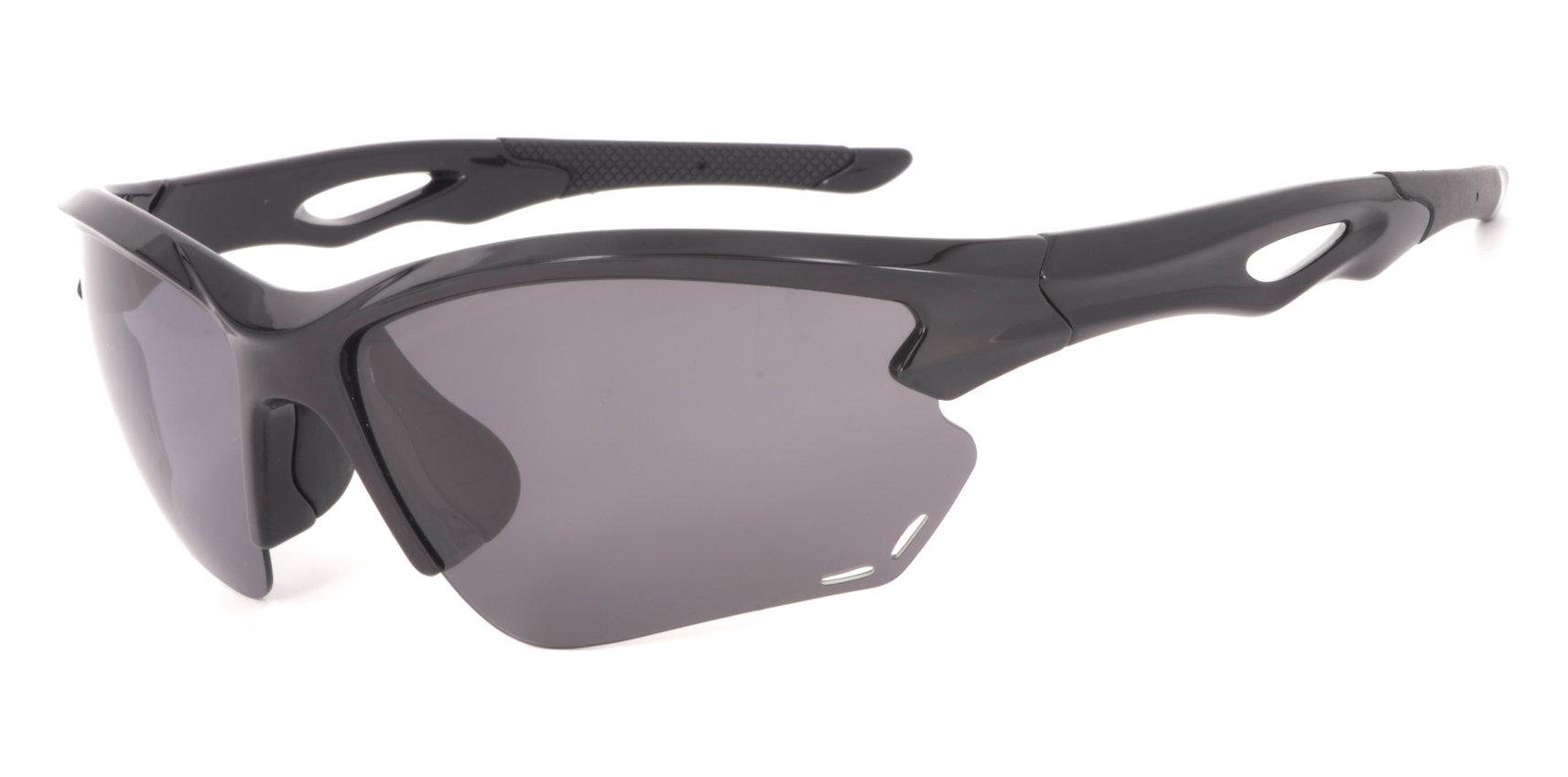
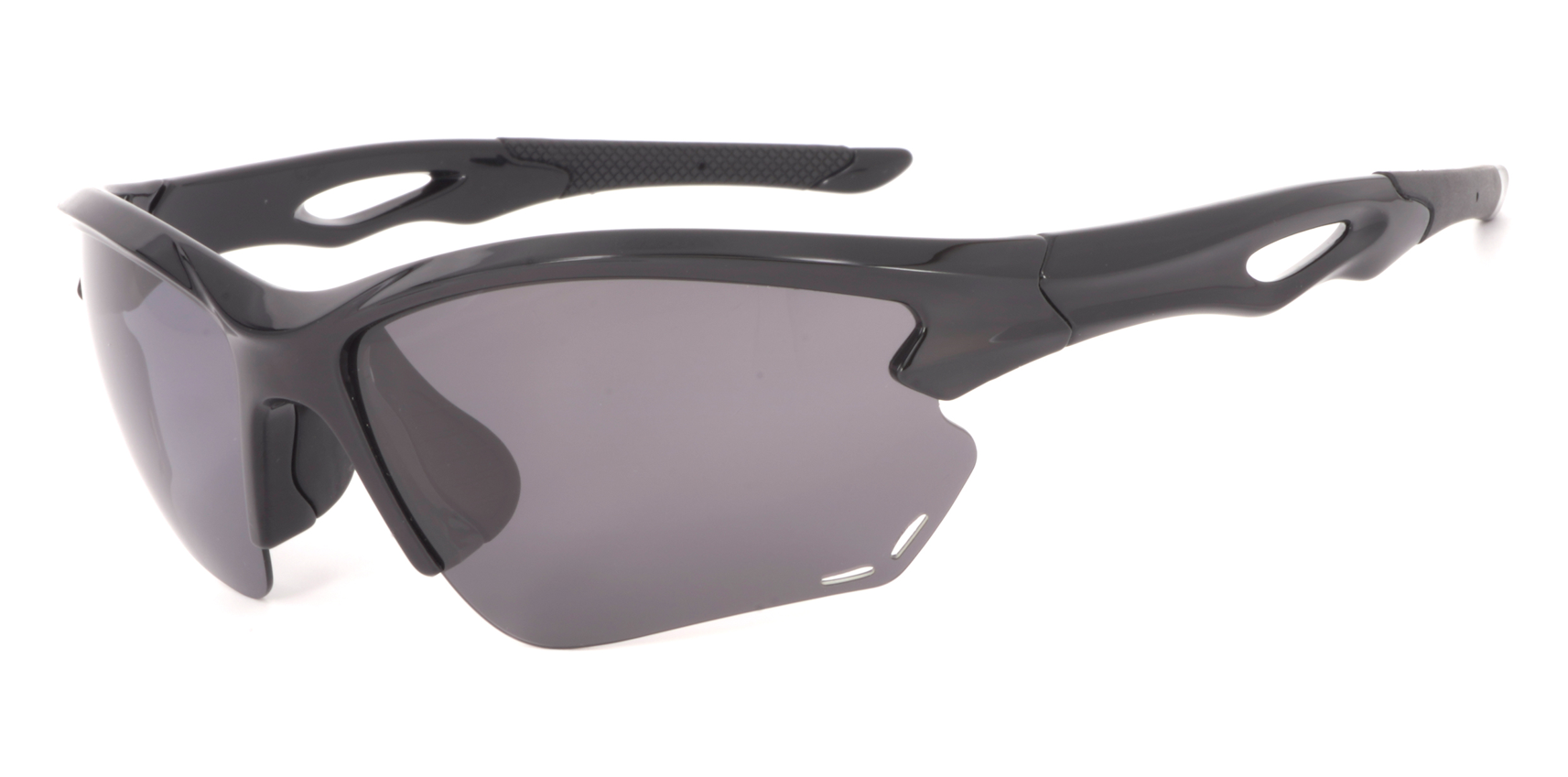
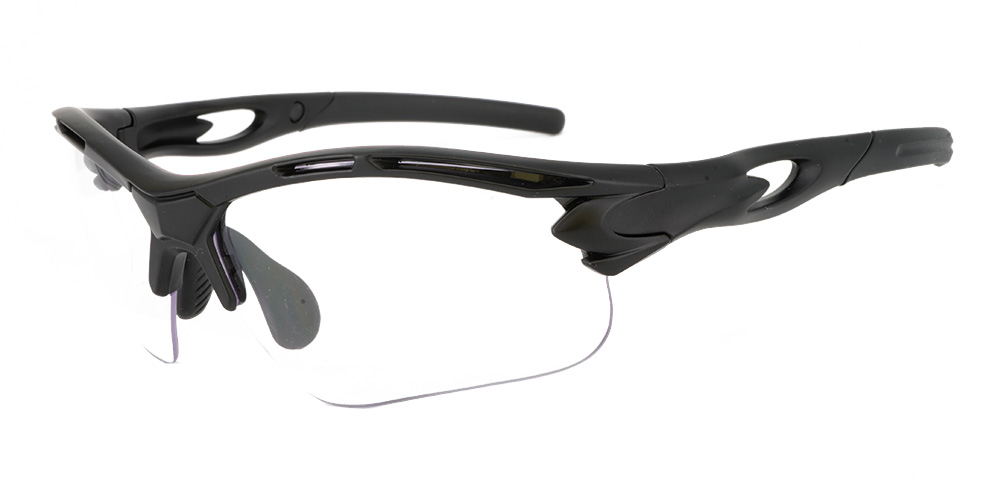
Wraparound styles can provide wider side coverage, while flatter frames may suit some prescriptions more easily. Try the glasses with your normal work equipment. Hard hats, ear defenders, respirators and masks can all change how the frame sits.
The reading area should be easy to find without tilting your head excessively. If it feels too high, too low or distracting during movement, the lens setup may need review.
Managing Mist, Heat and Moisture
Workers searching for the best anti fog bifocal safety glasses should look at both the lens treatment and frame ventilation. Anti-fog coatings can help, but no pair stays perfectly clear in every environment.
Keep vents clean, avoid touching the inner lens and use only cleaning products suitable for coated safety eyewear. Masks should fit properly so warm breath is not directed towards the lenses. If misting prevents a clear view, move to a safe area before cleaning or adjusting the glasses.
Do not drill holes or modify the frame to increase airflow, as this may affect its protective performance.
Comparing Bifocal Safety Glasses at RxSport UK
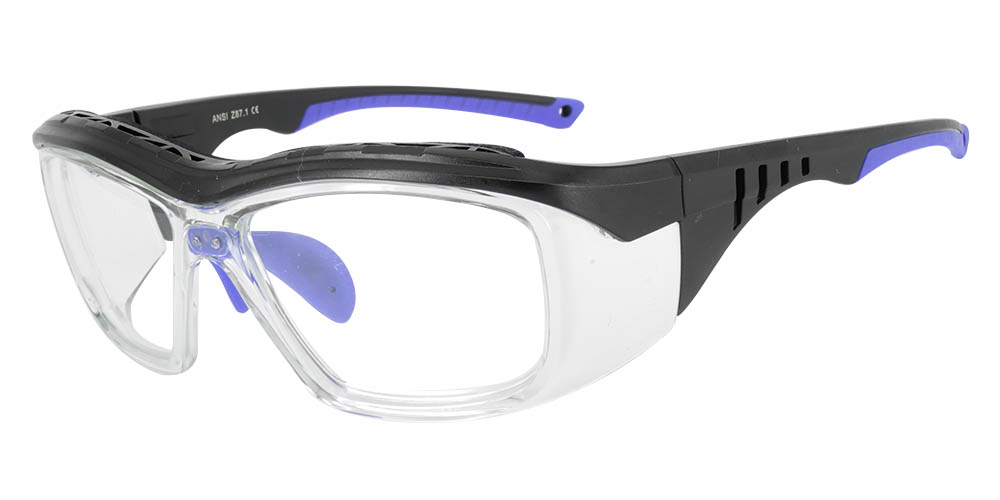
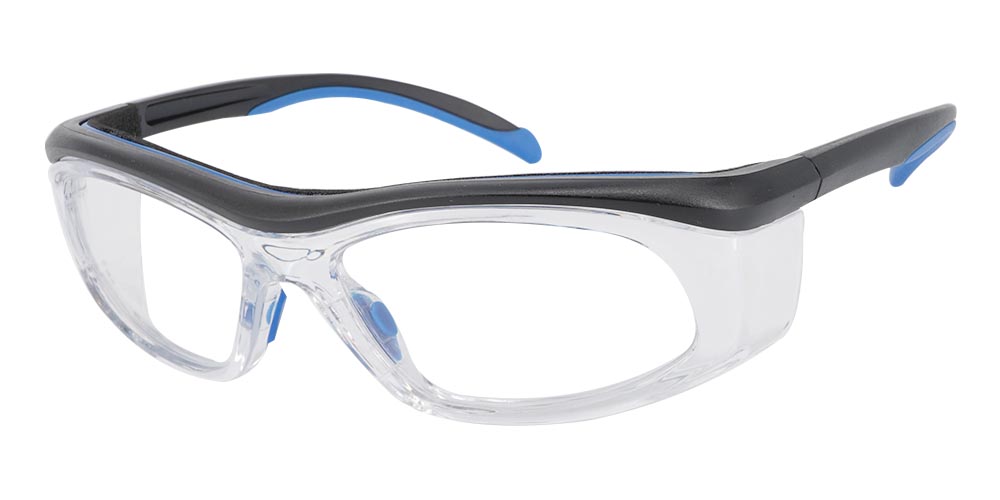
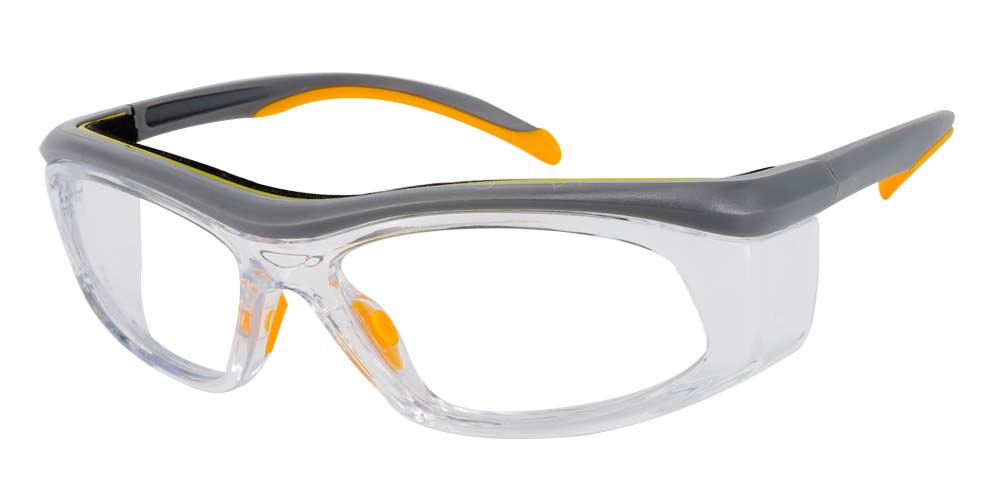
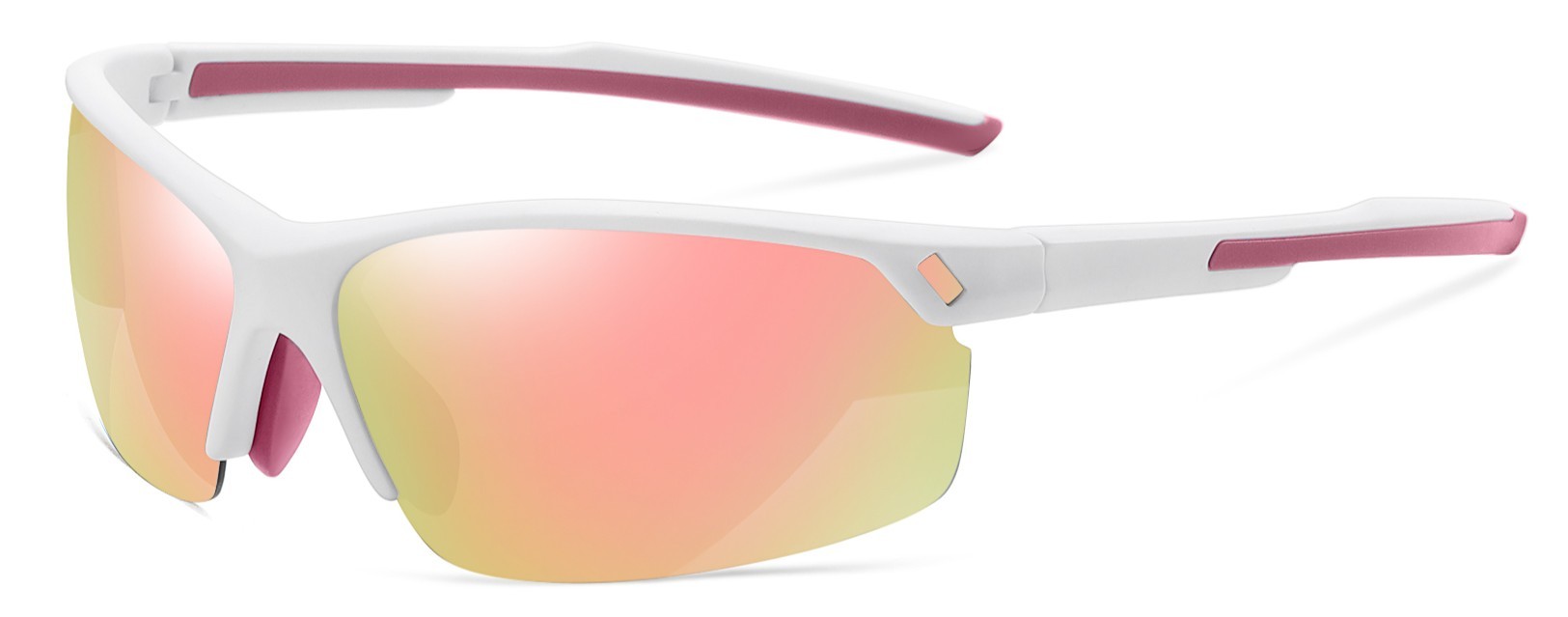
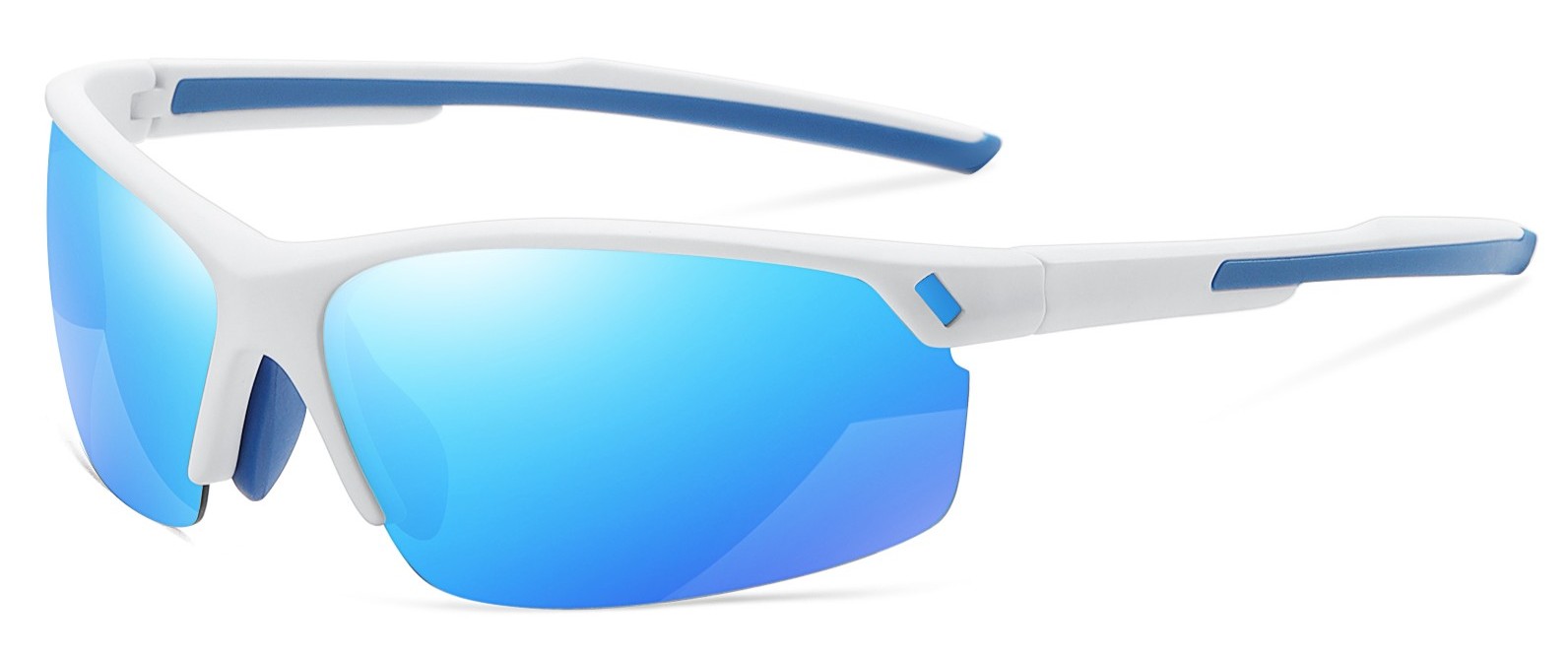
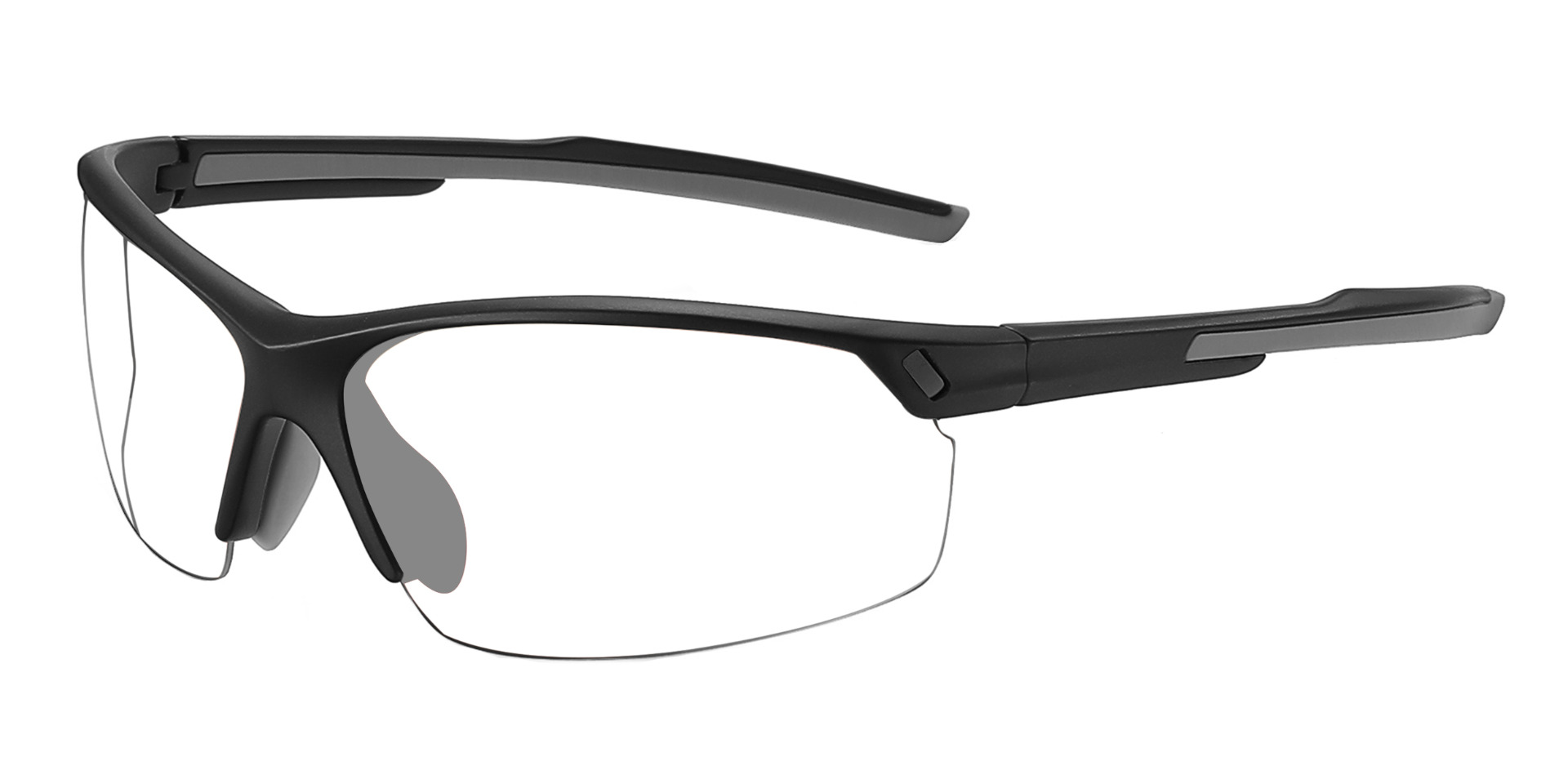
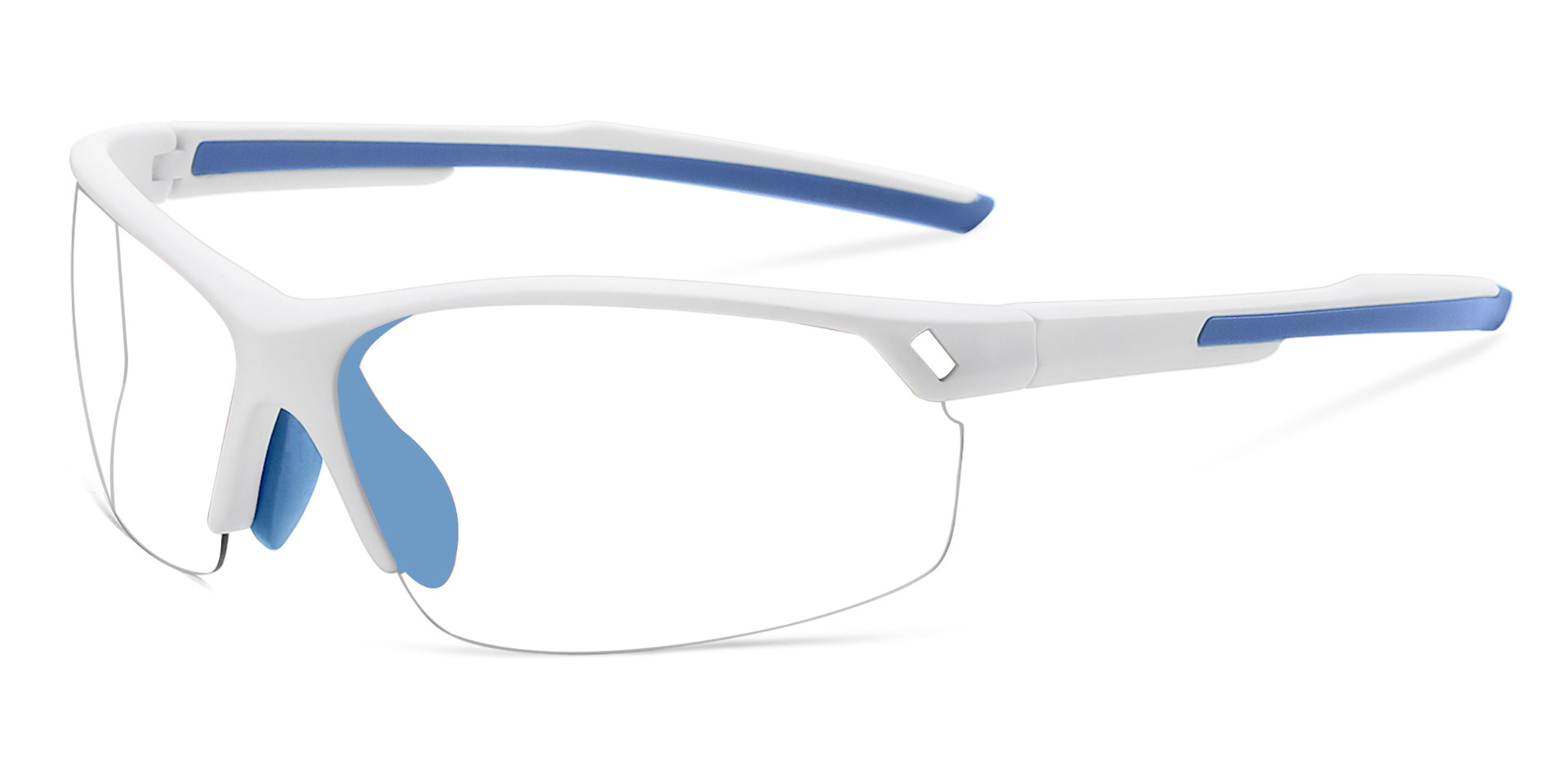
RxSport UK offers bifocal safety glasses UK customers can compare for different prescriptions, tasks and working environments. Review the frame dimensions, lens choices, bifocal options, stated markings and compatibility with other PPE before deciding.
The best pair is not simply the cheapest or most heavily styled. It should support your distance vision, place the near area where you naturally use it and remain comfortable throughout the task. That balance matters during repetitive tasks and longer working shifts.
Cleaning and Replacement
Rinse away dust and grit before wiping the lenses. Use a suitable cleaner and a clean microfibre cloth. Avoid paper towels, clothing and household sprays.
Inspect the frame, lenses and side protection regularly. Replace the eyewear if the lenses are cracked, deeply scratched or loose, or if the frame becomes distorted and no longer fits securely.