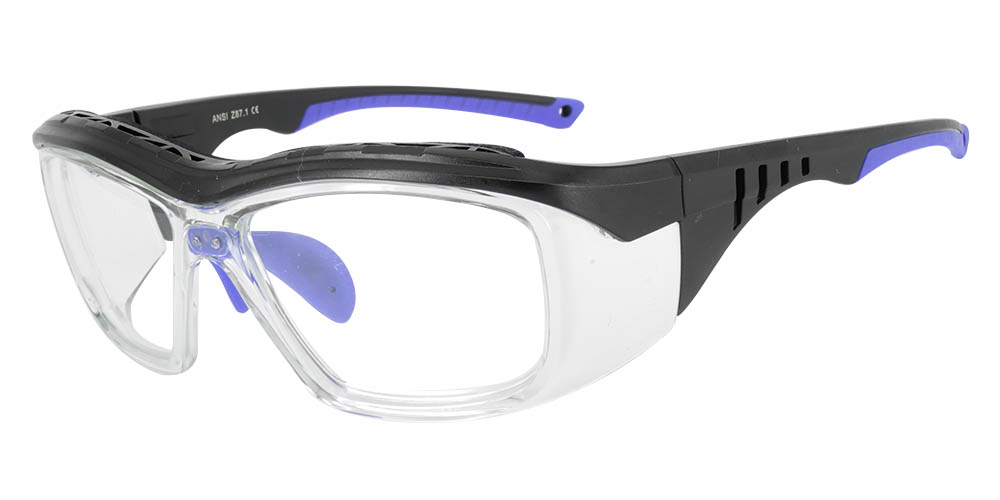
Why Ordinary Specs Can Be Awkward at the Range
Everyday glasses may give you the correction you need, but they are not always comfortable with ear defenders, a cap or other shooting equipment. Thick temple arms can create pressure, loose frames may shift, and narrow lenses can leave distracting edges in your view.
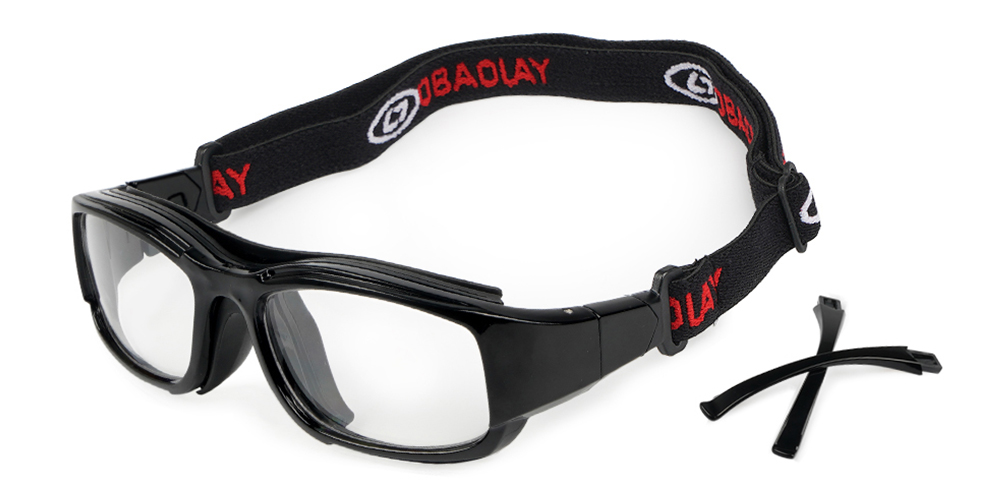
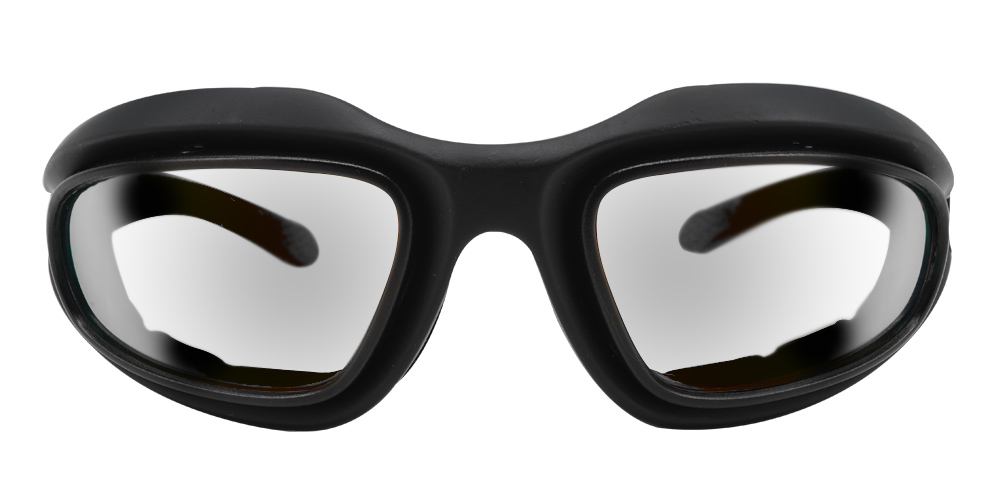
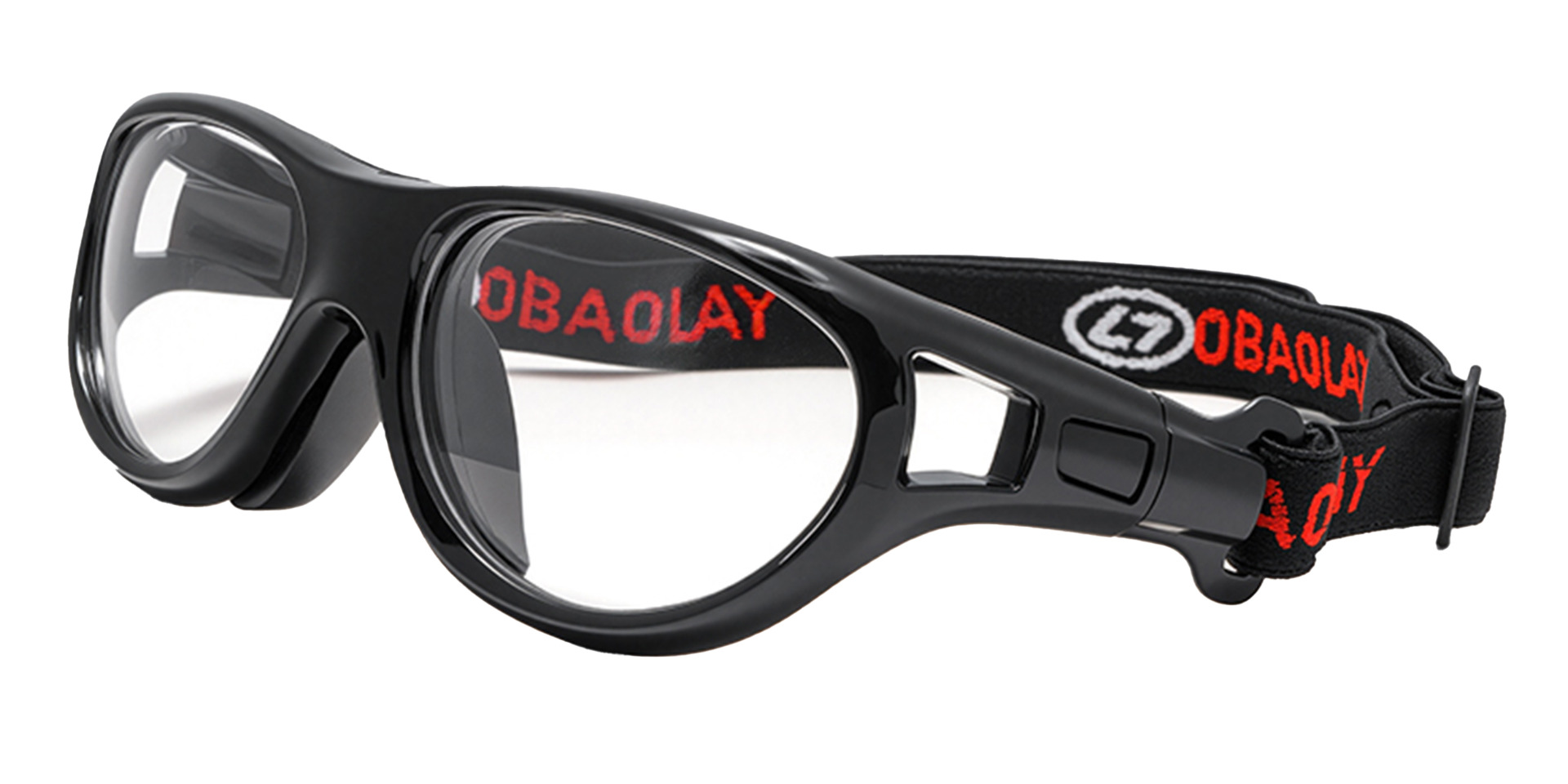
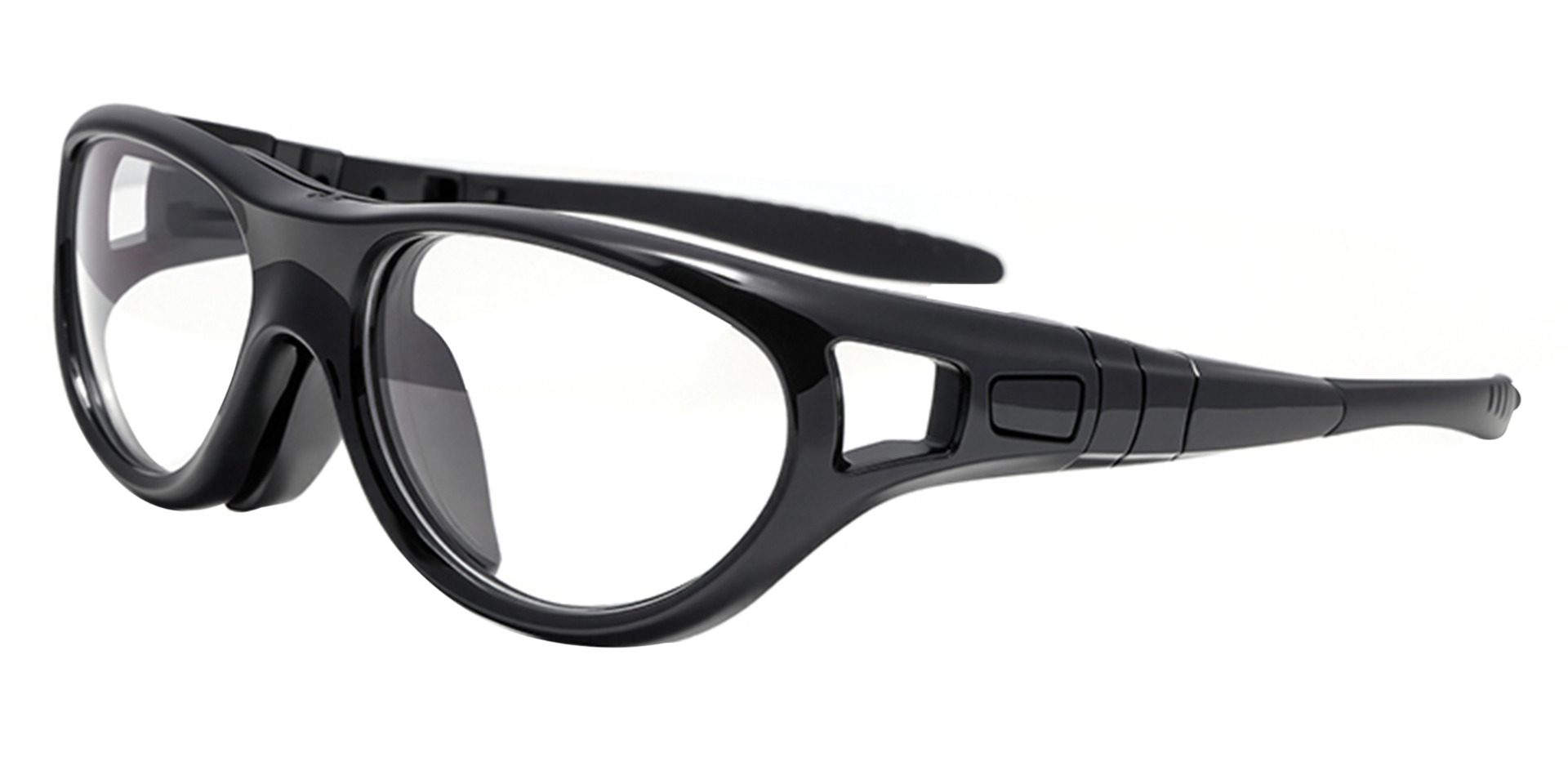
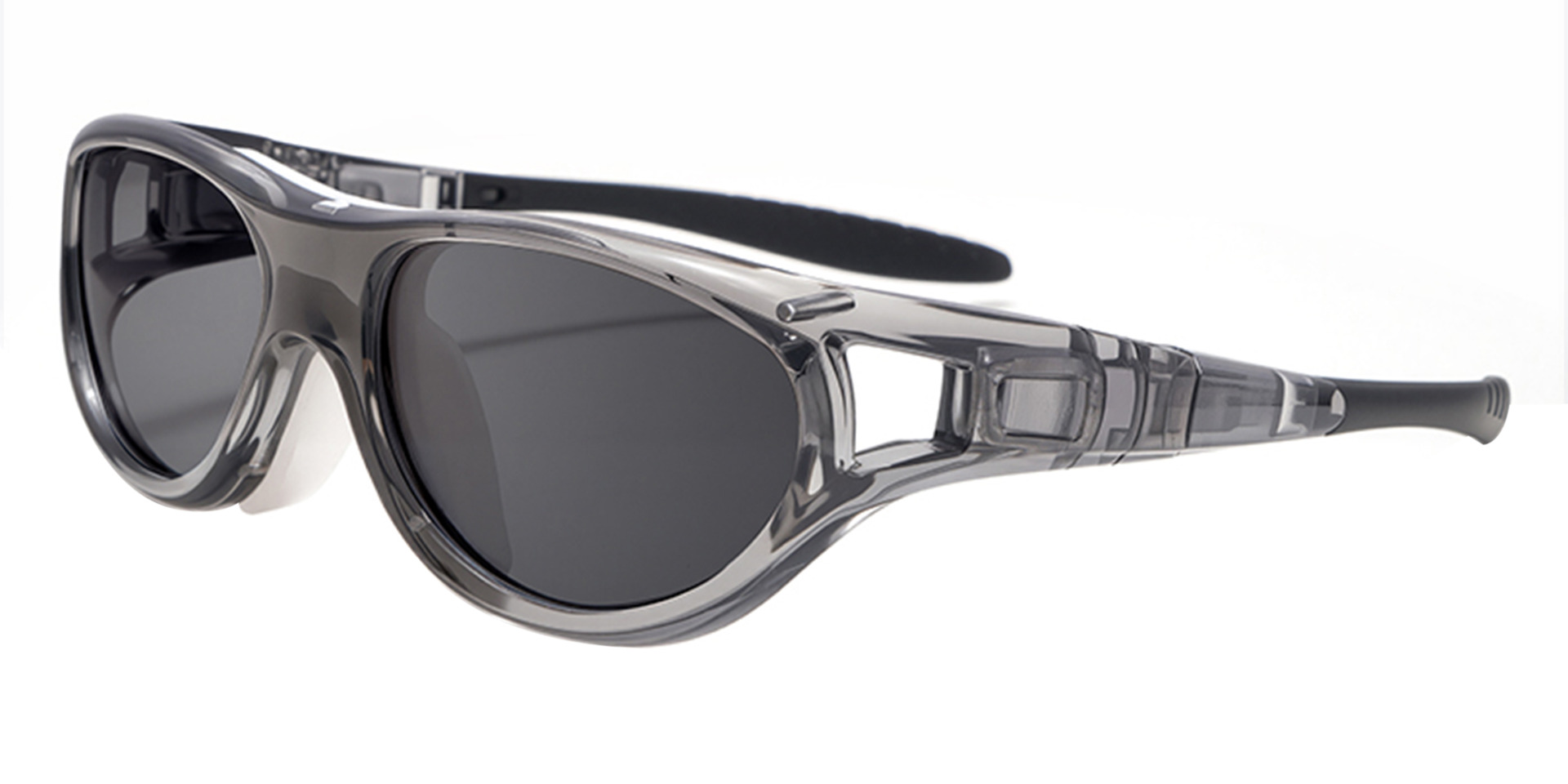
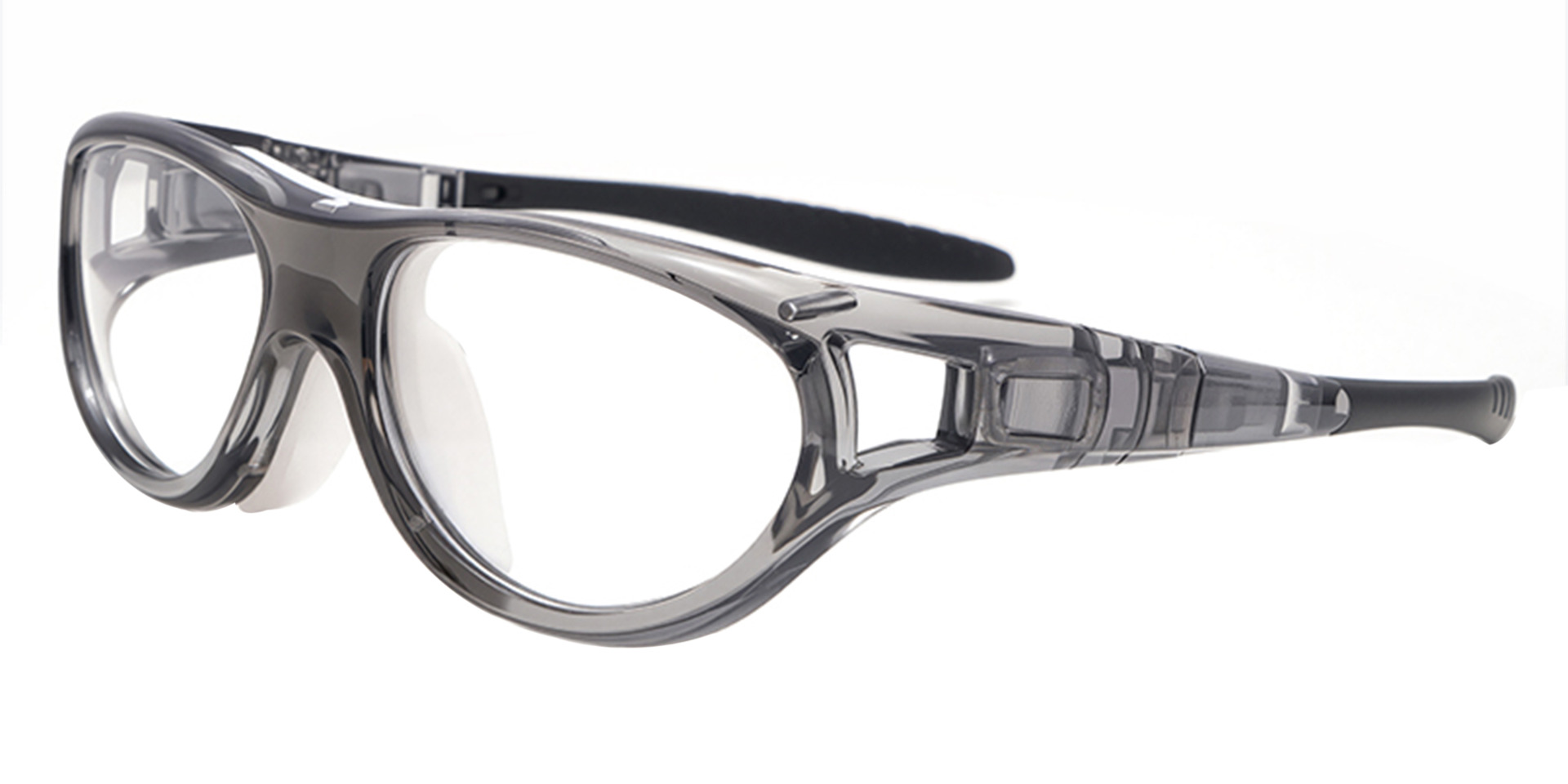
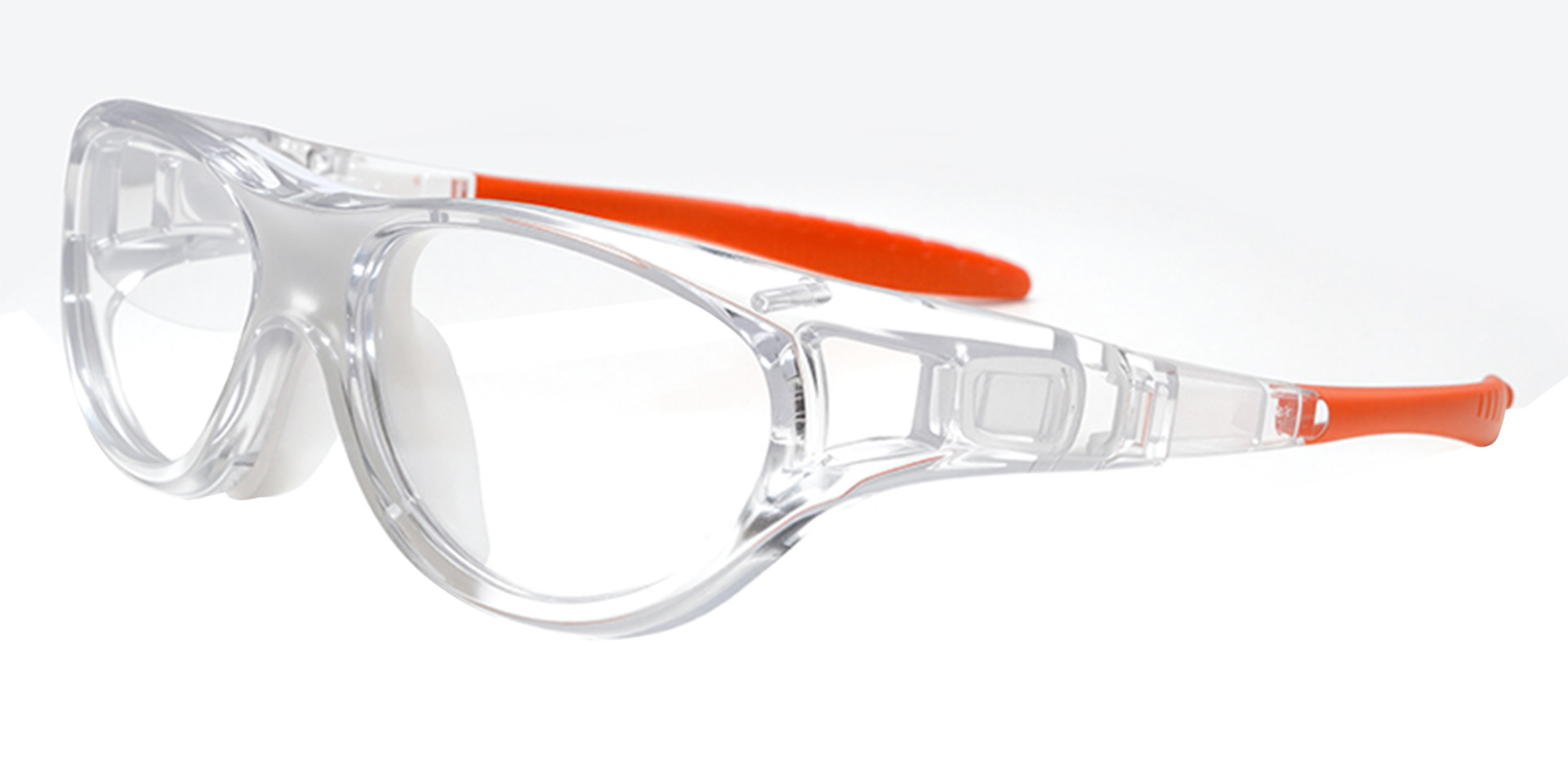
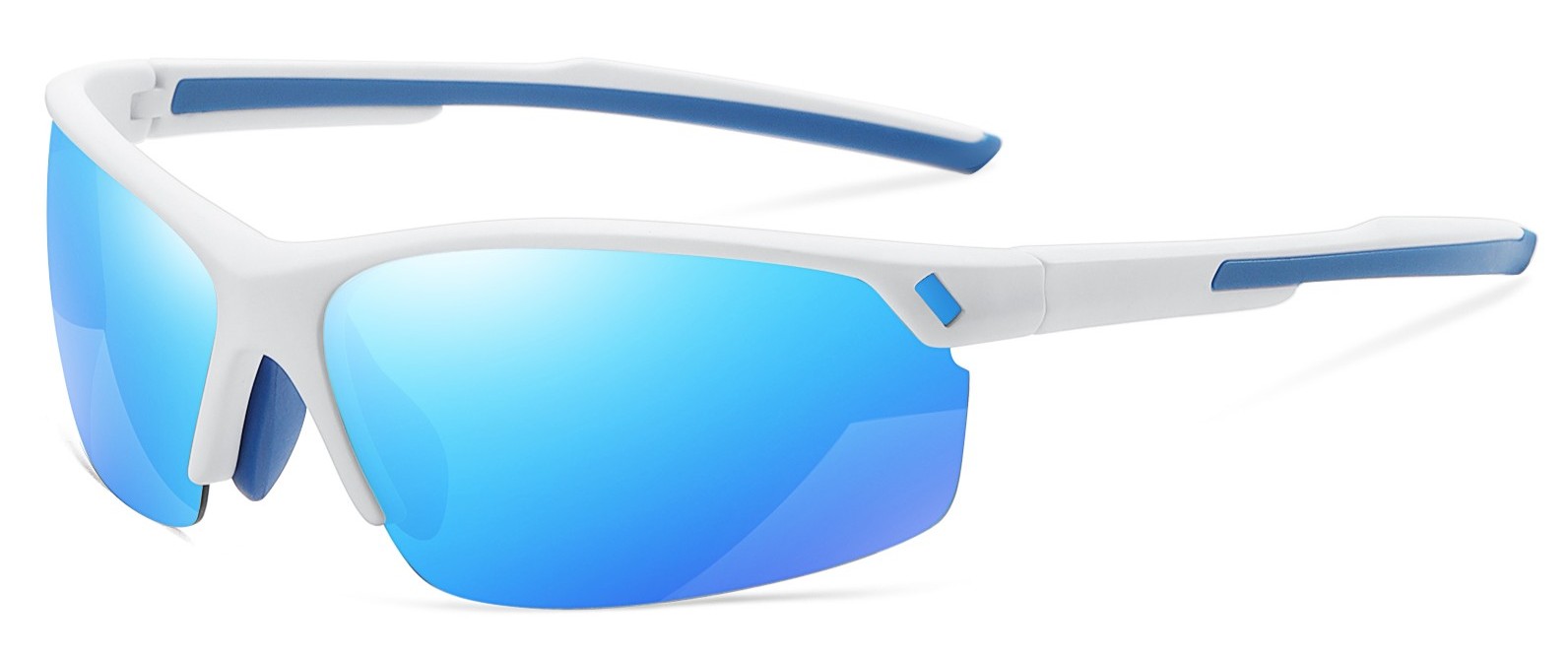
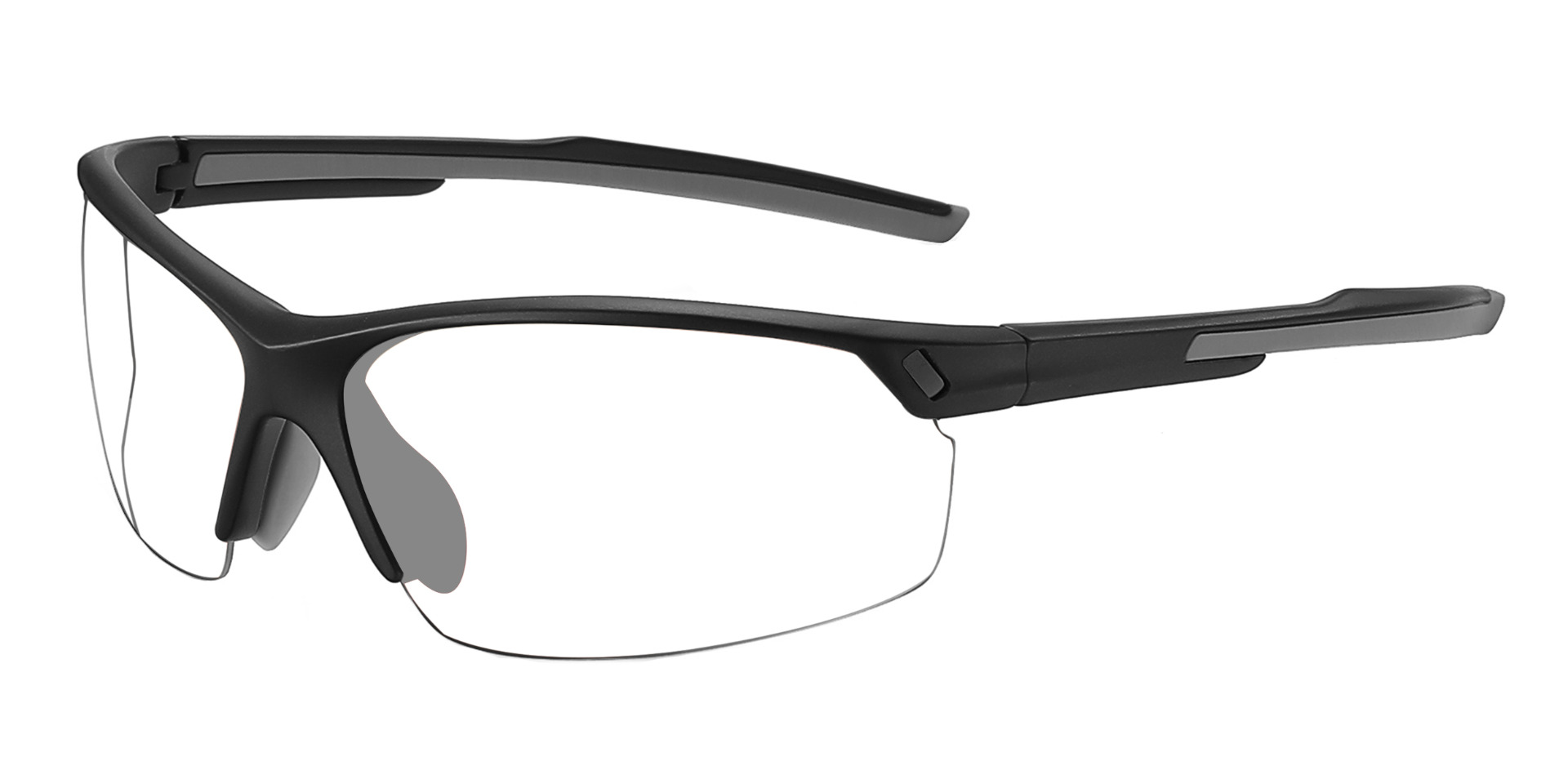
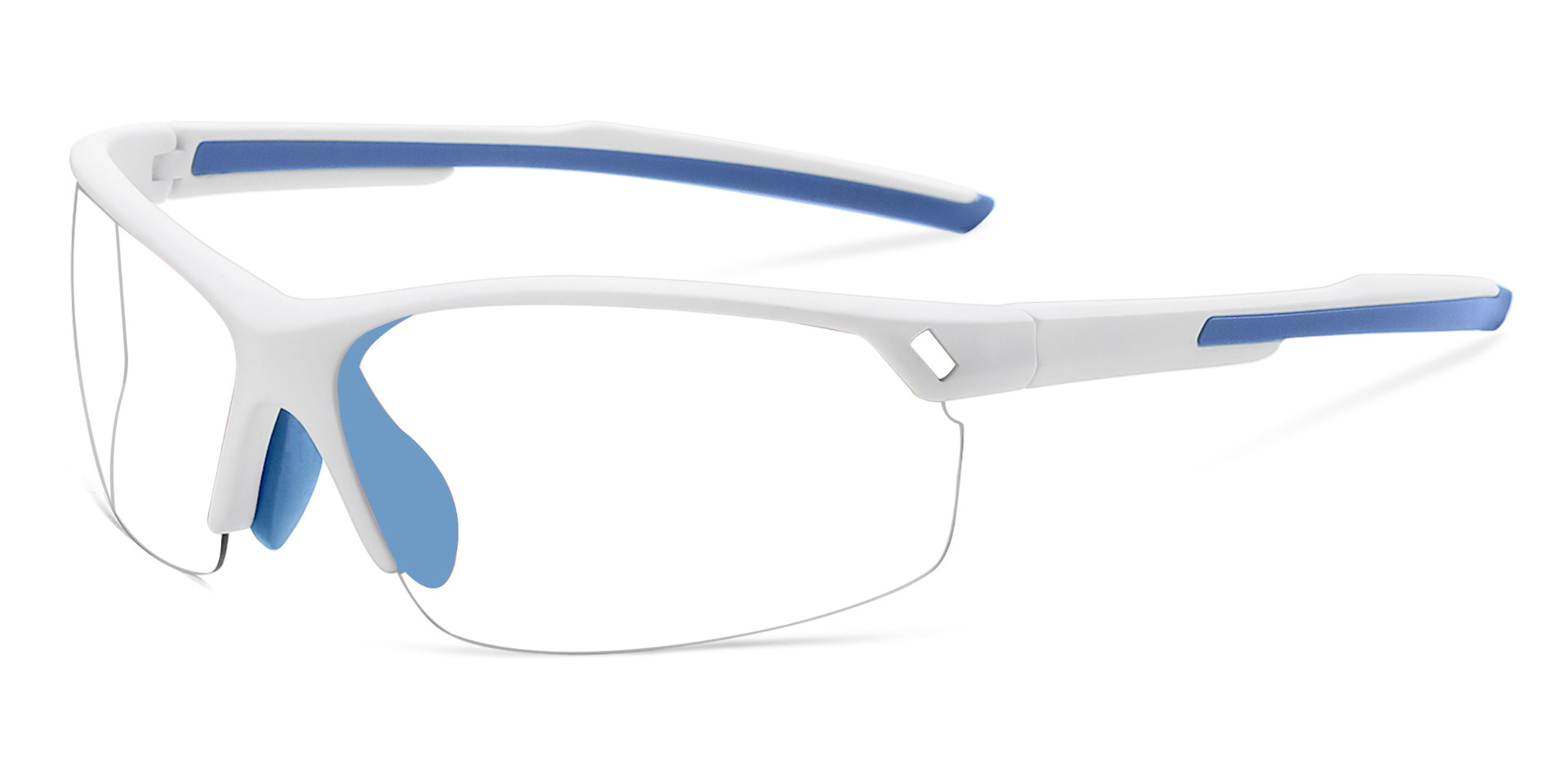
Prescription shooting glasses are chosen with these practical details in mind. A lightweight frame, stable bridge and wider lens shape can feel less intrusive when you settle into position.
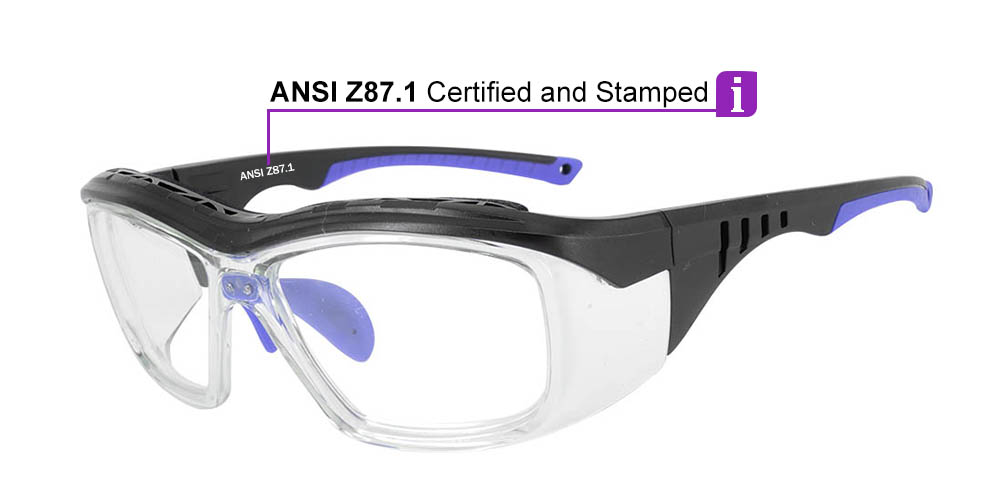
Always read the product specification and check the rules of your club, ground or range. Do not assume that every sports frame offers the same impact protection. Any stated safety standard should apply to the complete eyewear setup, including the prescription lenses.
Start with the Way You Shoot
Clay, target and field disciplines do not place identical demands on eyewear. A clay shooter may want an open upper view for following a rising target, while someone using an indoor range may care more about clear lenses and compatibility with hearing protection.
Before choosing a frame, think about:
- Your environment: indoor, covered, open field or woodland.
- The light: bright sun, flat cloud, artificial lighting or mixed conditions.
- Other equipment: ear defenders, caps and headwear affect comfort.
- Your prescription: stronger powers may limit curved frame choices.
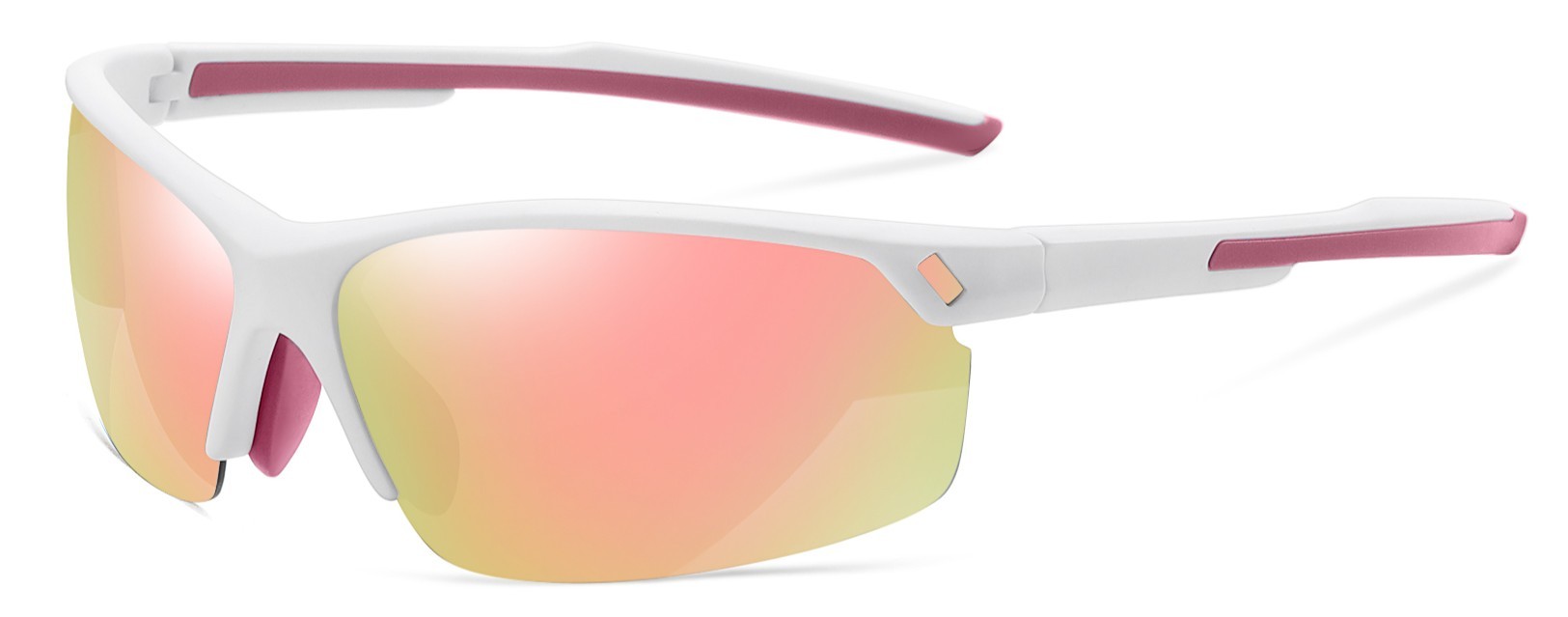
- Preferred coverage: choose between a close wrap and a flatter fit.
- Frequency of use: regular shooting may justify a specialised setup.
Clear, Tinted and Sun Lenses
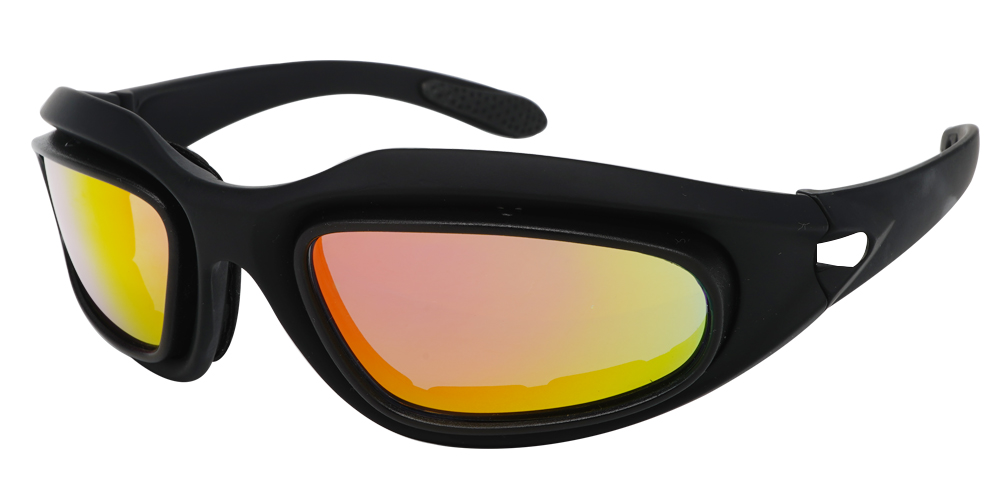
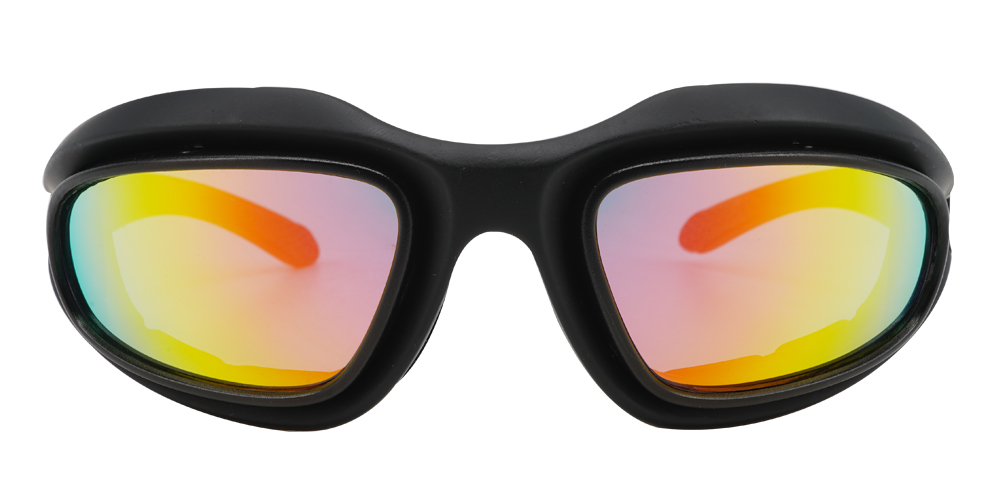
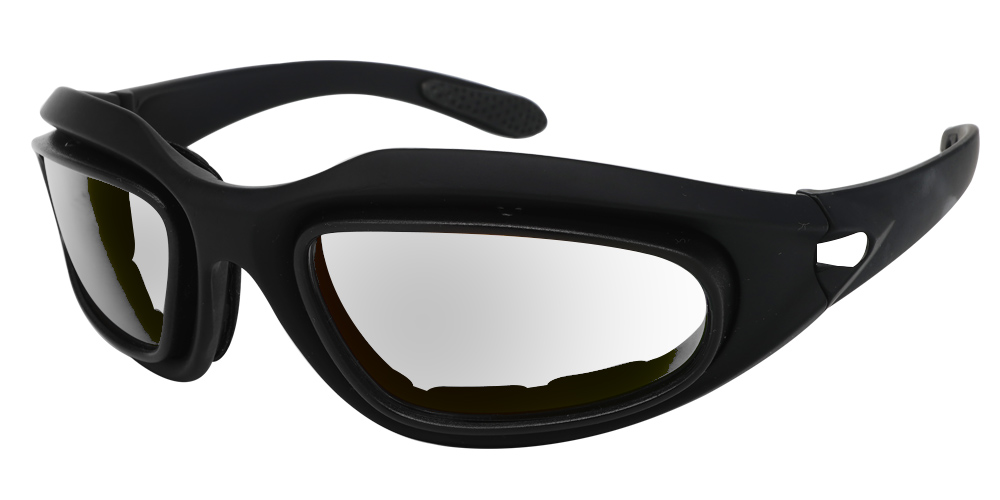
Clear lenses are practical when you want maximum available light, particularly indoors or on dull days. Yellow, amber, orange and rose tints are sometimes preferred in flat conditions because they change how contrast is perceived. Grey and brown tints reduce brightness outdoors, with brown producing a warmer view.
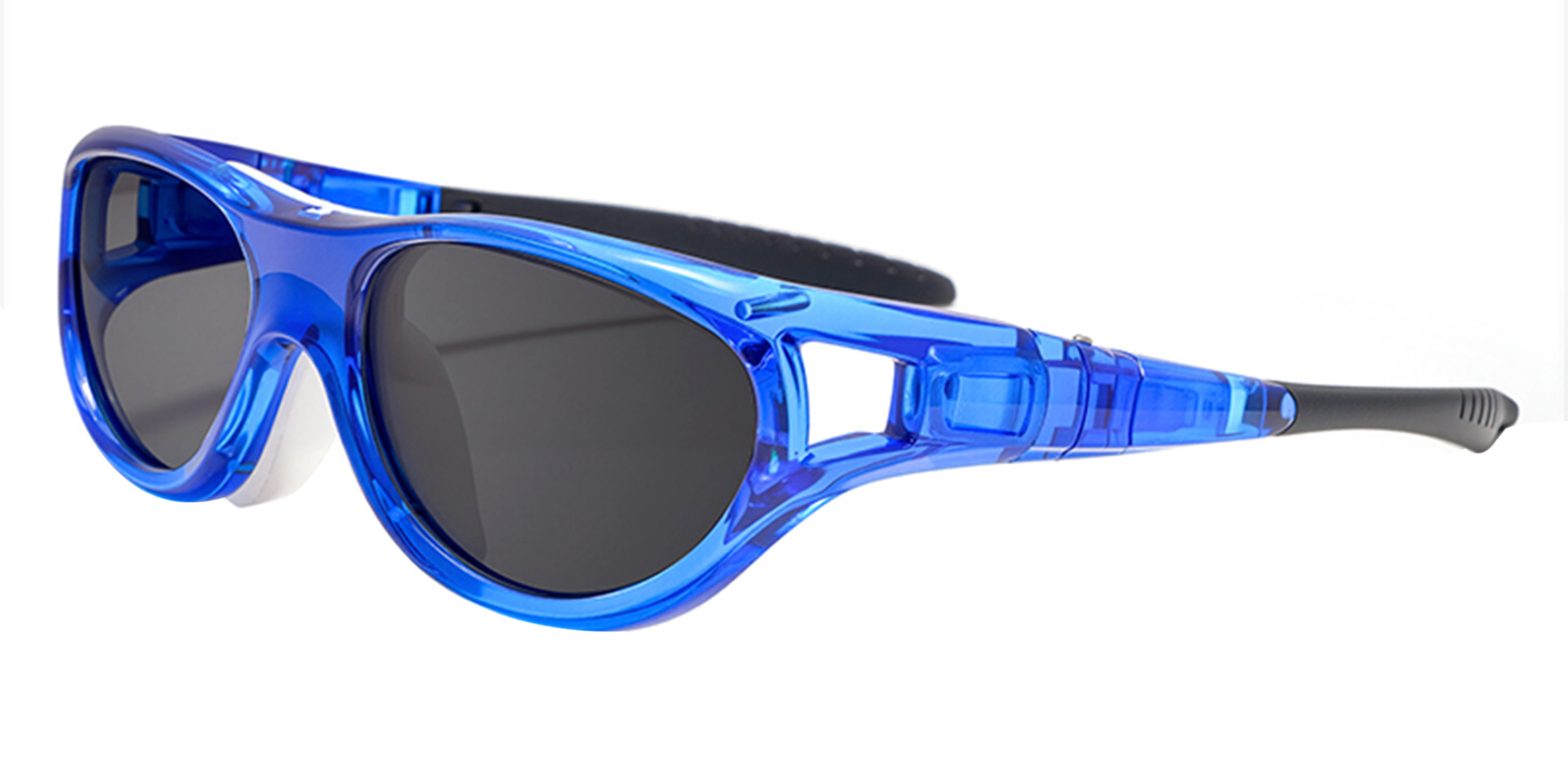
Prescription shooting sunglasses can be useful on open grounds and bright summer days. A lens should not be so dark that it hides detail when cloud crosses the sun or you step into shade.
Photochromic options change tint in response to ultraviolet light. They do not change instantly. Polarised lenses reduce reflected glare, but they may alter the appearance of some screens and are not automatically right for every discipline.
Prescription Details Worth Checking Twice
Use a current spectacles prescription when ordering. Sphere, cylinder and axis values must be entered for the correct eye, and pupillary distance may also be needed. Contact lens powers should not be copied into a glasses order unless an optician has converted them.
Frame curvature matters because highly wrapped designs can be harder to glaze for strong or complex prescriptions. Some models use direct prescription lenses, while others use an optical insert behind an outer shield. Check what is offered rather than assuming every frame works in the same way.
When browsing prescription shooting glasses online, review the stated prescription range before choosing a style. Shoppers searching for shooting glasses prescription UK options should also check whether prism, high powers or unusual measurements need individual advice.
Comfort Through a Full Session
Good eyewear should settle naturally on your face. The bridge should feel secure without pinching, the frame should remain level, and the temples should work with ear protection rather than pressing painfully against your head.
Try your usual stance and move your gaze through the areas you normally use. Check that the upper rim does not interrupt your view. Put on your ear defenders with the glasses and leave them in place for several minutes. Pressure that seems minor at first can become distracting later.
Price, Value and Sensible Choices
Cheap prescription shooting glasses can be useful for occasional sessions or as a spare pair, but low price should not replace basic checks. Look at frame measurements, lens material, prescription compatibility and any clearly stated testing information.
The best prescription shooting glasses are not necessarily the most expensive. They are the pair that suits your vision, works with your equipment and remains comfortable. For customers comparing prescription shooting glasses UK ranges, a carefully chosen mid-priced frame may be more useful than a fashionable design that clashes with ear defenders.
Looking After Your Shooting Glasses
Rinse away dust and grit before wiping, then use a suitable lens cleaner and clean microfibre cloth. Avoid paper towels, clothing and household glass sprays, which may damage coated lenses.
Store the glasses in a protective case and inspect them regularly. Stop using eyewear that is cracked, badly scratched, distorted or no longer holds the lenses securely.