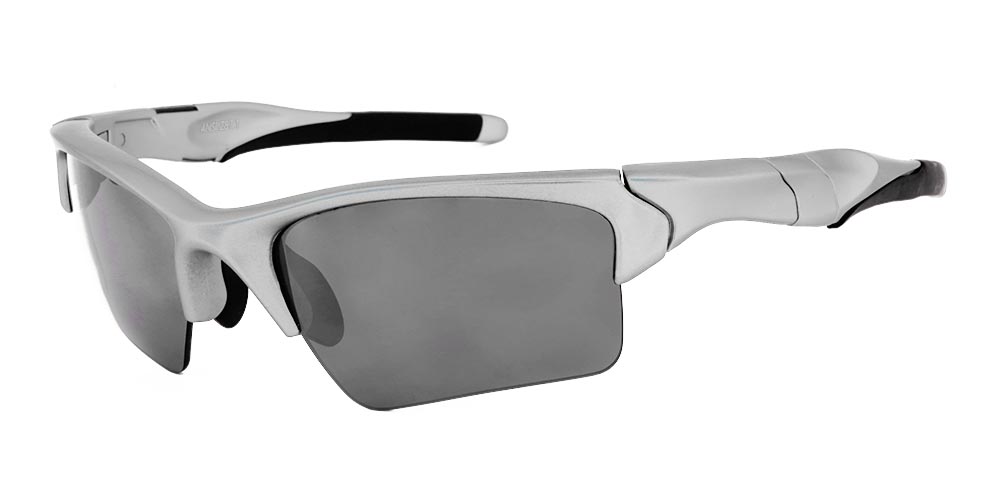
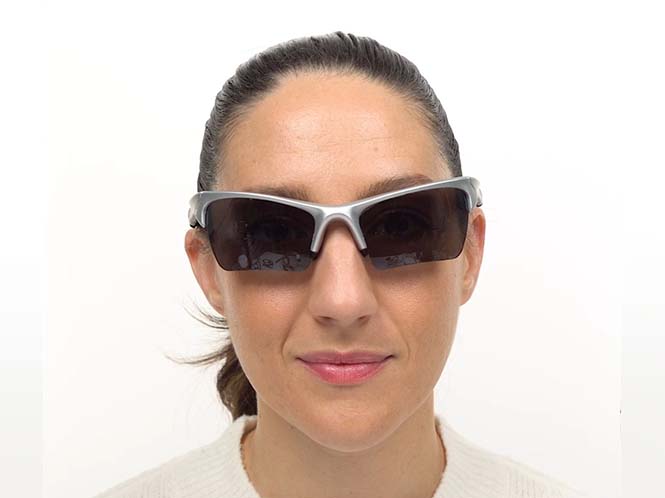
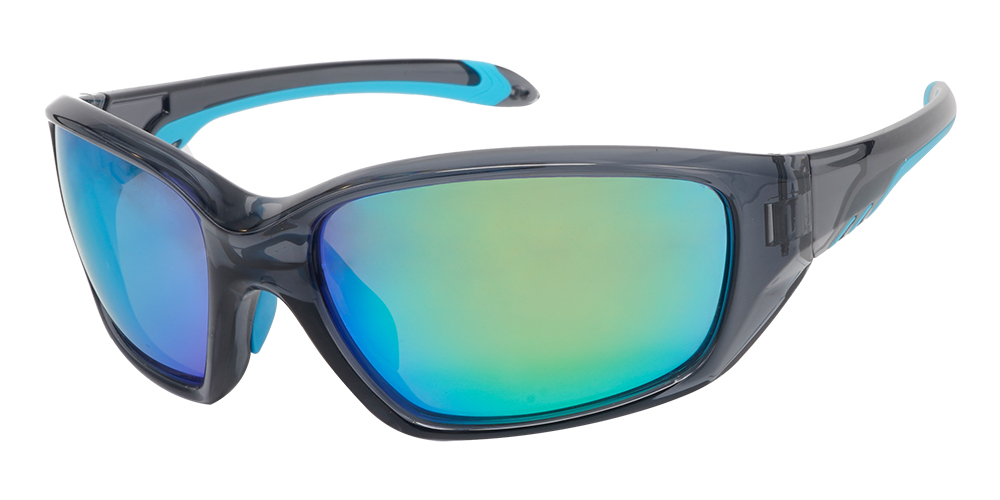
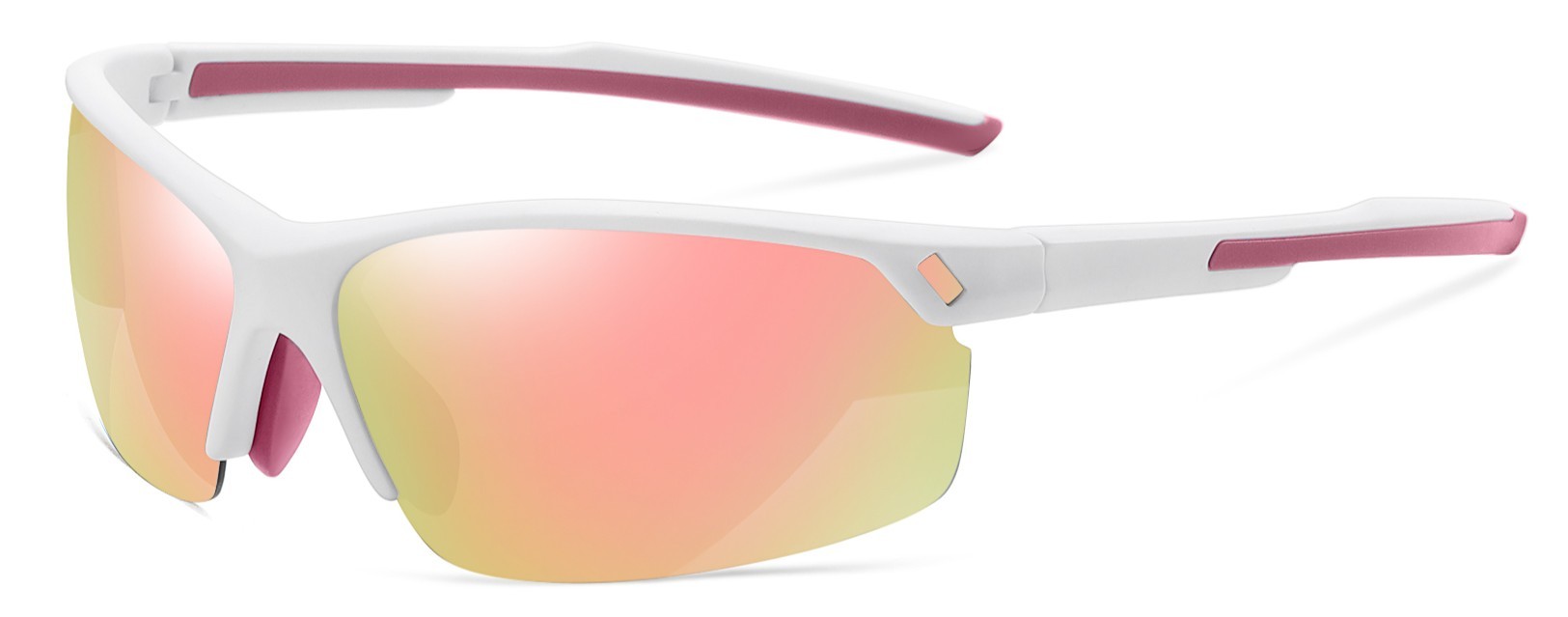
Why Tennis Demands Stable Eyewear
Tennis asks your eyes to follow a fast-moving ball against changing backgrounds. One moment it is above the court, the next it is crossing the net or bouncing near a painted line. Sunshine, cloud and reflections can make tracking more tiring.
Tennis sunglasses should reduce distraction without feeling heavy. A secure frame can help when you serve, sprint, change direction or recover for the next shot.
Choosing a Lens for the Court
The best lens depends on the weather, court surface and time of day. A tint that works on an exposed hard court may feel too dark beneath heavy cloud.
Useful options include:
- Grey lenses: Reduce brightness while keeping colours relatively neutral.
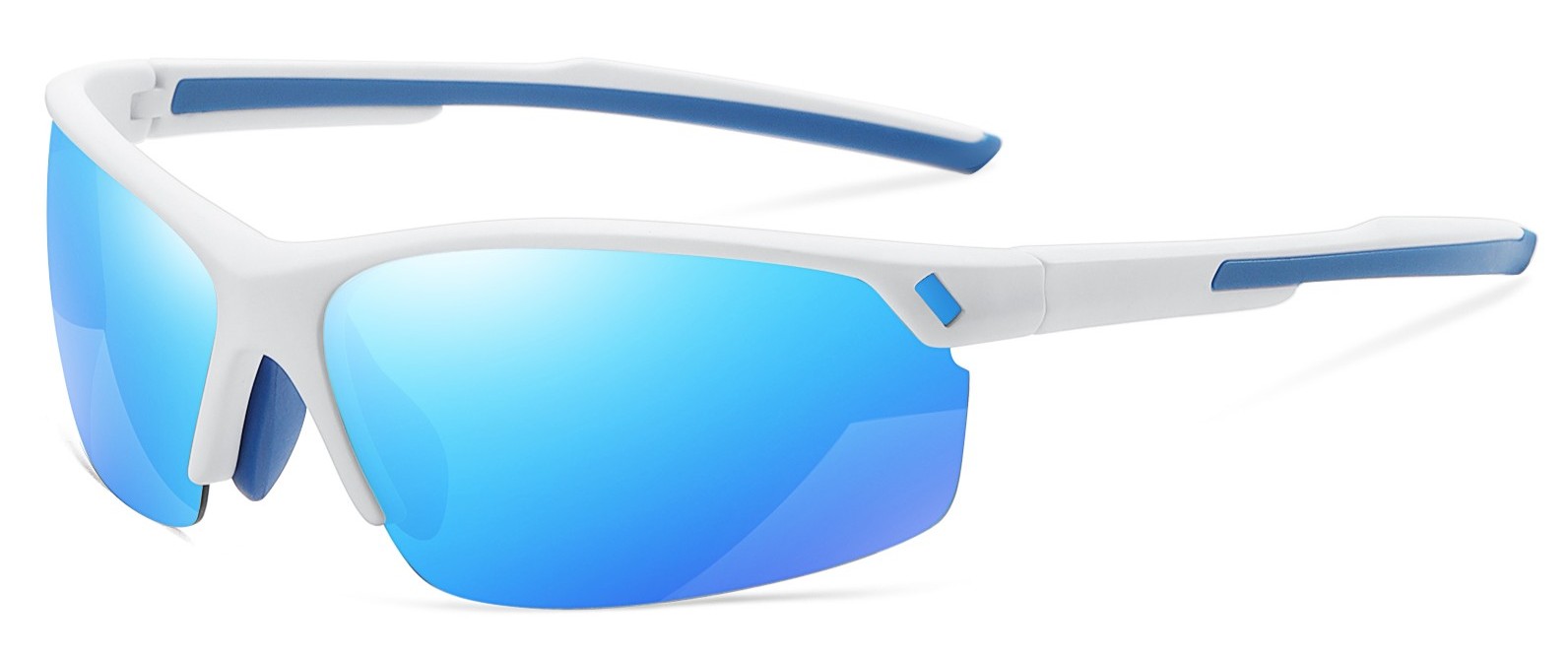
- Brown or bronze lenses: Add warmth and may make court lines and ball contrast feel stronger.
- Amber or rose tints: Can be useful in flatter or mixed light.
- Photochromic lenses: Change tint gradually as ultraviolet exposure rises or falls.
- Polarised lenses: Reduce reflected glare from wet courts and other flat surfaces.
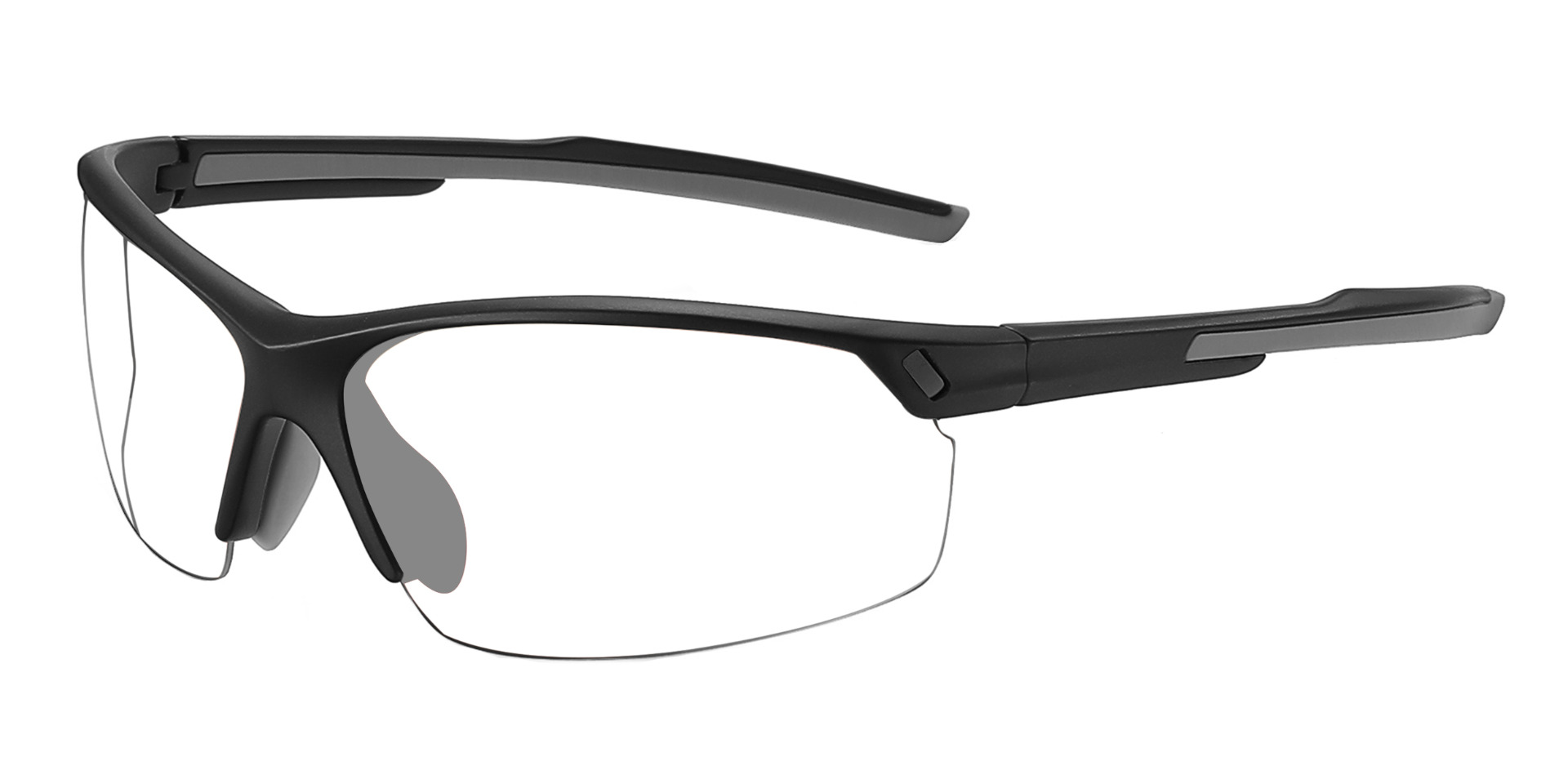
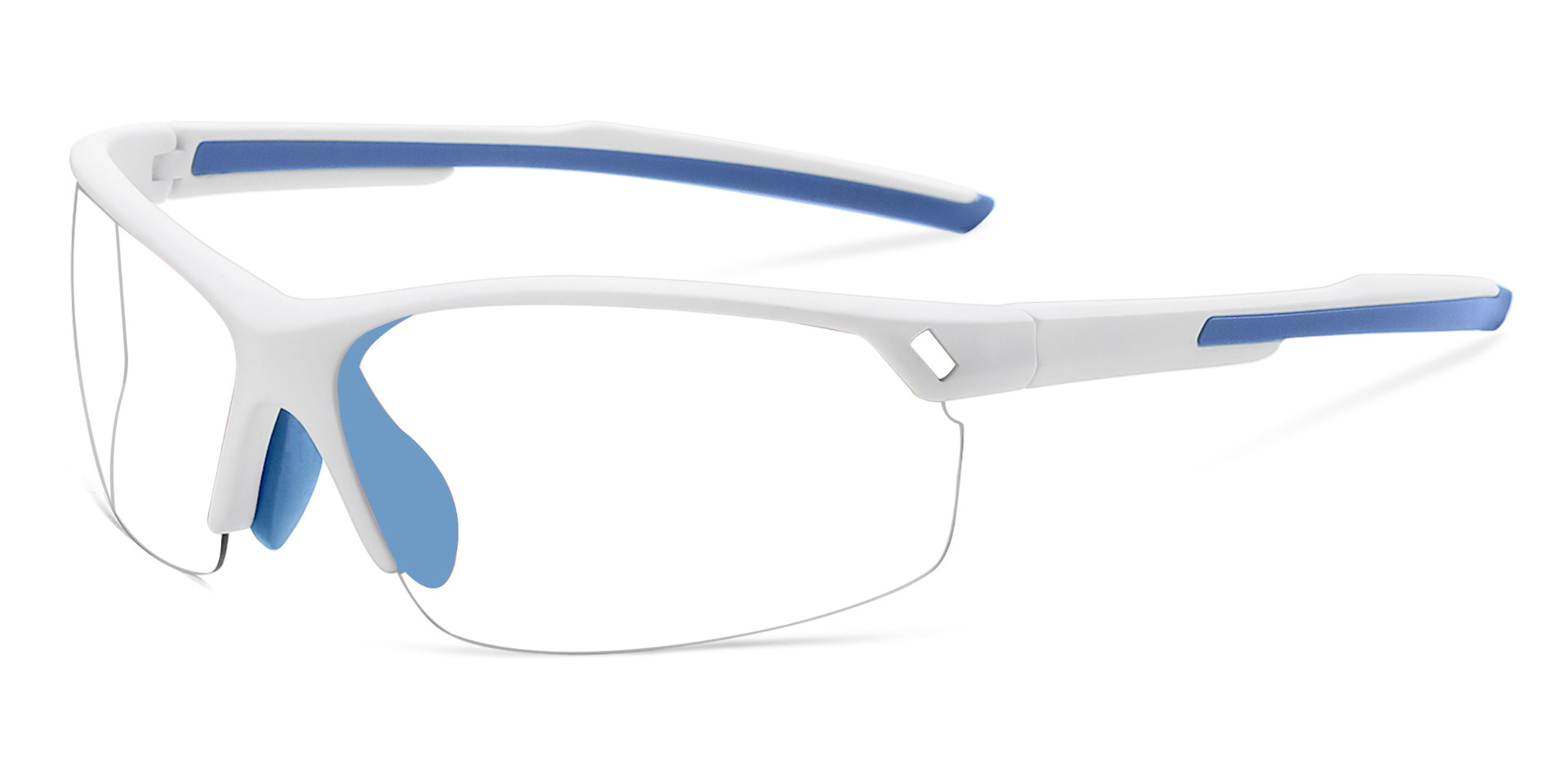
- Clear lenses: Suit evening practice, indoor courts and very dull conditions.
Very dark lenses are not automatically better. Choose a tint that lets you see comfortably through the session.
A Fit That Survives Every Rally
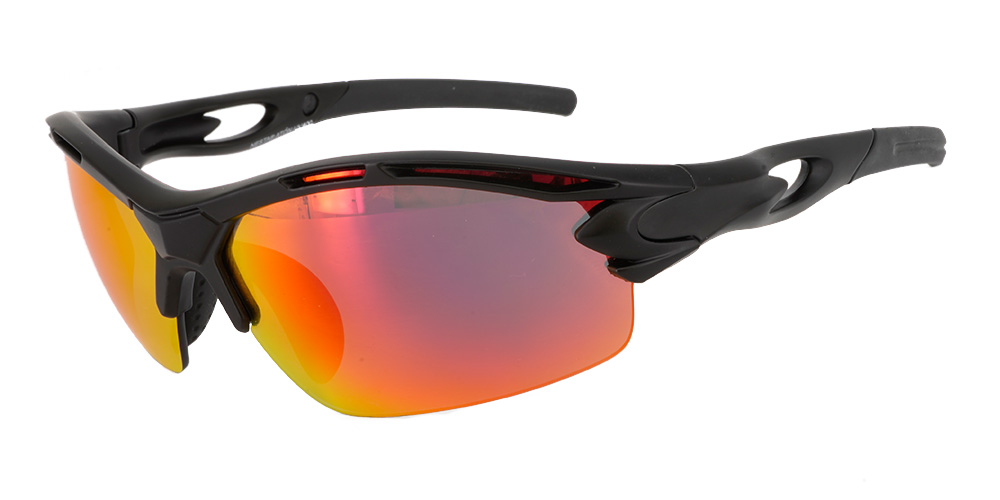
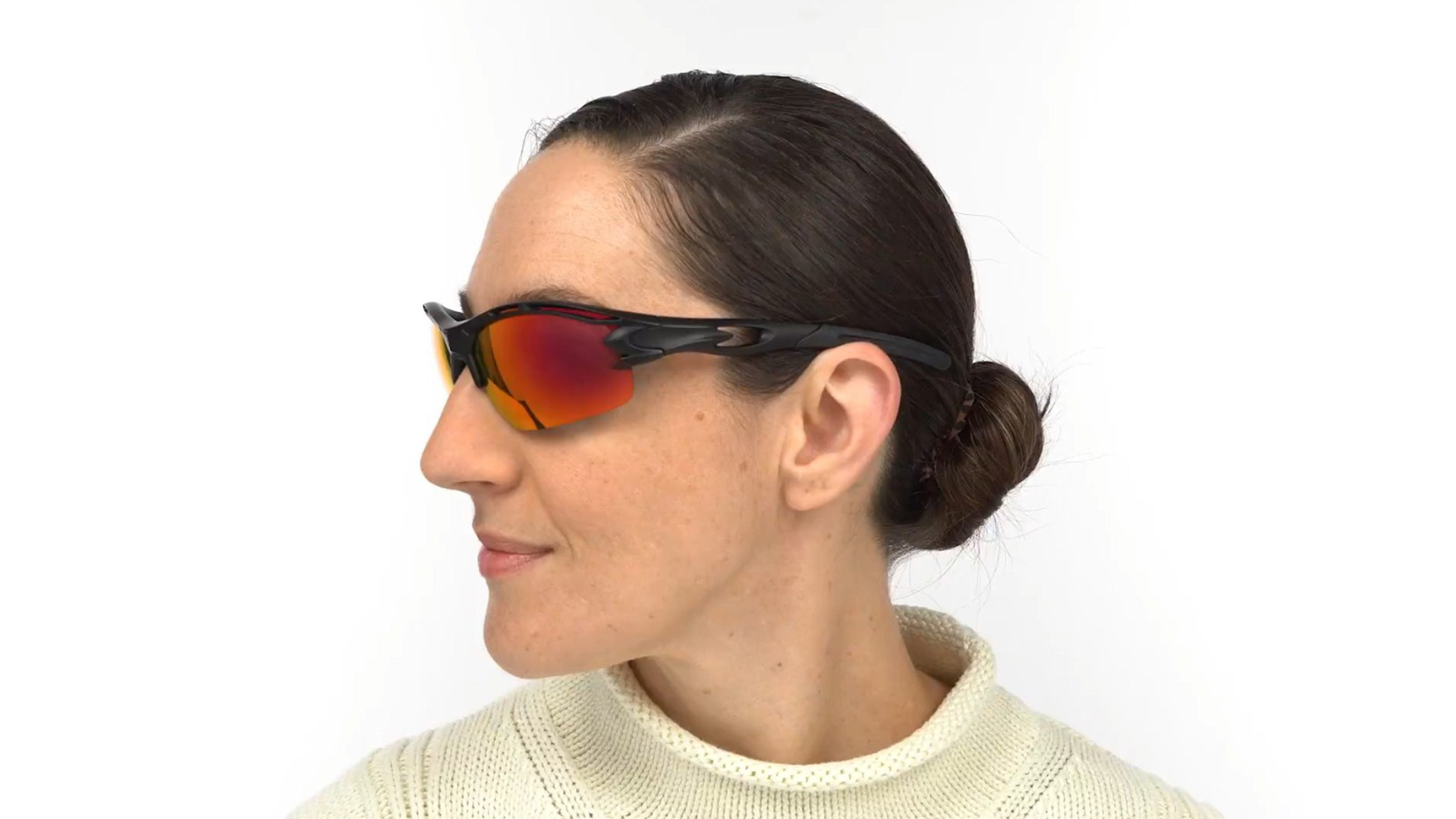
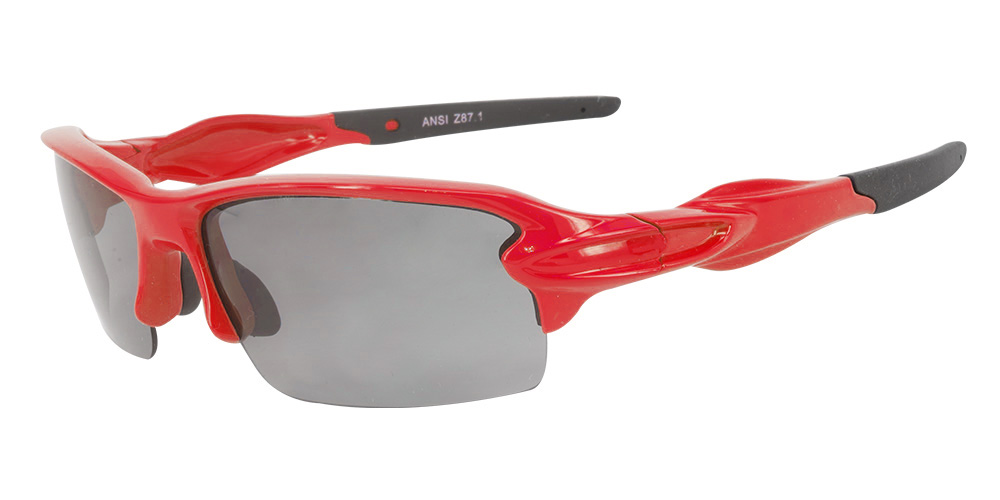
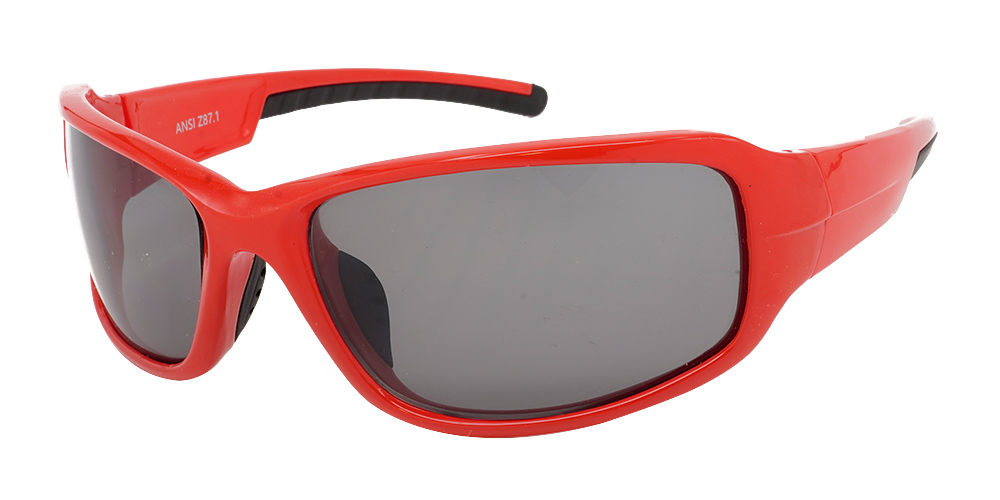
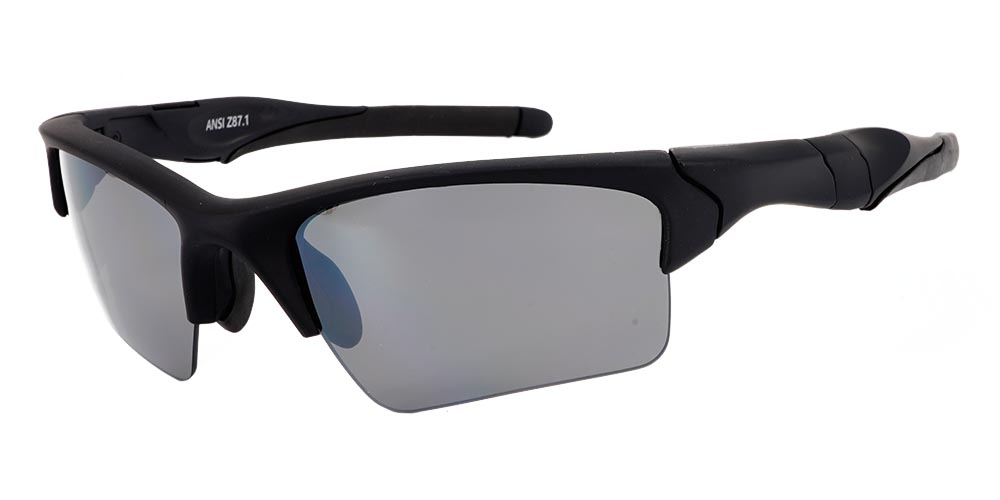
Sunglasses for tennis should stay level during quick side steps, overhead serves and sudden stops. A frame that slides down the nose can interrupt concentration at the worst moment.
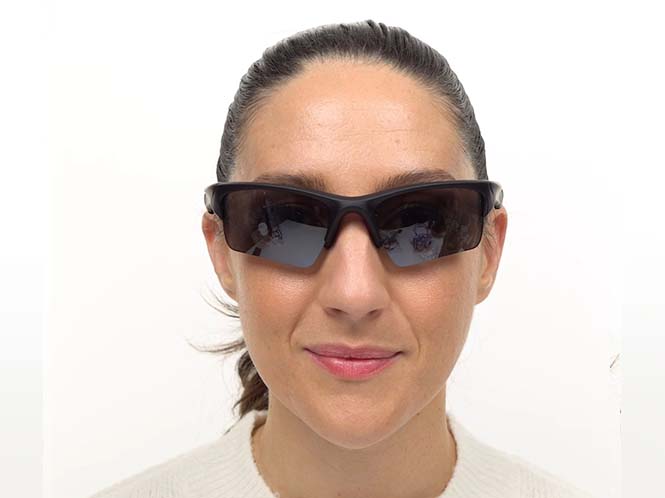
Compare the overall width, bridge shape, temple length and lens depth with glasses you already wear comfortably. Grippy nose pads and temple tips may improve stability when you sweat. Lightweight materials can also reduce pressure during longer matches.
Try the frame in a ready position. Look up for a serve, turn both ways and take several side steps. The sunglasses should remain secure without pinching your temples or resting heavily on your cheeks.
Prescription Options for Clearer Ball Tracking
Players who normally wear spectacles may prefer prescription tennis sunglasses instead of using contact lenses. Clear distance correction can help when following the ball, reading court lines and judging the space between players.
Use a current spectacles prescription and enter each eye’s values carefully. Sphere, cylinder, axis and pupillary distance may be required. Contact lens powers should not normally be copied into a glasses order because the measurements can differ.
Depending on the model, single-vision, bifocal or progressive lenses may be available. Single-vision distance lenses suit many players. Progressive wearers should consider whether the lower near zone affects the view when looking down towards the court.
Highly curved frames may have tighter prescription limits, so check the available optical range before ordering.
Adapting to British Weather
Tennis sunglasses UK players use often need to handle sunshine, cloud and shade within the same match. Medium tints or photochromic lenses can be more versatile than very dark fixed lenses.
Fogging may occur when warm skin meets a cooler lens, especially during humid sessions or pauses between games. Ventilation and anti-fog treatments may help, although no pair remains perfectly clear in every condition.
Keep vents clean and use products intended for coated sports lenses. If sweat or mist blocks your view, stop safely before cleaning or adjusting the frame.
Polarised or Non-Polarised?
Polarised lenses can reduce glare from wet court surfaces, fencing and nearby water. Some players enjoy the calmer view, while others prefer non-polarised lenses because they feel more natural when tracking the ball.
Polarisation may also affect phones, watches or digital scoreboards. Check the equipment you use before choosing it. The best option comes down to your playing environment and personal preference.
What to Compare Before Ordering
Before choosing tennis sport sunglasses, consider:
- Your usual court surface and lighting.
- Frame stability during quick movement.
- Lens tint and stated ultraviolet protection.
- Prescription compatibility where needed.
- Ventilation around the lenses.
- Comfort with caps, visors or headbands.
- A protective case for transport.
The best pair should feel natural enough that you can focus on the next shot rather than the eyewear.
Cleaning and Storing Tennis Sunglasses
Dust, sweat, sunscreen and fingerprints can quickly mark the lenses. Rinse away loose particles before wiping, then use suitable lens cleaner and a clean microfibre cloth. Avoid shirts, tissues and household sprays.
Store the sunglasses in a protective case instead of leaving them loose in a tennis bag with racquets, balls or bottles. Inspect the hinges, nose pads and temple tips regularly. Replace eyewear that becomes cracked, deeply scratched, distorted or unable to remain secure.