Why Everyday Frames Can Struggle on the Pitch
Ordinary spectacles are made for classrooms, offices and daily life, not repeated sprints, sudden turns or close challenges. They may slide, move when a player looks sharply sideways or feel uncomfortable during active play.
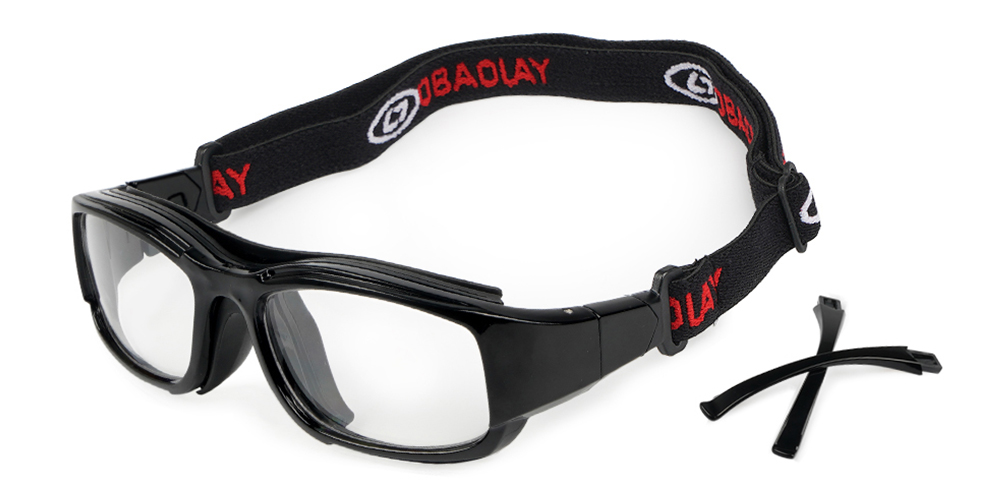
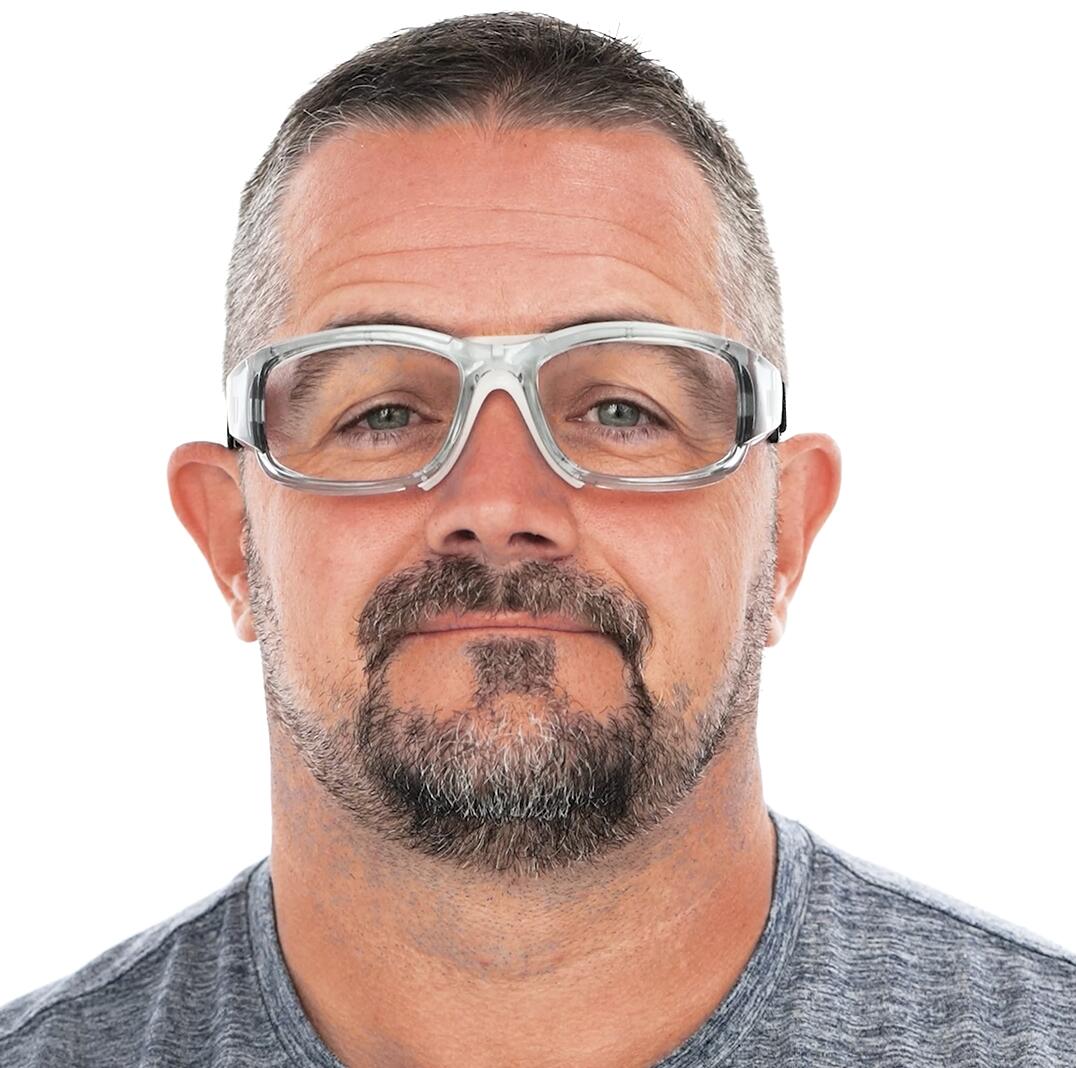
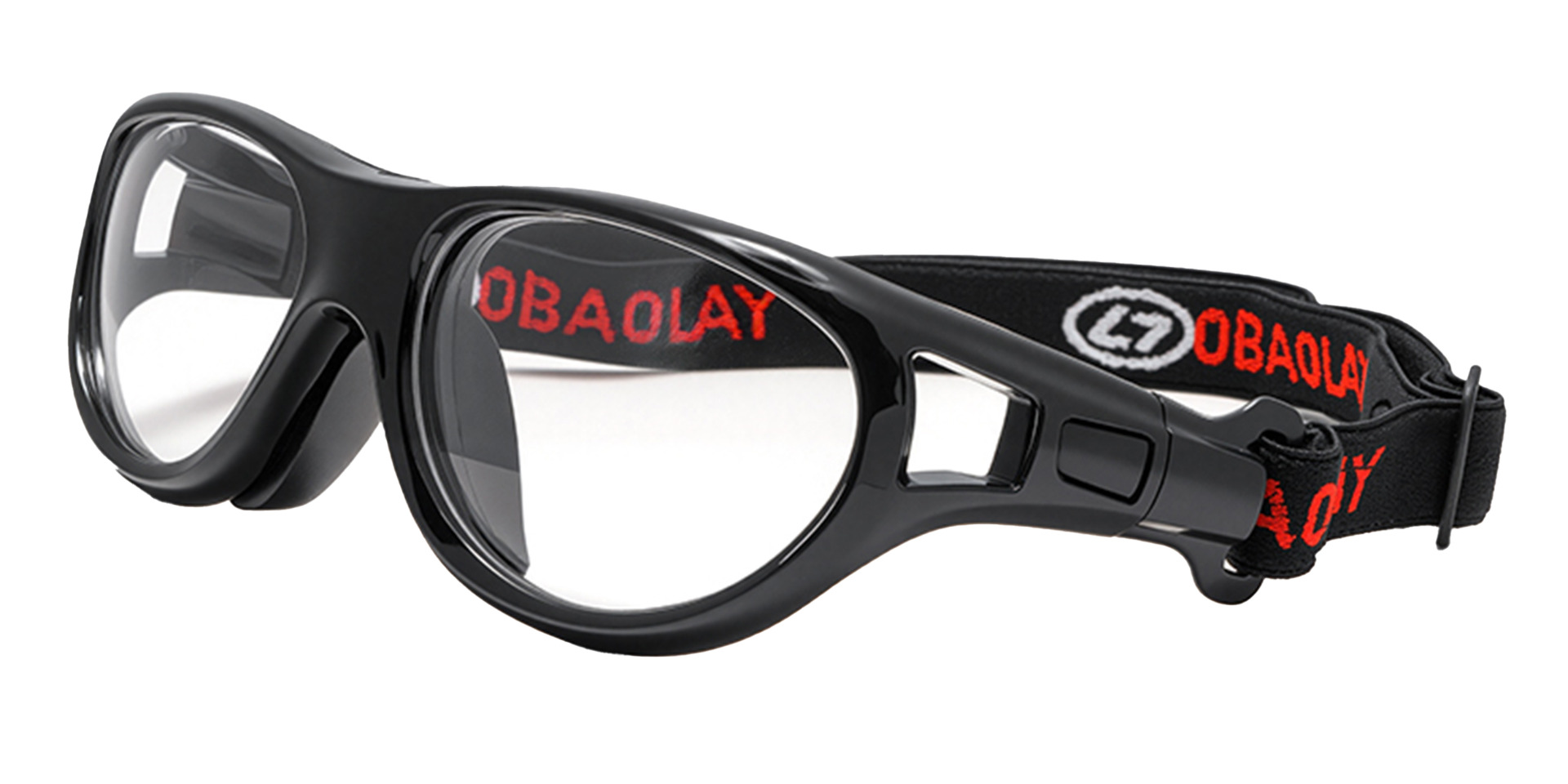
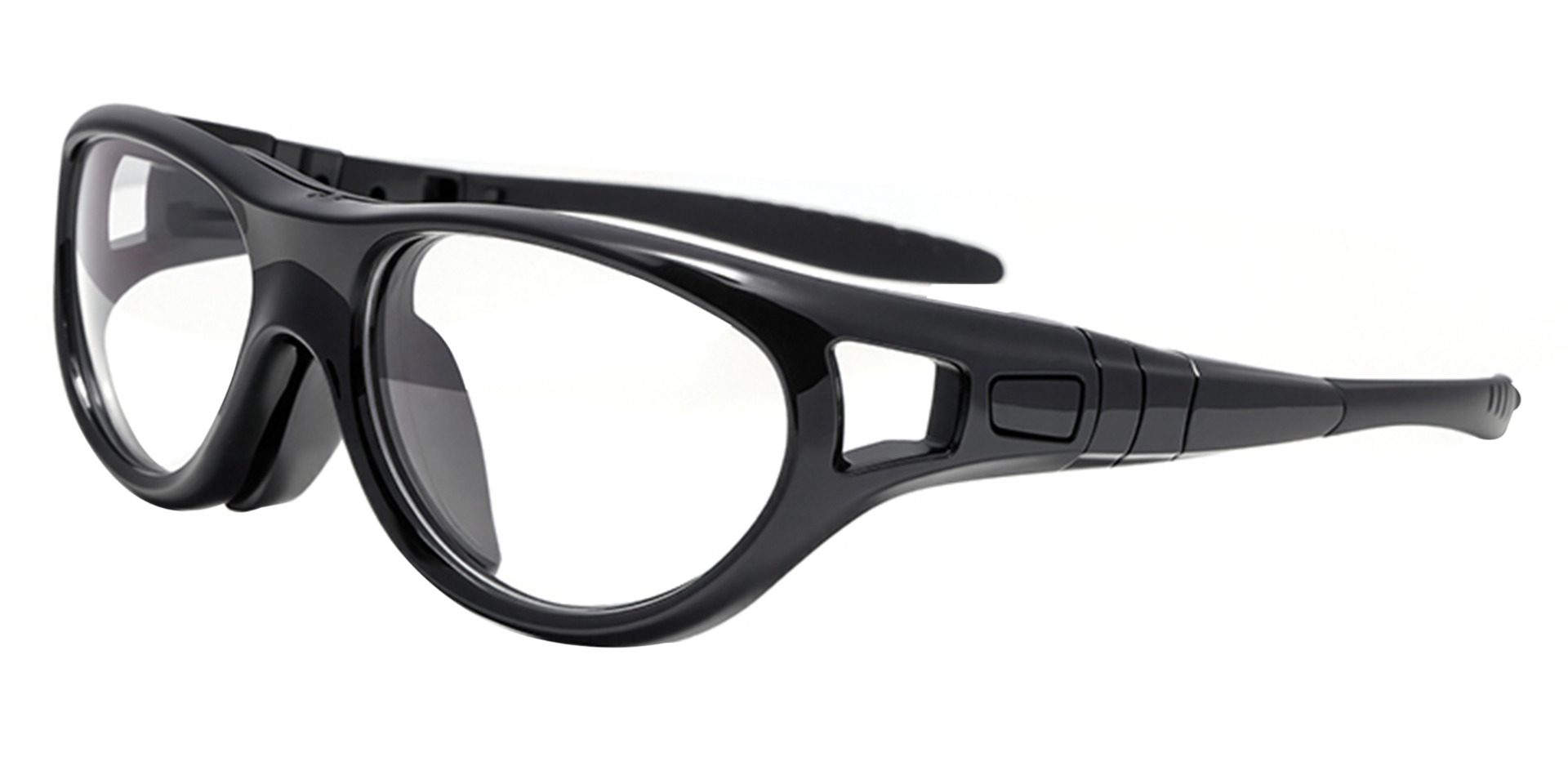
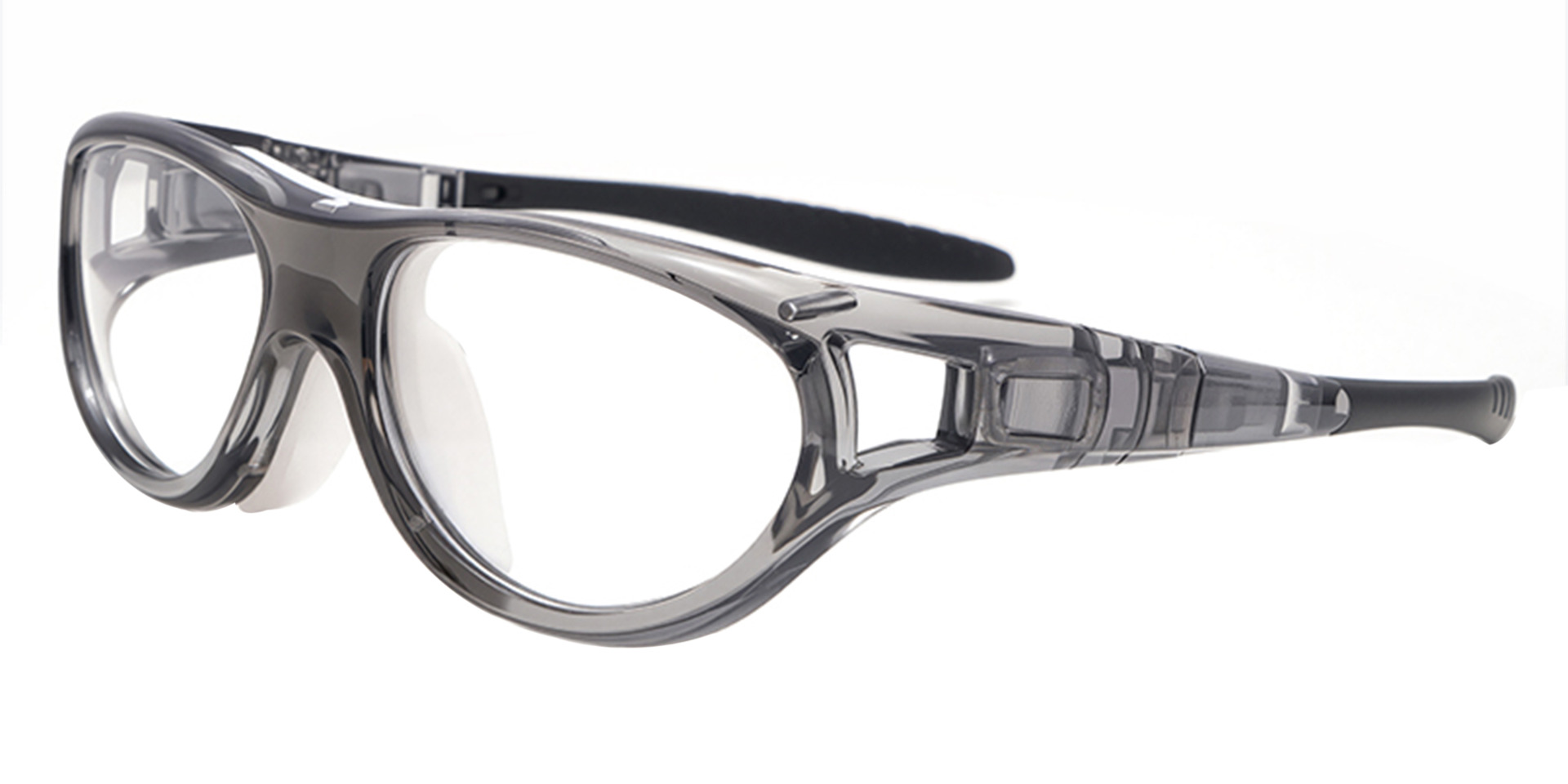
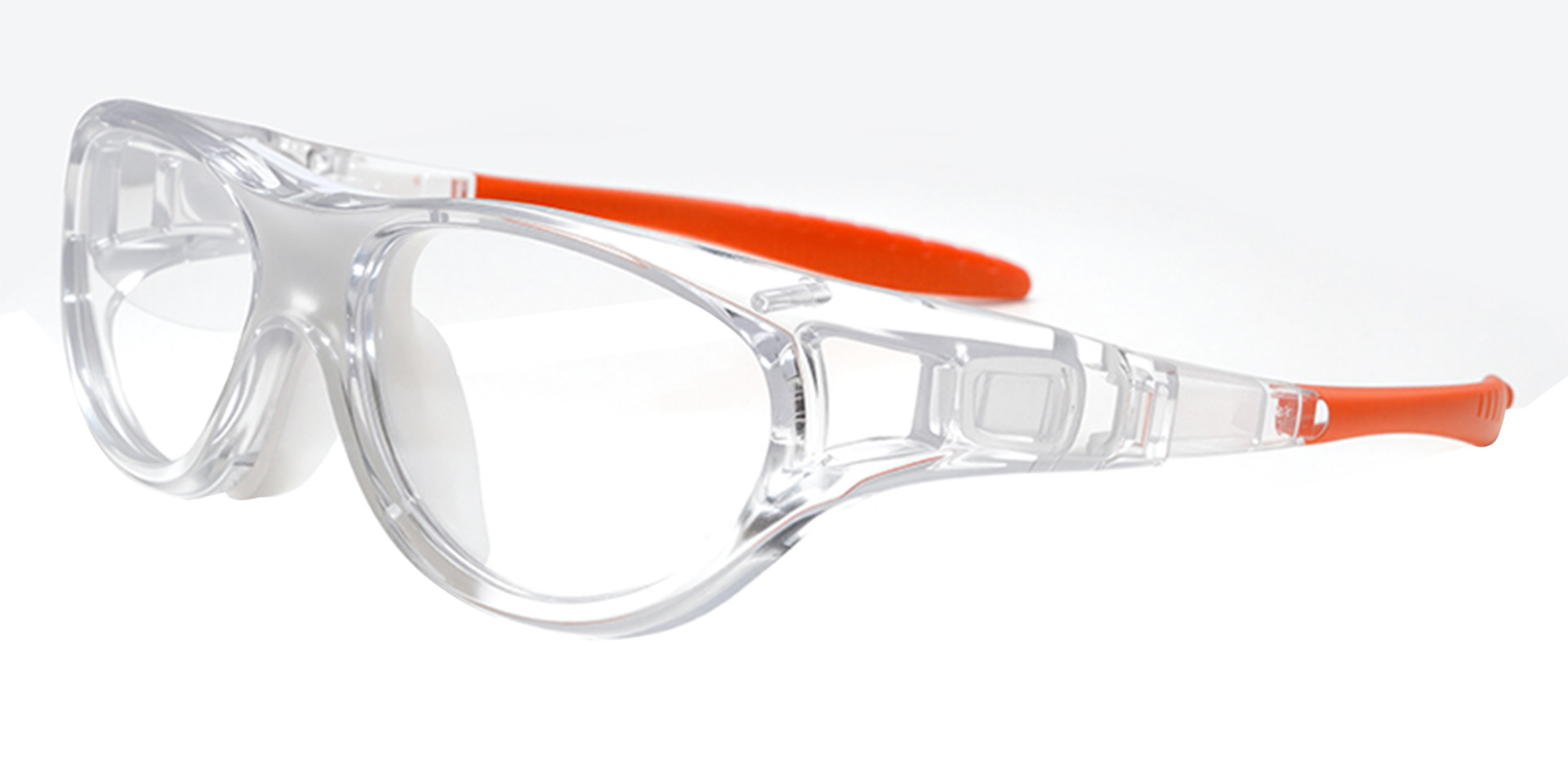
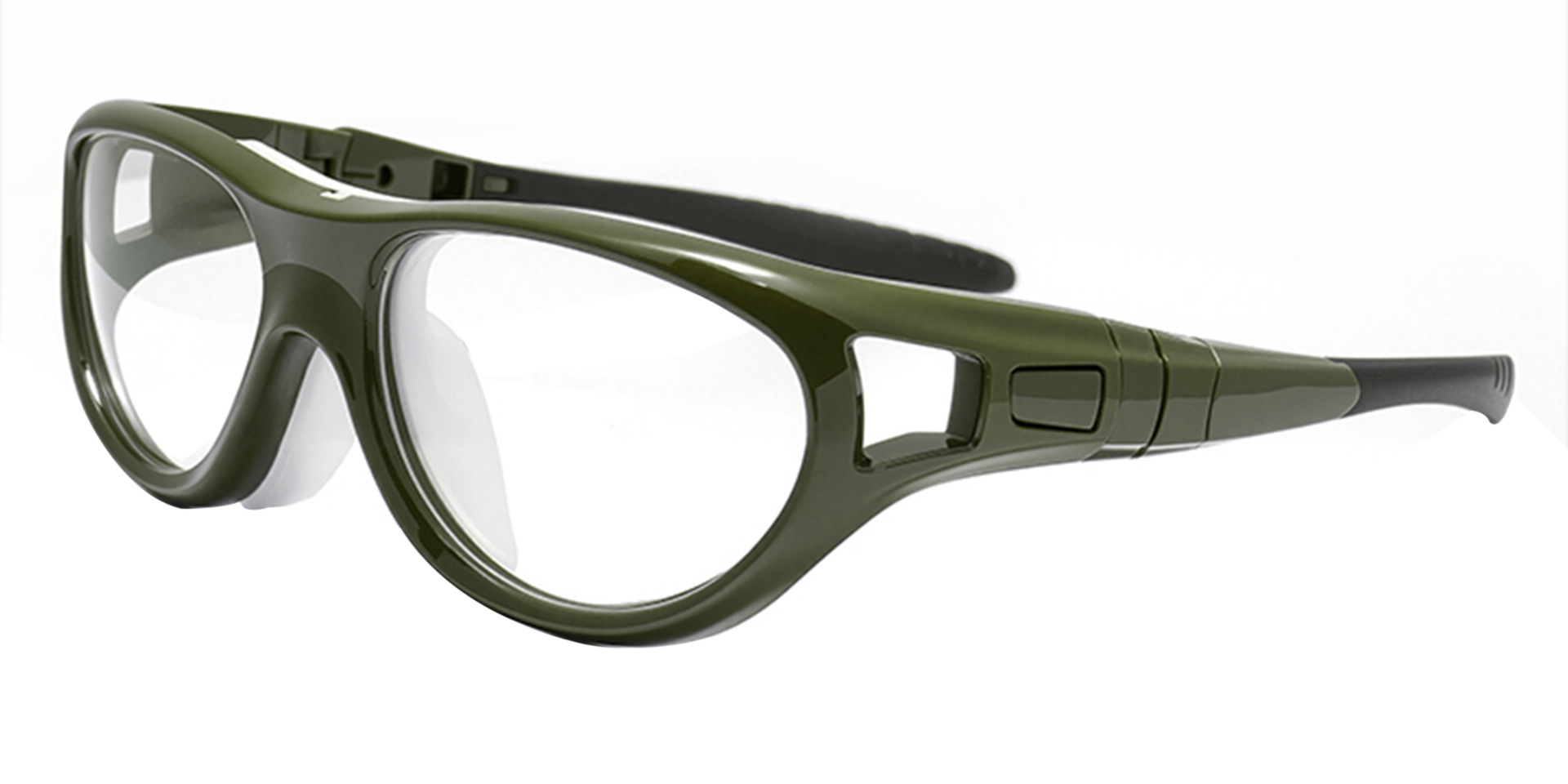
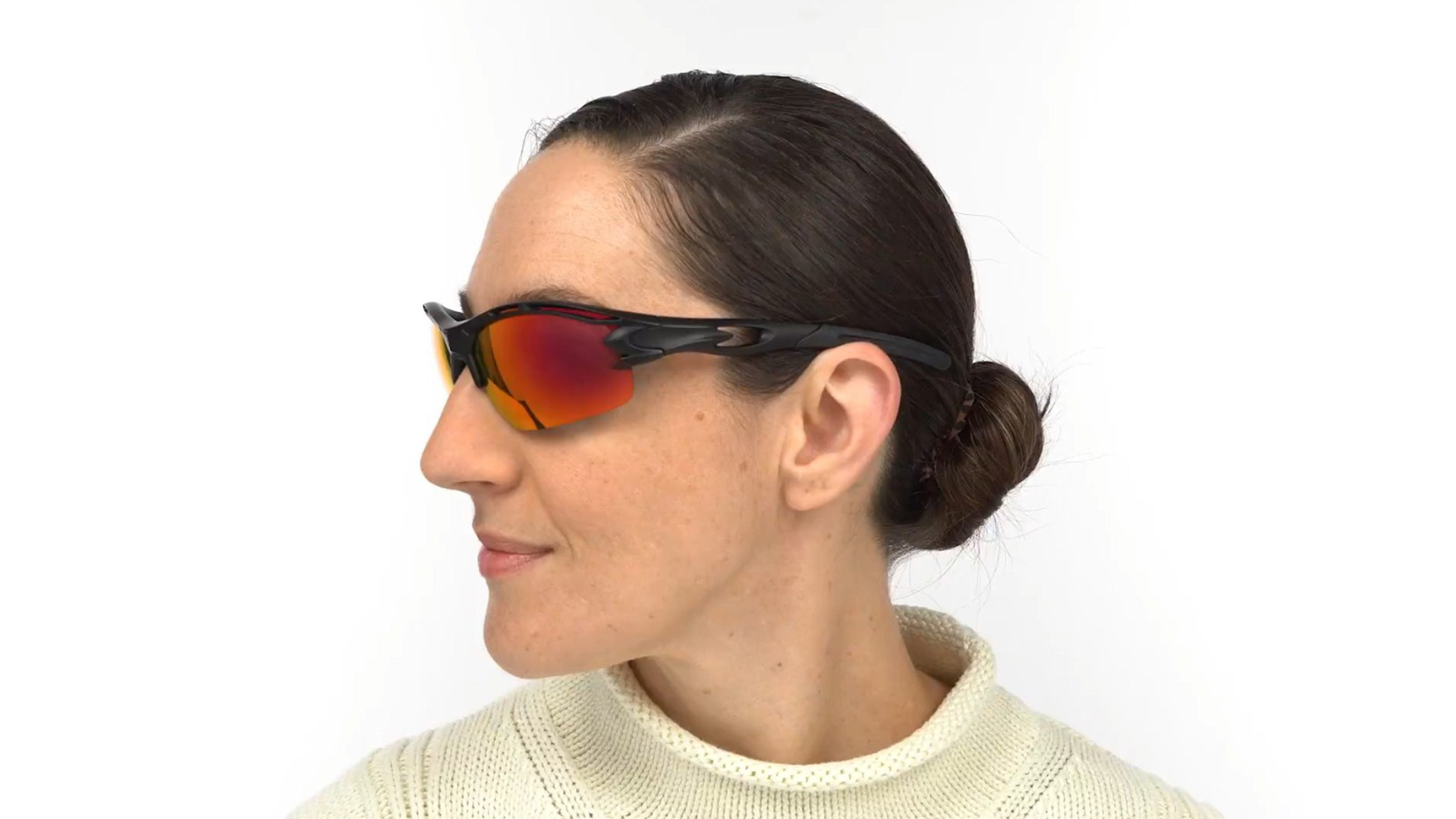
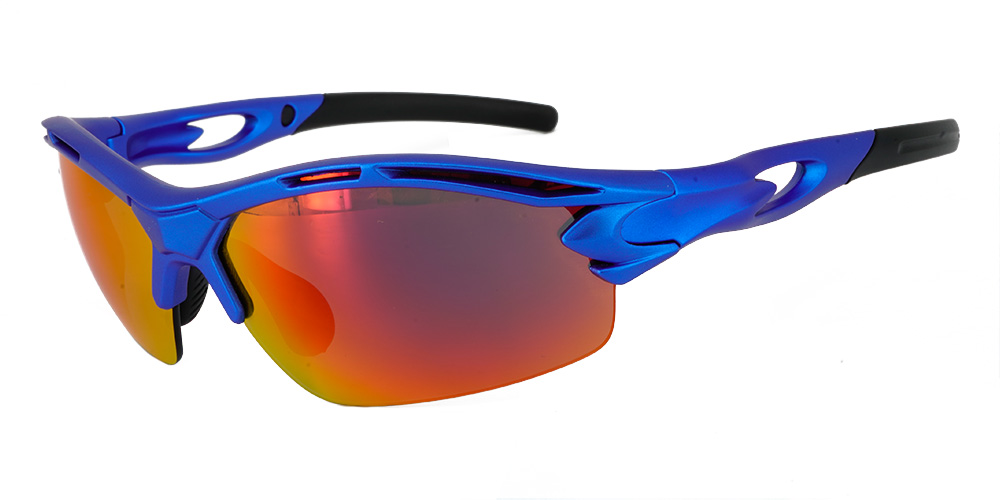
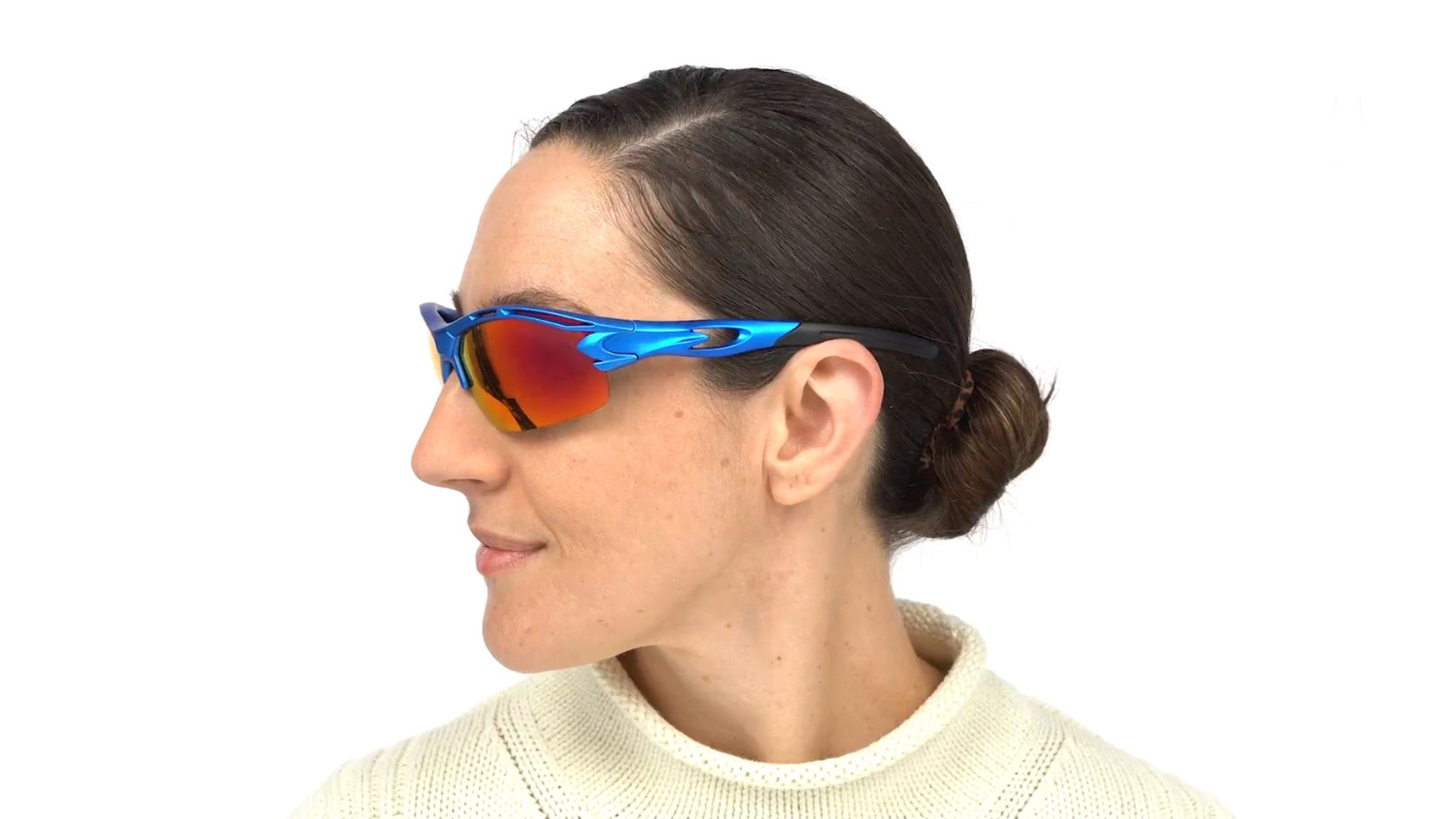
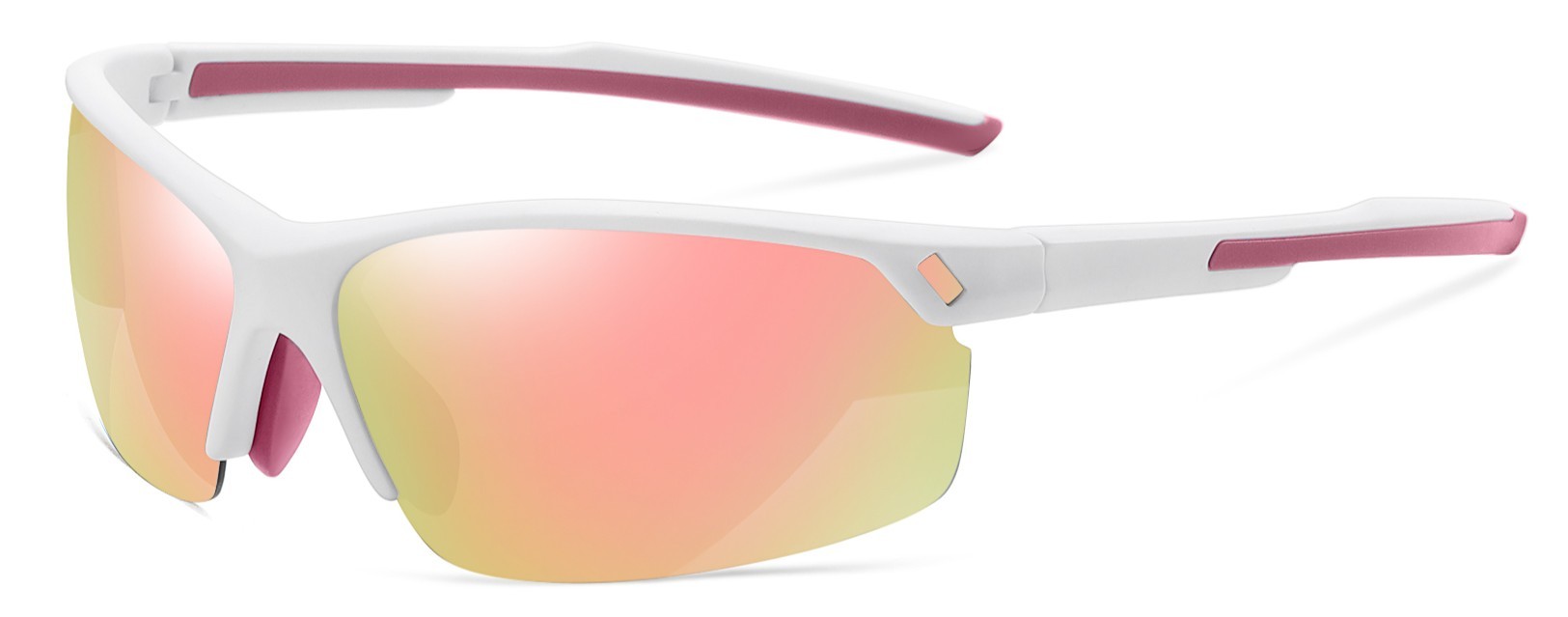
Soccer glasses use a secure, sport-focused shape. Adjustable straps, closer profiles and cushioned contact points can help the eyewear remain stable while the player runs, jumps and changes direction.
Begin with the Player and the Position
The most suitable pair depends on the player’s face, prescription, age and role. A goalkeeper may value a broad view around the penalty area, while an outfield player needs clear awareness across both sides.
Before ordering, compare:
- Overall width: The frame should sit evenly without squeezing the temples.
- Bridge shape: It should feel secure without uncomfortable pressure.
- Lens height: The rims should not obstruct the view above, below or towards the sides.
- Retention strap: It should keep the glasses steady without being overtightened.
- Cheek clearance: The lower frame should not rub or lift when the player speaks.
- Prescription range: Confirm that the model supports the required optical values.
- Intended use: Check that the frame is designed for football.
Measurements are more reliable than choosing only by age or appearance.
Prescription Soccer Glasses for Reading the Game
Players who normally wear spectacles may prefer prescription soccer glasses rather than contact lenses. Accurate distance correction can help them follow the ball, recognise teammates, judge passing space and respond to movement further up the pitch.
Use a current spectacles prescription and enter both eyes’ values exactly as written. Sphere, cylinder, axis and pupillary distance may be required. Contact lens powers should not normally be copied because the measurements can differ.
Depending on the model, the prescription may be glazed directly into the lenses or fitted through an optical insert. Strong powers, prism or higher astigmatism can reduce frame choices, so review the stated optical range before ordering.
What the Football Rules Allow
The Laws of the Game permit non-dangerous sports spectacles, but equipment must be safe for the wearer and other players. Match officials can require an item to be removed if it is considered dangerous or unauthorised.
A product listing cannot guarantee acceptance in every league, school competition or tournament. Players, parents and coaches should check local rules before match day. Frames should remain secure without sharp, loose or projecting parts.
Testing Comfort before a Match
New sports glasses for soccer should be tested during controlled training before competitive use.
Ask the player to jog, sprint, look down, turn both ways and jump. The frame should remain level, the strap should stay in position and the lenses should clear the eyelashes. There should be no strong pressure around the bridge, temples, ears or back of the head.
Children grow quickly, so check the fit throughout the season. Deep marks, frequent slipping or repeated discomfort may mean the frame needs adjustment or replacement.
Clear and Tinted Lens Choices
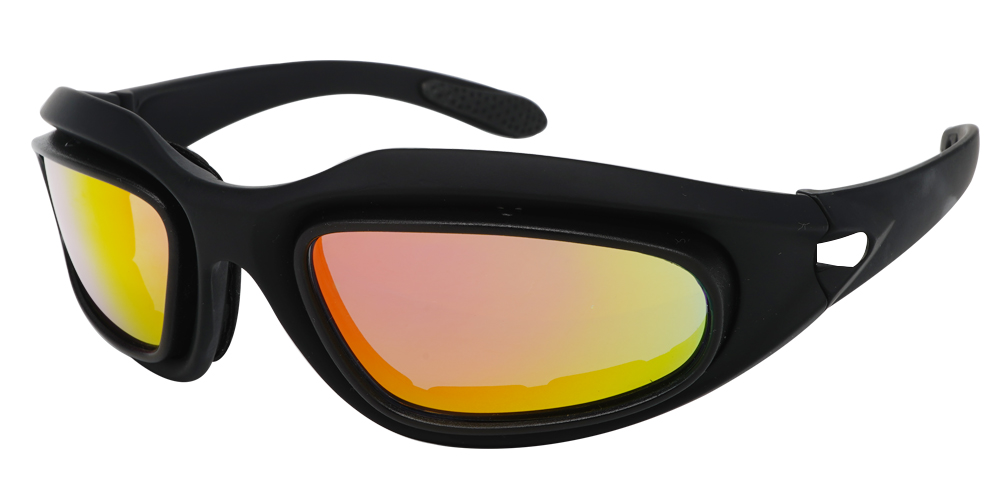
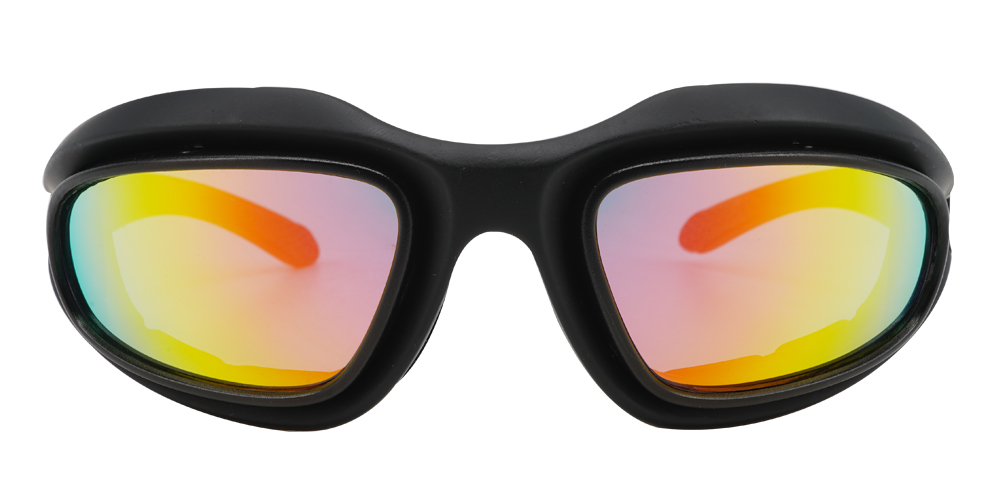
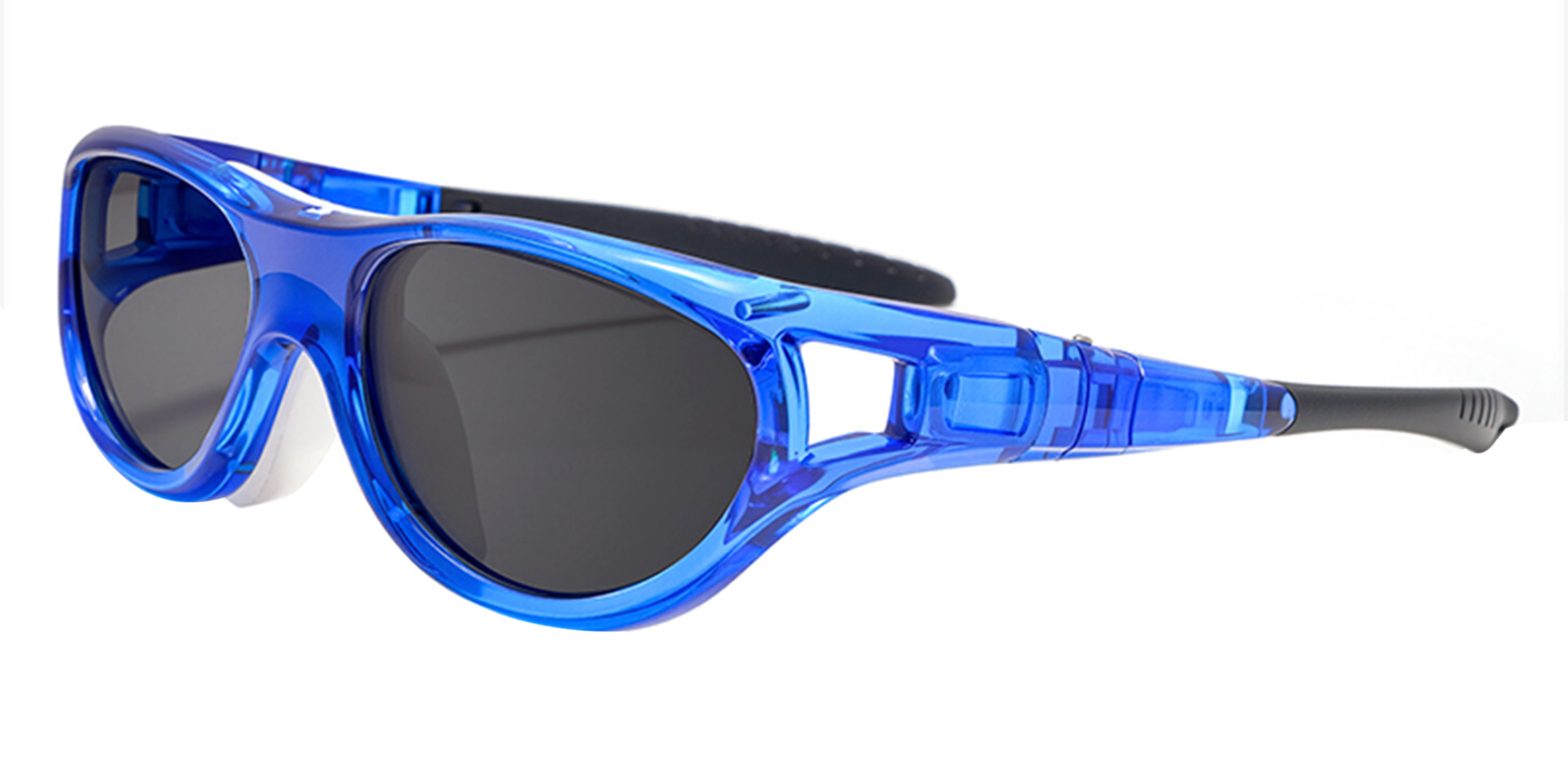
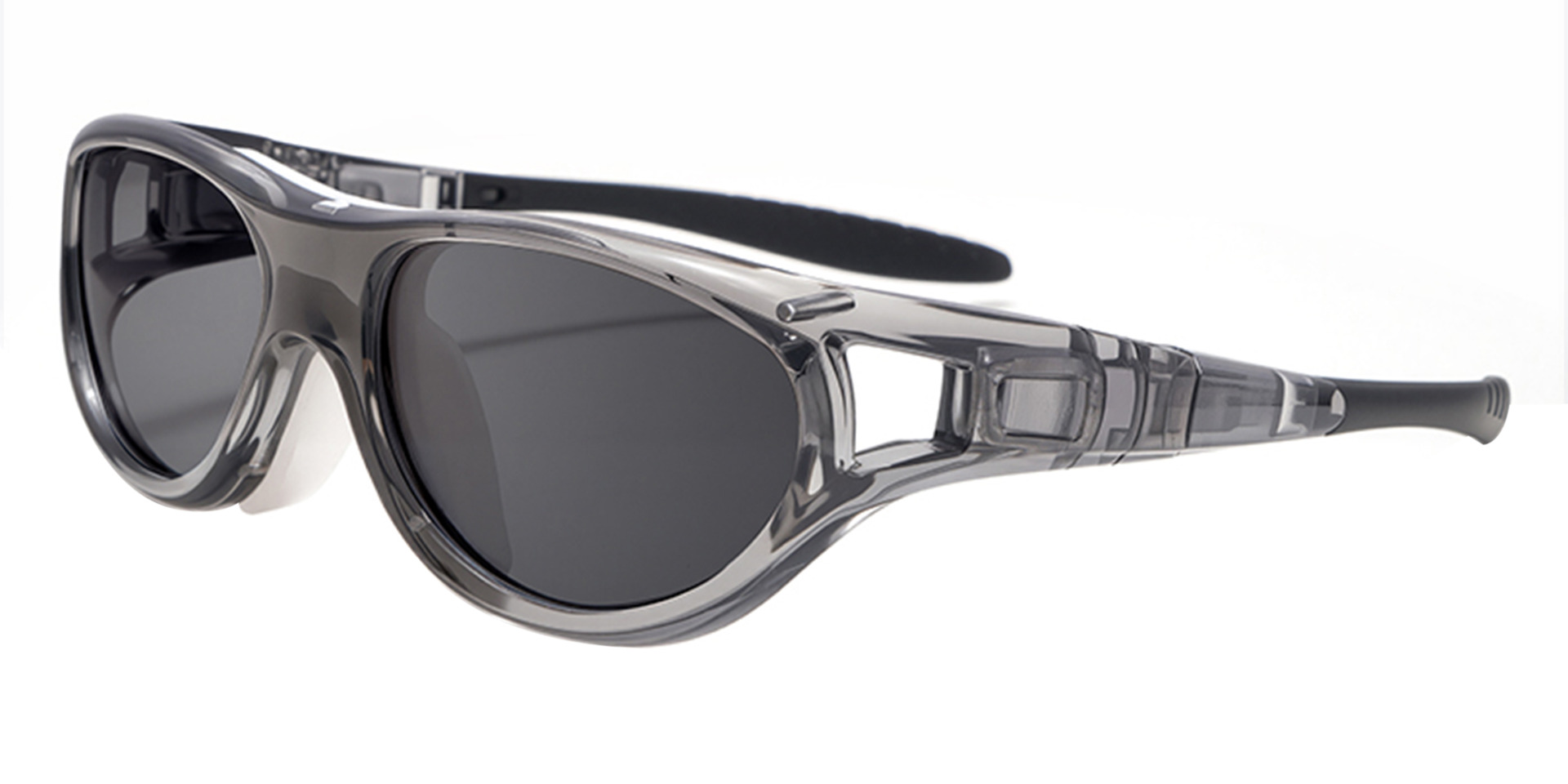
Clear lenses are practical for indoor training, evening sessions and dull weather because they preserve available light. Tinted lenses may feel more comfortable during bright outdoor matches.
Grey lenses reduce brightness while keeping colours relatively neutral. Brown or bronze lenses add warmth and may make contrast feel stronger. Photochromic lenses can change tint as ultraviolet exposure varies, although the transition is gradual.
Lens darkness does not prove ultraviolet protection or impact performance. Check the product information and confirm that the chosen prescription configuration matches any stated protective claim.
Managing Fog, Sweat and Rain
Warm skin, sweat and cool air can cause lenses to mist during pauses or intense play. Ventilation and anti-fog treatments may help, although no lens remains clear in every condition.
Keep vents clean and use products made for coated sports lenses. Avoid wiping the inner surface with a shirt, dirty towel or muddy glove. If fog, rain or sweat blocks the view, the player should leave play safely and clean or adjust the glasses before continuing.
After wet sessions, rinse away dirt and allow the frame, strap and cushioning to dry before storage.
Looking After Soccer Glasses
Store the eyewear in a protective case rather than loose in a kit bag with boots, bottles or shin pads. Inspect the lenses, strap, frame and cushioning regularly.
Replace the glasses when the prescription changes, the player outgrows the frame, the strap loses tension or the lenses become cracked, deeply scratched or loose.