Why Pickleball Puts Your Eyes to Work
Pickleball may use a smaller court than tennis, but the ball can arrive quickly near the kitchen line. Players need to watch the paddle face, follow changes in direction and react to shots travelling at close range.
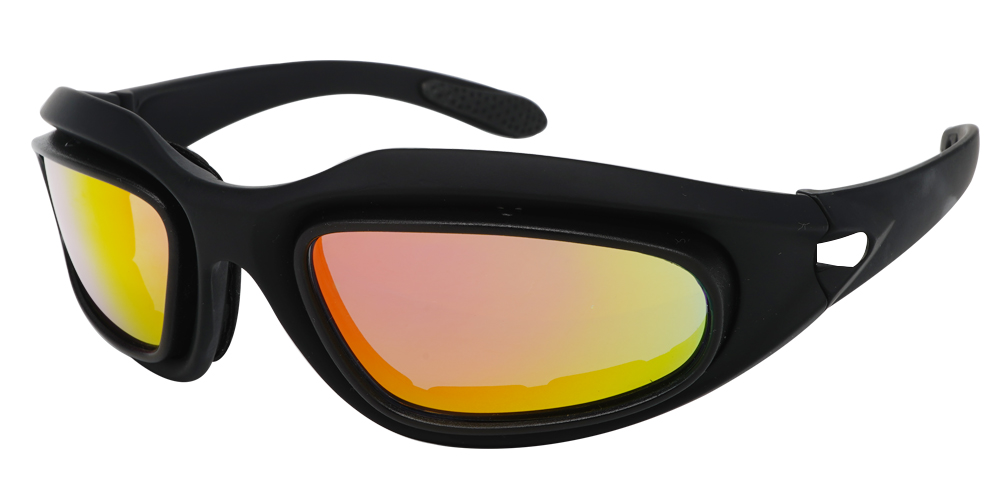
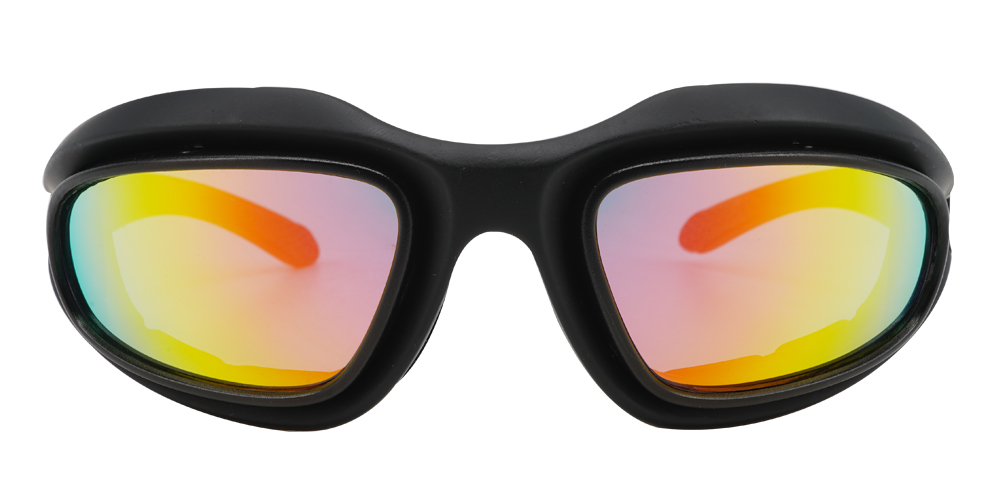
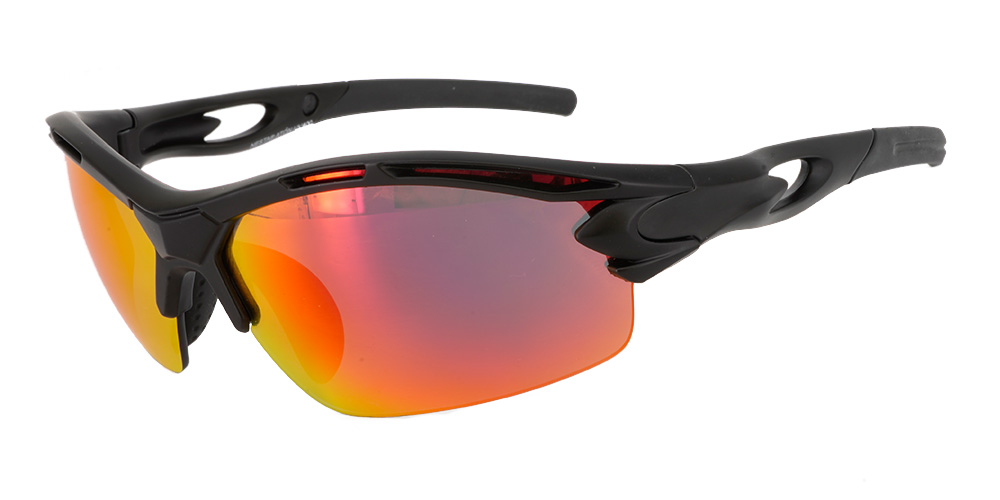
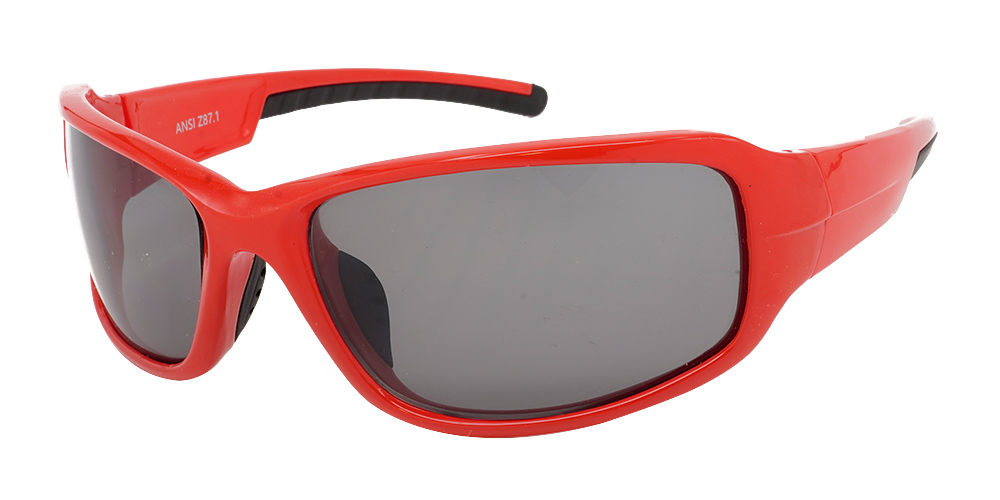
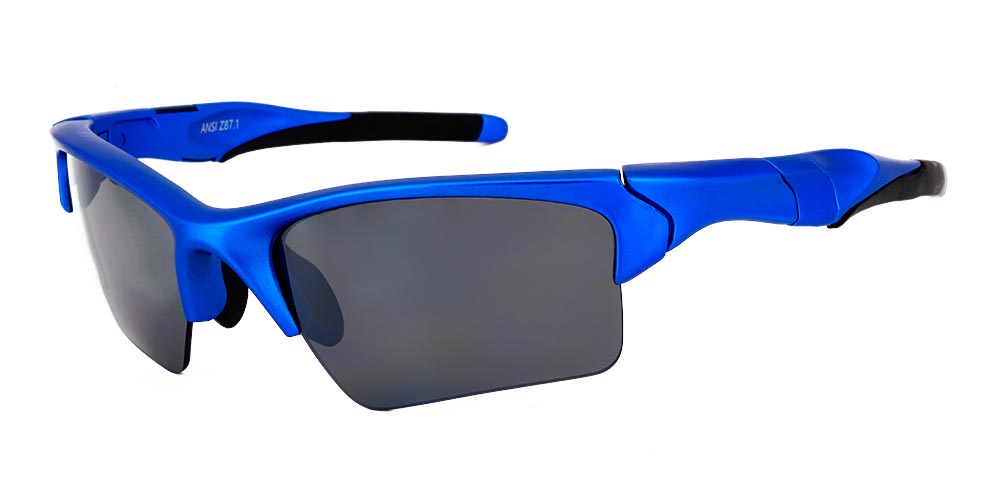
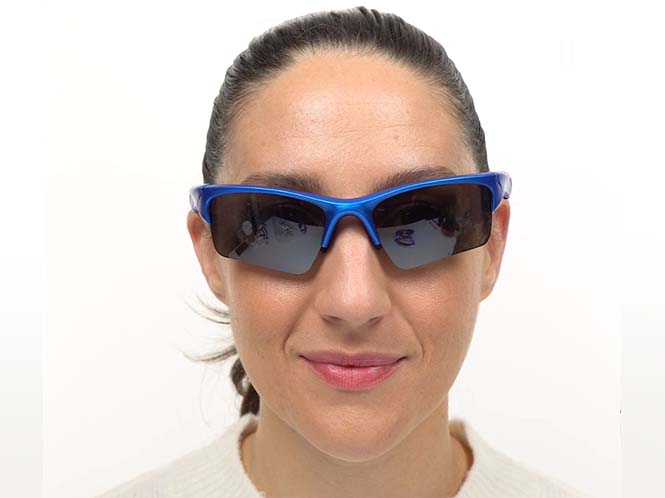
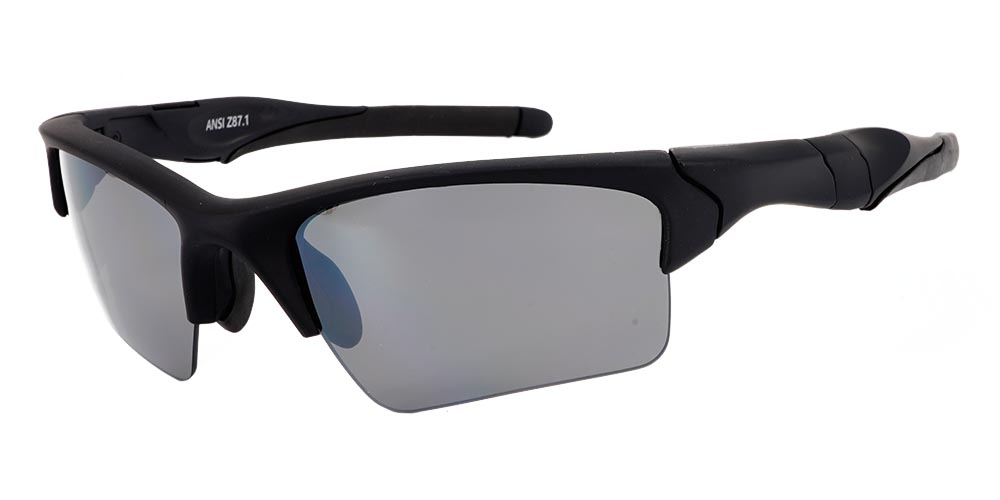
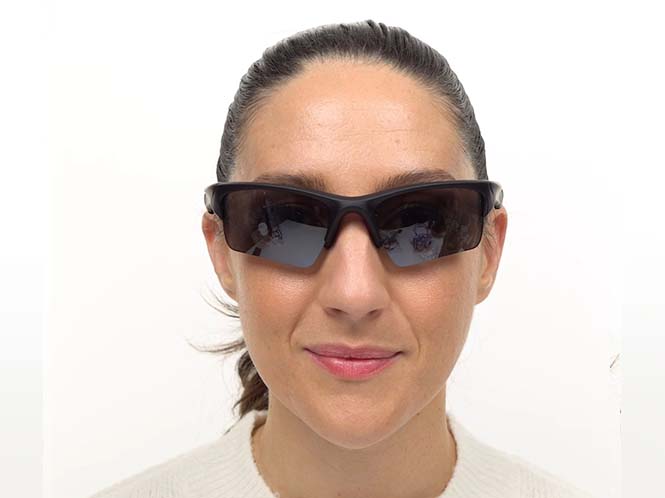
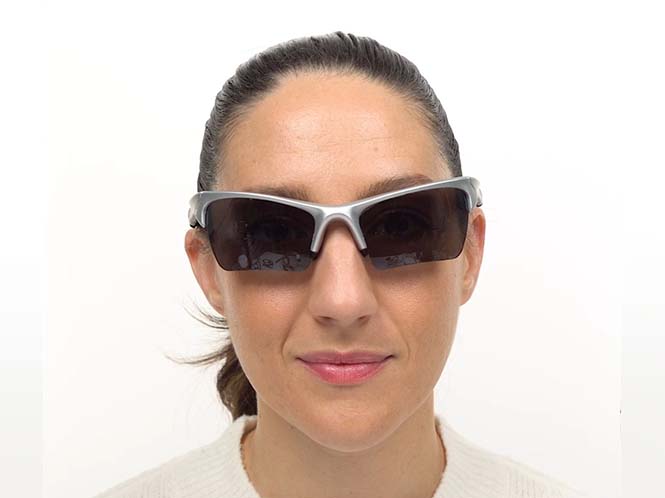
Pickleball glasses should give you a wide view without becoming another thing to think about. A lightweight frame that stays level can feel more natural than everyday spectacles that slide when you move or turn your head.
Indoor and Outdoor Courts Need Different Lenses
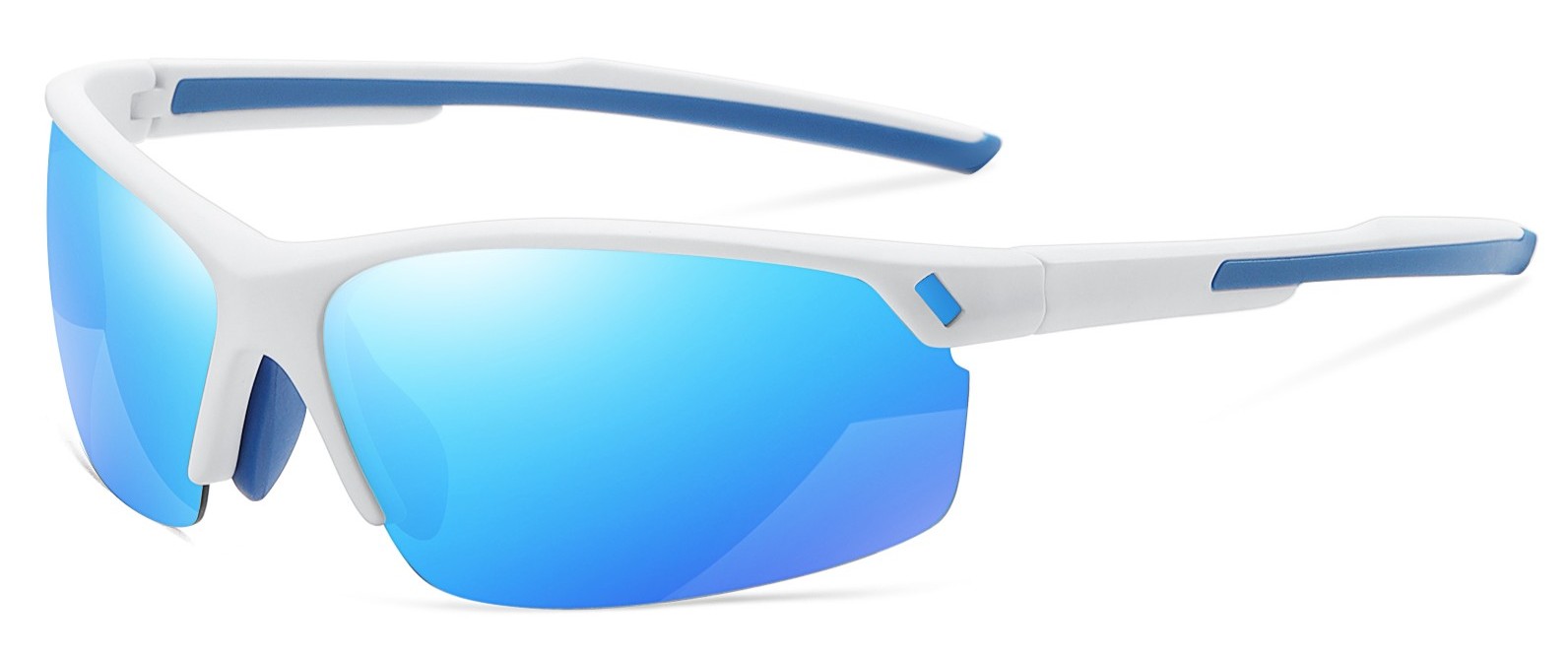
Lighting varies between sports halls, covered courts and outdoor venues. Clear lenses are often practical indoors because they preserve available light. Outdoors, a tint may make bright conditions more comfortable.
Useful options include:
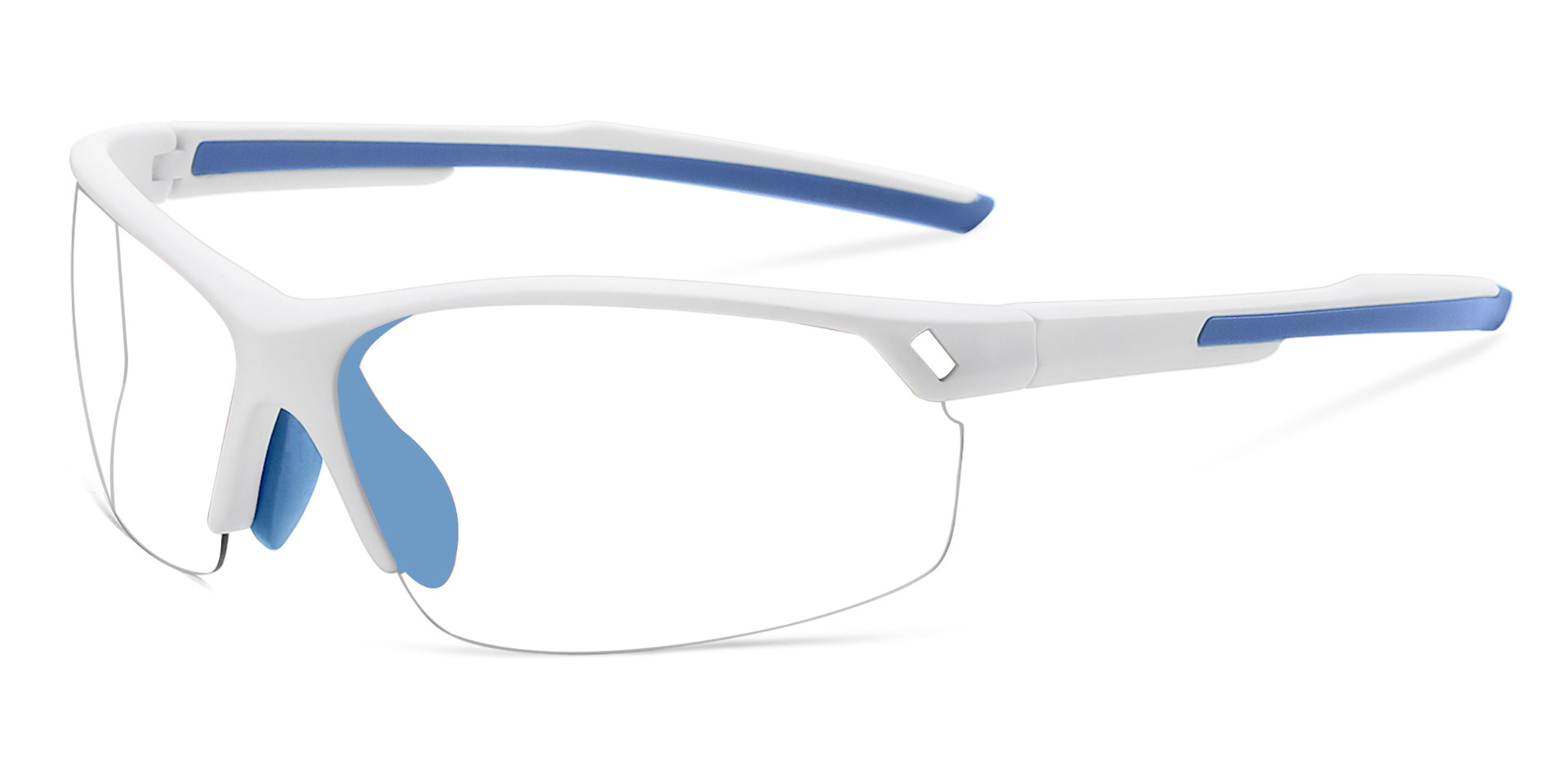
- Clear lenses: Suitable for indoor courts, evening sessions and dull weather.
- Grey lenses: Reduce brightness while keeping colours relatively neutral.
- Brown or bronze lenses: Add warmth and may make court markings feel more defined.
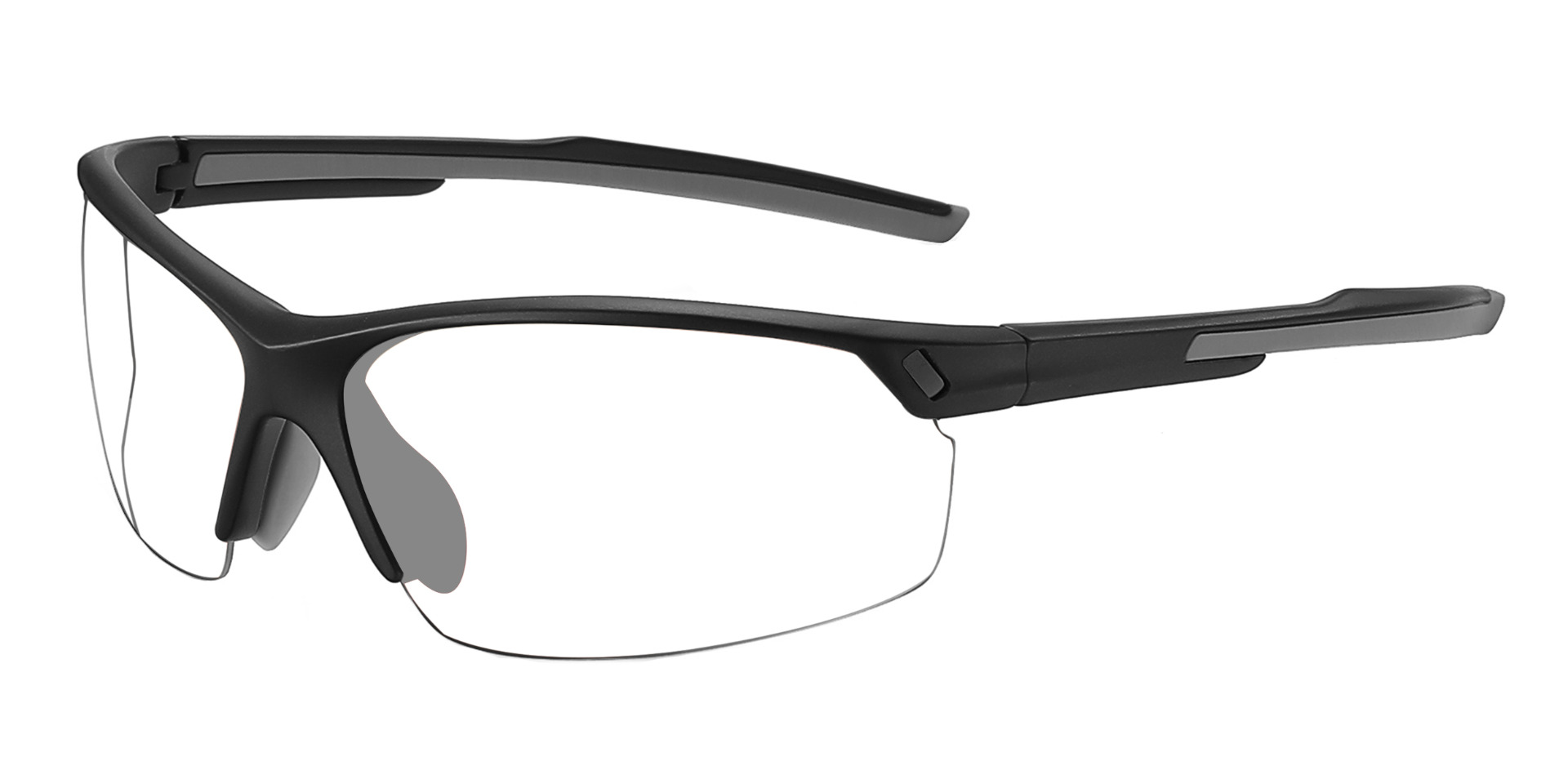
- Photochromic lenses: Change tint as ultraviolet exposure rises or falls.
- Polarised lenses: Reduce reflected glare outdoors.
- Anti-reflective coatings: May reduce distracting reflections across the lens surface.
Very dark lenses can make an indoor court feel gloomy. Choose around where you play most rather than selecting the strongest tint automatically.
Keeping the Frame Steady During Quick Rallies
Pickleball includes short sprints, side steps, sudden stops and repeated head movement. The frame should remain secure without squeezing your temples or creating pressure across the bridge.
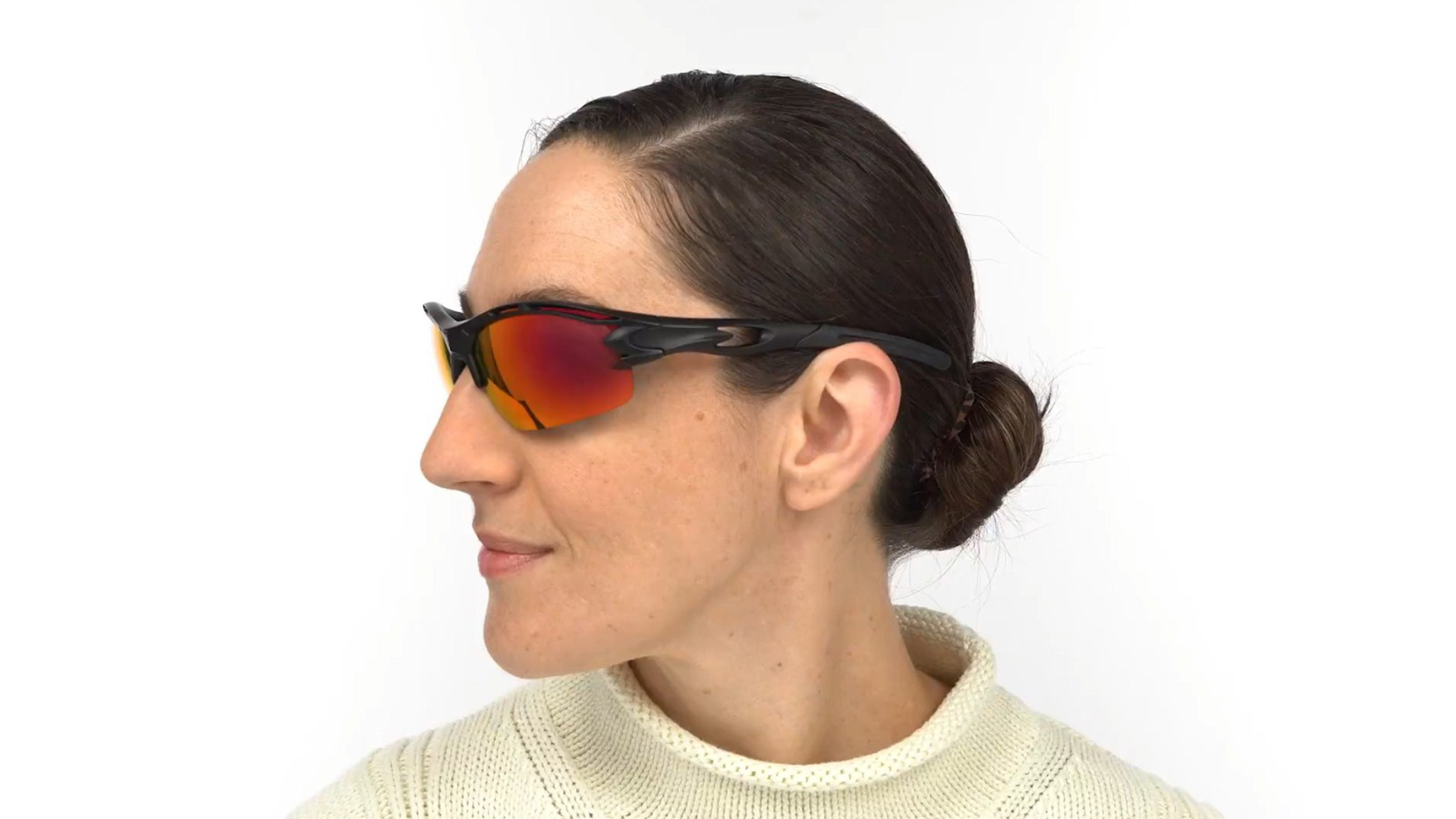
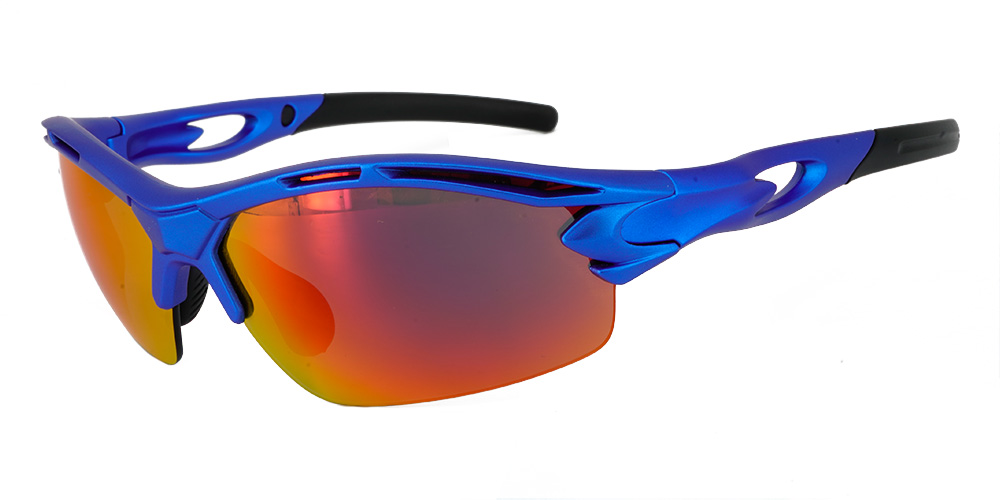
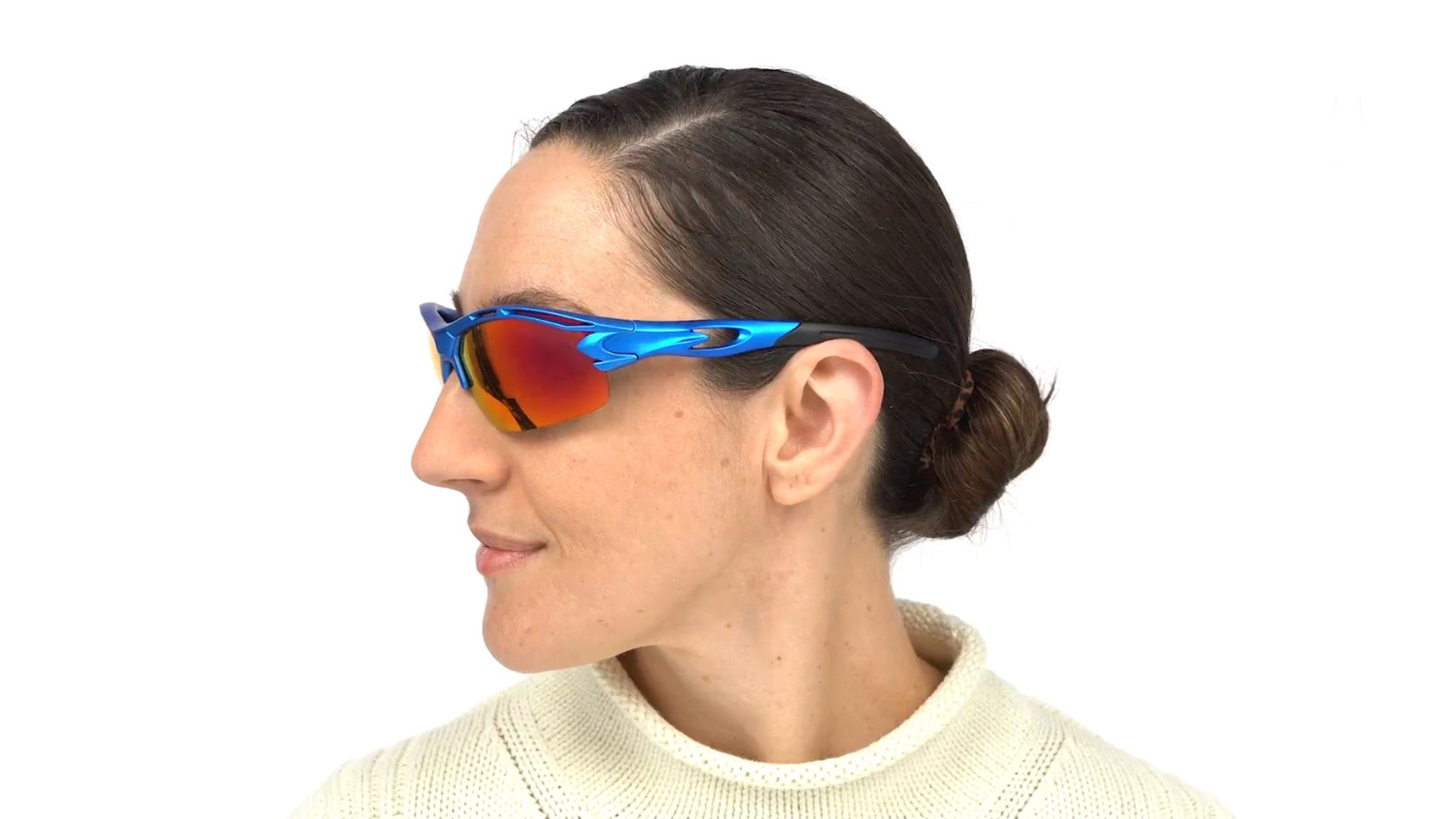
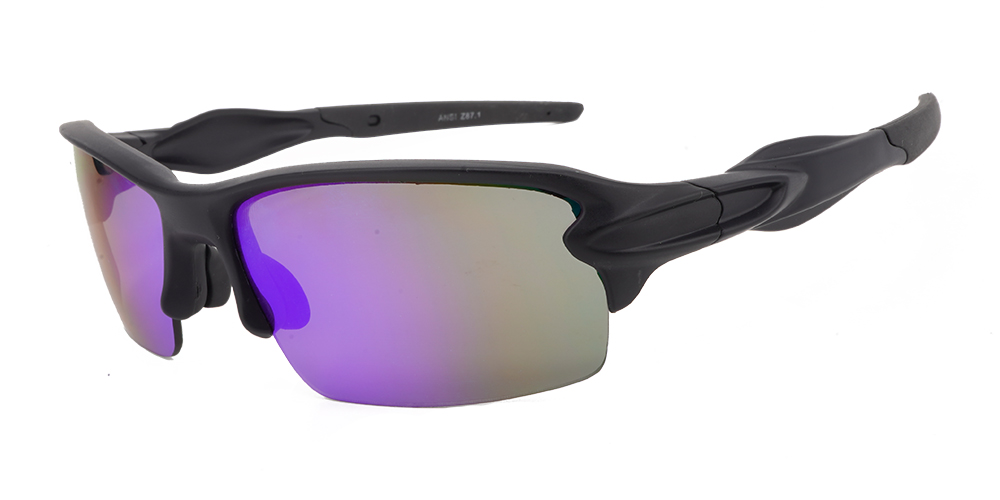
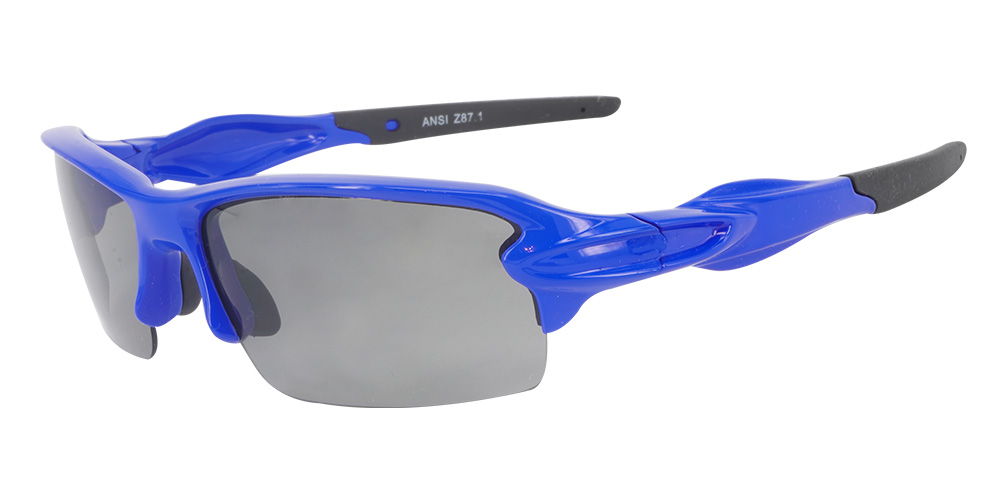
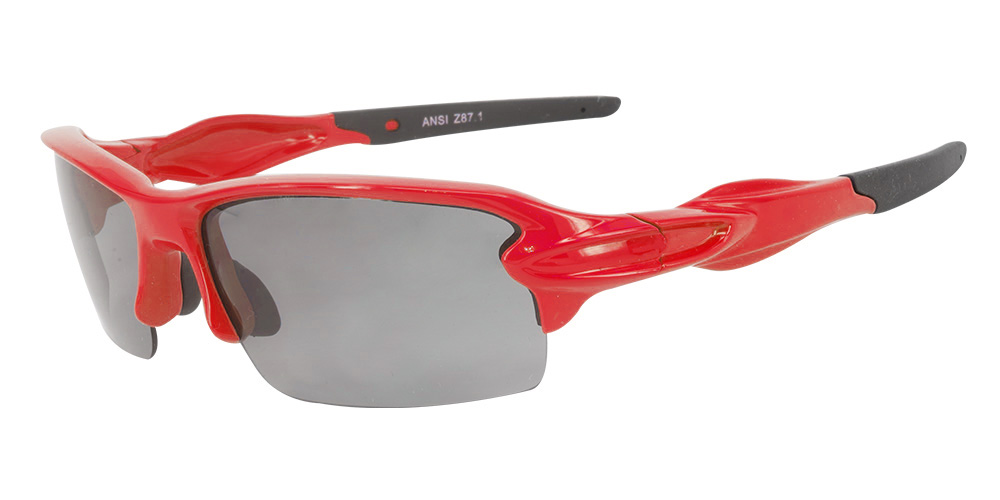
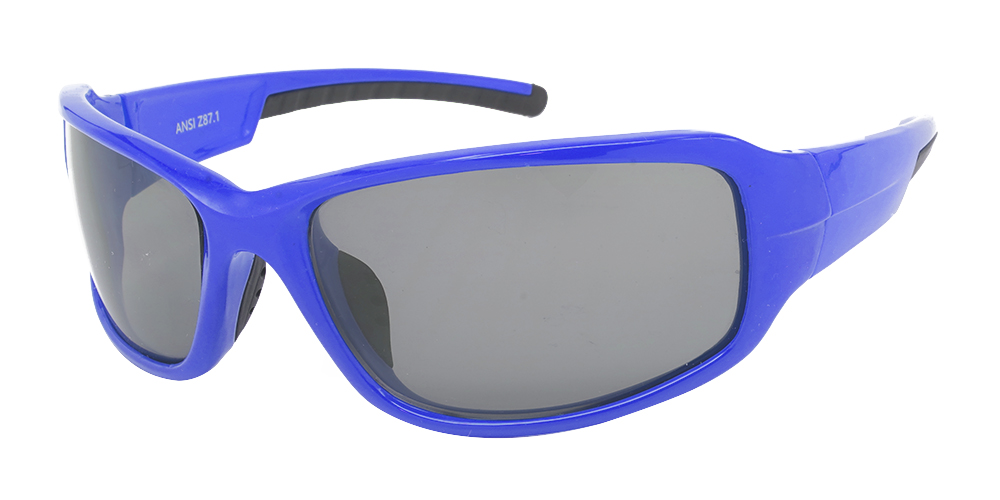
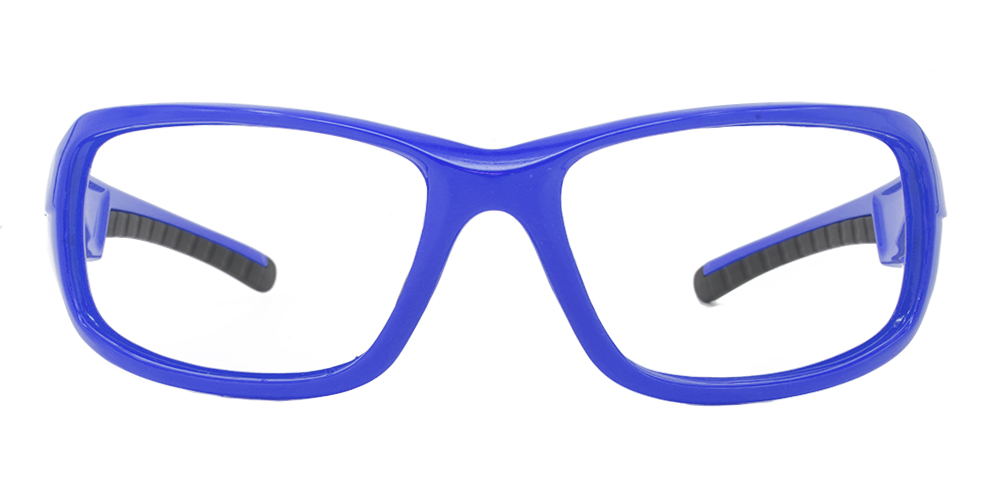
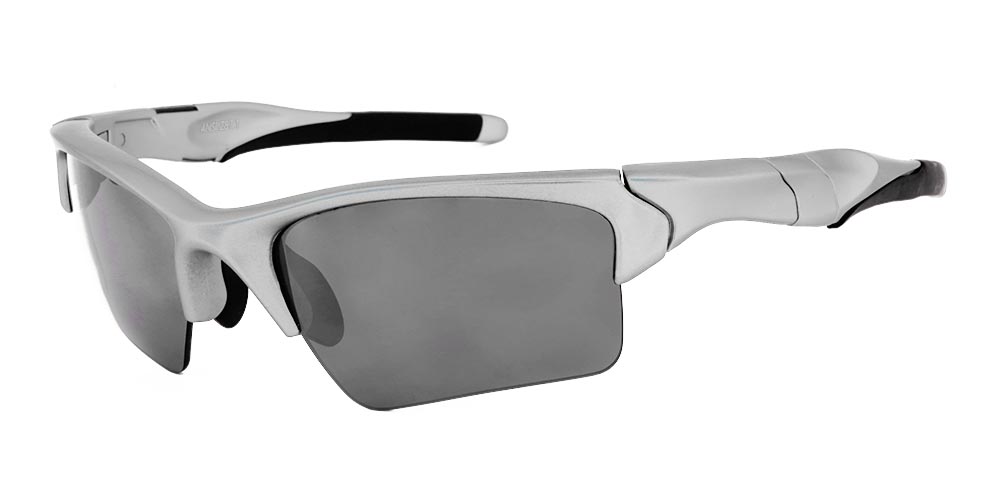
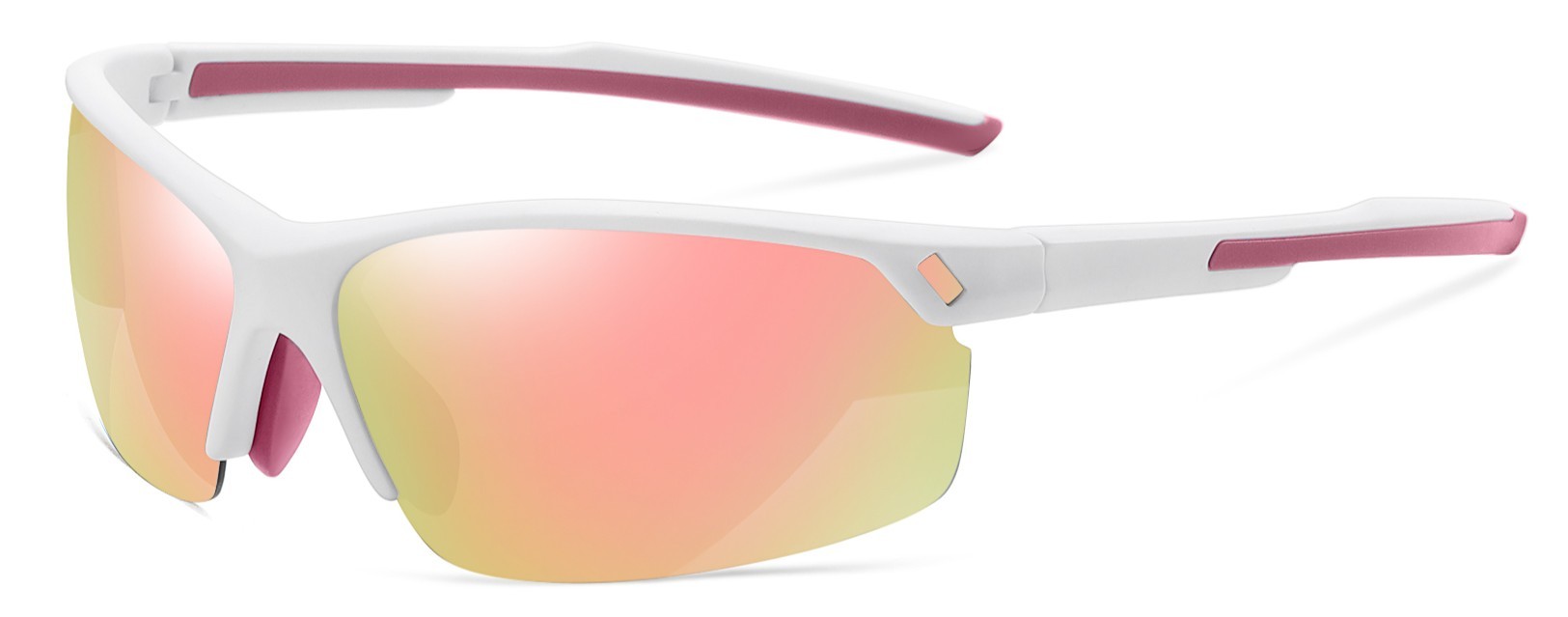
Compare the overall width, bridge shape, temple length and lens depth with glasses you already wear comfortably. Grippy nose pads and temple tips may improve stability during play. A wraparound shape can provide side coverage, but the rims should not interrupt peripheral vision.
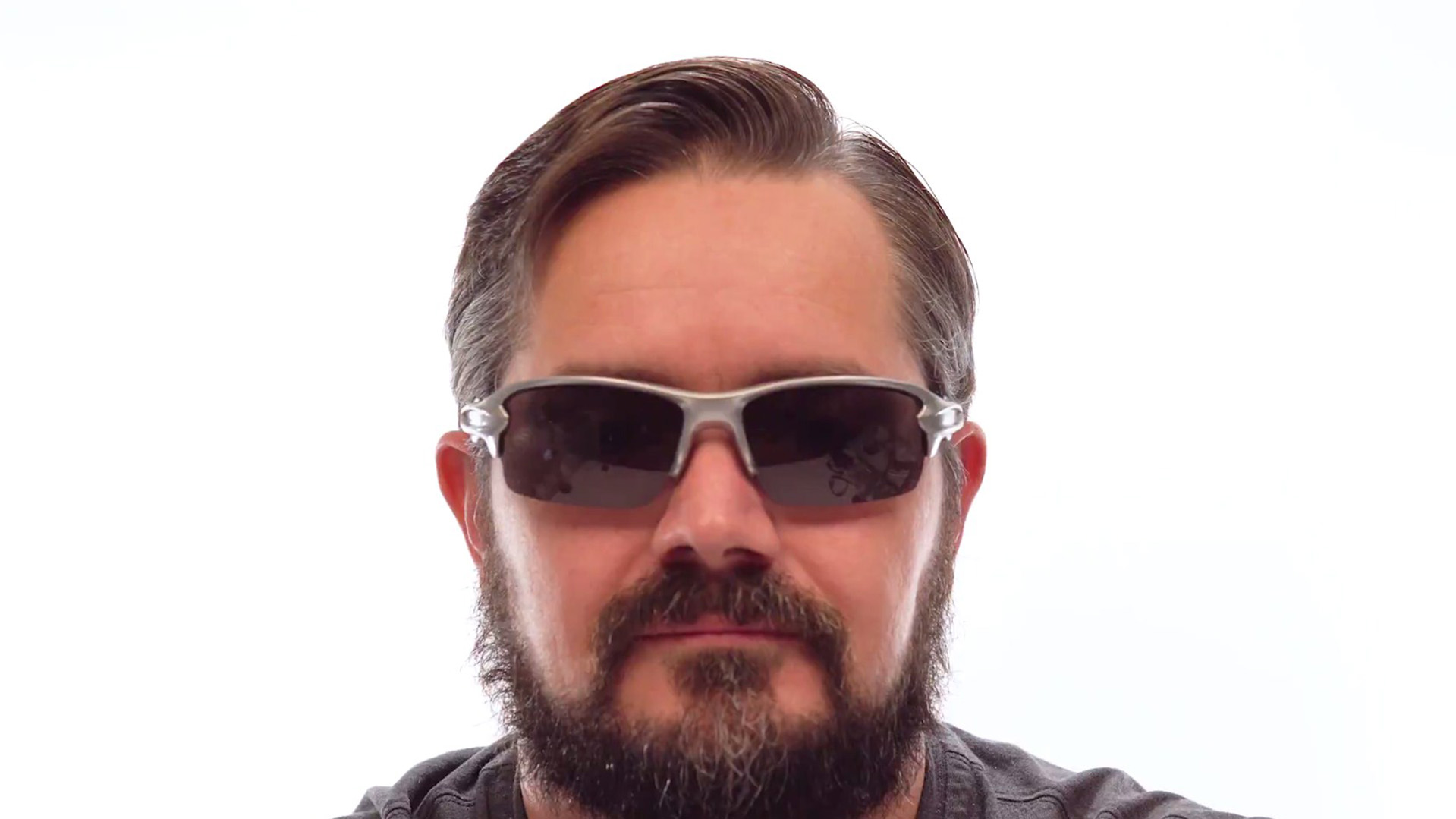
Try the glasses during court movement. Look down, turn both ways, bend into a ready position and take several quick side steps. If the frame slides during this test, another size may suit you better.
Prescription Pickleball Glasses
Players who normally wear spectacles may prefer prescription pickleball glasses instead of changing to contact lenses. Clear correction can help when following the ball, recognising court lines and judging the space between players.
Use a current spectacles prescription and enter each eye’s values exactly as written. Sphere, cylinder, axis and pupillary distance may be required. Contact lens powers should not normally be copied into a glasses order because the measurements can differ.
Depending on the model, single-vision, bifocal or progressive lenses may be available. Single-vision distance lenses suit many players. Progressive wearers should consider whether the near areas interfere with the view when looking down or moving around the court.
Highly curved frames can have tighter prescription limits, so check the stated optical range before ordering.
What “Safety Glasses for Pickleball” Should Mean
A sporty appearance does not prove that eyewear has been tested for impact. Safety glasses for pickleball should be assessed through the product specification, lens material and markings rather than the shape of the frame alone.
Check whether any stated standard applies to the complete eyewear configuration, including prescription lenses. Changing the lens material or fitting an optical insert may affect what protection is claimed.
No eyewear can prevent every injury. Players should also follow court rules, maintain sensible spacing and avoid entering another player’s swing path. Product guidance should take priority over general collection wording.
Comfort Through Social Games and Tournaments
A pair may feel fine during warm-up but become irritating after several games. Look for pressure around the nose and ears, ventilation around the lenses and a frame weight that remains comfortable.
Sweat can cause slipping or misting. Ventilated designs and anti-fog treatments may help, although no lens remains fog-free in every condition. Keep vents clean and use products intended for coated sports lenses.
Headbands, caps and other accessories can change how the temples sit. Test your usual setup together before a league night or tournament.
Cleaning and Storing Your Court Eyewear
Dust, fingerprints and dried sweat can make the ball harder to follow. Rinse loose particles away before wiping, then use suitable lens cleaner and a clean microfibre cloth. Avoid shirts, paper towels and household sprays.
Store the glasses in a protective case rather than loose in a sports bag. Inspect the lenses, hinges, nose pads and temple tips regularly. Replace eyewear that becomes cracked, deeply scratched, distorted or unable to stay secure during movement.