Where Sunglasses Fit into Motocross and ATV Riding
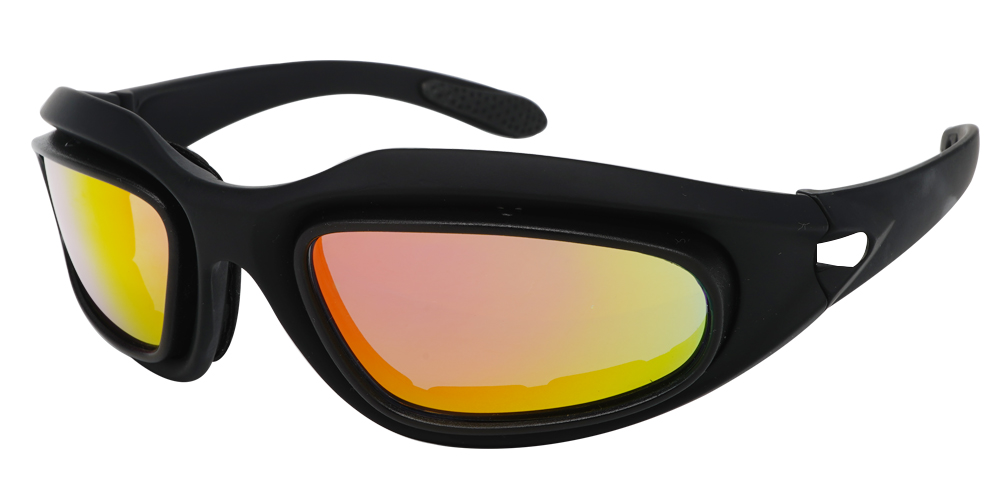
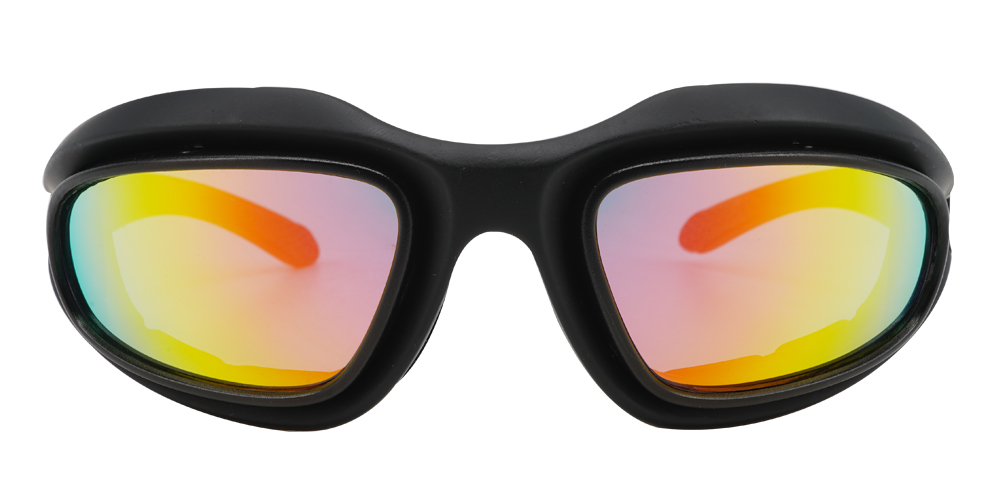
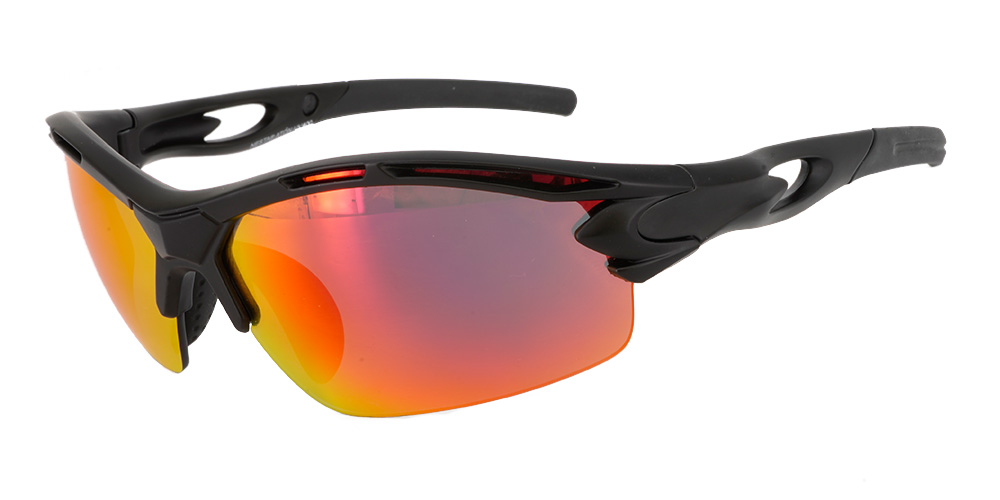
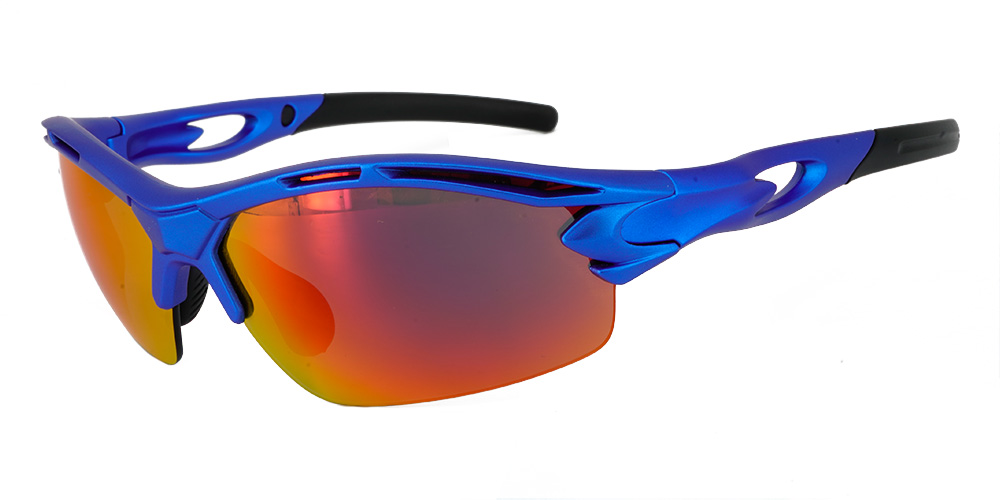
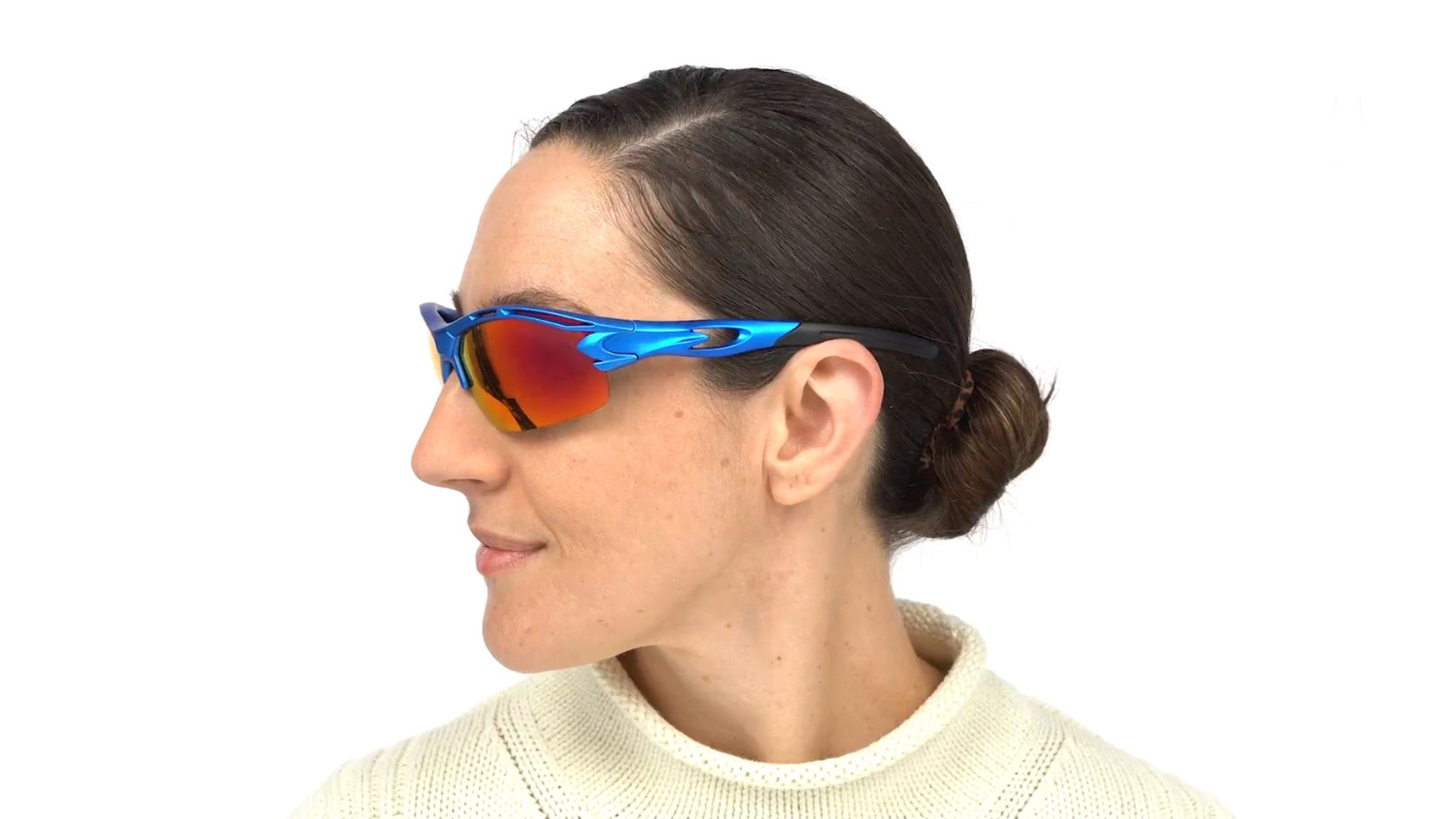
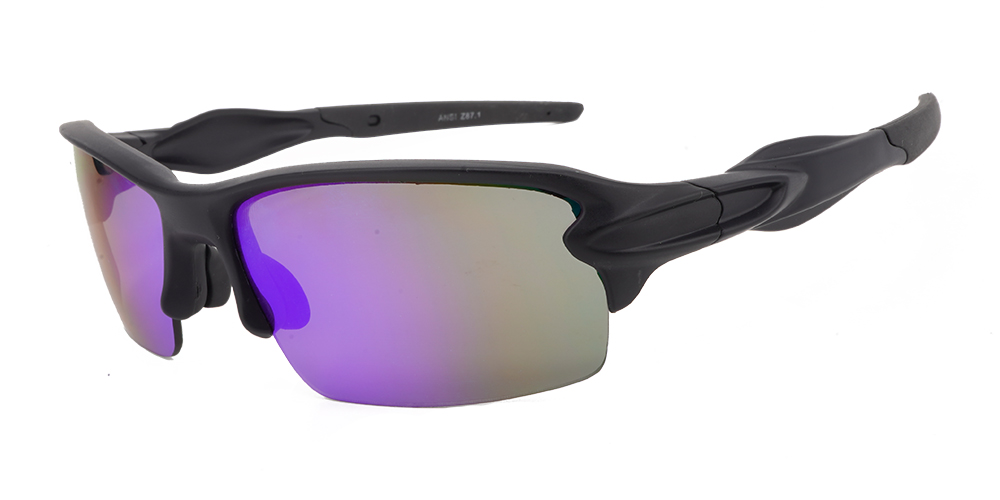
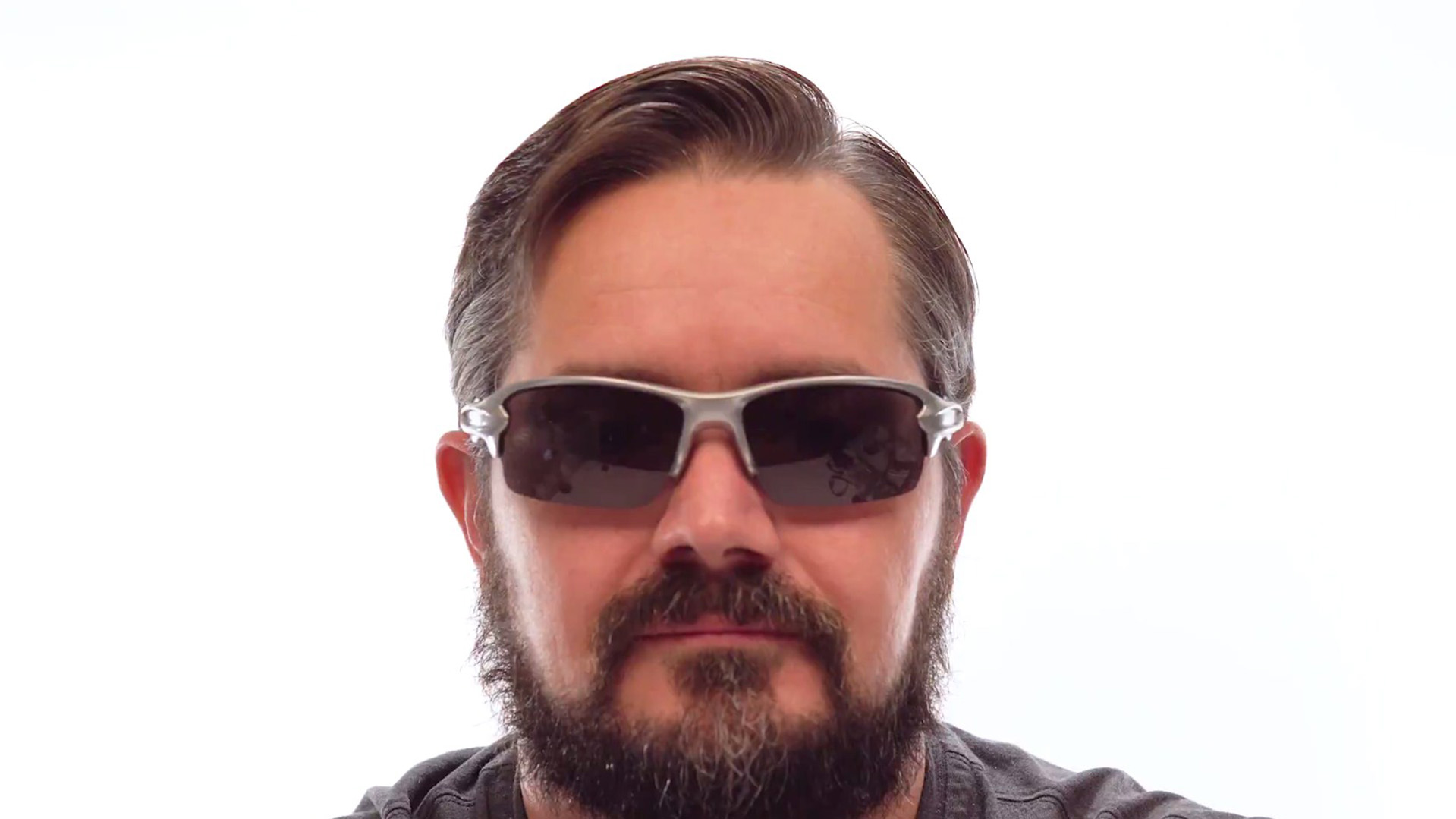
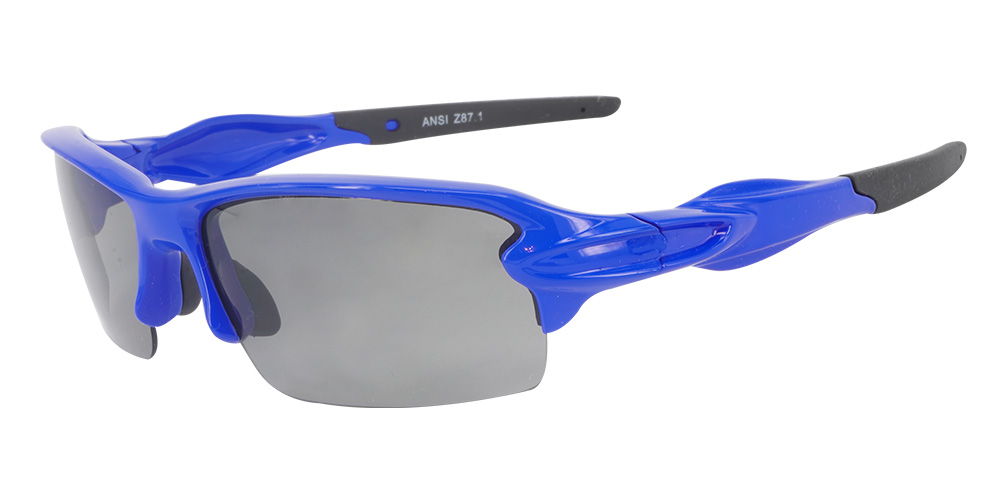
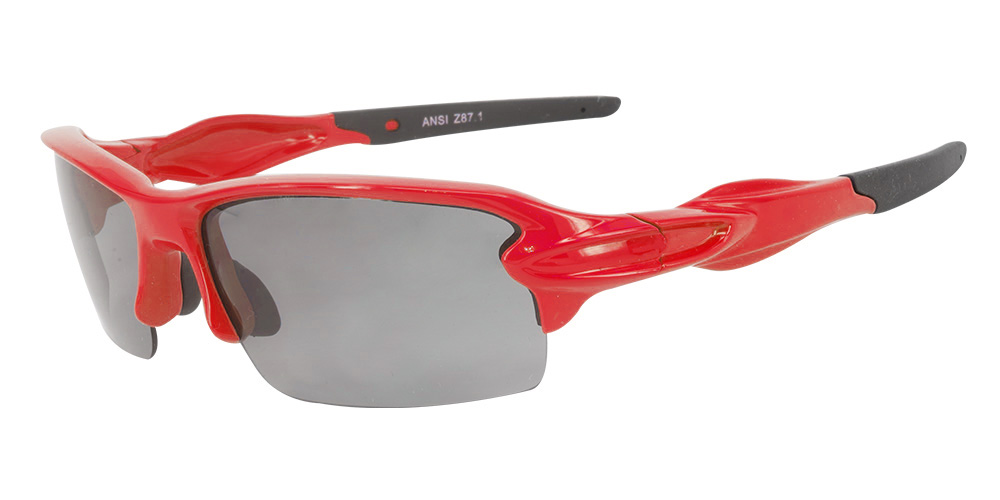
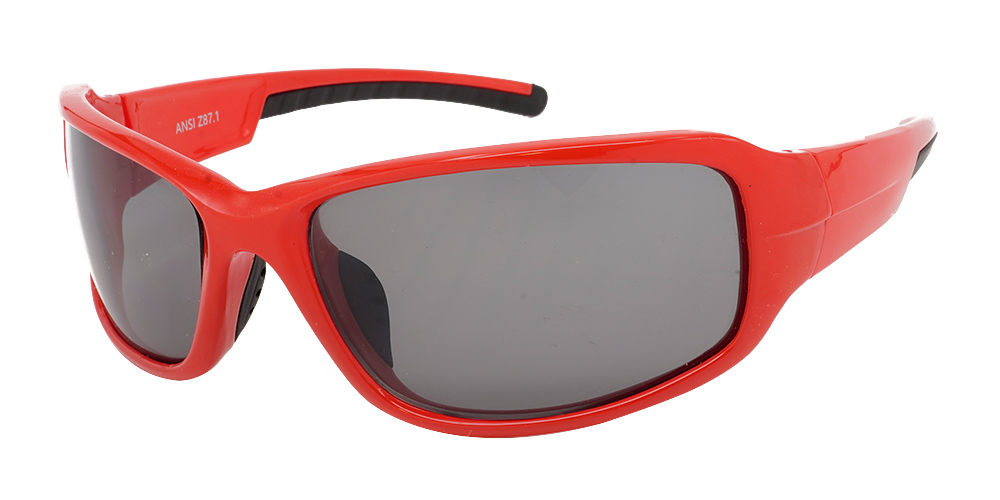
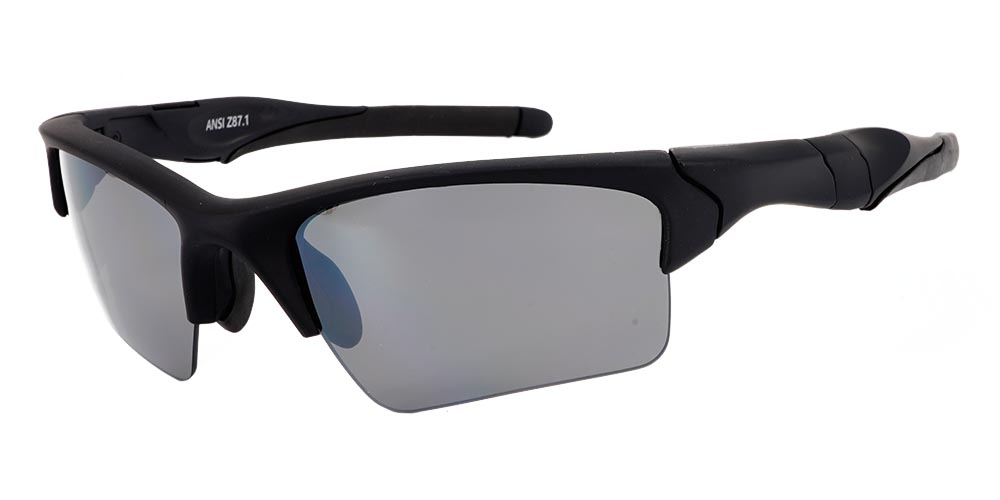
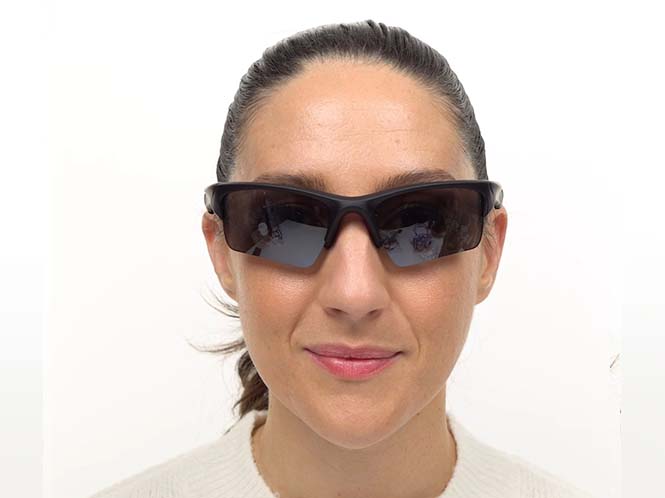
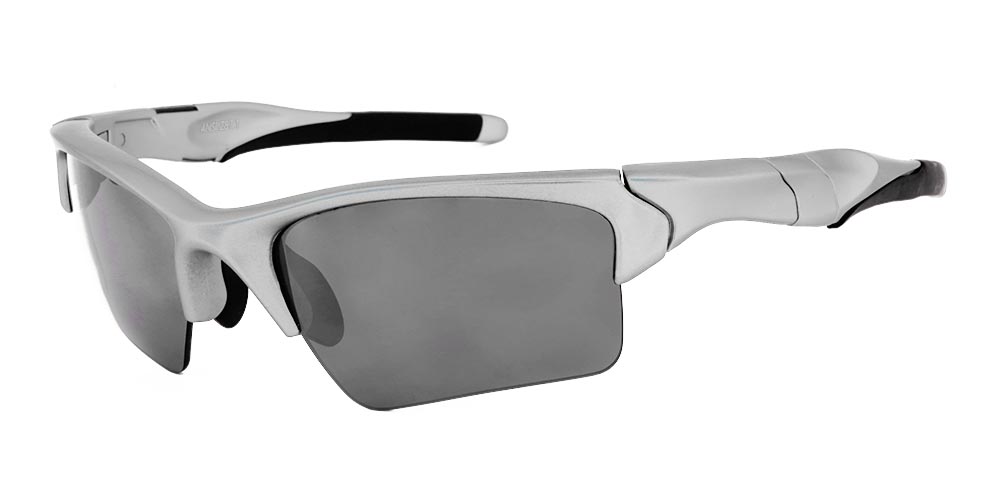
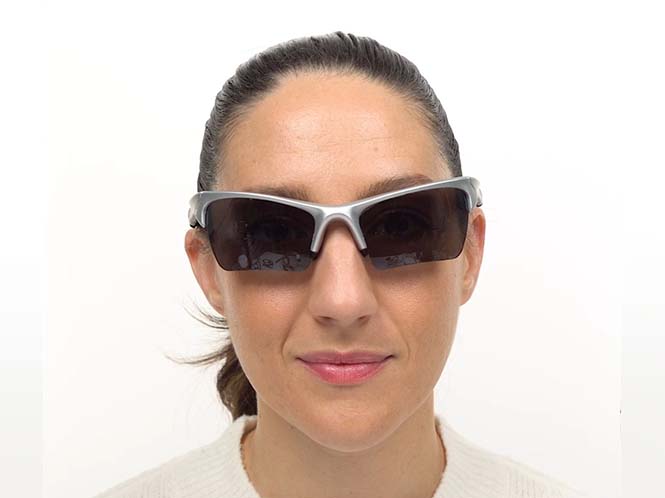
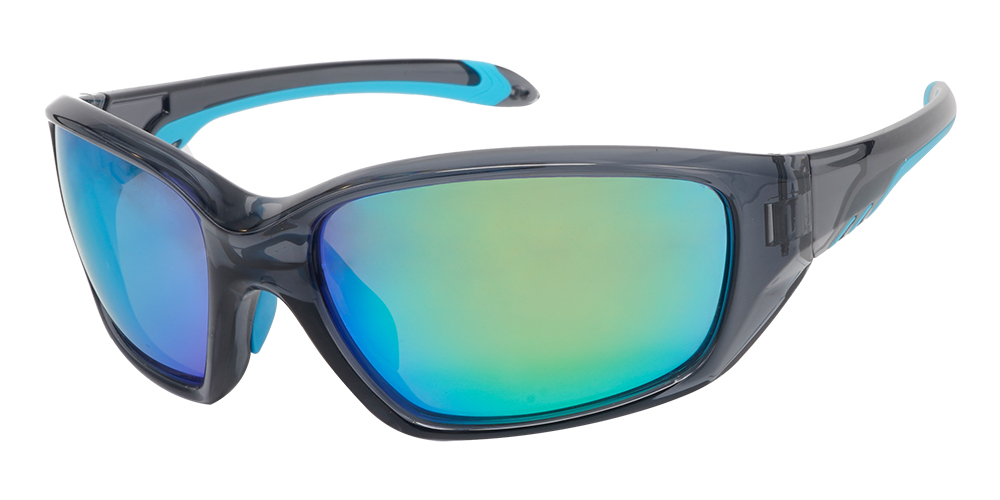
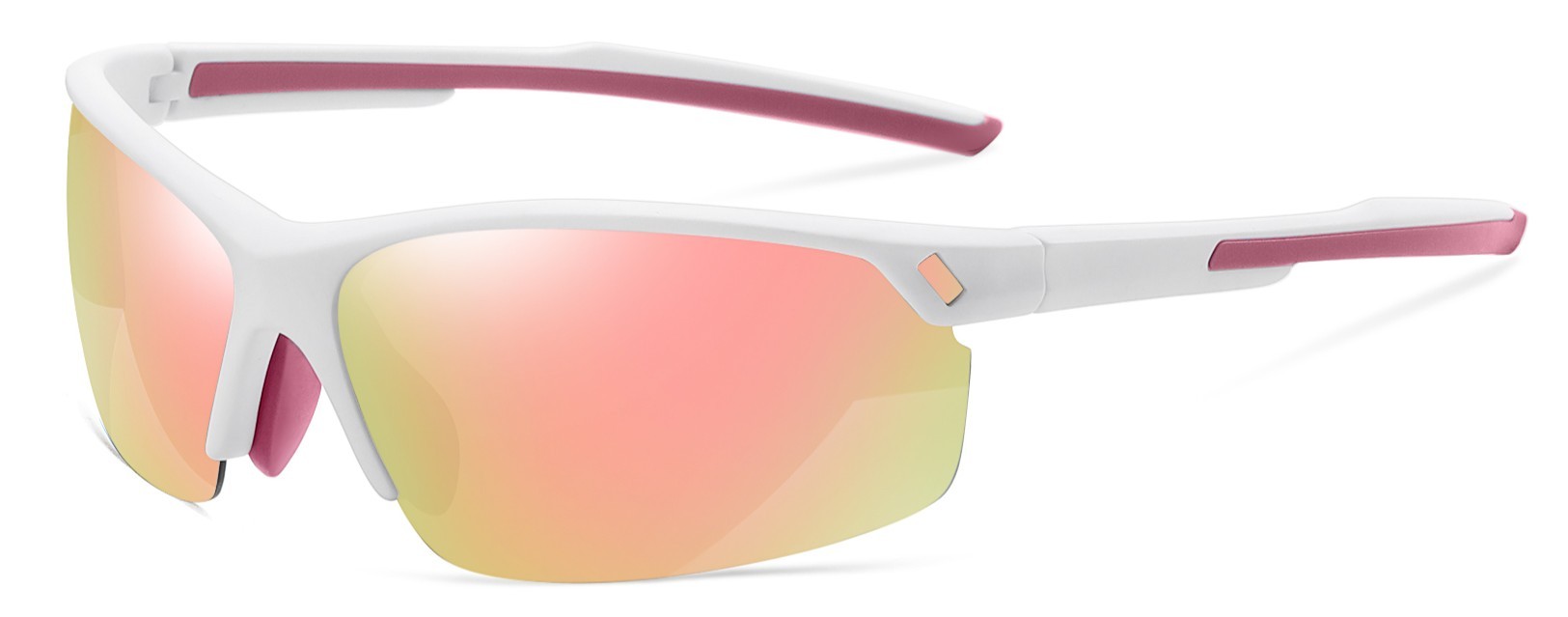
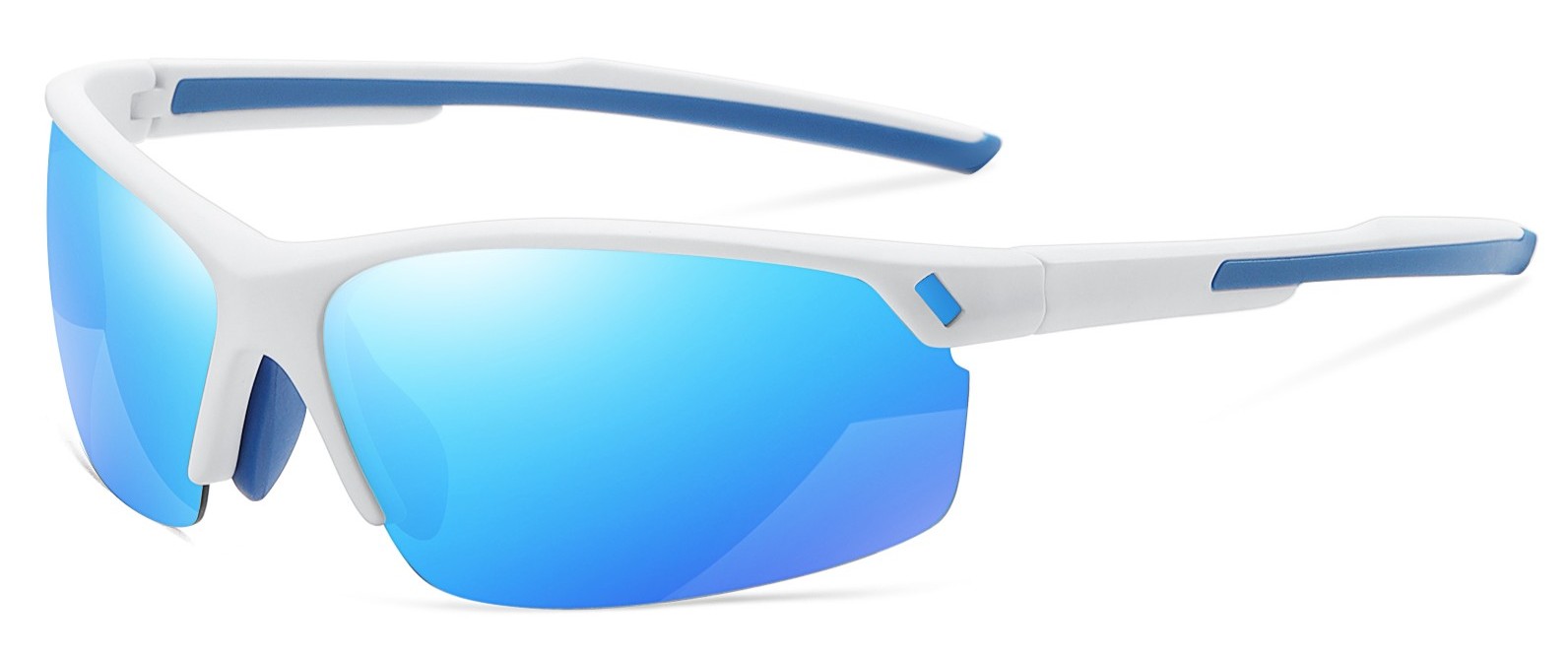
Motocross sunglasses can be useful around the paddock, during track walks or for lower-speed off-road activities. They offer a lighter alternative to fashion frames and can reduce brightness, wind and airborne dust.
For competitive riding, fast trails or muddy conditions, sealed motocross goggles may provide better coverage. Follow venue or event rules and check the product’s intended use before relying on it.
Start with the Riding Environment
The right eyewear depends on speed, terrain, weather and how much debris is likely to reach the face. Before choosing a pair, consider:
- Dust and mud: Close coverage reduces gaps, but sunglasses do not seal like goggles.
- Bright light: A suitable tint can make exposed tracks more comfortable.
- Woodland shade: Dark lenses may hide ruts, roots and surface changes.
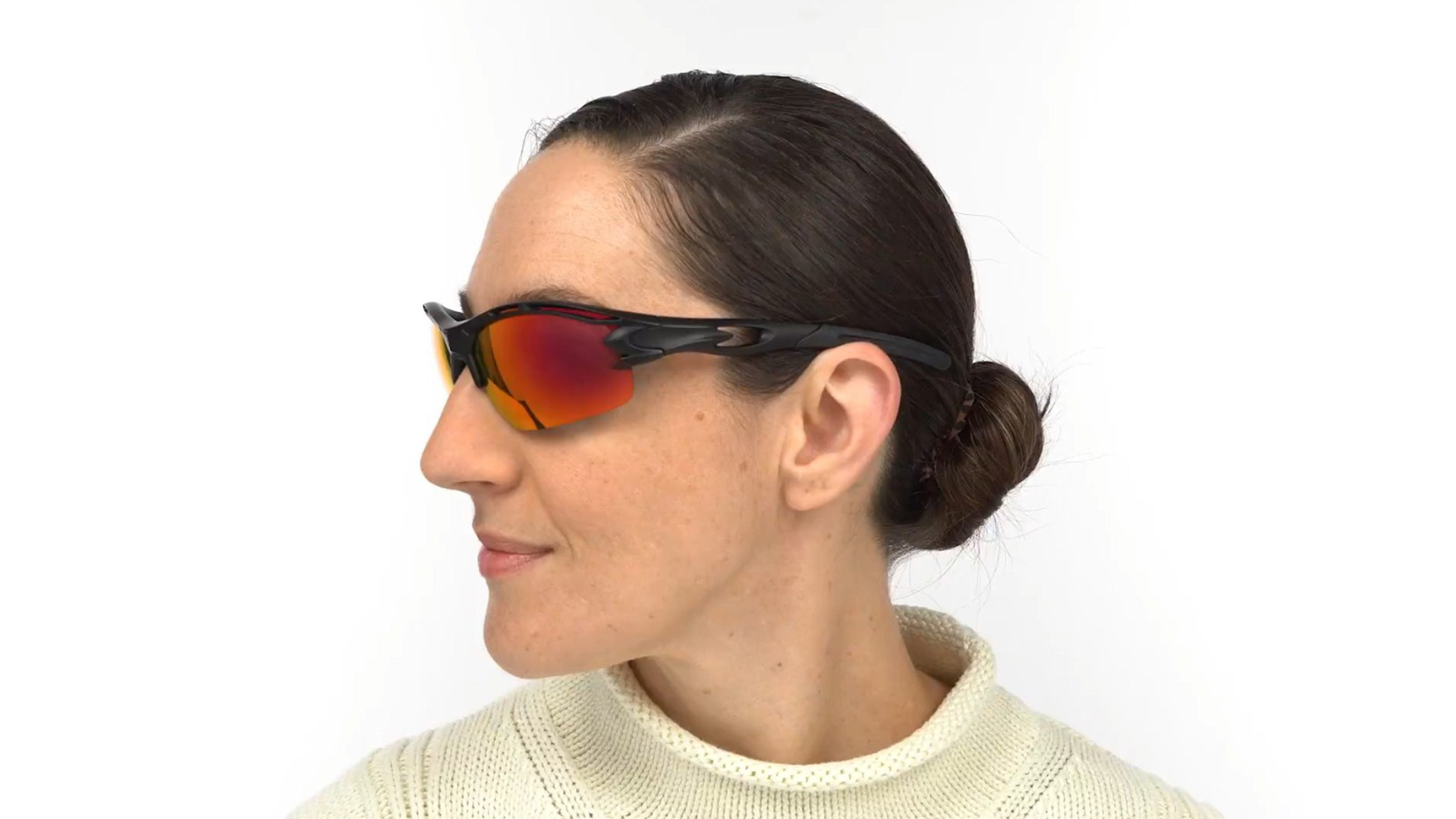
- Helmet fit: Temple arms should sit comfortably without lifting the frame.
- Prescription needs: Check the optical range and frame curvature.
- Product markings: Confirm stated protection for the complete lens setup.
- Activity rules: Some venues may require specific goggles or equipment.
Choose for the conditions you actually ride in rather than the appearance of the frame. Visibility should remain consistent as your speed, direction and terrain change.
Lens Tints for Track, Trail and Paddock Use
Grey lenses reduce brightness while keeping colours neutral. Brown or bronze adds warmth and may define dry ground and track edges. Amber or rose tints can suit flat or overcast light.
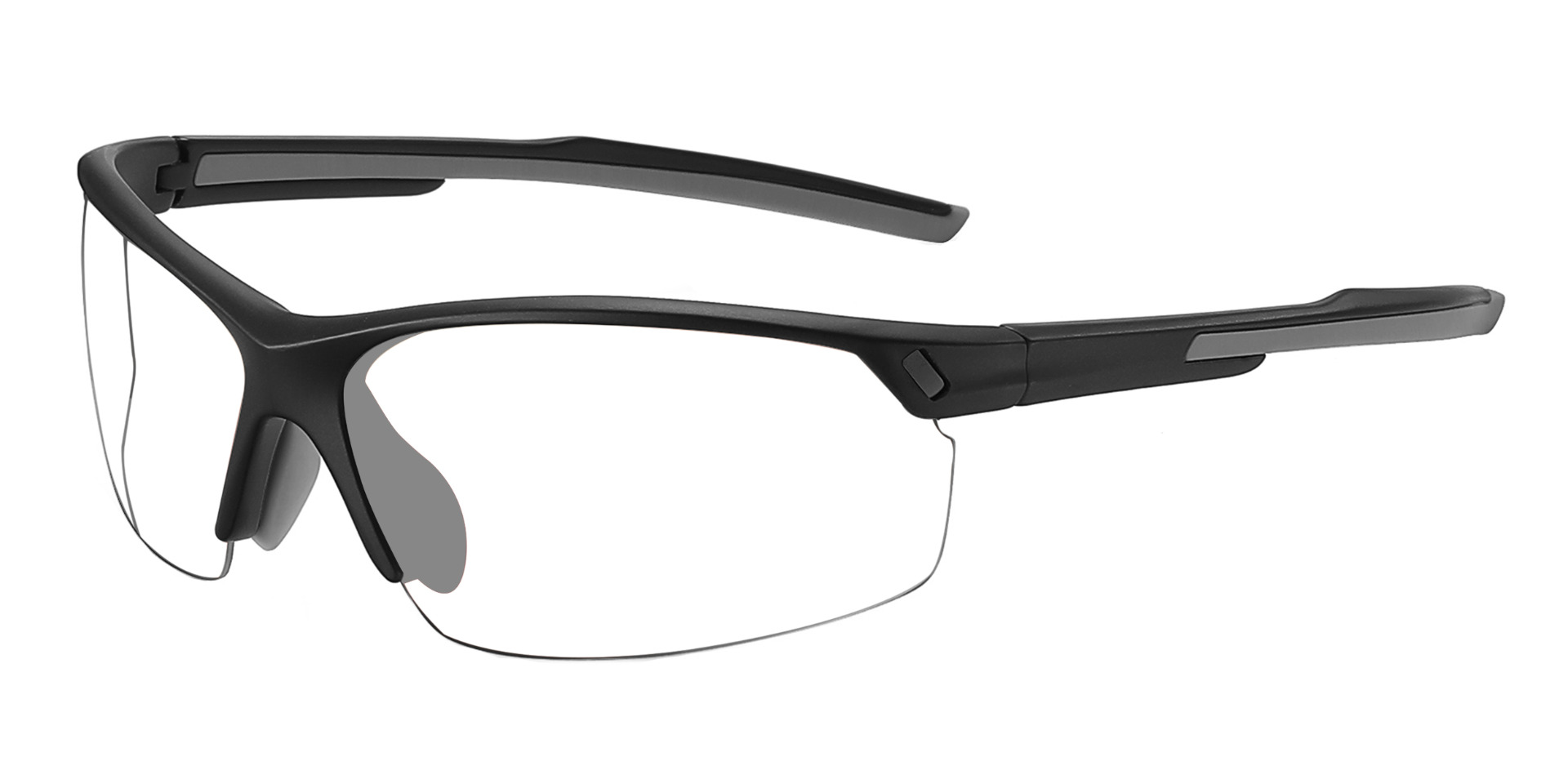
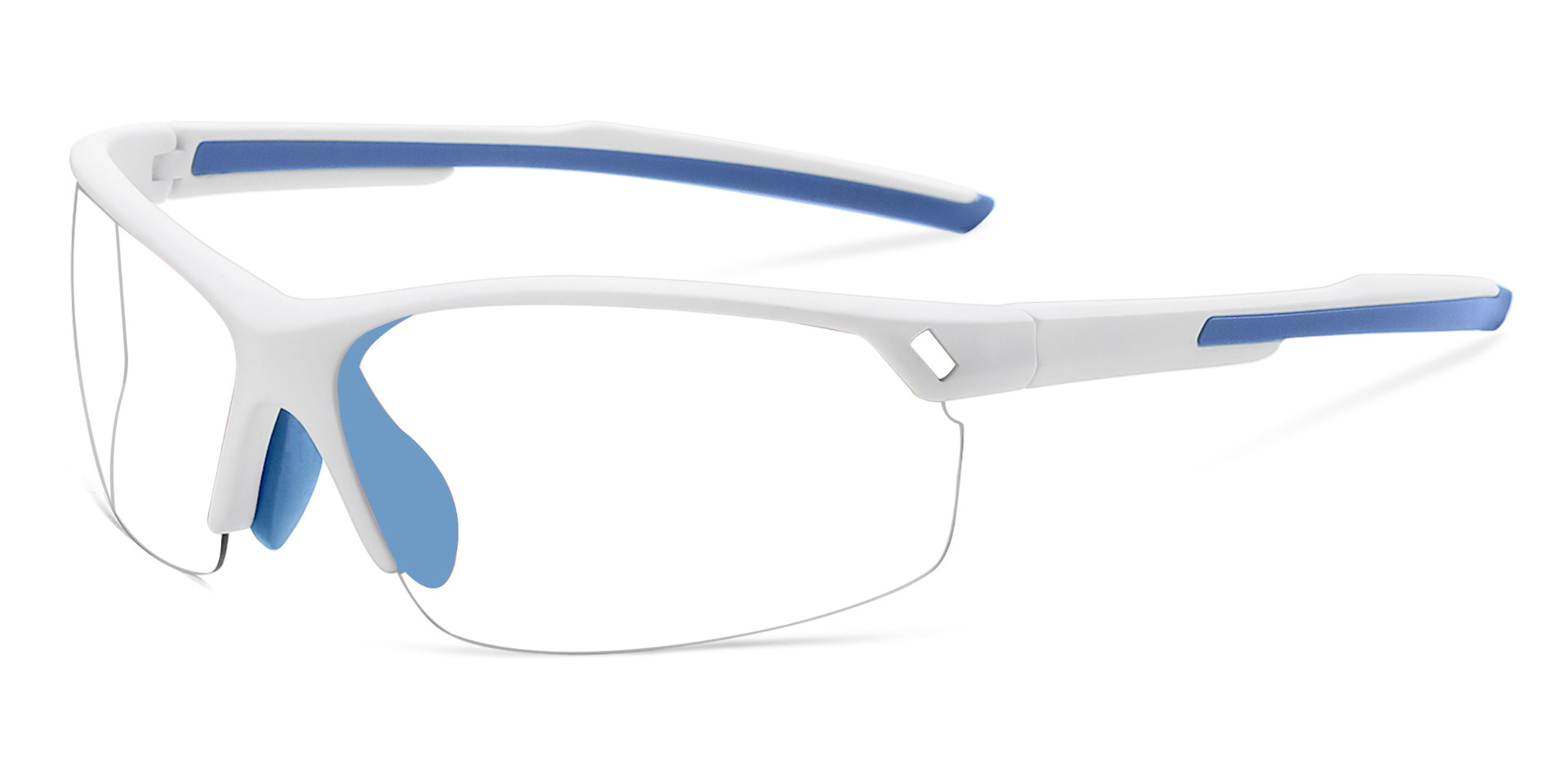
Clear lenses suit dull weather and evening use, while photochromic lenses change tint as ultraviolet exposure varies. They can help between open ground and woodland, although the change is gradual.
Polarised lenses reduce reflected glare from wet ground, water and smooth surfaces. They may affect phones, GPS units or vehicle displays, so check your equipment before regular use.
Prescription Motocross Sunglasses
Prescription motocross sunglasses can support clear distance vision during track walks, trail stops and suitable lower-exposure activities. Depending on the frame, correction may be glazed directly or fitted through an optical insert.
Use a current spectacles prescription and enter each eye’s values carefully. Sphere, cylinder, axis and pupillary distance may be required. Do not normally copy contact lens powers into a glasses order.
Highly curved wraparound frames may have tighter prescription limits. Strong powers, prism or higher astigmatism can reduce the available choices, so review the stated range before selecting a style.
If the eyewear carries a protective claim, confirm whether that claim applies to the exact prescription lens configuration you are ordering.
Checking the Fit with a Helmet
Put on the sunglasses before securing the helmet and check how the temple arms sit beneath the padding. They should not create pressure, touch the eyelashes or lift the frame from the bridge.
Turn your head, look down and reproduce the movements used when mounting, checking controls or scanning the trail. The glasses should remain level and preserve side vision.
A secure fit should not require tightness. Grippy nose pads and temple tips can improve stability. If the arms clash with helmet padding, choose another frame rather than forcing the fit.
Managing Dust, Sweat and Fog
Dust and dried mud can scratch lenses when wiped without rinsing. Use clean water to remove loose particles before cleaning with a suitable lens product and a soft microfibre cloth.
Warm skin, cool air and limited airflow can cause misting. Ventilation and anti-fog treatments may help. Keep frame edges free from dirt, sunscreen and sweat.
If the view becomes obscured while riding, slow down and stop in a safe place before cleaning or adjusting the eyewear.
When Goggles Are the Better Choice
Sunglasses are not a universal replacement for motocross goggles. Goggles generally offer a closer seal, strap-based fit and broader coverage against roost, mud and high-speed airflow.
Use equipment designed for the riding conditions. When an event, track or helmet setup requires goggles, follow that rule. Sports sunglasses may remain useful before and after riding, within their stated purpose.
Looking After Off-Road Eyewear
Store the sunglasses in a protective case away from tools, gloves and muddy kit. Inspect the lenses, hinges, nose pads and temple tips before each outing.
Replace the eyewear if the lenses become cracked or deeply scratched, the frame becomes distorted or the fit is no longer secure. Avoid drilling, bending or gluing a sports frame unless the manufacturer specifically permits it.