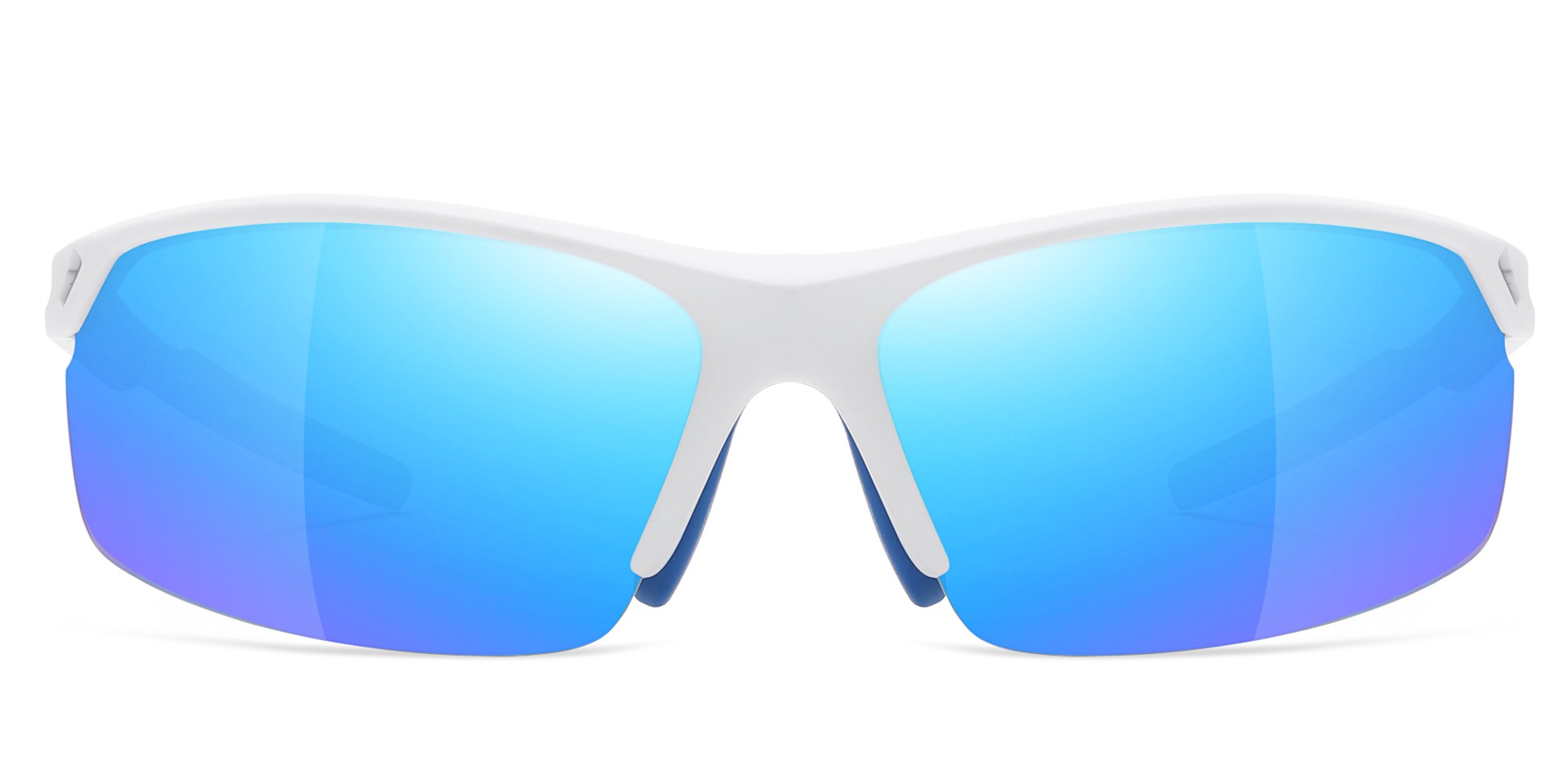
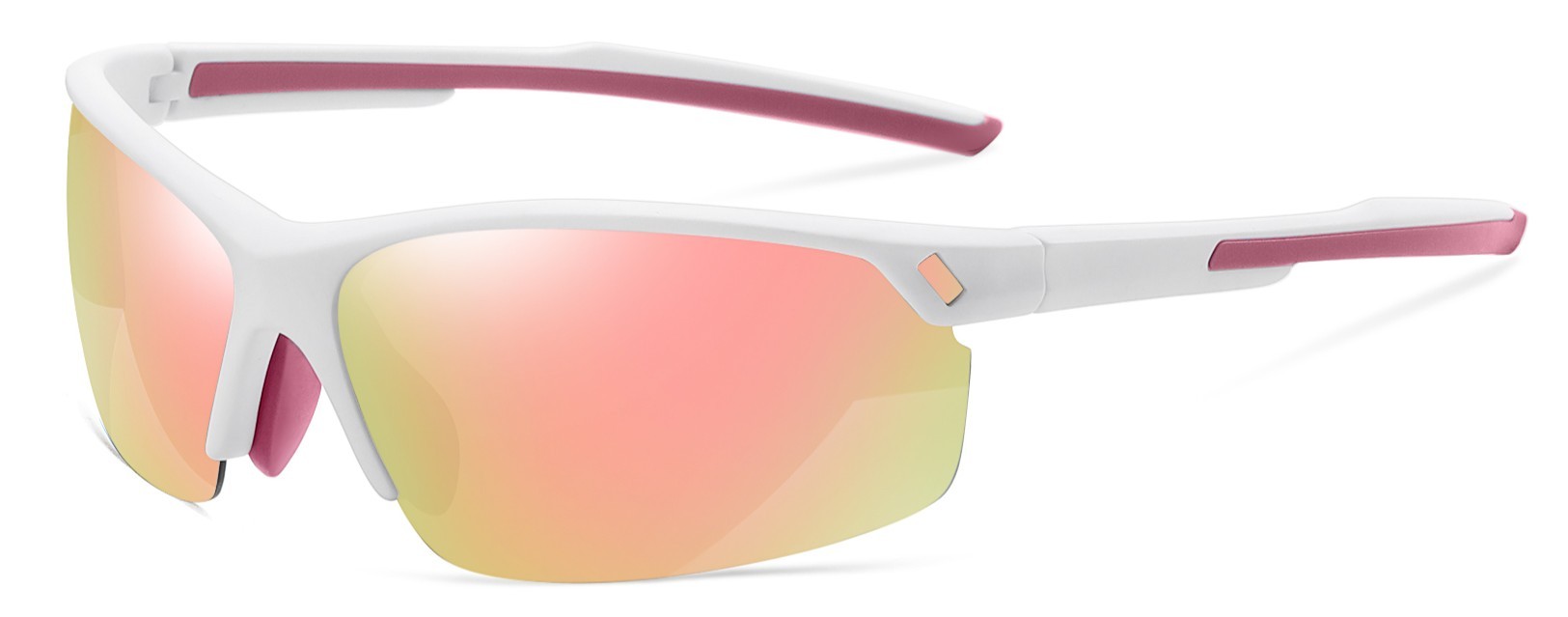
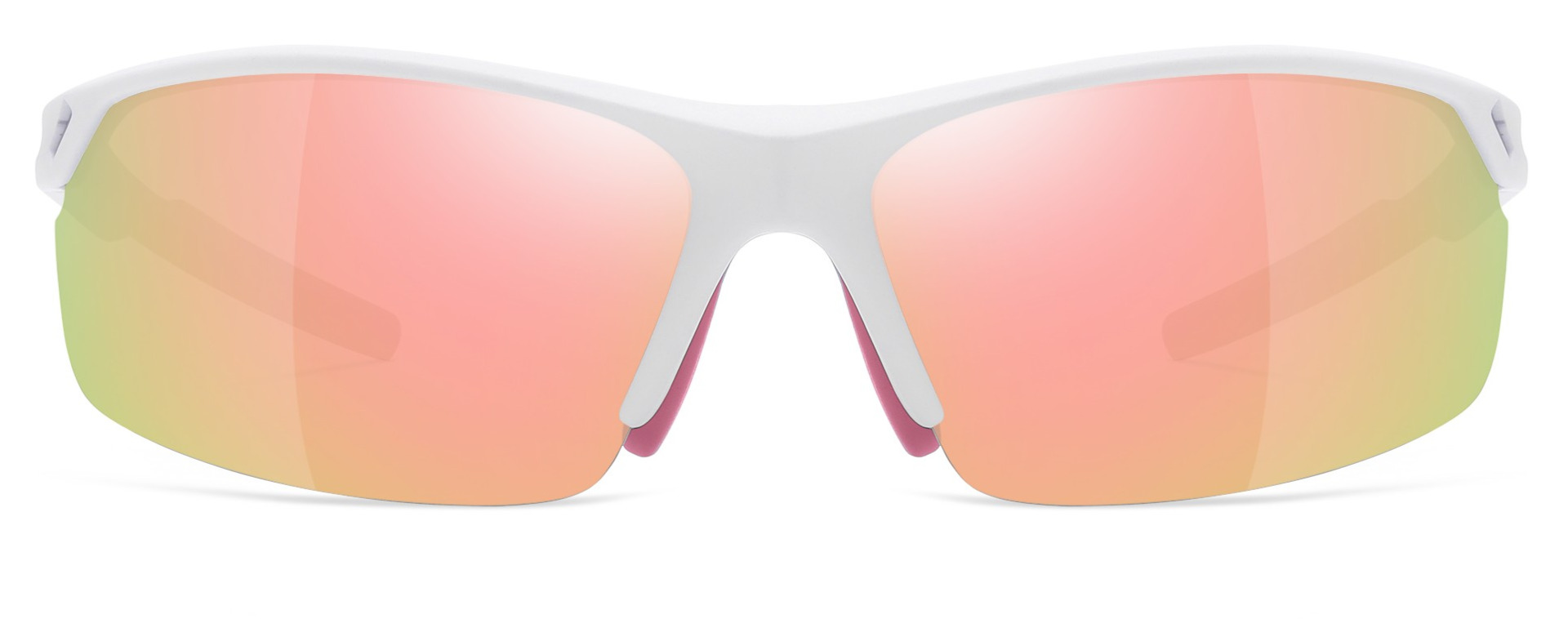
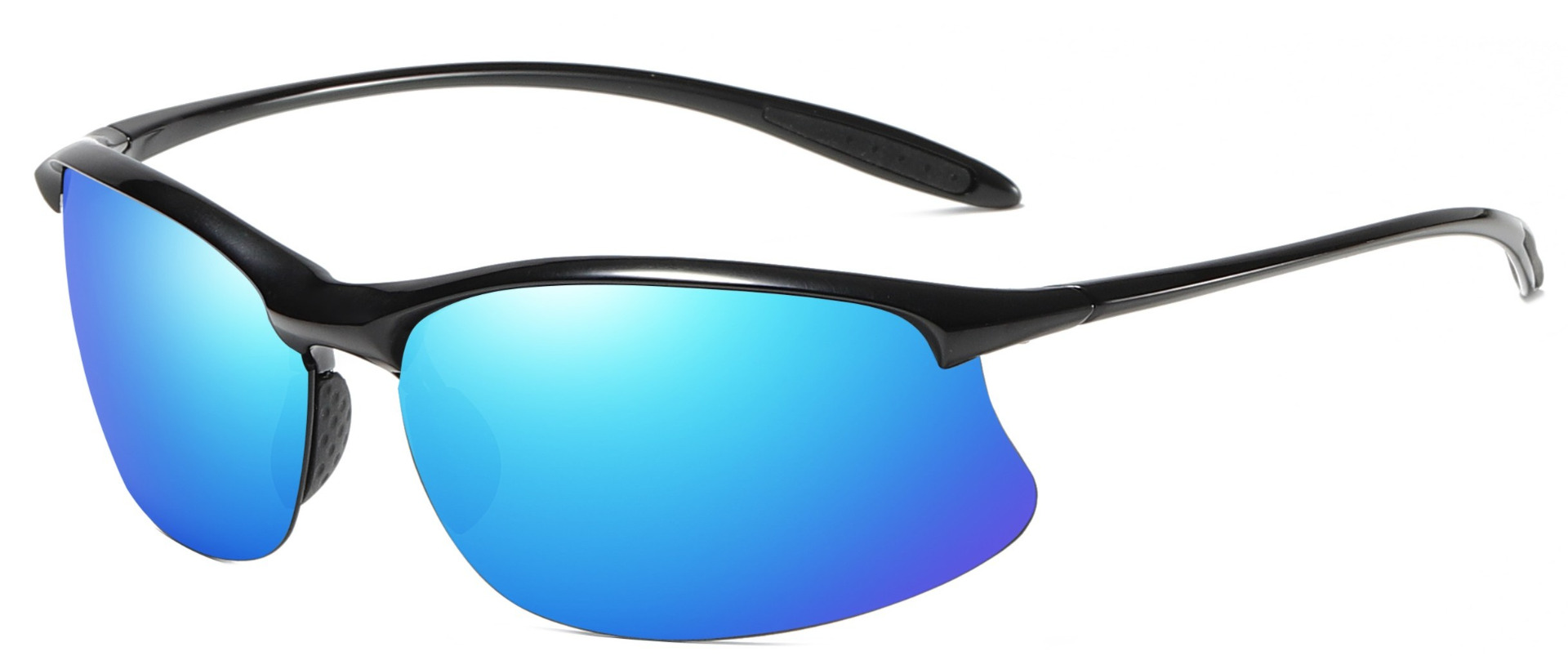
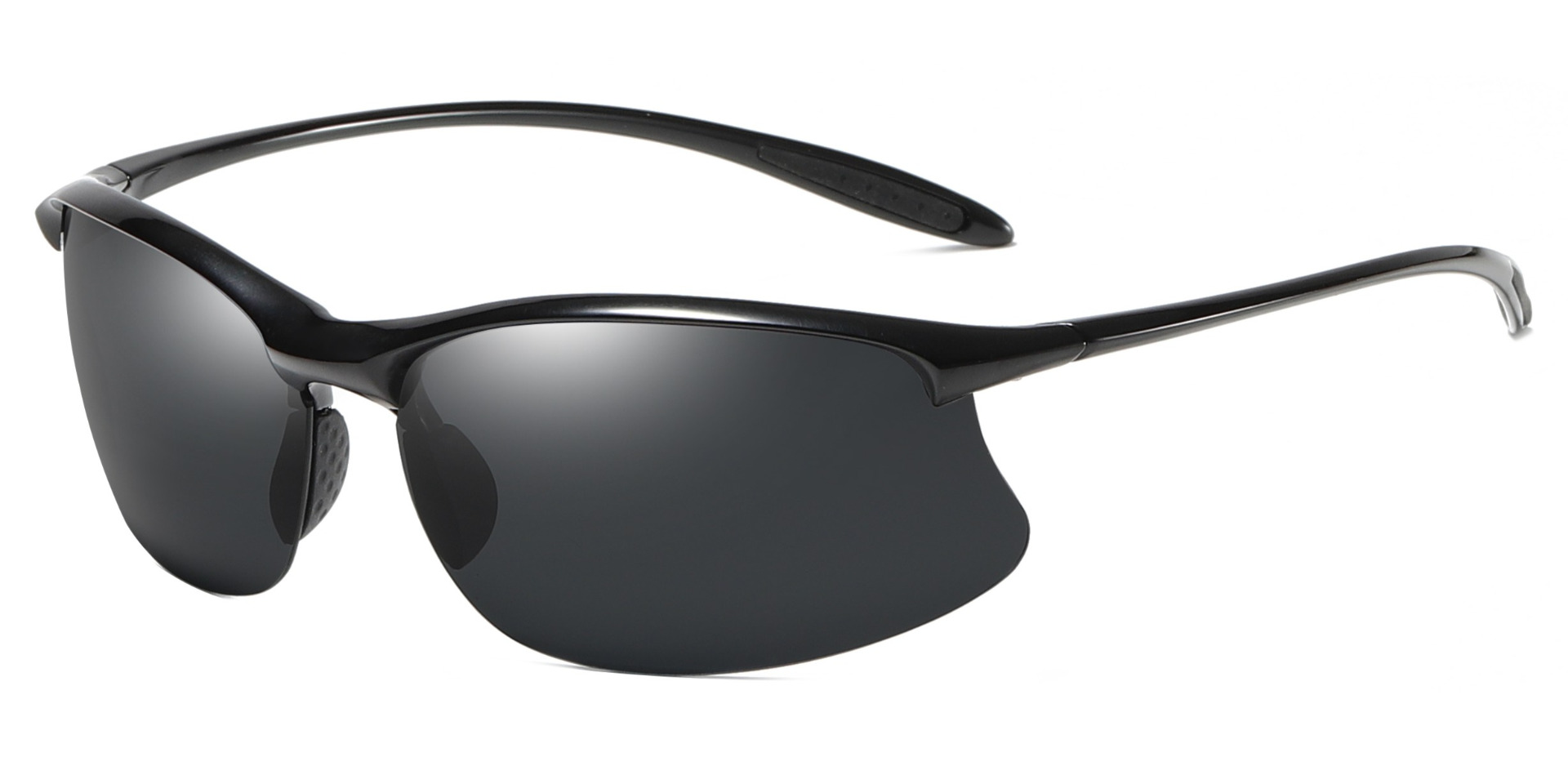
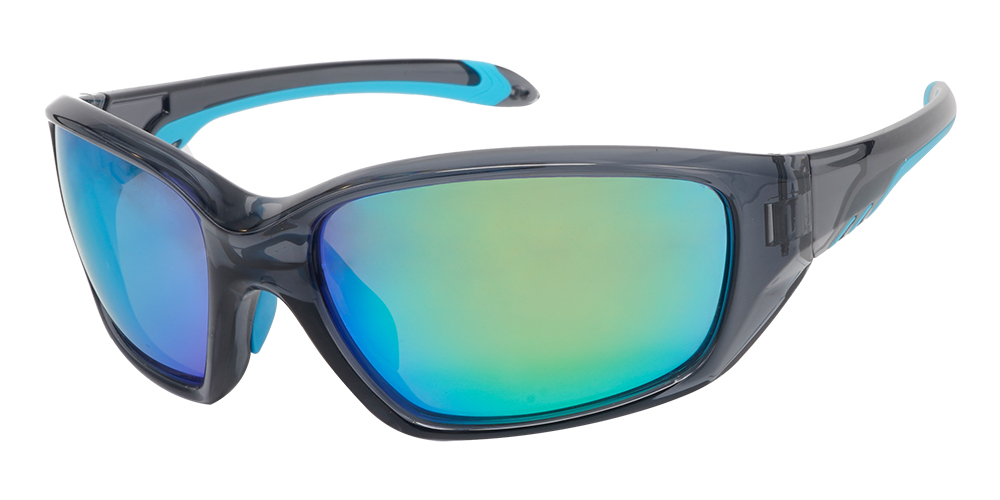
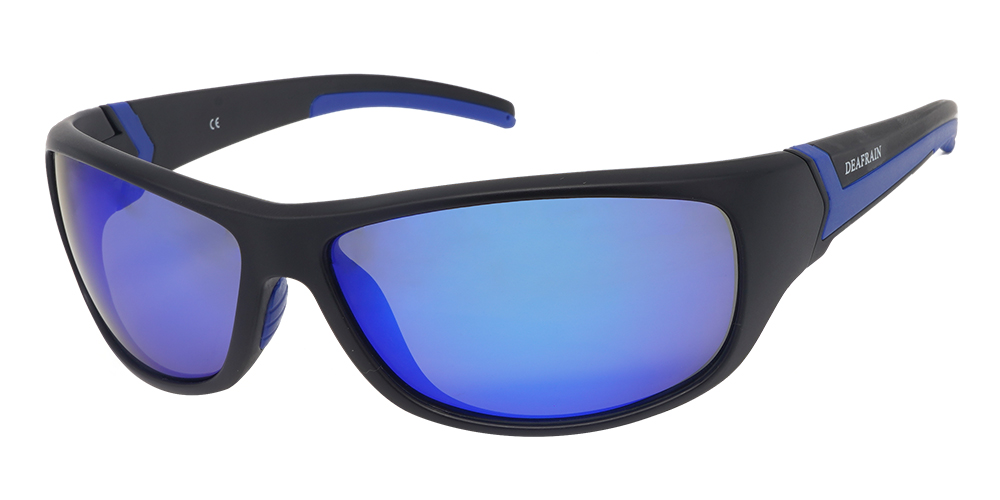
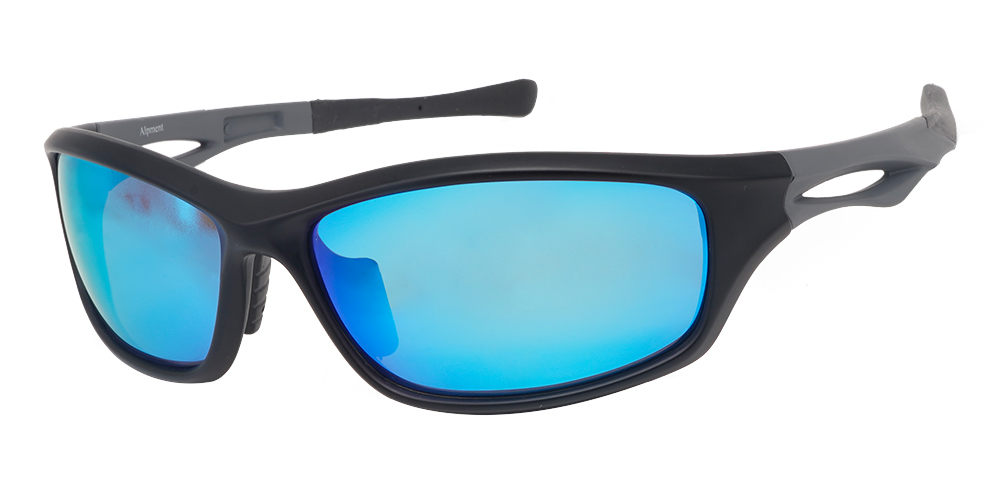
Why Walking Routes Ask More of Your Eyewear
A hike can move through several types of light within one afternoon. Woodland may feel dim, open hillsides can be bright, and wet paths may reflect glare after rain. Wind, dust, insects and low branches can also make sunglasses feel impractical.
Hiking glasses should keep the view comfortable without hiding useful detail. Choose around your routes, time outdoors and prescription needs.
Choose Lenses for the Routes You Actually Walk
The darkest lens is not always the most useful choice. A deep tint may suit an exposed ridge but feel awkward beneath trees or heavy cloud.
Common options include:
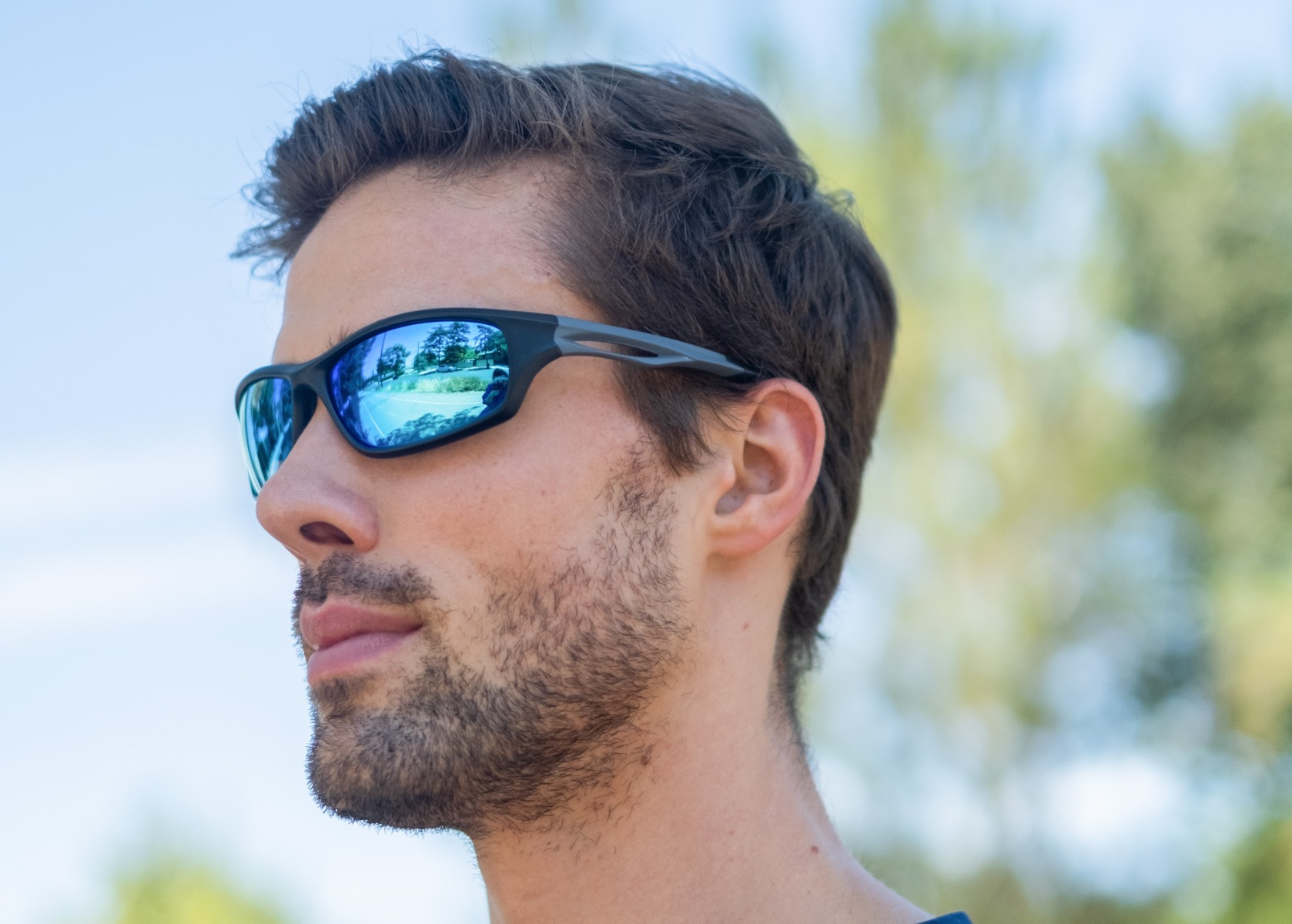
- Grey lenses: Reduce brightness while keeping colours relatively neutral.
- Brown or bronze lenses: Add warmth and may make trail detail feel more defined.
- Amber or rose tints: Can support perceived contrast in flat or overcast conditions.
- Clear lenses: Useful for evening walks, dark woodland and low-light stages.
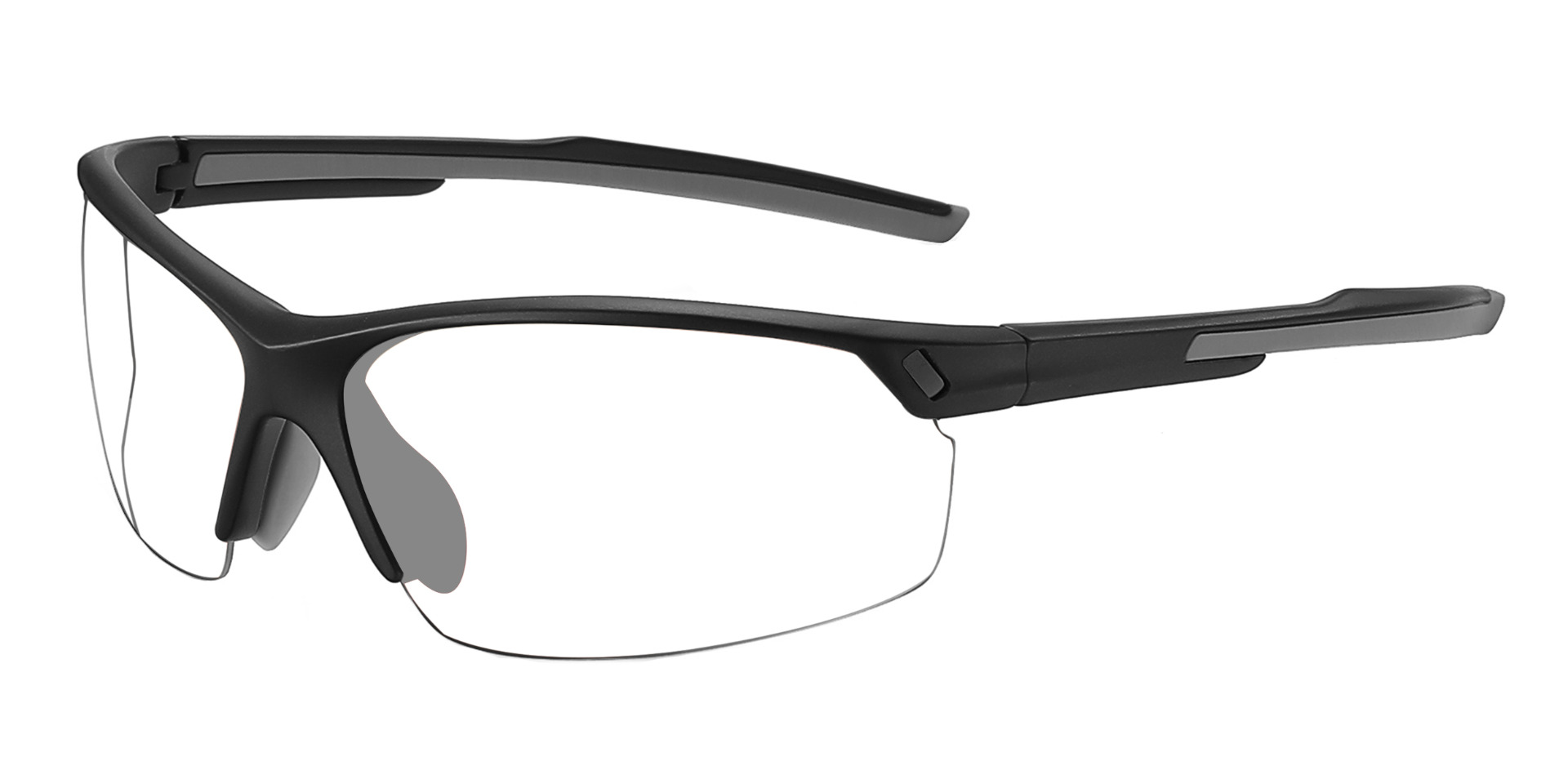
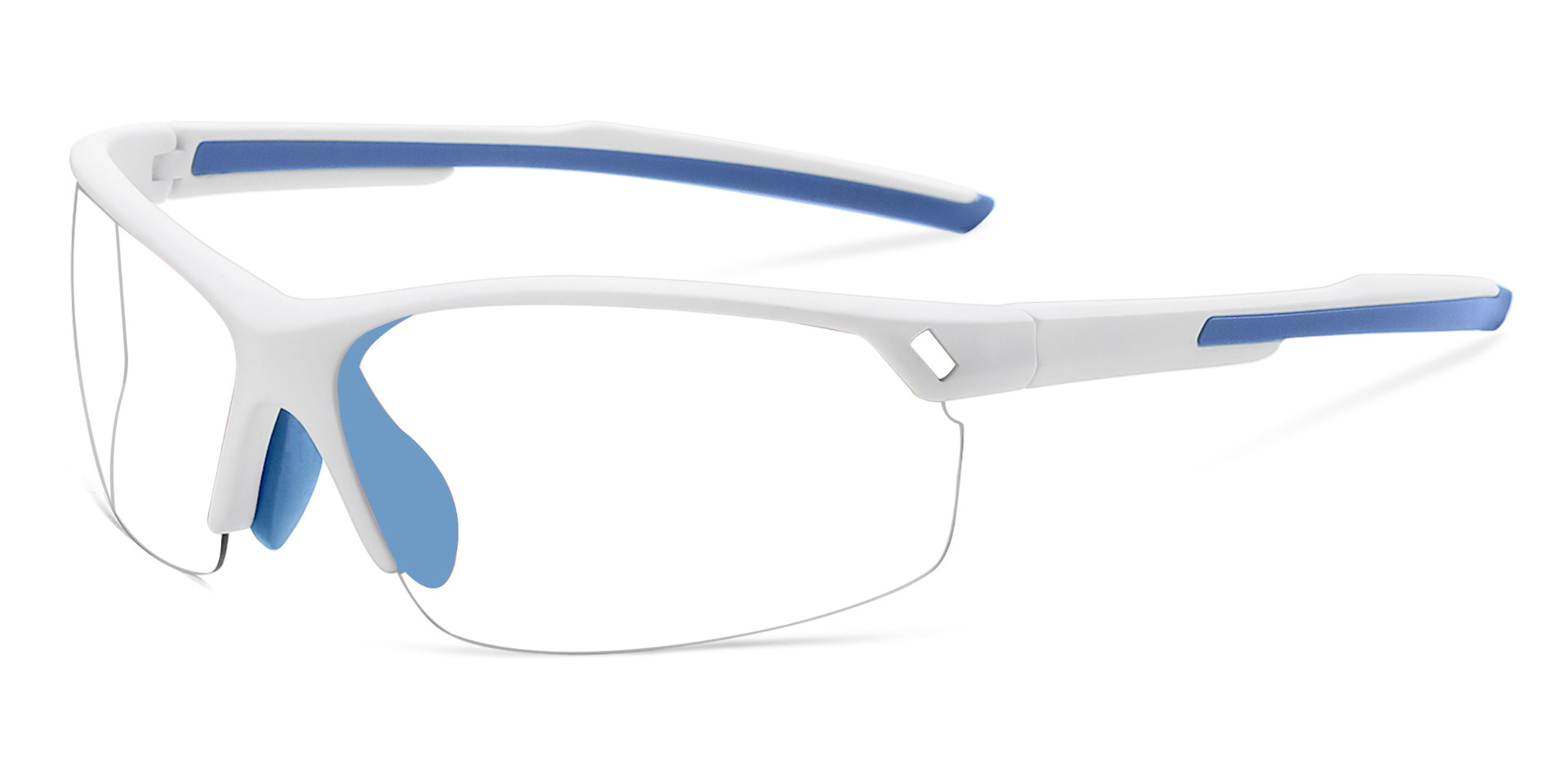
- Photochromic lenses: Change tint gradually as ultraviolet exposure rises or falls.
- Polarised lenses: Reduce reflected glare from wet ground, water and smooth surfaces.
Polarised lenses can affect some screens. Check your phone, watch and navigation device before a longer route.
A Frame That Stays Comfortable Mile after Mile
The best hiking glasses stay steady without clamping. Slipping frames distract on descents, while tight temples create pressure outdoors.
Compare the width, bridge shape, temple length and lens depth with glasses you already wear comfortably. Grippy nose pads and temple tips may help on warm or damp skin.
Put on your hat, hood or headband when checking the fit. Look towards the ground, turn both ways and copy a steep climb. The frame should stay level, preserve side vision and remain clear of your eyelashes and cheeks.
Hiking Glasses Women Can Wear Comfortably
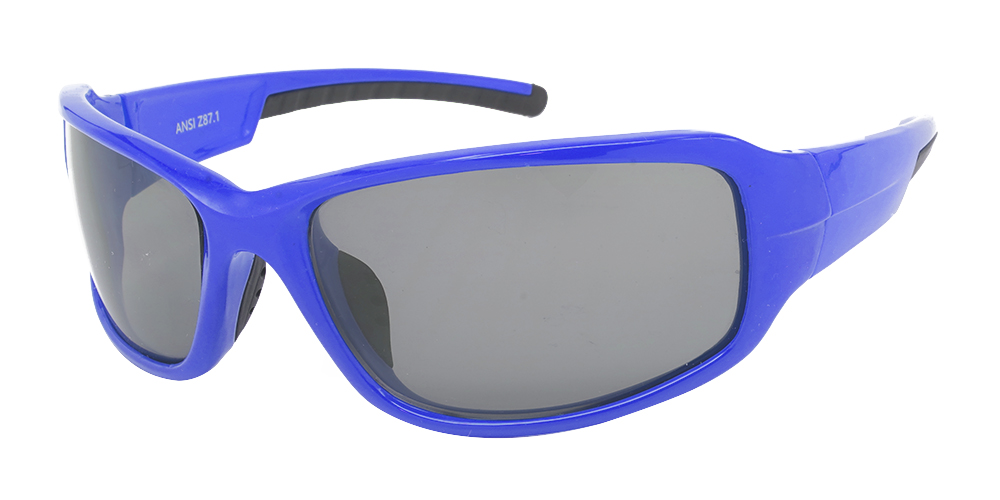
Hiking glasses women choose are not defined by colour alone. Frame width, bridge shape, temple length and weight often matter more.
Narrower designs suit some smaller faces, while adjustable nose pads can improve bridge position. Lightweight frames may feel easier over long routes.
Do not rely only on a women’s label. Compare the measurements and choose a pair that stays secure without pinching. Neutral colours move easily into everyday wear, while brighter frames can be easier to find inside a rucksack.
Prescription Hiking Glasses
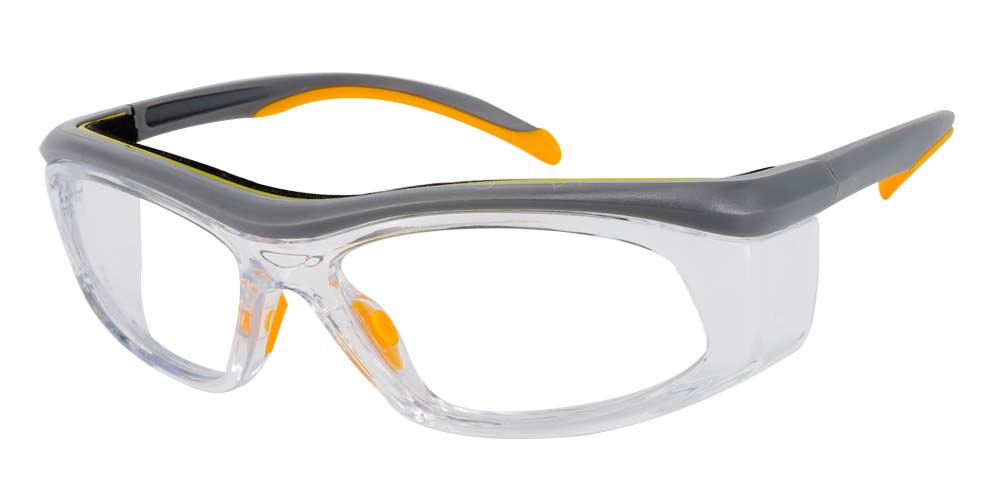
Prescription hiking glasses help spectacle wearers see signs, uneven ground and the route ahead without changing to contact lenses.
Use a current spectacles prescription and enter both eyes’ values carefully. Sphere, cylinder, axis and pupillary distance may be required. Contact lens powers should not normally be copied because the measurements can differ.
Depending on the model, single-vision, bifocal or progressive lenses may be available. Single-vision distance correction suits many walkers. Progressive wearers should consider how the near areas work when checking a map, phone or watch.
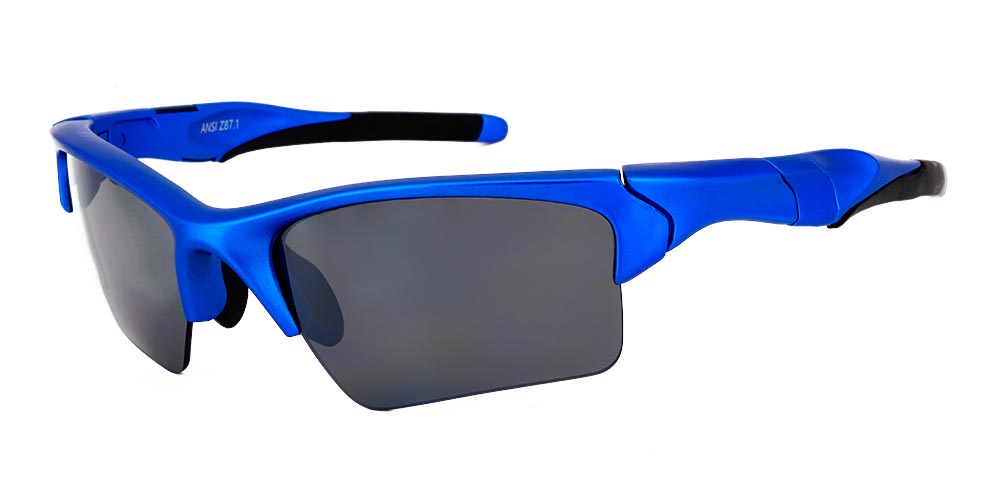
Highly curved frames can have tighter prescription limits, so review the available optical range before choosing by appearance.
Handling Changeable British Weather
British weather shifts quickly between sunshine, cloud, drizzle and shade. Medium tints or photochromic lenses can suit mixed routes better than very dark fixed lenses.
Fogging can occur when warm skin meets cool lenses, particularly during climbs or when a hood limits airflow. Ventilation and anti-fog treatments may help, although no pair remains mist-free everywhere.
Keep vents clean and use products suitable for coated lenses. If your view becomes obscured, stop somewhere safe before cleaning or adjusting the glasses.
Packing, Cleaning and Looking after Your Eyewear
Rinse away dust, salt and grit before wiping the lenses. Dry particles can scratch the surface. Use suitable lens cleaner and a clean microfibre cloth rather than tissues, clothing or household sprays.
Store the glasses in a protective case inside your rucksack. Avoid placing them loose beside keys, walking poles or other hard items.
Before a longer walk, inspect lenses, hinges and contact points. Replace cracked, deeply scratched, distorted or insecure eyewear. Carry a cleaning cloth for rain or fingerprints.
Compare Hiking Glasses at RxSport UK
When comparing glasses for hiking, begin with the conditions you face most often. Then review frame measurements, lens tint, prescription compatibility and comfort with your outdoor kit.
The best hiking glasses are not necessarily the darkest, lightest or most expensive. They are the pair that fits properly, suits the route and remains comfortable enough to forget about once you start walking.