Why Water Creates Such Demanding Light
Open water reflects sunlight from changing angles. Even on hazy days, bright patches can make it tiring to watch markers, ropes, other craft or activity near the boat.
Sailing sunglasses reduce brightness, while polarised lenses cut reflected glare from flat surfaces. The view can feel calmer during longer periods on deck. They do not improve poor visibility, so weather awareness and safe navigation still come first.
Polarisation Makes a Practical Difference
Polarized sailing sunglasses are useful when sunlight bounces from the sea, a lake or a wet deck. The filter reduces horizontal glare, helping you concentrate without constant squinting.
Polarized boating sunglasses can make it easier to look towards the waterline or beside the hull. Their effect depends on light angle, cloud cover and water conditions.
Polarisation is separate from lens tint and ultraviolet protection. Check the specification rather than assuming every dark or mirrored lens includes all three.
Choosing a Lens Colour for the Day Ahead
The most useful tint depends on where and when you sail. Common choices include:
- Grey lenses: Reduce brightness while keeping colours relatively neutral.
- Brown or bronze lenses: Add warmth and may make contrast feel stronger in mixed light.
- Green lenses: Offer a balanced view across bright and changeable conditions.
- Amber lenses: Can feel useful in dull weather but may be too light in strong sunshine.
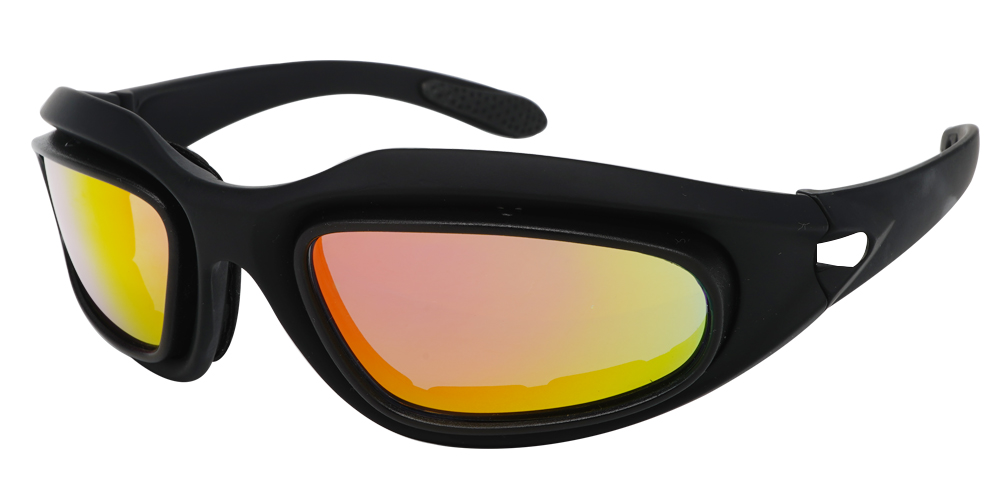
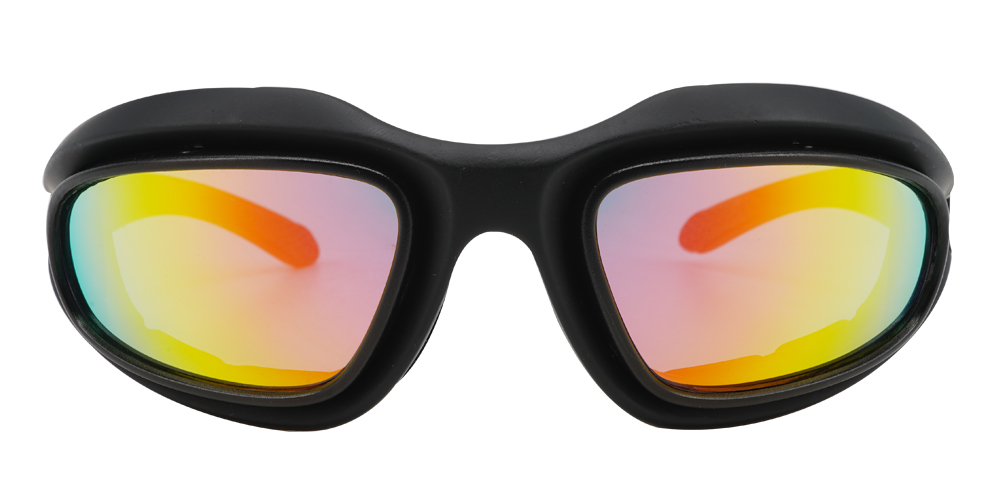
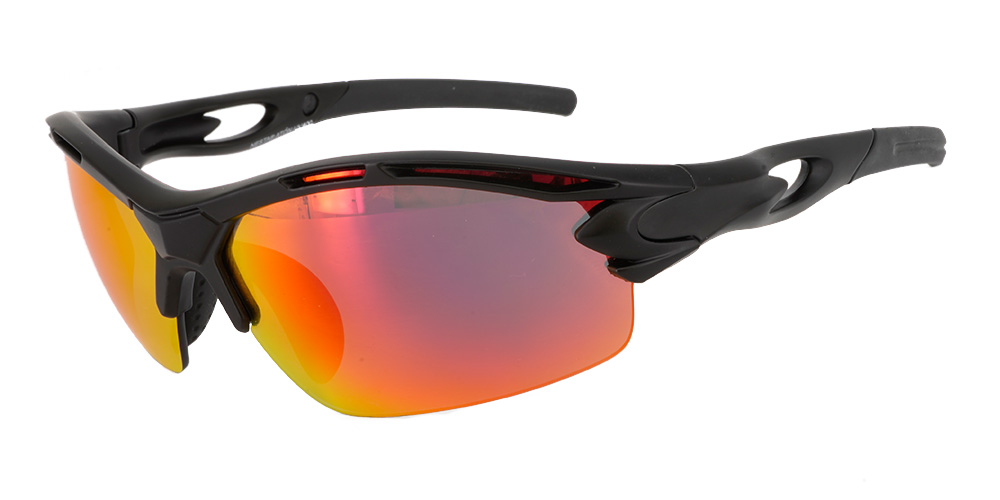
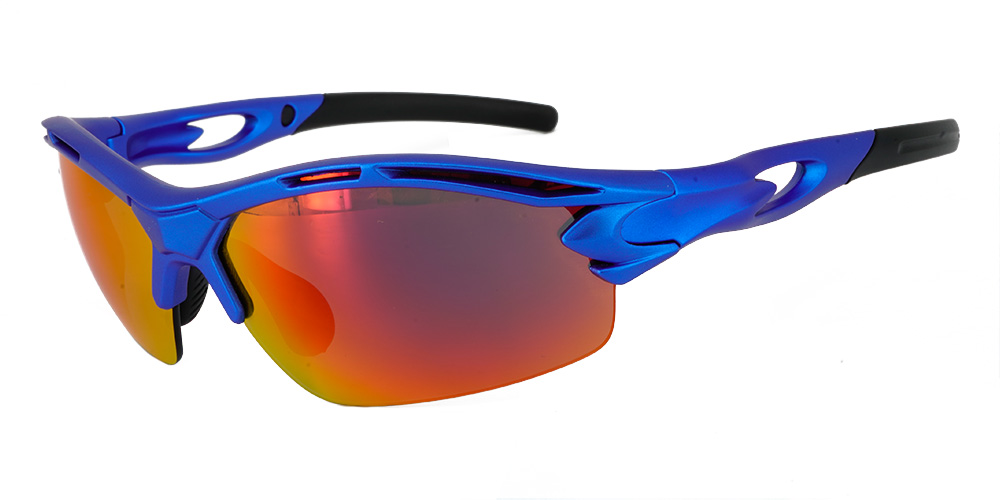
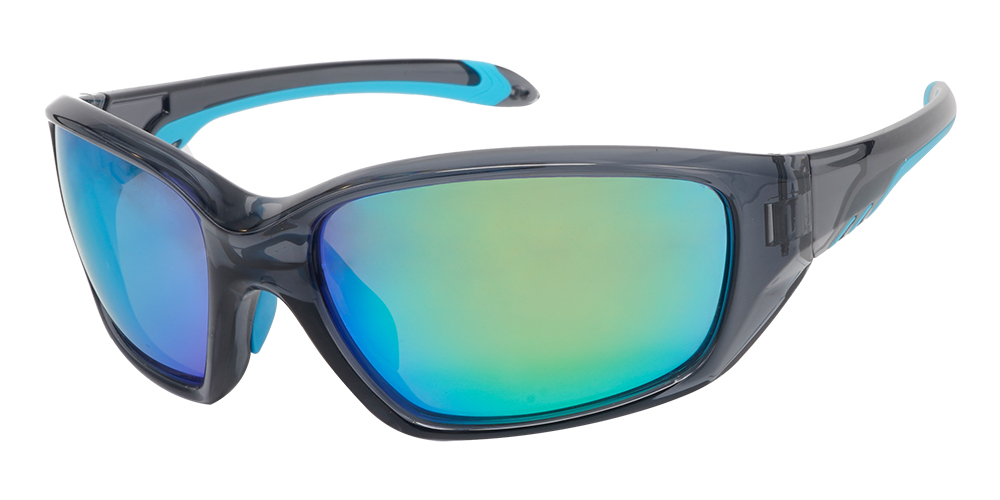
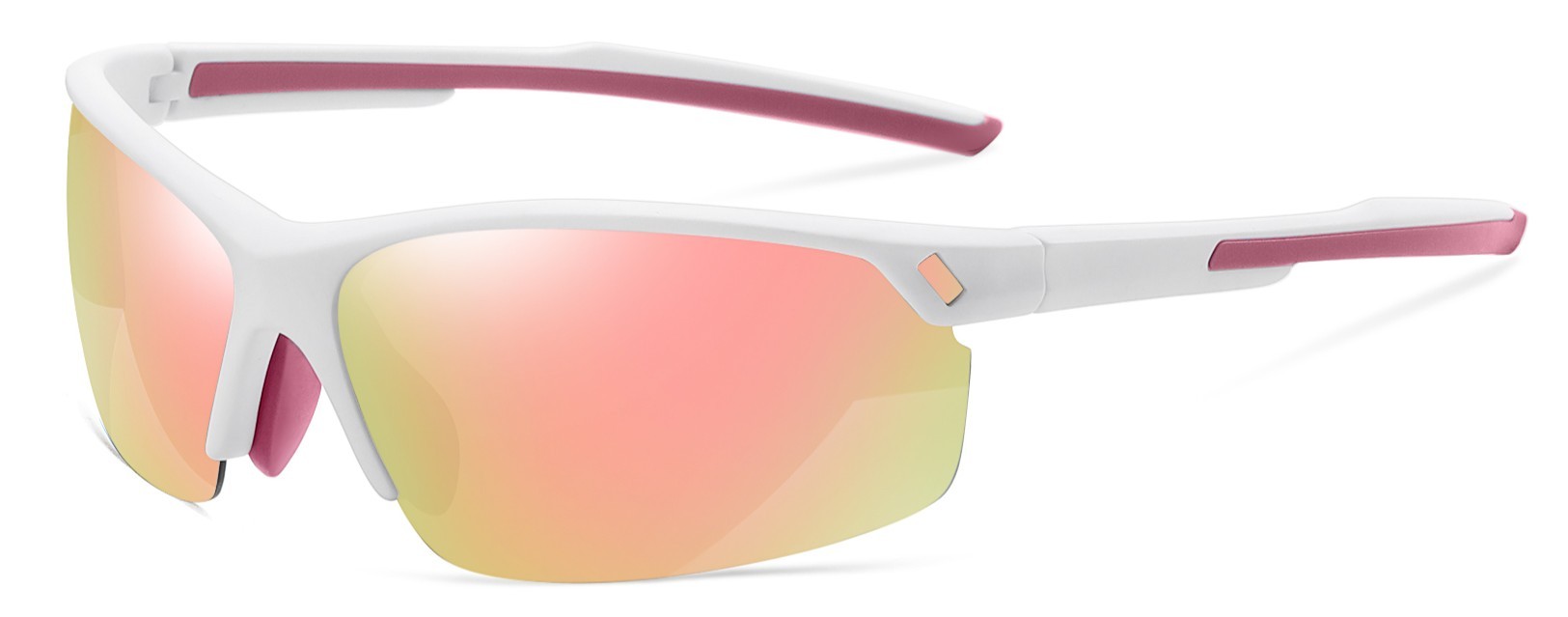
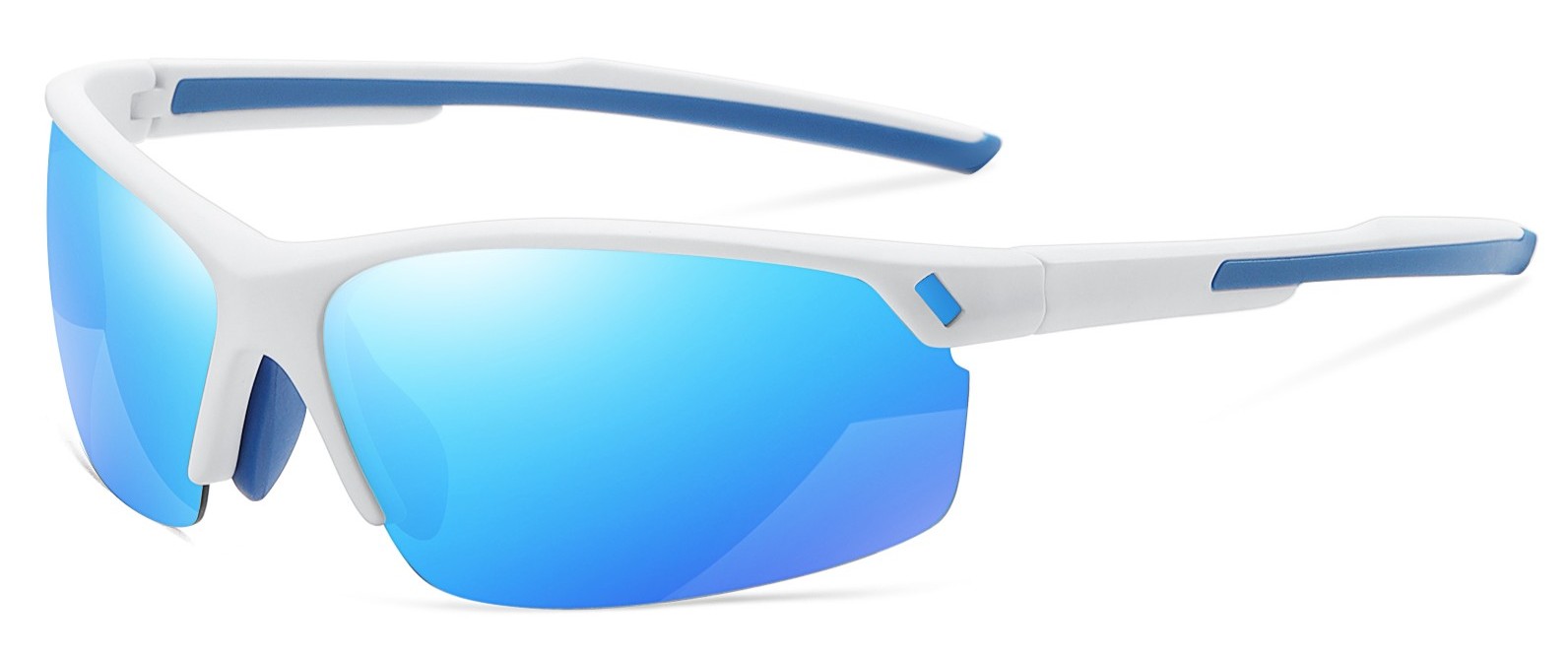
- Mirrored lenses: Add another reflective surface and suit exposed, bright environments.
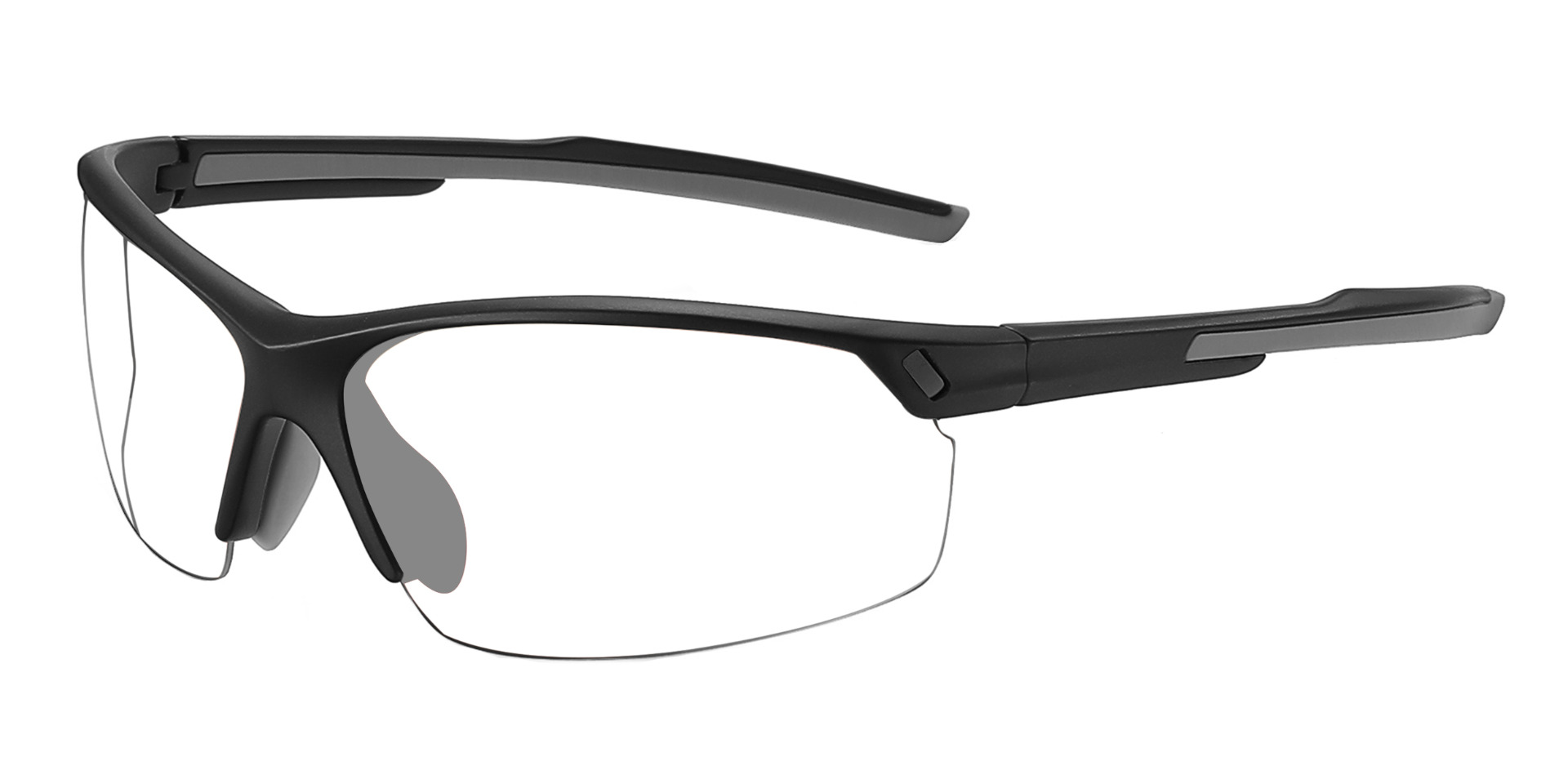
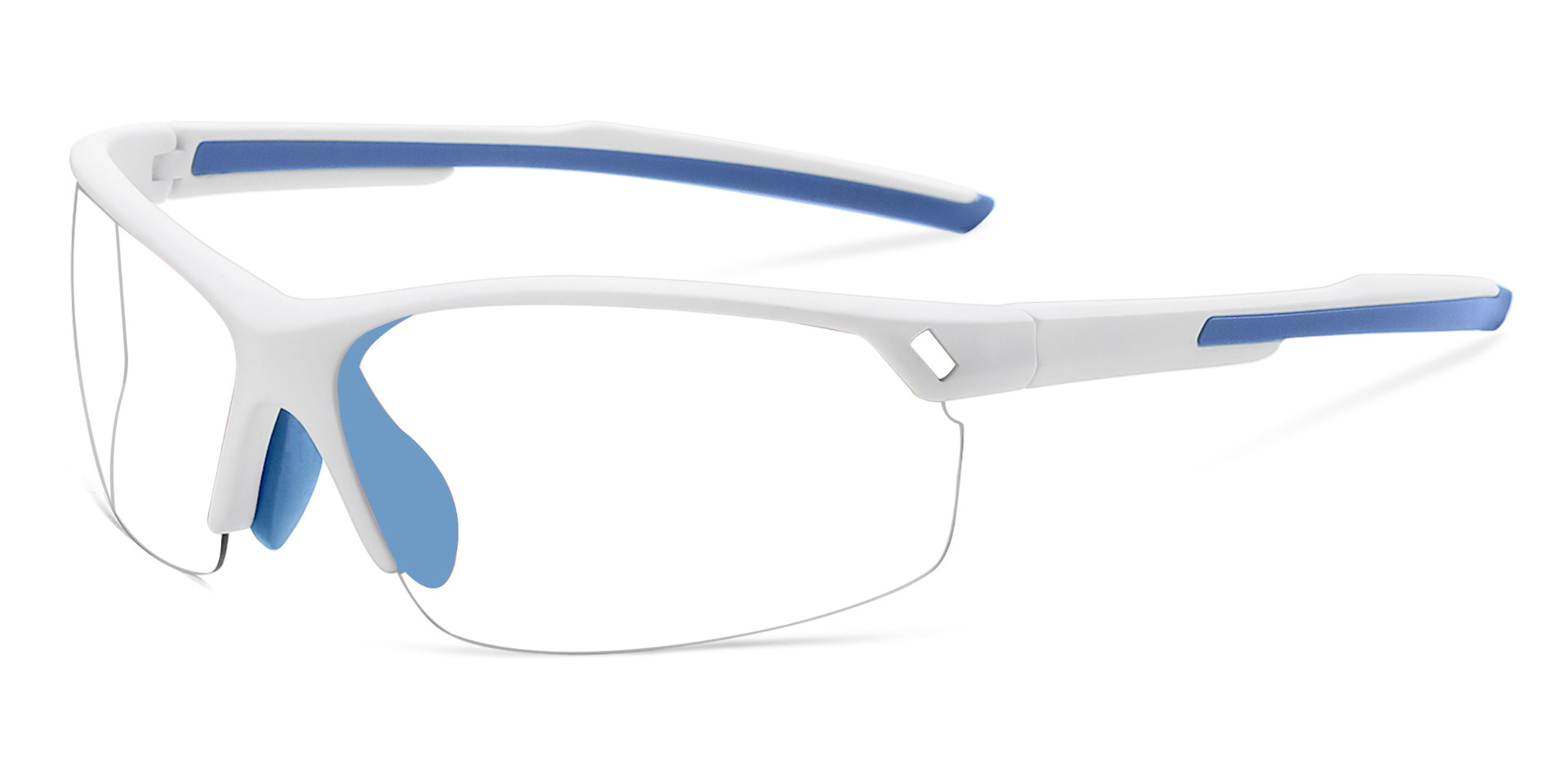
- Photochromic lenses: Change tint with ultraviolet exposure where available.
Very dark lenses may become awkward below deck, under a canopy or when cloud moves in. A medium tint can be more versatile when moving between open water and shade.
Frames That Stay Put on a Moving Boat
A frame that slips on land becomes more frustrating when the deck moves or spray reaches your face. Good boat sunglasses should feel secure without clamping the temples.
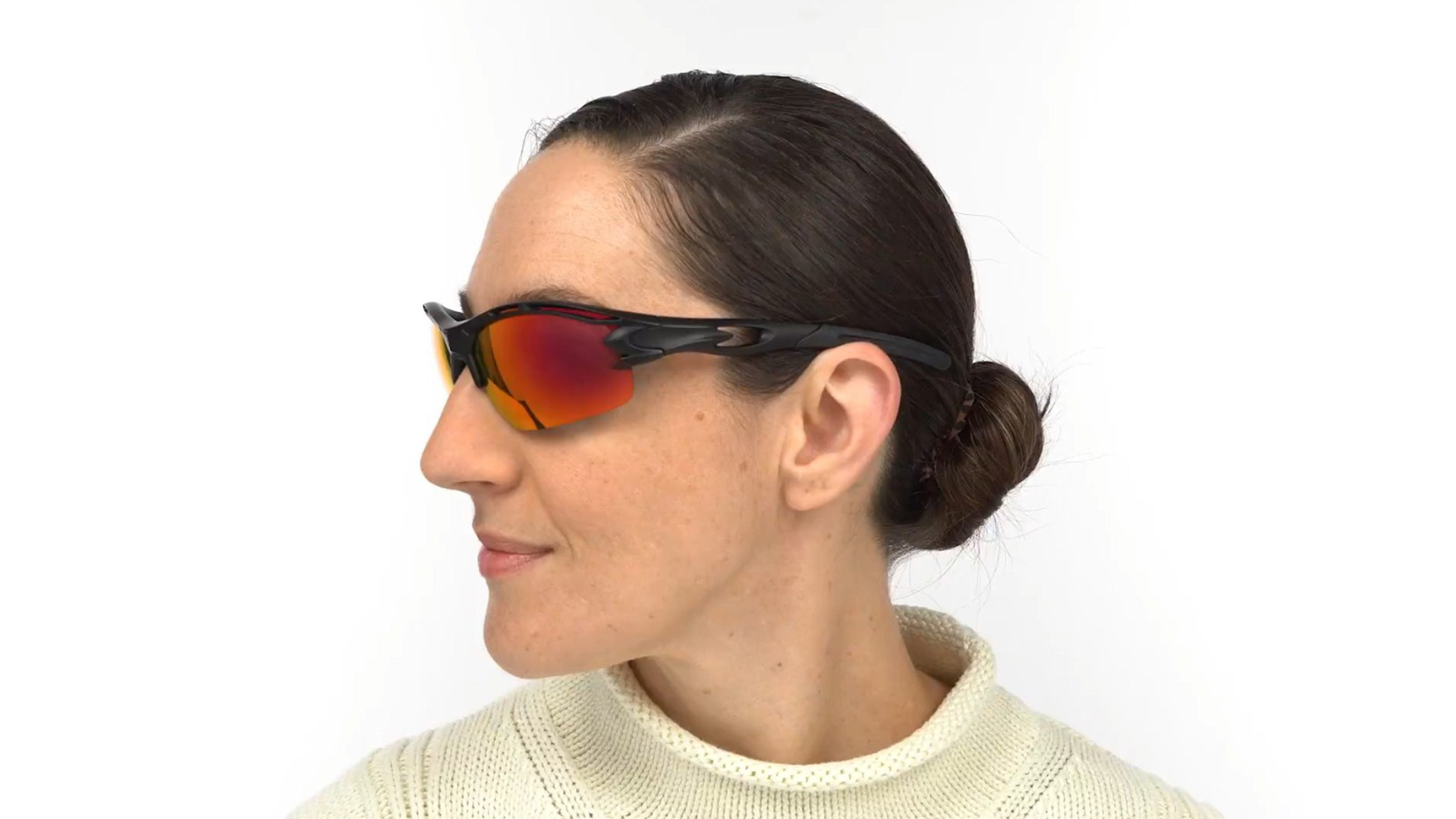
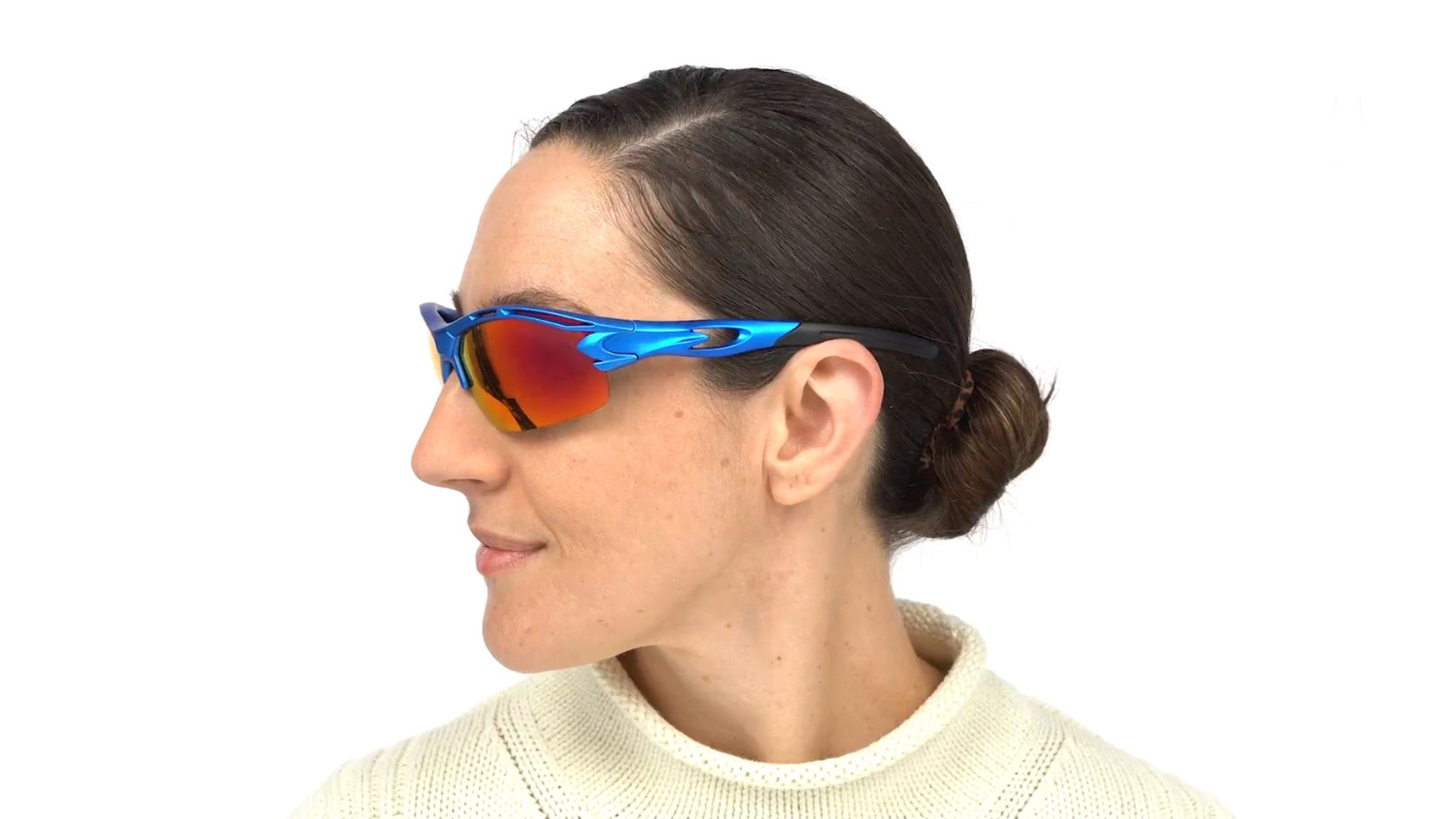
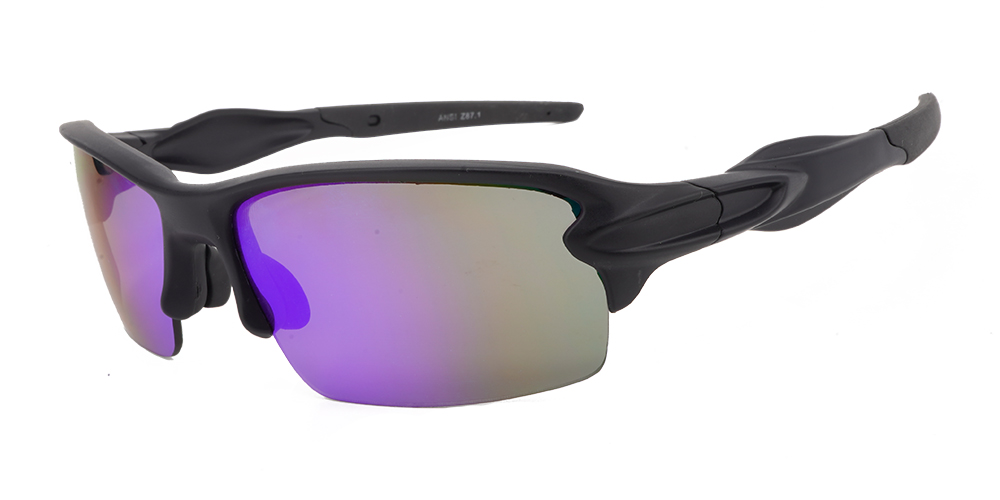
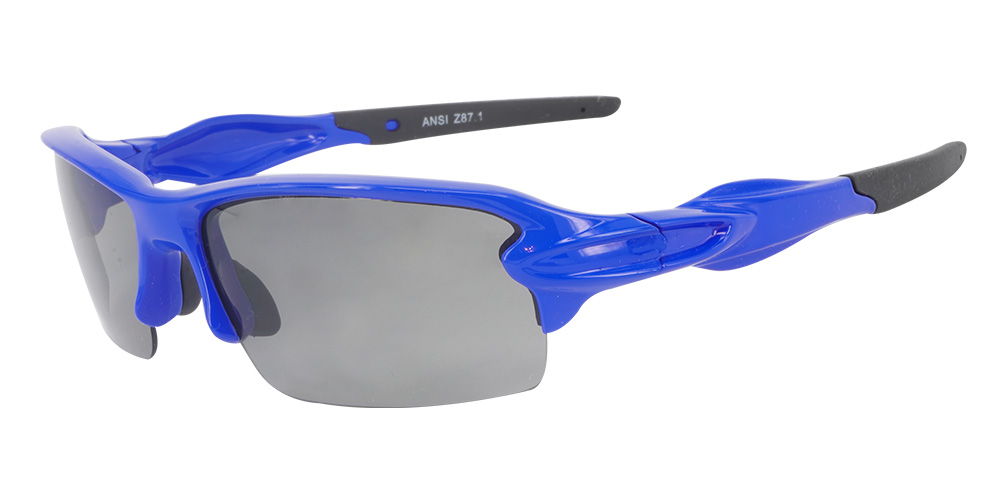
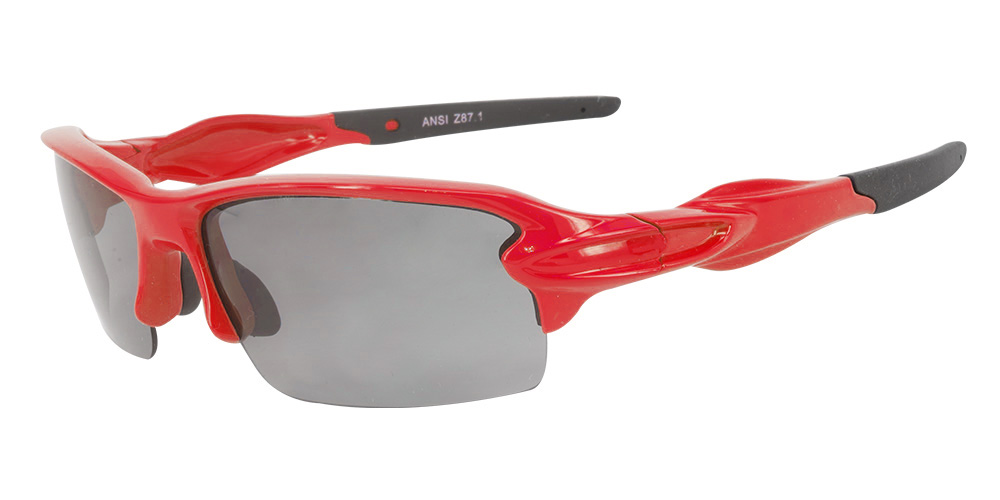
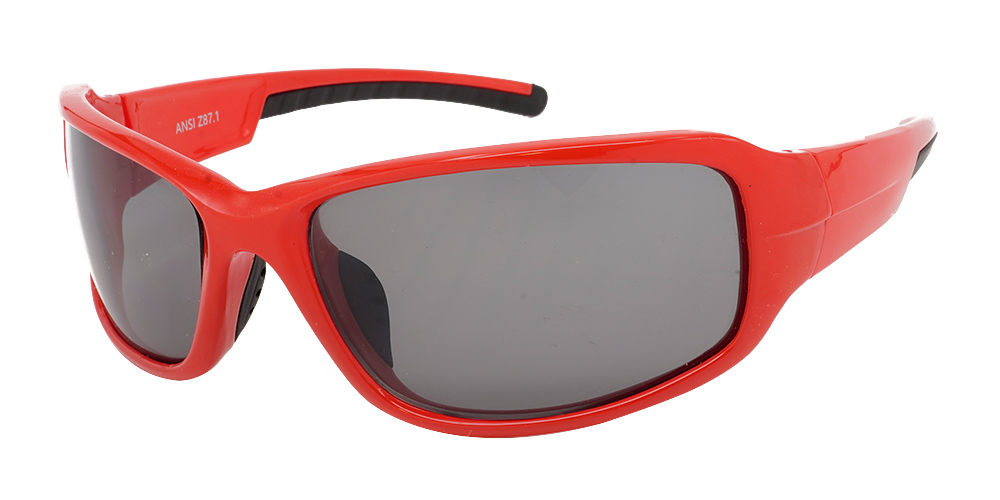
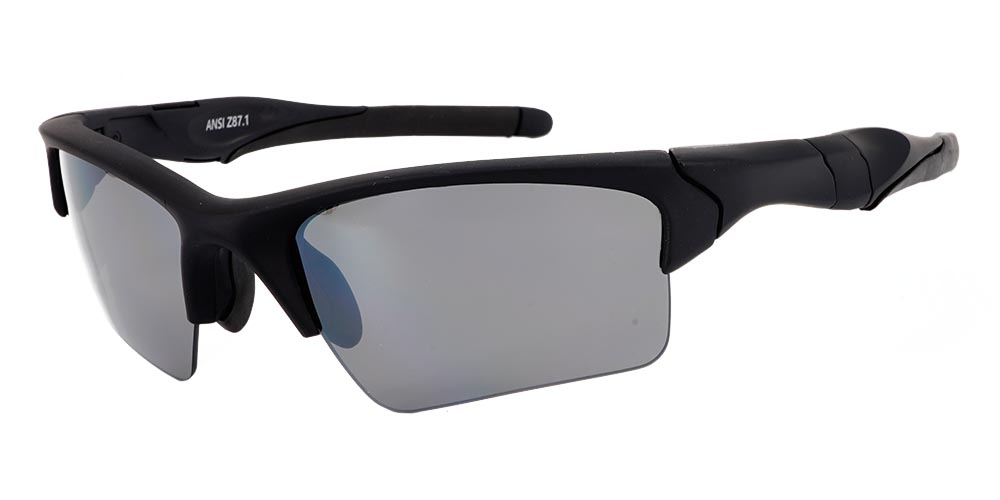
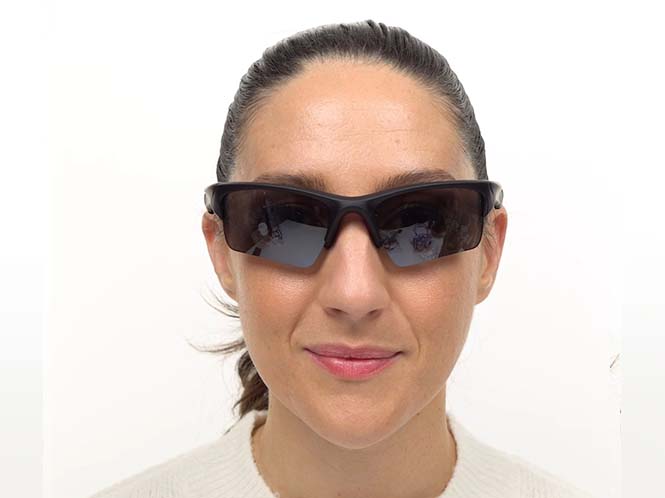
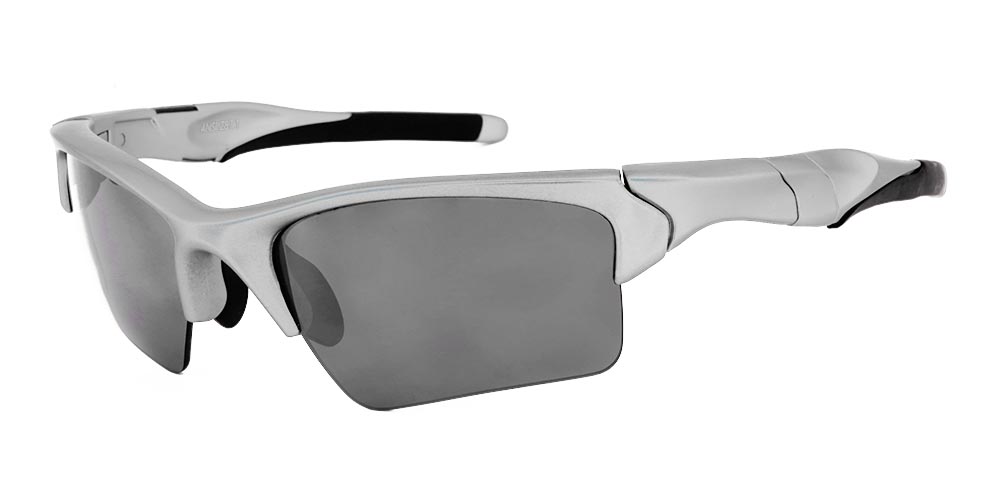
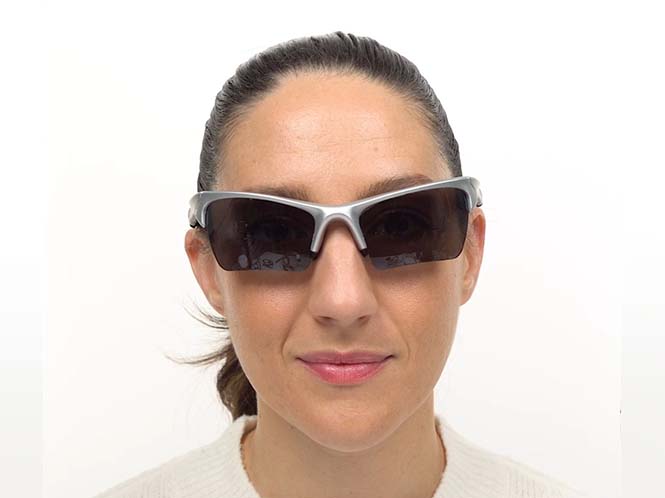
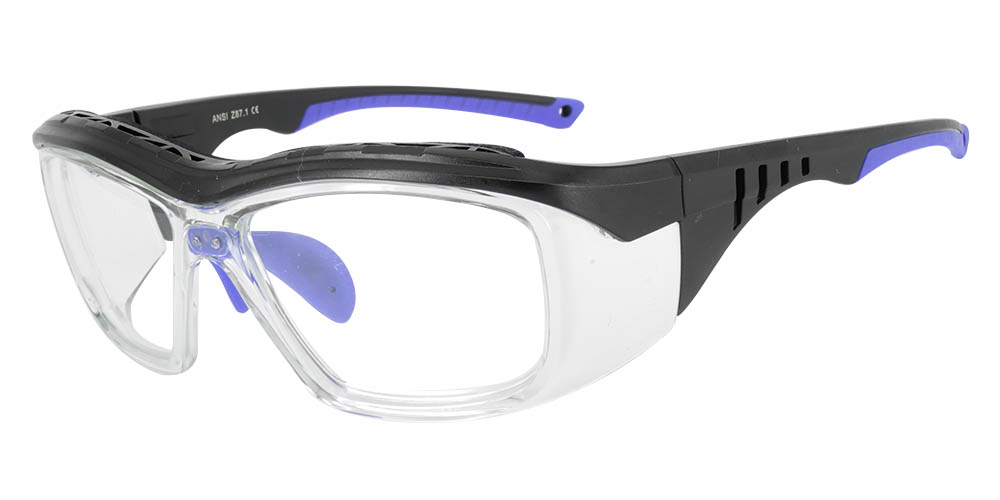
Wraparound shapes provide side coverage and reduce light around the lenses. Grippy nose pads and temple ends can help when skin becomes damp. Lightweight frames are easier to wear for hours.
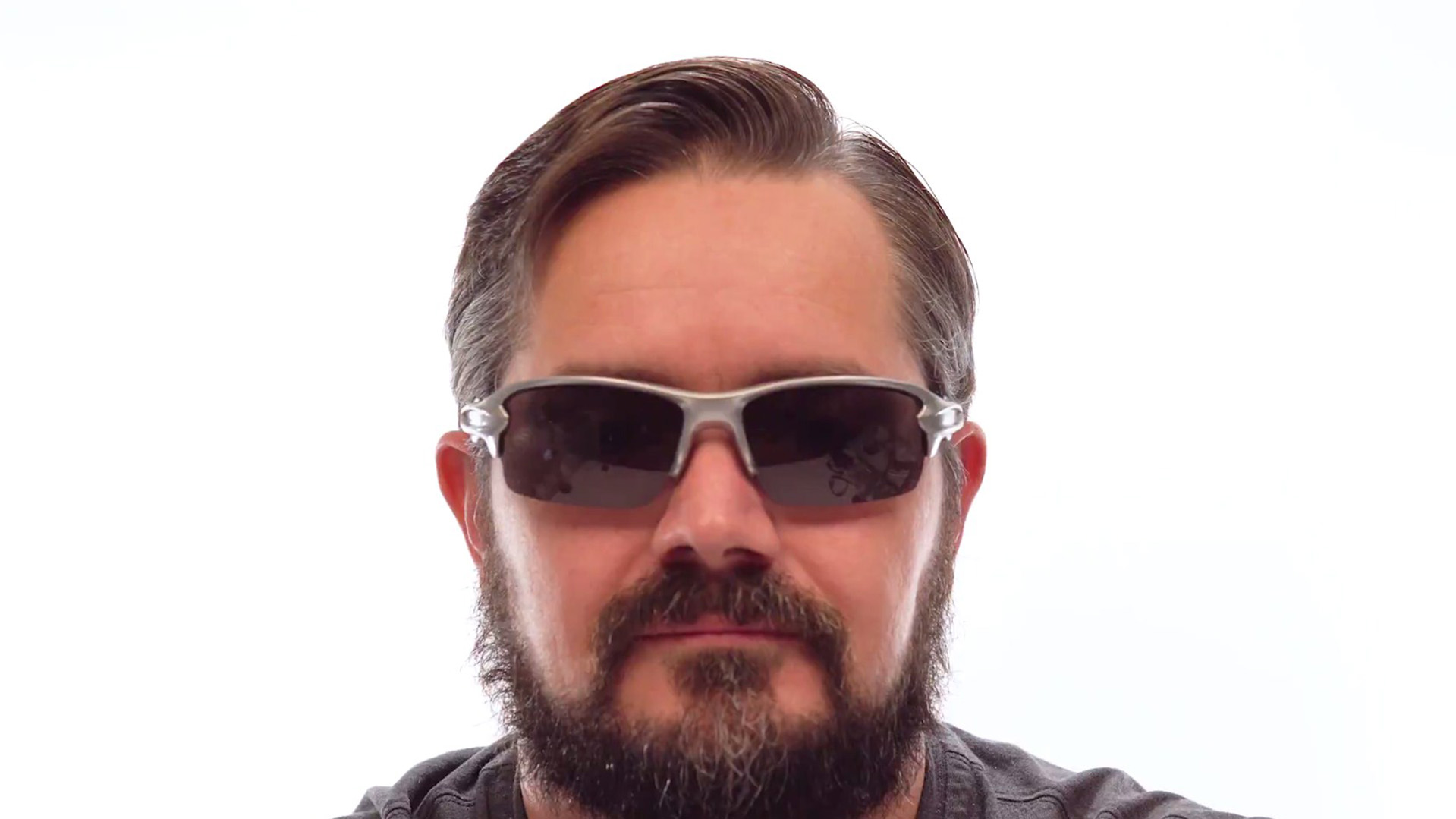
Try the sunglasses with your usual cap, hood or sailing hat. Look down, turn both ways and copy movements used when handling lines. The frame should remain level and comfortable.
Coverage for Wind, Spray and Salt
Sunglasses for boating do more than soften sunshine. A close-fitting frame can help reduce discomfort from wind, sea spray and small airborne particles. This is useful on open decks, powerboats and faster passages where airflow is constant.
Coverage should not block peripheral vision. You need a clear view of people, equipment and movement around you. Choose a lens shape without thick visual borders.
After salt-water use, rinse the frame and lenses with fresh water. Salt crystals can mark coatings or scratch the surface if rubbed while dry.
Prescription Options for Clearer Distance Vision
Sailors who normally wear spectacles may prefer prescription sunglasses for sailing rather than switching to contact lenses. Depending on the frame, single-vision, bifocal or progressive lenses may be available.
Use a current spectacles prescription and enter the right-eye and left-eye values carefully. Pupillary distance may also be required. Contact lens powers should not normally be copied into a glasses order because the measurements can differ.
Think about the distances used on board. Distance vision matters for the horizon, markers and other vessels, while near or intermediate areas help with instruments and charts. Progressive wearers need enough lens depth for useful viewing zones.
What to Compare Before Ordering
When browsing sailing sunglasses, look beyond colour and appearance. Compare:
- Frame width, bridge fit and temple length.
- Lens tint and stated ultraviolet protection.
- Polarisation and compatibility with screens.
- Prescription range where required.
- Side coverage and peripheral vision.
- Comfort with hats, hoods and headsets.
- Case, cleaning guidance and replacement parts.
Some polarised lenses make instrument, phone or navigation screens appear darker at certain angles. Check your displays before a longer trip.
Caring for Marine Eyewear
Rinse salt, sand and spray away with fresh water before wiping. Use a suitable lens cleaner and a clean microfibre cloth. Avoid clothing, paper towels and household glass sprays.
Store the sunglasses in a protective case. A floating retainer or secure cord may help if it fits the frame and does not create a hazard around equipment.
Inspect hinges, nose pads and temple ends regularly. Replace sunglasses that become cracked, badly scratched, distorted or too loose to remain secure.