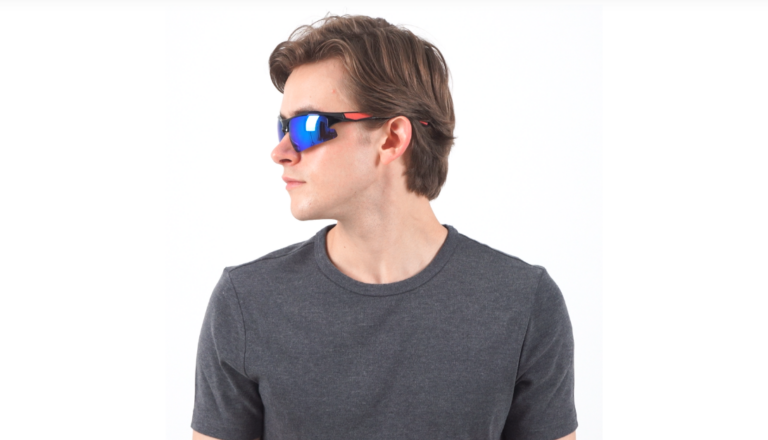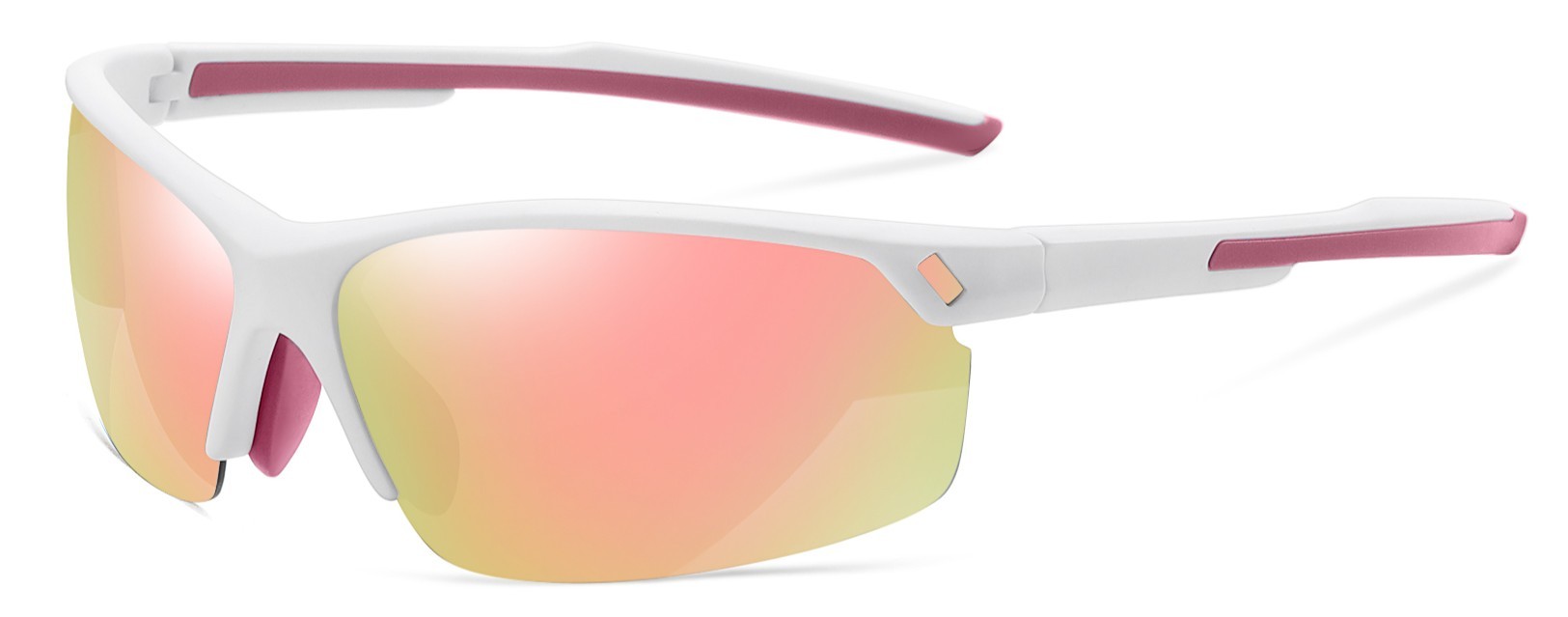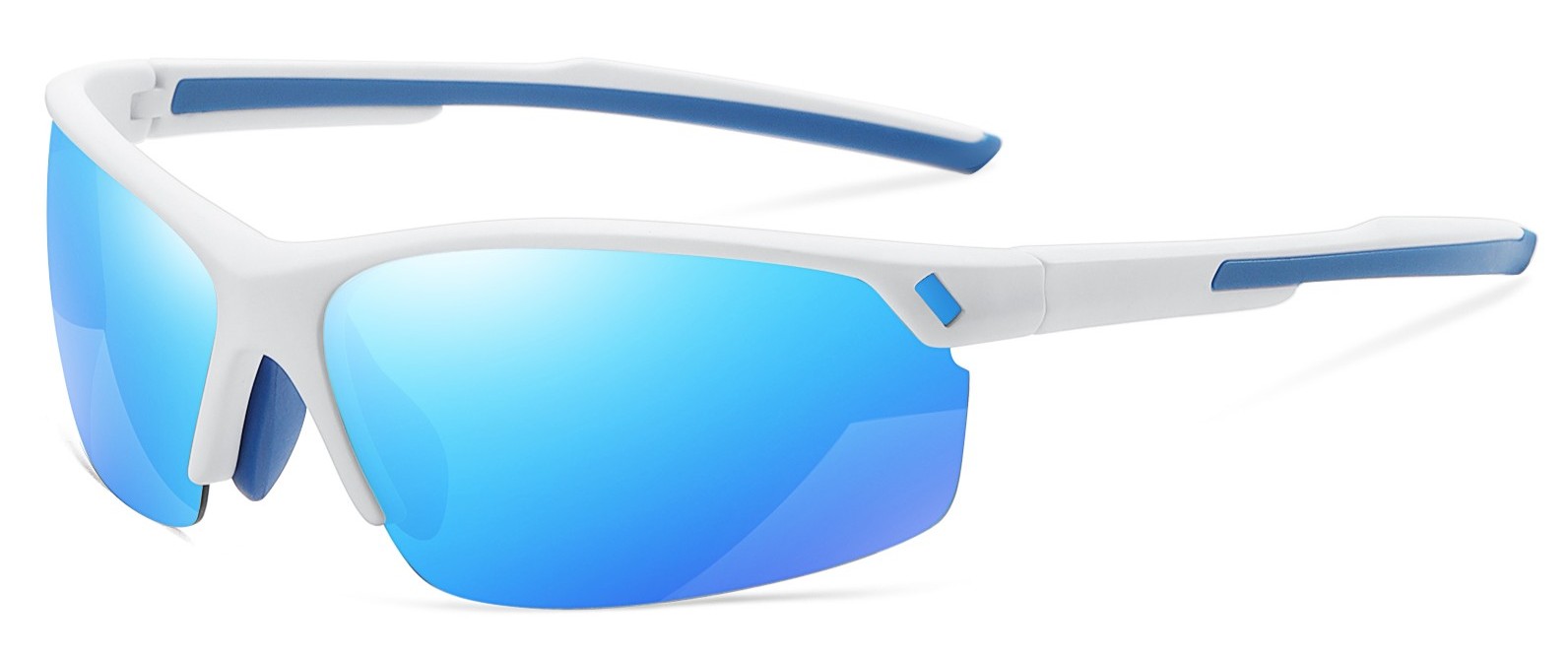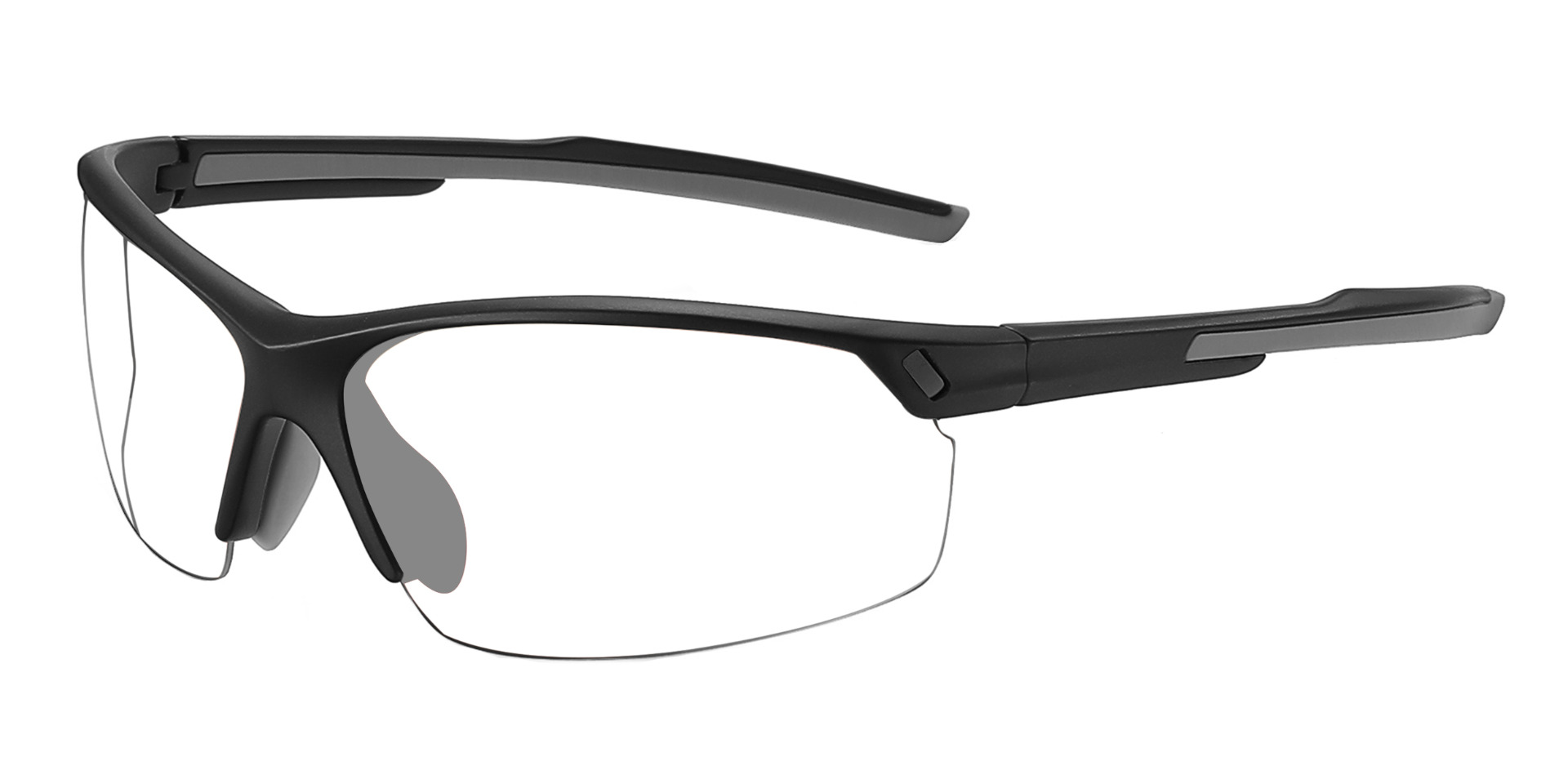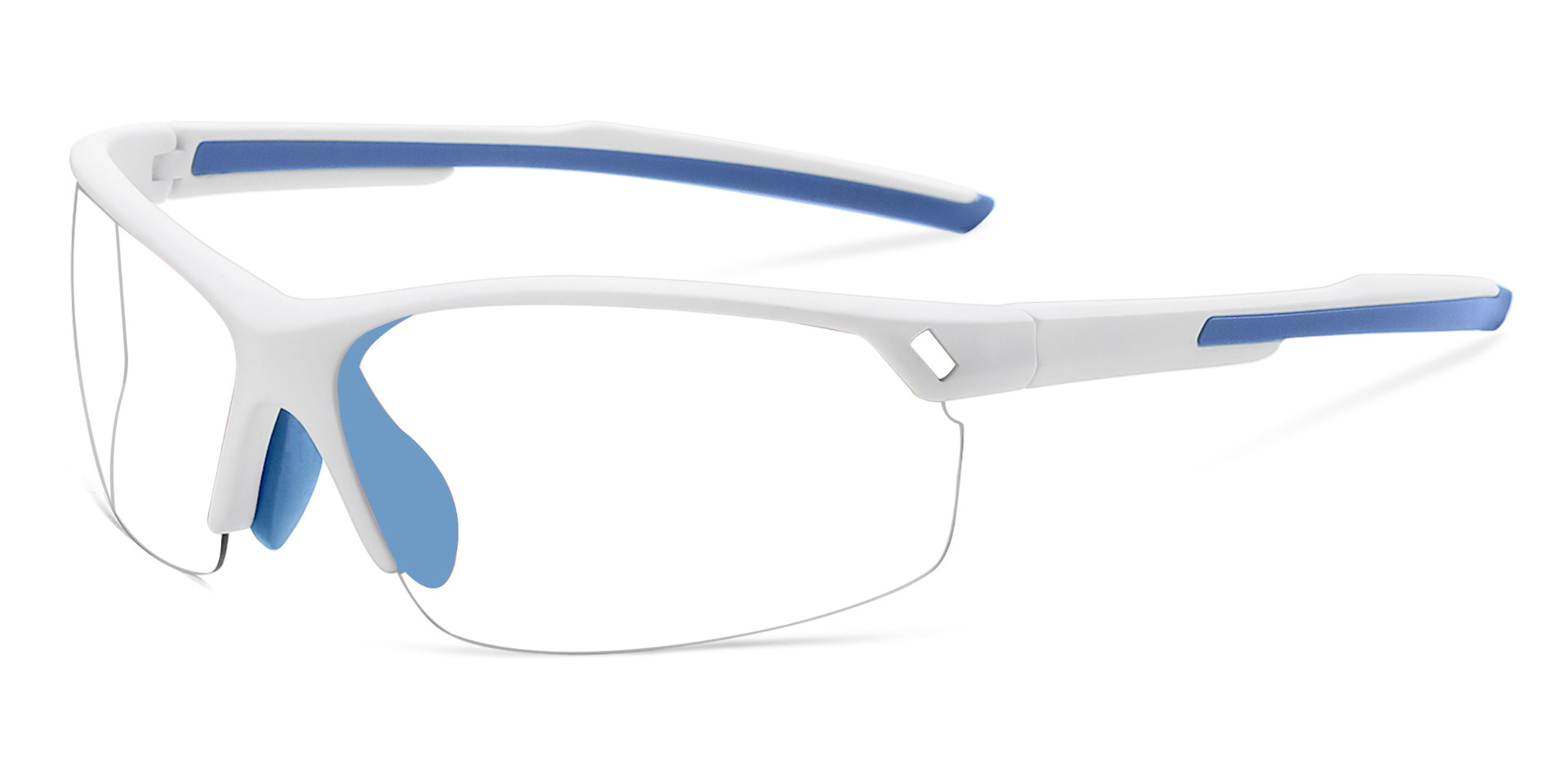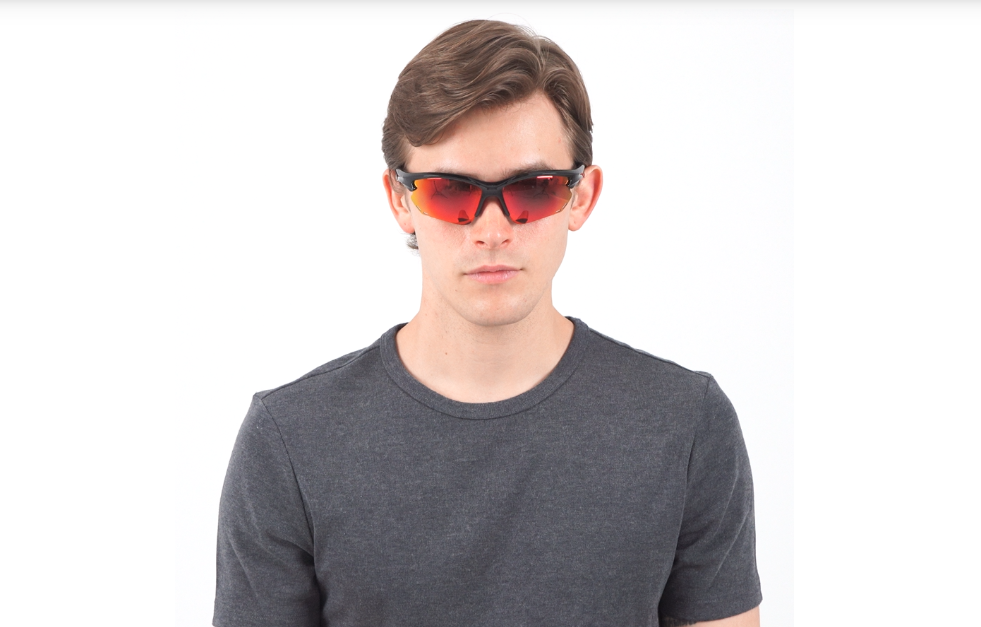
Whether you’re cycling, running, playing racquet sports, or competing at a professional level, clear vision is essential for both performance and safety. Standard eyewear often falls short during high-intensity activities because it can slip, fog up, or fail to provide adequate protection.
That is why more athletes are turning to prescription sports glasses designed specifically for active use. Unlike everyday eyewear, sports-specific frames are built to stay secure, withstand impact, and deliver precise vision in changing conditions.
Choosing the right pair involves more than simply adding prescription lenses to a sports frame. Understanding fit, lens technology, materials, and sport-specific features can make a significant difference in comfort and performance.
Why Regular Eyewear Isn’t Enough for Sports
Traditional eyeglasses are designed primarily for everyday tasks such as reading, driving, and office work. Sports environments place completely different demands on eyewear.
During physical activity, athletes encounter:
- Rapid head movements
- Sweat and moisture
- Sudden impacts
- Dust, wind, and debris
- Constant lighting changes
Standard glasses may slide down the nose, bounce during movement, or even break upon impact. Purpose-built Rx sports glasses address these problems through specialised construction and enhanced durability.
Prescription Sports Glasses: Features That Matter Most
Not all sports eyewear performs equally. When selecting prescription sports glasses, several factors deserve careful attention.
Impact Resistance
Protection should always come first.
Sports often involve flying objects, falls, or accidental collisions. Frames and lenses should be made from impact-resistant materials capable of withstanding demanding conditions.
Polycarbonate remains one of the most widely recommended lens materials because it offers:
- Exceptional impact resistance
- Lightweight comfort
- Built-in UV protection
- Reduced risk of shattering
Athletes participating in basketball, cycling, baseball, or squash particularly benefit from high-impact lens construction.
Secure and Comfortable Fit
Poorly fitting eyewear quickly becomes distracting.
Look for features such as:
- Adjustable nose pads
- Rubberised temple grips
- Wraparound designs
- Flexible frame materials
A secure fit minimises movement during intense activity and prevents frequent adjustments that interrupt performance.
Ventilation and Anti-Fog Technology
Fogging remains one of the biggest complaints among athletes.
Temperature differences, perspiration, and humidity can quickly reduce visibility. Modern sports eyewear often includes:
- Integrated ventilation channels
- Anti-fog lens coatings
- Airflow-enhancing frame designs
These features help maintain clear vision throughout prolonged activity.
Matching Sports Glasses With Your Activity
Different sports create different visual demands. Choosing eyewear designed for your specific activity can significantly improve performance.
| Sport | Recommended Features |
| Cycling | Wraparound coverage, wind protection, interchangeable lenses |
| Running | Lightweight frames, secure fit, sweat resistance |
| Racquet Sports | High-impact lenses, wide field of view |
| Golf | Contrast-enhancing lenses, lightweight construction |
| Skiing | Anti-fog systems, peripheral protection |
| Water Sports | Hydrophobic coatings, secure retention systems |
Athletes involved in multiple activities may benefit from versatile sports glasses with a prescription that accommodates changing environments.
Lens Options Worth Considering
The frame is only half of the equation. Lens selection directly influences visual clarity and comfort.
Polarised Lenses
Polarised lenses reduce glare reflected from surfaces such as:
- Water
- Roads
- Snow
- Sand
Cyclists, runners, and anglers often prefer polarised options for improved comfort during bright outdoor conditions.
Photochromic Lenses
Photochromic lenses automatically adjust their tint in response to changing light conditions.
Benefits include:
- Seamless indoor-to-outdoor transitions
- Reduced the need for multiple pairs
- Consistent visual comfort
Athletes training throughout the day often find these lenses especially practical.
Contrast-Enhancing Tints
Different tints improve visibility in specific environments.
For example:
- Amber and copper enhance contrast during overcast conditions.
- Yellow tints improve visibility in low light.
- Grey lenses preserve natural colour perception in bright sunlight.
Selecting the appropriate tint can help athletes track objects more effectively.
When Should You Choose Prescription Sports Goggles?
Certain activities require additional protection beyond standard sports frames.
Prescription sports goggles provide superior stability and impact protection for sports involving:
- Basketball
- Football
- Hockey
- Racquet sports
- Martial arts
Goggles typically feature:
- Full eye enclosure
- Adjustable straps
- Enhanced facial protection
- Greater impact resistance
Young athletes and individuals participating in contact sports often benefit most from goggle-style designs.
Signs You May Need Sports Goggles Instead of Standard Frames
Consider goggles if:
✓ Your current glasses frequently fall off.
✓ You participate in contact sports.
✓ You require maximum peripheral protection.
✓ Your sport involves high-speed projectiles.
✓ You have experienced previous eye injuries.
How Frame Material Influences Performance
Sports eyewear materials affect comfort, durability, and long-term reliability.
Common options include:
TR-90
TR-90 frames offer:
- Exceptional flexibility
- Lightweight comfort
- Resistance to heat and stress
Many athletes prefer TR-90 because it remains comfortable during extended use.
Nylon
Nylon frames provide outstanding durability while maintaining flexibility, making them suitable for demanding outdoor sports.
Rubber Components
Temple tips and nose pads with rubberised surfaces improve grip and help keep eyewear stable during vigorous activity.
Common Buying Mistakes to Avoid
Athletes sometimes focus solely on appearance while overlooking important functional features.
Avoid these common mistakes:
Choosing Style Over Protection
Attractive frames should never come at the expense of safety or durability.
Ignoring Peripheral Vision
Restricted side vision can negatively affect reaction times during competitive play.
Selecting Heavy Frames
Excessively heavy eyewear can create discomfort and pressure points during prolonged activity.
Skipping Lens Upgrades
Anti-fog coatings, UV protection, and scratch resistance often provide substantial long-term value.
Questions to Ask Before Buying
Before investing in prescription sports glasses, ask yourself:
- Which sport will I use them for most frequently?
- Will I need interchangeable or adaptive lenses?
- Do I require impact protection?
- Will I be wearing a helmet or other protective equipment?
- Do I need all-day comfort for extended sessions?
The answers will help narrow your options considerably.
Why Sport-Specific Eyewear Matters
Athletes depend heavily on visual precision. Even minor vision disruptions can affect timing, confidence, and overall performance.
Quality prescription sports glasses are designed to address challenges that everyday eyewear simply cannot handle. From impact protection and secure fit to advanced lens technologies, purpose-built sports eyewear supports both safety and athletic performance.
For anyone participating regularly in sport, investing in dedicated prescription sports glasses is not merely a convenience. It is an essential part of performing at your best while protecting one of your most valuable assets: your vision.
Conclusion
Selecting the right sports eyewear requires careful consideration of fit, protection, lens technology, and sport-specific needs. Whether you need lightweight running glasses, impact-resistant eyewear for court sports, or fully enclosed prescription sports goggles, choosing equipment designed specifically for athletic performance delivers measurable benefits. Better vision, enhanced safety, and greater comfort ultimately allow athletes to focus less on their eyewear and more on their performance.