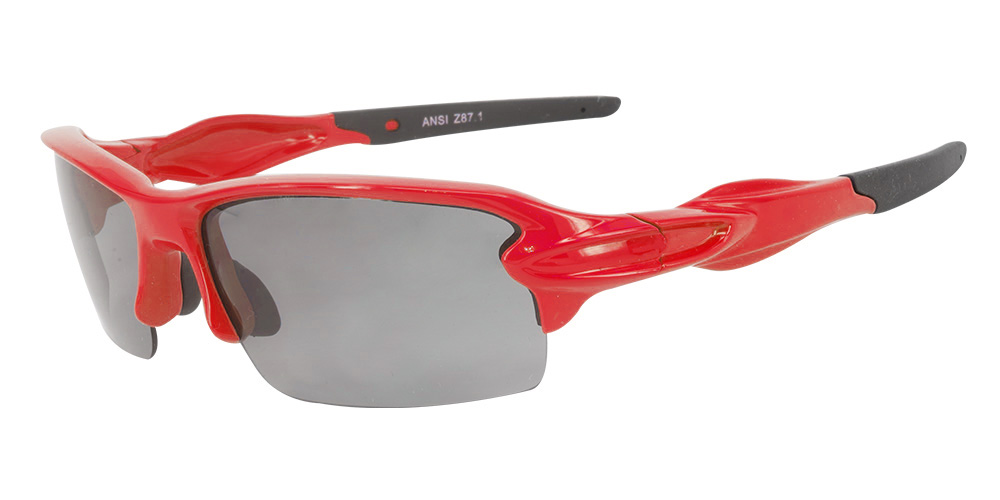
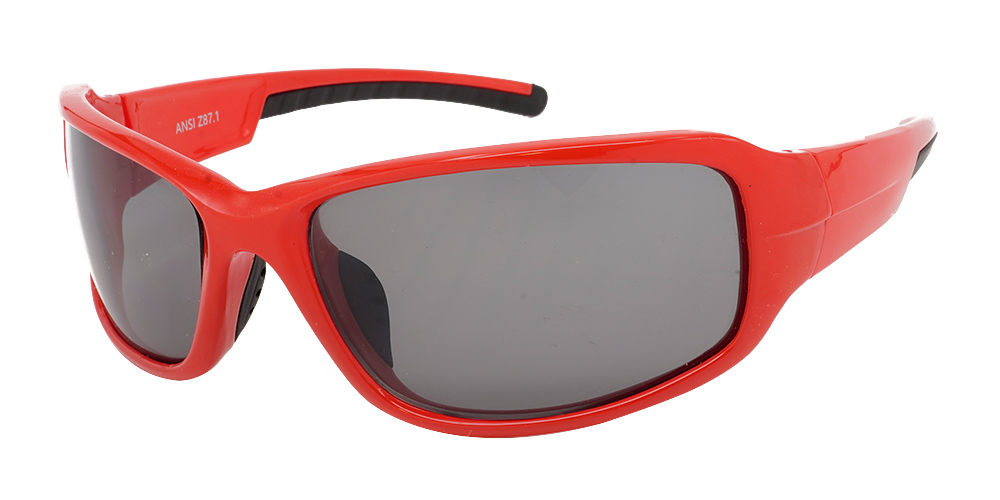
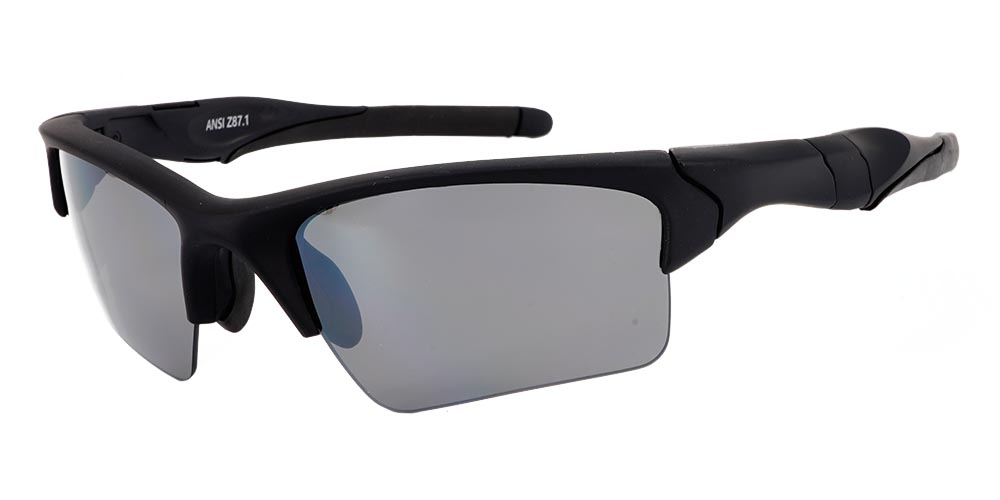
Water Changes the Way Light Reaches Your Eyes
Sunlight can reflect from the sea, a lake or a river, creating glare. Wind, spray and changing weather add distraction.
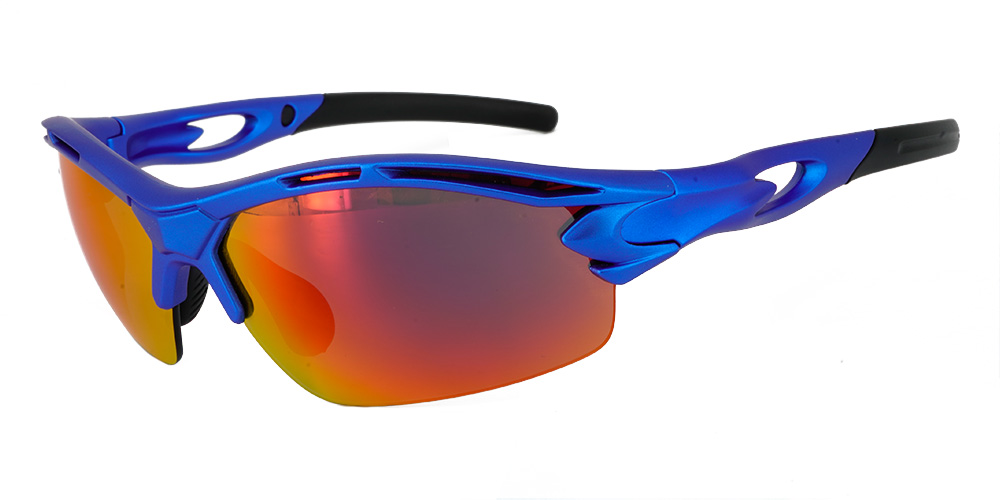
Water sports sunglasses should make the view more comfortable. The right pair depends on the activity, the light and how securely the frame needs to stay in place.
What Polarised Lenses Add
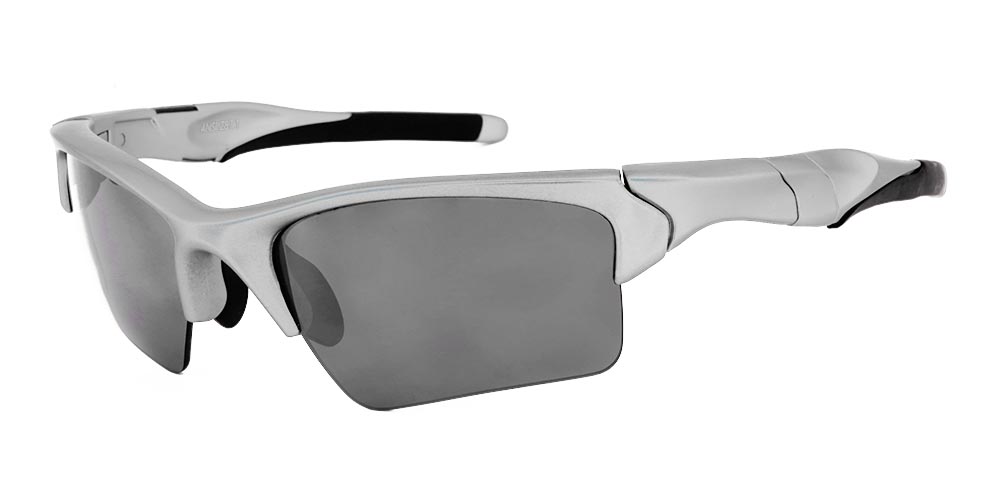
Water sports polarized sunglasses use a filter designed to reduce reflected glare from flat surfaces. This can make it easier to look towards the waterline, scan the route ahead or watch movement near the surface without squinting.
Polarisation is not the same as ultraviolet protection, lens tint or impact certification. A dark or mirrored lens is not automatically polarised, and a polarised lens is not automatically suitable protective equipment for every activity.
Check the product description rather than relying on appearance alone.
Pick a Lens Tint for Your Usual Conditions
Different lens colours change how bright and warm the surroundings appear. Options include:
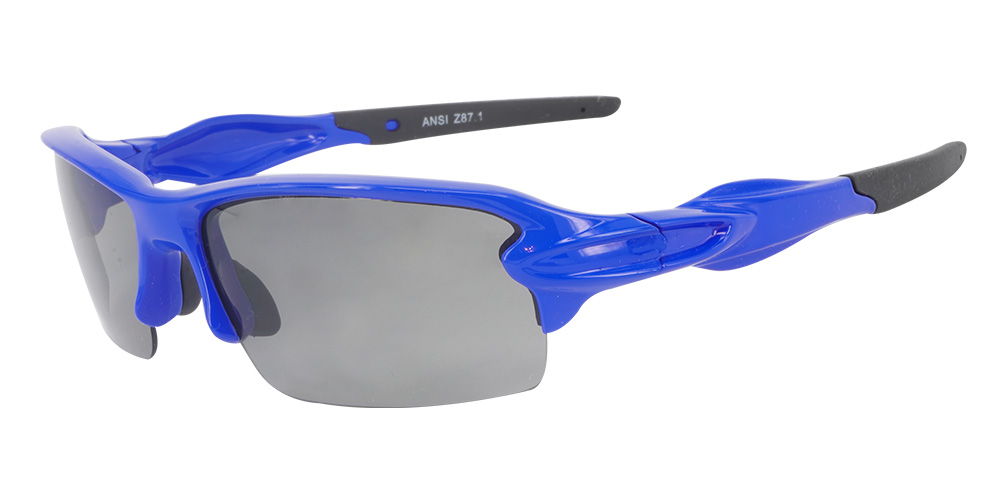
- Grey lenses: Reduce brightness while keeping colours relatively neutral.
- Brown or bronze lenses: Add warmth and may make contrast feel stronger in mixed light.
- Green lenses: Offer a balanced view across changeable conditions.
- Amber lenses: Can feel useful in dull weather, although they may be too light in strong sunshine.
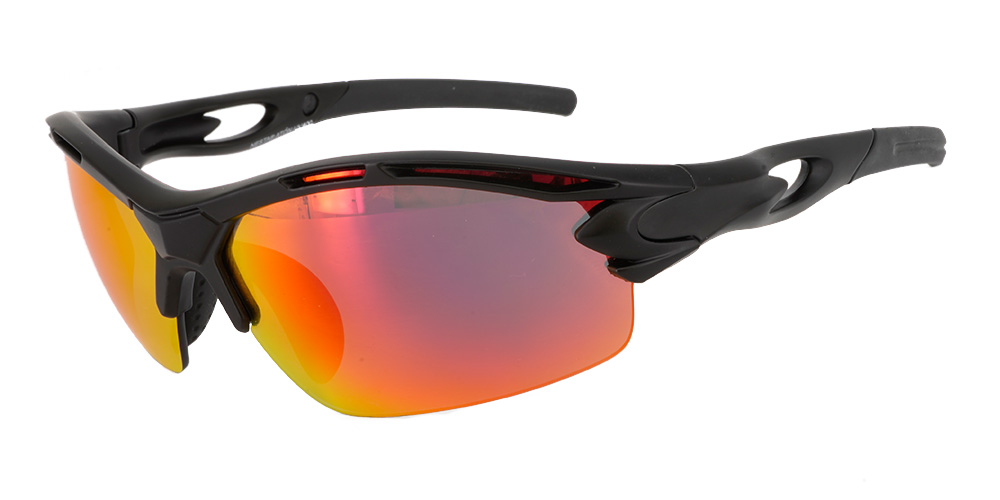
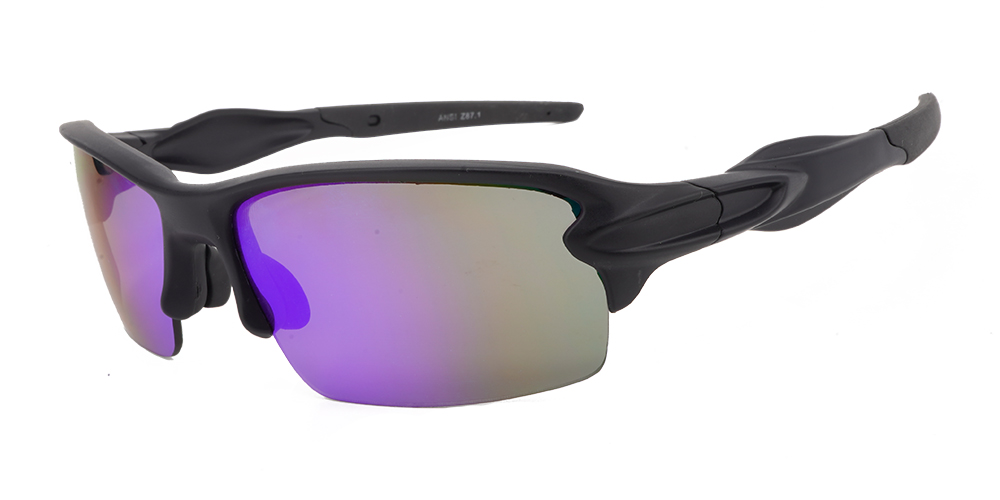
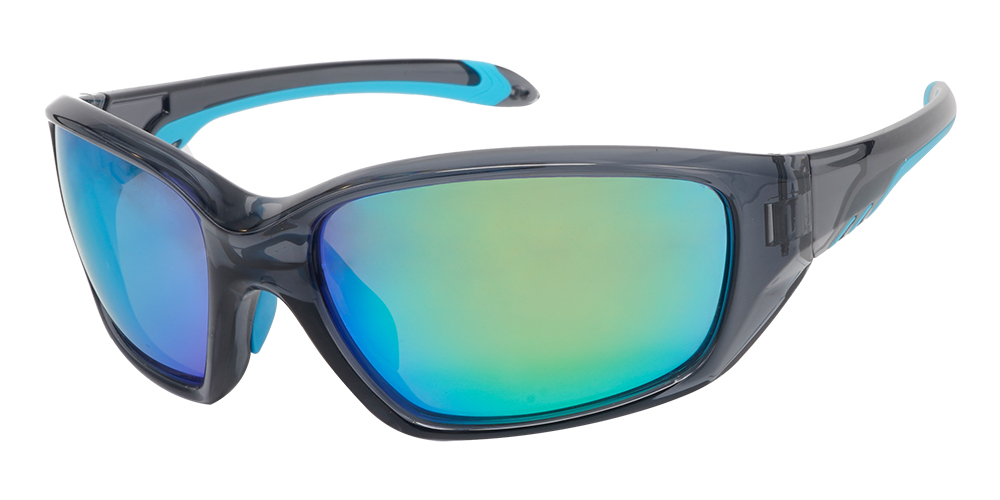
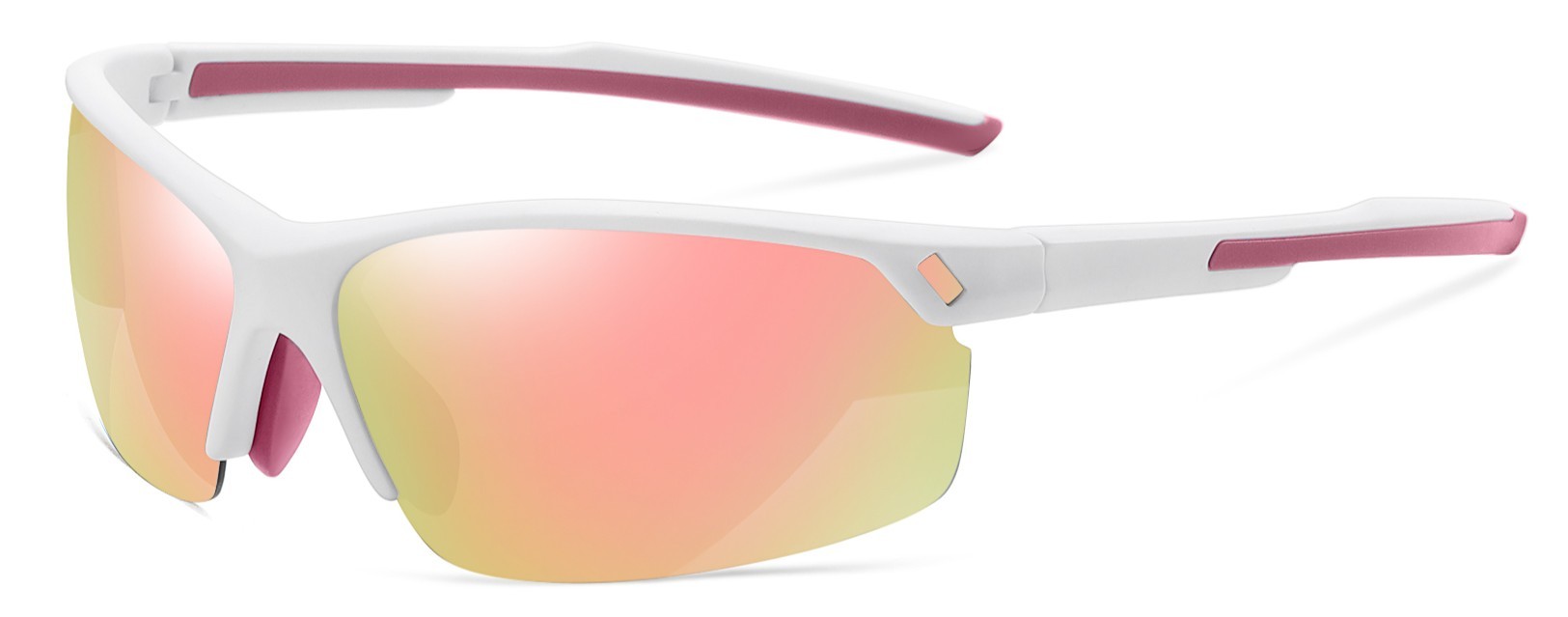
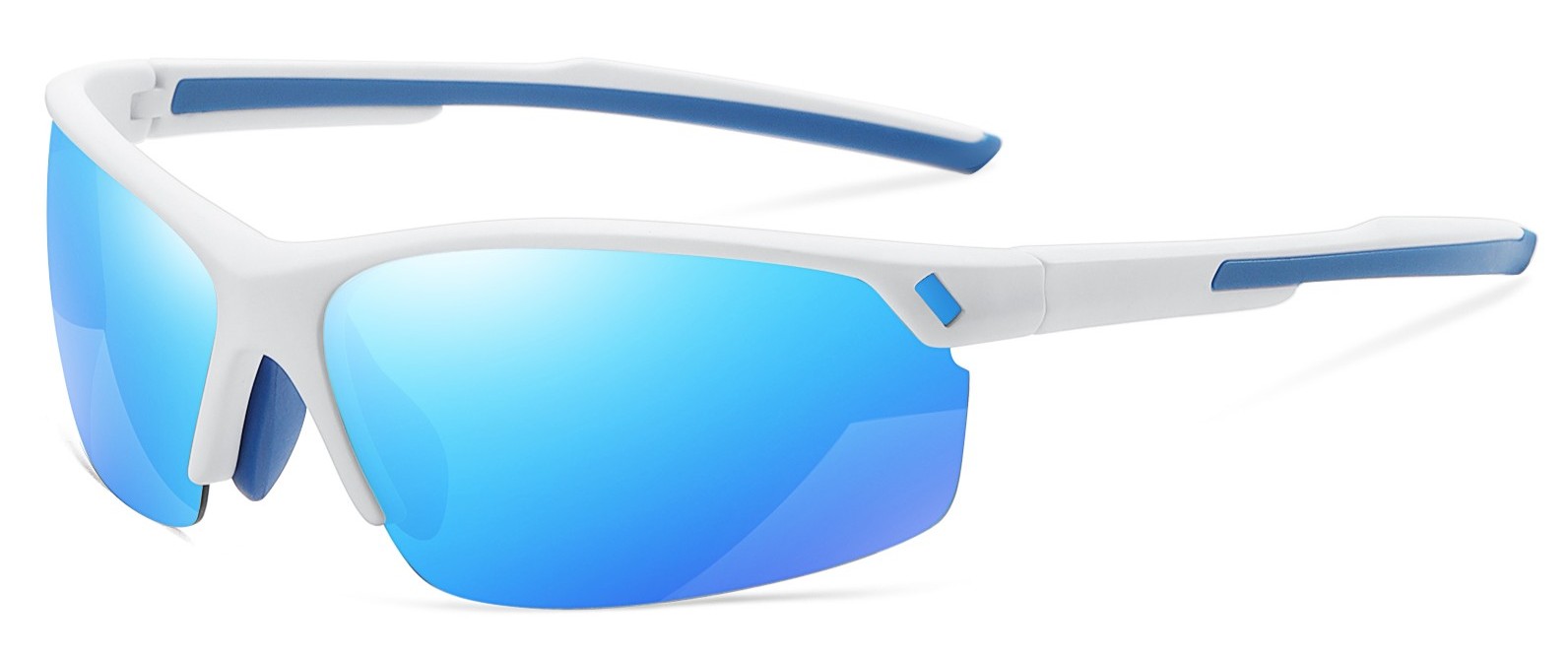
- Mirrored lenses: Add a reflective finish for exposed, bright settings.
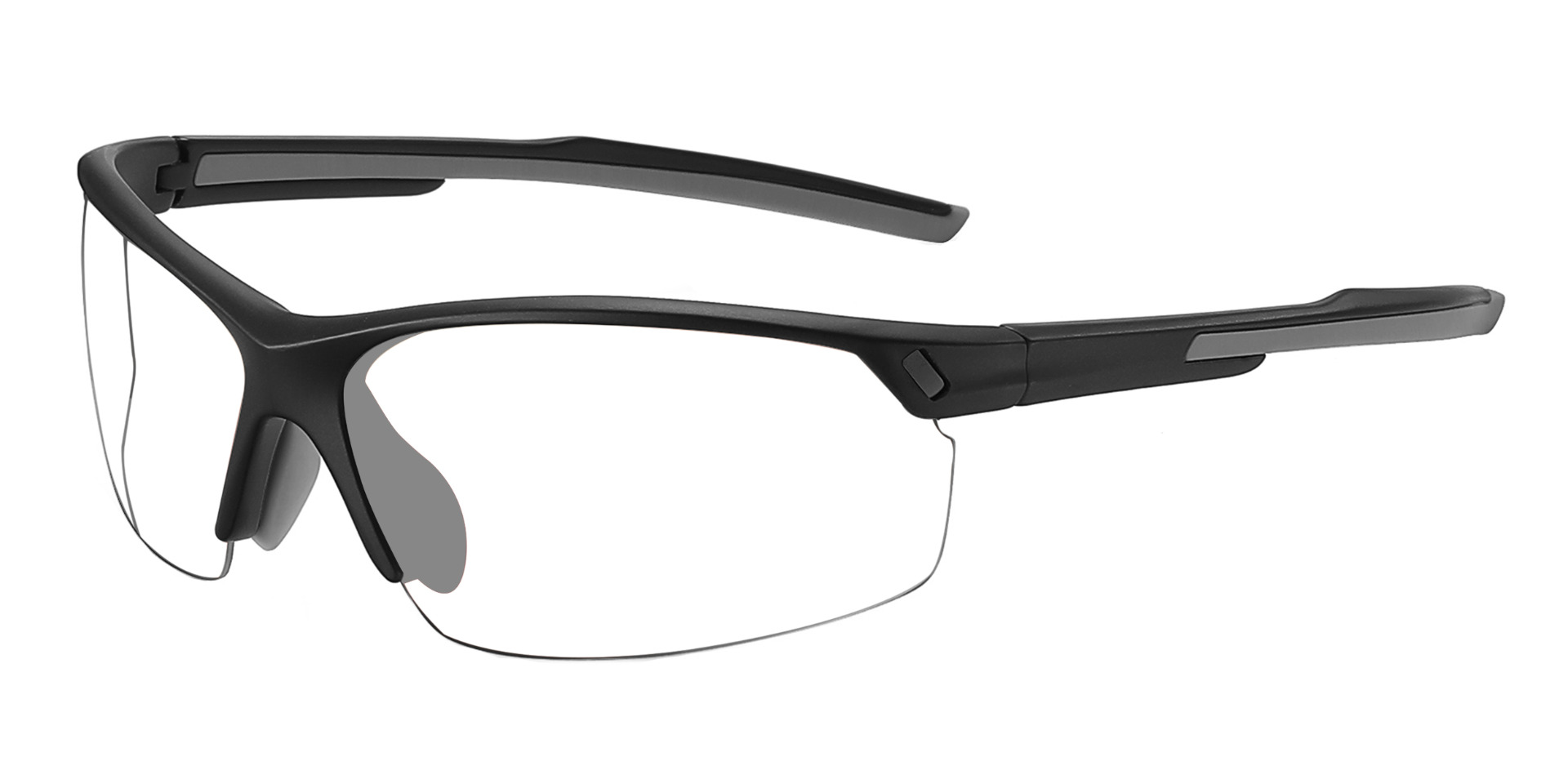
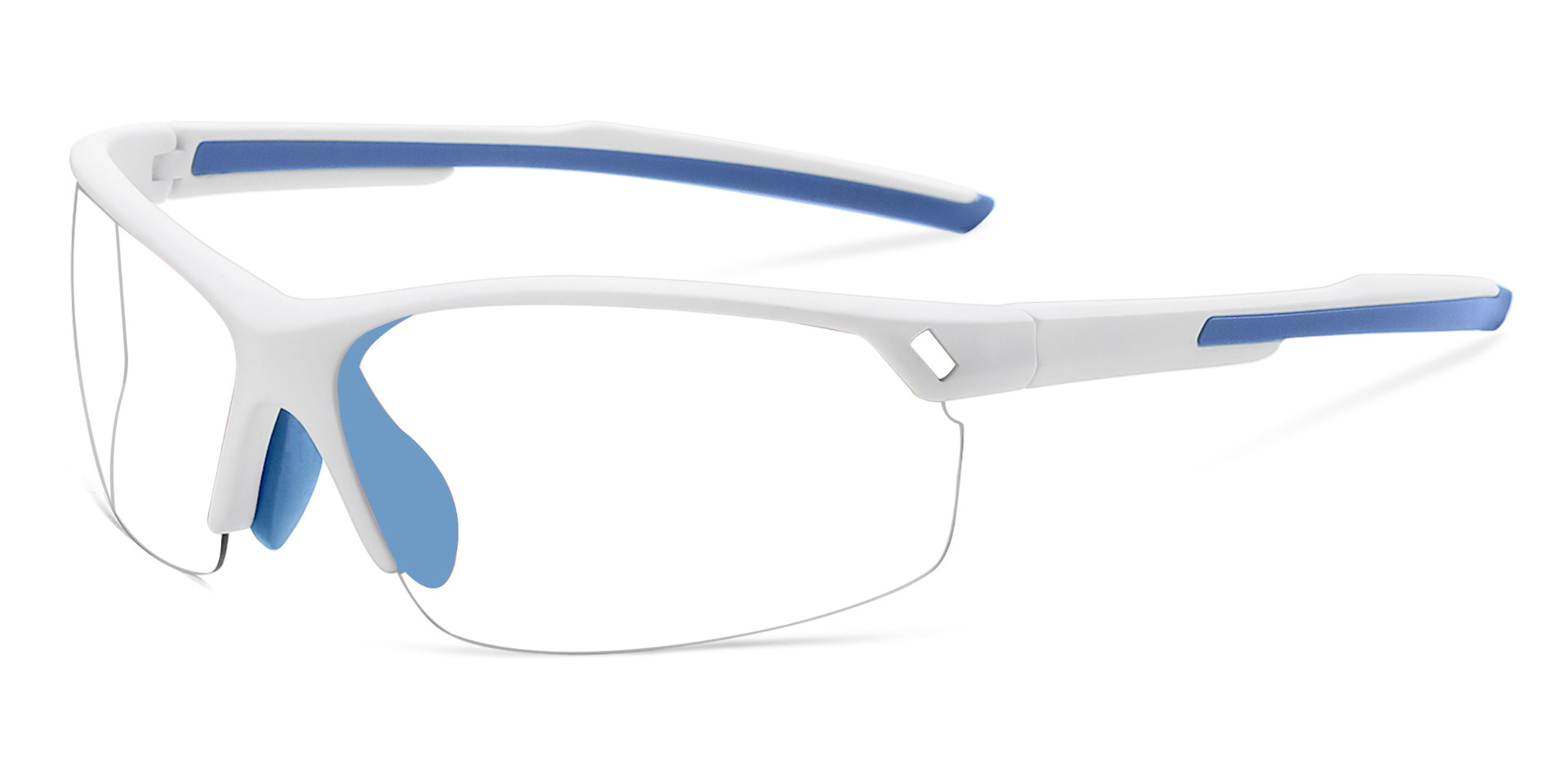
- Photochromic lenses: Change tint gradually as ultraviolet exposure rises or falls.
Very dark lenses can become awkward under cloud, beneath a canopy or in shade. Choose around where and when you spend most time on the water.
Frames That Stay Put When You Move
A loose frame is frustrating on land and more troublesome near water. Sunglasses for water sports should remain level when you paddle, turn your head, look down or move between seated and standing positions.
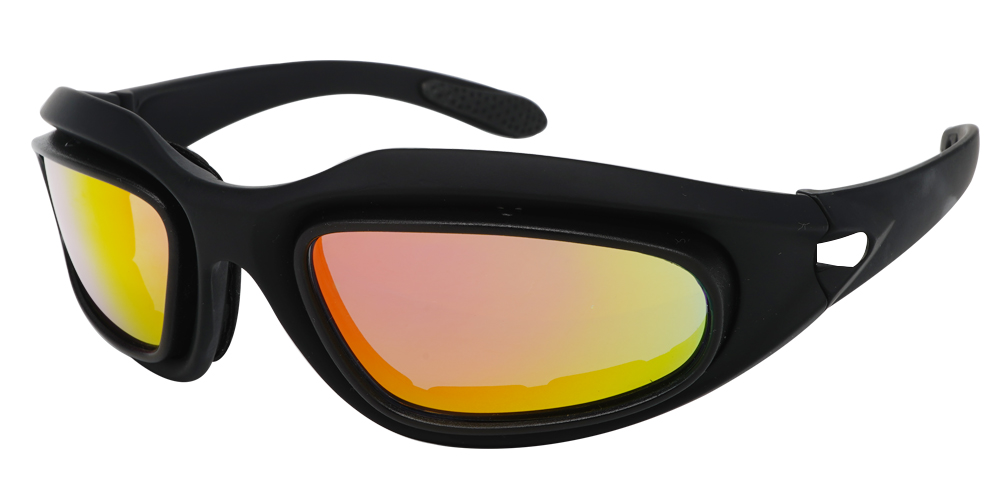
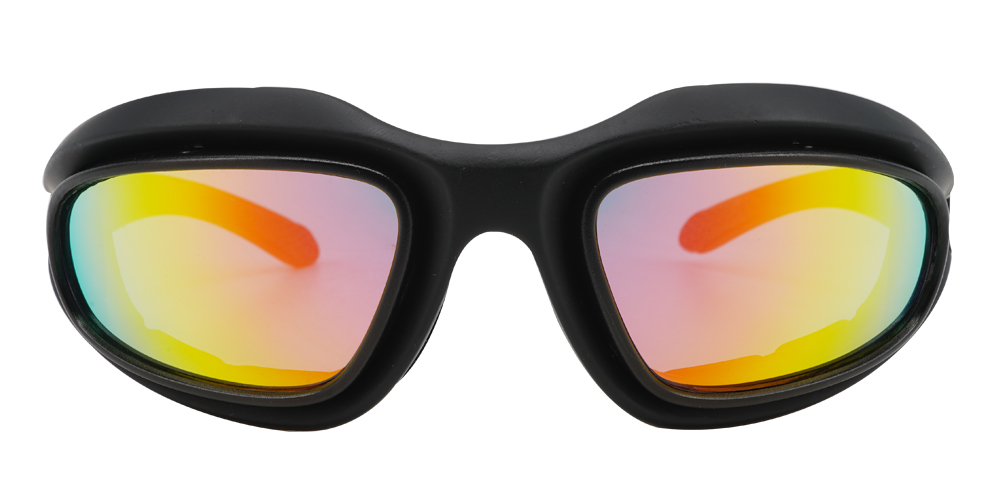
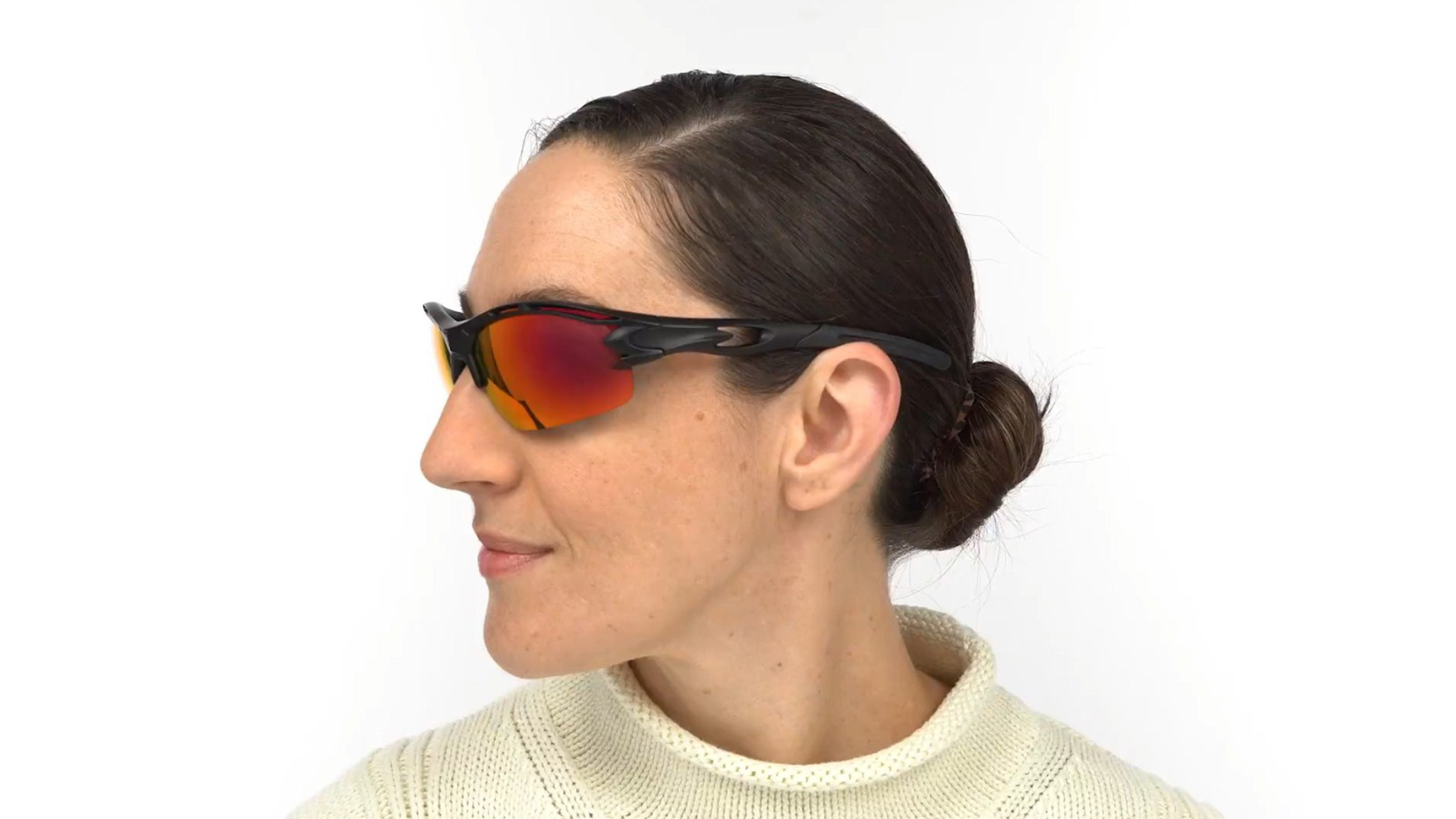
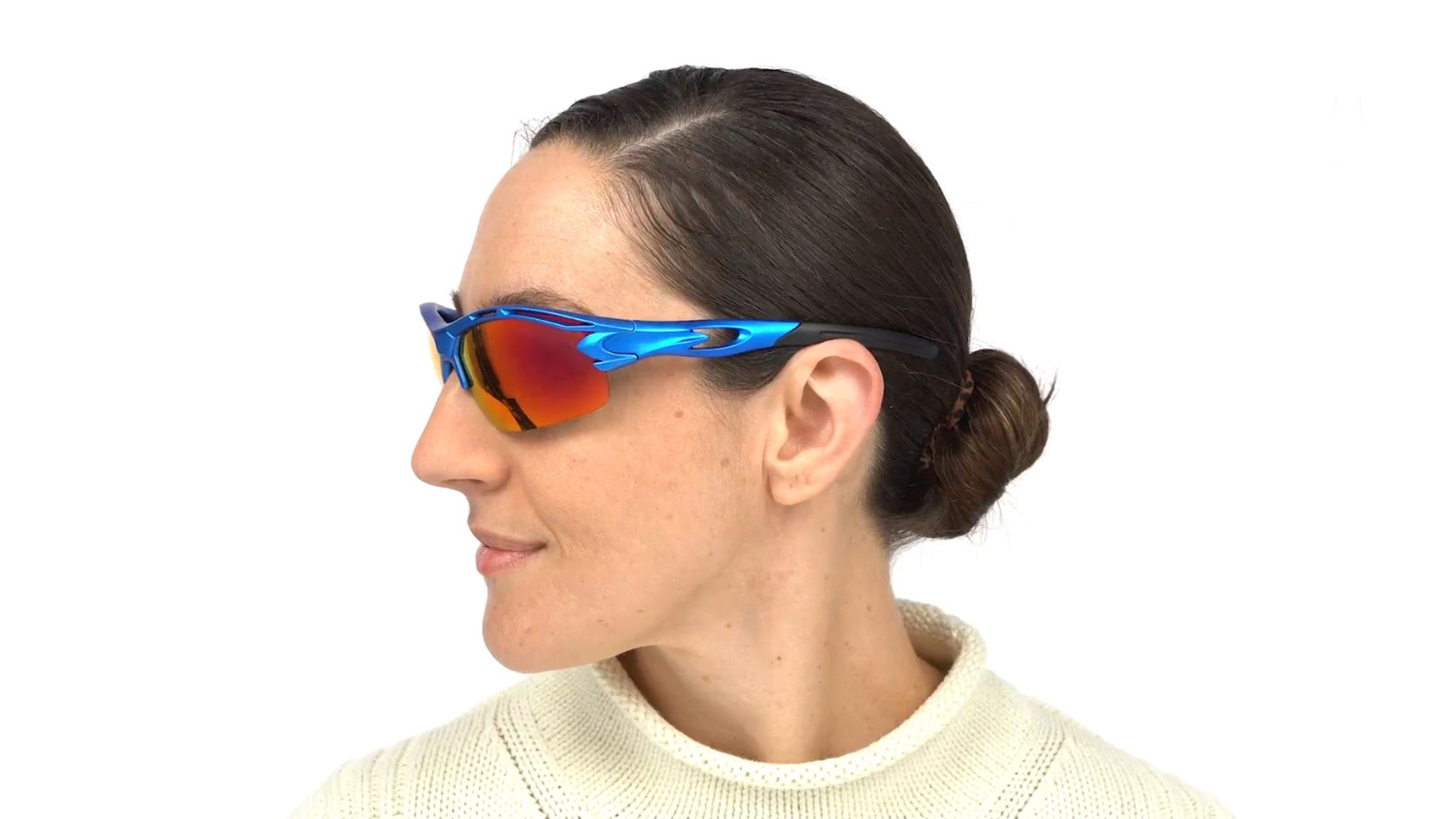
Grippy nose pads and temple tips can improve stability on damp skin. Wraparound frames offer side coverage, while a compatible retaining strap may reduce the chance of losing the glasses. Any cord or strap should not snag on equipment.
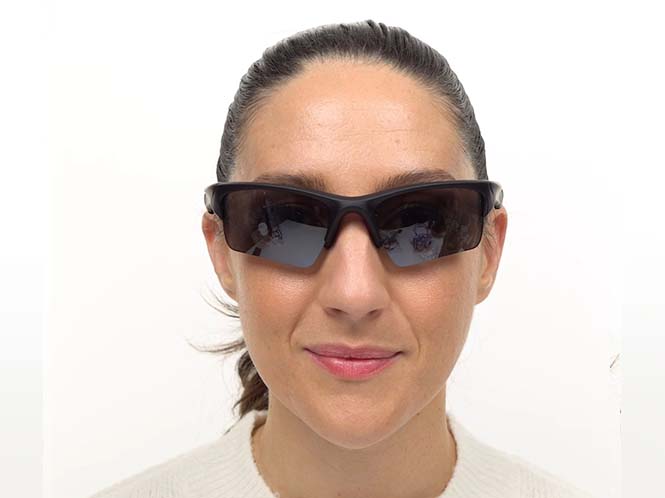
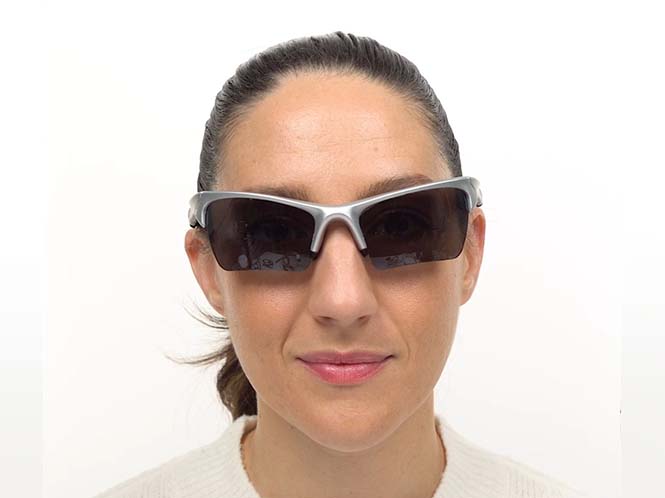
Compare frame width, bridge shape and temple length with eyewear you wear comfortably. A secure fit should not require painful pressure around the nose, temples or ears.
Prescription Options for Clearer Distance Vision
Prescription sunglasses for water sports can help people who normally wear spectacles see markers, shorelines, other users and equipment. Depending on the frame, the prescription may be glazed directly into the lenses or supplied through an optical insert.
Use a spectacles prescription and enter both eyes’ values carefully. Pupillary distance may also be required. Contact lens powers should not normally be copied into a glasses order because the measurements can differ.
Highly curved frames may have tighter prescription limits. Strong powers, prism or higher astigmatism can reduce choices, so review the stated optical range before ordering prescription water sports sunglasses.
Match the Eyewear to the Activity
Kayaking, paddleboarding, sailing and boating do not place identical demands on a frame. A paddler may prioritise a secure fit and low weight. A sailor may want broader coverage for long periods in open light. Someone relaxing on a boat may prefer an everyday style.
For faster or higher-impact activities, ordinary sunglasses may not provide the protection required. Check whether specialist goggles, a helmet-compatible design or activity-specific eyewear is more appropriate. Product markings and activity rules should guide the choice.
Salt, Spray and Fog Need Regular Attention
Salt crystals, sand and dried spray can scratch lenses if rubbed while dry. Rinse the sunglasses with fresh water before wiping, then use suitable lens cleaner and a clean microfibre cloth.
Warm skin, cool air and moisture can cause fogging. Ventilation and anti-fog treatments may help, although no lens remains clear in every condition. Keep vents clean and avoid touching the inner lens with wet fingers, clothing or rough towels.
After use, allow the frame and retaining strap to dry fully before storage.
Packing and Storing Water Sports Sunglasses
Keep the eyewear in a protective case when it is not being worn. Do not leave it loose with keys, tools, buckles or equipment that can scratch the lenses or bend the frame.
Before each outing, check the hinges, nose pads, temple tips and lenses. Replace sunglasses that are cracked, deeply scratched, distorted or no longer secure.