What Volleyball Asks of Your Eyewear
Volleyball players spend much of a rally looking forwards, upwards and across the court. The ball can move from a low receive to a high set within seconds, while sunlight, cloud or reflective sand may change the background behind it.
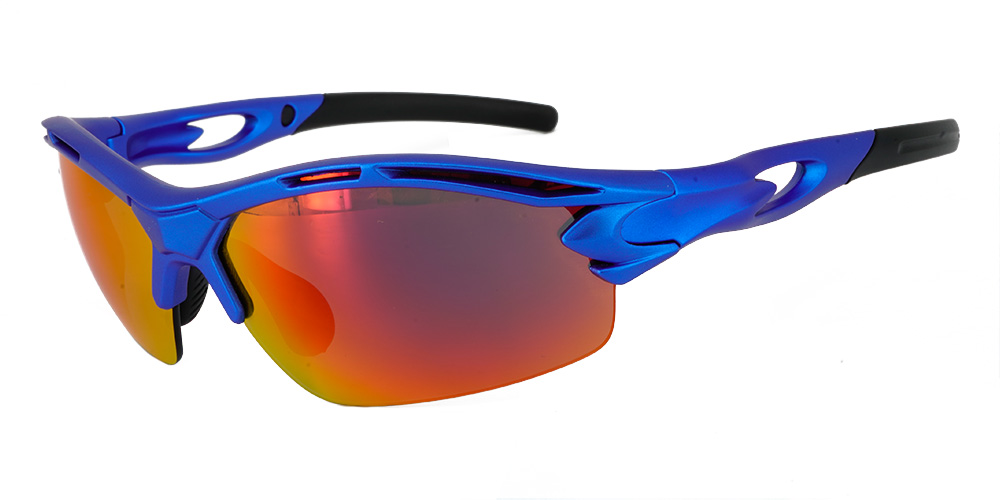
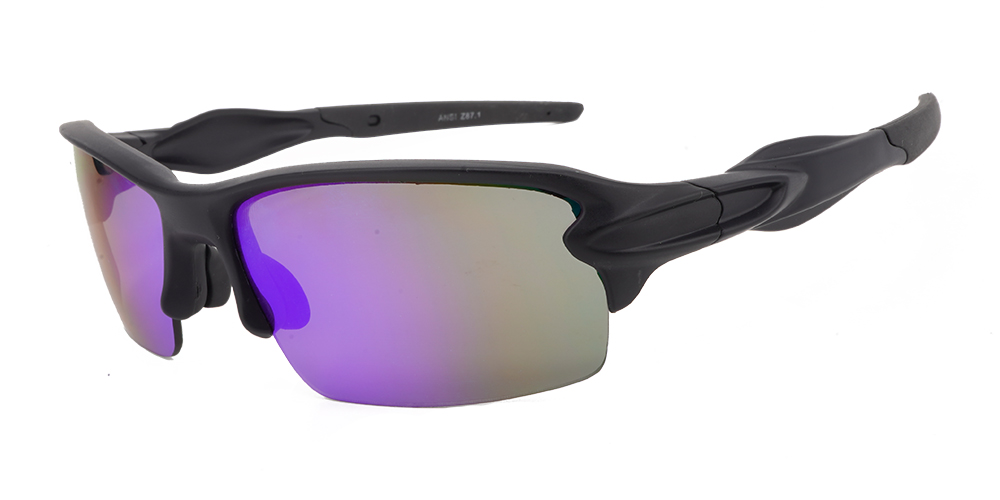
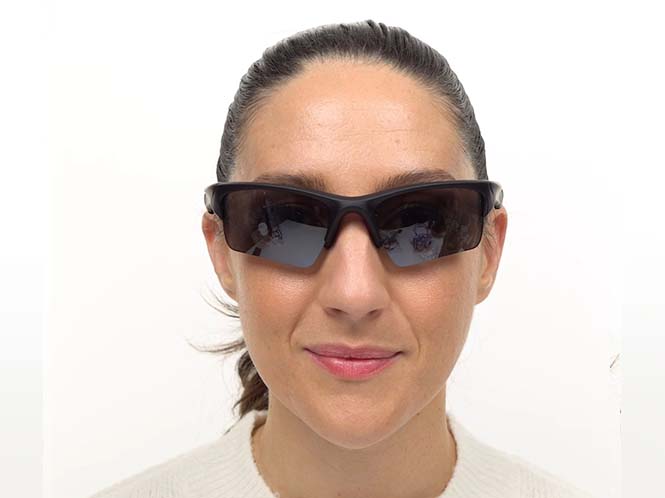
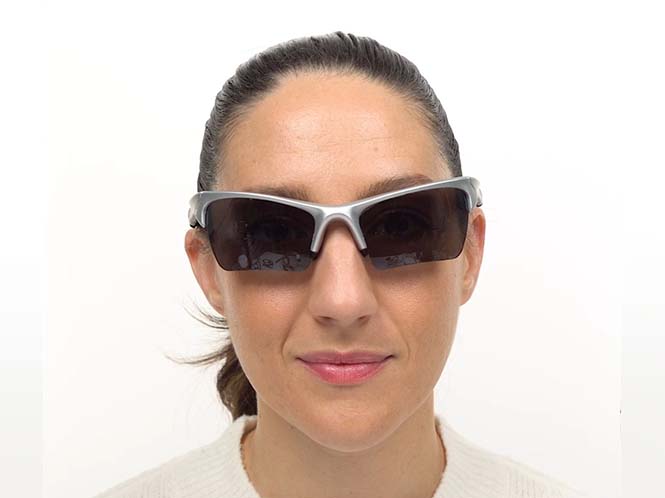
Volleyball sunglasses should support that constant movement without becoming distracting. A lightweight frame that remains level can help players concentrate on positioning, teammates and the next touch rather than adjusting loose eyewear.
Choosing Lenses for Sand, Grass and Outdoor Courts
The most suitable lens depends on where you play and how bright the conditions usually are. Beach volleyball often means open sunlight and reflected glare, while grass or hard courts may move between sunshine and shade.
Common options include:
- Grey lenses: Reduce brightness while keeping colours relatively neutral.
- Brown or bronze lenses: Add warmth and may make court markings or ball contrast feel stronger.
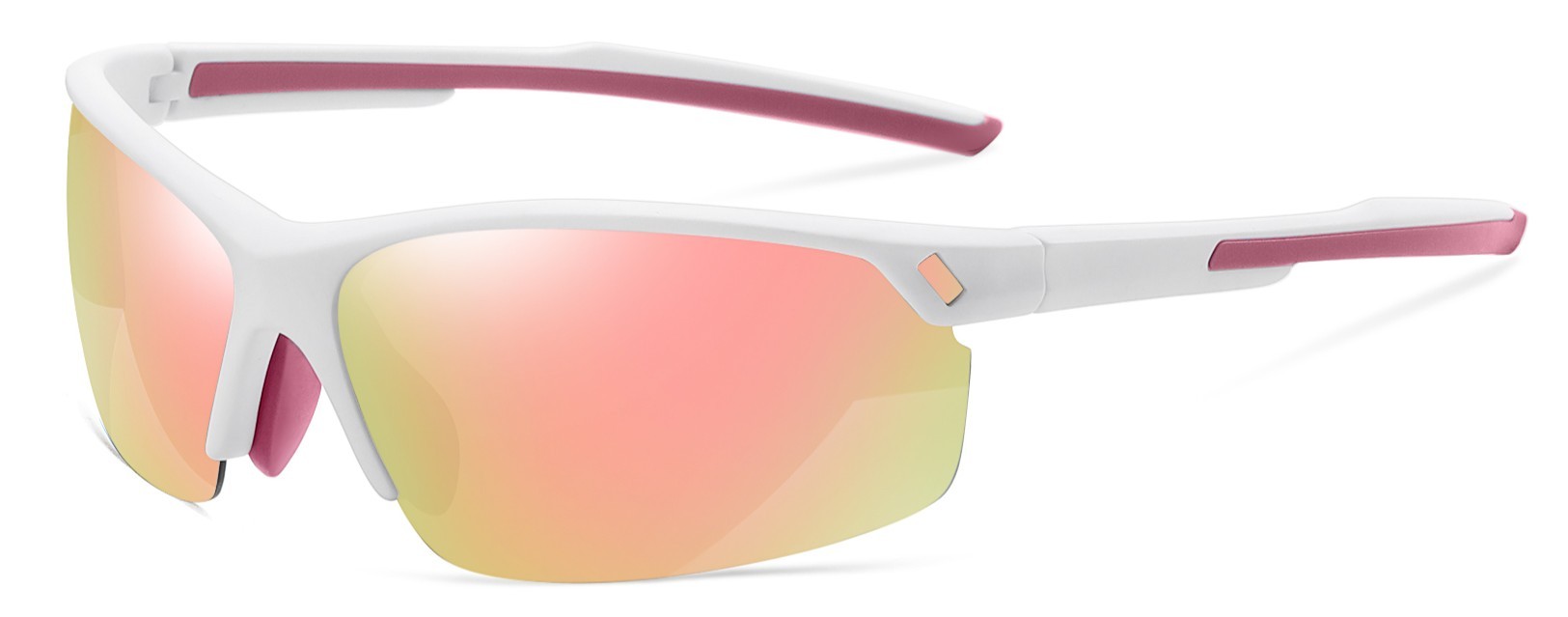
- Amber or rose tints: Can be useful in flat, hazy or changeable light.
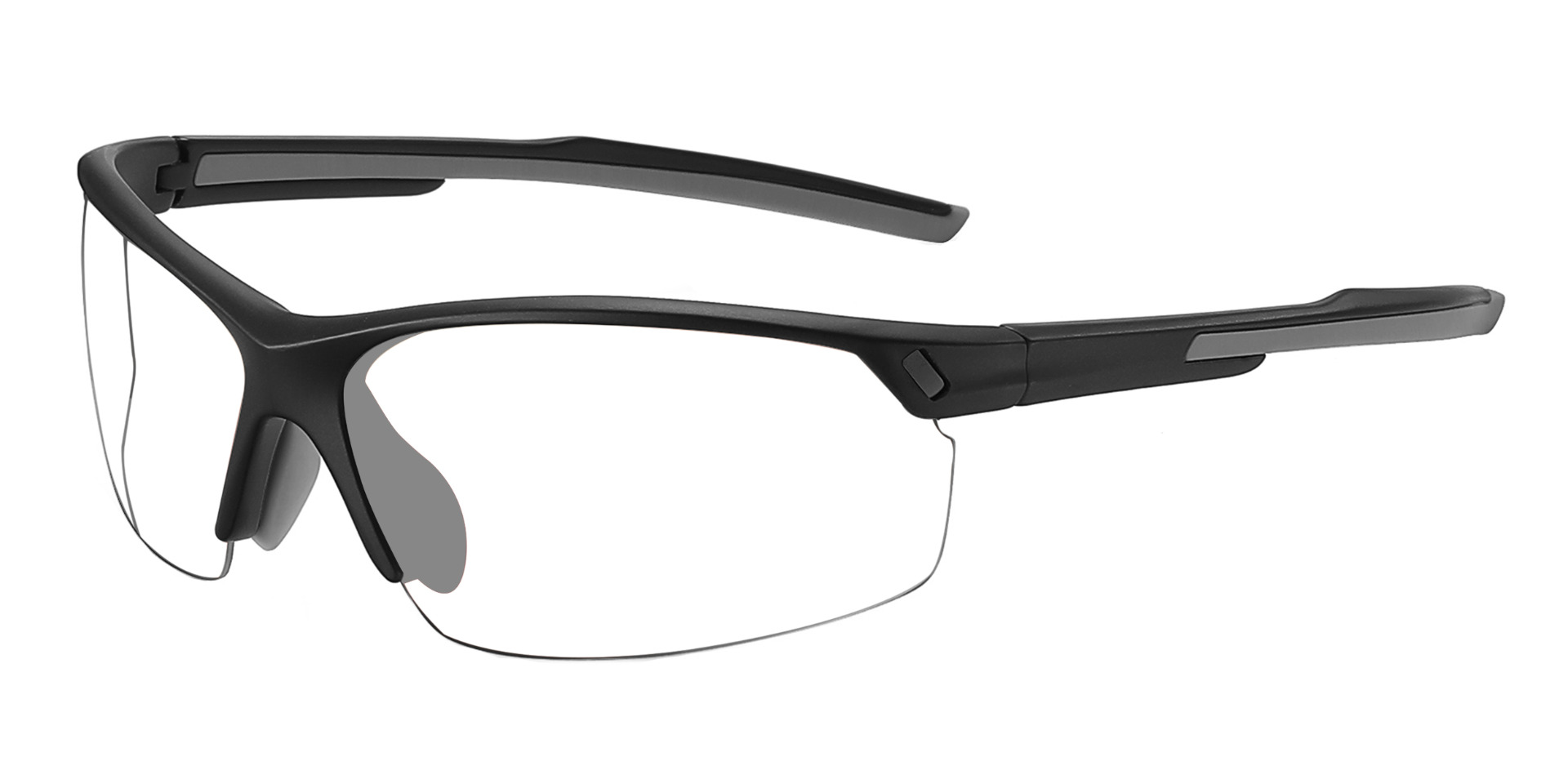
- Photochromic lenses: Change tint gradually as ultraviolet exposure rises or falls.
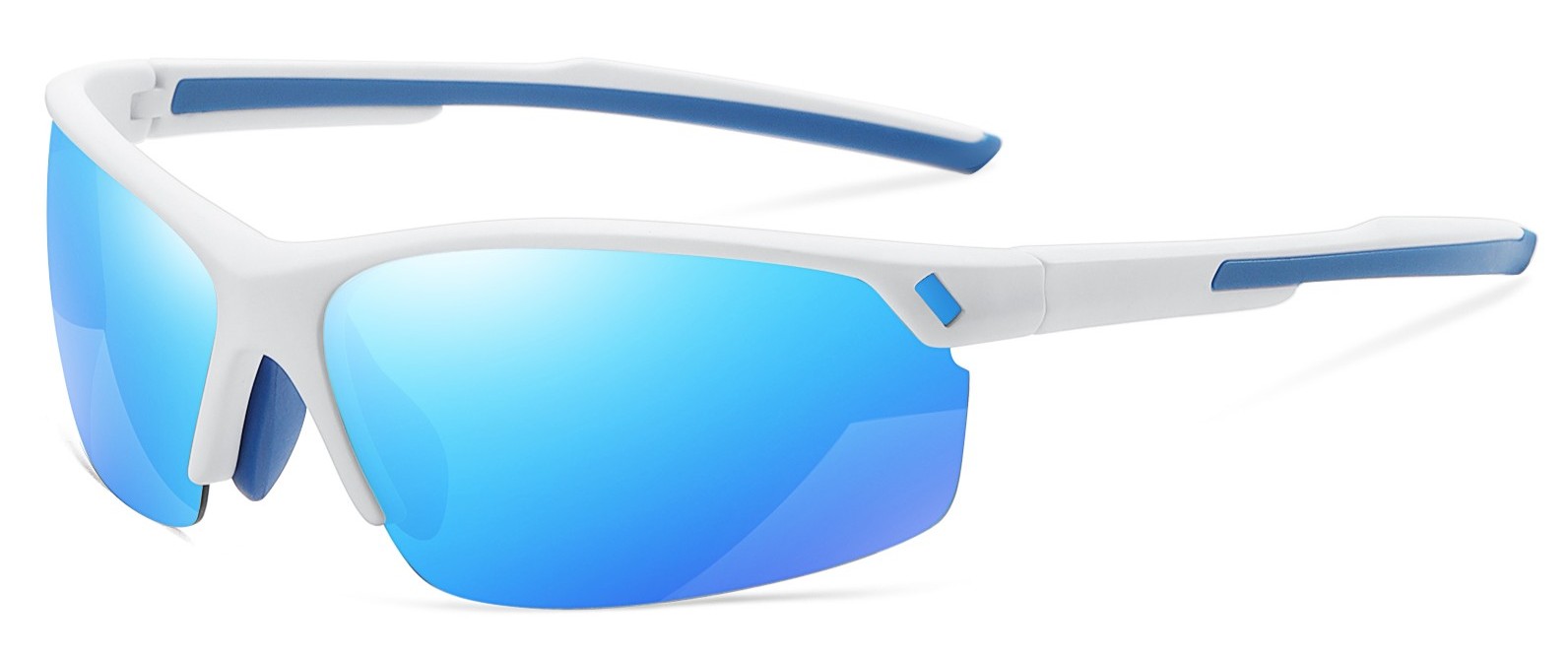
- Polarised lenses: Reduce reflected glare from wet courts, sand and other flat surfaces.
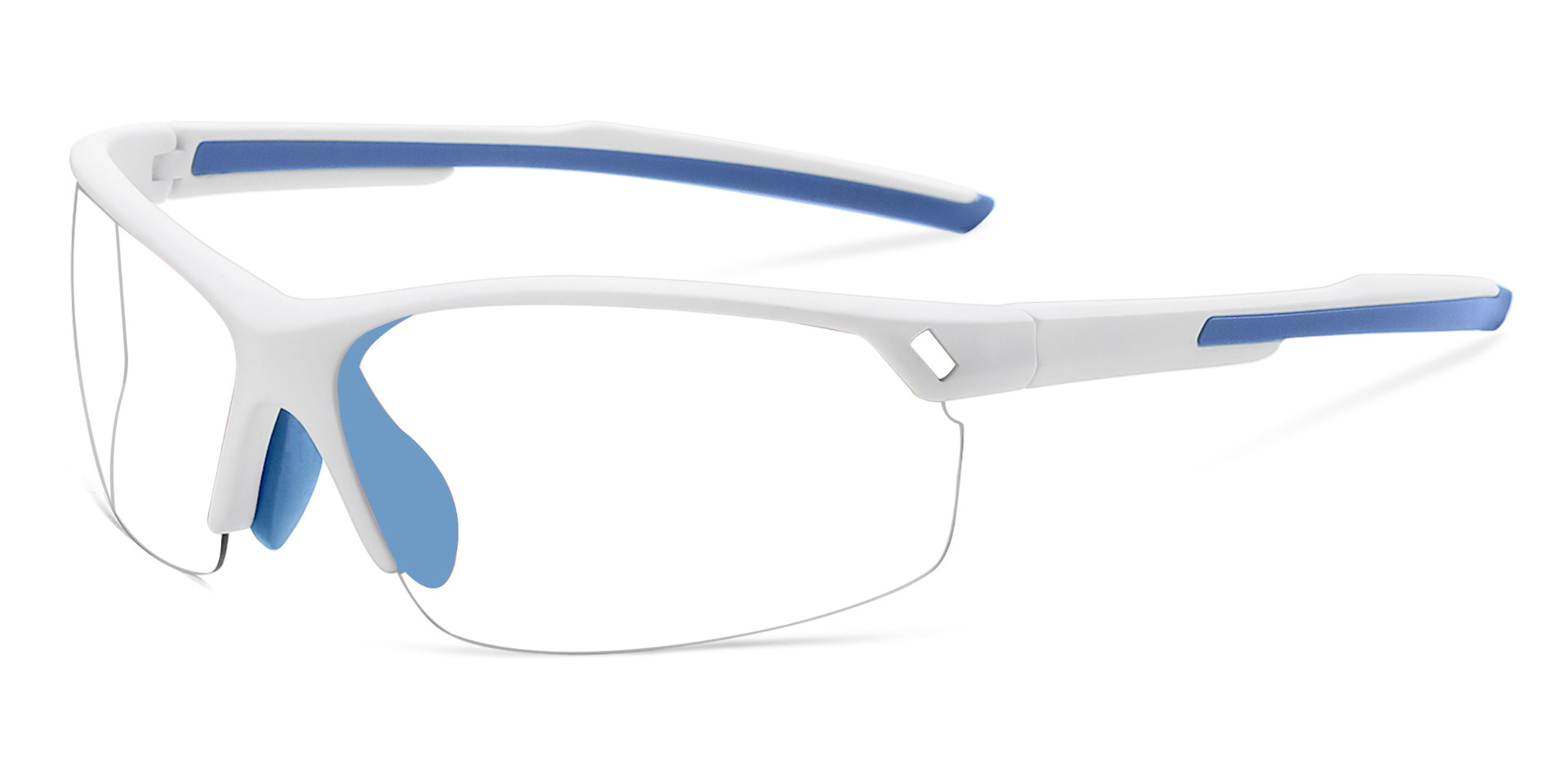
- Clear lenses: Suit dull weather, evening practice and lower-light sessions.
A dark lens may feel comfortable under strong sun but become awkward when cloud moves in. Choose for the whole session rather than the brightest few minutes.
A Frame That Stays Steady During Fast Movement
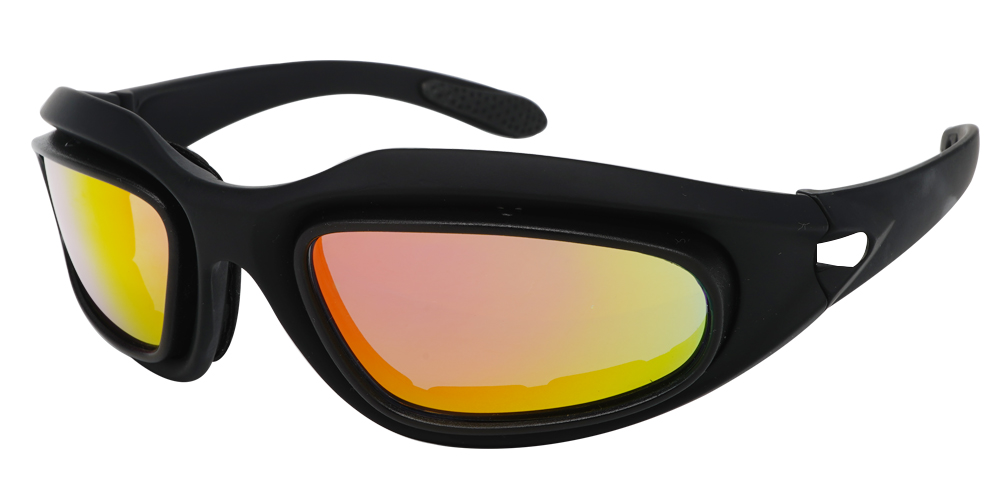
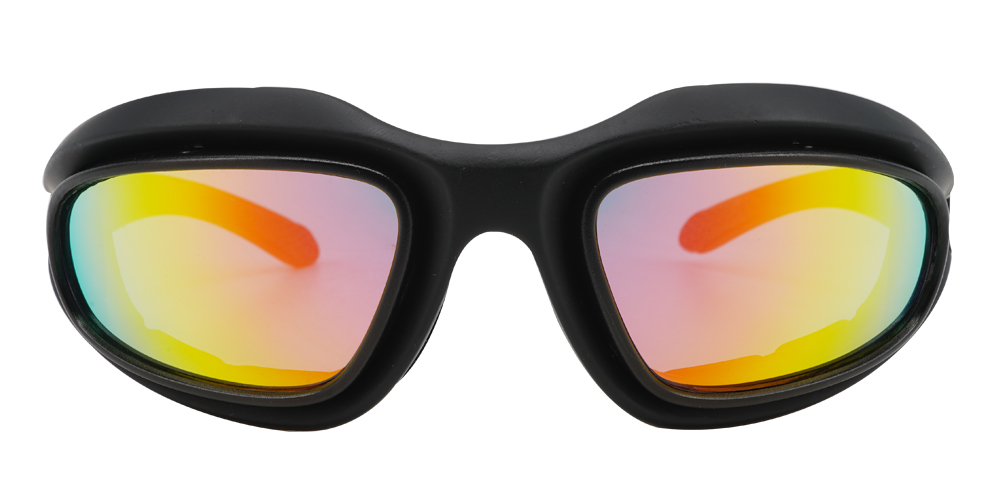
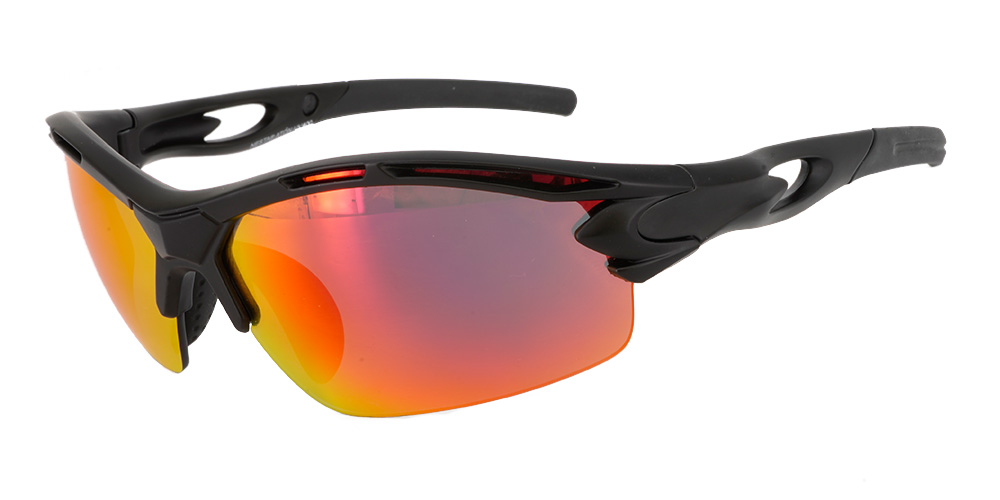
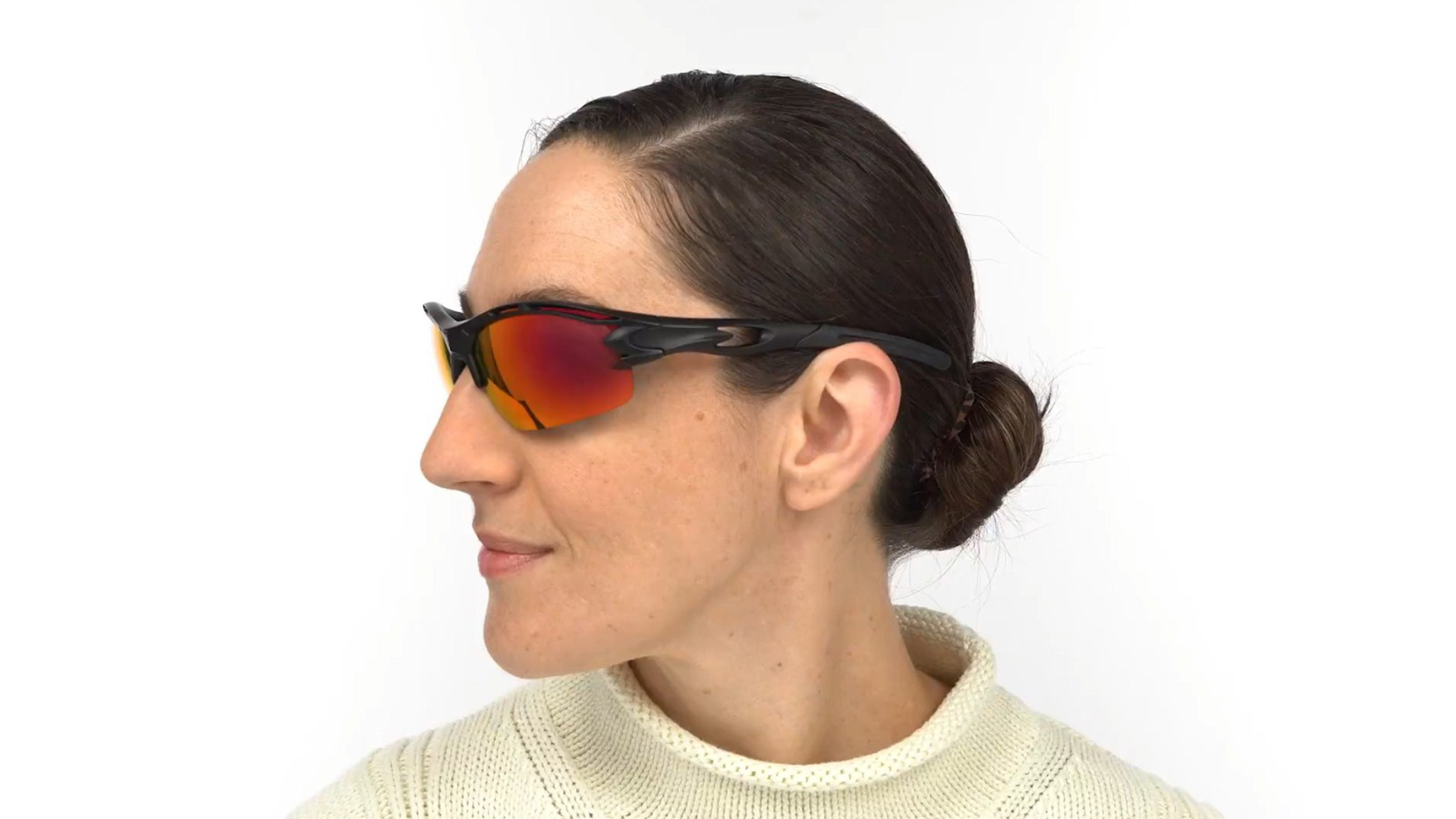
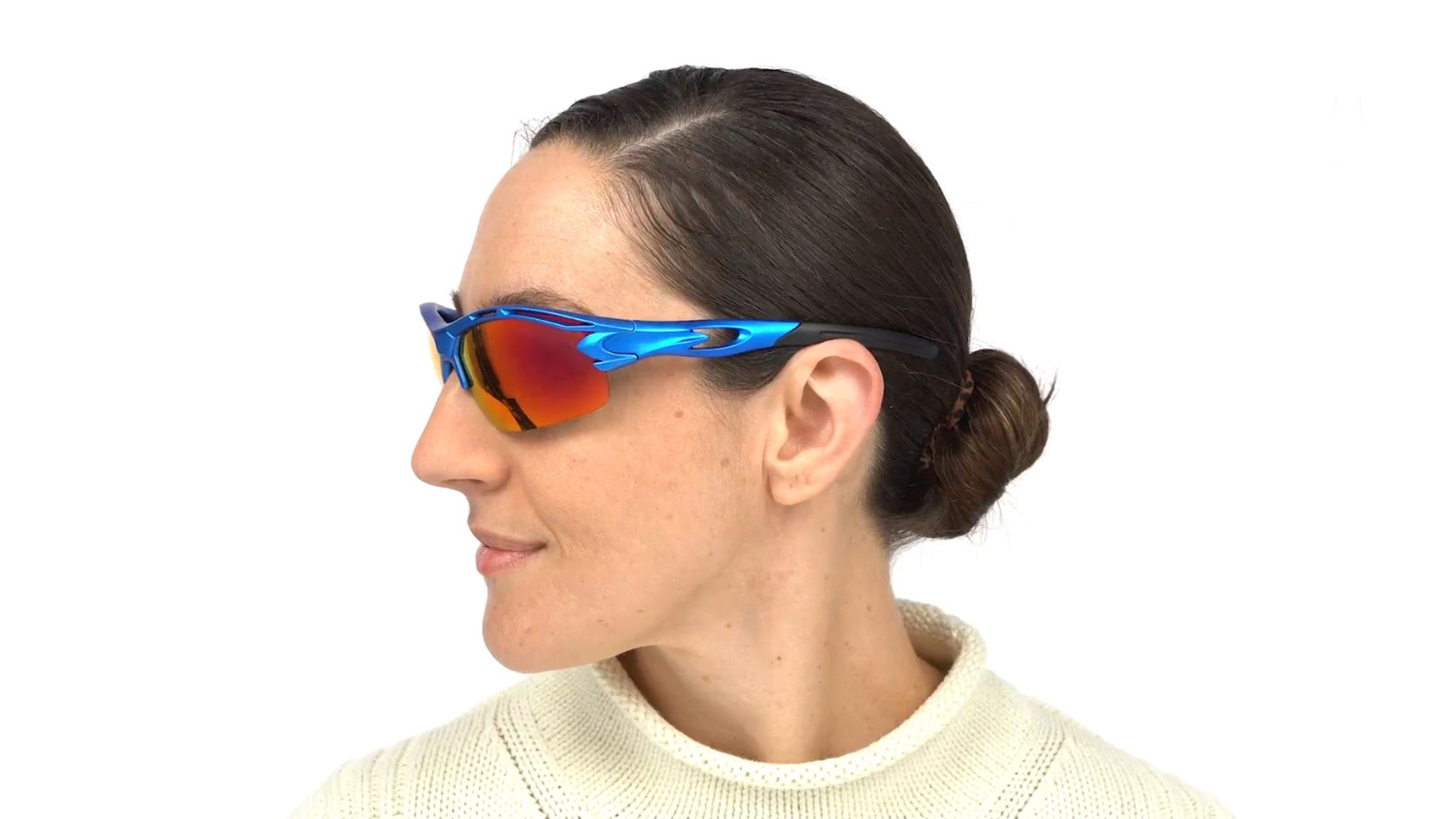
Sunglasses for volleyball need to cope with short sprints, quick turns, jumps and dives. The frame should stay secure without squeezing the temples or pressing heavily across the bridge.
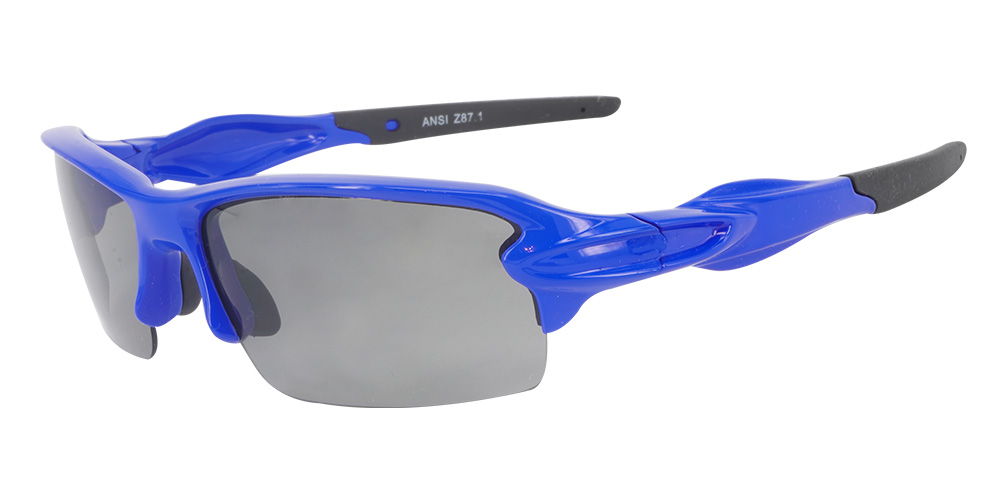
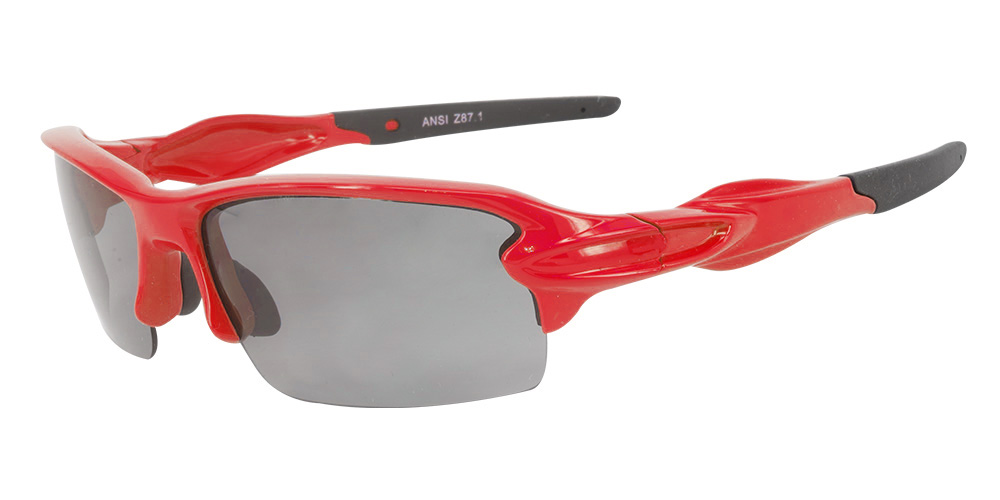
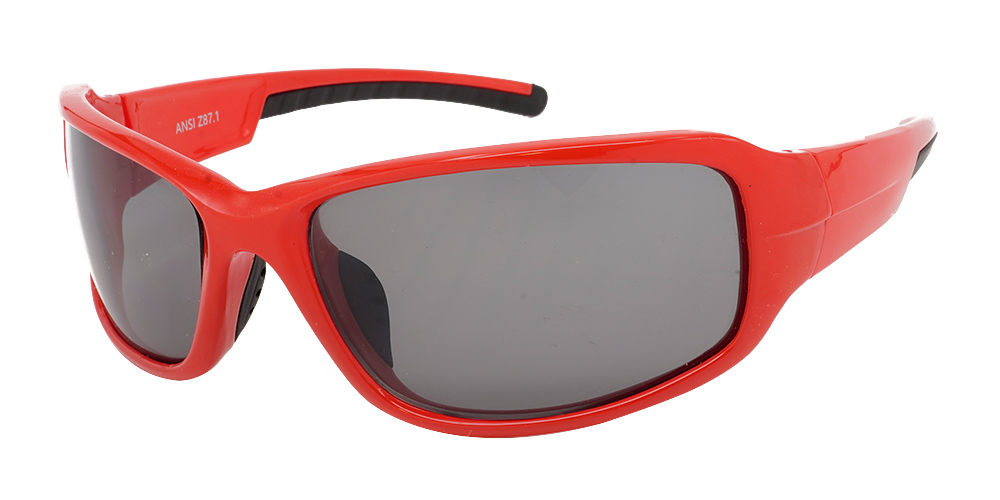
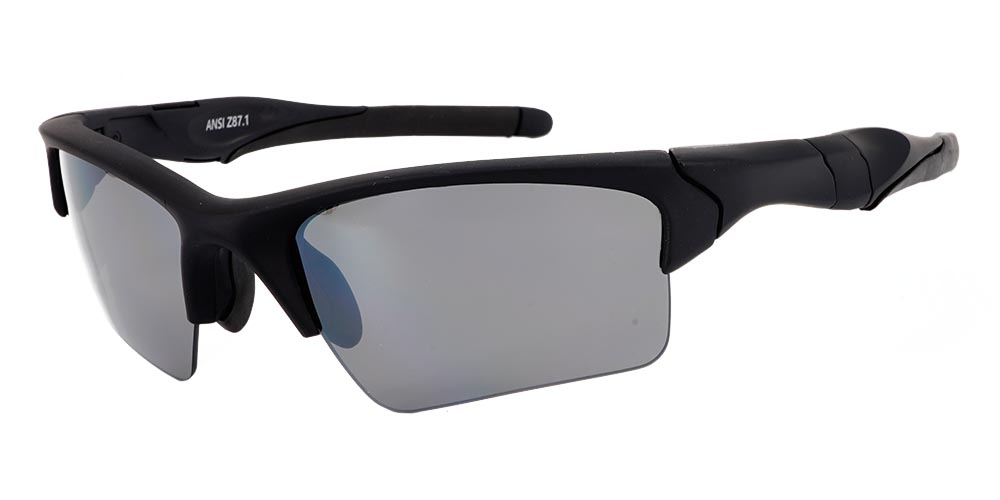
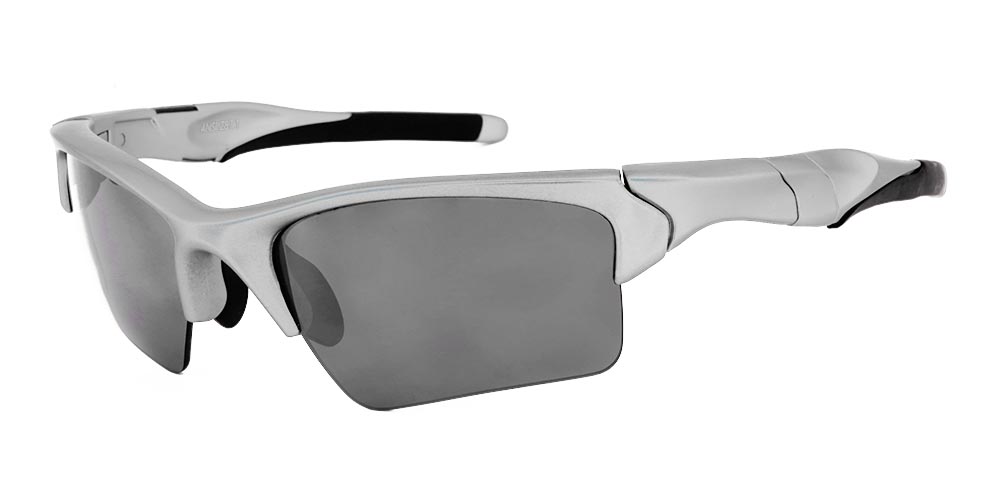
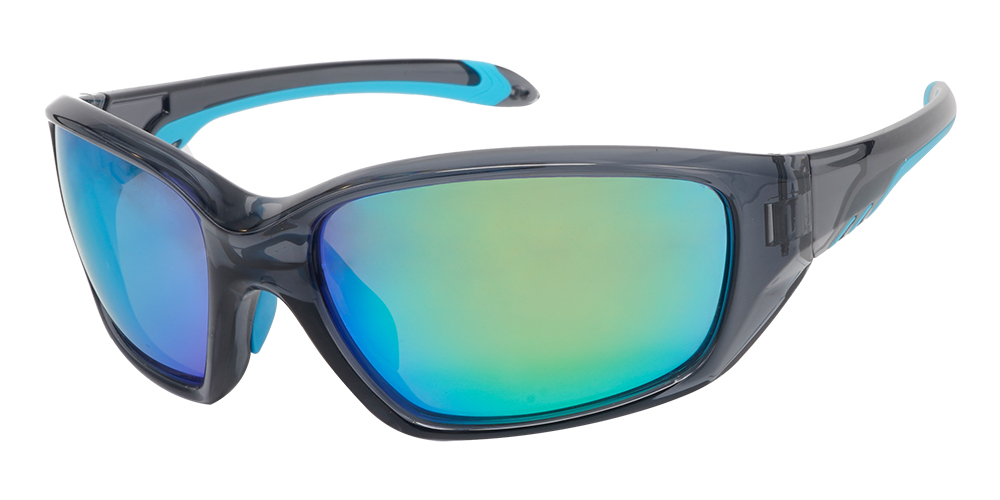
Compare the overall width, bridge shape, temple length and lens depth with glasses that already fit comfortably. Grippy nose pads and temple tips may improve stability when skin becomes warm or damp. Wraparound designs can provide useful side coverage, but thick rims should not restrict peripheral awareness.
Test the fit in a ready position. Look upwards as though tracking a set, turn towards both sidelines and make several controlled side steps. If the frame slips or bounces during this check, another size or shape may work better.
Prescription Options for Clearer Court Vision
Players who normally wear spectacles may prefer prescription volleyball sunglasses instead of relying on contact lenses during outdoor matches. Clear distance correction can help with tracking the ball, recognising teammates and judging the space around the net.
Use a current spectacles prescription and enter each eye’s values carefully. Sphere, cylinder, axis and pupillary distance may be required. Contact lens powers should not normally be copied into a glasses order because the measurements can differ.
Depending on the model, single-vision, bifocal or progressive lenses may be available. Single-vision distance lenses suit many players. Progressive wearers should consider whether the lower near area changes the view when looking down towards court lines or moving into a defensive position.
Beach Volleyball and Reflected Glare
Beach volleyball creates extra brightness because sunlight reflects from pale sand as well as arriving from above. Polarised lenses can reduce reflected glare and make long periods in open conditions feel more comfortable.
Polarisation is separate from ultraviolet filtering and lens tint. A dark or mirrored lens is not automatically polarised, and a polarised lens is not automatically suitable protective eyewear. Check the exact product information rather than judging by appearance alone.
Managing Sweat, Heat and Fog
Warm conditions and repeated movement can cause sunglasses to slide or mist. Ventilation and anti-fog treatments may help, although no lens remains perfectly clear in every environment.
Keep vents clean and use products intended for coated sports lenses. Avoid wiping the inner surface with a shirt, towel or sandy hand. If sweat or fog blocks your view, move safely away from play before cleaning or adjusting the frame.
What to Compare Before Ordering
Before choosing volleyball sunglasses, consider:
- Your normal playing surface and time of day.
- Frame stability during jumps, turns and dives.
- Lens tint and stated ultraviolet information.
- Prescription compatibility where required.
- Ventilation and anti-fog features.
- Comfort with caps, visors or headbands.
- A protective case for travel and storage.
Cleaning and Storing Volleyball Sunglasses
Rinse away dust, sand, sweat and sunscreen before wiping. Use suitable lens cleaner and a clean microfibre cloth rather than tissues, clothing or household sprays.
Store the sunglasses in a protective case instead of leaving them loose in a sports bag with bottles, footwear or equipment. Inspect the hinges, nose pads and temple tips regularly. Replace eyewear that becomes cracked, deeply scratched, distorted or unable to remain secure during movement.