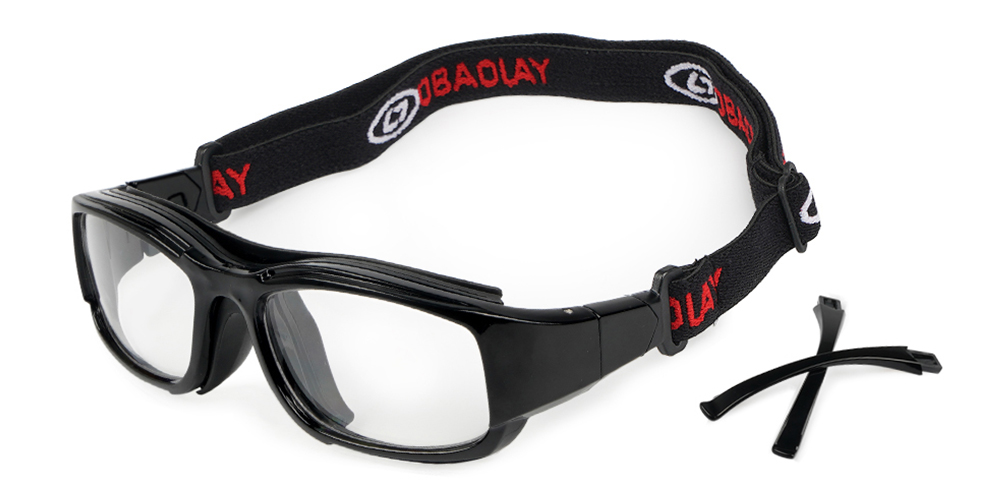
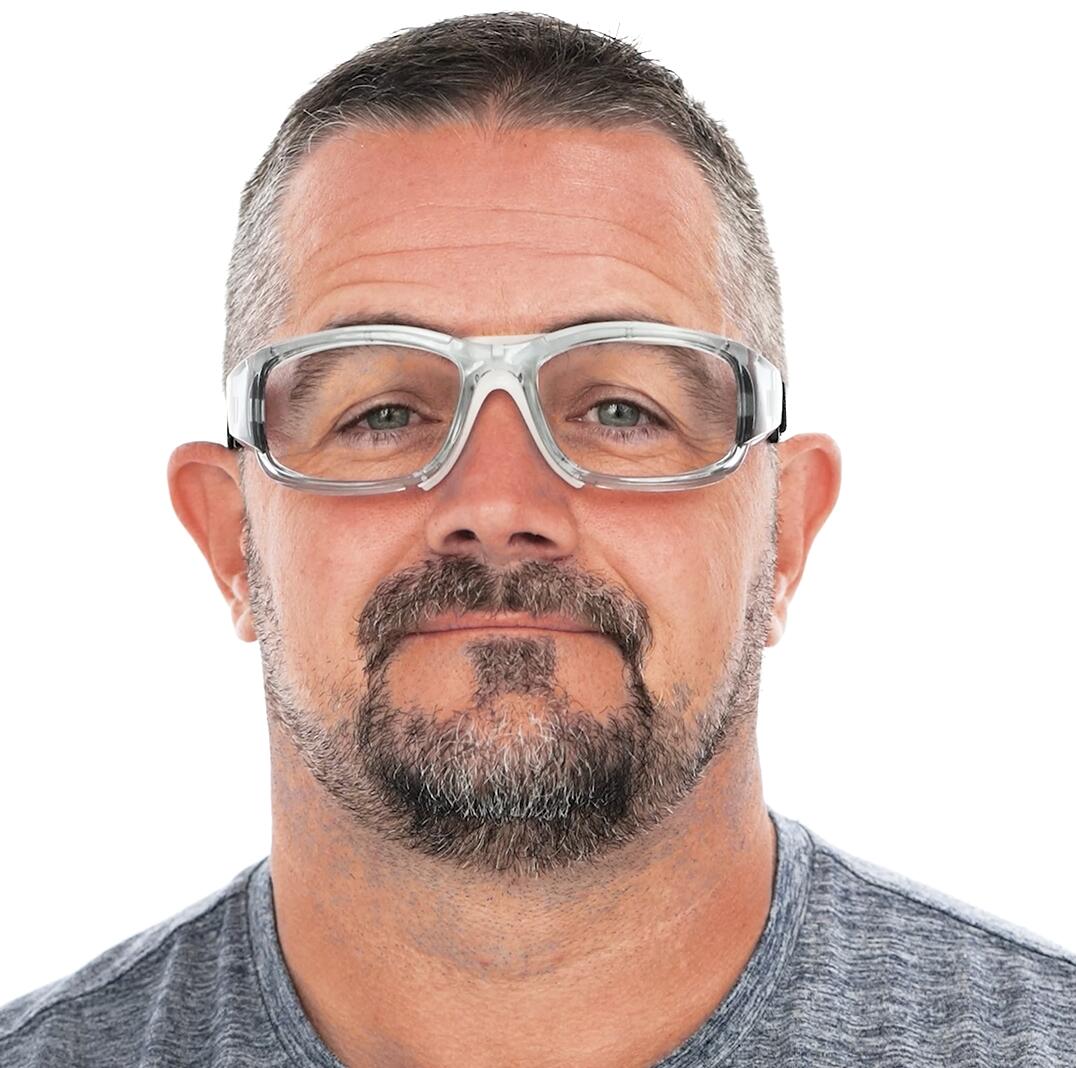
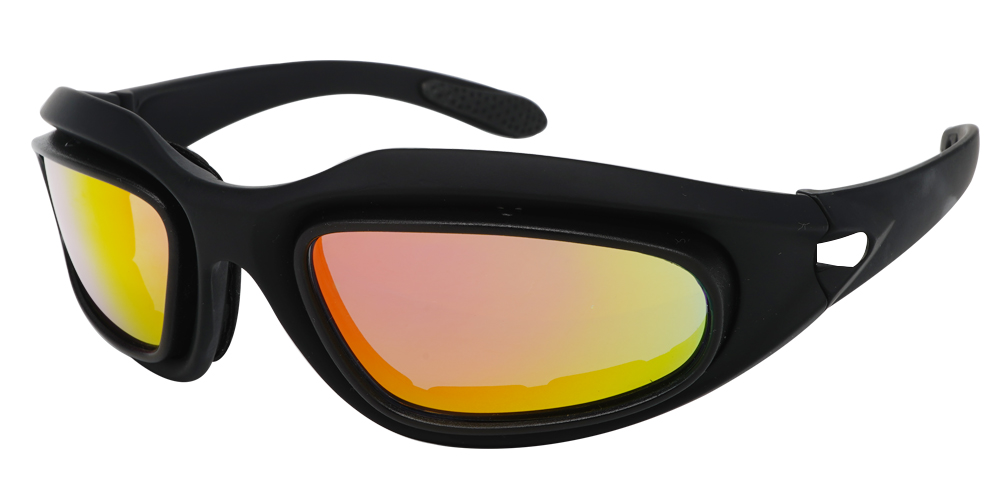
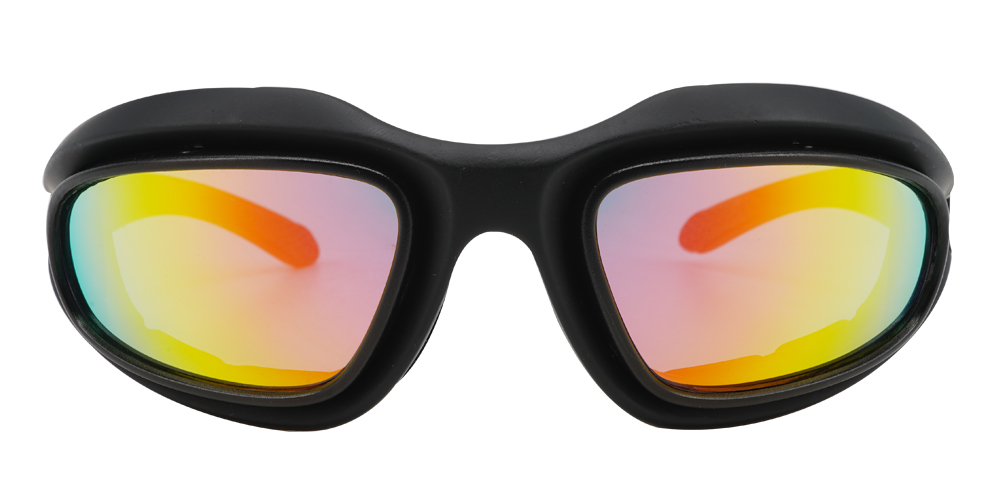
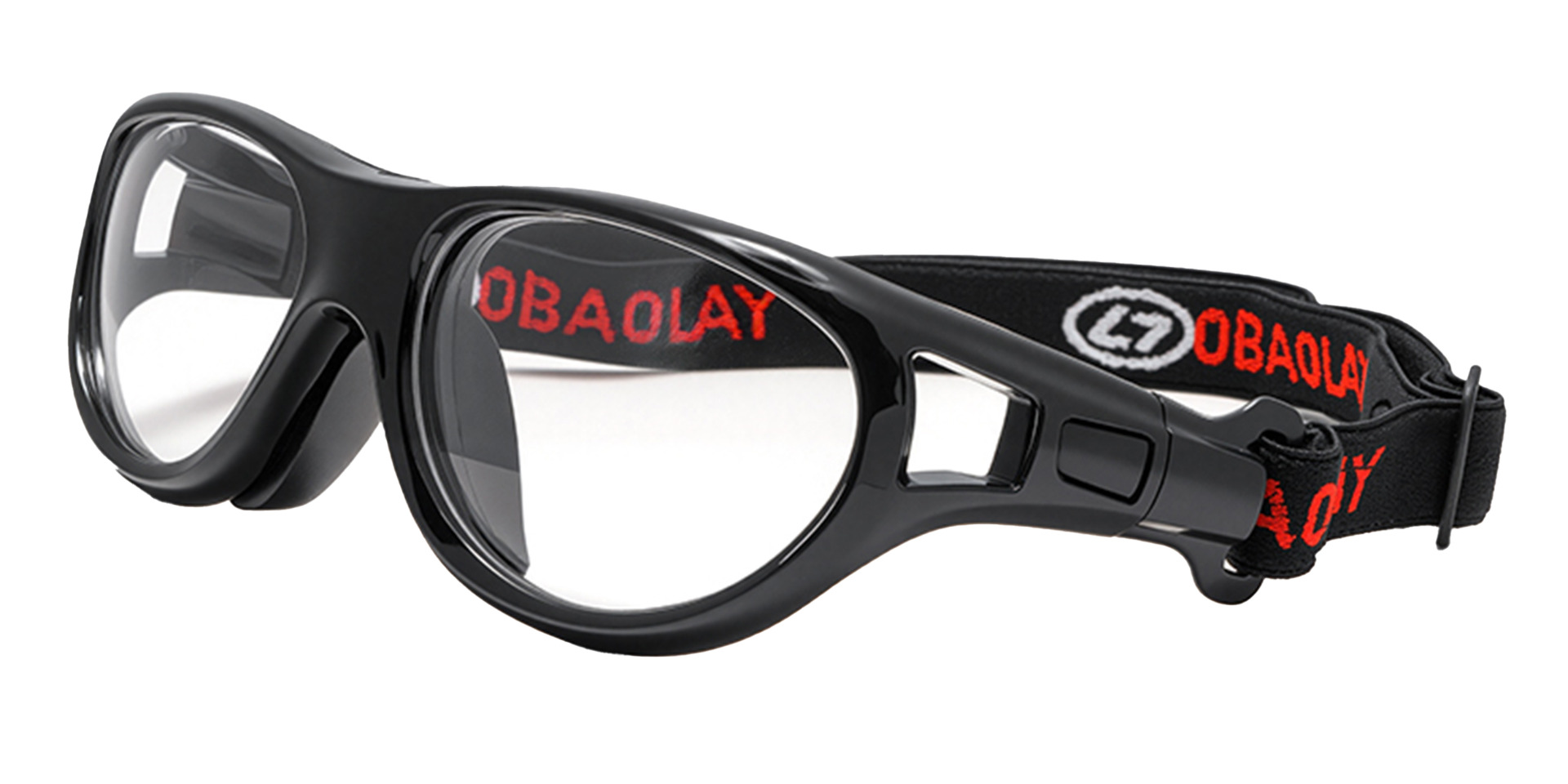
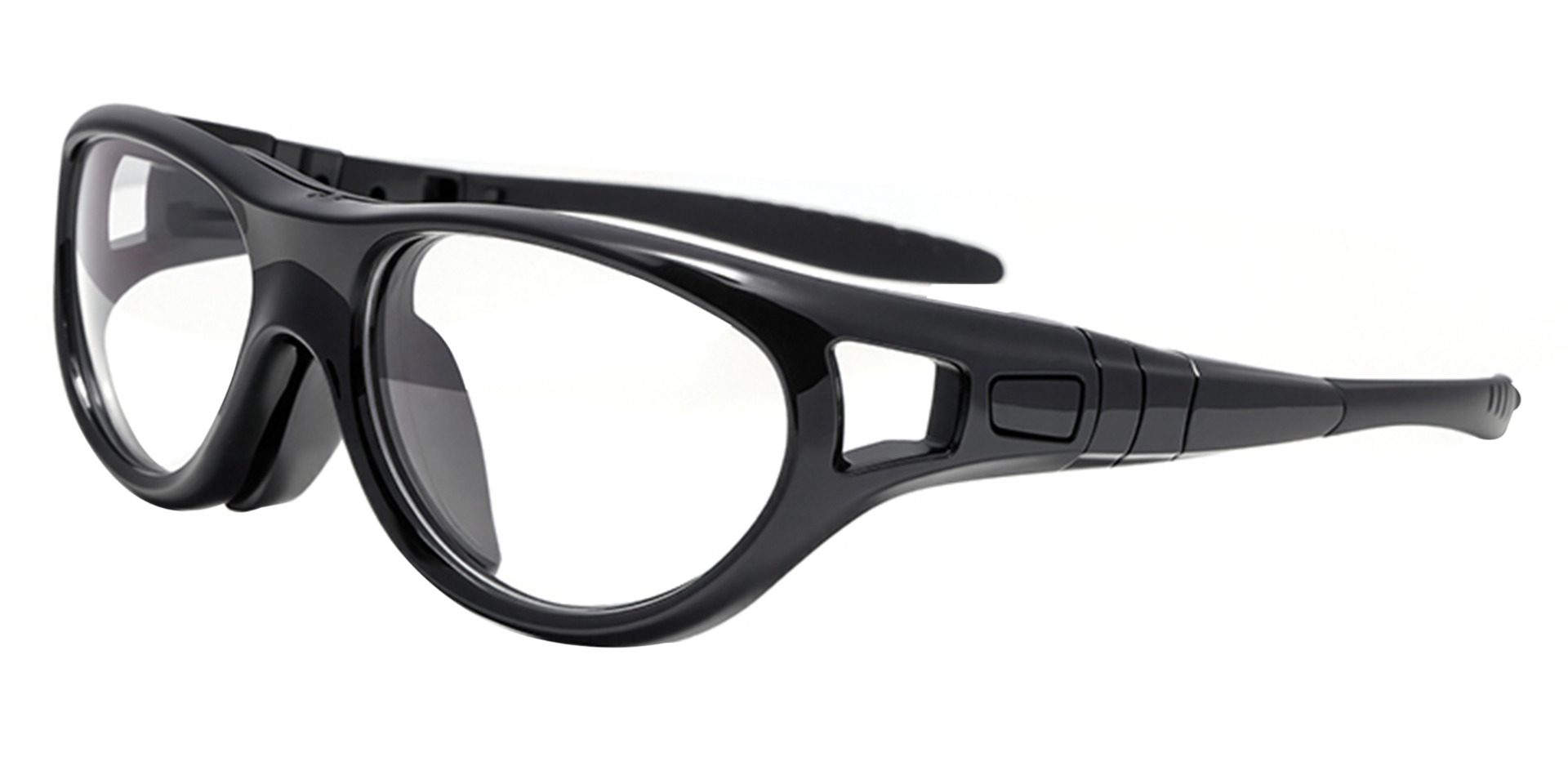
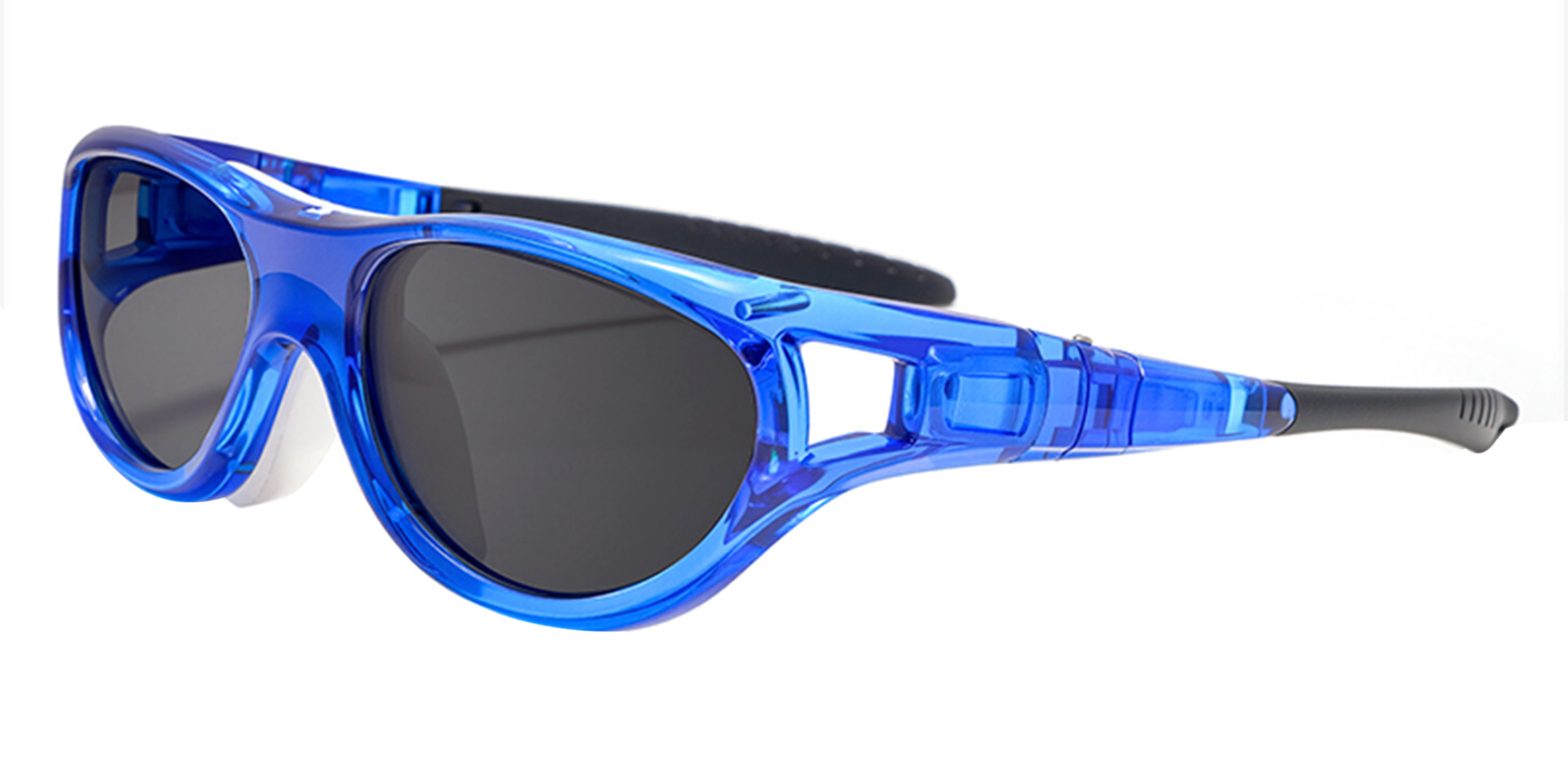
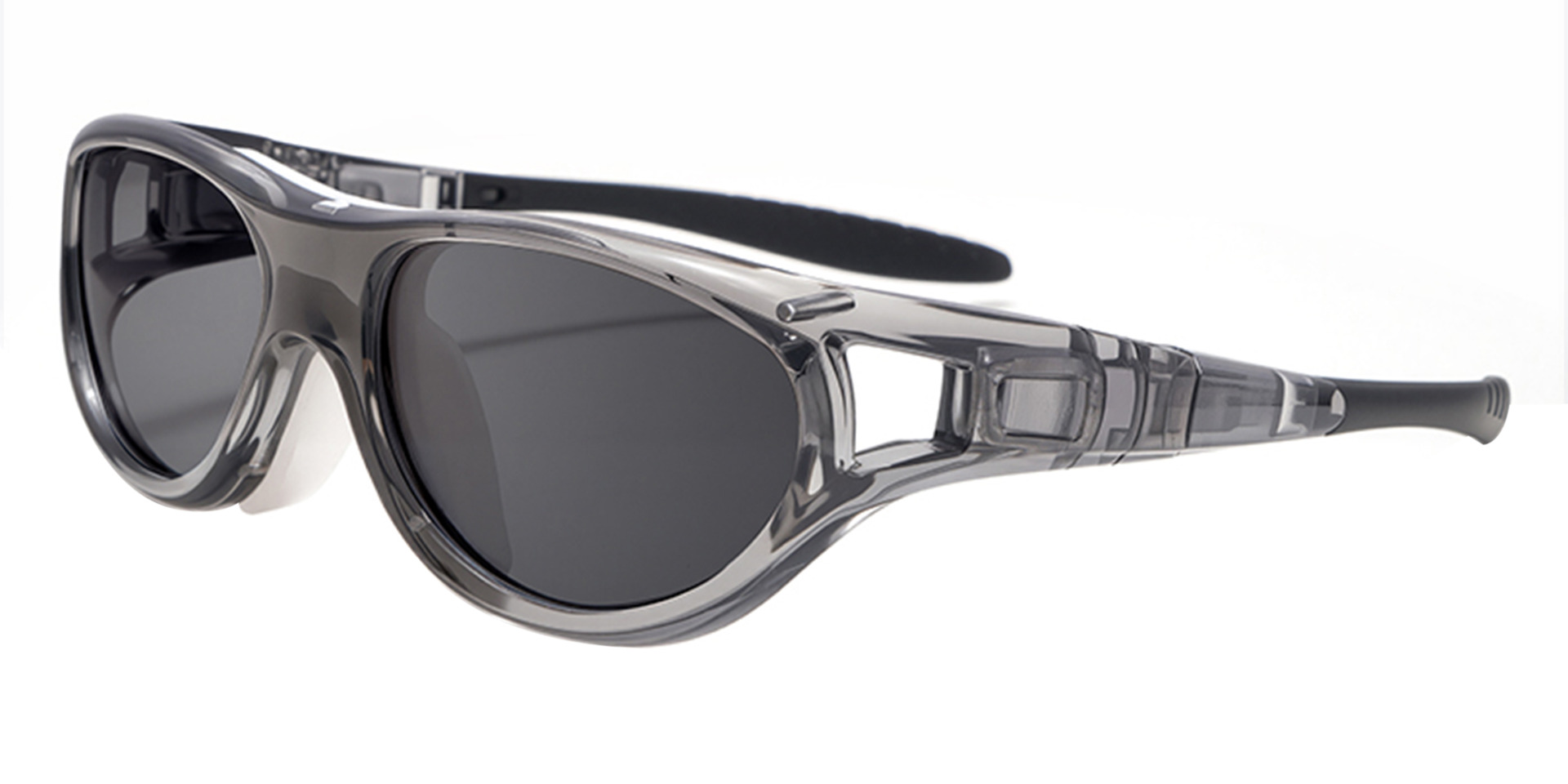
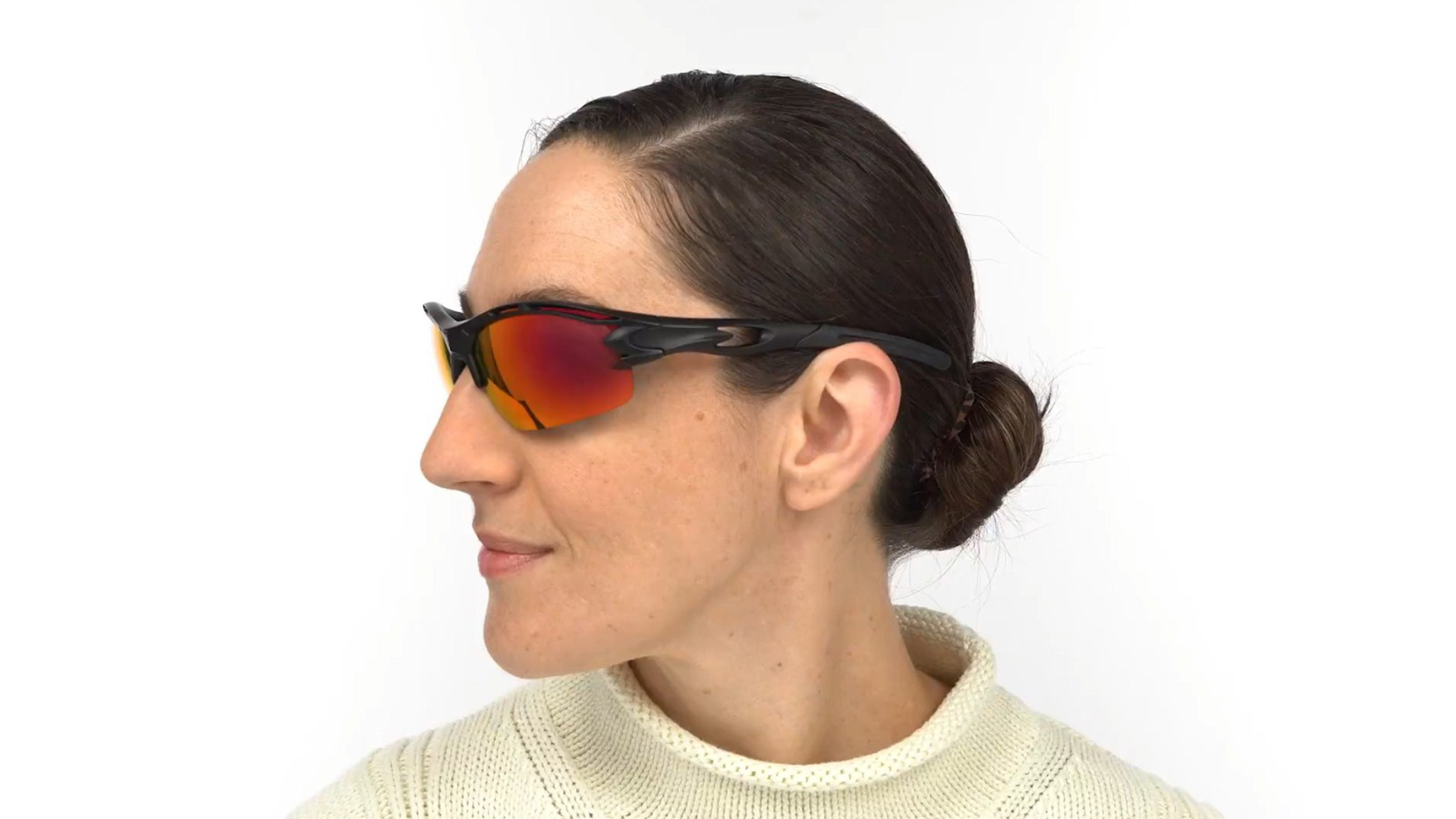
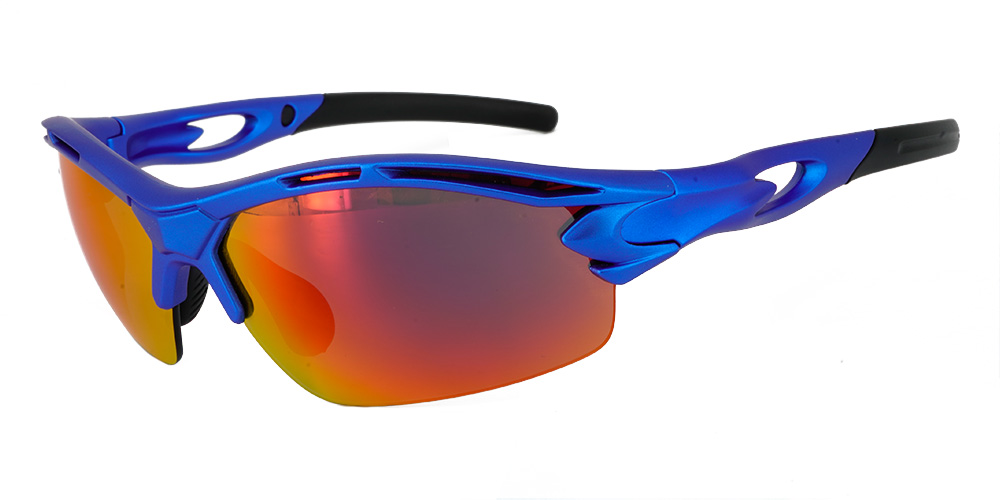
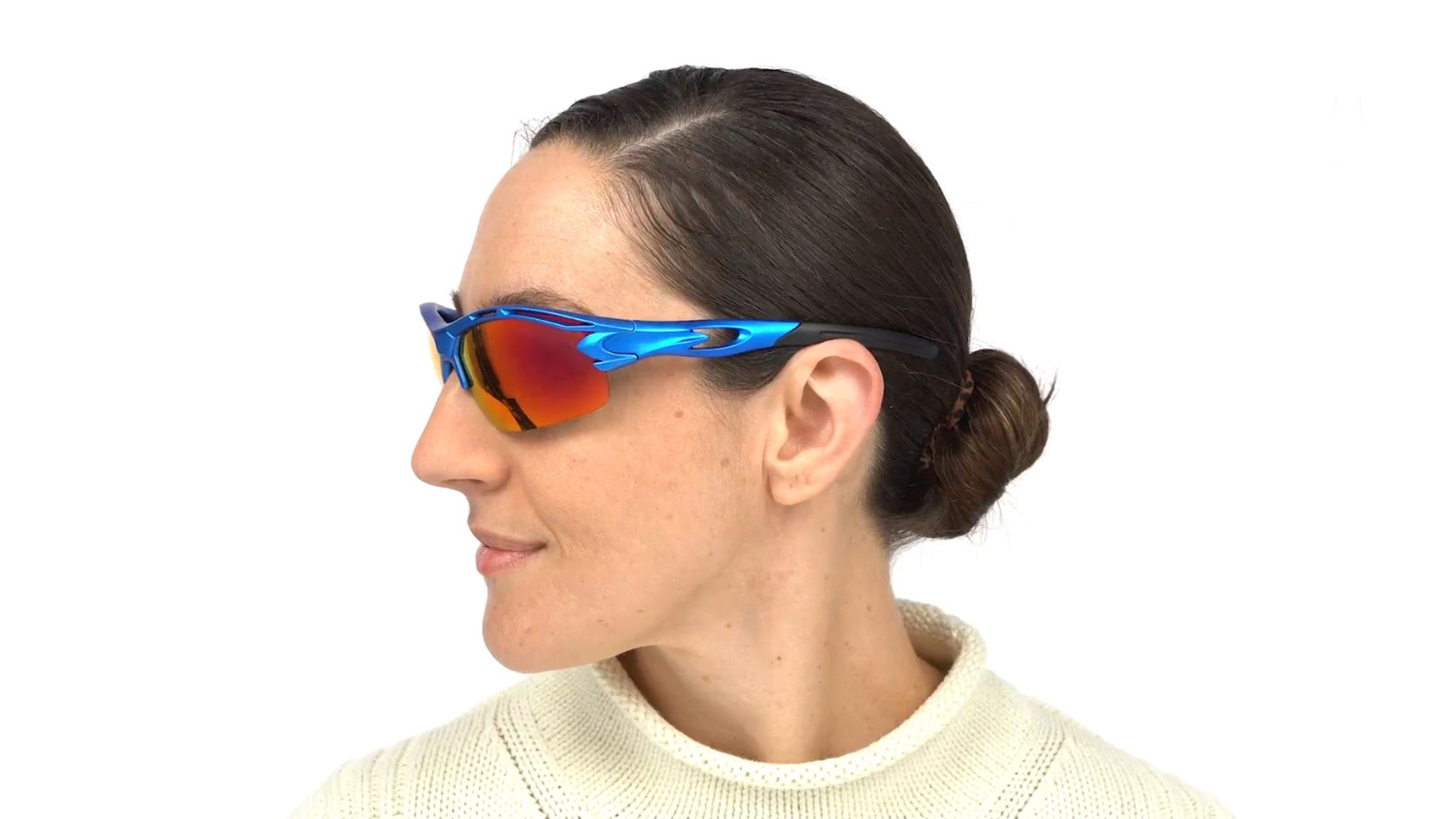
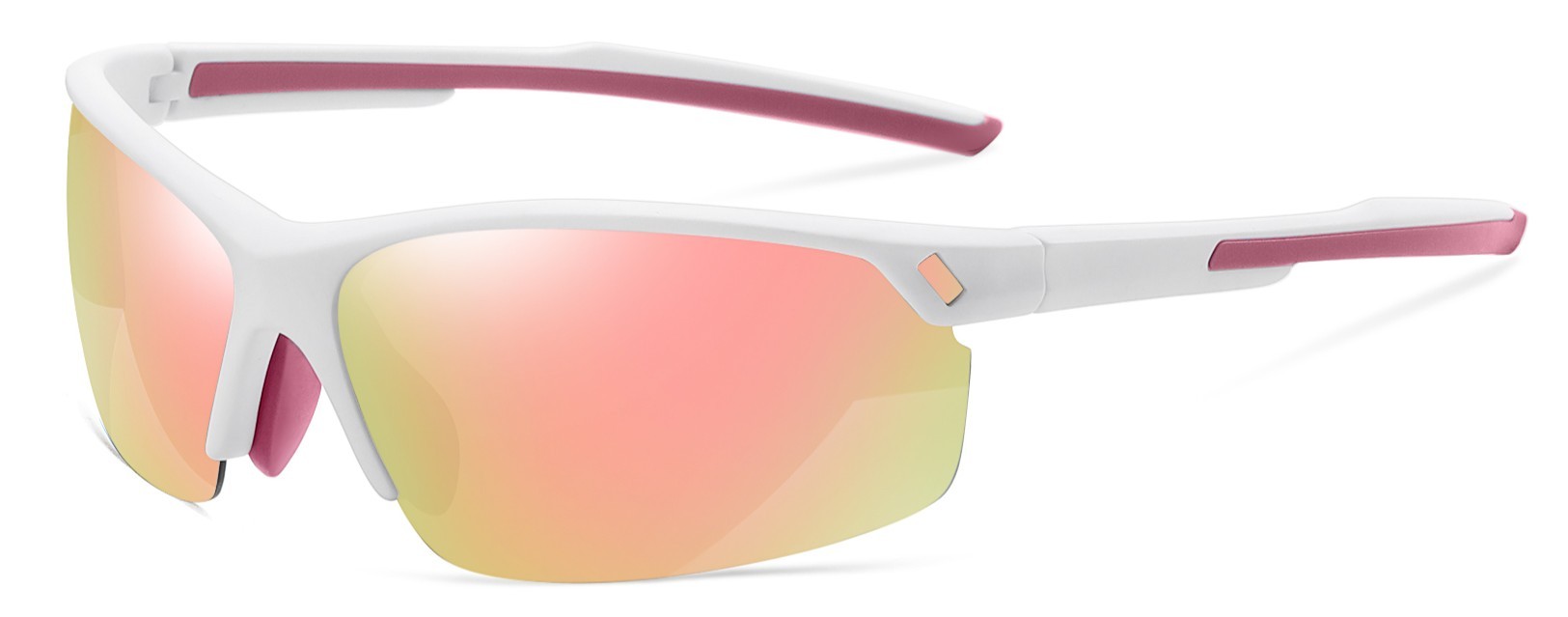
One Pair for the Bike and Run
Triathlon eyewear faces two different types of movement. On the bike, it meets constant airflow, road spray and a lowered head position. During the run, repeated impact and sweat test whether it stays stable without feeling tight.
The right pair should work across both disciplines without constant adjustment.
Start with Stability
A secure fit matters more than a dramatic shape. Triathlon sunglasses should remain level when you look down at the road, check another rider or settle into your running rhythm.
Before ordering, compare:
- Frame width: The front should sit securely without squeezing your temples.
- Bridge fit: Nose pads should grip comfortably on warm or damp skin.
- Temple design: The arms must work with your helmet and remain steady while running.
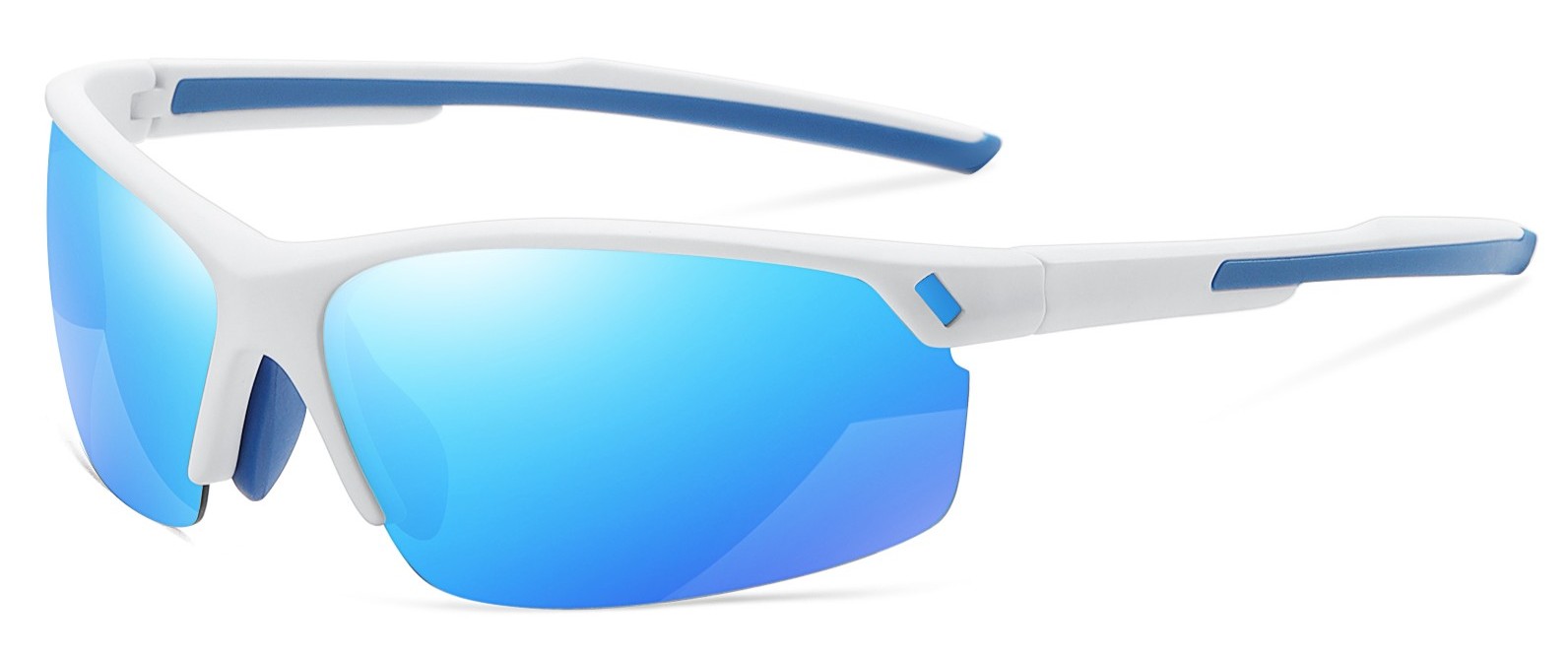
- Lens coverage: A broad lens can reduce side light, wind and debris.
- Frame weight: Lighter eyewear may feel less noticeable during long events.
- Ventilation: Airflow can help manage heat and moisture.
- Peripheral view: Rims should not obstruct riders, junctions or course markers.
Test them with your helmet before race day.
Choosing Lenses for Changing Conditions
A race may begin in cool light and finish in strong sun, moving between open roads and shaded sections.
Grey lenses reduce brightness while keeping colours neutral. Brown or bronze lenses add warmth and may make road detail feel more defined. Rose or amber tints can support perceived contrast in flatter light.
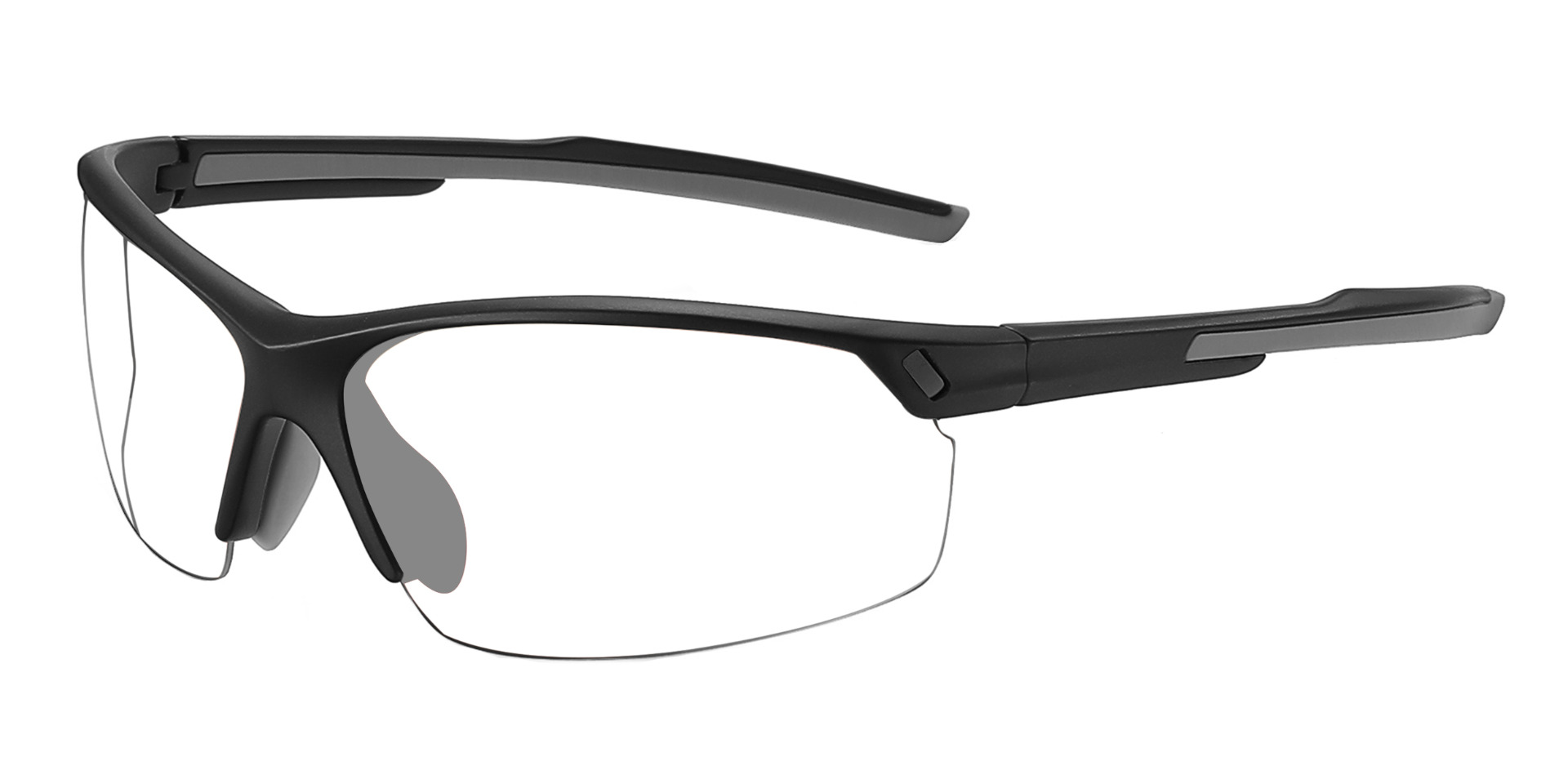
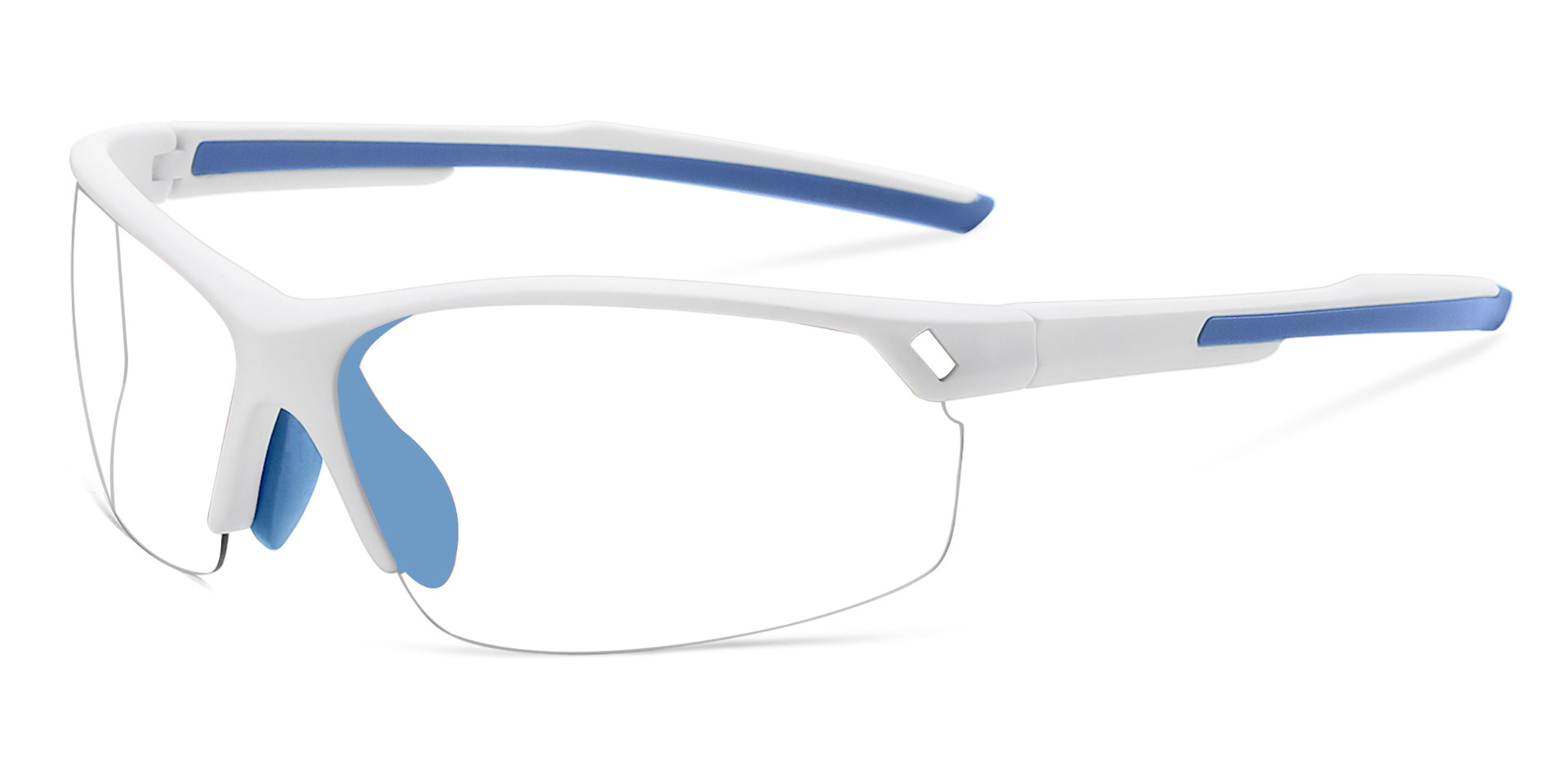
Photochromic lenses change tint as ultraviolet exposure varies. They can suit mixed conditions, although they do not react instantly and performance differs by temperature and lens design.
Polarised lenses reduce reflected glare from wet roads and water, but may affect bike computers, watches or navigation displays. Test screens before competition.
Prescription Triathlon Sunglasses
Athletes who normally wear spectacles may prefer prescription triathlon sunglasses rather than relying on contact lenses through the event.
The prescription may be glazed directly into the lenses or fitted through an optical insert. An insert may allow the outer shield to change.
Use a current prescription and enter each eye’s values carefully. Pupillary distance may also be required. Contact lens powers should not normally be copied because the measurements can differ.
Highly curved frames can have tighter optical limits. Strong prescriptions, prism or higher astigmatism may reduce available choices, so check the stated range before ordering.
What Happens After the Swim?
Wet skin and a hurried transition can make eyewear harder to handle. Place the sunglasses where they are easy to reach without leaving them loose among shoes, nutrition and other equipment.
Grippy contact points may sit more securely on damp skin. Wipe larger water drops with a clean lens cloth rather than a towel carrying sand or grit.
Practise putting on the glasses and helmet in your transition order. This reduces the chance of dropping or bending the frame.
Managing Fog, Sweat and Rain
Warm skin meeting cool lenses can cause mist during early starts, climbs or pauses. Ventilation and anti-fog treatments may help, although no pair stays perfectly clear in every condition.
Keep vents free from sunscreen, salt and dirt. Use products made for coated sports lenses, and avoid rubbing the inner surface with clothing or dirty gloves.
If rain or sweat obscures your view, slow down or stop somewhere safe before cleaning the lenses.
Finding the Best Sunglasses for Triathlon
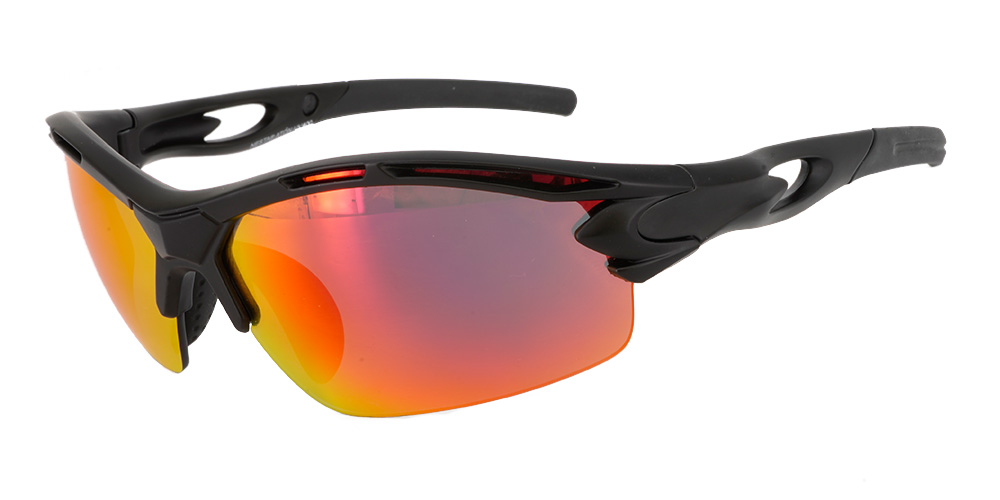
The best sunglasses for triathlon are not necessarily the darkest, lightest or most expensive. They are the pair that works with your helmet, suits the expected light and remains comfortable through the bike and run.
Before deciding, consider:
- Your race distance and expected time outdoors.
- Whether the course is exposed, wooded, coastal or urban.
- The light at your start time.
- Compatibility with your helmet, visor and electronics.
- Prescription needs and available lens systems.
- Ease of handling in transition.
- Replacement lenses, case and care requirements.
Test new eyewear during training rather than saving it for race morning.
Cleaning and Packing Your Eyewear
Rinse away dust, salt and road grit before wiping. Use suitable lens cleaner and a clean microfibre cloth. Avoid paper towels, clothing and household sprays.
Store the glasses in a protective case between sessions. Before an event, inspect the lenses, hinges, nose pads and temple grips. Replace eyewear that is cracked, badly scratched, distorted or unable to remain secure.