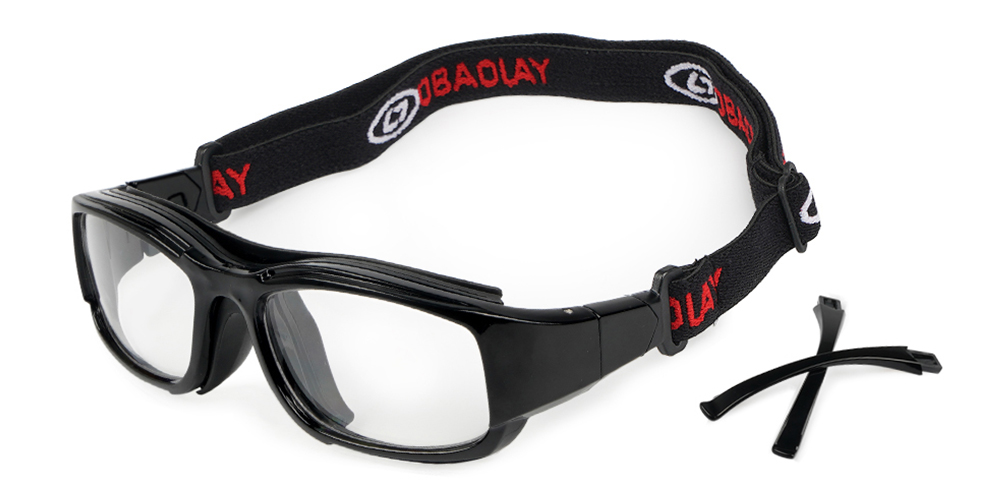
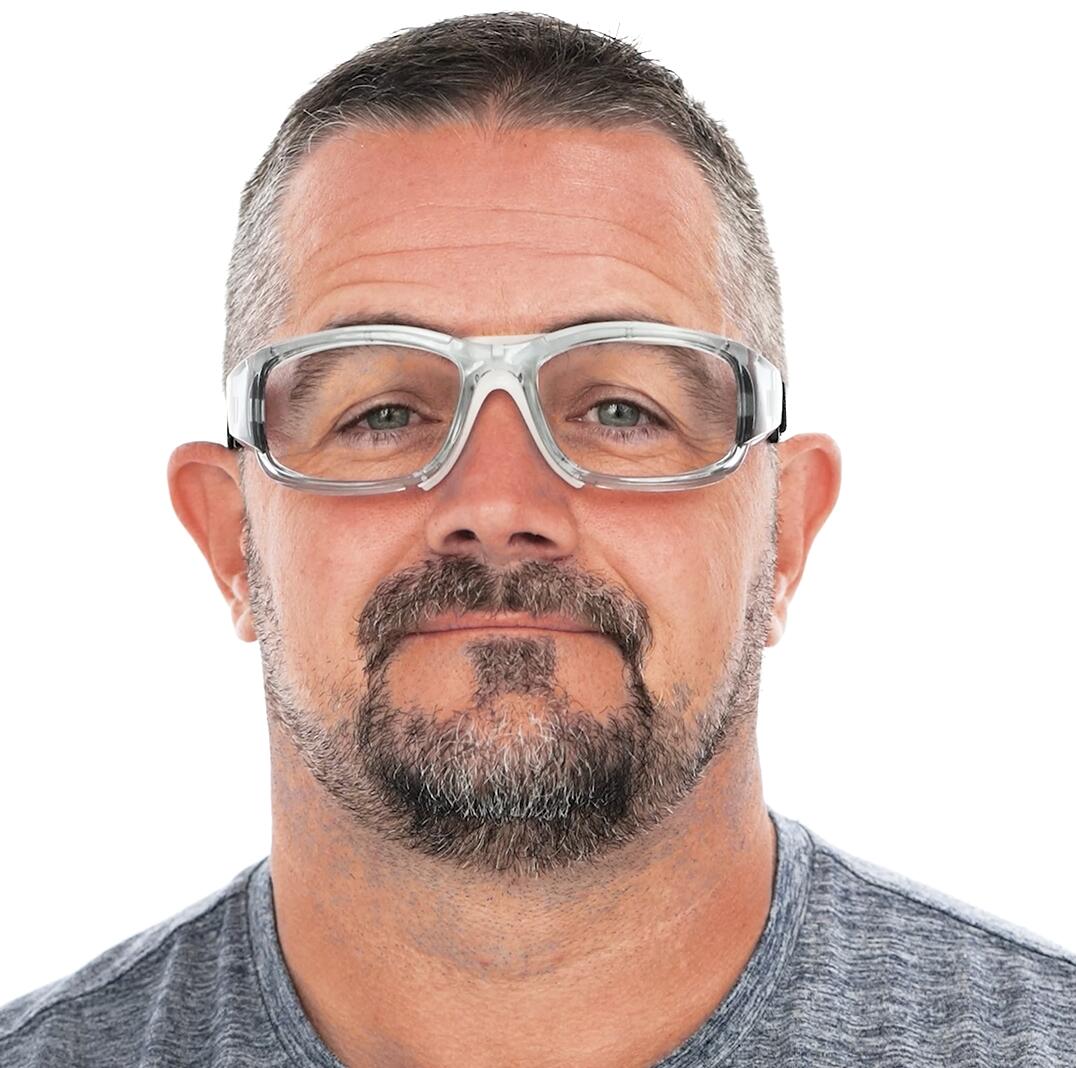
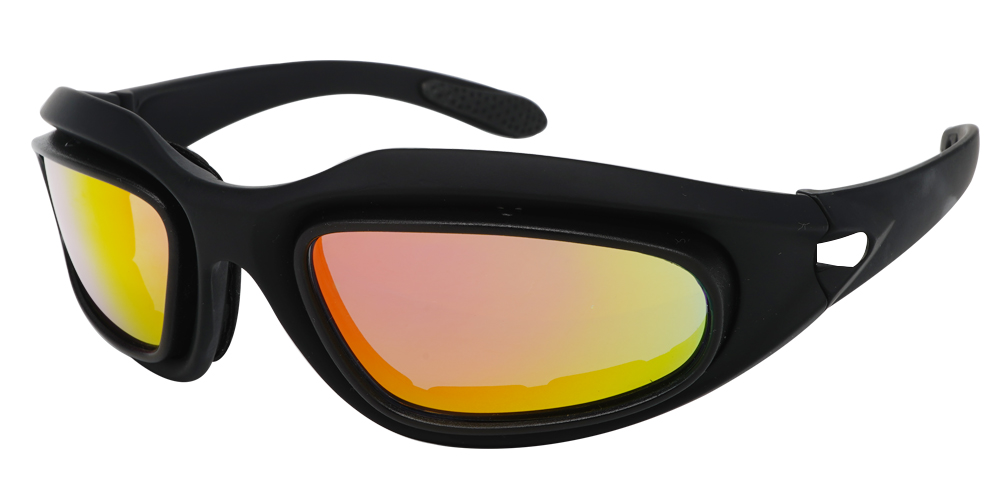
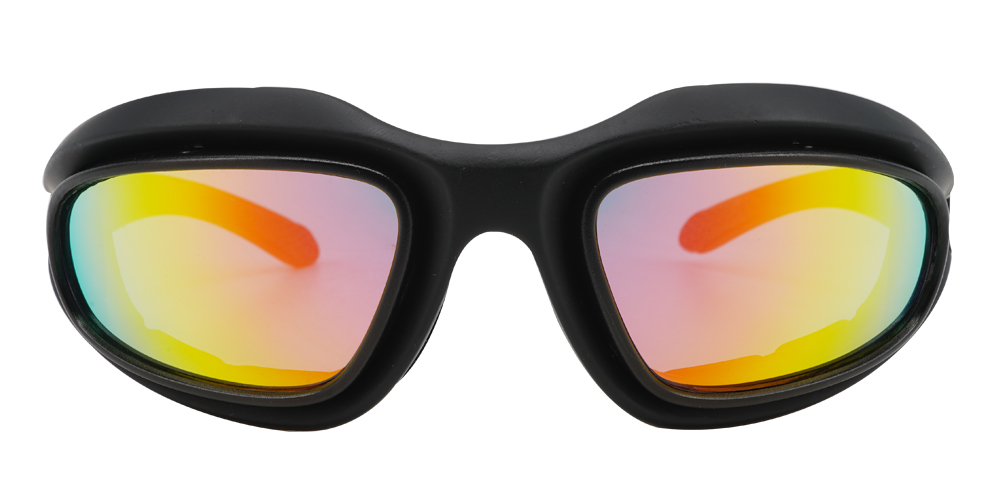
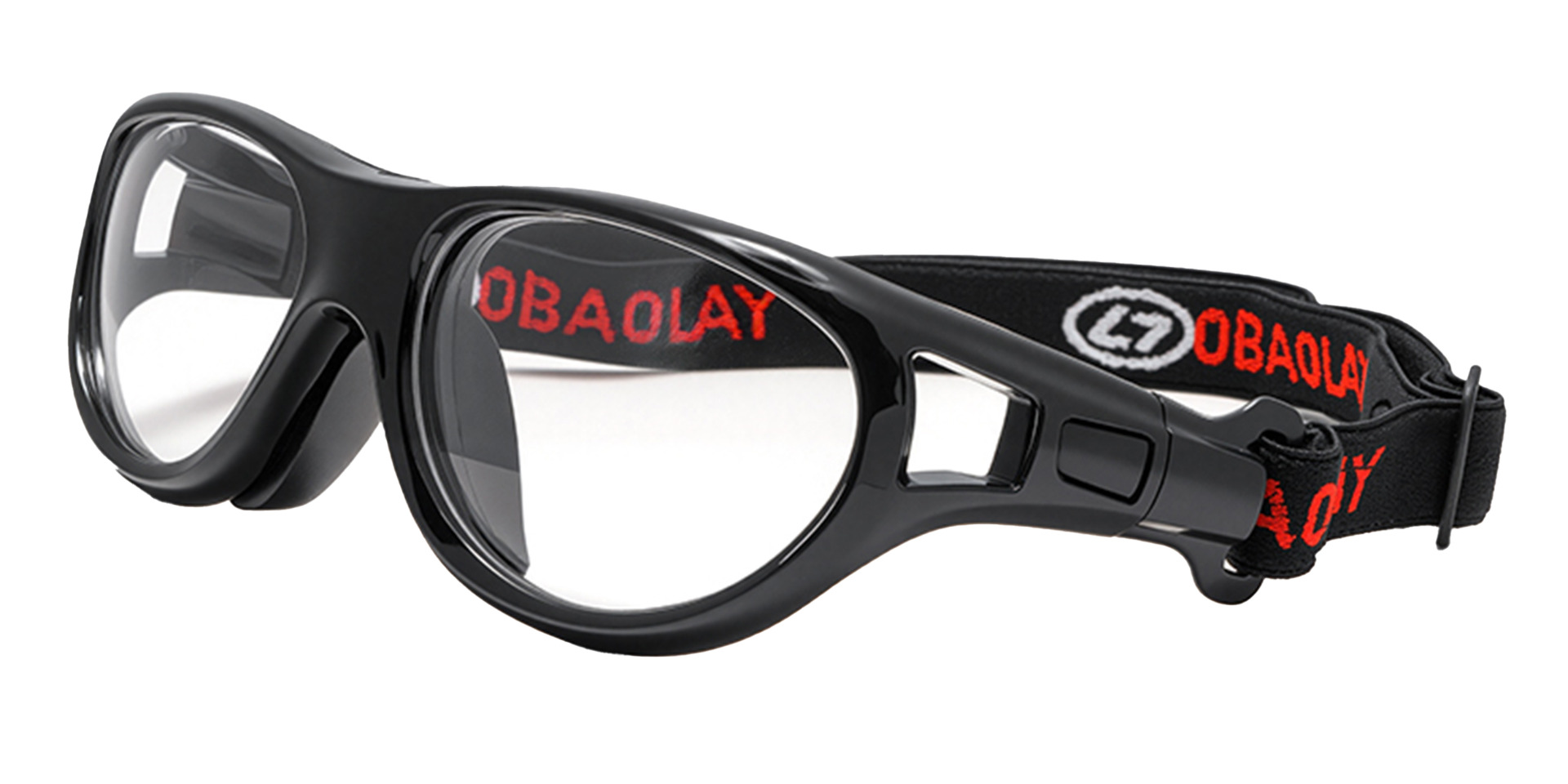
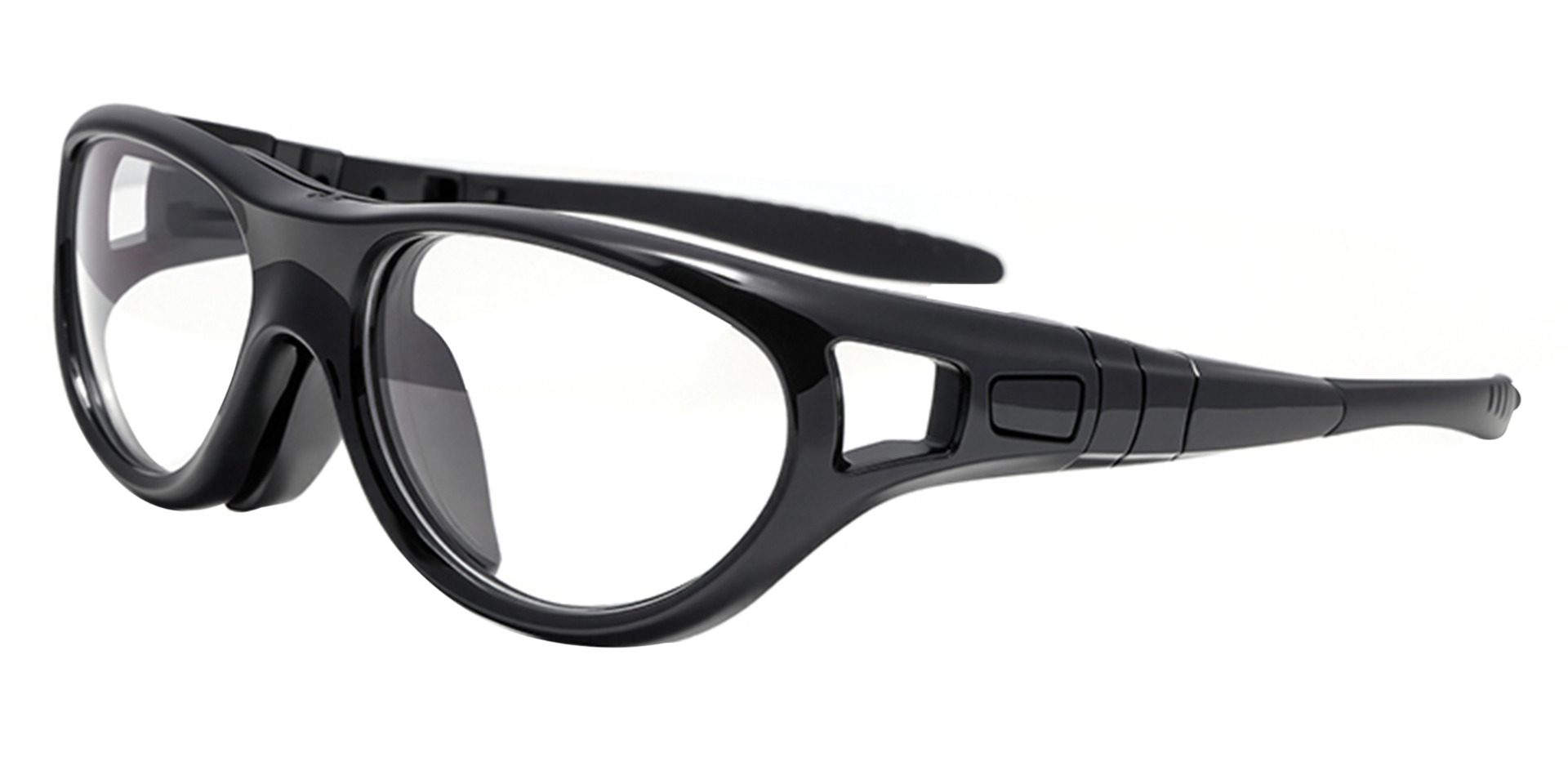
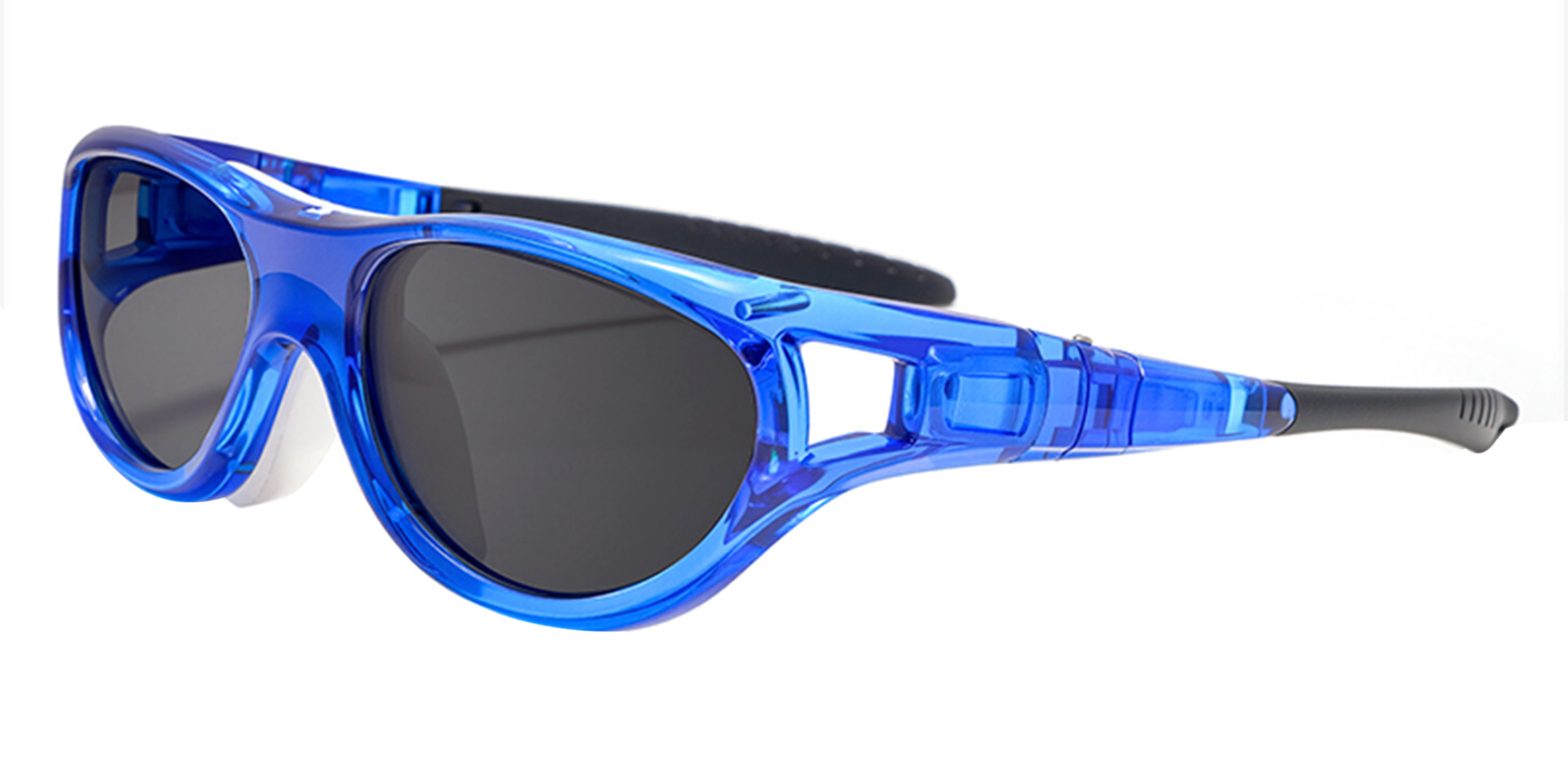
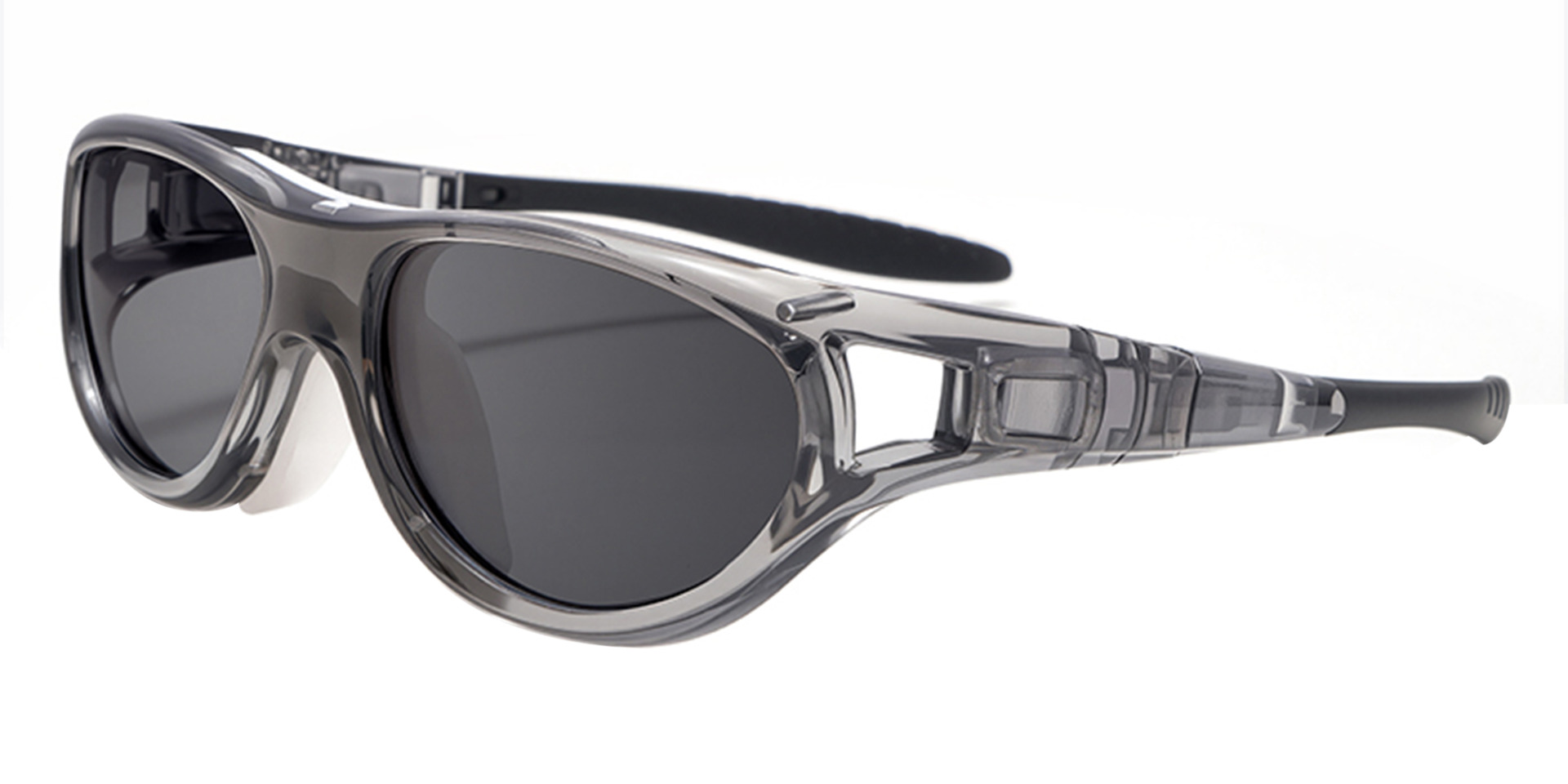
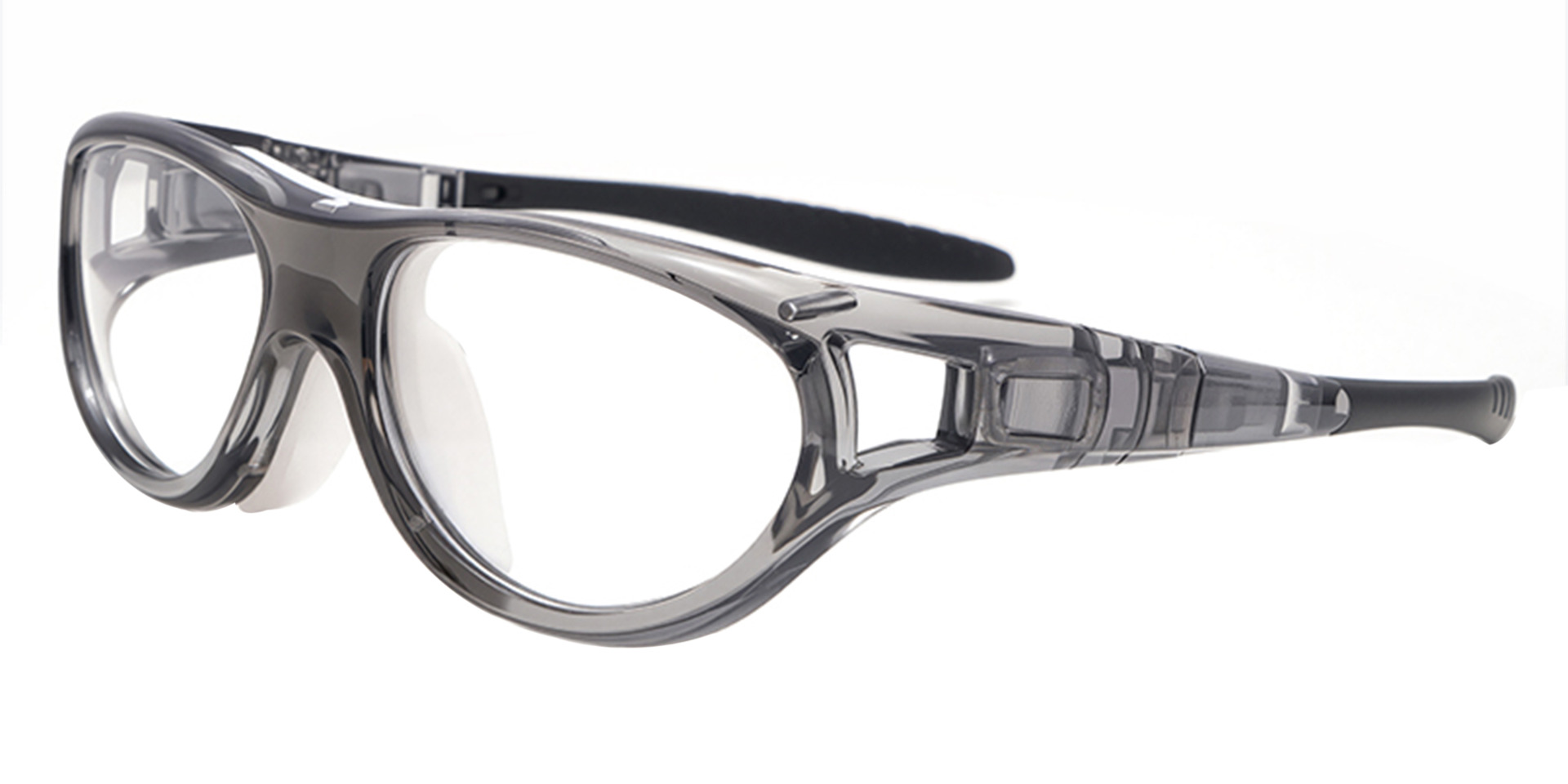
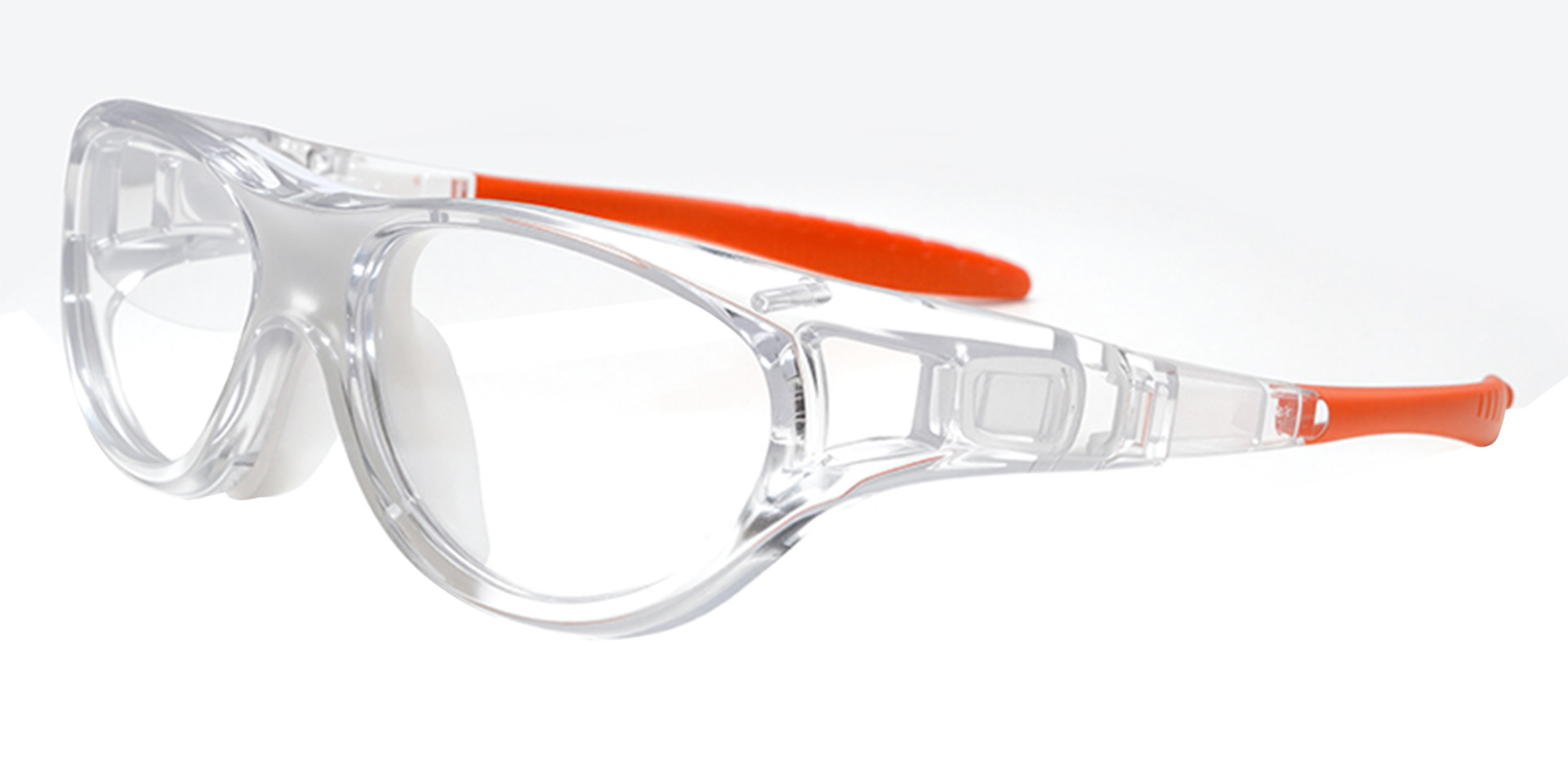
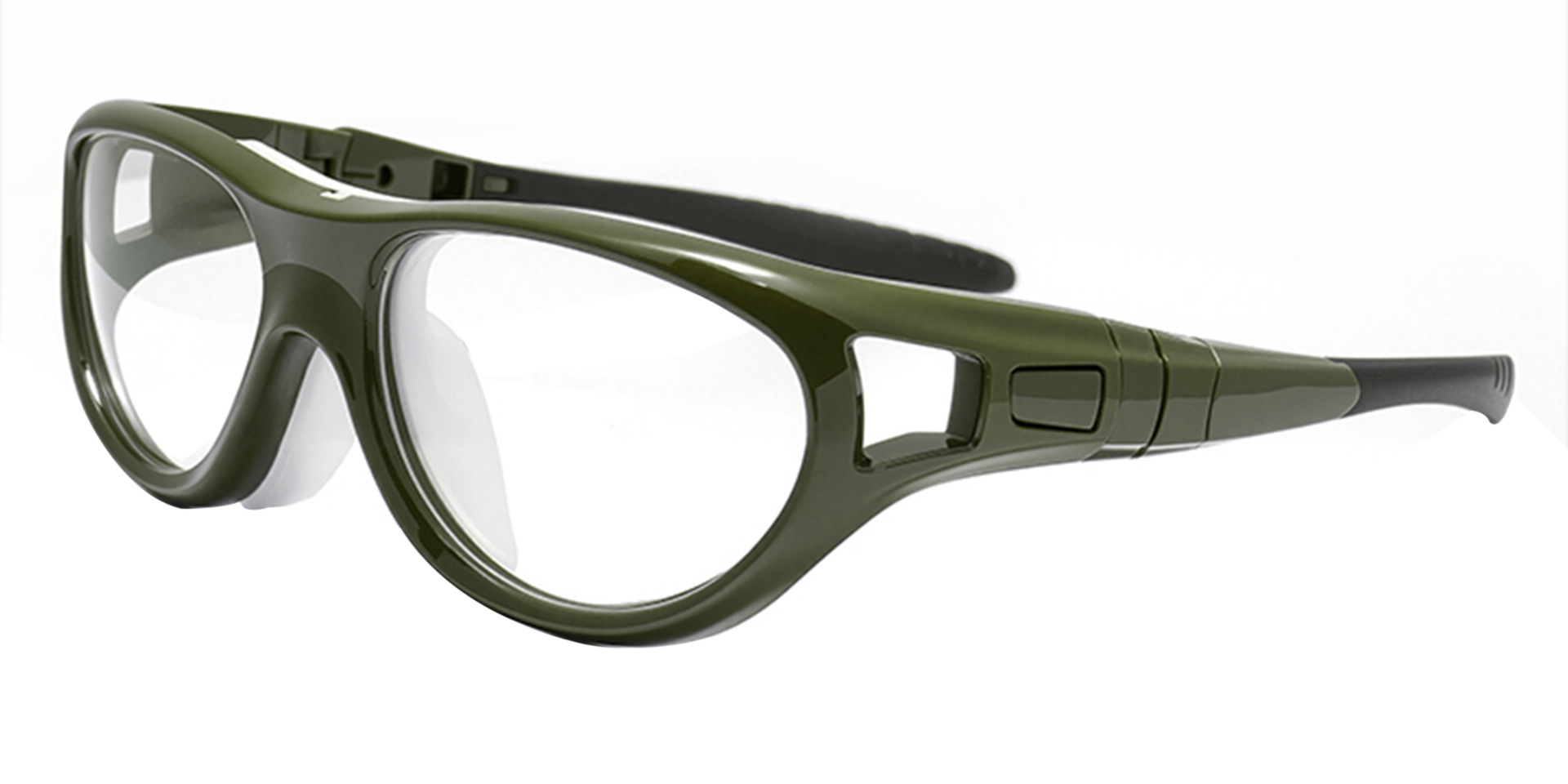
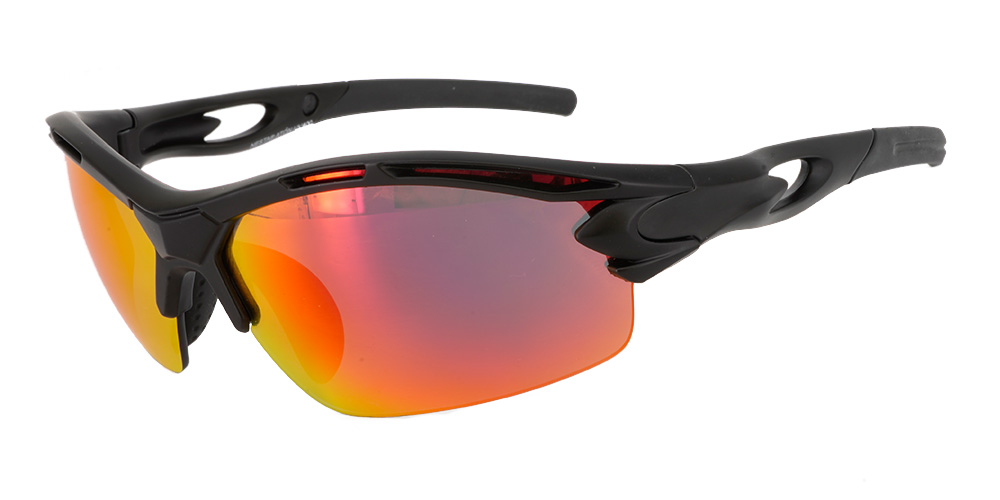
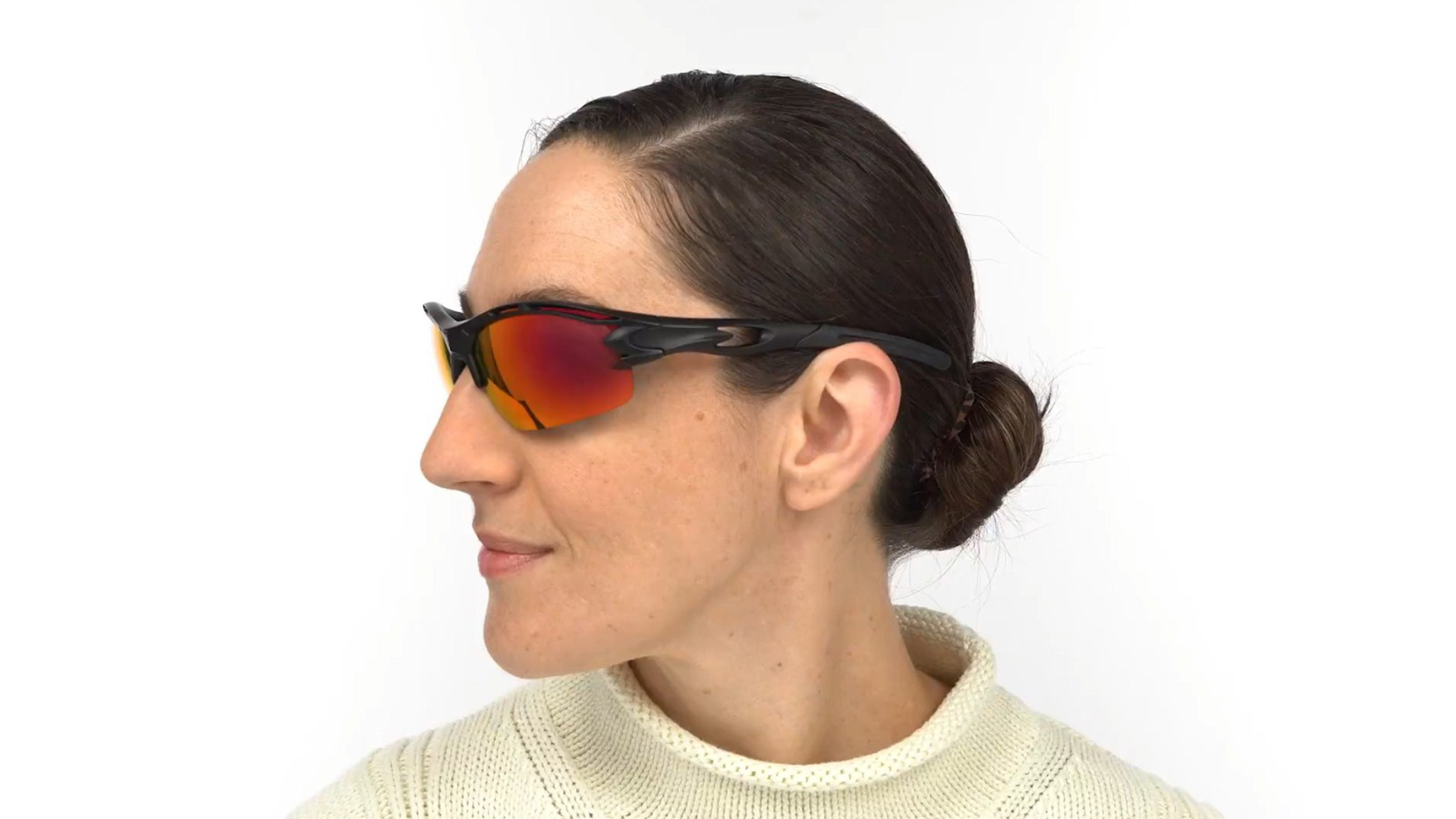
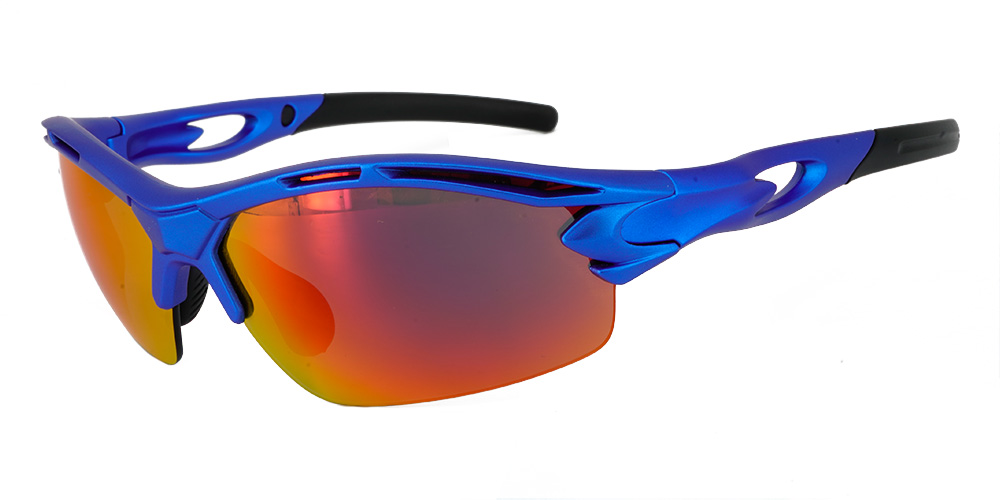
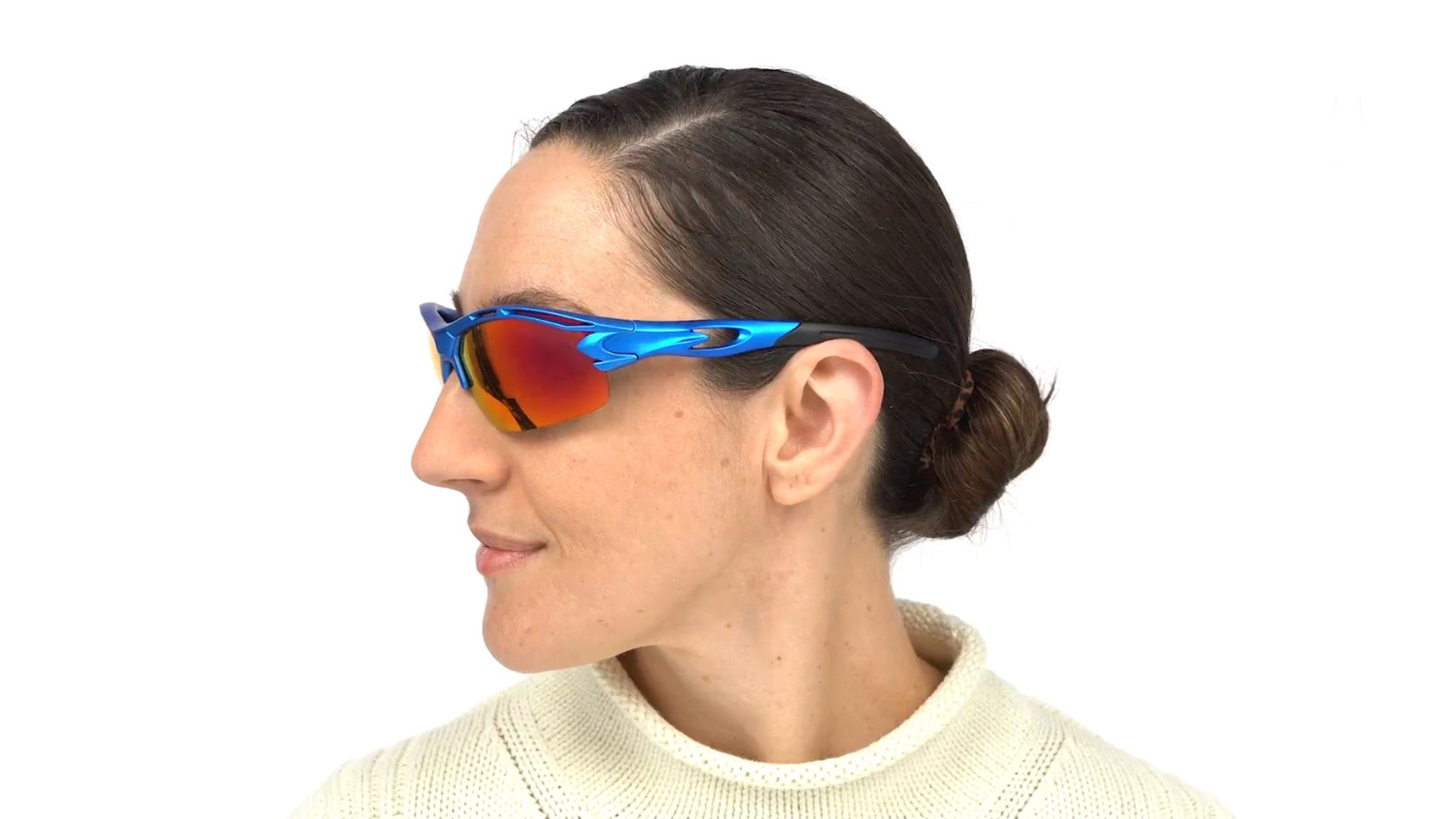
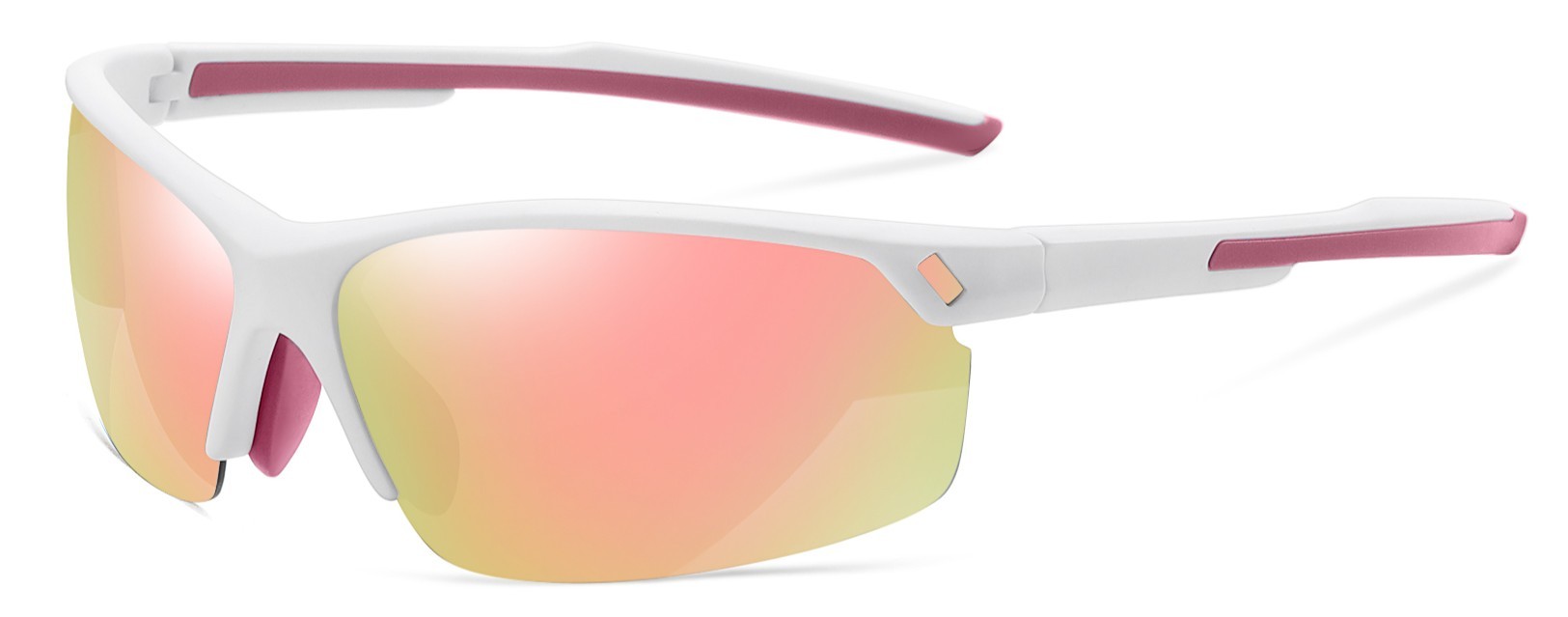
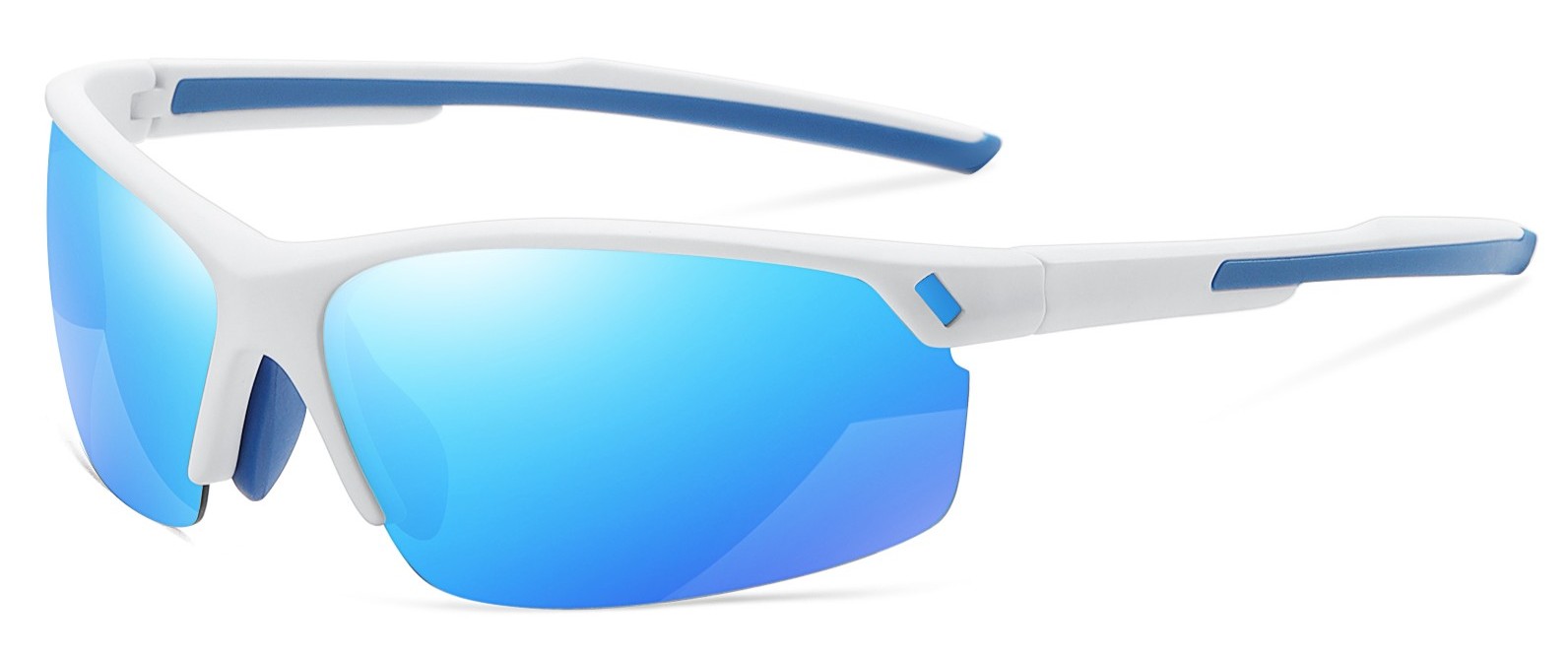
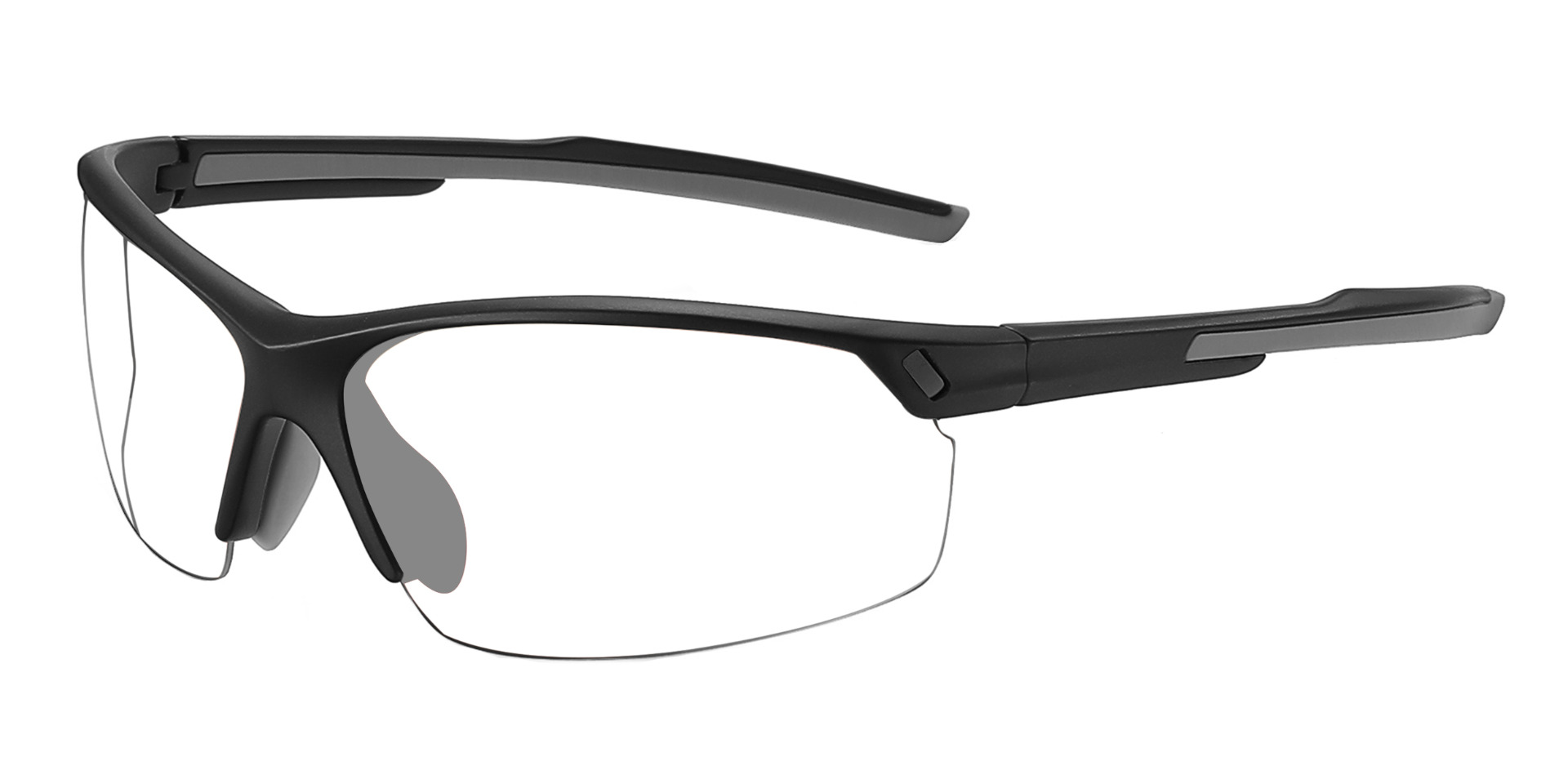
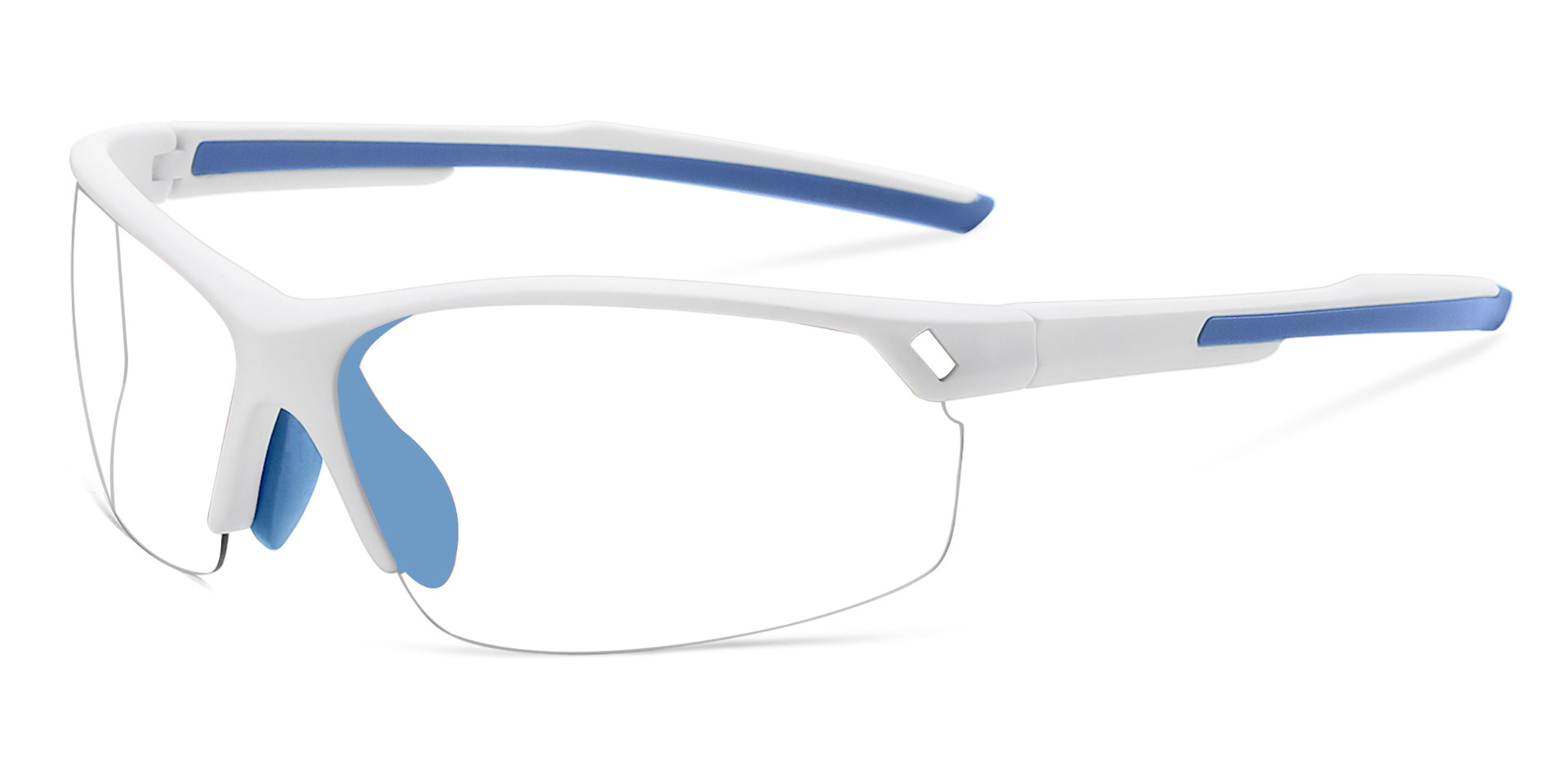
One Collection for Different Roles and Sports
Team games place different demands on eyewear. A footballer may need a strap-based frame for constant running, while a baseball player may prefer lightweight sunglasses for bright fields. Volleyball, hockey and other sports introduce different movement, equipment and rules.
This collection brings several styles together. The most suitable option depends on the sport, position, environment and individual fit rather than one universal design.
Build the Choice Around the Activity
Before choosing sports team sunglasses or clear sports glasses, consider how they will be used.
- Playing surface: Grass, turf, sand and hard courts reflect light differently.
- Speed of play: Faster movement makes frame stability more important.
- Contact level: Some sports involve close challenges, balls, sticks or equipment.
- Indoor or outdoor use: Clear lenses suit lower light; tints may help outdoors.
- Headgear: Helmets, caps and protective equipment can change the fit.
- Competition rules: Clubs and governing bodies may set eyewear requirements.
- Prescription needs: Complex prescriptions can limit frame and lens choices.
A frame suited to training may not meet competitive requirements. Check before match day.
Secure Frames without Unnecessary Pressure
Sports eyewear should remain level when the player runs, looks down, turns or changes direction. Adjustable straps, grippy nose pads and secure temple tips may help.
Compare the wearer’s existing glasses with the overall width, bridge shape and lens depth. Age labels are unreliable, particularly for growing children or unusually narrow or broad faces.
Test the fit during controlled movement. The frame should clear the eyelashes, avoid resting heavily on the cheeks and preserve peripheral vision. Overtightening cannot correct the wrong size or shape.
Lens Options for Outdoor Team Sessions
Grey lenses reduce brightness while keeping colours neutral. Brown or bronze tints add warmth and may strengthen perceived contrast. Amber or rose lenses can suit flatter light, while clear lenses work indoors, during evening training and under heavy cloud.
Polarised lenses reduce reflected glare from wet ground, sand and smooth surfaces. They may make phones, watches or scoreboards appear darker at certain angles.
Photochromic lenses change tint gradually as ultraviolet exposure varies. They suit sessions moving between sun and shade, although the transition is not immediate.
Lens darkness alone does not confirm ultraviolet protection or impact performance. Check the exact lens specification.
Prescription Eyewear for Team Players
Players who normally wear spectacles may benefit from prescription sports eyewear. Clear correction supports ball tracking, awareness of teammates, reading space and recognising instructions or markings at distance.
Use a current spectacles prescription and enter each eye’s sphere, cylinder and axis carefully. Pupillary distance may also be required. Do not normally copy contact lens powers because the measurements can differ.
Selected frames may offer single-vision, bifocal or progressive lenses. Single-vision distance correction is often simplest for active play. Players considering multifocals should assess whether the lower viewing area affects their view of the ground or equipment.
Highly curved frames may have tighter prescription limits. Check compatibility before choosing by appearance.
Protection Claims Need Product-Level Checking
A sports-style frame is not automatically protective eyewear. Where impact resistance or a recognised standard is required, confirm the markings and documentation for the complete product.
Prescription glazing, replacement lenses or modifications can affect an original claim. Any stated testing should cover the selected frame-and-lens combination.
Match officials, schools, clubs and governing bodies may apply their own rules. One design cannot be guaranteed for every competition, so check current requirements.
Match Eyewear with Helmets and Other Kit
Test any frame worn with a helmet using that exact helmet. Temple arms or straps must not lift the eyewear, interfere with fasteners or create concentrated pressure.
Caps, headbands and face equipment can also alter the fit. Put everything on in the normal order, then turn the head, look up and down and reproduce playing positions.
Do not force incompatible equipment together. Choose a different frame rather than bending or overtightening the eyewear.
Care between Training and Match Day
Rinse away mud, dust, sweat and grit before wiping. Use suitable lens cleaner and a clean microfibre cloth rather than clothing, paper towels or household sprays.
Allow straps, padding and frames to dry before storage. Keep eyewear in a protective case away from boots, balls, bottles and hard kit.
Inspect lenses, hinges, straps and contact points regularly. Replace cracked, deeply scratched, distorted or loose eyewear, and reassess the fit as young players grow. Comfort matters throughout every session.