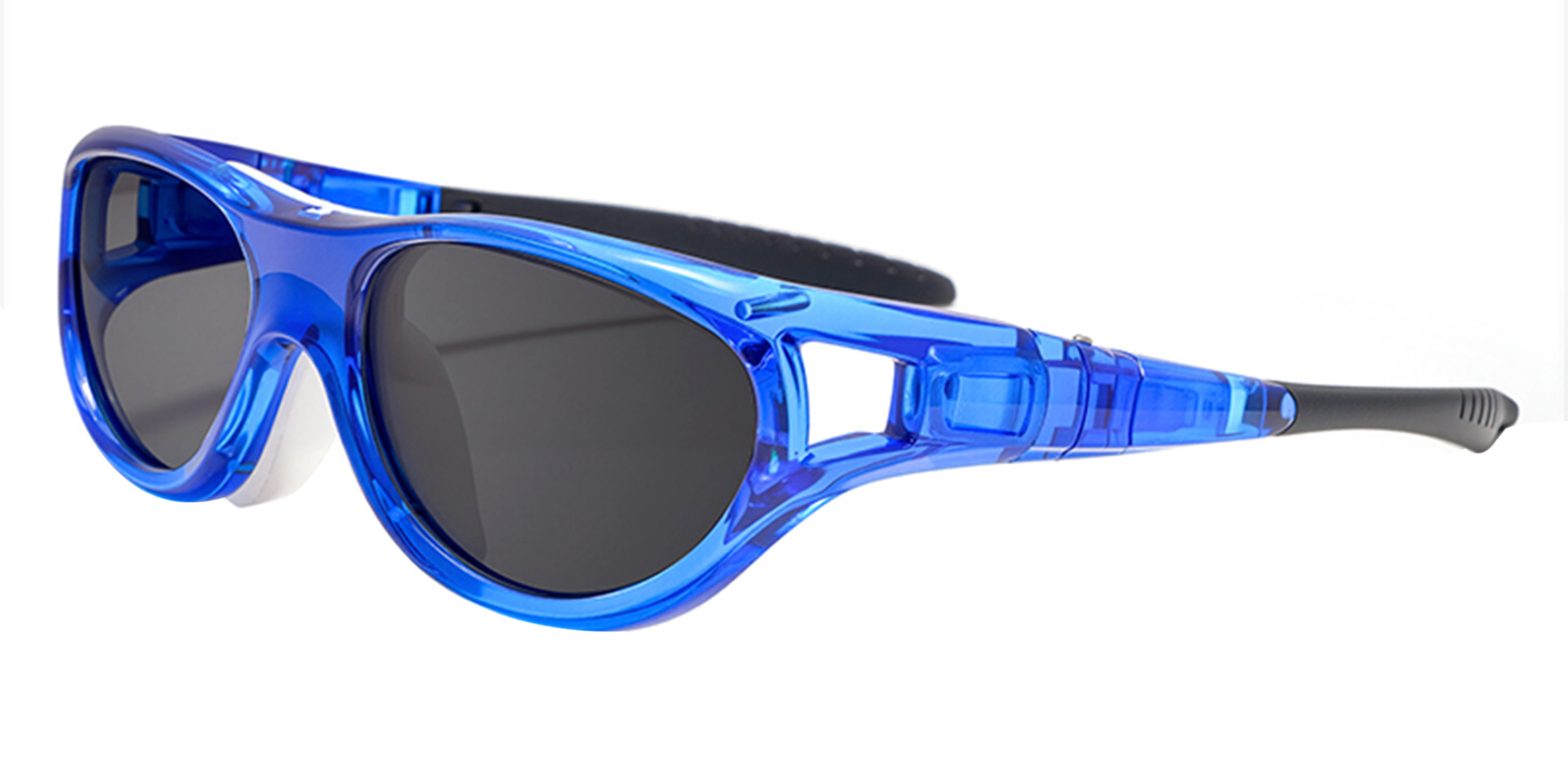
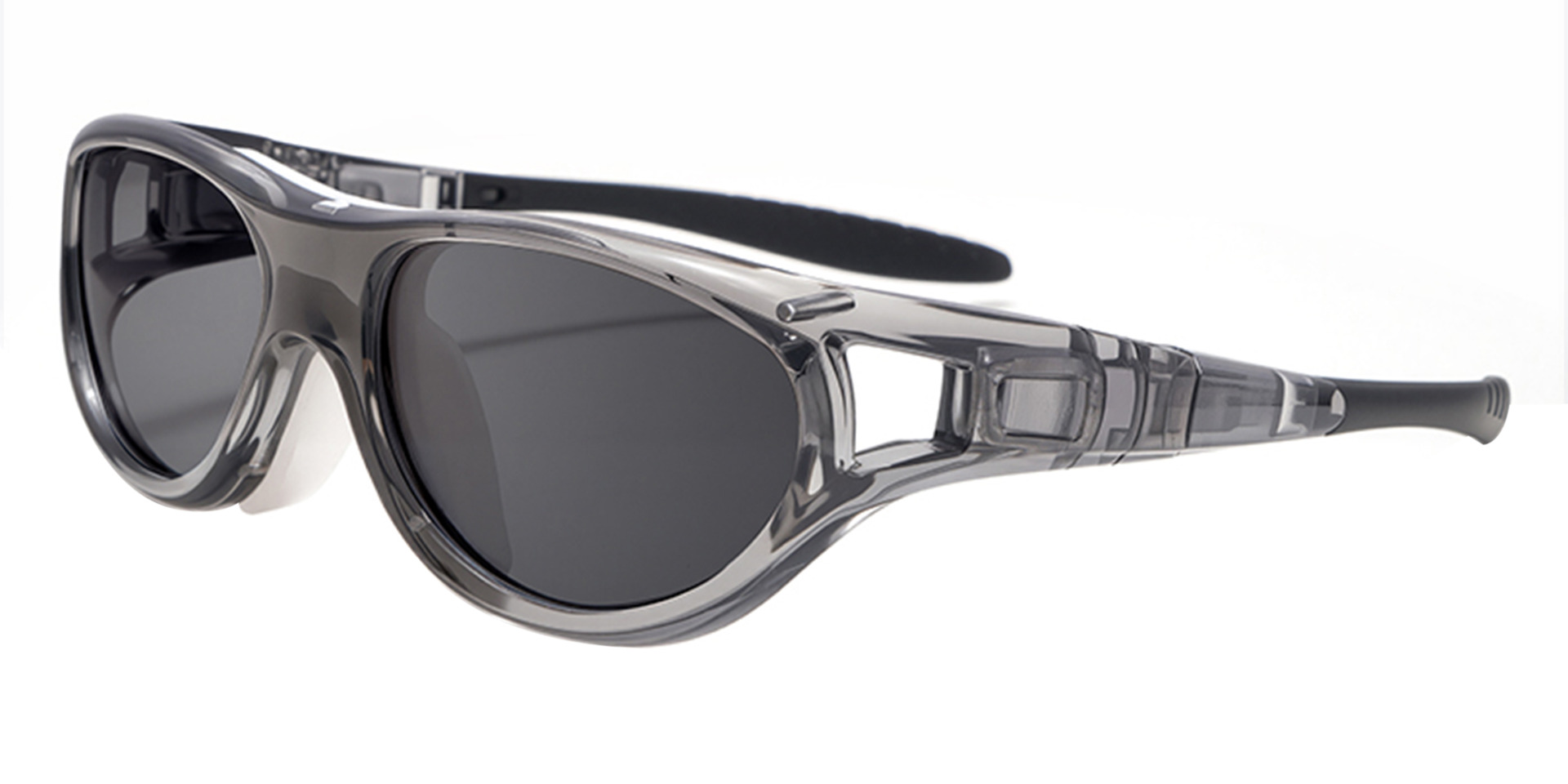
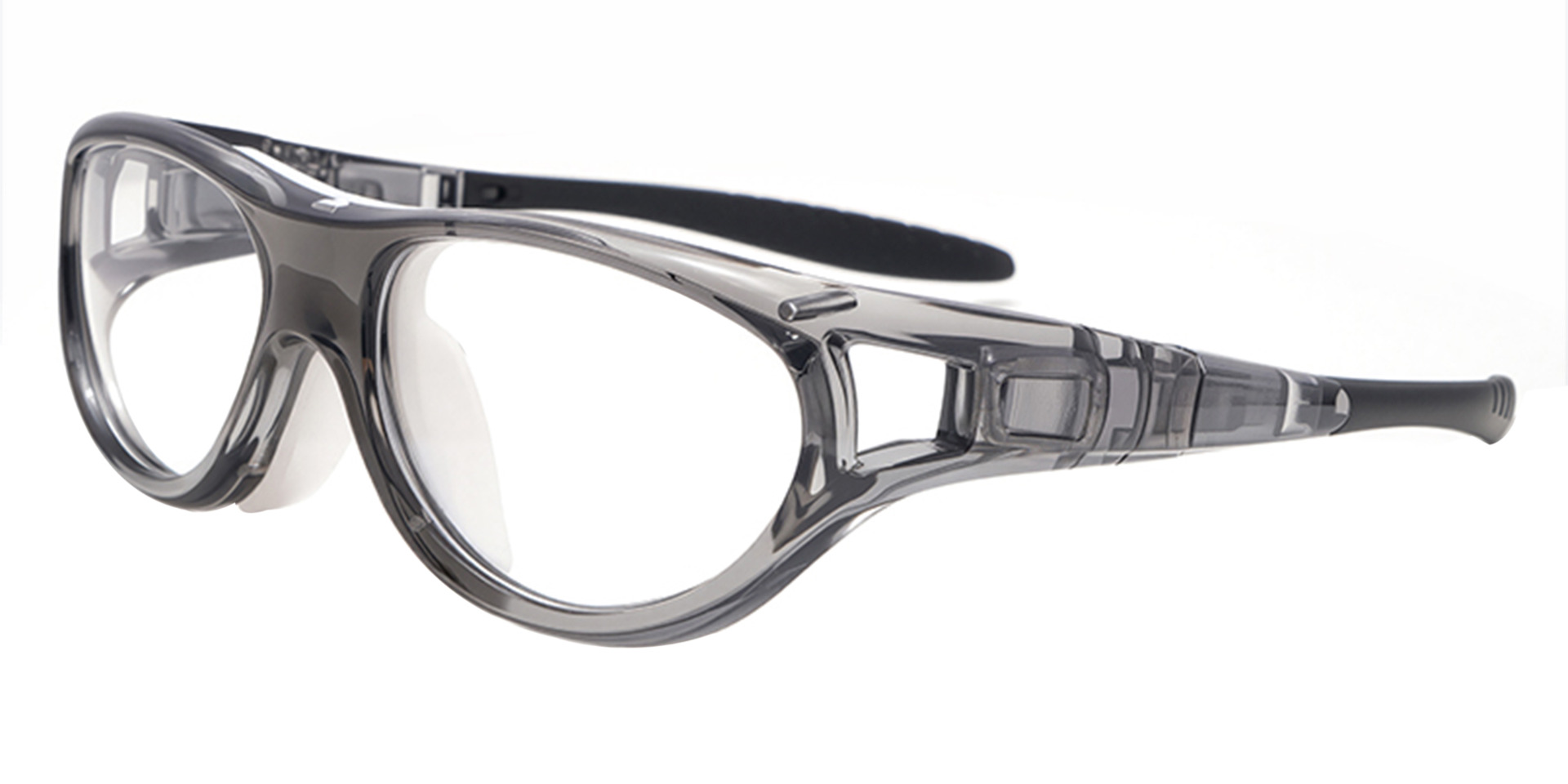
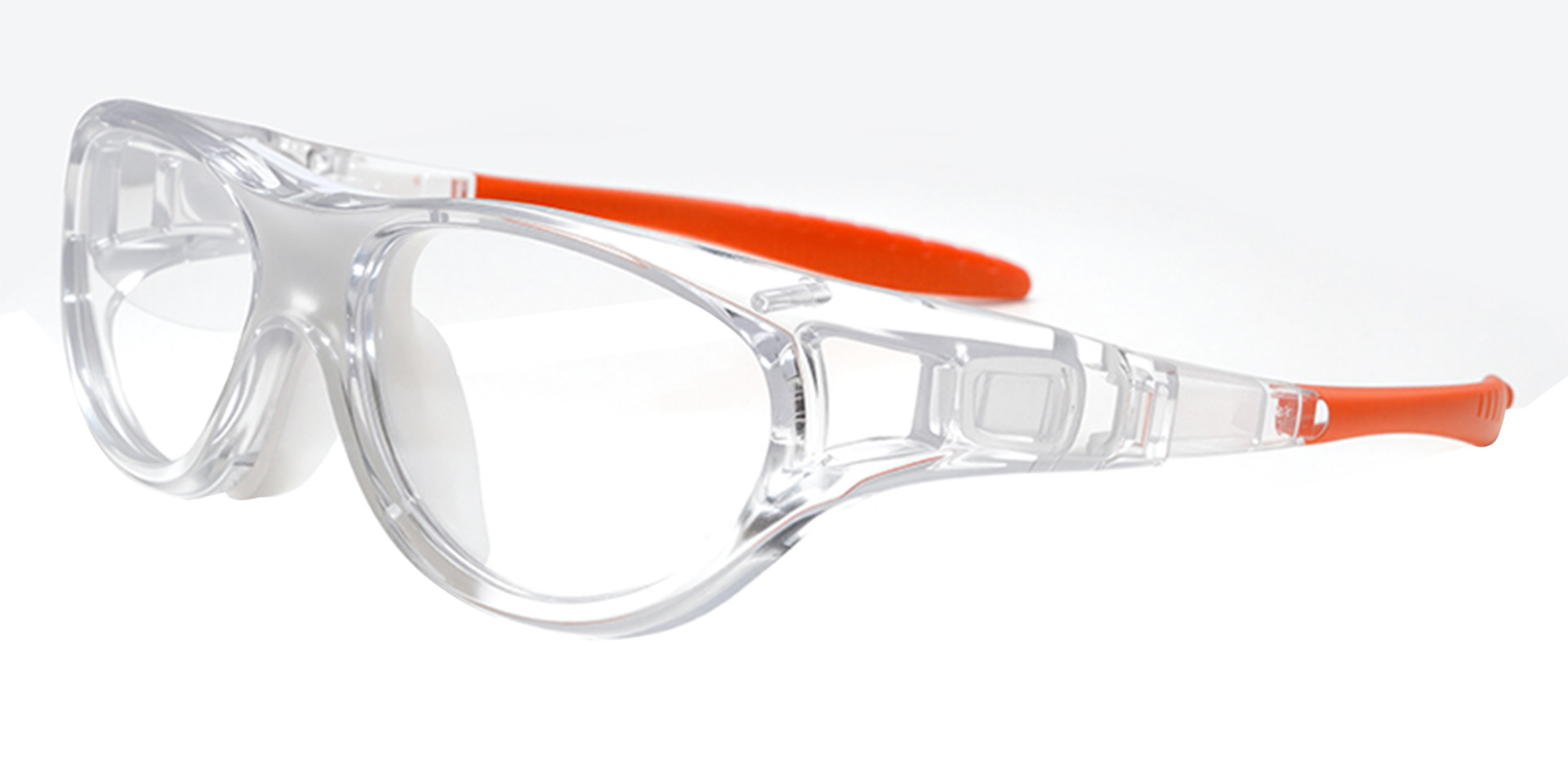
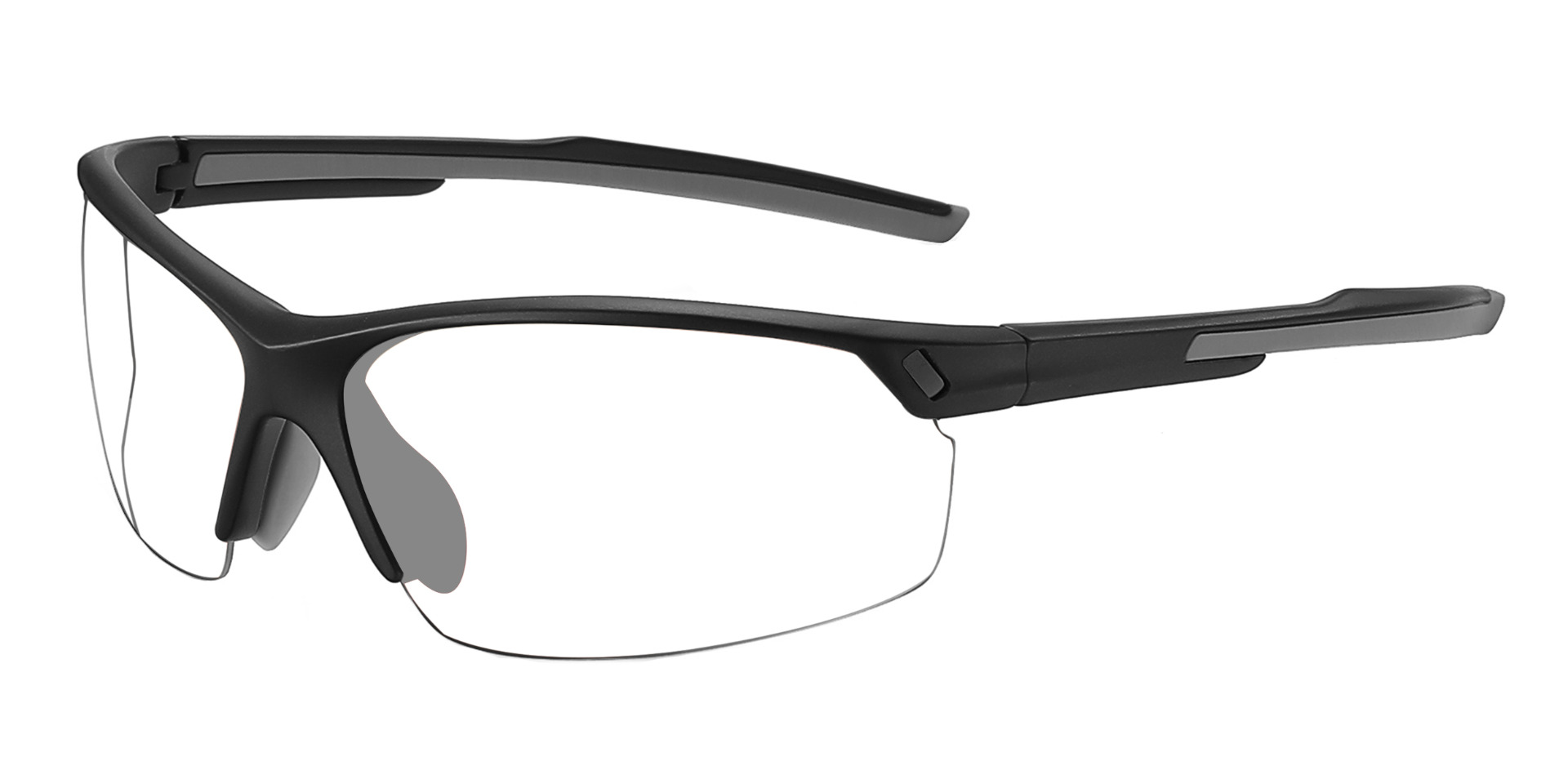
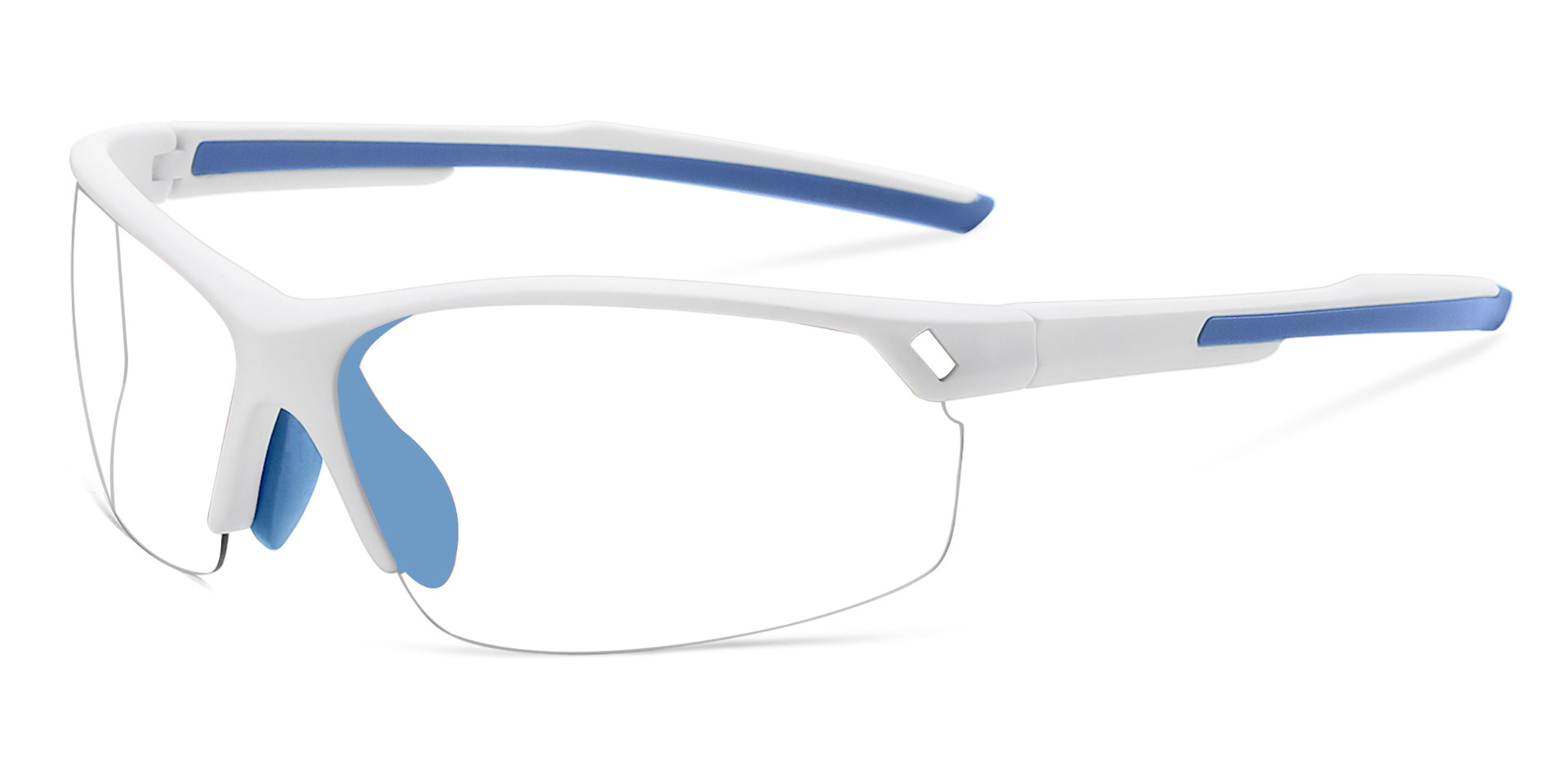
Why Ordinary Eyewear Can Struggle in Freefall
Everyday glasses are designed for normal movement, not strong airflow. They may lift, shift or allow wind to reach the eyes, making it harder to keep a relaxed view.
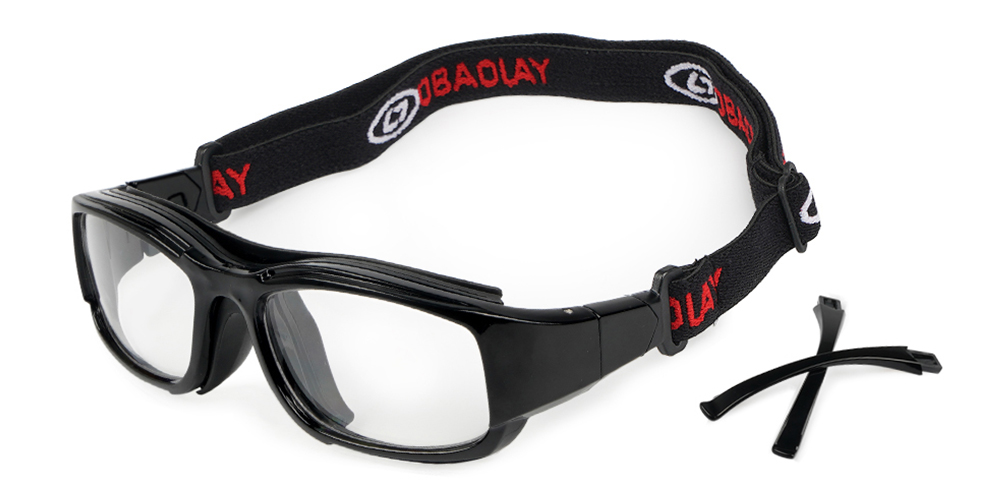
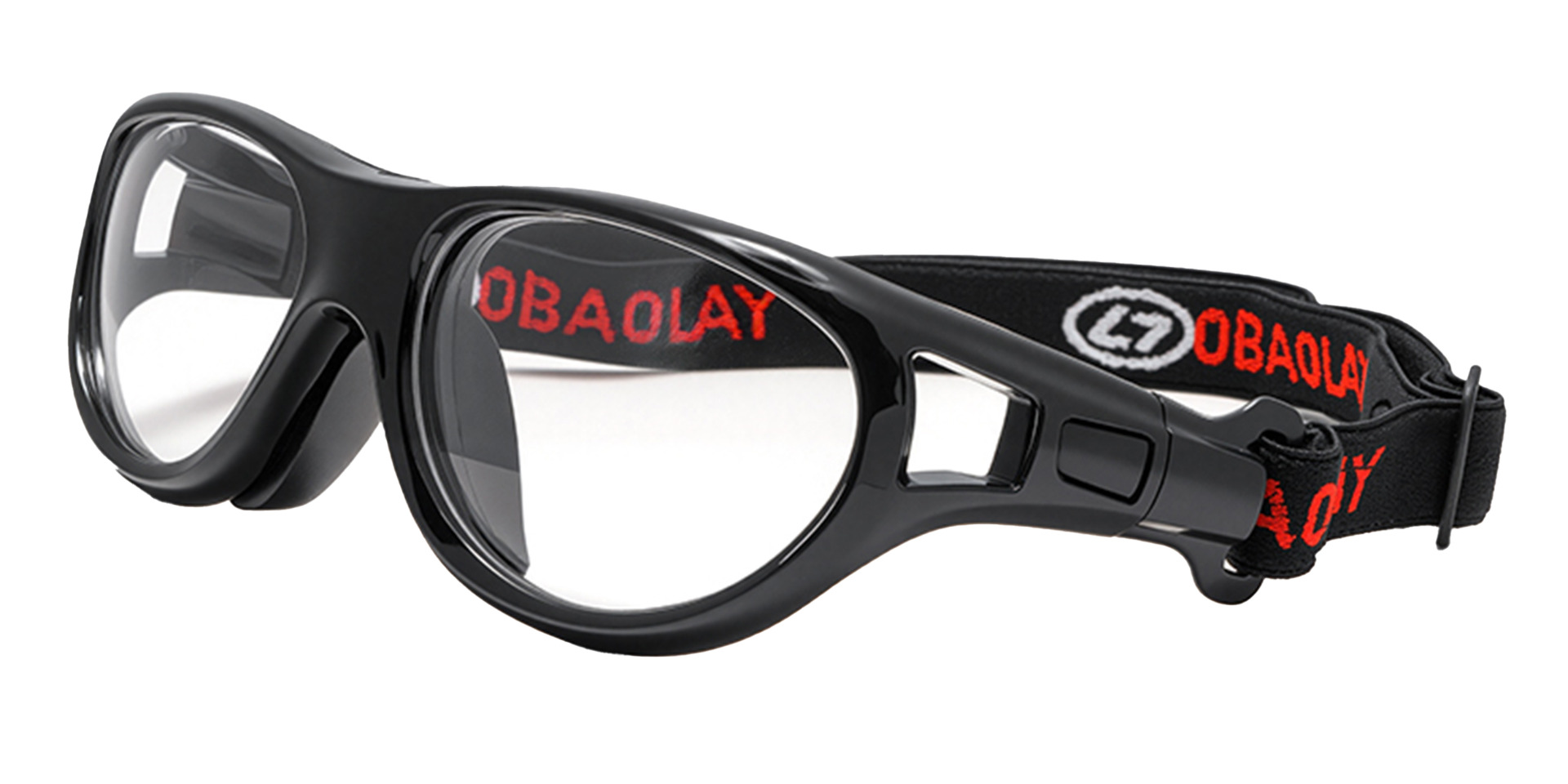
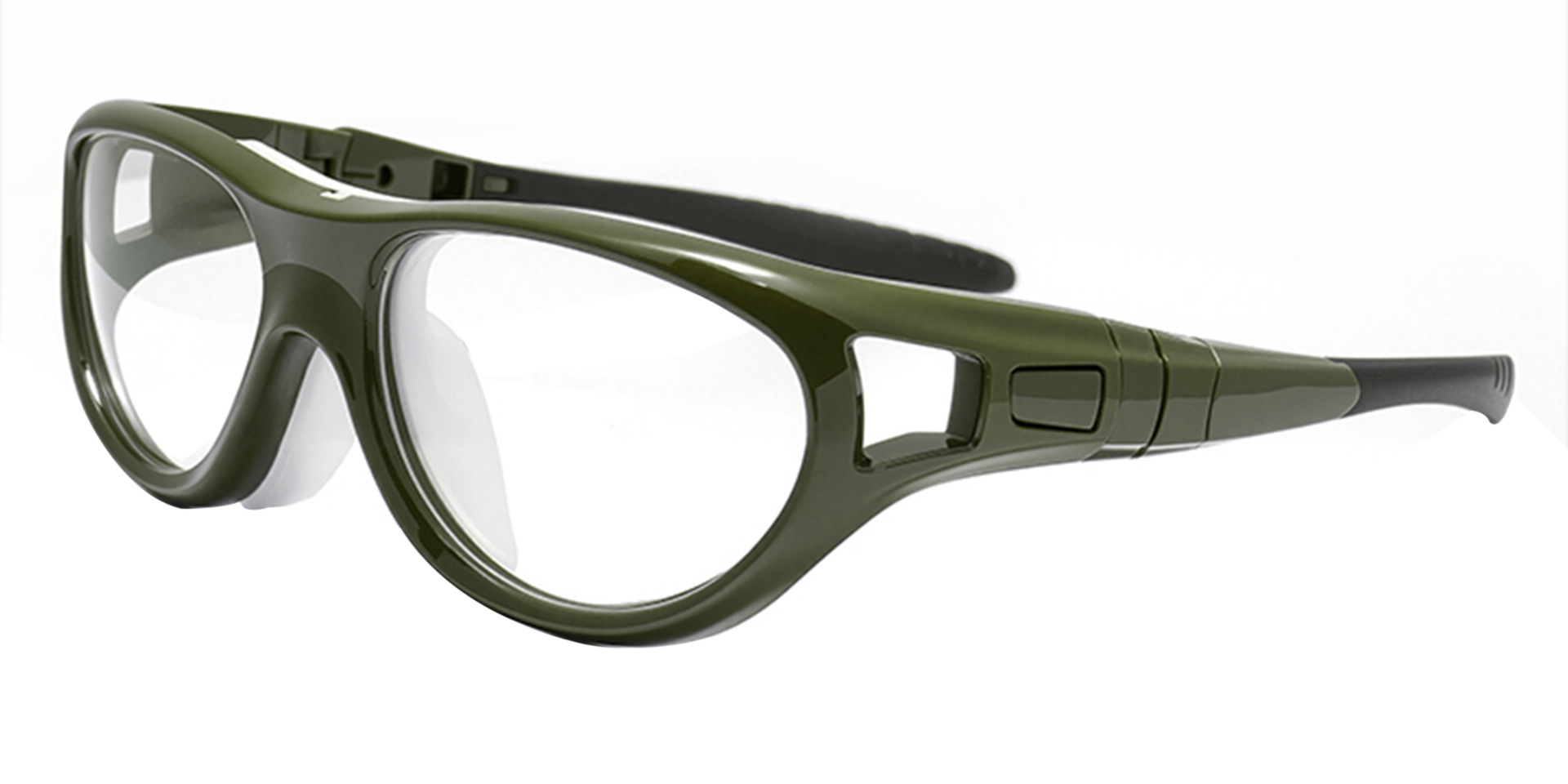
Skydiving goggles use a strap-based fit and closer coverage. The aim is to keep the eyewear steady from exit through canopy flight without creating painful pressure around the nose, temples or eye sockets.
Start with the Drop Zone’s Requirements
Operators, instructors and disciplines may use different equipment rules. Before buying, ask what eyewear is accepted for your training level, helmet and jump.
Check:
- Intended activity: Confirm that the model is suitable for skydiving rather than general sport.
- Helmet compatibility: The frame and strap must work with the helmet without lifting or twisting.
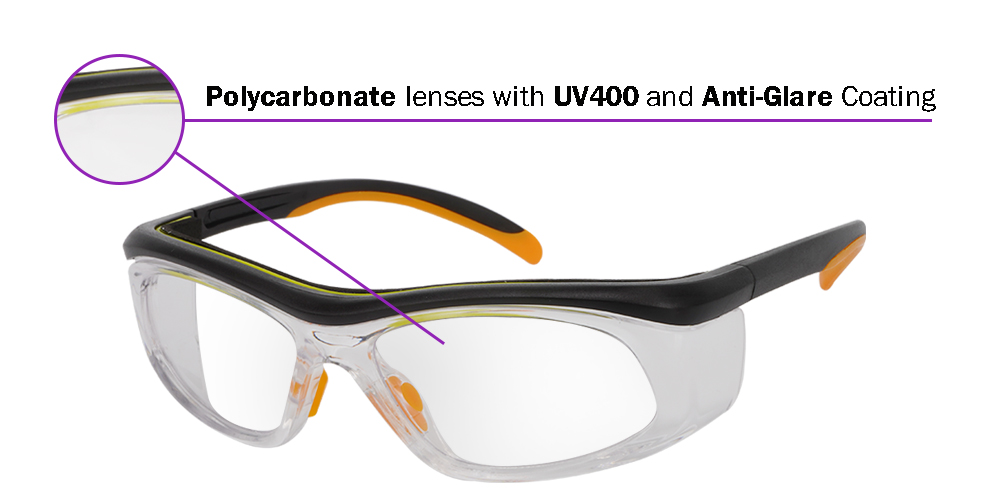
- Lens material: Review the product specification and stated impact information.
- Field of view: The rims should not restrict awareness above, below or towards the sides.
- Strap adjustment: It should remain secure without excessive tension.
- Ventilation: Airflow may help manage heat and moisture before exit.
- Prescription range: Confirm that the model supports your optical values.
A product page cannot replace instructions from a qualified instructor or drop zone.
Clear, Tinted and Light-Adjusting Lenses
Clear lenses are practical for indoor training, cloudy conditions and lower-light jumps. They preserve brightness and can make instruments, hand signals and surroundings easier to see.
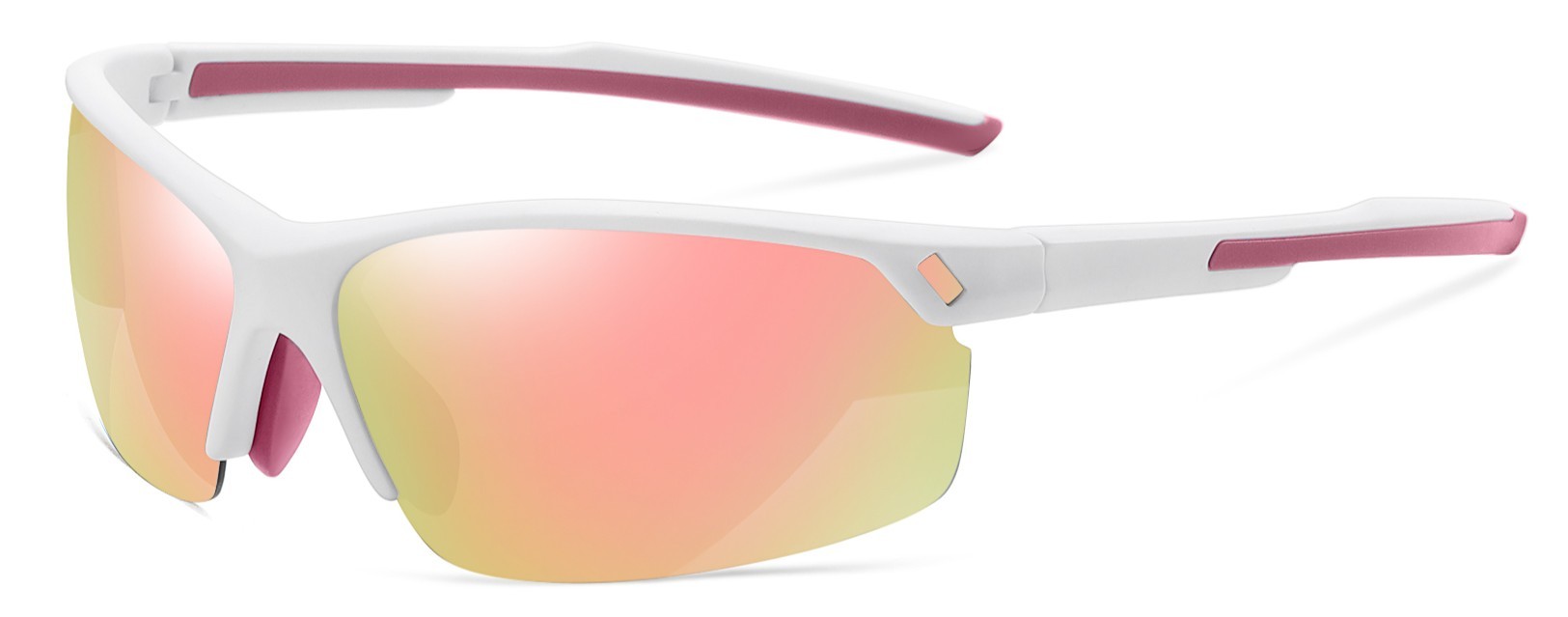
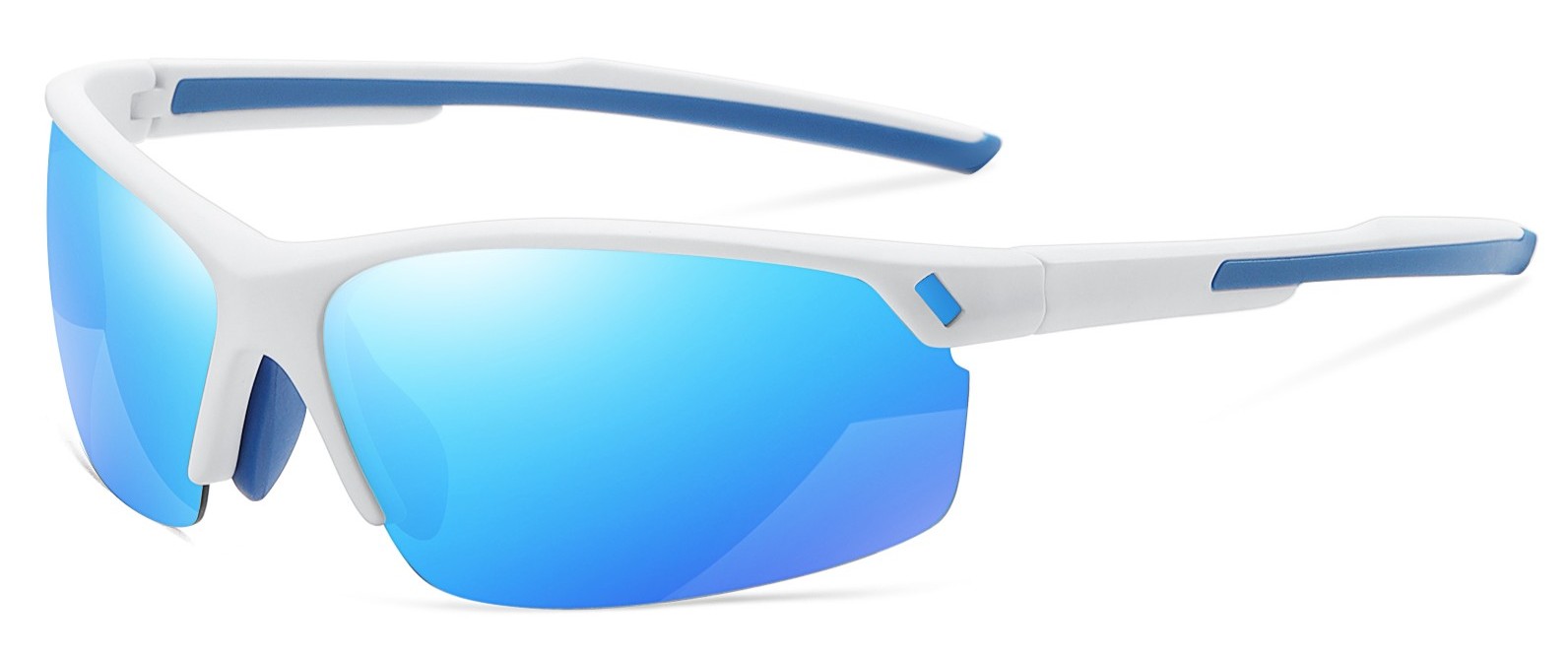
Grey or smoke lenses reduce brightness while keeping colours neutral. Brown or bronze lenses add warmth and may make contrast feel stronger. Yellow or amber tints can brighten dull scenes, although they may feel too light in strong sunshine.
Photochromic lenses change tint as ultraviolet exposure rises or falls. They can be useful when conditions vary, but the change is gradual. Performance can also vary with temperature and the ultraviolet light reaching the surface.
Very dark lenses may be unsuitable when cloud, altitude or the aircraft interior reduces available light. Choose around the full jump rather than the brightest moment.
Prescription Skydiving Goggles
Prescription skydiving goggles can help people who normally wear spectacles maintain clearer vision during training and jumping. Depending on the design, correction may be fitted directly or provided through an optical insert.
Use a current spectacles prescription and enter both eyes’ values. Sphere, cylinder, axis and pupillary distance may be required. Contact lens powers should not normally be copied because the measurements can differ.
Strong prescriptions, prism or higher astigmatism may limit frames. Highly curved lenses can have narrower optical ranges, so review compatibility before ordering.
Where the goggles carry a protective claim, confirm whether it applies to the prescription configuration you select.
Checking the Fit with Your Helmet
Test the goggles with the helmet you will use. Put both items on in the correct order, adjust the helmet and check that the strap sits flat without crossing vents, fasteners or other equipment.
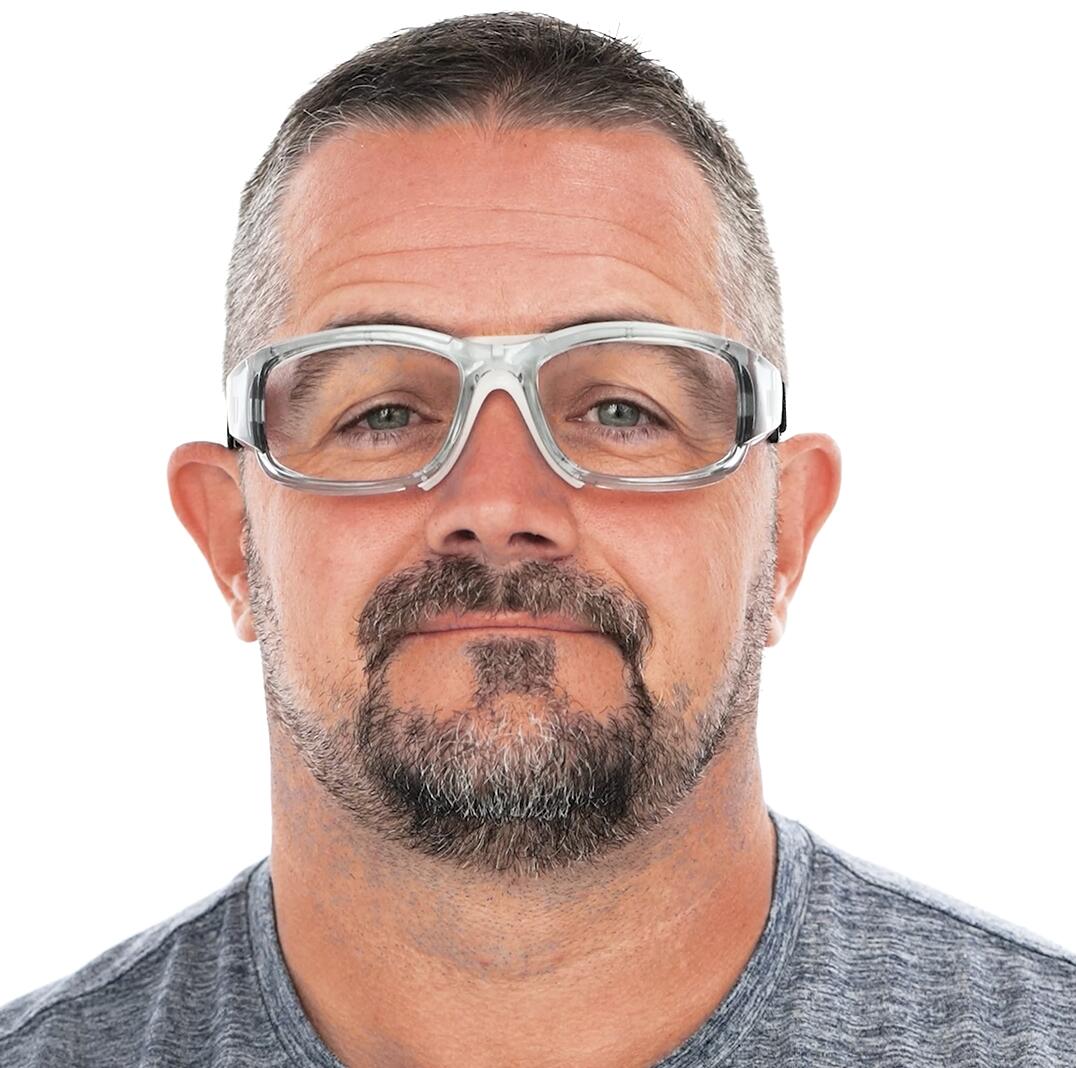
Move your head up, down and from side to side. The goggles should remain level, the lens should clear your eyelashes and the frame should not press sharply into the face.
A secure fit should not depend on overtightening. Deep marks, headaches or numbness suggest the shape or size may be wrong. If the helmet pushes the goggles out of position, choose another combination.
Fog, Moisture and Lens Care
Fogging can begin before exit when warm skin, breathing and a cool lens meet. Ventilation and anti-fog treatments may help, although no design remains clear in every condition.
Keep vents clean and use products intended for coated sports lenses. Avoid wiping the inner surface with gloves, clothing or rough towels. If vision becomes obscured, follow your instructor’s guidance and address it before boarding or jumping.
Rinse away dust and grit before wiping. Use suitable lens cleaner and a clean microfibre cloth, then allow the goggles and strap to dry before storage.
Packing and Regular Inspection
Keep the goggles in a protective case rather than loose inside a gear bag. Buckles, tools and equipment can scratch the lens or distort the frame.
Before use, inspect the lens, strap, buckles, vents and cushioning. Replace the goggles if the lens becomes cracked or deeply scratched, the strap loses tension, or the frame no longer stays secure.
Do not drill, glue or reshape the goggles unless the manufacturer permits it. Unapproved modifications may change the fit or performance.